
Gutter Guard Options for Minnesota: Choose the Right Type Before You Buy
Every Minnesota homeowner knows the autumn ritual: climbing the ladder to scoop wet maple and oak leaves out of the gutters before the snow arrives. Gutter guards reduce that chore, but picking the wrong style for Minnesota’s weather can cause more problems than it solves. Mesh screens, reverse curve covers, foam inserts, and brush guards all block debris differently, and each handles maple leaves, ice, and snow in its own way. This guide identifies the best gutter guards Minnesota homeowners can choose from, compares how each type performs through a Rogers-area winter, and helps you match a guard to your roof and tree cover.
Get Your Free Inspection
Our team will assess your roofline and recommend a gutter guard system suited for Minnesota winters.
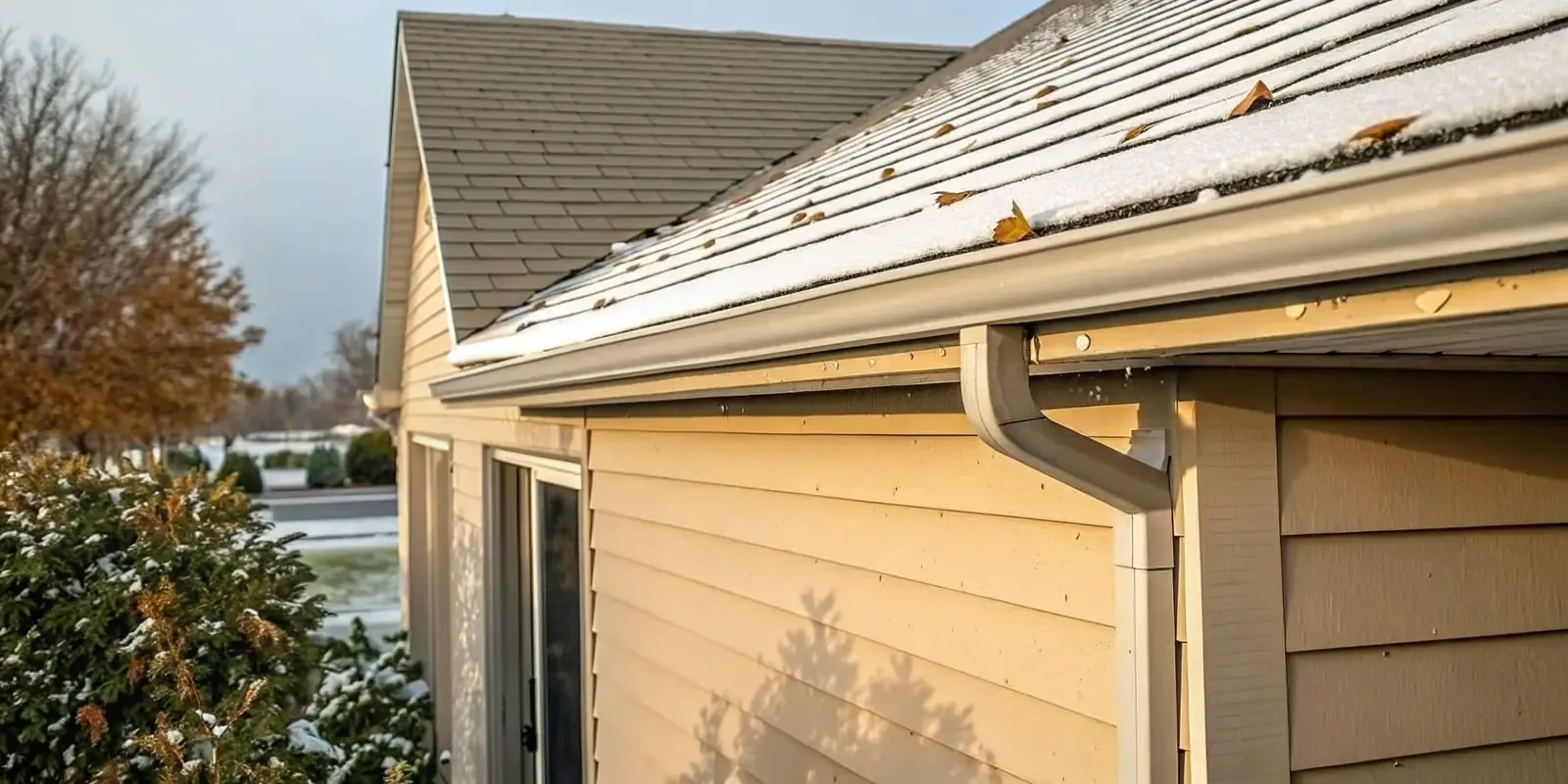
If you are ready to learn the hands-on process after reading this, our guide on how to install gutter guards in Minnesota covers measuring, slope, and securing each panel. This article focuses on the choice itself, because the guard you select has a bigger impact on long-term performance than the installation details.
Why Minnesota’s Climate Makes Gutter Guard Choice Harder
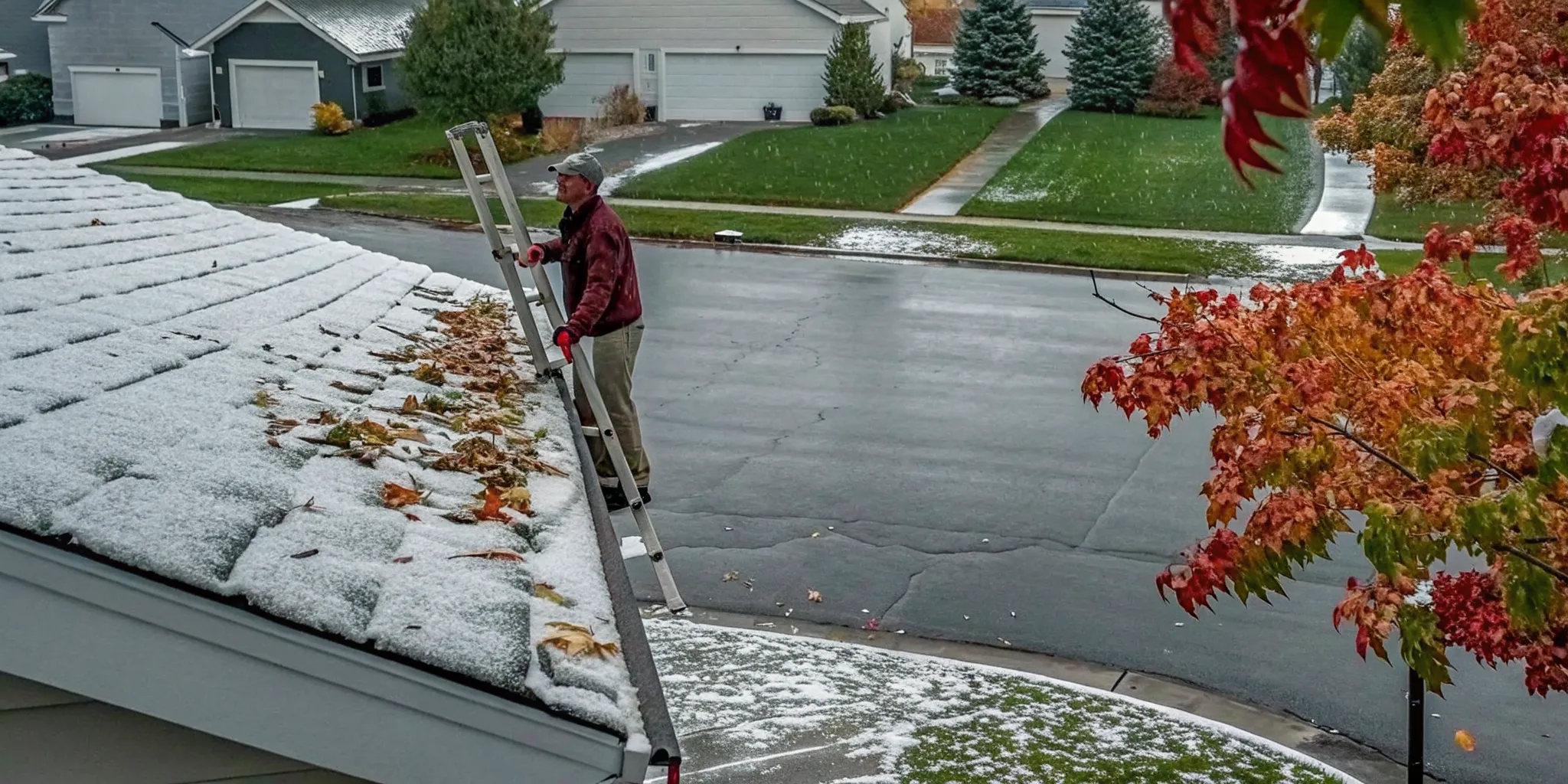
Minnesota gutter guards face a double test that milder climates do not. The first test comes from tree debris. Rogers and surrounding communities sit in a belt of heavy deciduous trees, and maple, oak, and cottonwood leaves drop in dense clumps each fall. The second test is winter. Four-plus months of freezing temperatures, ice, and drifting snow put stress on any guard, and some designs trap material that later freezes into a solid block.
Because of this combination, the best gutter guards in Minnesota are not simply the most popular national brand. They are the types that shed maple leaves without clogging, drain fast in heavy rain, and resist ice buildup along cold rooflines. Annual snowfall in the region can reach more than 40 inches, and repeated freeze-thaw cycles amplify any weakness in a guard system.
What Are the Main Gutter Guard Types?
Gutter guards fall into four broad families: screen and mesh guards, reverse curve (surface tension) covers, foam inserts, and brush guards. Each family uses a different mechanism to keep water flowing while blocking leaves. Understanding that mechanism is the fastest way to narrow your choice.
Screen and mesh guards sit on top of the gutter with a flat or arched surface of small holes. Water passes through the openings while leaves and twigs stay on top. Mesh versions use a much finer weave, which blocks shingle grit and pine needles that standard screens miss.
Reverse curve guards use a curved cover that water follows over the edge and down into the gutter, while debris slides off the front. They rely on surface tension, which means they depend on consistent water flow to work well.
Foam inserts wedge directly into the gutter channel. Water soaks through the porous foam while leaves collect on top of the guard instead of sinking into the channel.
Brush guards look like oversized pipe cleaners. Bristles fill the top of the gutter, holding leaves out while water flows through the gaps between their rows.
Mesh vs. Reverse Curve vs. Foam vs. Brush: A Minnesota Comparison
The table below compares the main gutter guard options Minnesota homeowners consider, with a focus on how each handles maple leaves, snow, and year-round upkeep.
| Guard Type | How It Blocks Debris | Maple Leaf Handling | Snow and Ice Performance | Maintenance Level | Best Fit |
|---|---|---|---|---|---|
| Micro-mesh | Fine stainless steel or aluminum weave on top of the gutter | Excellent; stops leaves and fine debris | Good with proper slope; sheds snow and ice well | Very low | Homes with heavy trees or pine needles; most Minnesota homes |
| Standard screen | Coarse perforated screen or expanded metal | Good for large leaves; fine grit can pass | Moderate; plastic versions can become brittle in subzero cold | Low to moderate | Budget-conscious homes with large debris only |
| Reverse curve | Curved cover that sheds debris off the front | Good when installed with correct pitch | Can shed ice well; depends on consistent flow | Low when installed correctly | Homes where a pro sets precise slope and water flow |
| Foam insert | Porous foam block inside the gutter channel | Good; leaves sit on top | Weak; can freeze solid and hold moisture | Moderate; may need periodic removal | Warm-climate homes, not ideal for Minnesota winters |
| Brush guard | Vertical bristles filling the top of the channel | Moderate; large leaves stay on top | Moderate; can trap ice between bristles | Moderate; needs periodic rinse | Homes with light debris and mild freeze-thaw |
For most Minnesota homes, a stainless steel micro-mesh guard is the strongest all-around choice. It blocks the fine debris that clogs standard screens, handles heavy snow loads with a properly sloped install, and needs the least hands-on maintenance. For a deeper look at the trade-offs between seamless and sectional gutter systems, see our seamless gutter installation guide. Reviewers at This Old House and guides from EcoWatch offer independent looks at how the main guard types compare.
What Is the Best Gutter Guard Minnesota Homeowners Choose?
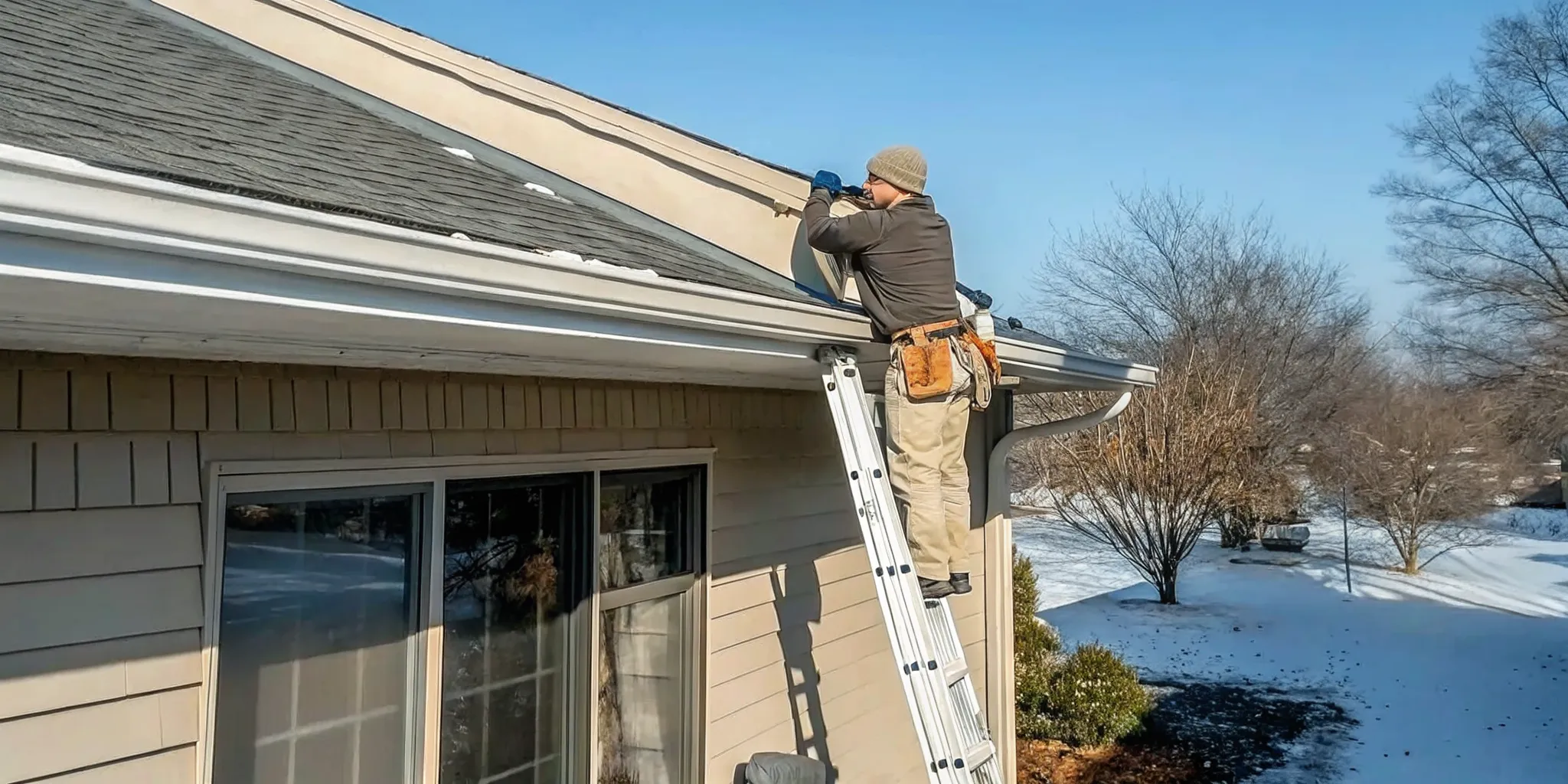
The best gutter guard for northern climates is one that combines fine debris filtration with the ability to shed snow and ice rather than trap them. Minnesota’s repeated freeze-thaw cycle is the deciding factor. A guard that holds water against the gutter edge in subzero weather can turn into a solid ridge of ice by mid-January.
Rigid guards with a solid mounting surface, such as stainless steel micro-mesh or a professionally pitched reverse curve cover, outperform soft foam and loose brush options in cold regions. Foam and brush guards have many small internal pockets that can hold water and freeze, which defeats the purpose of a guard that is supposed to keep water moving. If you frequently battle ice buildup, our ice dam prevention guide for Minnesota explains how roof and gutter conditions combine to form ice dams.
Maple Leaves and Other Debris: What Minnesota Trees Throw at Gutters
Rogers-area properties face a specific mix of debris that shapes the best gutter guard options Minnesota homeowners should consider. Maple and oak leaves fall in heavy waves, often while wet, and they mat together quickly. Cottonwood fluff in late spring is lightweight but airborne. Shingle grit and granules shed off asphalt roofs over time and wash into the gutter. Pine needles, where present, are thin enough to slip through coarse screens.
- Wet maple and oak leaves mat into dense layers that a coarse screen can bridge and block.
- Pine needles are thin enough to slip through many standard screens and require a fine mesh.
- Shingle grit from aging asphalt roofs is fine and abrasive, so it settles in any guard with large openings.
- Cottonwood fluff is airborne and lightweight, coating surfaces in late spring.
Because this debris is varied in size, a one-size-fits-all coarse screen often underperforms. Fine micro-mesh blocks grit and needles, while a slightly arched profile lets wet maple leaves slide off instead of sticking flat to the surface. Leading home-exterior reviewers consistently rank fine stainless steel micro-mesh systems among the top performers for blocking the fine debris that coarse screens miss. Matching the guard’s opening size to the debris you actually see on your roof is more useful than picking a guard based on brand name alone.
Snow and Ice: The Minnesota Reality Check
Snow and ice are the factors that separate a good gutter guard from a bad one in Minnesota. Heavy snow can weigh down a flimsy guard or collapse a poorly installed section. Ice dams form when heat escapes from the home and melts snow at the roof edge, where the meltwater refreezes over the cold gutter. A guard that collects ice along this line can make the problem worse by giving the ice more surface to grab.
Three features matter most for Minnesota winters: a rigid frame that holds its shape under snow load, a sloped install that lets water drain before it can freeze, and a design that keeps the water path clear of trapped debris. If your gutters already sag, are misaligned, or leak at the joints, adding a guard will not fix the underlying problem. It may be worth addressing gutter condition before investing in protection. Our Minnesota gutter maintenance calendar lays out a year-round schedule that aligns repairs and upgrades with the seasons.
How to Match a Gutter Guard to Your Home
There is no single best gutter guard for every Minnesota house, but a few simple questions narrow the field quickly.
- What trees are near your home? If you have maples or oaks with heavy leaf drop, choose a guard with a solid surface and a tight opening, like micro-mesh. If pine needles are the main concern, a fine mesh is almost mandatory because needles slip through coarse screens.
- What is your roof pitch? Steeper roofs drain fast and are easier to fit with most guard types. Low-pitch roofs put more demand on a guard’s ability to keep water moving over the curve or through the mesh.
- How much maintenance do you want to do? Micro-mesh and well-installed reverse curve systems are nearly set-and-forget. Foam and brush guards generally need more frequent rinsing and occasional removal, which is more work than most Minnesota homeowners want in January.
- Is your gutter system in good shape? Guards protect healthy gutters. If your gutters leak, sag, or pull away from the fascia, plan to repair or replace them first. A professional inspection can confirm whether your current system can support a guard.
Get Your Free Inspection
Our Rogers team will evaluate your gutters, roofline, and tree cover to recommend the right guard type for your home.
Should You Install Gutter Guards Yourself or Hire a Pro?
Simple screen guards are a reasonable weekend project for a handy homeowner, especially on a single-story roofline. Reverse curve systems and full gutter-mounted covers are more demanding because the slope and water flow have to be precise. A guard installed with the wrong pitch can channel water wrong and fail within a single winter.
For most Minnesota homes, a professional install is worth considering because the fine-tuning that matters for snow performance is hard to replicate with a ladder and a cordless drill. Professionals also handle roof-edge safety, fascia repairs, and gutter alignment, which protect the investment beyond the guard itself. Whatever path you choose, our installation guide gives the step-by-step details.
Frequently Asked Questions
Do gutter guards work in Minnesota winters?
Yes, when they are made of rigid materials, installed with proper slope, and matched to your debris load. Stainless steel micro-mesh and pitched reverse curve guards handle snow and ice well. Soft materials that hold water, like foam, are a weaker fit for Minnesota’s freeze-thaw cycle.
Which gutter guard is best for heavy leaves?
Micro-mesh and reverse curve systems are the strongest options for heavy maple and oak leaf drop. Both use a solid surface that shed leaves rather than letting them settle. Coarse screens work only if your debris is large and you accept that some finer material will pass through.
Do gutter guards prevent ice dams?
Gutter guards do not prevent ice dams by themselves, but a rigid guard that keeps gutters clear can reduce one contributing factor. Ice dams involve roof heat and ventilation, not just gutter blockage. A thorough roof and gutter assessment is the reliable way to address ice dam risk.
How often do gutter guards need cleaning?
With a well-matched micro-mesh guard, Minnesota homeowners may only need a quick inspection once or twice a year, plus a rinse after heavy leaf drop. Foam and brush guards need more frequent attention. No guard is truly zero-maintenance.
Are gutter guards worth it for a Minnesota home?
For homes with significant tree cover, yes. Guards reduce the frequency of dangerous ladder work, keep gutters flowing through winter, and protect the roof, siding, and foundation from water damage. The right guard type, chosen for your specific debris and climate, makes the biggest difference.
Choose the Right Gutter Guard for Minnesota
Choosing a gutter guard for Minnesota means weighing how each type handles maple leaves, ice, snow, and year-round upkeep. Micro-mesh is the strongest all-around pick for most Rogers-area homes. Reverse curve works well when installed with precision, and foam and brush guards are better suited to milder climates. Match the guard to your tree cover, roof pitch, and maintenance preferences, and make sure your gutters are in good condition before you invest.
Ready to protect your gutters before the snow flies? Contact us for a free inspection, and our team in Rogers, Minnesota will help you pick the best gutter guard options for your home.