A Minnesota hailstorm can leave a roof looking normal from the yard while bruised shingles, loosened granules, and damaged flashing allow water to enter later. Prompt hail damage roof repair starts with a safe ground-level check, clear documentation, and a professional inspection that identifies both visible and hidden damage.
Schedule a Free Inspection to get an honest assessment of your roof after a hailstorm.
Use the steps below to protect your home, prepare for an insurance conversation, and make an informed decision about repair or replacement. Referred Restoration serves Rogers and surrounding Minnesota communities with roofing, siding, gutter, window, and storm restoration services.
Hail damage roof repair: immediate steps
After hail stops, confirm everyone is safe, document visible damage from the ground, check the attic for moisture, and arrange a professional inspection. Do not climb onto a wet or damaged roof. Fast, careful action creates a useful record and helps prevent a small opening from becoming a larger leak.
Wait until conditions are safe
Stay indoors until the storm has fully passed. Watch for downed power lines, broken glass, fallen branches, and standing water before walking around the property. Wear sturdy shoes and gloves if you need to move through debris. Leave major cleanup and any work at height to trained professionals.
Complete a ground-level check
Walk around the home without using a ladder. Look for shingle pieces in the yard, dents in gutters or downspouts, damaged siding, torn window screens, and marks on metal roof vents. These clues do not prove the full extent of roof damage, but they help show where hail struck.
Check the attic and upper-floor ceilings for damp insulation, active drips, or new water stains. Place a container under an active drip and protect belongings, but do not disturb wet electrical fixtures. If water is entering quickly, ask a qualified contractor about appropriate emergency roof tarping services for temporary protection.
Document what you can see
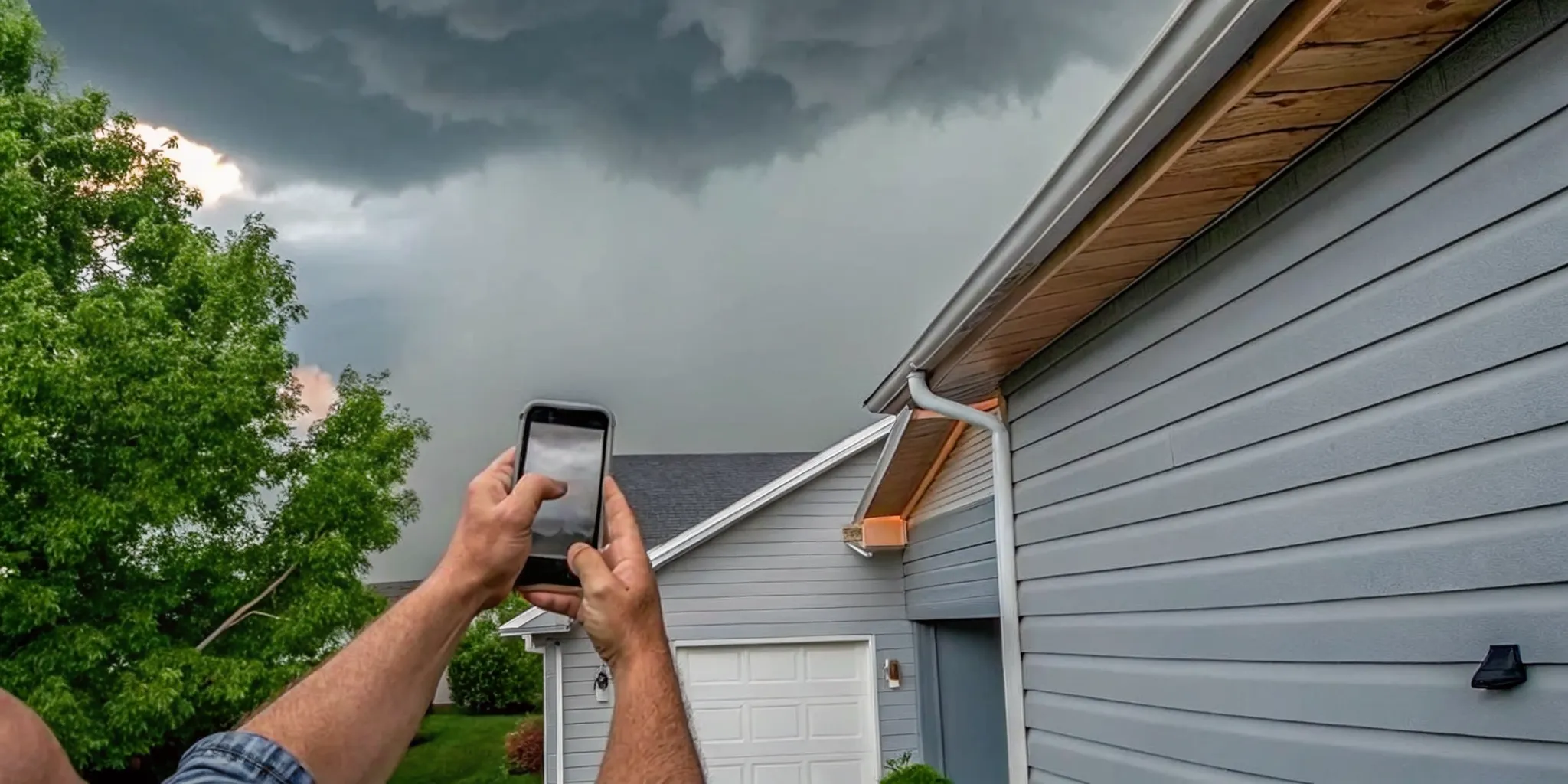
Build a useful storm record without climbing onto the roof:
- Take wide photos of every side of the home.
- Capture closer photos of visible dents, debris, and exterior damage.
- Photograph a hailstone beside a coin or ruler if stones remain.
- Record the storm date and approximate time.
- Save the files together for your contractor and insurer.
How can you recognize hail damage on a roof?
Common hail damage signs include dark shingle bruises, missing granules, exposed asphalt, cracked shingles, and dents in soft metal components. A homeowner may notice related damage on gutters, siding, or screens, but a trained inspector is better equipped to determine whether the roof system was compromised.
Bruised or exposed shingles
Asphalt shingles have a protective granule layer. A hail impact can knock away granules and expose the asphalt below. Fresh impact spots may appear dark, shiny, or soft. Over time, exposed areas face additional stress from sunlight, rain, snow, and Minnesota freeze-thaw cycles.
Granules also collect naturally as shingles age, so finding a few in a gutter does not automatically mean the roof has storm damage. A professional can compare the pattern, location, and condition of marks to distinguish recent impact damage from normal wear.
Dented metal and damaged exterior surfaces
Soft metal often provides clear evidence of a hail path. Inspectors examine roof vents, flashing, gutters, and downspouts for dents. Damage to siding, window wraps, screens, outdoor lights, or deck surfaces can also indicate that hail was forceful enough to affect the roof.
A storm can affect several exterior systems at once. Referred Restoration provides a single point of contact for roofing and related exterior restoration, including gutter inspections and restoration.
Indoor signs that need quick attention
New ceiling stains, damp attic insulation, musty odors, or visible drips can signal that the roof envelope has been breached. Water may travel along rafters before appearing indoors, so the stain may not sit directly below the damaged area. Arrange an inspection promptly if you notice any of these signs.
Why a professional roof inspection matters
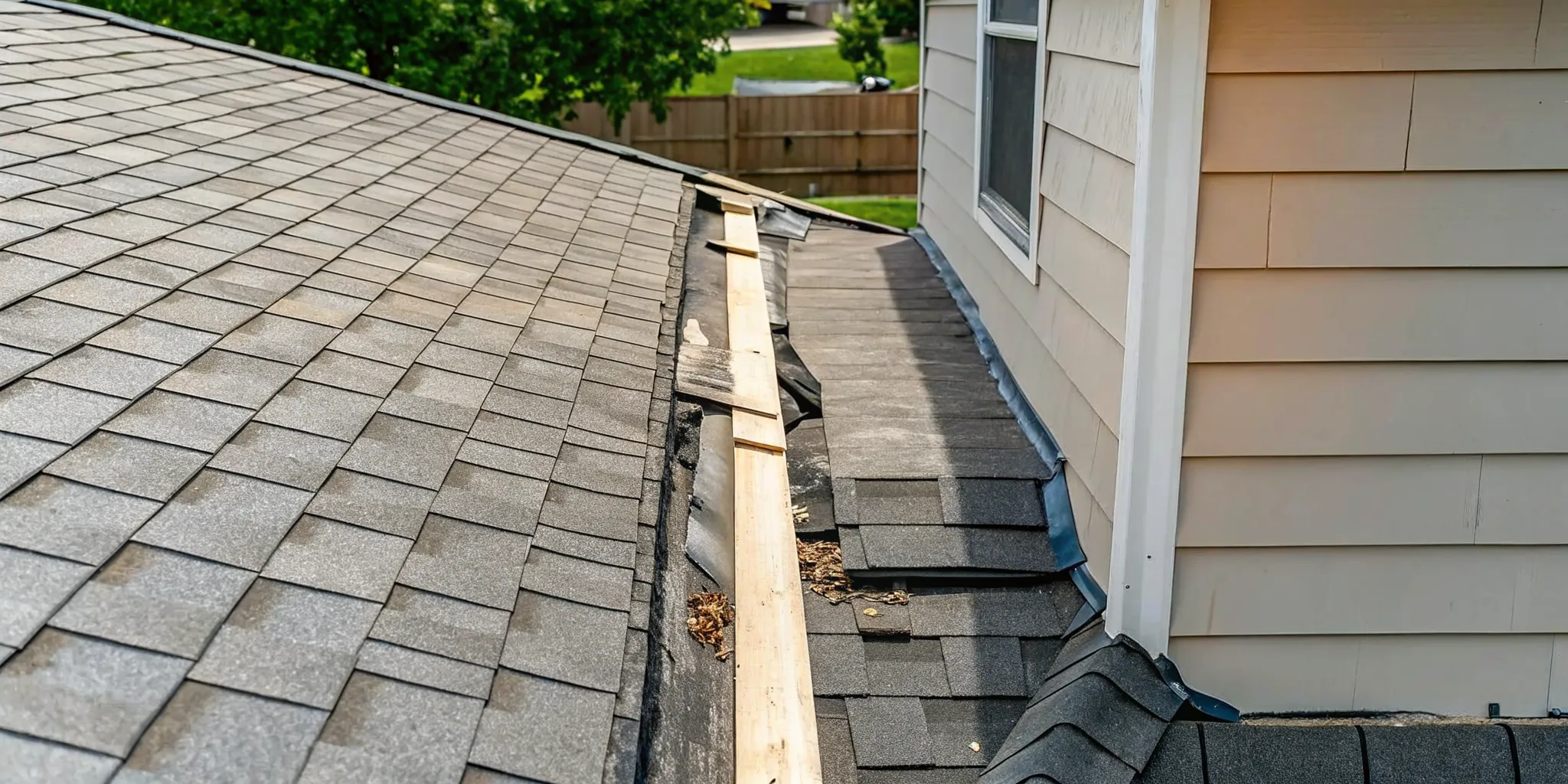
A professional inspection finds damage that may be difficult to see safely from the ground and creates a clear record of the roof’s condition. The inspector can evaluate shingles, flashing, vents, gutters, and the attic, then explain whether the roof needs monitoring, targeted repair, or broader restoration.
Roof access requires training and equipment
Storm-damaged roofs can be slippery, unstable, or covered with loose debris. Walking on weakened shingles may also cause further damage. A roofing professional uses appropriate access equipment and knows how to inspect the system without putting a homeowner at risk.
A complete inspection looks beyond shingles
The roof works as a system. An inspector should evaluate the field shingles along with flashing, penetrations, vents, roof edges, gutters, and visible decking or attic conditions. That broader view helps identify water-entry points that a quick yard check could miss.
Referred Restoration offers free roof inspections and honest recommendations for Minnesota homeowners. Learn more about the team’s roof inspections and storm restoration services in Rogers.
Documenting damage and handling an insurance claim
A strong storm-damage record includes dated photos, inspection findings, claim communications, and copies of all documents related to the event. Contact your insurer to understand your policy and required steps. A roofing contractor can explain observed damage and restoration needs, while the insurer determines coverage.
Organize the storm record
Create one folder for photos, videos, inspection notes, emails, and claim documents. Write down the names of people you speak with and the date of each conversation. Keep original files rather than editing them. A simple, complete timeline makes follow-up easier.
Ask your insurer about the process
Policies and claim procedures differ. Contact your insurer or agent promptly, ask what documentation is required, and confirm any deadlines that apply. Do not assume that every visible mark is covered or that every hail event requires replacement. The insurer makes coverage decisions under the terms of the policy.
Use the contractor’s findings
A contractor can provide photos and explain the observed condition of the roof and related exterior systems. Referred Restoration can help homeowners navigate the storm-damage claim process and communicate restoration needs. The goal is a clear scope based on the actual condition of the home.
Get Your Free Inspection before hidden storm damage has more time to develop.
Repair versus replacement after hail
The right solution depends on the location and extent of damage, the condition of the existing roof, and whether the system can be restored reliably. A few isolated damaged shingles may support a targeted repair. Widespread bruising, cracking, or multiple compromised areas may call for replacement.
| Inspection finding | Repair may fit | Replacement may fit |
|---|---|---|
| Damage pattern | Limited to a small, isolated area | Spread across multiple roof slopes |
| Shingle condition | Surrounding shingles remain serviceable | Widespread cracking or exposed asphalt |
| Water entry | Single identifiable source | Multiple vulnerable or leaking areas |
| Related components | Minor localized impact | Broad damage to flashing, vents, or edges |
When a targeted repair may work
Repair may be appropriate when damage is limited and compatible materials can restore the affected area. The contractor should also confirm that nearby shingles and flashing remain functional. Addressing a small issue promptly can help protect the roof deck and interior.
When replacement may be the stronger option
Replacement may be recommended when impacts are widespread, shingles are cracked across several slopes, or the existing roof cannot be restored reliably with isolated repairs. Referred Restoration installs asphalt shingle and metal roofing systems and can explain material options suited to Minnesota weather.
Homeowners comparing materials can review this guide to asphalt shingles for Minnesota homes and the company’s metal roofing guide.
Choosing a contractor after hail damage
Choose a contractor that provides a thorough inspection, explains findings clearly, understands Minnesota weather, and recommends work based on the home’s actual condition. Avoid high-pressure decisions. A trustworthy contractor should answer questions, document observations, and provide a clear scope before restoration begins.
Look for clear evidence and recommendations
Ask the contractor to show photos and explain what each finding means. The recommendation should connect directly to the observed damage. You should understand which components need attention, what the proposed work will accomplish, and what happens next.
Choose local exterior-restoration experience
A local contractor understands the way hail, wind, snow, and freeze-thaw cycles affect Minnesota homes. Referred Restoration is locally owned, serves Rogers and surrounding communities, and provides roofing, siding, gutters, windows, and storm restoration through one team.
Expect a straightforward process
Referred Restoration follows a three-step process: a free inspection, a custom solution, and professional installation. The team uses premium, durable materials, including Malarkey roofing products, when they fit the project. Recommendations are tailored to the property after the inspection.
What happens during the restoration process?
A well-managed restoration moves from documented inspection findings to a tailored scope, careful scheduling, professional installation, and a final walkthrough. The contractor should explain each phase before work begins and keep the homeowner informed when weather, material availability, or newly discovered conditions affect the plan.
Review the inspection findings
The process begins with a conversation about what the inspection found. Ask to see photos of impacted shingles, flashing, vents, gutters, and any interior moisture. The contractor should explain which areas remain serviceable and which need attention. If an insurance claim is involved, keep the inspection record with the rest of your claim documents.
Confirm the scope and prepare the property
Once you understand the recommendation, review the proposed scope and ask questions about materials, scheduling, site protection, and cleanup. Before work begins, move vehicles away from the home, secure patio furniture, and keep children and pets clear of the work area. Contractors may also recommend protecting delicate landscaping near the roof edge.
Installation and final walkthrough
During restoration, the crew removes damaged materials as required, evaluates the exposed roof deck, and installs the approved system. The team should protect the property and collect debris throughout the work. At the end, walk through the completed project with the contractor, review the work performed, and ask how to monitor the roof after future storms.
Referred Restoration develops a custom solution after the free inspection rather than applying the same answer to every home. That approach helps homeowners understand the actual condition of their exterior and move forward with a clear, practical plan.
Frequently asked questions
Can hail damage on a roof be repaired?
Yes. Localized hail damage can often be repaired when the surrounding roof remains serviceable. Widespread bruising, cracked shingles, or damage across several slopes may require replacement. A professional inspection is the best way to determine which approach can restore the roof reliably.
How soon should a roof be inspected after hail?
Arrange an inspection promptly after conditions are safe, especially if you see missing shingles, dented metal, ceiling stains, or attic moisture. Some hail damage is difficult to see from the ground. Early documentation also gives you a clearer record of the storm’s effects.
Should a homeowner climb onto the roof to inspect it?
No. A roof can be slippery or unstable after a storm, and walking on damaged shingles may make matters worse. Document visible signs from the ground, check the attic only when it is safe, and let a trained roofing professional perform the roof-level inspection.
Does Referred Restoration help with storm-damage claims?
Yes. Referred Restoration helps homeowners navigate insurance claims for hail, wind, and other covered storm events. The team can document observed damage and explain restoration needs. Your insurer remains responsible for determining coverage under your policy.
Schedule your free roof inspection
A timely inspection gives you a clear understanding of your roof after a hailstorm and a practical plan for the next step. Referred Restoration combines local Minnesota weather knowledge, honest assessments, and customer-first service. The team treats every home as if it were its own.
Schedule a Free Inspection with Referred Restoration to get clear guidance on hail damage roof repair for your home.