Author: Luis Alejandro

  • Free Roof Inspection: Signs Your Minnesota Roof Needs One

    Free Roof Inspection: Signs Your Minnesota Roof Needs One

    A small roof concern can be easy to miss from the ground. A lifted shingle, loose piece of flashing, or faint ceiling stain may seem harmless until the next Minnesota storm puts it to the test. A free roof inspection gives you a safer, clearer way to understand what is happening without climbing onto the roof or guessing about its condition.

    The right time to request an inspection is after hail or high winds, when you notice an exterior or interior warning sign. Or whenever you are unsure whether the roof is still protecting your home as it should. A professional can look at the full roofing system, document visible concerns, and explain reasonable next steps. Just as important, an honest assessment may find that no immediate work is needed.

    This guide explains the signs Minnesota homeowners can safely watch for, what happens during a professional inspection. And how to choose a contractor who will give you clear information without pressure.

    When should you schedule a free roof inspection?

    You do not need to wait for water to drip from the ceiling before asking a roofing professional to take a look. Roof damage often begins quietly. It can affect one shingle, a small flashing detail, or a vulnerable roof edge before it causes an obvious indoor symptom. An inspection is most useful when it gives you time to understand a concern before another storm arrives.

    After hail, strong wind, or a severe storm

    Hail can leave marks that are hard to see from the yard. Strong wind can lift shingles, loosen edges, or disturb materials around vents and other roof openings. Even when the yard looks clean and the roofline appears normal, a close professional review may reveal subtle changes.

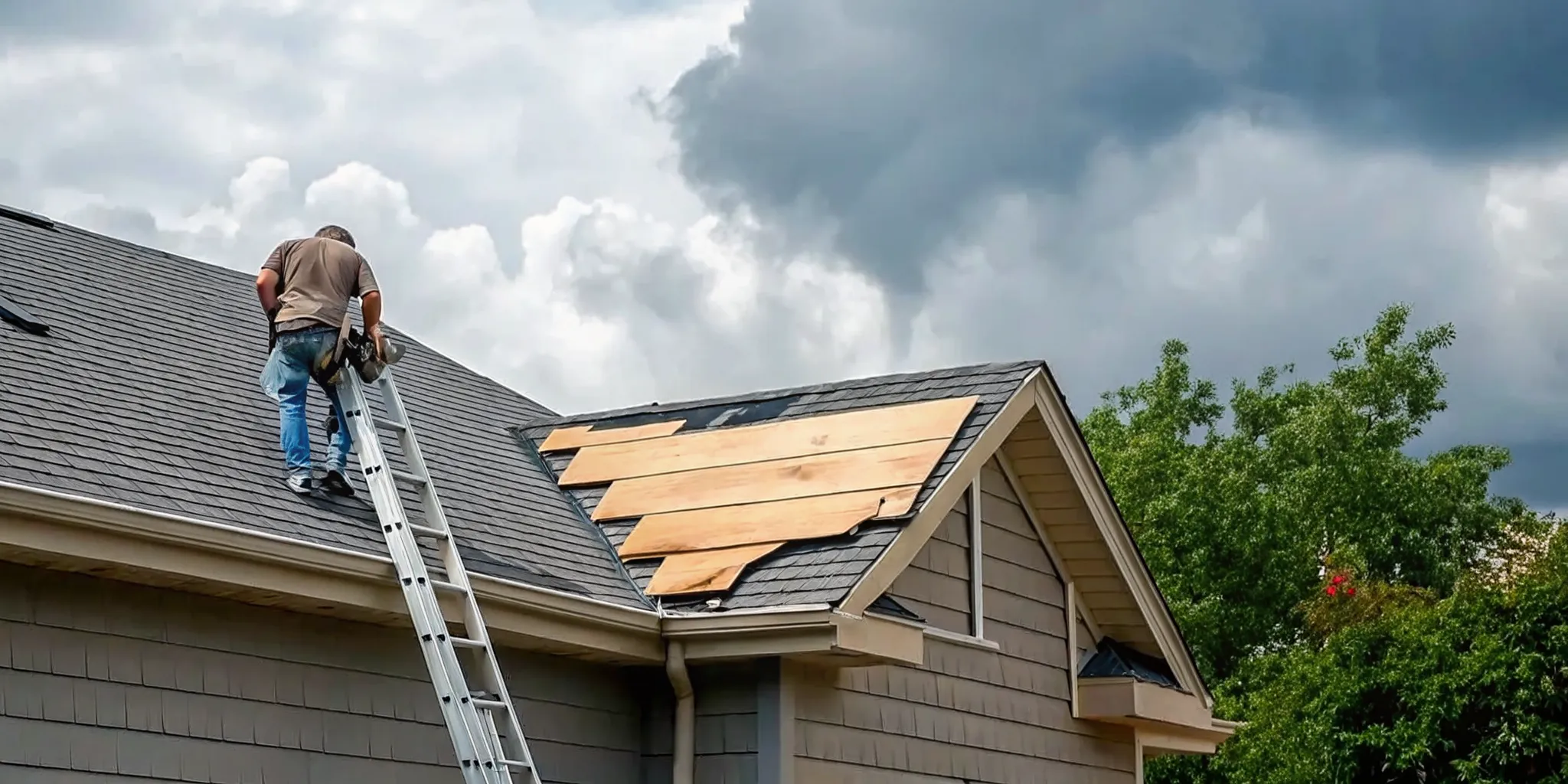
    After a storm, first look around your property from a safe place. Check for shingles or roofing debris on the ground, fresh dents on gutters or downspouts, and branches that may have struck the roof. Then arrange an inspection rather than trying to climb up yourself. If severe wind or hail has exposed the roof deck, arranging for professional emergency roof tarping can protect your attic from water damage while you wait. Wet, steep, or storm-damaged roofs can be unsafe.

    When your home shows a new warning sign

    A new ceiling mark, damp attic insulation, unusual gutter debris, or a changed section of shingles deserves attention. These signs do not always point to the same cause. For example, indoor moisture can relate to roofing, ventilation, plumbing, or condensation. A professional inspection helps narrow down the source instead of treating the visible symptom alone.

    When you simply need a clearer answer

    Sometimes there is no dramatic event. You may have moved into a home without much roof history, noticed gradual wear, or become unsure after several seasons of Minnesota weather. A free inspection can establish a current picture of the roof and help you know what to monitor. That information is useful even when the inspector finds no urgent concern.

    Roof warning signs you can spot from the ground

    You can learn a great deal without stepping onto the roof. Stand well back from the house and look from several angles in good daylight. Binoculars or a camera with zoom can help. Do not use a ladder during wet, icy, or windy conditions, and never walk onto a roof that may be damaged.

    Shingles that look different from their neighbors

    Look for shingles that appear missing, lifted, curled, cracked, or out of line. A changed patch may indicate that wind disturbed the area or that the material is no longer lying flat. Dark or light spots can also be worth documenting, though color variation alone does not confirm damage.

    Check the ground and gutters for pieces of roofing material. Some granules in a gutter can occur over time, but a sudden or concentrated amount after a storm is a good reason to ask for a closer review. A professional can determine whether the observation reflects ordinary shedding or a more specific concern.

    Changes around edges, vents, and roof openings

    Roof edges and penetrations are important because they connect different materials. From the ground, look for visibly bent metal, loose trim, displaced flashing, or an opening around a vent. Chimneys and roof-to-wall intersections also deserve attention because water must be directed carefully around them.

    Gutters can provide clues about roof drainage. A gutter that is pulling away, overflowing in one spot, or sitting unevenly may not move water as intended. Since Referred Restoration works with both roofing and gutter systems in Rogers, an inspection can consider how these connected exterior components are working together.

    A roofline that appears uneven

    Stand far enough away to see the roof plane and ridge. If a section looks newly wavy, dipped, or sagging, do not ignore it. Keep people away from the area and request professional guidance promptly. An uneven roofline can have several possible causes, and it needs an on-site assessment rather than a guess from a photo.

    What indoor signs can point to roof damage?

    Your home’s interior can reveal a roof concern before the exterior makes it obvious. Pay attention to new or changing symptoms, especially after heavy rain, wind, snow, or a rapid thaw. Take photos and note when the symptom appears. That record can help an inspector connect an indoor clue with conditions outside.

    Ceiling stains and peeling finishes

    A tan or brown ceiling mark, bubbling paint, peeling finish, or damp wall near the ceiling can signal unwanted moisture. A stain does not prove where the water entered. Water may travel along framing or other surfaces before it becomes visible, so the point you see indoors may be some distance from the source.

    Do not paint over a new stain before its cause is understood. Watch whether it changes after rain or thawing snow, and tell the inspector what you observed. If water is actively entering near electrical fixtures, keep clear of the area and seek appropriate professional help right away.

    Attic moisture, odors, or daylight

    If your attic is safely accessible, look from a stable walkway without disturbing insulation. Damp wood, compressed or wet insulation, musty odors, darkened areas, or frost buildup can all justify a closer evaluation. Daylight visible through an unexpected opening is another clear reason to call a professional.

    Not every attic concern begins with the roof covering. Ventilation and indoor moisture can create symptoms that resemble a leak. A thorough assessment considers the pattern, location, recent weather, and exterior conditions before recommending a response.

    Changes that appear only during certain weather

    Some symptoms show up only during wind-driven rain, melting snow, or a freeze-thaw cycle. Note the direction of the storm, when the mark appeared, and whether it dried afterward. These details can help the inspector focus on likely pathways while still reviewing the complete system.

    How Minnesota weather can hide roof damage

    Minnesota homes face changing conditions throughout the year. The same roof may experience summer hail, strong wind, deep cold, heavy snow, and a fast thaw. These shifts can expose weak points and make small defects more noticeable over time. They can also hide damage until a later weather event reveals it.

    Hail and wind may leave subtle changes

    A storm does not need to leave shingles scattered across the yard to affect a roof. Hail may alter the surface of roofing materials, while wind can stress edges or lift a shingle enough to weaken its seal. These changes may not create an immediate leak. That is why a timely inspection after a severe storm can be valuable even when the roof looks normal from below.

    When you request an inspection, share the date of the storm and anything you noticed around the home. A professional can examine likely impact areas and document visible conditions. Referred Restoration can also help homeowners understand the storm-damage insurance claim process when it is relevant, without promising an outcome.

    Freeze-thaw cycles test small openings

    Water can enter a small gap, freeze as temperatures fall, and then thaw when the weather changes. Repeated cycles may place added stress on vulnerable details. Flashing, sealant areas, and roof edges need careful attention because they help keep water moving in the intended direction.

    Snow and ice can make diagnosis harder

    Heavy snow can cover the surface and delay a complete exterior review. Ice at the roof edge may also affect drainage. Homeowners should avoid trying to chip ice or clear a steep roof without the proper training and equipment. A roofing professional can advise when conditions are safe for inspection and what areas deserve attention after the snow recedes.

    Local weather knowledge matters because timing and symptoms can differ by season. A contractor familiar with Rogers and surrounding Minnesota communities can connect what you are seeing with the conditions your home has recently faced.

    What happens during a professional roof inspection?

    A good inspection is more than a quick glance at the shingles. It considers the roof as a system and gives you information you can understand. The exact process depends on the home’s design, safe access, and current weather, but a thorough visit generally follows several clear steps.

    1. Discuss the reason for the visit. The inspector should ask what you noticed, when it began, and whether a recent storm affected the area. Share indoor photos, storm dates, and any known roof history.
    2. Review the property from the ground. This establishes a broad view of roof planes, edges, drainage, siding connections, and any visible debris or impact clues.
    3. Examine accessible roof components. When conditions allow safe access, the inspector can closely review shingles, flashing, vents, valleys, penetrations, and transitions between materials.
    4. Consider drainage and interior clues. Gutters, downspouts, and safely accessible attic areas may reveal patterns that help explain the concern.
    5. Document findings and explain next steps. A trustworthy professional should clearly describe what was observed, answer questions, and distinguish between an item to monitor and an item that needs attention.

    What the inspector is trying to learn

    The goal is to understand whether the roof is shedding water properly and whether materials and connections remain secure. The inspector looks for patterns, not just isolated marks. A ceiling stain, for example, becomes more meaningful when it aligns with a vulnerable exterior detail and recent weather.

    What you should receive afterward

    You should leave the conversation with a clearer understanding of the roof’s visible condition. Ask for photos of areas you cannot safely see yourself. Request plain explanations of any recommendations, including which concerns are most important and what can simply be monitored. If no work is currently needed, a trustworthy inspector should be comfortable saying so.

    For homeowners seeking a local roofing assessment, the Referred Restoration roofing team can inspect the roof and explain relevant options based on the home’s actual condition.

    How can you tell whether a free roof inspection is trustworthy?

    Homeowners often wonder whether an offer for a free inspection is legitimate, especially after a major storm. That concern is reasonable. A useful inspection should help you make an informed choice, not pressure you into an immediate decision. Take a few minutes to verify who is asking to inspect your home and what the visit includes.

    Ask clear questions before anyone climbs the roof

    Confirm the business name, local service area, and reason for the inspection. Ask what components will be reviewed, whether you will receive photos or a summary, and what happens if no damage is found. A professional should request permission before accessing your property and should be willing to explain the process in plain language.

    Be cautious when someone uses fear, vague statements, or extreme urgency before completing an assessment. You should have time to review findings, ask questions, and decide what makes sense for your home.

    Reassuring practiceReason to pause
    Clearly identifies the company and purpose of the visitProvides vague identity or avoids basic questions
    Requests permission and explains the inspection scopePressures you to allow immediate access
    Documents visible findings with clear photosMakes broad claims without showing what was observed
    Explains options and allows time for questionsUses fear or demands an immediate commitment
    Is comfortable reporting that no immediate work is neededAssumes major work is needed before a complete review

    Focus on the quality of the assessment

    The word “free” should not change the standard of care. The inspector should still treat your home respectfully, use safe practices, and give you useful information. Choose a contractor whose approach centers on the condition of your home rather than a predetermined result.

    Referred Restoration emphasizes honest assessments and customer-first guidance. The goal of a free roof inspection is to help you understand what the roof needs, whether that is monitoring, focused attention, or a broader restoration plan.

    What should you do after the inspection?

    Once the inspection is complete, take time to review the findings and ask for clarification where needed. Your next step should match what the inspector actually observed. A clear report may show that the roof is performing as intended, identify an item to watch, or recommend action on a specific concern.

    If no immediate work is needed

    Keep the photos and notes as a reference. Ask whether there are areas you should monitor from the ground after future storms. Knowing the current condition makes it easier to notice meaningful changes later. You can also ask when another review would be sensible based on the materials and recent weather exposure.

    If the inspector identifies a concern

    Ask the inspector to show where the issue is located, explain why it matters, and describe the available response. Understand whether the concern is isolated or connected to other exterior components. Roofing, flashing, gutters, siding transitions, and windows can all influence how water moves around the home.

    If storm damage is involved, document the findings and ask what information may be useful when speaking with your insurer. Referred Restoration can help with the storm-damage claim process when relevant, but the insurer makes its own decisions. Clear photos and a careful assessment help keep the conversation grounded in what was observed.

    Choose the next step that fits the evidence

    A trustworthy contractor should explain recommendations without rushing you. Review the scope, ask who will answer questions, and make sure you understand the plan. Referred Restoration serves as a single source for roofing, siding, gutters, windows, and storm-damage restoration. Which can be helpful when an issue involves more than one part of the exterior.

    Frequently asked questions about free roof inspections

    Should I get a free roof inspection after every storm?

    Not every passing rain shower calls for an inspection. It is wise to request one after hail, strong winds, fallen branches, or a storm that creates visible exterior or interior changes. If you are unsure, a professional can help determine whether a closer review is appropriate.

    Is a free inspection from a contractor really free?

    A reputable contractor should clearly explain the scope before beginning and should not pressure you to approve work. Ask what will be inspected, what documentation you will receive, and what happens if no concern is found. Clear answers are a good sign.

    What does a roof inspector check?

    A professional may review shingles, flashing, vents, valleys, roof edges, penetrations, gutters, and relevant interior clues. The exact scope depends on safe access and the home’s design. The inspector should explain what was and was not reviewed.

    Can I inspect the roof myself?

    You can safely look for warning signs from the ground and inspect accessible indoor areas. Avoid climbing onto the roof, especially after a storm or during wet, snowy, or icy conditions. A trained professional has the equipment and experience to complete a closer assessment.

    Will an inspection tell me whether I need roof work?

    It should give you a clearer picture of visible conditions and reasonable next steps. The result may be that no immediate work is needed, that an area should be monitored, or that a specific concern deserves attention. Ask the inspector to explain the evidence behind any recommendation.

    Schedule a free roof inspection with Referred Restoration

    Waiting can give a small roof concern more time to affect nearby materials. A prompt inspection gives you clear information while there may still be time to address an issue in a focused way. Referred Restoration provides honest assessments for homeowners in Rogers and surrounding Minnesota communities.

    Ready to get a clear view of your roof’s condition? Schedule a Free Inspection with Referred Restoration today.
  • Roof Repair or Replacement for Minnesota Homes

    Roof Repair or Replacement for Minnesota Homes

    Finding a wet spot in your attic after a heavy Rogers snowstorm often points to a minor flashing issue. These specific leaks usually require only minor professional work to restore your home to a dry and safe state. Quick action helps prevent rot and keeps your existing roofing system functional for years.

    Schedule a free roof inspection to learn whether a focused roof repair or replacement is the right next step for your Minnesota home.

    Roof repair is a smart choice for small damage like cracked shingles or loose flashing that has not hurt the main roof frame. Homeowners should usually pick this path when the roof is still new and the problem stays in one small area on the surface. The Minnesota Department of Labor and Industry notes many leaks come from bad flashing and can often be fixed without a full new roof. This simple fix helps you save time while a professional check from a local team ensures you only pay for the work needed. Taking care of these issues early can help extend the life of your roof and prevent more damage from occurring inside your home.

    Deciding between a quick fix and a total overhaul requires a clear understanding of your home’s current condition. You must look for specific signs of wear that indicate when roof repair is the right move. The process of deciding begins by looking for these signs.

    When roof repair is the right move

    Most roofs do not need a full swap the moment a leak starts. Minor issues often respond well to a simple fix. If your roof is young and the trouble is small, a focused expert roof repair services call might be all you need. This path saves time and keeps your home dry. Early fixes stop small drips from rotting the wood deck or soaking padding. Choosing a fix now can help you avoid a much larger job for many years.

    As shown by the Minnesota Department of Labor and Industry, a well-installed asphalt roof can last 20 years or more if it stays free of damage. Fixing small problems early helps you reach that full service life. In our state, heavy snow and hail put stress on your shingles. Regular checks help you find spots that need a quick touch-up. This keeps the whole system strong against the next big storm.

    Spotting local roof damage

    You should look for signs that are limited to one area. Hail stones or high winds can sometimes knock off shingles or leave small dents. If most of the roof looks good but you see a few cracked or curled shingles, a repair is likely best. Small fixes like this are much faster than a full job. They allow you to keep up your home without a long wait. Catching these early stops a small leak from turning into a big mess.

    Fixing these spots prevents water from getting under the layers and into your home. You can check for these signs from the ground with glass binoculars. Look for missing mineral grains or small holes that show the felt underneath. If the damage is in one small spot, local roof repair expertise can make that area as good as new. It is a smart way to keep your roof in top shape.

    Check your attic and flashing

    Many leaks start where the roof meets a wall or a pipe. These spots use metal strips called flashing to keep water out. If a strip comes loose or the seal breaks, you will see water inside. You should spend time in your attic looking for water stains or damp wood. Replacing old flashing can add years to your roof’s life. It ensures the hardest spots stay dry. This focused work handles small issues quickly.

    Look closely at the wood around your chimney and vents. These are the most common spots for leaks to start. These metal parts can often be fixed or swapped without a full roof project. This type of fix is a smart way to stop a leak at the source. It keeps the rest of your roof in place while fixing the one weak link. This keeps your home dry and safe without the need for a full project.

    Safety and professional checks

    Climbing onto a roof is dangerous for most homeowners. You should never walk on your roof to find a leak. Instead, look for signs of trouble from the ground or inside your home. If you see signs of a leak, the best step is a professional check. We offer a free inspection to help you find the right fix. Our team has the tools to check your roof safely and find the exact source of any trouble.

    Our team can spot things you might miss, like soft spots or hidden storm damage. This expert view ensures you get a custom solution that fits your home perfectly. We look at the age of the roof and the state of all the layers. If the rest of the roof is strong, a targeted fix is the right choice. You get peace of mind and the assurance that your home is in good hands.

    When roof replacement deserves consideration

    Most homeowners prefer a simple fix to keep their homes safe. While expert roof repair services can often solve minor leaks, there comes a point where fixing a roof is no longer the best move. You should think about a full replacement when your roof can no longer stop water or stay strong. According to roofing industry groups, you should consider a new roof when repair bills get too high or leaks become hard to manage.

    Signs of heavy roof wear

    A roof that looks worn out across its entire surface likely needs more than a patch. You may see shingles that curl at the edges or cup in the middle. These signs show that the parts have reached the end of their useful life. You should also check for lost granules in your gutters. These small bits of stone protect the roof from sun and rain. When they wash away, the roof loses its way to shed water and stay cool.

    Cracks and holes are other major red flags for homeowners. If you see many cracked shingles, the roof system is failing. Large areas of missing shingles after a storm also signal a need for more than basic reliable roof repair. Fixing one spot will not help if the rest of the roof is brittle and ready to break.

    • Shingles that are curled, cupped, or brittle.
    • Large amounts of grit or granules in the gutters.
    • Bald spots where the mineral coating has worn off.
    • Widespread cracks or missing pieces across the roof.

    Recurring leaks and deck rot

    A single leak near a chimney or vent is often easy to fix with new flashing. However, leaks that keep coming back in different spots tell a different story. If you find yourself needing a new expert roof repair every few months, the frame may be at risk. Water that gets past the shingles can rot the wood deck underneath. This damage weakens the whole house and can lead to mold or sagging ceilings.

    You should also look for signs of rot from inside your attic. Check the wood boards for dark stains or soft spots. If the deck feels spongy when you walk on it, the wood has likely soaked up too much water. The Minnesota Department of Labor and Industry notes that many leaks come from bad flashing, but deep rot requires a full system change. A new roof ensures that the wood stays dry and your home stays sturdy.

    Storm damage and hail impacts

    Minnesota weather can be very harsh on a home. Heavy hail and high winds can strip away the protection your roof provides. If a storm hits most of your roof, a simple fix might not be enough. Deep hail dents can weaken shingles and lead to leaks within months. High winds can lift entire sections of the roof, which makes the remaining shingles loose and weak.

    In these cases, a full replacement is often the safest path. It allows a pro to check the entire system for hidden flaws. You can get a free inspection to see how much damage happened. This step helps you decide if you need a new roof to protect your family from the next big storm. Dealing with major issues now prevents more stress and bigger problems later on.

    Get your free inspection before deciding between a targeted repair and a full replacement.

    Roof repair vs. replacement at a glance

    Picking between a simple fix and a new roof depends on the health of your home. An expert Rogers roofing contractor can help you find the best path. Often, small leaks come from bad or poorly placed flashing rather than the shingles themselves. In these cases, a local roof repair can stop the water without a full tear-off.

    When to choose a repair

    If your roof is young and has only one or two leaks, a repair is often the smart move. Local fixes help you extend the life of your roof parts while keeping your home dry. You should check your attic for water stains after a storm. Stains near vents or chimneys often mean the flashing needs help.

    Fixing these spots quickly keeps the rest of your roof in good shape. You might also see loose or missing shingles after high winds. If the rest of the roof is flat and tight, you can just replace the missing pieces. This keeps your home safe from the rain while you wait for a full cycle.

    A well-kept asphalt roof can last 20 years or more if it stays healthy. Keeping the air flow in your attic also helps prevent early wear on the shingles. Good air flow stops heat and damp air from hurting the wood under the roof.

    Signals for a full replacement

    Sometimes, a patch is not enough to keep your home safe. If you see shingles that are curled or cupped, the parts may be at the end of their life. Large areas of worn rock coatings also show that a roof is getting weak. When many parts of the roof fail at once, a new setup is the best way to guard your home.

    Exposed nails or holes in the layer below the shingles are clear signs you need a fresh roof. Minnesota weather can be very hard on your house. Heavy snow and hail can cause deep damage that a simple fix cannot heal. You need a strong shield to face the cold winters and summer storms.

    If you have many leaks or if your roof is over 20 years old, it is time for a full change. This gives you a fresh start and a strong shield against the next big storm. Getting a full setup also ensures your home meets city rules and permit needs.

    Comparing your options

    The choice between a fix and a new roof involves a few things. You must look at the age of your roof and the scope of the damage. A clear view of these paths helps you make a wise choice for your home. Repairs are best for small storm hits or minor leaks.

    A full change is for old age or wide damage that affects the house frame. Think about how long you plan to stay in your home. A repair is a great short-term fix to keep things dry. But if you want a long-term fix, a new roof is the way to go.

    Use the table below to see how these two paths differ in terms of time and safety. Both paths start with a full check of your home to see what is needed. This helps you get the right fix for your home.

    FactorRoof RepairRoof Replacement
    Damage ScopeFixes small areas or leaksAddresses wide damage
    DisruptionTakes a few hours to doTakes one or more full days
    Weather ReadinessFills in local weak spotsProvides a full storm shield
    Decision SignalLoose tabs or bad flashingCurled shingles or old age
    Next StepGet a free inspectionSchedule a full install

    How Minnesota weather changes the decision

    Minnesota homes face some of the harshest weather in the country. From heavy snow to high winds, local roofs take a beating throughout the year. These forces play a major role in whether you need a quick fix or a full update. Homeowners must understand how local weather affects the health of their home. Staying ahead of the storms can help you avoid big problems later on.

    Managing heavy snow and ice dams

    Snow is a steady part of life in Rogers and nearby towns. With a yearly average of about 43 inches of snow, roofs must hold a heavy load. This pressure can cause the roof deck to sag or weaken over time. If your roof is already old, this extra stress might mean a full replacement is the safest move to keep your family dry.

    Ice dams are another big risk during the long, cold winters. They form when heat from the house melts snow on the roof, which then freezes at the cold eaves. This ice traps water that can seep under the shingles and into your attic space. Finding this damage early with expert roof repair help can save your home from rot. If you see icicles forming along your gutters, it is time for a pro to take a look.

    Dealing with hail and wind stress

    Summer storms often bring large hail and strong winds to the state. Hail can knock off the small stones on asphalt shingles, which leaves the inner layer open to the sun. This wear makes the shingles brittle and prone to leaks. Wind can also pull up the edges of shingles or even tear them off the roof. These gaps let rain get in and cause water spots on your ceilings.

    If a storm hits your town, you need to act fast to protect your home. We offer emergency help to find and fix storm damage before it spreads. A quick check for exposed nails or holes can help you decide if a simple fix will work. We can also help with the insurance process if the damage is bad. Getting local roof repair skill is key when dealing with storm claims.

    The stress of freeze-thaw cycles

    The shift from cold to warm and back again is hard on roof parts. In Minnesota, the air can change from freezing to warm in a single day. This makes the wood and shingles grow and shrink. Over time, this steady change leads to cracks and curled shingles that allow moisture to get inside. It can also pull the metal flashing away from chimneys and vents.

    Prompt care is the best way to handle these local shifts. Fixing small leaks and bad flashing can add years to the life of your roof. If you wait too long, the moisture can cause wood rot that is hard to fix. A pro can tell you if a fix is enough or if the wear is too deep. Regular checks after a long winter will help you stay on top of these small issues.

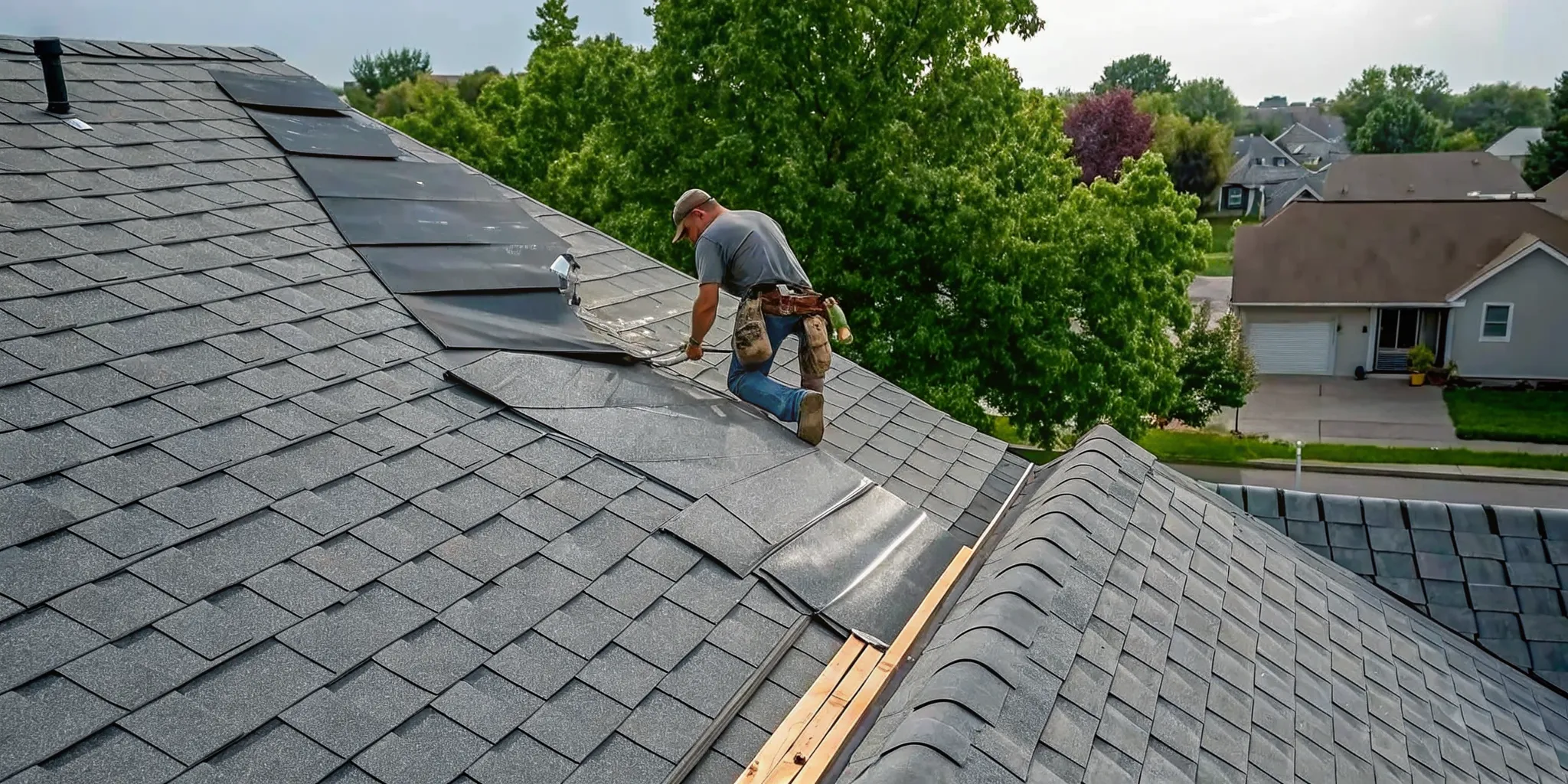
    Roofing professional performing a roof repair inspection after Minnesota storm damage
    A professional inspection can identify damaged shingles, flashing, and other weak points without putting the homeowner at risk.

    What should you do after discovering roof damage?

    Finding damage on your roof can feel like a big stress, but taking quick steps can save your home from more harm. When you see signs of wear or storm damage, your focus should be on keeping the rooms dry and getting a clear plan for fixes. Quick action often means the difference between a simple fix and a large project.

    Check from the ground

    Start by looking at your roof from the safety of the ground. You can often spot signs of trouble like curled shingles, cracks, or loose nails without ever climbing a ladder. According to the Minnesota Department of Labor and Industry, these visual signs show that your roof system needs a pro to look at it. If you see debris or missing pieces, take photos from a few angles to show what you find.

    Protect your home interior

    If you have a leak, you must act to stop damage to your home and the things inside it. Move any items that could get wet and use buckets to catch dripping water. This fast step helps keep your home safe while you find expert roof repair services from a local team. Once the inside is dry, you can focus on the outside issues.

    1. Document the damage: Take clear photos of all issues you see from the ground. Note the date and time you found the damage, mainly after a storm.
    2. Call for a pro check: Set up a free inspection to get a full view of the roof’s health. A pro can see things you might miss from the ground, like tiny holes or thin spots.
    3. Protect your goods: Cover any open areas inside your attic or rooms with plastic sheets if water is coming in. This stops the spread of wet spots to your ceilings and walls.
    4. Look at your choice: After the check, look at the plan given to you. This plan will show if you need a simple roof repair or if a full new roof is the better path for long-term safety.
    5. Check your policy: If the damage came from a storm, look at your insurance. A local team can often help with the claim by giving you the facts and reports you need.

    Plan for the full fix

    A good repair plan does more than just patch a hole; it looks at the whole roof. This might include checking your gutters or siding to make sure your home is safe from Minnesota weather. Getting local roof repair expertise makes sure your plan meets all state rules and keeps your roof in top shape for years.

    What happens during a professional roof inspection?

    A professional check is the base of any good home project. At Referred Restoration, we use a three-step process that starts with a free inspection. This first visit lets us see the real state of your home before we offer any help. We look at more than just the surface to make sure we find every spot that might need roof repair. Our team serves Rogers, MN, and the nearby areas with a focus on trust and skill.

    Checking the roof surface and flashing

    The first part of the visit looks at the shingles and the parts that keep water out. A pro will look for signs of wear like cracked or curled shingles and exposed nails. These small signs often point to big leaks under the surface. If found early, these spots might only need a small fix to help your roof last longer. We check for worn mineral coatings and holes that could let water reach the wood deck.

    We also look closely at the metal parts around vents, walls, and chimneys. Many leaks start because of bad or old flashing that was not put on right. In fact, many roof problems can be fixed by mending these parts instead of replacing the whole roof. This careful check makes sure your home stays dry during heavy Minnesota rain and snow. We spend time looking for water stains that show where a leak began.

    Looking at the attic and exterior items

    A full check goes beyond the roof deck. We look at the airflow in your attic to see if it moves well. Good airflow helps stop heat and damp air from building up under the roof. Without it, your shingles could age much faster than they should. We also check the gutters to make sure they move water away from your home and base. Clogged or broken gutters can cause water to back up under the roof line.

    We do not stop at the roof. Our team looks at your siding and windows too. Storms in Minnesota often hit many parts of a home at once with hail and wind. We want to make sure your whole home is safe and sound. This full view helps us give you expert roof repair services that solve the real cause of any damage. We look at how storm patterns hit your house to find hidden issues.

    Honest advice and clear written steps

    The goal of our visit is to give you an honest look at your home. We do not use high-pressure sales tricks or make you feel rushed. Instead, we give you a clear plan based on what we find on your roof. This might include a simple patch or a full replacement if the damage is deep. We use high-quality parts like Malarkey roofing products when we do a fix. We treat your home like our own and give you the facts you need to make a good choice.

    If a storm caused the damage, we can help with that too. We have local roof repair expertise and can help with insurance claims. Our team walks you through the steps so you know what to expect from the start. You get a written plan that fits your home’s needs and keeps your family safe. We make sure you have the data to talk to your insurance company with ease.

    Frequently Asked Questions

    When should I repair or replace my roof?

    According to the NRCA, you should think about a new roof when fixes can no longer stop leaks. Most roofs in Minnesota last 20 to 30 years. If your home has big leaks or storm damage, a full new roof may be needed. Minor leaks or small spots of damage often only need a quick fix. A pro can help you pick the best path after a full check.

    What are the common signs I need roof repair?

    Homeowners should look for curled shingles, cracks, or bare spots where grains have worn off. The state labor department also says to check for exposed nails or old patches. Inside your home, look for water stains on the ceiling or in the attic. These signs show that water is getting past your shingles. Quick fixes can help you avoid more work later.

    Can I DIY my roof repair?

    You can fix small issues like a loose shingle, but most roof work is unsafe. Working on a high or steep roof carries a big risk of falls. In Minnesota, you also need a permit for most re-roofing work. Expert teams have the right tools and safety gear to do the job well. They also know how to find hidden damage that a homeowner might miss.

    Does Minnesota weather affect how often I need roof work?

    Yes, the state’s harsh weather can cause roofs to wear out fast. Local homes face about 43 inches of snow each year and frequent hail. This heavy snow and ice can strain your roof and lead to leaks. Regular checks help find issues caused by storm damage or ice dams. A free check is the best way to see how the local weather has hit your roof.

    Ready to decide between roof repair and replacement?

    Wait too long to fix a minor roof issue and you might face much larger repairs that damage your attic and walls later. Small leaks often grow into deep problems that can harm your home structure if you do not take action now. Starting the process today protects your home from harsh weather and keeps your family dry before the next snow falls. A timely review gives you peace of mind before the next big hail storm or heavy snow hits the area. Our local team will help you choose the best plan and you can view our expert roof repair services for help. Our staff treats every home like our own and we will work hard to make the right choice for your roof today.

    Ready to schedule a free inspection? Request your roof assessment today to talk to a local roofing pro.

  • The Best Asphalt Shingles for Minnesota Weather

    The Best Asphalt Shingles for Minnesota Weather

    Homeowners often ask me what’s more important: the quality of the shingle or the quality of the installation. The answer is that you can’t have one without the other. You can choose the most advanced, durable shingle on the market, but if it’s installed incorrectly, it simply won’t protect your home. A great installation is the key that unlocks a shingle’s true potential. This guide will show you what to look for in both materials and craftsmanship. We’ll explain how to pair a top-tier product with a professional installation, ensuring you get the best asphalt shingles for Minnesota weather and a roof that lasts.

    Key Takeaways

    • Choose Features That Fight Minnesota Weather: Don’t just pick a color; select shingles with specific defenses. Key features for our climate include Class 4 impact resistance against hail, a high wind rating for storms, and cold-weather flexibility to prevent cracking.
    • Vet Your Installer as Much as the Materials: A premium shingle is only as good as its installation. Ensure your contractor is certified by the manufacturer and provides a clear workmanship warranty to protect you from installation errors.
    • A Great Roof Is a Complete System: A durable roof is more than just shingles. Make sure your project includes the right shingle type (like architectural), a clear warranty, and essential underlayers like an ice and water shield for complete protection.

    Why Is Minnesota Weather So Tough on Roofs?

    If you live in Minnesota, you know our weather is anything but predictable. From sweltering summer days to bone-chilling winter nights, our homes endure a lot. Your roof, as your home’s first line of defense, takes the brunt of this punishment. The constant swings between extremes can wear down roofing materials faster than in more temperate climates, making the right choice of shingle absolutely critical for protecting your investment.

    Understanding exactly what your roof is up against each season is the first step to making a smart decision. The primary challenges boil down to three major culprits: the relentless freeze-thaw cycle that pries materials apart, the violent force of hail and wind during severe storms, and the crushing weight of snow that can lead to destructive ice dams. Each of these elements tests your roof in a unique way, and preparing for them is key to a long-lasting, secure home. A well-chosen roofing system isn’t just about shingles; it’s about creating a defense that can handle everything Minnesota throws at it.

    The Freeze-Thaw Cycle

    The freeze-thaw cycle is one of the most subtle yet destructive forces your roof faces. It happens when moisture from rain or melting snow seeps into tiny, almost invisible cracks in your shingles. As temperatures drop below freezing, that water expands into ice, widening the cracks. When it thaws, the water settles deeper into the newly enlarged space, and the cycle repeats. Over a single winter, this process can happen dozens of times, gradually prying your shingles apart, causing them to curl, and stripping away their protective granules. This constant expansion and contraction doesn’t just damage the shingles; it weakens the entire roofing structure over time, leaving your home vulnerable.

    Hail, Wind, and Severe Storms

    When a Minnesota storm rolls in, your roof is on the front line. Hail can act like thousands of tiny hammers, striking your shingles with enough force to create bruises, cracks, and punctures. This damage might not be obvious from the ground, but it compromises the shingle’s ability to shed water, leading to future leaks. At the same time, high winds can get underneath the edges of your shingles, lifting them and breaking their seals. A strong gust can tear shingles off entirely, exposing the underlayment to driving rain. This combination of hail and wind means that a single severe storm can seriously damage not just your roof, but also your siding and windows.

    Heavy Snow and Damaging Ice Dams

    Winter brings its own set of challenges, primarily from heavy snow and ice dams. The sheer weight of accumulated snow can put immense stress on your roof’s structure. But the bigger threat is often the ice dam. This occurs when heat escaping from your attic melts the snow on the upper part of your roof. The meltwater runs down to the cold eaves and refreezes, forming a “dam” of ice. Water then pools behind this dam, backing up under the shingles and seeping into your home, causing damage to your ceilings, walls, and insulation. Properly functioning gutters and adequate attic ventilation are crucial defenses against this damaging winter problem.

    A Guide to Asphalt Shingle Types

    When you start exploring your options for a new roof, you’ll quickly find that “asphalt shingle” is a broad category. Understanding the main differences between the types of shingles is the first step toward making a confident decision for your home. Each style offers a different level of durability, weather resistance, and visual appeal. For Minnesota homeowners, choosing the right shingles means looking past the surface and focusing on performance against our tough weather. From the basic 3-tab to specialized impact-resistant options, let’s break down what each type brings to the table so you can find the perfect match for your home’s protection and style.

    3-Tab Shingles

    Think of 3-tab shingles as the most basic option available. They are made from a single layer of asphalt and have a flat, uniform appearance. While they are an economical choice, their simple construction makes them the least durable type of shingle. They typically have a wind resistance rating of around 60 mph, which is often not enough to handle the severe storms we can get in Minnesota. Because they are thinner and more susceptible to wind uplift and damage, we generally don’t recommend 3-tab shingles for homeowners in our area who are looking for reliable, long-term protection.

    Architectural (Dimensional) Shingles

    Architectural shingles, also called dimensional shingles, are a significant step up and the most popular choice for Minnesota homes. They are constructed with two or more layers of shingle material bonded together. This creates a thicker, more durable shingle with a varied, textured look that adds dimension and curb appeal to your roof. More importantly, this layered construction gives them superior wind resistance, often rated for 110-130 mph. Architectural shingles provide an excellent balance of performance, longevity, and visual appeal, making them a dependable solution for weathering Minnesota’s challenging climate.

    Luxury Shingles

    For homeowners who want top-tier performance and a standout look, luxury shingles are the premium choice. These are the heaviest and most durable asphalt shingles on the market, designed with multiple layers to replicate the appearance of high-end materials like natural slate or cedar shakes. Their intricate design and substantial weight provide exceptional durability and the highest level of wind resistance, often exceeding 130 mph. Luxury shingles offer unmatched protection against the elements while creating a striking, high-end aesthetic, making them a worthwhile investment for those seeking the best in both beauty and strength.

    Impact-Resistant Shingles

    Impact-resistant shingles are the champions of severe weather protection. Specifically engineered to withstand hail and flying debris, these shingles are made with a more flexible, rubberized type of asphalt. This allows them to absorb the force of an impact rather than cracking or breaking. They earn a Class 4 impact rating, which is the highest score a shingle can receive in testing. For homes in Minnesota, especially in areas prone to hailstorms, installing impact-resistant shingles provides incredible peace of mind. They are a smart, proactive choice to defend your home against some of our state’s most damaging weather events.

    Must-Have Shingle Features for a Minnesota Climate

    When you’re choosing shingles for a Minnesota home, you’re not just picking a color. You’re selecting your home’s first line of defense against some seriously tough weather. From hailstorms to brutal cold snaps, our climate demands more from a roof. To make sure your investment lasts, look for shingles that come with a few key features built for durability. These are the non-negotiables that separate a standard roof from one that’s truly Minnesota-ready.

    Class 4 Impact Resistance

    Think of impact resistance as a shingle’s ability to take a punch. A Class 4 rating is the highest score a shingle can get for resisting damage from hail and flying debris. These shingles are often made with a rubberized asphalt formula, which allows them to be more flexible. So, when a hailstone hits, a Class 4 shingle is more likely to bend and absorb the impact rather than crack or break. Choosing shingles with this top-tier rating is one of the smartest ways to protect your roofing system from the sudden, intense storms we see in Minnesota, giving you peace of mind when the weather turns.

    High Wind Resistance

    A strong gust of wind shouldn’t leave you wondering if your shingles are still on your roof. High wind resistance is essential for keeping your roof intact during severe thunderstorms or straight-line winds. While basic shingles might only handle winds up to 60 mph, architectural shingles are designed to withstand gusts of 110 mph or even higher. This added security comes from their heavier construction and improved sealant, which helps them stay put when it matters most. A roof with a high wind rating is a must for any homeowner who wants to avoid finding shingles scattered across their yard after a storm.

    Cold-Weather Flexibility

    Minnesota’s freezing temperatures can make standard asphalt shingles brittle and prone to cracking. That’s where cold-weather flexibility comes in. Shingles engineered for cold climates, like those made with rubberized asphalt, maintain their flexibility even when the temperature plummets. This allows them to expand and contract without breaking, which is crucial during our constant freeze-thaw cycles. Brands like Malarkey are known for this technology, ensuring their shingles resist cracking and stay sealed, providing durable protection through the harshest winters. This feature is key to a long-lasting roof in our northern climate.

    Algae Resistance

    Have you ever noticed ugly black streaks staining a roof? That’s not dirt; it’s a type of algae called Gloeocapsa magma. It thrives in humid conditions and can diminish your home’s curb appeal. To combat this, many modern shingles are manufactured with algae-resistant technology. They typically have copper granules mixed in with the surface granules. Copper is toxic to algae, so it naturally prevents those unsightly streaks from forming. This feature keeps your roof looking clean and new for years, protecting both its appearance and its long-term health.

    Ice and Water Shield Protection

    This isn’t a feature of the shingle itself, but it’s a critical component of any Minnesota roofing system. An ice and water shield is a waterproof membrane installed under the shingles in your roof’s most vulnerable areas, like the eaves, valleys, and around chimneys. Its job is to stop water from leaking into your home if ice dams form along your roofline. When snow melts and refreezes at the edge of your roof, it can create a dam that forces water up under your shingles. This shield provides a final, waterproof barrier to keep your home dry and prevent costly water damage. Properly functioning gutters also play a huge role in preventing ice dams.

    Which Shingle Brands Stand Up to Minnesota Weather?

    When you start looking at shingles, you’ll quickly see a lot of brand names. While many offer similar styles, their performance can vary dramatically, especially here in Minnesota. The combination of heavy snow, high winds, and freeze-thaw cycles means you need a shingle that’s built to last. Choosing a brand with a solid reputation for durability in northern climates is one of the most important decisions you’ll make for your roofing project. We’ve worked with countless homeowners and have seen firsthand which brands hold up season after season. Let’s look at a few of the top contenders that Minnesota roofers and homeowners often discuss.

    Malarkey

    Malarkey is a name that consistently comes up when roofers talk about top-tier performance. These shingles are engineered for resilience, especially against the stormy weather we see in Minnesota. They feature advanced technologies, like polymer modified asphalt, which gives them extra flexibility in the cold and superior granule adhesion during hail. While they can represent a larger upfront investment, homeowners often find the long-term durability and peace of mind are well worth it. As a certified installer of Malarkey roofing products, we trust them to protect our clients’ homes because we’ve seen how they perform under pressure.

    Owens Corning

    Owens Corning is another major player in the roofing industry, known for its reliability and strong brand recognition. Many roofing professionals stand by their products, noting that they hold up well against Minnesota’s severe weather. They offer a wide range of shingle lines that balance performance and aesthetics, making them a popular choice for homeowners across the state. Their warranty programs are also frequently mentioned as a key benefit, giving you an extra layer of confidence in your investment. When you’re looking for a dependable shingle from a well-established company, Owens Corning is definitely a brand to consider.

    CertainTeed

    CertainTeed often sparks a bit of debate among roofing professionals. On one hand, many contractors have used their shingles for decades with great success, praising their sealing technology and long-lasting performance. Some homeowners have had their CertainTeed roofs for years without a single issue. On the other hand, some have reported issues with brittleness or challenges with warranty claims. This variability highlights just how critical a proper installation is. A great shingle can fail if installed incorrectly, and an experienced contractor will know how to handle the specific requirements of any brand they work with, ensuring you get the best possible outcome.

    Are Impact-Resistant Shingles a Smart Choice for Your Home?

    When a Minnesota hailstorm rolls in, it’s hard not to worry about what those chunks of ice are doing to your roof. For many homeowners, impact-resistant shingles offer serious peace of mind. While they represent a more significant investment upfront, their advanced durability and long-term benefits make them a compelling choice for protecting your home against our state’s wild weather. But what makes them so special, and are they really worth it for your property? Let’s break down what you need to know.

    What “Class 4 Impact Resistance” Really Means

    You’ll often hear the term “Class 4” when discussing these shingles, and it’s a big deal. This is the highest rating a shingle can achieve for impact resistance. To earn it, shingles undergo a standardized test where steel balls are dropped on them to simulate hail. A Class 4 shingle can withstand the impact without cracking. This resilience comes from their unique construction, often using rubberized asphalt that allows the shingle to flex and absorb the blow. For Minnesota homeowners, this means your roof is far better equipped to handle the hail and flying debris that come with severe storms, reducing the likelihood of damage.

    How They Can Affect Your Homeowner’s Insurance

    Beyond superior protection, one of the most attractive benefits of installing Class 4 shingles is the potential for a discount on your homeowner’s insurance premiums. Because these shingles are proven to reduce the risk of storm damage, many insurance companies reward homeowners for choosing them. A roof that holds up better against hail means you’re less likely to file a claim, which is a win for both you and your insurer. Before you commit, it’s a great idea to call your insurance agent and ask if they offer a specific discount for Class 4 rated roofing materials. This simple step can help you understand the long-term financial picture.

    Decoding Asphalt Shingle Warranties

    A shingle warranty can feel like a safety net for your new roof, but the details in the fine print are what truly matter. Understanding your warranty is one of the most important steps in protecting your home, especially with Minnesota’s demanding weather. It’s not just about having a warranty; it’s about having the right warranty. Let’s break down what that piece of paper actually means for you and your home.

    A comprehensive warranty is a sign that a manufacturer stands behind its product. It’s also a key indicator of the quality you can expect. When you’re looking at different shingle options, the warranty tells a story about how well that product is expected to perform over time. We’ll look at what a good warranty should include, what terms like “lifetime” really mean, and the crucial difference between the manufacturer’s promise and your contractor’s guarantee.

    What a Good Warranty Actually Covers

    When you get a new roof, you expect it to last. A solid warranty ensures it does, but what is it actually promising? A good asphalt shingle warranty typically covers three key areas: manufacturing defects, wind damage, and algae resistance. If a shingle is faulty right out of the box, the warranty should cover its replacement. This is the most basic protection you can get.

    Beyond defects, look for specific coverage that matters for our climate. Wind speed coverage is a big one. The warranty will specify the maximum wind speeds the shingles are rated to withstand. For Minnesota, you want a high wind rating. Algae resistance is another important feature. Those dark streaks you see on older roofs are often algae growth. A good warranty will include protection against this, keeping your roof looking its best for years. Understanding these components helps you choose a warranty that offers real protection.

    Lifetime vs. Limited Warranties

    The term “lifetime warranty” sounds fantastic, but it often doesn’t mean what you think. Most manufacturers offer what’s called a limited lifetime warranty. This generally covers the shingles for as long as you, the original owner, live in the home. However, the “limited” part is key. This often means the coverage amount changes over time.

    For the first several years, you might have non-prorated coverage, which covers the full value of replacing failed shingles. After that initial period, the coverage often becomes prorated, meaning the manufacturer will only cover a decreasing percentage of the value as the shingles age. It’s important to ask about the non-prorated period, as this is your most valuable window of protection. For example, some of the best shingle brands offer wind coverage for up to 15 years and algae resistance for 25 years.

    Transferable vs. Workmanship Warranties

    It’s essential to know that you actually have two different warranties protecting your roof: one from the shingle manufacturer and one from your installer. The manufacturer’s warranty covers defects in the product itself. If the shingles fail because they weren’t made correctly, this warranty kicks in. Some of these are even transferable to the next homeowner, which can be a great selling point if you decide to move.

    The second, and arguably more important, guarantee is the workmanship warranty. This is your contractor’s promise that your new roof was installed correctly. Even the highest-quality shingles will fail if they aren’t installed properly. A reputable contractor will always provide a workmanship warranty to stand behind their installation, protecting you from leaks and other issues caused by errors during the roofing process.

    Brand vs. Installation: What Matters More?

    This is a question I hear all the time from homeowners, and it’s a great one. You can spend weeks researching the perfect shingle brand, but what happens next is just as important. The truth is, while high-quality materials are a huge piece of the puzzle, they can’t protect your home on their own. The real hero of your roofing project is the installation. Think of it this way: you can have the most advanced, weather-resistant shingle on the market, but if it’s not installed correctly, it simply won’t perform as promised. A poor installation can lead to leaks, blow-offs during a storm, and a drastically shorter lifespan for your entire roof.

    On the flip side, a highly skilled installation can make even a standard shingle perform exceptionally well. The roofer’s expertise is what turns a pallet of shingles into a seamless, watertight system that protects your family and your investment. So, while you’re comparing brands, remember to give equal, if not more, weight to finding a contractor who is committed to exceptional roofing craftsmanship. The best combination, of course, is a top-tier shingle installed by a true professional. That’s how you get a roof that lasts for decades.

    Why a Great Installation Is Key

    It’s easy to get caught up in the features and warranties of different shingle brands, but none of that matters without a flawless installation. As roofing professionals often say, “Even the best shingle can fail if not installed correctly.” This isn’t an exaggeration. Improper nailing, poor flashing work around chimneys and vents, or incorrect starter strip placement can create weak points all over your roof. These small mistakes can lead to big problems like water infiltration, which can cause rot, mold, and structural damage inside your home. A great installation ensures every component, from the underlayment to the ridge cap, works together as a complete system to keep Minnesota’s harsh weather out.

    How to Find a Qualified Minnesota Roofer

    Finding a roofer you can trust is the most important step in your project. Start by looking for contractors who have strong relationships with the manufacturers they use. A great roofer is often certified by the brands they install, which means they’ve completed specific training on the manufacturer’s products and installation methods. You can also look into the manufacturer’s training programs and see how they support their contractors. When you talk to potential roofers, ask them about their certifications and what brands they recommend. A contractor who is proud of their partnerships and can explain why they choose certain materials is a good sign you’re in capable hands.

    Red Flags to Avoid When Hiring a Contractor

    Knowing what to avoid is just as important as knowing what to look for. Be cautious of any contractor who uses high-pressure sales tactics or can’t provide proof of licensing and insurance. Another red flag is a vague or incomplete quote; your estimate should detail the specific materials being used, the scope of work, and the warranty information. It’s also wise to ask how a manufacturer handles warranty claims and supports its contractors, as this reflects on the contractor’s reliability. If you’re seeing clear signs of roof failure, like missing or broken shingles or water stains on your ceilings, and a contractor dismisses your concerns, it’s best to walk away and find someone who will listen.

    Your Final Checklist for Choosing the Right Shingles

    You’ve learned about shingle types, features, and brands. Now it’s time to put it all together. Making the final decision can feel a little overwhelming, but breaking it down into a few key steps makes it much more manageable. This final checklist will help you pull together everything you’ve learned and choose the perfect shingles for your Minnesota home with confidence.

    Match the Shingle to Your Home’s Needs

    Choosing the right shingle can mean the difference between a temporary patch and a long-lasting roofing solution. Think about your home’s unique characteristics. Does your roof have steep pitches or low slopes? Is one side constantly baked by the sun? Are there overhanging trees that could lead to algae growth? The answers will point you toward certain shingle features. Beyond protection, consider your home’s style. The right color and texture can dramatically improve your home’s curb appeal, making it a choice that protects your investment and makes you proud to pull into the driveway.

    Consider Brands with Proven Local Performance

    A shingle that works well in Arizona might not be the best fit for a Minnesota winter. That’s why it’s so important to choose a brand with a track record of success right here in the Midwest. Local roofers know which brands hold up to our intense storms and freeze-thaw cycles. Brands like Malarkey are engineered with our climate in mind, using durable materials and innovative features. Other brands also have a strong reputation; for example, some roofers find that Owens Corning shingles perform exceptionally well in high winds and are backed by solid company support.

    Key Questions to Ask Your Roofing Contractor

    Your contractor is your best resource, so don’t be shy about asking questions. Warranties are a big deal, and how a manufacturer handles claims is just as important as the shingle itself. Before you commit, make sure you understand the warranty details. A good starting point is to ask about the three main areas of coverage: manufacturing defects, wind speed, and algae resistance. You can ask things like, “What wind speed is this shingle rated for?” or “What does the algae resistance warranty cover and for how long?” Understanding these warranty specifics will ensure there are no surprises down the road.

    Related Articles

    Frequently Asked Questions

    Are architectural shingles really necessary for a Minnesota home? While basic 3-tab shingles are available, we generally find they don’t offer enough protection for Minnesota’s weather. Their single-layer design and lower wind resistance make them vulnerable during our intense storms. Architectural shingles, with their durable, multi-layer construction, are the standard for a reason. They provide the strength and resilience needed to stand up to high winds and temperature extremes, making them a much more reliable choice for protecting your home long-term.

    My neighbor’s roof was damaged by hail. Should I get impact-resistant shingles? That’s a great question, and it’s smart to think proactively. Impact-resistant shingles, which have a Class 4 rating, are engineered with a flexible, rubberized asphalt that absorbs the force of hail instead of cracking. This makes them incredibly durable. Choosing them can give you significant peace of mind during a storm. As a bonus, many insurance companies offer a discount for homes with Class 4 shingles, so it’s always a good idea to check with your agent.

    What’s the deal with ice dams, and can new shingles really prevent them? Ice dams are a serious threat, but shingles alone aren’t the whole solution. An ice dam forms when melting snow refreezes at your roof’s edge, causing water to pool and seep underneath your shingles. The best defense is a complete roofing system. This includes installing a special waterproof membrane, called an ice and water shield, along the eaves and valleys of your roof. This shield acts as a final barrier, keeping that backed-up water from getting into your home.

    What’s the difference between the shingle warranty and the contractor’s warranty? This is a crucial distinction. The manufacturer’s warranty covers the physical shingles against defects in how they were made. The workmanship warranty is your contractor’s promise that they installed everything correctly. Since most roofing problems are caused by installation errors rather than product failure, a strong workmanship warranty from a trusted, certified installer is one of the most important protections you can have for your investment.

    I’m overwhelmed by all the shingle brands. How do I even start to choose? It’s easy to get lost in the details, but you don’t have to become a shingle expert. The best first step is to find a qualified, local contractor you trust. An experienced roofer will have firsthand knowledge of which brands, like Malarkey, perform best in our specific climate. They can explain why they recommend certain products and guide you to a choice that balances durability, appearance, and your home’s specific needs, ensuring the final result is a roof you can depend on.