Roof vents protect a Minnesota home by moving warm, moisture-laden air out of the attic while allowing cooler outdoor air to enter. The right system can help limit winter frost, reduce the conditions that contribute to ice dams, and release intense summer heat. The best roof vent types for your house depend on its roof shape, attic layout, insulation, air sealing, and existing intake openings.
What Is the Best Roof Vent Type for a Minnesota Home?
For many Minnesota homes with a traditional pitched roof, a continuous ridge vent paired with clear soffit vents provides dependable passive airflow. Cool air enters at the eaves, moves beneath the roof deck, and exits along the ridge. That simple low-to-high path works without a motor and ventilates the roof more evenly than a few isolated openings.
That does not make ridge and soffit vents the right answer for every house. Short ridges, intersecting rooflines, cathedral ceilings, additions, and homes without soffits may require another layout. Box vents can serve separate attic sections. A roof-mounted intake vent may help when eaves cannot supply air. Mechanical exhaust may be considered in limited situations, but it must not overpower the available intake or pull conditioned air from the living space.
A vent is only one part of the solution. Warm indoor air that leaks through attic hatches, wiring penetrations, bath fans, and ceiling fixtures can carry moisture into the attic faster than vents can remove it. Insulation can also block soffit openings. A useful assessment therefore looks at the whole attic, not just the visible vents on the shingles. If you are comparing broader roofing needs, this guide to roof repair or replacement in Minnesota explains other factors worth reviewing.
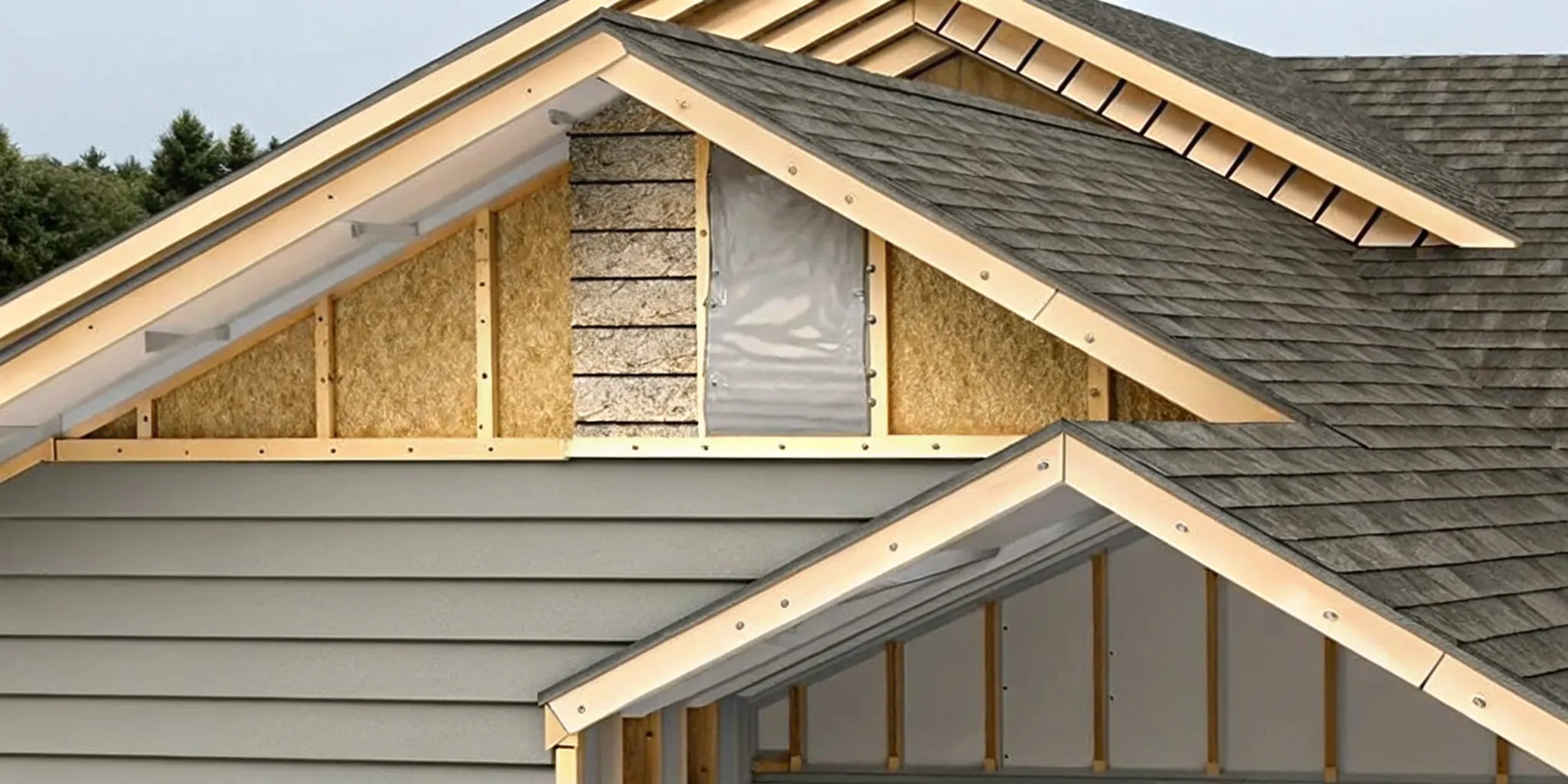
How Balanced Attic Ventilation Works
A balanced system has intake near the lowest part of the roof and exhaust near the highest part. As warmer attic air rises and leaves through the exhaust, fresh outdoor air enters through the intake. Wind can strengthen that movement, but a well-planned passive system also uses the natural rise of warm air.
Intake vents feed the system
Soffit vents are the most common form of intake. They may be continuous strips or individual panels beneath the eaves. Their openings must remain clear from outside debris, paint, and attic insulation. Baffles or air chutes installed above the soffits preserve a channel between the intake and the attic. Without enough intake, even an excellent ridge vent cannot perform as intended.
Exhaust vents release heat and moisture
Ridge vents, box vents, turbines, and powered vents are exhaust options. They belong high on the roof because heat and moisture collect there. Exhaust openings need compatible weather protection so wind-driven rain and blowing snow stay outside. The goal is not simply to add openings. It is to establish a controlled route through the attic.
Balance matters more than vent count
Homeowners often assume that more exhaust means better ventilation. In practice, excessive exhaust with limited intake can pull air through gaps in the ceiling or through another exhaust opening. That wastes conditioned air and leaves portions of the attic stagnant. Net free ventilating area, or NFVA, is the open area available for airflow after screens and louvers are considered. A roofer uses that rating, attic area, and the vent manufacturer’s instructions to plan balanced intake and exhaust.
Common Roof Vent Types Compared
Each vent type has strengths and limitations. A good choice fits the architecture and supports one continuous airflow pattern. The comparison below can help you understand what a contractor may recommend after inspecting your attic and roof.
| Vent type | Primary role | Good fit | Important consideration |
|---|---|---|---|
| Soffit vent | Intake | Homes with open eaves | Insulation and debris must not block the opening |
| Ridge vent | Exhaust | Long, unobstructed roof ridges | Needs enough balanced intake below |
| Box or static vent | Exhaust | Separate attic areas or short ridges | Several units may be needed for even coverage |
| Roof-mounted intake vent | Intake | Homes without usable soffits | Must sit below the exhaust path |
| Gable vent | Intake or exhaust, depending on conditions | Older steep-gable designs | Can disrupt a planned soffit-to-ridge path |
| Turbine vent | Exhaust | Open sites with reliable wind | Performance varies with wind and placement |
| Powered attic vent | Active exhaust | Selected complex attic situations | Needs adequate intake and careful controls |
Ridge and soffit vents
This pairing is popular because it can move air across much of the underside of a simple roof deck. A ridge vent sits discreetly beneath ridge cap shingles, while the soffit intake is usually difficult to see from the yard. Correct installation is essential. A ridge opening that is too narrow, covered, or disconnected from part of the attic will not provide even exhaust.
Box, gable, and specialty vents
Box vents are useful when a roof has several distinct sections or too little ridge length. Gable vents may still serve some older homes, but they should not automatically be combined with ridge exhaust. Turbines depend partly on wind, and powered fans add controls and maintenance needs. If shingles also show curling, cracking, or granule loss, review how asphalt shingles perform in Minnesota before deciding whether the concern stops at ventilation.
Low-slope roofs and finished attic spaces need especially careful planning. Their narrow cavities may not provide an open attic where air can move freely from eave to peak. Installing a visible vent without confirming the channel behind it may accomplish very little. A contractor should determine whether each rafter bay has a clear route, whether the ceiling assembly was designed to be vented, and whether hidden framing interrupts airflow. This protects the home from an attractive but ineffective installation.
Material compatibility also matters. Vent flashing must integrate correctly with the roofing surface, and ridge cap shingles must cover a ridge vent without restricting its designed opening. Screens should resist pests while preserving the manufacturer’s rated airflow. Ask how the vents handle wind-driven rain and fine blowing snow, particularly on roof slopes that face the prevailing weather.
Why Minnesota Weather Changes the Decision
Minnesota roofs operate through deep cold, heavy snow, spring rain, humidity, hail, and strong summer sun. Ventilation supports roof performance through those changes, but it works best alongside air sealing, insulation, sound flashing, and a healthy roof covering.
Winter frost and ice dams
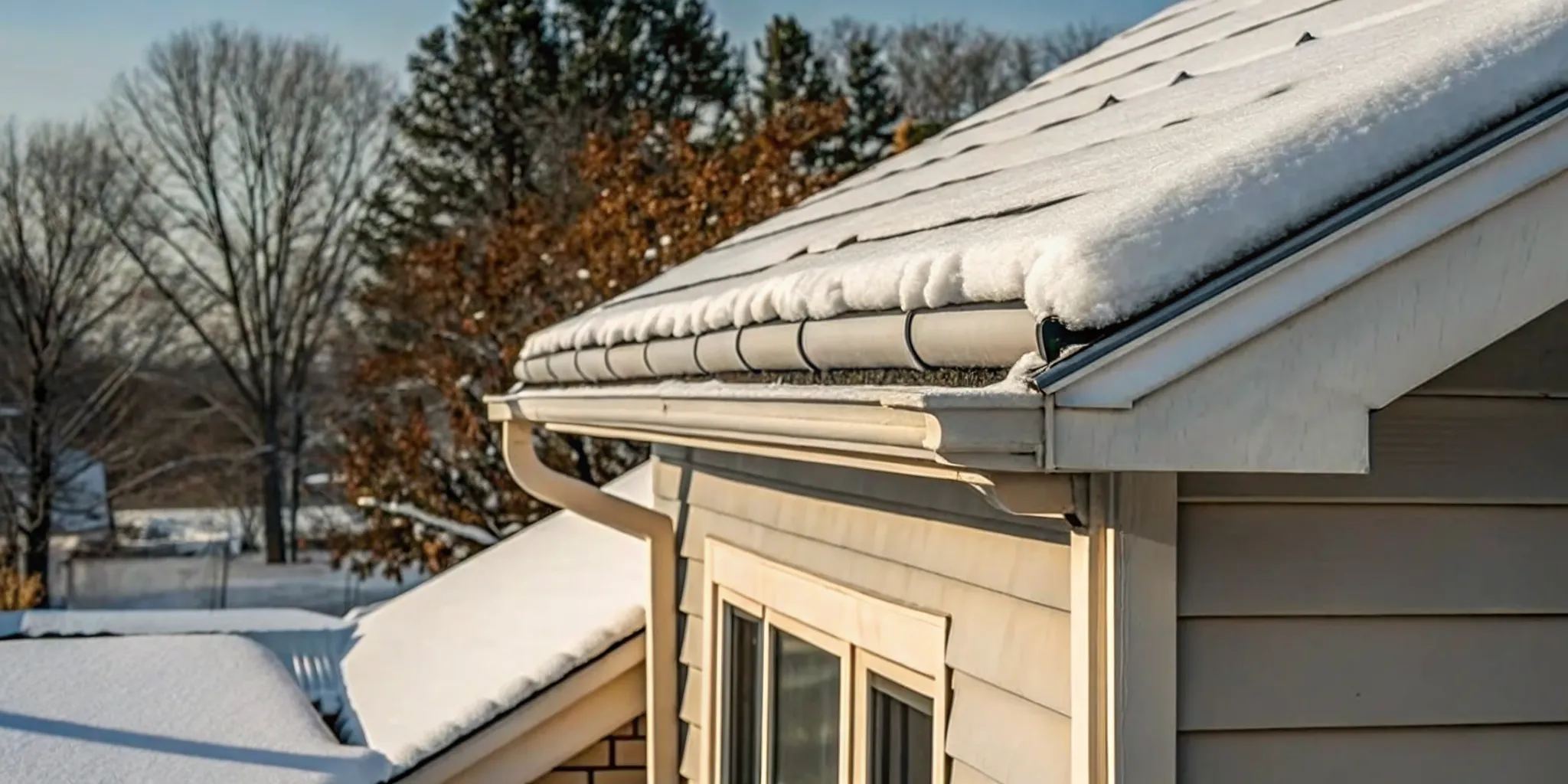
Warm, damp household air can escape into the attic during winter. When it touches a cold roof deck, moisture may condense or freeze. After temperatures rise, that frost can melt and wet the insulation or wood. Meanwhile, uneven roof temperatures can melt snow higher on the slope. Water that reaches a colder eave may refreeze and contribute to an ice dam.
Ventilation helps keep the underside of the roof cooler and carries moisture away, but it cannot correct every source of attic heat. Air leaks around ceiling penetrations and thin insulation can continue warming the roof deck. A thorough inspection distinguishes a ventilation issue from a larger building-envelope problem. Homeowners who notice winter warning signs can use this overview of when to request a free roof inspection to plan the next step.
Snow, wind, and summer heat
Drifting snow can cover or enter poorly placed vents, so products and placement must suit the roof’s exposure. In summer, dark shingles absorb solar heat and attic temperatures climb. Balanced airflow releases some of that heat and reduces stress on the roof assembly. It is not a substitute for insulation or air conditioning, but it can help the entire system work as designed.
Local experience matters because the same vent layout can behave differently on an exposed rural home and a sheltered neighborhood property. A trusted Rogers roofing company can evaluate the roof pitch, prevailing wind exposure, snow patterns, and attic configuration together.
How to Choose the Right Ventilation System
Homeowners do not need to select vents from the ground. They do benefit from knowing what a complete recommendation should address. A contractor should explain the current airflow path, identify any barriers, and show how the proposed intake and exhaust will work together.
- Inspect the roof and attic. Identify all current vents, separate attic sections, moisture marks, damaged wood, wet insulation, and visible air leaks.
- Measure the ventilated space. Determine the attic area and whether cathedral ceilings or additions create enclosed sections that need their own airflow path.
- Calculate usable vent area. Use each product’s NFVA rating and applicable building requirements rather than judging by the number of vents.
- Confirm the intake route. Check that soffits or alternate intake vents are open and connected to the attic through clear baffles.
- Select one compatible exhaust strategy. Choose a ridge, box, or other exhaust layout that fits the roof without creating competing airflow paths.
- Address related causes. Correct disconnected bath fans, ceiling air leaks, insulation blockage, and roof damage that ventilation alone cannot solve.
- Verify after installation. Confirm vents remain clear, flashings are secure, and the attic shows no continuing signs of trapped moisture.
Ask the contractor to explain why the proposed design fits your house and how intake balances exhaust. Clear answers are more valuable than a recommendation based only on what is already installed. Referred Restoration can assess the full assembly during a free inspection for your Minnesota home.
Signs Your Roof Ventilation Needs Attention
Ventilation trouble often appears inside the attic before it is obvious from the yard. Some warning signs can also indicate a leak, insulation problem, or indoor humidity issue, so avoid assuming that vents are the sole cause. A professional assessment should trace the moisture or heat to its source.
Warning signs inside the attic
- Frost or water droplets on roof nails and sheathing
- Dark staining, musty odors, or visible organic growth
- Wet, compressed, or discolored insulation
- Rust on fasteners or metal components
- Blocked soffit channels or missing baffles
- Bath or kitchen exhaust ducts ending in the attic
Warning signs outside and indoors
- Repeated ice buildup along eaves
- Uneven snowmelt patterns across the roof
- Curling or prematurely aged shingles
- Upstairs rooms that remain unusually warm in summer
- Ceiling stains or peeling finishes after freeze-thaw cycles
One symptom does not prove the ventilation design is failing. For example, a ceiling stain could come from flashing damage, while ice dams can involve both attic heat loss and exterior conditions. The most reliable next step is an attic and roof evaluation. Learn more about roof inspection warning signs, or contact Referred Restoration for an honest assessment.
Ventilation Mistakes and Maintenance Tips
A well-designed system can underperform when vents are blocked, damaged, or combined incorrectly. A quick visual check each season and after severe weather can reveal changes before trapped moisture damages the roof deck.
Avoid competing exhaust vents
Mixing a powered fan with a nearby ridge vent can cause the fan to pull outdoor air through the ridge instead of drawing it from the soffits. Similar short-circuiting can happen when box vents and ridge vents serve the same open attic. More openings do not guarantee better results. Keep one intentional low-to-high path unless a qualified contractor has designed separate zones.
Keep intake paths open
Inspect soffits from outside for paint, dust, insect nests, and debris. Inside the attic, confirm insulation has not shifted over the eaves. Baffles should stay securely in place and provide a clear channel above the insulation. Never enter an attic if access is unsafe, temperatures are extreme, or framing is concealed.
Pay attention to changes rather than waiting for obvious damage. New staining near a vent, a soffit panel that stays damp, or one roof area that melts snow sooner than the rest can justify a closer look. From indoors, monitor bathroom fans and indoor humidity during cold weather. Exhaust ducts should discharge outdoors through a proper termination, never into the attic where they add moisture directly beneath the roof.
Check the whole roof after storms
Hail, branches, and wind can damage vent caps, flashing, ridge shingles, and the surrounding roof. A vent may look intact from the yard while its flashing has lifted. After major weather, professional inspection is safer and more complete than climbing onto the roof. Your roofer can also check whether the selected products remain appropriate when shingles are replaced. Referred Restoration’s guide to the best asphalt shingles for Minnesota homes can help you understand that broader decision.
When ventilation is planned as part of the entire roof, homeowners get a clearer recommendation and fewer surprises. If you need local guidance, work with a roofing contractor serving Rogers that understands Minnesota weather and can explain its findings plainly.
Frequently Asked Questions About Roof Vent Types
What is the most effective roof vent type?
No single vent is most effective for every house. For many pitched roofs, continuous soffit intake paired with ridge exhaust provides even passive airflow. Roof shape, attic sections, available intake, insulation, and air sealing determine whether that pairing or another design is appropriate.
Can a roof have too many vents?
Yes. Excess exhaust, insufficient intake, or competing exhaust types can disrupt airflow and pull conditioned air from the home. Vent area should be calculated using the attic size, product NFVA ratings, applicable requirements, and a balanced intake-to-exhaust plan.
Do roof vents prevent ice dams?
Balanced ventilation can help keep the roof deck cooler and reduce moisture, which may limit conditions that contribute to ice dams. It does not guarantee prevention. Air sealing, insulation, snow conditions, roof geometry, and outdoor temperatures also affect ice-dam formation.
How often should roof vents be inspected?
Homeowners should visually review vents seasonally and after major storms, while avoiding unsafe roof or attic access. A professional inspection is wise when you see frost, blocked intake, uneven snowmelt, damaged vent flashing, wet insulation, or recurring ice buildup.