
Severe hailstorms cause billions of dollars in exterior damage across Minnesota every single year. These storms often leave behind hidden cracks and loose panels that threaten your home’s structural integrity. Schedule Your Free Siding Inspection Today to catch small problems before they turn into major repairs.
After a major storm strikes the Rogers area, homeowners need to act quickly to identify siding damage. Minnesota ranks third in the nation for hail events, which caused over six billion dollars in statewide storm damage in one year. Look for clear signs of trouble like cracked panels, missing pieces, and warped sections that let moisture reach your home. Even small gaps can lead to hidden issues like rot and mold behind your walls. According to the University of Minnesota Extension, moisture that gets past your siding can cause structural failure. These problems often need a professional check to find. A single-source provider like Referred Restoration can handle these repairs alongside your roof and gutters. Catching these issues now saves you from more work later.
Understanding how local weather patterns impact your home is the first step toward keeping your exterior in top shape. Knowing how to identify these threats helps you protect your property before small issues escalate.
How Does Minnesota Weather Damage Your Siding?
Minnesota weather is tough on home exteriors. The state ranks third in the nation for hail events, and storms here bring heavy rain, strong winds, and ice that can harm your home. When you need reliable siding repair in Rogers, it is often due to the way our local climate wears down building materials over time.
Deep cold and cracking
Minnesota winters bring extreme cold that puts stress on many types of siding. Vinyl siding is common here, but it can become brittle when the temperature drops below zero. When the material is frozen, even a small hit from a stray branch or a snow shovel can cause it to crack. These cracks are more than just an eyesore. They allow water to get behind the panels, which can lead to rot in the wood frame of your house. Extreme cold also makes siding panels shrink. If the panels were not put on with enough room to move, they may pull away from the nails. This creates gaps where wind and snow can enter. Keeping your home safe starts with knowing how these cold snaps affect your specific siding type.
Stress from freeze-thaw cycles
Common damage comes from freeze-thaw cycles that happen in late winter and early spring. During the day, snow and ice melt into water that flows into small seams in your siding. At night, that water freezes and grows in size. This force can push siding panels apart or loosen the nails that hold them in place. Over time, this cycle opens up gaps that invite moisture to stay near your home. Constant wetting and drying cycles can stress home parts and lead to water leaks. You might notice panels that look wavy or seams that no longer line up as they should. These are clear signs that the weather has started to win the battle against your home shell.
Hail damage and wind stress
Hail is a major threat in the Rogers and Cottage Grove areas. Large hailstones can leave deep dents in metal siding or punch holes through vinyl. Even if you do not see a hole, a hard hit can crack the finish on wood or fiber cement. These small marks often hide bigger problems. Storm damage on siding can sometimes be difficult to detect, so you should look for marks that seem minor at first glance. Strong winds also play a role in siding wear. High gusts can get under loose panels and pull them away from the wall. This wind stress makes existing gaps larger. If you see panels that rattle or look loose after a storm, you should have them checked before the next big rain. Protecting your home from the next storm means fixing these small issues today.
What Visual Signs of Storm Damage Should You Look For?
After a big storm, it can be hard to see the harm it did to your home. You should walk around your house to check for any changes. High winds and hail often leave marks that are easy to spot if you know what to look for. Finding these signs early helps you get the right siding contractors near you before more trouble starts.
Hail hits and cracks
Hailstones can leave distinct marks on siding that look like small dents or divots. On vinyl siding, these hits often create small round depressions with a darker spot in the middle. On wood siding, you might see chips or splintered areas. On fiber cement, the impact can create hairline cracks that spread over time. If you see any of these marks on your home after a storm, you likely have damage that needs attention.
Missing or loose panels
Strong winds can rip siding panels right off your home. You might find pieces of siding in your yard after a storm. Even if the panels stay on the wall, they may be loose. Check for panels that move when you push on them gently. Loose panels let wind and water get behind your siding. This can cause damage to the house wrap and wooden structure underneath.
Warping and buckling
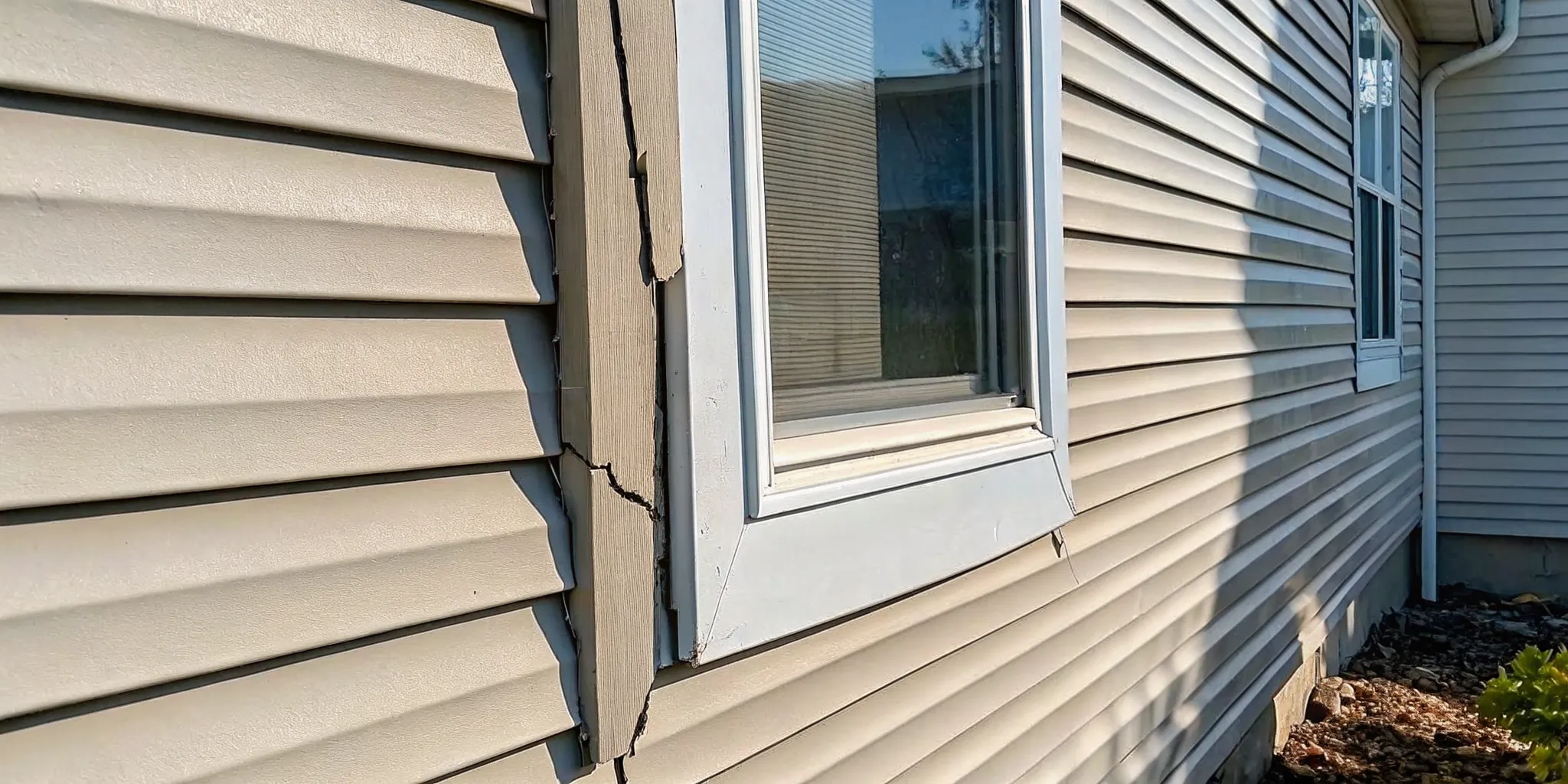 When water gets behind siding and freezes, it can push the panels out of shape. Warped siding looks wavy or bent instead of lying flat against the wall. Buckling happens when panels push against each other because of movement in the wall. Both of these signs mean water has found its way behind your siding and needs to be addressed. If your siding does not look straight and even, call a professional to inspect it.
What Kind of Hidden Damage Can Form Behind Your Siding?
Not all storm damage to siding is easy to see from the street. Some of the most serious problems stay hidden for months or even years after a storm hits. These hidden issues can cause much more damage than the visible marks on the outside of your home.
Moisture intrusion and rot
When siding gets cracked or loose, water can get behind it and stay there. Over time, this moisture causes the wood structure of your home to rot. Rot weakens the framing that holds up your walls and can lead to costly structural repairs. The tricky part is that you often cannot see this rot until the siding is removed. This is why a professional inspection after a storm is so important. If Referred Restoration finds rot during your free inspection, they can address it during the siding replacement process.
Mold and mildew growth
Moisture behind siding creates the perfect environment for mold and mildew to grow. Mold can spread through your walls and into your living spaces. This is a health concern for your family and can also cause allergies and breathing problems. You might notice a musty smell inside your home near the exterior walls. You might also see dark stains on your interior walls. These could be signs that mold is growing behind your siding.
Insect and pest entry
Small gaps in your siding create easy entry points for pests. Mice, ants, wasps, and other insects can squeeze through tiny openings that storm damage creates. Once inside your walls, these pests can chew through wiring and insulation. They can also find their way into your living space. Keeping your siding in good condition is one part of keeping pests out of your home.
Siding Repair vs. Replacement: How to Decide
After a storm, you need to decide whether to repair your siding or replace it. This table shows the main differences to help you make your choice.
| Factor | Repair | Replacement |
|---|---|---|
| Damage extent | Small areas, isolated spots | Widespread or repeated damage |
| Age of siding | Less than 10 years old | More than 15-20 years old |
| Siding type | Matching material available | Discontinued or unmatched style |
| Hidden damage | No moisture behind panels | Rot or mold found underneath |
| Energy efficiency | Current insulation adequate | Want better insulation value |
| Appearance match | Repair blends with existing | Faded or mismatched after repair |
| Cost vs. value | Lower upfront cost | Better long-term investment |
A trusted contractor can help you weigh these factors during a free on-site evaluation. If your siding has hidden moisture damage or is reaching the end of its lifespan, full replacement often provides better protection for your largest investment. Your siding replacement expert in Rogers can walk you through your material options.
What to Do After a Storm: A Step-by-Step Guide
When a major storm hits your area, follow these steps to protect your home and get the repairs you need.
- Stay safe first. Do not go outside during the storm. Wait until the storm passes and it is safe to check your property. Watch for downed power lines and standing water near your home.
- Walk around your home. Once it is safe, walk around your house and look for obvious damage. Check your siding, roof, windows, and gutters for any visible issues. Take photos of everything you find.
- Cover any openings. If you see holes or large gaps in your siding, cover them with a tarp or plastic sheeting. This prevents more water from getting in while you wait for repairs.
- Document the damage. Write down everything you find and take clear photos from different angles. This documentation will help with your insurance claim. Your gutter repair team can also check for storm damage during the inspection.
- Call a professional inspector. Contact Referred Restoration to schedule a free inspection. A trained inspector can find damage you might miss and give you a clear picture of what needs to be done.
How Does Insurance Help with Siding Repair After a Storm?
Most Minnesota homeowners insurance policies cover storm damage to your siding. The key is to file your claim quickly and have proper documentation. After a storm, your insurance adjuster will need to see the damage in person. Having a professional inspection report from a trusted contractor like Referred Restoration can make this process smoother.
Working with your adjuster
When your insurance adjuster visits your property, it helps to have a contractor present. The contractor can point out damage the adjuster might miss. They can also explain why certain repairs are needed. This partnership between you, your insurance company, and your contractor helps make sure nothing gets overlooked. Referred Restoration has experience helping homeowners in Cottage Grove and across the area navigate their storm damage claims.
Documenting your claim
Good documentation makes the insurance claim process easier. Keep all photos, inspection reports, and estimates in one place. Write down the date of the storm and any conversations you have with your insurance company. This paper trail helps if there are any questions about your claim later.
Why a Professional Siding Inspection Matters
You might be tempted to check your siding yourself after a storm, but there are good reasons to call a professional. Trained inspectors know exactly what to look for and where to find it. They have the experience to spot hidden damage that most homeowners would never notice.
What an inspector checks
A professional inspection of your siding covers many areas. The inspector checks each panel for cracks, dents, and loose spots. They look at the seams between panels and around windows and doors. They check for signs of moisture behind the siding and test for soft spots that could mean rot. They also check your window seals and frames and the roofing system since storm damage often affects multiple areas at once.
Free inspection from Referred Restoration
Referred Restoration offers free inspections to homeowners in Rogers, Cottage Grove, and surrounding Minnesota communities. After a storm, scheduling an inspection gives you peace of mind. You will know exactly what damage exists and what needs to be done. There is no pressure and no obligation. The inspection is simply a way to understand the condition of your home’s exterior.
Frequently Asked Questions
How soon after a storm should I check my siding for damage?
Check your siding as soon as it is safe to go outside after the storm passes. The sooner you find damage, the sooner you can prevent water from getting behind the panels. Schedule a professional inspection within a few days of a major storm.
Can I repair storm-damaged siding myself?
Small cosmetic repairs might be DIY-friendly, but any damage that lets water behind the siding needs professional attention. Hidden moisture, rot, and structural issues require trained eyes and proper tools to address correctly.
Does homeowners insurance cover siding repair after a storm?
Most standard Minnesota homeowners insurance policies cover storm damage to siding, including damage from hail, wind, and falling branches. Check your specific policy and file your claim promptly after the storm.
How long does siding repair take after a storm?
Minor repairs can often be completed in a single day. Larger repairs or full siding replacement may take two to five days depending on the size of your home and the materials involved. Your contractor can give you a more specific timeline after the inspection.
What type of siding holds up best against Minnesota weather?
Fiber cement siding like James Hardie is known for its durability in extreme weather. It resists cracking in cold temperatures and stands up well to hail impact. Your siding contractor can help you choose the best material for your home and budget.
Ready to Schedule Your Free Siding Inspection?
After a Minnesota storm, your siding may have damage that is not obvious from a quick walk around your house. A professional inspection catches problems early and saves you from expensive repairs down the road. Contact Referred Restoration today to schedule your free siding inspection in Rogers, MN, and surrounding communities. Protect your home with the trusted exterior restoration team that treats every property as if it were their own.