
Foggy glass is more than a cosmetic annoyance, especially during a Minnesota winter. When moisture appears inside a double- or triple-pane window, the insulating unit may no longer be protecting your home as designed. Knowing what that moisture means can help you address the problem before drafts, damaged frames, or permanent glass etching develop.
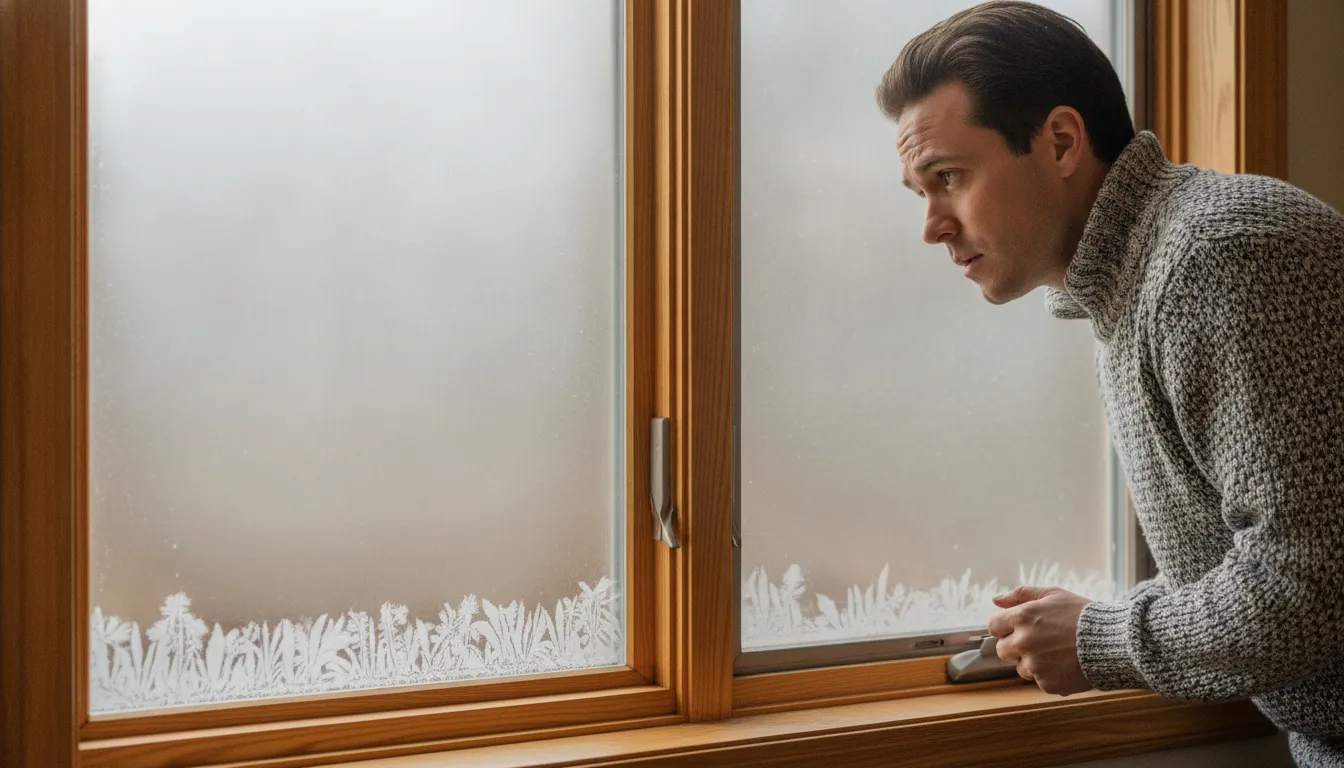
Window seal failure occurs when the hermetic seal around insulated glass breaks, allowing insulating gas to escape and moisture to enter between the panes. Common clues include fog, haze, water droplets, drafts, and a noticeable decline in comfort near the window. Most insulated glass units are designed to last about 15 to 20 years, although regional weather and installation conditions can affect that lifespan. In many cases, the practical solution is replacing the insulated glass unit, while a full window replacement may make more sense when the frame is aging or damaged.
Contact Referred Restoration online
Minnesota’s freeze-thaw cycles, heavy snow, and sharp temperature changes can place added stress on window components. A compromised seal can reduce the window’s insulating performance, leaving rooms colder near the glass and making it harder to maintain consistent indoor comfort. The moisture also signals that the space between the panes is no longer staying properly protected. Understanding how local weather and installation conditions affect that seal is the first step toward identifying the underlying causes and choosing the right repair or replacement path.
What Causes Window Seal Failure in Minnesota Homes
Window seals have a demanding job. They close the space between panes, help retain the insulating gas inside the insulated glass unit, and keep outdoor moisture from entering. When that hermetic seal breaks, moisture can collect between the panes and the window gradually loses some of the thermal performance it was designed to provide.
In Minnesota, repeated weather changes can accelerate that process. Heavy snowfall, freezing temperatures, and fast shifts between freezing and thawing expose window materials to repeated expansion and contraction. That movement stretches the seal. Over time, the sealant can lose flexibility, pull away from the glass, or develop a break. Rapid temperature changes are especially hard on double-pane windows because the inside and outside surfaces may be at very different temperatures at the same time.
This thermal stress is one reason window seal failure may appear after several challenging seasons rather than from one obvious event. The problem can become more noticeable during periods of extreme cold or sharp seasonal swings. A window that looked clear in mild weather may show haze, droplets, or frost when the temperature difference increases.
Aging and sunlight exposure
Age also matters. Insulated glass units are built to last for years, but sealant materials naturally deteriorate as they cycle through heat, cold, and moisture. Direct sunlight adds another source of wear. Ultraviolet rays can break down organic sealant materials over time, with south-facing windows often receiving the most intense exposure. That does not mean every sunny window will fail early, but it can contribute to premature deterioration when combined with weather stress.
Installation and frame movement
Improper installation can create another path to failure. If a frame is racked, twisted, or not properly supported, the pressure can transfer to the glass and its edge seal. Small installation or alignment problems may not be obvious at first, but ongoing movement can accelerate degradation. This is why installation quality matters as much as the glass specification when protecting long-term window energy efficiency.
Window seals can also be affected by moisture intrusion around the opening. The University of Minnesota Extension recommends proper sealing around windows and other exterior openings to help keep water out: learn more about sealing windows against moisture. If fogging or moisture appears between panes, the cause may be age, weather, installation, or a combination of factors. An inspection can identify whether the insulated glass unit, the frame, or the surrounding opening needs attention.
How to Spot a Broken Window Seal in Your Home
The clearest sign of a broken window seal is foggy or hazy glass that you cannot wipe away. Look closely at the space between the panes of a double- or triple-pane window. If you see water droplets, a cloudy film, or streaks trapped inside the insulated glass unit, the hermetic seal has likely failed. That break allows insulating gas to escape and moisture to enter the space between the panes.
Fogging is more than a cosmetic problem. The desiccant inside the window is designed to absorb moisture and keep the airspace dry. Once the glass begins to fog, that desiccant has become saturated. The window can no longer maintain the dry, insulating environment it was designed to provide.
Other signs to check
- Drafts near the glass: A failed seal can reduce the window’s insulating performance. However, drafts may also come from worn weatherstripping or gaps around the frame, so the location of the airflow matters.
- Higher heating or cooling bills: When insulating gas escapes, the window transfers more heat. A gradual increase in energy use, especially alongside visible fogging, can point to window seal failure.
- Frost on the interior glass: In Minnesota winters, frost buildup on the inside of the pane can signal that the window has lost insulation. It may be most noticeable during particularly cold stretches.
- Changing visibility: A window may look clear in one season and hazy in another. Temperature swings can make the moisture more apparent, so inspect the glass at different times of day and during peak seasonal changes.
Morning is often the best time to inspect. The temperature difference between your home’s interior and the outdoor air may be greatest then, making haze, condensation between panes, and frost easier to identify. View the window from several angles and clean both accessible surfaces first. If the cloudiness remains inside the unit, it is not ordinary surface condensation.
For more context on related window problems, review this guide to signs you need new windows. A professional inspection can then determine whether the problem is limited to the insulated glass unit or involves the frame and surrounding materials.
How Can You Tell Fog From a Broken Seal vs. Normal Condensation?
Not every wet or hazy window means the insulated glass unit has failed. The first question is where the moisture appears. Condensation on the room-facing surface or the outdoor-facing surface of the glass is usually a normal response to a temperature difference. Warm, humid indoor air can meet cold glass and leave water on the interior surface. Outdoor humidity can create a similar film on the exterior surface. In either case, the moisture is on the glass, where you can wipe it away.
Fog from window seal failure looks different. Double- and triple-pane windows have a sealed space between the panes. When that hermetic seal breaks, insulating gas can escape and moisture can enter the space. The resulting haze, droplets, or fog is trapped between the panes instead of sitting on the surface. Run a clean, dry cloth over both sides of the glass. If the cloudiness remains in the space between the panes, it is a strong sign that the seal has failed.
Pay attention to when the fog appears
Moisture between panes is often easiest to notice in the morning. Overnight, indoor and outdoor temperatures may create a sharper temperature differential, making the haze more pronounced in the early hours. The same pattern can occur during Minnesota’s peak seasonal temperature swings, especially when a warm day follows a cold night or when winter temperatures change rapidly. A window may look clearer later in the day without the underlying problem being resolved.
Normal surface condensation can also come and go with weather and indoor humidity. That does not automatically mean the window is defective. However, recurring fog between panes, water drops that cannot be wiped away, or a hazy band around the glass deserves closer attention. In Minnesota winters, reduced insulation may also show up as frost on the interior glass. That symptom is not proof of a broken seal by itself, but it can support the need for an inspection when it repeatedly affects the same window.
Look at the glass from several angles and compare the affected window with nearby windows exposed to similar conditions. If only one insulated unit stays cloudy between the panes, the evidence points more strongly toward a localized seal problem than ordinary household condensation. A professional inspection can confirm whether the issue is limited to the glass unit or involves the frame, installation, or another source of moisture.
Window Seal Repair vs. Replacement: Which Is the Right Call?
Once a sealed window unit has failed, the usual solution is not to patch the old seal. The practical choices are replacing the insulated glass unit (IGU) or replacing the entire window. An IGU contains the panes, spacer, seal, and insulating space, while the existing frame and sash remain in place. The right path depends primarily on the condition of the frame, the age of the window, and any warranty coverage.
| Consideration | Insulated glass unit (IGU) replacement | Full window replacement |
|---|---|---|
| Best fit when | The frame and sash are square, stable, and free of rot or warping, and the problem is fogging or moisture between the panes | The frame is damaged, the unit is hard to operate, or drafts continue around the frame |
| What changes | New glass, spacer, seal, and insulating space installed inside the existing frame | The entire window unit, frame and sash included, with fresh installation |
| When it makes sense | A window with a sound frame whose glass unit has failed | Multiple components near end of life or broader envelope issues |
| Trade-off | More economical when the frame is sound | Higher overall project, warranted when the frame no longer supports a durable fix |
When IGU replacement makes sense
Replacing only the IGU is generally the more economical route when the frame is square, stable, and free from rot, warping, or water damage. It can restore a clear view and return the glass unit to its intended insulating function without disturbing a sound frame. This approach is especially worth considering when the window opens, closes, and locks properly and the problem is limited to fogging or moisture between the panes.
Age provides useful context, but it should not be the only deciding factor. Most IGUs are designed to last approximately 15 to 20 years, although Minnesota’s temperature extremes, freeze-thaw cycles, installation quality, and exposure can affect actual performance. A newer window with one failed unit may be a strong candidate for glass replacement. Before authorizing work, check the original manufacturer warranty. Some manufacturers warrant the IGU against seal failure for 10 to 20 years. And the warranty may determine whether the glass can be replaced through the manufacturer or an approved provider.
When full window replacement is the better choice
Replacing the whole window is usually more appropriate when the frame or sash is damaged. The unit is difficult to operate, drafts continue around the frame, or multiple components are reaching the end of their service life. A failed seal can be one symptom of a broader window problem. Rot, persistent water intrusion, poor installation, or significant warping may limit what an IGU-only replacement can accomplish.
A professional assessment should distinguish moisture trapped between panes from condensation on a glass surface, then examine the frame, sash, exterior trim, and installation. That evaluation helps prevent an incomplete repair and clarifies whether the issue is isolated to the glass unit or part of a larger envelope problem. If full replacement is recommended, reviewing the professional window installation process can help you understand how the opening is prepared, sealed, and finished.
For homeowners considering a complete project, Referred Restoration can also explain available window replacement financing options without turning the decision into a pressure-filled sales conversation. The goal is to match the repair to the actual condition of the window, preserve sound components when appropriate. And replace the unit when its frame or performance no longer supports a durable fix.
What Happens If You Leave a Broken Window Seal Untreated?
A foggy insulated window is more than a cosmetic annoyance. When a seal breaks, insulating gas can escape and moisture can enter the space between panes. That means the glass no longer provides the insulating value it was designed to deliver, even if it still looks structurally intact. In a Minnesota home, the effect can become more noticeable during extreme winter cold, summer heat, and rapid shifts between indoor and outdoor temperatures.
Reduced insulation affects comfort and energy use
As the insulating layer between panes is compromised, the window becomes a weaker thermal barrier. Rooms near the failed unit may feel colder in winter or warmer in summer. And your heating or cooling system may need to work harder to maintain a consistent indoor temperature. Higher heating and cooling bills can follow, but the more immediate clues are often a draft. Cold glass, or frost forming on the interior during a Minnesota cold snap.
The technical issue is not simply that the glass is cloudy. The lost gas and added moisture change how the insulated glass unit performs. A window with ongoing moisture problems should be evaluated because moisture that remains in a building component can contribute to deterioration over time. Treating the visible fog as a purely visual defect can allow the underlying failure to continue.
Moisture can damage the frame and glass
Repeated moisture exposure can affect more than the view through the window. If water reaches surrounding wood sash or frame materials, those components may gradually soften, stain, swell, or deteriorate. Damage that begins around the glass can eventually complicate the repair decision, particularly if the frame is no longer sound. Look for discoloration, soft wood, peeling finish, or moisture collecting near the lower edge of the window.
There is also a risk of permanent glass damage. Recurring moisture between the panes can leave mineral deposits or cause etching on the glass surface. The academic discussion of seal materials and degradation in insulated glazing systems helps explain why edge-seal performance matters over the life of the unit. In some cases, the fogging may remain even after the seal problem is addressed because the glass itself has been marked.
Early evaluation limits the damage
Window seal failure does not always require replacing the entire window, but waiting rarely improves the condition. An inspection can distinguish a failed insulated glass unit from damage to the frame or surrounding materials. It can also clarify whether a glass-unit replacement is appropriate or whether the window needs more extensive attention. Addressing the issue while the frame remains sound gives you more options and helps prevent a small performance problem from becoming a broader moisture concern.
Contact Referred Restoration online to schedule a free window inspection, or call (763) 726-4245.
Frequently Asked Questions
What is window seal failure?
Window seal failure happens when the airtight seal around a double-pane or triple-pane insulated glass unit breaks down. Insulating gas can escape, and moisture can enter the space between the panes. The result is often foggy glass, haze, or visible droplets that cannot be wiped away from either surface.
How can I tell the difference between seal failure and normal condensation?
Normal condensation appears on the inside or outside surface of the glass and can usually be wiped away. Moisture or fog trapped between the panes points to a failed seal. The difference may be easiest to see in the morning or during Minnesota’s sharp seasonal temperature changes.
Can a failed window seal be repaired?
In most cases, the practical repair is replacement of the insulated glass unit rather than patching the old seal. If the frame and sash remain sound, replacing the glass may be enough. A full window replacement may make more sense when the frame is damaged, the unit has other problems, or the manufacturer warranty does not support an IGU replacement.
Should I replace a window as soon as I see fog between the panes?
Fogging is not always an emergency, but it should not be ignored. A failed seal reduces the window’s insulating performance and may allow recurring moisture to affect nearby frame materials. Check the manufacturer’s warranty first, then arrange an inspection to determine whether the existing frame can be retained or the whole window should be replaced.
Ready to Address a Failing Window Seal?
If foggy glass, moisture between panes, or a draft is affecting your home. An inspection can clarify whether the issue involves the insulated glass unit or the full window. Referred Restoration can help you understand the condition and the practical repair or replacement path for your home.
Contact Referred Restoration online to schedule a free window inspection, or call (763) 726-4245.