Choosing a roofing company in Vermillion MN is about more than finding someone who can replace shingles. You need a clear inspection, a recommendation that fits the roof’s condition, and a written plan you can compare before work begins. Referred Restoration serves homeowners with a consultative approach built around a free inspection, a custom solution, and professional installation. Use the checklist below to decide what matters, what to ask, and when to request an evaluation.
Schedule a free roof inspection
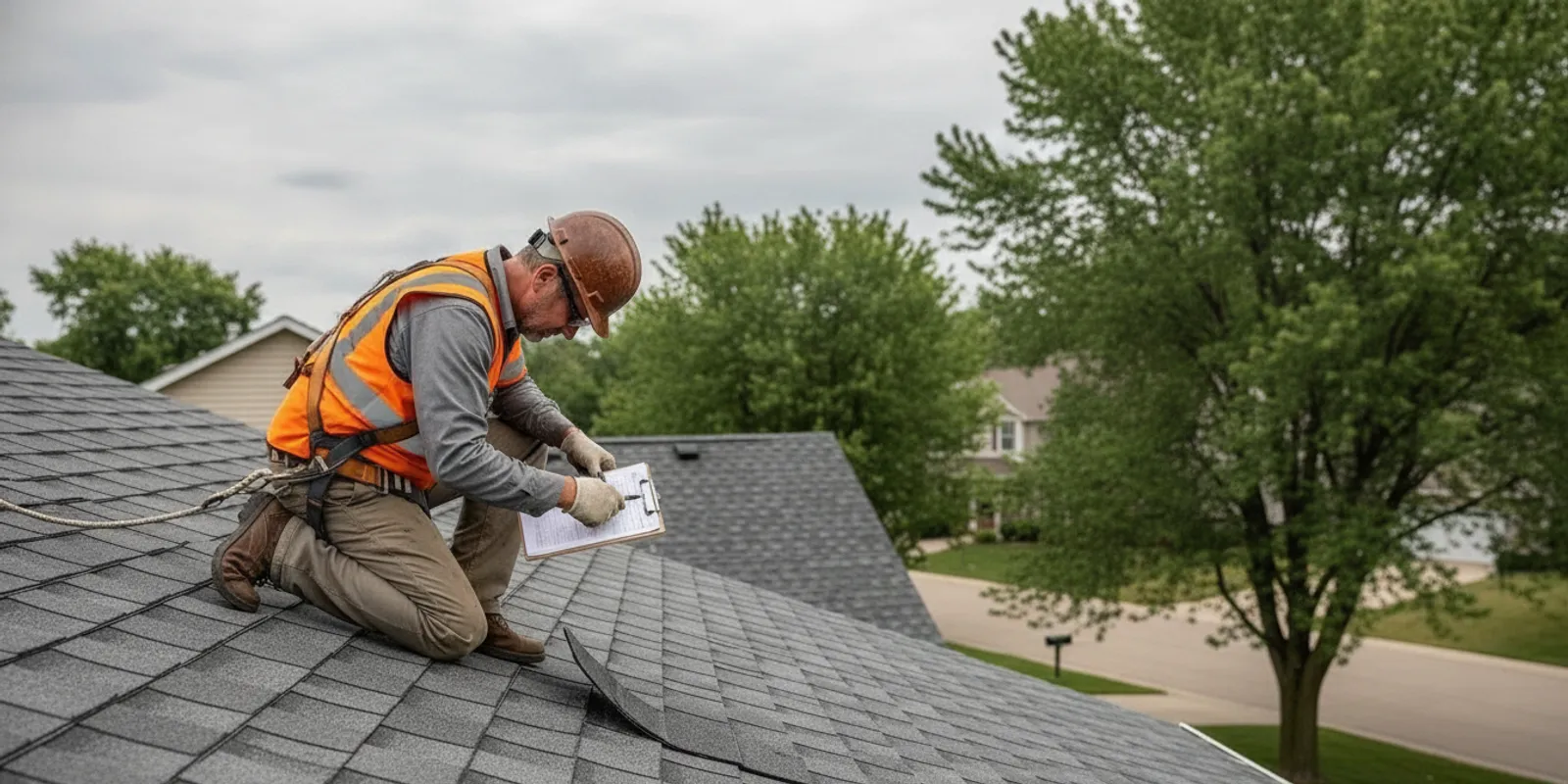
What should you look for in a roofing company in Vermillion, MN?
A strong roofing contractor should be able to explain what they see and why a particular repair or replacement makes sense. The inspection should not feel like a sales pitch with a predetermined answer. It should help you understand the roof’s current condition, possible next steps, and what remains uncertain.
Before scheduling, consider whether the company:
- Offers to inspect the roof and explain the findings in plain language.
- Distinguishes visible damage from issues that need further evaluation.
- Provides a written scope rather than relying on a verbal summary.
- Explains what is included, what is excluded, and how unexpected conditions will be handled.
- Answers questions without pressuring you to decide on the spot.
- Can describe its service area and whether it can take on a project at your address.
That last question matters for homeowners in Vermillion. Referred Restoration is based in Rogers and serves communities along a local corridor, so confirm current availability for your specific location before arranging a visit. Its Rogers roofing service page describes its inspection and roofing approach; it is sensible to ask directly whether a project in Vermillion is within the team’s schedule and service area.
For a nearby point of comparison on services, you can also review the company’s pages for roofing in Otsego and roofing in Monticello. A location page is not proof that every address is covered. Confirm your address and project needs directly.
Use the first conversation to learn how the company works, not just to book the earliest appointment. For example, if you have a stain on a bedroom ceiling, explain when it appears, whether it grows during rain, and whether anyone has already looked in the attic. If your concern is missing or lifted shingles, say where you noticed them and whether you saw them after a storm. These details help the contractor understand the question you want answered, while an on-site evaluation is still needed to identify the source and extent of a problem.
It can also help to write down what a satisfactory answer would look like. You may want to know whether the roof needs attention now, whether a limited repair could address the observed issue, or what a full replacement would involve. When a contractor responds, listen for a clear explanation of evidence and alternatives. A careful answer may include limits, such as an area that could not be inspected or a condition that needs a closer look. That is more useful than certainty unsupported by observations.
How can you tell whether your roof needs repair or replacement?
A leak or a few damaged shingles does not automatically mean the whole roof needs to be replaced. The right recommendation depends on the location and extent of the problem, the condition of surrounding materials, and whether the roof has recurring trouble. A careful contractor should connect the recommendation to observations rather than offering a one-size-fits-all answer.
Ask the inspector to walk you through these points:
- What was observed? Ask for the specific areas of concern and whether the evidence is visible from the ground, attic, or roof surface.
- Is the issue isolated or widespread? A localized problem may call for repair; repeated or broader deterioration may warrant discussing replacement.
- What happens if I wait? Ask what risk delay creates, what signs to watch for, and whether temporary protection is appropriate.
- What is the recommended scope? Have the contractor identify the materials and areas involved, and explain why the recommendation addresses the underlying issue.
- What is not included? Clarify whether related flashing, ventilation, decking, cleanup, or follow-up work is part of the proposed scope or would require separate approval.
For a focused problem, a roof repair may be appropriate. Referred Restoration provides roof repair in Rogers; homeowners can ask whether the same inspection or repair service is available at their address. If an evaluation indicates that a larger project is needed, compare the recommendation with the company’s explanation of roof replacement and ask what factors led to that conclusion.
One practical way to review the recommendation is to separate the immediate symptom from the proposed work. A ceiling mark is a symptom; it does not show by itself where water entered or whether the roof covering is the only cause. Ask the contractor to explain the path they suspect, what evidence supports it, and whether any interior or attic observation is relevant. If a repair is proposed, ask which specific area it addresses and what the plan is if the leak returns. If replacement is proposed, ask why a repair would not reasonably address the observed condition.
Consider a second example: after wind, you see a shingle on the ground but no water inside. Rather than assume the entire roof is damaged—or assume there is no issue—ask for an inspection of the affected slope and nearby details. The contractor can describe whether there is a visible opening, displaced material, or another condition requiring attention. Record the date and location of what you saw. That information makes later comparisons more precise.
Repair-versus-replacement decisions can also involve timing. Ask whether the issue requires prompt attention, what signs would make it more urgent, and whether a temporary measure is appropriate while a larger decision is considered. If a contractor recommends waiting, request a clear explanation of what to monitor and when to check back. If you are advised to act quickly, ask what immediate condition supports that urgency. Either way, you should understand the reason before approving work.
What should a roof inspection include?
An inspection should produce useful information, not just a quick glance and a broad conclusion. The contractor should describe what was reviewed and point out the observations that support the recommended work. If an area could not be checked, ask why and whether another inspection method is needed.
As you discuss the visit, ask about the roof covering, visible edges and transitions, flashing around penetrations, drainage paths, and any interior signs of moisture you have noticed. Share when a leak appears, where you have seen staining, and whether the problem changes during wind or rain. This history can help focus the discussion, but it does not by itself establish the source of water entry.
Before the appointment, make a short list of symptoms and questions. Include the room or area where you noticed moisture, the approximate date, the weather conditions you remember, and any steps already taken. If you have photographs of a ceiling mark or visible debris taken safely from the ground, keep them available. Do not climb onto a roof to gather evidence. A contractor can tell you what additional access or observation is appropriate.
During the inspection, ask the contractor to distinguish three things: what was directly observed, what the observation may indicate, and what remains unknown. For instance, a damp area may be consistent with water entry, but the observation alone may not reveal the entry point. This distinction helps prevent an assumption from becoming an unexamined scope item. It also makes it easier to compare two evaluations if their explanations differ.
Ask for findings in writing, with photographs when available. The goal is a record you can use to compare recommendations and follow up. A government report that mentions roofing and masonry observation and consultation also describes written recommendations, though it is an administrative example, not a residential inspection standard. The report illustrates why recording observations and recommendations can be useful; your contractor should explain the documentation they provide for your home.
Be cautious of conclusions that are not tied to an observable issue, or recommendations that leave you unclear about what work would actually be done. If the inspection reveals a concern beyond the roofer’s stated scope, ask whether a separate qualified professional should evaluate it.
Before the contractor leaves, review the next step together. Confirm whether you will receive a proposal, inspection notes, or another form of follow-up, and ask when to expect it. If the roofer cannot inspect a section because of access or conditions, make sure that limitation appears in the explanation. This helps you understand whether a recommendation covers the whole roof or only the portions that could be viewed.
How should you compare roofing proposals?
Do not compare proposals by the bottom line alone. Two contractors may be describing different amounts of work, different materials, or different assumptions. First make sure you are comparing the same project. Then ask each company to clarify ambiguous language before you make a decision.
| What to compare | Questions to ask | Why it matters |
|---|---|---|
| Scope of work | Which roof areas are included? What will be removed, repaired, or installed? | Similar-sounding proposals may cover different work. |
| Materials and details | What product and installation details are specified? How are edges and transitions addressed? | Specific descriptions make a proposal easier to evaluate. |
| Unforeseen conditions | How will concealed damage or a change in scope be documented and approved? | You should know how decisions are handled if the work uncovers an issue. |
| Site protection and cleanup | What areas will be protected, and how will debris and leftover materials be handled? | This sets expectations for the property during and after the project. |
| Schedule and communication | What can affect the start date, and who will provide updates? | Weather and scheduling can affect exterior work. |
| Closeout | What review happens when work is complete, and how are questions handled? | A clear finish helps you identify anything that needs follow-up. |
Ask for revised paperwork if an important answer exists only in conversation. The proposal should let you see the work being offered, not leave you to infer it from a product name or a general promise. Referred Restoration describes a three-step process of inspection, custom solution, and installation. For homeowners who want to understand the initial visit, its company website outlines the broader service approach.
To make a fair comparison, put the proposals next to each other and mark every line that is unclear or missing. If one document names the roof areas and another says only “replace roof,” ask both companies to define the included areas. If one refers to replacing flashing and the other does not, ask whether the proposals assume the same condition and work. The goal is not to make every proposal use identical wording; it is to understand what each contractor is agreeing to do.
Next, compare how changes will be handled. A proposal cannot always describe a condition hidden beneath existing materials. It can, however, explain how the contractor will pause, document what is found, describe the added work, and obtain your approval before proceeding. Ask what communication channel will be used and who can authorize a change. That process protects against surprises and gives you a record of the decision.
Finally, review the practical details that affect your household. Ask how the crew will access the work area, what should be moved beforehand, how debris will be collected, and whether you need to make arrangements for pets or parked vehicles. Confirm how schedule changes will be communicated. Avoid relying on a vague assurance that everything is included; ask for the specific task or responsibility to appear in the written scope.
How do storm damage and insurance questions change the process?
After hail or strong winds, homeowners may notice dents, displaced materials, debris, or water entering the house. From the ground, it can be hard to determine the full condition of the roof. Avoid climbing onto a roof to investigate. Note what you can see safely, take photographs from the ground if useful, and write down when you first noticed the issue.
A contractor can inspect and explain observed damage, but an inspection is not the same as an insurance coverage decision. Review your policy and contact your insurer about the claim process, deadlines, and documentation it requires. Ask a contractor to distinguish observations from conclusions about coverage, and keep copies of any inspection notes, photos, and written proposals.
Referred Restoration offers storm-damage restoration and assistance with insurance-claim questions. Its storm damage restoration page describes that service. Ask what help is available for your particular project, and keep the insurer’s role and the contractor’s role clear. No inspection can promise a specific insurance outcome.
A simple record can make the conversations easier. Note the date you noticed damage, the weather event if known, the rooms or roof areas affected, and any changes since then. Keep photographs in one place and label them with the date and location. When you speak with the insurer, ask what documentation it needs and how it wants it submitted. When you speak with a contractor, ask what the inspection observed and whether the proposed work addresses those observations. These are related conversations, but they answer different questions.
If water is entering the home, focus first on reducing immediate risk and protecting people and belongings. Do not go onto a wet, icy, or damaged roof. Tell the contractor what is happening and ask what safe next step is appropriate while you wait for an inspection. If you use a temporary measure inside, such as moving items away from a drip, record what you did and keep receipts or notes if relevant to your own records. Do not treat a contractor’s site observations as a guarantee of insurance coverage.
What should you expect after choosing a roofing contractor?
Before work starts, make sure you understand the agreed scope, the expected sequence, how the crew will communicate, and how changes are approved. Ask who to contact with a question and what you should do if weather affects the schedule. Exterior work depends on conditions, so a contractor should explain how delays or a change in timing will be communicated rather than promising that every project follows the same calendar.
Prepare the area using the instructions you receive. Move vehicles or outdoor items if requested, and discuss access to the property, pets, and any concerns about landscaping or entrances. Do not assume a task is included—or that it is your responsibility—until you have clarified it with the contractor.
It helps to identify a household point of contact before the project begins. That person can receive updates, ask questions, and make sure proposed changes are reviewed by the right decision-maker. If you will be away, ask how the contractor will share progress or request approval. Keep a copy of the proposal and any approved changes where you can refer to them. A short written note after a phone conversation can also help confirm what you understood.
On the day work is scheduled, use the preparation list the contractor provided rather than guessing what the crew needs. Check that access routes are clear, move items only if asked, and ask before entering a work zone. If you notice a new concern during the project, contact the designated person instead of approaching workers in an unsafe area. This keeps communication clear while the work is underway.
When work is complete, review the finished project with the contractor. Ask what work was performed, whether anything changed from the proposal, and how remaining questions or concerns are handled. Keep the proposal, any approved changes, and closeout information together so you can refer to them later.
Do not hesitate to ask for a walkthrough in plain language. You can check that the agreed work areas have been addressed, ask whether any limitations remain, and confirm where to direct a follow-up question. A closeout conversation is also a useful time to ask what records to retain. You do not need to inspect a roof yourself; let the contractor explain the completed work and any documentation available.
What should you ask before scheduling a roofing inspection?
A short call can clarify whether a company is a practical fit before you spend time arranging a visit. Have your address, the type of concern, and any known timing needs ready. Then ask direct questions:
- Do you currently inspect homes at my address in Vermillion?
- Is the inspection free, and what does it cover?
- Will you provide written findings and explain the recommended next step?
- Can you assess whether a repair is reasonable before discussing replacement?
- How do you document a proposed change if additional work is needed?
- What should I do if I have an active leak while waiting for an appointment?
Referred Restoration offers free inspections and custom solutions, but service availability depends on the specific location and schedule. Its Cottage Grove service page is another example of its local service information. The most reliable way to confirm eligibility for a Vermillion project is to contact the company directly with your address and describe the issue. You can also call (763) 726-4245; the phone number is provided as text, not as a clickable link.
Before you call, gather any details that will help you explain the concern without trying to diagnose it. Note whether you are seeking an inspection after a storm, noticing a recurring leak, or planning ahead because the roof appears worn. If another contractor has already looked at the roof, keep that proposal or report available and identify what you want clarified. You can ask whether Referred Restoration is able to inspect the address, what the visit includes, and how findings will be shared. There is no need to decide on a project during the first call.
You may also want to ask how the company’s three-step process applies to your situation: what happens during the inspection, how a custom solution is developed, and what information is included before installation is considered. Ask for a clear explanation of the next decision point. For example, will you receive an inspection summary first, or will a written proposal follow if work is recommended? Knowing the sequence makes it easier to compare the experience with another contractor and to involve other household decision-makers.
Keep the conversation focused on your address and actual concern. Local service pages show where a company describes its work, but a page for a nearby community does not establish current availability for every neighboring location. Confirming directly is the most practical way to avoid assumptions about service coverage or timing.
Contact Referred Restoration to ask about your roof
Frequently Asked Questions
Does Referred Restoration serve Vermillion, MN?
Referred Restoration is based in Rogers and serves a defined local area. Because the available service information does not confirm coverage for every Vermillion address, contact the company with your location to check current availability before scheduling.
Should I repair or replace my roof?
That depends on the observed problem, how extensive it is, and the condition of the surrounding roof. Ask the inspector to explain the evidence behind the recommendation, whether a repair is viable, and what risk comes with waiting.
Is a free inspection the same as an insurance assessment?
No. A contractor can document visible conditions and discuss repair options, while your insurer handles coverage decisions under your policy. Ask both parties what information they need and keep their roles distinct.
What should a roofing proposal include?
Look for a clear scope, material descriptions, relevant work areas, cleanup expectations, how changes are handled, and a communication plan. Ask the contractor to clarify anything you cannot compare or understand before approving work.
A dependable roofing decision starts with a clear explanation of your roof’s condition and a written scope you can understand. Confirm service availability for your address, ask questions before approving work, and choose the next step that fits the evidence.