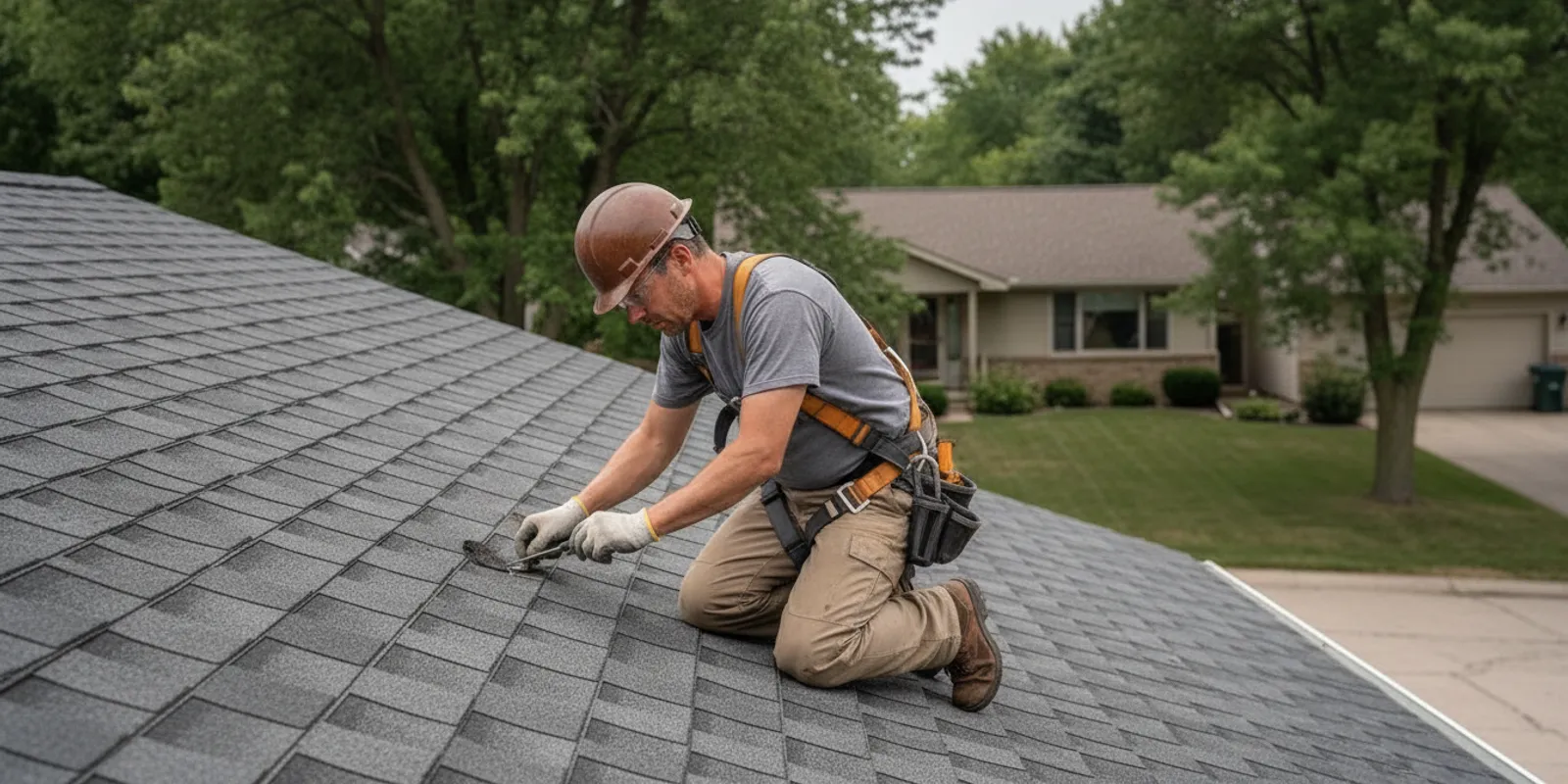
Choosing a roofing company in St. Marys Point, MN, is not just about finding someone who can put shingles on a roof. You want a clear inspection, a recommendation that fits the condition of your home, and a written plan that makes sense before work begins. A roofing company should be evaluated by clear evidence, not by an unsupported ranking. Define what matters to you and check the evidence behind each contractor’s proposal.
Contact Referred Restoration to request a free inspection
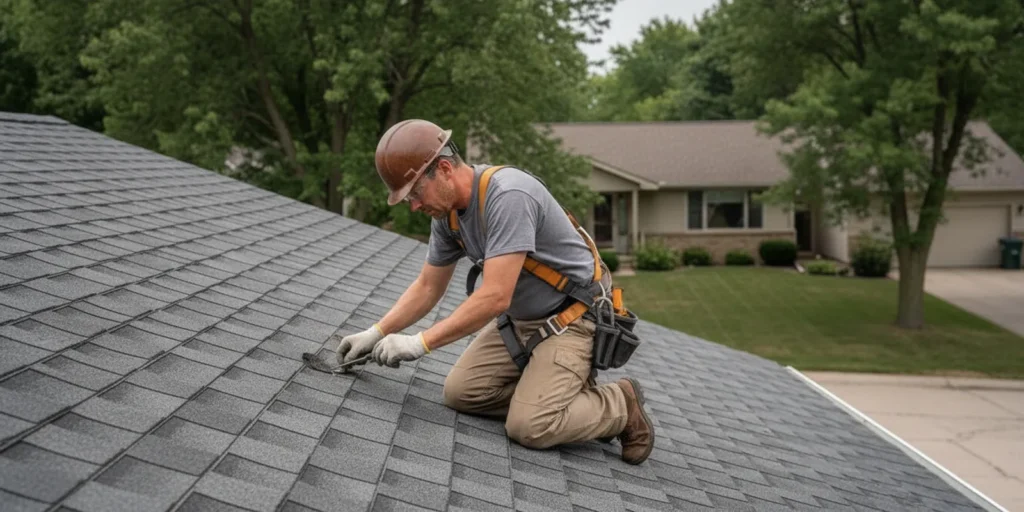
How to Evaluate a Roofing Company in St. Marys Point MN
Choose a contractor by the quality of the inspection, explanation, and written scope, not by a ranking or superlative. A reliable evaluation starts with what the company can show you. The roofer should explain what it found, separate urgent concerns from optional work, and connect each recommendation to a visible condition.
Ask whether the inspection covers the roof surface and the details where leaks commonly begin, including valleys, penetrations, flashing, and edges. If replacement is recommended, ask why repair would not address the problem. If repair is proposed, ask what conditions could require follow-up. Clear answers help you compare recommendations without relying on pressure or vague assurances.
A useful proposal should identify the planned work, materials, exclusions, and how unexpected conditions will be handled. It should give you enough time to review the scope and ask questions. Look for communication you can understand, especially when the work involves storm damage, active water entry, or a decision between repair and replacement.
Referred Restoration describes its approach as a free inspection followed by a custom solution and professional installation. You can review its roofing services and inspection process, then confirm directly whether the company can inspect your address in St. Marys Point and whether that location is within its current service area.
Before contacting any roofer, write down your main concern and any timing issue, such as an active leak, a planned exterior project, or an upcoming sale. Giving each contractor the same starting information makes their recommendations easier to compare.
- Request evidence: Ask what condition supports each recommended repair or replacement.
- Compare the scope: Check that proposals describe materials, included work, exclusions, and next steps.
- Confirm service area: Verify directly that the contractor can serve your specific St. Marys Point address.
How can you tell whether your roof needs repair or replacement?
A roof problem does not automatically mean the entire roof must be replaced. A localized issue may be repairable, while widespread wear or damage can make a larger project the more practical option. The right answer depends on the roof’s age and condition, the extent and location of damage, and whether materials around the problem area can be repaired without creating new weak points.
Inside the home, watch for water stains, peeling paint near the ceiling, damp insulation, or a musty smell in an attic. These signs call for investigation, but they do not identify the exact entry point. Water can travel along framing before it becomes visible indoors. Outside, missing or lifted shingles, damaged flashing, exposed roof components, or debris impact can also warrant an inspection. Do not climb onto a steep, wet, icy, or damaged roof to check it yourself.
Ask the inspector to connect each visible concern to the recommended work. A helpful explanation might identify a particular flashing transition, show where shingle damage is concentrated, and explain whether surrounding materials can be integrated into a durable repair. For a more focused look at common issues, see Referred Restoration’s guide to roof repair in Rogers. If conditions point toward a full project, its page on roof replacement offers a place to learn about that service.
Do not rely on a single symptom or a verbal opinion. Request photographs or a clear description of the conditions, and ask what could change the recommendation once old roofing is removed. An inspection is a snapshot of visible conditions; concealed damage may only become clear during the work. The proposal should describe how the contractor will communicate and document a change in scope.
When two recommendations differ, compare the reasoning before deciding that one is automatically wrong. One contractor may be focusing on a visible leak while another is considering broader wear or the ability to tie new materials into the existing roof. Ask each to point out the same locations and describe what a repair would address. What it would leave in place, and what signs would lead to replacement later. If the difference remains unclear, a second inspection can help you make a more informed choice. Keep notes of the questions you asked and the answers you received.
What should a careful roofing inspection cover?
Before comparing recommendations, find out what the inspection actually included. A roof is a system of surfaces and connected details, not just a field of shingles. The inspection should consider the roof covering, visible flashing, valleys, penetrations, edges, and drainage paths. The inspector may also need to look at accessible interior areas when there are signs of moisture. The precise inspection method depends on roof design, access, and safety.
- Roof covering: Ask about loose, missing, damaged, or visibly worn materials and whether the issue is isolated or widespread.
- Transitions and penetrations: Ask what the visible condition of flashing and roof openings suggests. These details need careful attention because they interrupt the roof surface.
- Drainage: Ask whether valleys and roof edges appear to direct water toward the intended drainage routes and whether debris or damage is affecting flow.
- Evidence: Request photos or plain-language notes that show the areas behind the recommendation.
- Limits: Ask what the inspector could not see, and what conditions may only be confirmed after work begins.
A useful inspection should leave you better informed, even if you decide to wait or seek another opinion. If you are comparing a repair with replacement, make sure each contractor is assessing the same areas and discussing the same symptoms. You can use the company’s free inspection request page to ask what to expect and whether service is available at your address.
Before the visit, prepare a short record of the roof’s recent history. Note when you first saw a stain, whether it changes after rain or snowmelt, and whether the spot has grown. If you know of earlier repairs, gather the paperwork or describe where the work was done. Share observations without assuming they reveal the cause. For example, a ceiling mark below a chimney is useful information, but an inspector still needs to check the roof details and the interior path of water.
During the inspection, ask whether the assessment includes every roof plane or only the area connected to the reported concern. Ask what method will be used to inspect hard-to-reach sections and whether conditions prevent a close look. It is reasonable for a contractor to explain access or weather limits. The important point is to record what could not be evaluated, so you do not mistake an incomplete view for a complete diagnosis.
What Should a Roofing Company in St. Marys Point MN Explain?
A proposal should make the work understandable before you agree to it. Do not compare documents by the bottom line alone. Two proposals can use similar language while covering different materials, preparation, cleanup, or follow-up. Compare matching items line by line and ask for written clarification when a detail is vague.
| Proposal area | Question to ask | A clear answer should explain |
|---|---|---|
| Scope | Is the recommendation a repair, replacement, or new installation? | The observed issue, work locations, included tasks, and any exclusions. |
| Materials | Which roofing materials and related components are included? | Product descriptions, installation components, and how substitutions are approved. |
| Preparation | How will the home and surrounding property be prepared and protected? | Access needs, surface preparation, landscaping protection, and removal or disposal of old material. |
| Change handling | What happens if concealed damage or another scope change is found? | How the condition will be documented and how your approval is obtained before additional work proceeds. |
| Schedule | What affects the start date, work sequence, and daily updates? | Weather or site factors that may change timing, the expected sequence, and your point of contact. |
| Completion | What will be checked when the work is finished? | Cleanup, a final review, documentation, and a process for raising questions about completed work. |
Read the complete agreement, not just the summary. Keep the inspection notes, photographs, product information, scope, exclusions, and any written warranty information together. Ask who handles permits if they apply, how changes are approved, and what each party is responsible for after the crew leaves. Do not assume that different contractors use the same meaning for repair, replacement, or included components.
A simple folder for each proposal makes the comparison easier. Add later emails and messages, then mark any difference you cannot explain. If one document lists removal and disposal while another is silent, ask whether that work is included. If a product is named, confirm that the agreement identifies it or explains how a substitute would be approved. Rely on written answers rather than promises you cannot review later.
Also compare the practical details. Ask what should be moved before the crew arrives, what access is needed around the house, and how weather changes will be communicated. Clarify how the crew plans to protect landscaping and collect debris. These details affect your schedule and property even when they do not change the roof itself.
If your project also involves other exterior work, review the separate scopes carefully. Referred Restoration’s pages about siding services and gutter installation can help you identify questions for those parts of the project. Keep roofing, siding, and gutter responsibilities distinct unless the written proposal clearly connects them.
What should St. Marys Point homeowners know about storms?
After a storm, start with safety and documentation. From the ground, note visible debris, displaced materials, or new water intrusion. Take photos from a safe location and write down when you noticed the issue. Do not walk on a roof or remove damaged materials if doing so could put you at risk. If water is entering the home, protect belongings where it is safe to do so and arrange an inspection.
A storm does not prove that a roof needs replacement, and a contractor should not promise an insurance outcome. Ask for an assessment of the actual condition and a written description of observed damage. If you plan to contact your insurer, keep your own notes and photographs and follow the insurer’s instructions about the claim. Referred Restoration provides information about storm damage restoration; discuss your specific situation with the appropriate professionals.
For current watches, warnings, and local weather information, check the National Weather Service. Weather conditions also affect when roof work can safely proceed. Ask a contractor how weather could affect scheduling and what communication you should expect if conditions change.
When documenting a storm, keep observations factual. Record the date and approximate time, which rooms show water, and whether the issue appeared after rain, wind, hail, or snow. Photograph ceiling stains or visible exterior concerns without putting yourself in danger. Do not discard damaged materials that may be relevant before you have followed your insurer’s instructions. A contractor can describe roof conditions, while your insurer explains its own documentation and claim process; these roles are related but not interchangeable.
If the contractor identifies damage, ask whether it appears limited to one area or affects several roof sections. Ask which observations are certain and which require further inspection. A careful explanation should distinguish visible conditions from assumptions about their cause. Keep the written assessment with your own records, and avoid authorizing work based only on a promise that a claim will be approved.
How do materials and Minnesota weather affect a roofing decision?
Roofing material choice should account for the structure, design, ventilation, drainage, appearance, and the product specifications. No single material is automatically right for every home. Ask what options are appropriate for your roof and what trade-offs matter for your situation, including maintenance, installation details, and how the selected materials work with existing components.
In Minnesota, homeowners should also discuss how the roof assembly handles seasonal weather. Ask how the proposal addresses water management at edges and transitions, and whether ventilation or insulation concerns are visible during the assessment. These questions do not mean that every roof has a defect in those areas. They help you understand which parts of the overall roof system were reviewed and which are outside the proposed scope.
If you are considering alternatives to common asphalt roofing, read a neutral comparison such as the homeowner guide to metal roofing versus shingles. For a closer look at one option, the company’s overview of asphalt shingles for Minnesota weather may help you prepare questions. Product suitability still depends on the house and the specific installation plan.
Ask the contractor to explain how the proposed material will meet the details of your roof, not just how it looks in a sample. Discuss the roof’s slope and shape, existing layers or components that may remain, and the details around openings and edges. If you are comparing two systems, ask for the product information and installation details for each. Then compare what is actually included rather than treating broad labels such as “metal” or “shingle” as complete specifications.
Weather can also affect planning. A roof project may need to shift if conditions are unsafe or if materials cannot be installed as intended. Ask how the contractor handles a weather delay, whether exposed areas will be protected if work pauses, and how you will be updated. The answer should describe a process, not promise that weather will never affect the schedule. Keep that conversation with the proposal so everyone has the same expectations when plans change.
How can you confirm a roofer is a good fit for your address?
St. Marys Point is not the same location as the Rogers-area communities named in Referred Restoration’s company information. Do not assume that a contractor serves your address just because it has a Minnesota website or works elsewhere in the region. Confirm availability before relying on a proposed visit or schedule. Referred Restoration’s documented primary market is Rogers and its coverage corridor extends toward St. Francis and Monticello; the company also identifies Cottage Grove as a secondary market. Contact the company to ask whether it currently takes projects in St. Marys Point.
That simple check matters because a contractor needs to be able to serve the property and support the work after installation. Ask who will inspect the roof, who will manage the project, how questions are handled, and what follow-up is available. Compare the answers with the written documents rather than treating general marketing statements as a promise about your particular home.
Before you sign, confirm that the contractor’s name and contact details are clear, the scope matches your understanding, and you know how changes will be approved. Keep copies of the proposal, agreement, product information, and communications. If an answer is unclear, pause and ask for it in writing. A thoughtful contractor should make it possible to understand the work before you commit.
When you ask whether a company serves the address, give the full property location and describe the work you need assessed. Ask whether an inspection is available there and what the next step would be if the company cannot take the project. That conversation is separate from the technical assessment: a contractor can be a strong fit for a particular kind of work yet not have current availability or coverage for a specific town. Confirming this early avoids planning around a visit that cannot be scheduled.
How Can You Choose a Roofing Company in St. Marys Point MN?
A careful selection process helps you compare contractors without relying on broad marketing claims. Use the following checklist to prepare for inspections, review proposals, and confirm whether a contractor can work at your exact address.
- Document the problem before the inspection. Note leaks, missing or damaged materials, visible changes, storm dates, and when each issue appeared. Take ground-level photos if it is safe. You do not need to climb onto the roof or diagnose the cause yourself.
- Arrange inspections and ask what each contractor observed. Request supporting photos, written notes, or a clear explanation of areas that could not be inspected. Ask whether the recommendation is for repair, replacement, or further evaluation, and why.
- Compare written scopes, not just summaries. Check whether each proposal explains preparation, materials, ventilation or flashing work when relevant, cleanup, scheduling factors, and how changes will be handled. Ask for clarification when a term or promised task is missing.
- Verify qualifications and project protections. Ask the contractor to provide applicable license or registration information, insurance documentation, references, review sources, and warranty terms. Confirm what each warranty covers, who administers it, and what homeowner responsibilities apply. Treat every item as something to verify rather than assuming a marketing statement is proof.
- Confirm address coverage before scheduling. Service areas can differ from one contractor to another. Ask directly whether the company can inspect and work at your St. Marys Point property, who will be your point of contact, and how questions will be handled during the project.
- Review the agreement before authorizing work. Make sure the final paperwork matches the discussed scope and identifies materials, payment stages, schedule expectations, cleanup, change-order procedures, and warranty information. Keep the agreement, inspection notes, photos, and later communications together.
Before an inspection, clear safe access to relevant interior areas if an attic hatch or ceiling access may be needed. Keep children and pets away from active work areas. After the visit, summarize the recommendations while they are fresh, then compare the written proposal with that summary.
Referred Restoration documents a process that begins with a free inspection, continues with a custom solution, and ends with professional installation. Its Cottage Grove service information provides context about a nearby market it names, but it does not confirm service in St. Marys Point. To ask whether the company can inspect your address, visit the contact page or call (763) 726-4245.
Ask Referred Restoration about an inspection for your home
Frequently Asked Questions
Does Referred Restoration serve St. Marys Point, MN?
The available company information identifies Rogers and nearby communities, including a corridor toward St. Francis and Monticello, and lists Cottage Grove as a secondary market. It does not confirm St. Marys Point coverage. Contact the company directly to ask whether it can inspect your address.
Does visible roof damage always mean I need a replacement?
No. Some problems may be localized and repairable, while widespread wear or damage may support replacement. Ask an inspector to explain the observed conditions, provide supporting details, and describe why the proposed scope is appropriate.
What should I do if I notice a roof leak after a storm?
Stay off the roof, protect belongings from water where it is safe, and document what you can see from a safe location. Arrange a professional inspection and follow your insurer’s instructions if you choose to make a claim. A contractor’s assessment should describe observed conditions, not promise an insurance decision.
How many roofing proposals should I compare?
There is no single number that fits every project. Focus on proposals that describe the same scope clearly enough to compare. If recommendations differ, ask each contractor to explain the evidence and the limits of the inspection before deciding.
What is the most important question to ask a roofing contractor?
Ask the contractor to explain, in writing, what work is recommended and what observed conditions support it. Then clarify the materials, exclusions, change process, and what happens if hidden conditions are found once work begins.
Choosing carefully means understanding the roof, the proposed work, and whether the contractor can serve your address, not relying on an unsupported ranking label. Take time to compare clear written recommendations and choose the plan you can confidently explain.
Contact Referred Restoration online to ask about an inspection, or call (763) 726-4245.