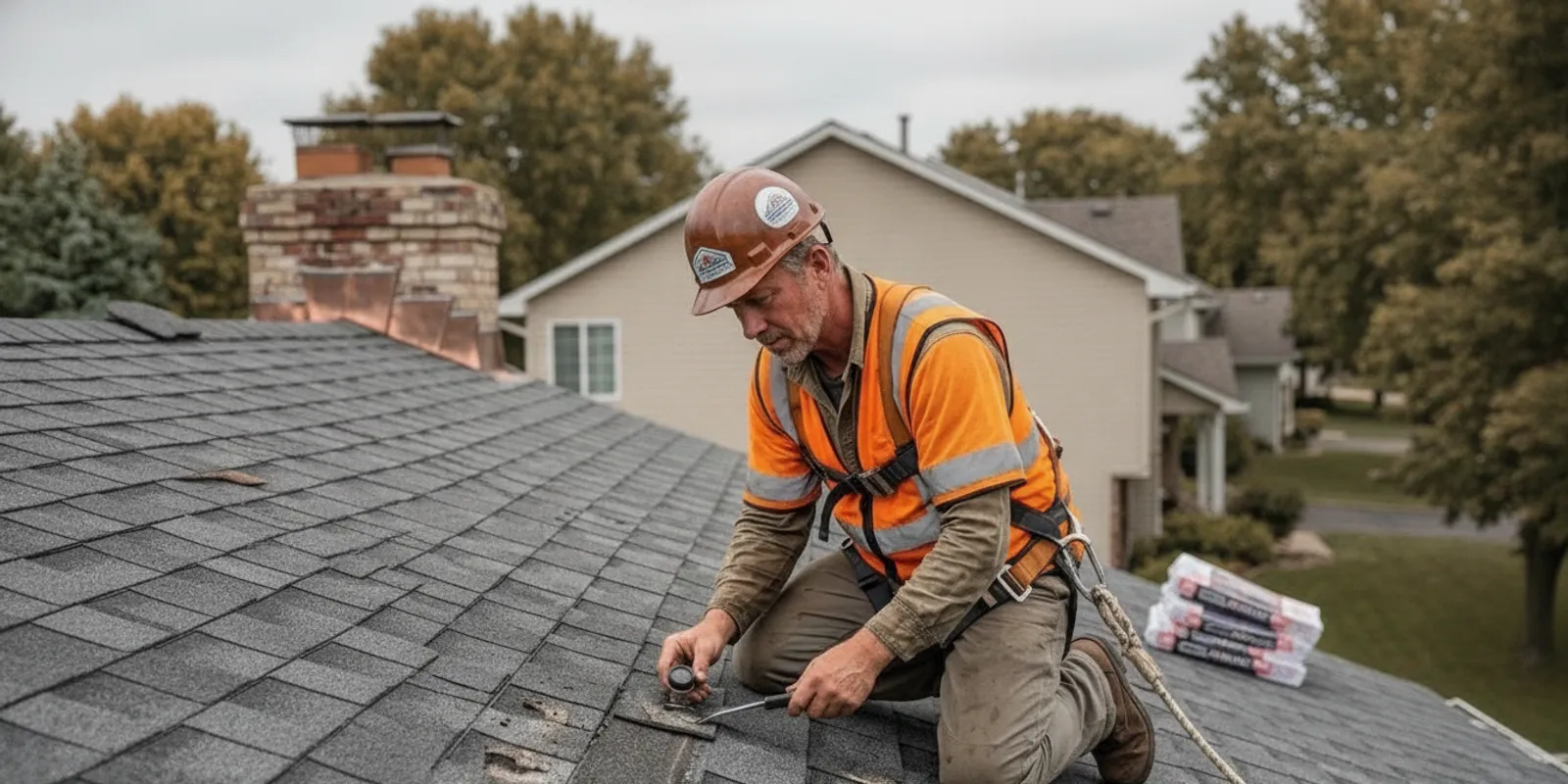
Choosing a roofing company in South Haven MN is about more than finding someone who can put shingles on a house. You need a contractor who can explain what the roof needs, show you the evidence, describe the work in plain language, and set clear expectations from inspection through cleanup. A thoughtful process helps you compare contractors without relying on a slogan or a rushed estimate.
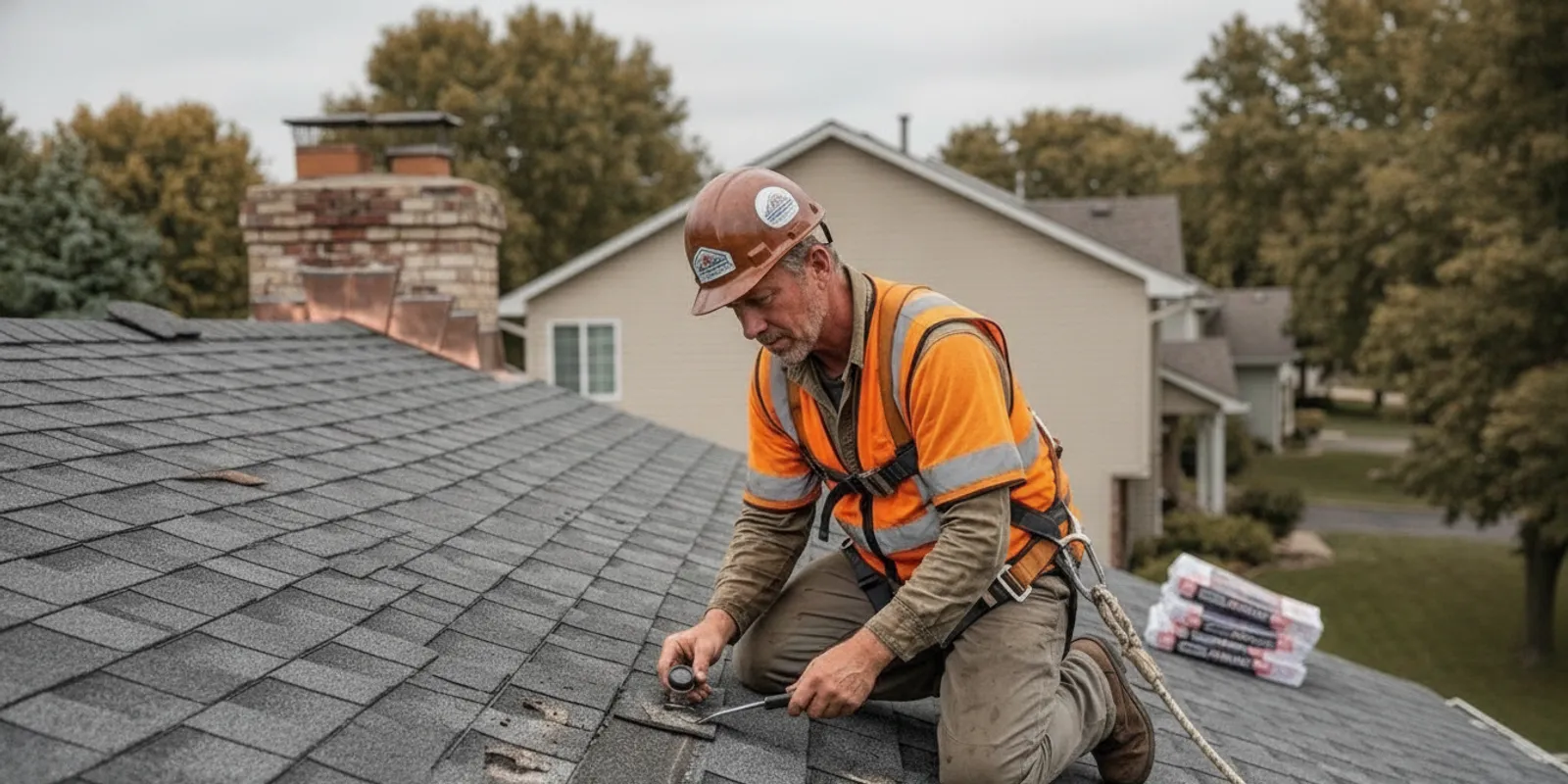
What should a dependable roofing company explain?
A reliable contractor should be able to connect each recommendation to something visible on your home. That could be a missing shingle, a damaged flashing detail, signs of water entry, or wear across a larger roof area. Ask the roofer to point out what they found and explain what may happen if you wait. A clear explanation is more useful than a dramatic warning.
Look for a process that gives you room to make an informed decision. The contractor should describe the inspection, outline repair and replacement choices when both are reasonable, and put the agreed scope in writing. They should also explain who will complete the work, how the property will be protected, and how you can raise questions during the job.
Referred Restoration describes its approach as a free inspection, a custom solution, and professional installation. Homeowners can learn more about its roofing inspection and restoration process. Since its stated service corridor centers on Rogers and nearby communities, South Haven homeowners should confirm whether the company can take on a project at their address before scheduling.
How can you tell whether your roof needs repair or replacement?
A roof issue does not always mean the whole roof should be replaced. A localized problem, such as damage around one penetration or a small area of missing shingles, may be repairable. Widespread deterioration, recurring leaks, or damage across several roof sections may call for a broader evaluation. The right answer depends on the roof’s condition, its construction, and the extent of the problem—not simply its age.
Ask the inspector to separate immediate concerns from items to monitor. Request photos or a walk-through so you can see the affected area. Ask whether the proposed work addresses the source of the problem, not just a visible symptom such as a ceiling stain. If replacement is recommended, ask what evidence makes a repair an unsuitable option.
A focused repair can make sense when the surrounding materials remain sound and the source can be addressed without disturbing a large area. Review the contractor’s explanation of roof repair options if you are comparing a targeted fix. When wear or damage is more extensive, learn what a full roof replacement involves, including removal, underlayment, flashing, ventilation details, and cleanup.
What should a careful roofing inspection cover?
A useful inspection looks at the roof as a system. The visible shingles or panels matter, but so do the details where water can enter or drain. Ask whether the inspector will review:
- Roof surfaces for missing, lifted, cracked, or visibly worn materials.
- Ridges, valleys, edges, and transitions between roof sections.
- Flashing around chimneys, vents, skylights, and walls.
- Gutters and downspouts for signs that water is not moving away as intended.
- Interior signs of water entry, if accessible and relevant.
- Ventilation and attic conditions when they affect the roof concern.
Not every inspection includes access to every area. Ask what the contractor could and could not examine, and whether a closer review is needed. A responsible explanation acknowledges limits rather than presenting an uncertain observation as a confirmed diagnosis.
For storm-related concerns, document what you see from the ground and take dated photos if it is safe. Do not climb onto a wet, icy, or damaged roof. A contractor can explain whether a closer assessment is appropriate and what temporary measures may help protect the home while a permanent plan is considered. Referred Restoration outlines its storm-damage restoration services for homeowners looking for that kind of assessment.
How should you compare roofing proposals?
Compare the work described, not just the final number on a page. Two proposals may use similar labels while covering different materials, removal steps, or details. A useful written scope makes it easier to understand what is included and what would require a separate conversation. Ask each contractor to clarify any vague phrases before you agree.
| Proposal item | What to look for | Question to ask |
|---|---|---|
| Work area | Roof sections or components are identified clearly. | Which areas are included, and what remains unchanged? |
| Materials | Material type and relevant components are named. | What will be installed at edges, valleys, and penetrations? |
| Preparation | Removal and surface preparation are described. | How will existing layers or concealed damage be handled? |
| Site protection | Plans address landscaping, access, and debris. | How will the crew protect the property and complete cleanup? |
| Project terms | Schedule, payment milestones, and written terms are clear. | Who is my contact if weather or discoveries change the plan? |
Use the same questions with every contractor. Ask about the expected sequence, how the crew will communicate changes, and what happens if removal reveals an issue that was not visible during the inspection. Request that any change to the scope be explained and documented before additional work proceeds.
It can help to read a proposal from the top down and mark anything that is not specific. “Replace roof” does not tell you which sections are included, whether old materials will be removed, or how the crew will handle flashing and ventilation details. Ask for those points to be written out. If a material is described by a general category, ask for the product line or performance details being proposed so you can compare like with like.
Clarify the work sequence as well. Find out how the crew will access the roof, where materials will be staged, what areas around the home need to be kept clear, and how nails and debris will be collected. Ask whether the contractor expects to be on site throughout the work and who will answer questions if the project lead is not available. These details can make the work easier to plan around, especially if you need to protect pets, vehicles, gardens, or outdoor equipment.
Finally, confirm what documents you will receive. The agreement should match the proposal, and any approved change should be recorded rather than left to a verbal conversation. Ask what completion review is planned and how to report a concern after the crew leaves. Clear documentation gives both sides a shared record of the work discussed and the decisions made.
Homeowners can also review a contractor’s record through independent directories. The Better Business Bureau directory for residential roofing near South Haven lists businesses and provides access to BBB ratings, customer reviews, and accreditation information. Treat a directory as one reference point, then confirm the details that matter to your project directly.
What should you ask before accepting a proposal?
Once the proposal is in hand, take time to check whether its language matches your understanding of the conversation. Ask for a revised written version if important details are missing. It is easier to resolve a difference before work begins than to rely on memory after materials have been ordered or a crew is on site.
- Clarify the boundaries. Ask which roof planes, structures, and related components are included. If a garage, porch, or addition has its own roof, make sure the document says whether it is part of the job.
- Understand what is excluded. Ask what conditions could require a separate decision, such as concealed damage discovered after removal. Find out how the contractor will pause, explain the finding, and get your approval before changing the agreed work.
- Confirm material selections. Make sure the proposal identifies the main roofing material and the associated components that matter to the chosen system. If color or finish is important, ask how and when you will make that selection.
- Review schedule assumptions. Ask what determines the start date, how weather could affect it, and who will tell you about a delay. A projected window is more useful when you also know how updates will be shared.
- Know how the project closes. Ask who will review the finished work with you, what cleanup is planned, and how you should report an unresolved concern.
These questions help expose gaps without turning a conversation into a confrontation. A contractor should be able to explain the agreement in ordinary language. If a response remains unclear, ask for the explanation in writing and take time to review it. You do not need to make a decision while someone is waiting at your door.
Keep a simple project folder, whether digital or on paper. Save the inspection notes, photos, proposal versions, signed agreement, approvals for any changes, and messages about scheduling. Add dates to your own notes after calls or site conversations. If several household members are involved, agree who will communicate with the contractor so instructions do not conflict.
What should South Haven homeowners know about storms and Minnesota weather?
Wind, hail, heavy rain, snow, and freeze-thaw conditions can all affect a roof in Minnesota. After a storm, damage may be obvious, such as a missing shingle, or less apparent from the ground. Check for loose or displaced materials, debris, dented exterior components, and new interior water marks without climbing onto the roof. If you see an active leak, protect belongings and contact a qualified professional about next steps.
When a claim may be involved, take clear photos and keep notes about when you noticed the damage. Contact your insurer to understand its process and any documentation it needs. A contractor can describe observed roof conditions, but the insurer determines coverage under the policy. Avoid signing an agreement you do not understand or making assumptions about what a claim will cover.
Contractors who work through Minnesota seasons should be able to explain how weather may affect scheduling, safe work conditions, and temporary protection. Ask what happens if rain or high winds interrupt the job, how exposed areas will be protected, and how the crew will keep the site orderly. Specific answers help set realistic expectations.
Before an inspection, make a short record of what changed. Note when you first noticed a stain or loose material, whether it appeared after a particular weather event, and whether it has changed since then. Photograph interior marks and exterior observations from a safe position. These details can help the inspector focus on the right area, but they do not replace a roof assessment.
If water is entering, reduce further interior damage only when it is safe to do so. Move furnishings, place a container under a drip, and keep away from sagging ceilings or wet electrical equipment. Do not attempt a roof patch from a ladder or walk on a slick surface. Ask the contractor what immediate measures are reasonable and whether the home needs attention before a full repair can be scheduled.
How can you assess a roofing company in South Haven MN?
Start with the basics: confirm the business name and contact details, ask for proof of applicable licensing and insurance, and request a written scope. Ask who will supervise the work and who is responsible for communication. Before signing, read the agreement carefully and make sure it reflects the discussion, including the materials, work area, and process for handling changes.
Then consider fit. Does the contractor answer questions directly? Are recommendations tied to visible conditions? Does the proposal distinguish between repair and replacement when appropriate? Is the expected schedule clear, with weather delays explained? A contractor does not need to promise a perfect outcome to earn trust; clear communication and a specific plan are stronger signs of a professional working relationship.
Local service coverage matters too. Referred Restoration is based in Rogers and describes exterior restoration work across a nearby Minnesota corridor. Its site also explains its Rogers-area roofing and exterior services. For a South Haven property, contact the company to verify current availability and whether the address falls within its service area. If your project includes gutters or siding as well as roofing, ask whether coordinating those needs through one contractor would be practical. You can review its gutter installation information and siding services as part of that conversation.
Ask each candidate for the same basic information so the comparison stays fair. Who will be the main contact? Who will supervise the crew? How will you receive updates if the start date changes? What should you do if you see a concern during the job? Direct, consistent answers can tell you as much about working together as the written scope does.
It is also reasonable to verify that the contractor’s paperwork identifies the correct business and project address. Confirm that the documents you sign match the contractor you met and the company named in the proposal. Keep copies of any insurance or license information provided, and check applicable requirements with the relevant local or state authority if you are unsure what applies to the work.
How do roofing materials and details affect the decision?
The most visible part of a roof is not the whole system. Shingles or panels shed much of the weather, while underlayment, flashing, edge details, ventilation, and drainage all contribute to how the assembly performs. When reviewing a replacement proposal, ask how the components work together rather than focusing only on the color or surface material.
For an asphalt shingle roof, ask what shingle type is proposed and whether the written scope identifies the related materials and installation areas. For a metal roof or another roof covering, ask how the contractor will address transitions, fasteners or attachment details, and places where the roof meets walls or penetrations. The contractor should explain which options suit the existing roof and why, without implying that a single material is right for every home.
Ventilation and attic conditions may be relevant when investigating moisture or recurring roof concerns. Ask whether the inspection included an attic review and what was actually observed. Do not assume that a roof replacement alone will resolve every moisture issue; request an explanation of the cause and which parts of the proposed work address it. If the attic was not accessible, ask whether that limits the recommendation.
Look carefully at details around chimneys, vents, skylights, valleys, and roof edges. These areas involve changes in direction or penetrations, so ask how the contractor plans to handle them and whether the scope includes those components. If two proposals describe these details differently, ask each contractor to explain the difference in plain terms. This can help you compare the actual work rather than relying on labels.
You can read more about the role of roof underlayment when reviewing how the layers beneath the visible covering fit into a roofing system. Use general reading to prepare questions, then ask the inspector to relate the information to your roof’s construction and condition.
What should you do before choosing a contractor?
- Write down what you have noticed, when it began, and whether the issue changes after rain or wind.
- Arrange an inspection and ask the contractor to show you the relevant roof conditions.
- Get a written proposal that describes materials, preparation, work areas, cleanup, schedule, and project terms.
- Compare proposals using the same questions, and request written clarification where the scope is unclear.
- Check references or independent business records, and confirm licensing and insurance appropriate to the work.
- Read the final agreement before signing and keep a copy of project documents and communications.
These steps make the decision more manageable. They also help you separate a contractor’s claims from verifiable details. The goal is not to choose based on a headline or a single review, but to find a qualified roofer whose assessment, written plan, and communication fit your home and your expectations.
Before you settle on a proposal, summarize your understanding in a short email or written note: the work to be done, the roof areas involved, the materials selected, the expected schedule, and how changes will be approved. Ask the contractor to confirm or correct your summary. This small step can uncover different assumptions while there is still time to resolve them.
Make sure the person who will approve decisions during the project is reachable. If you will be away, identify a household contact and agree what decisions that person may make. Keep children and pets away from work zones, move vehicles as requested, and ask what outdoor areas need to remain clear. A little planning helps the crew work safely and reduces avoidable interruptions.
Contact Referred Restoration to discuss your roof
Frequently Asked Questions
Can a roofer tell whether I need a repair or a new roof?
A roofer can inspect visible conditions and explain whether the problem appears localized or widespread. Ask for supporting photos and a written explanation of why repair or replacement is recommended. If the findings are unclear, consider another qualified assessment before committing to extensive work.
Should I get more than one roofing proposal?
Comparing proposals can help you understand differences in scope, materials, schedule, and project terms. Give each contractor the same information and ask similar questions so you can compare their recommendations fairly. Review what is included rather than comparing only the totals.
What should I do if I notice a roof leak after a storm?
Keep people away from unsafe areas, move belongings if you can do so safely, and document the damage from a safe location. Contact your insurer if you may file a claim and arrange a professional roof assessment. Do not climb onto a wet, icy, or damaged roof.
Does Referred Restoration serve South Haven, Minnesota?
The available company information describes a service area centered on Rogers and nearby communities; it does not specifically confirm South Haven. Contact Referred Restoration with your address to ask whether it can inspect or work on your property.
Take time to verify the inspection findings, compare clear written scopes, and choose a contractor who answers your questions before work begins. That preparation gives you a sound basis for deciding what your roof needs.