Gutter services in Cottage Grove MN can help homeowners address clogs, leaks, loose sections, and worn systems before water begins affecting the exterior of a home. Knowing what to look for makes it easier to describe a concern and choose a sensible next step.
Contact Referred Restoration online to request an inspection
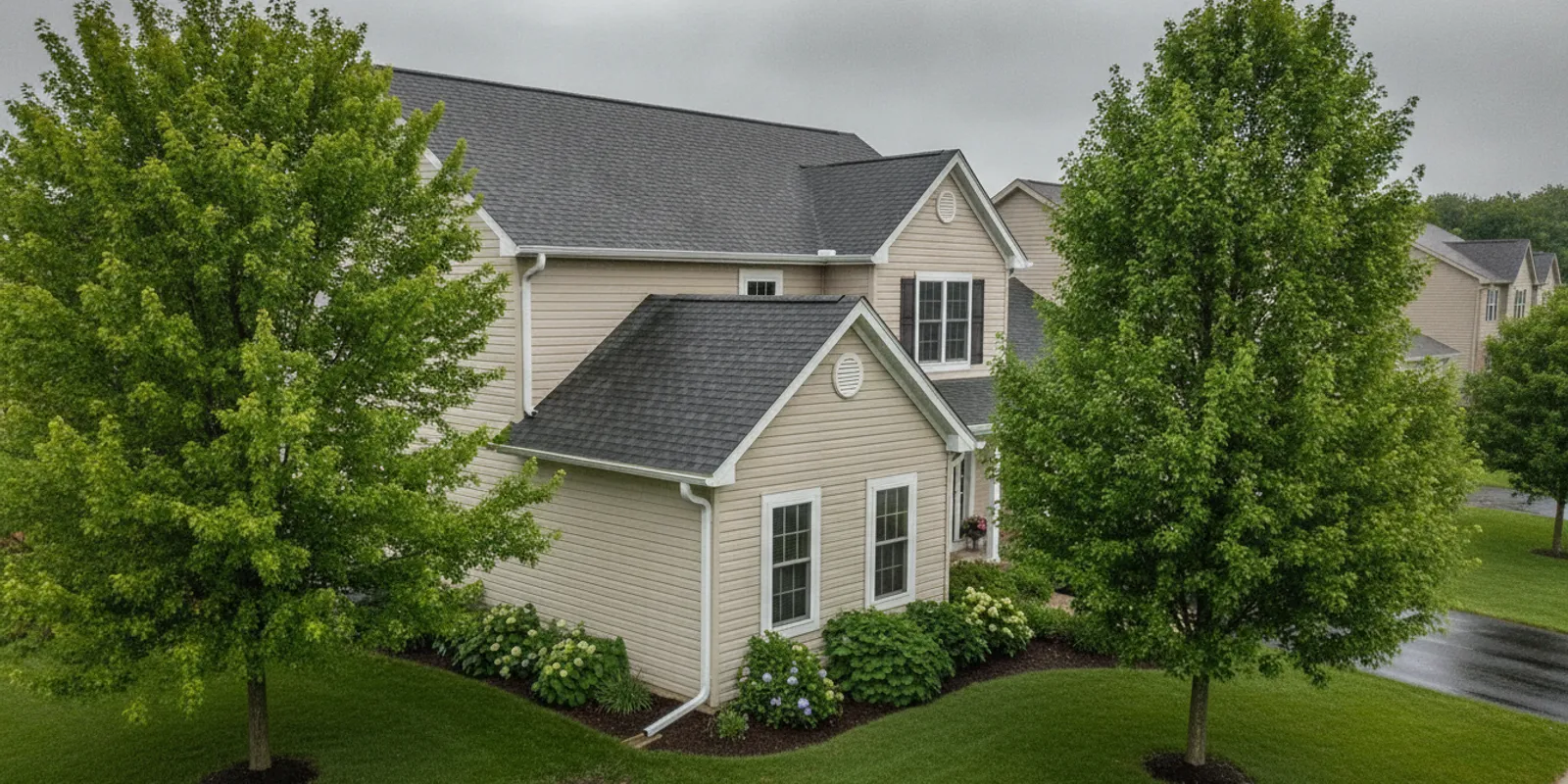
Gutters collect roof runoff and carry it to downspouts. When water spills over, drains slowly, or escapes at a joint, it may pool near the foundation or leave marks on siding and trim. The right response depends on the cause: a simple blockage is different from a sagging run or widespread deterioration. This guide explains how to observe the system safely, what a professional assessment can clarify, and how to compare maintenance, repair, and replacement.
What gutter services in Cottage Grove MN address first?
Start with visible signs from the ground during or after rain. Do not climb a ladder or reach onto a roof to inspect gutters. Look for water pouring over the edge, a downspout that is not discharging, or water running behind the gutter. These observations can help narrow down what needs attention.
- Overflow during rain: Leaves or other debris may be blocking the channel or downspout. A gutter that is undersized for the roof area or has a drainage problem may also overflow.
- Drips at seams: A leak may come from a joint, end cap, or connection. Note where it appears and whether it occurs during steady rain.
- Sagging or pulling away: Sections that dip or separate from the fascia may have loose or damaged supports. A persistent low point can interfere with water flow.
- Stains on siding or fascia: Runoff in the wrong place may leave streaks, especially around corners and connections.
- Water collecting at the base of a downspout: Check from a safe distance whether the outlet is blocked or whether water is being discharged close to the house.
One symptom can have several possible causes. For example, overflow at one corner could point to a clog, a poor connection, or a slope issue. Make a note of the location and weather conditions rather than assuming the entire system needs replacement. If the gutter looks intact but water repeatedly marks the wall, also note whether it happens during heavy rain, wind-driven rain, or every rainfall. The pattern can help a professional check the relevant corner, outlet, and adjacent roof edge rather than focus only on the visible stain.
How do Minnesota seasons affect gutter maintenance?
In Minnesota, seasonal changes bring different demands. Leaves can collect in gutters in autumn. Snow and freeze-thaw conditions may reveal loose sections or drainage issues in colder months. Spring rain provides a useful opportunity to observe whether water moves through the system and exits the downspouts as expected.
After storms, look for new debris, displaced downspout extensions, or visible damage from the ground. Keep branches and stored items away from access paths, and avoid walking on icy or wet surfaces to examine the roofline. If you see a concern that is difficult to assess safely, arrange a professional inspection rather than taking risks on a ladder.
Regular attention does not mean every home needs the same schedule. Trees near the roof, the layout of the roof, and past clogging can affect how often debris builds up. Keep a simple record of when overflow or leaks happen. That history can help a contractor distinguish an occasional blockage from a recurring drainage concern. Leaves and grass clippings can add phosphorus to runoff. The City of Cottage Grove, Minnesota explains neighborhood ponds and street drainage. That page is not a home gutter repair guide.
As leaves fall, homeowners can note which roof edges sit beneath trees and whether debris collects at a particular corner. During winter, do not chip at ice or pull on frozen gutters; these actions can damage the system or create a fall hazard. When the weather allows, observe where snowmelt drains and whether the same overflow pattern returns. A brief seasonal log is more useful than a vague impression that the gutters “always” have trouble, because it records timing, location, and conditions.
When are gutter services in Cottage Grove MN just maintenance?
If water spills over only in one area and the gutter otherwise appears straight and intact, a blockage may be the first thing to investigate. Cleaning removes accumulated debris, while a check of downspouts can identify a restricted outlet. Homeowners should only do work they can perform safely; gutter cleaning often involves ladder and roof-edge hazards.
Maintenance is less likely to resolve recurring problems if water continues to overflow after debris is cleared, a run has a pronounced dip, or the gutter repeatedly leaks at the same joint. In those cases, ask for an assessment of the full water path: gutter channel, corners, outlets, downspouts, and discharge location. For additional homeowner guidance, see Referred Restoration’s article on keeping gutters clear of debris and its overview of seamless gutter benefits.
When should you consider gutter repair?
Repair may be appropriate when a problem is limited to a section or connection and the surrounding system remains sound. Examples include a loose support, a leaking joint, a damaged end cap, or a downspout connection that needs attention. A contractor can inspect how the affected area is attached and whether the problem has affected adjacent sections.
Before work begins, ask the contractor to explain what they found, which parts need attention, and how they will confirm water can flow through the repaired area. If water has been running behind a gutter, ask whether the fascia or nearby trim should also be examined. Gutter work and related exterior conditions may overlap, but repairs should be based on what is actually observed.
Ask whether the repair includes checking the route water takes after it leaves the gutter. A repaired seam will not resolve a separate blockage farther down the downspout, and a stable-looking channel may still discharge too close to the home. Clarify which components the work covers, what conditions are outside the scope, and what signs should prompt a follow-up. This keeps expectations specific and helps you assess the result after rainfall.
When does replacement make more sense?
Replacement is worth discussing when several sections are damaged, the system repeatedly fails, or visible wear is widespread. A professional can compare the condition of the existing gutters with the work needed to restore reliable drainage. The evaluation should consider the roofline, corners, downspout locations, and how water leaves the home.
Ask whether the proposal addresses the whole drainage path rather than just the most visible leak. It should identify the areas included, the type of system being installed, and any connections or downspouts that are part of the work. Referred Restoration offers gutter installation service and seamless gutter installation. Contact the company to confirm Cottage Grove availability and the right next step.
When comparing an existing system with replacement, look beyond the material name. Consider how many corners and roof sections feed into the gutters, where downspouts can be placed, and whether the discharge route can be maintained. Ask what will happen to the old system, how the crew will access the roofline, and whether nearby trim or fascia concerns were observed. A good explanation should connect each recommendation to a visible condition or to the layout of the home.
| Option. | Often considered when. | What to confirm. |
|---|---|---|
| Maintenance. | Debris or a restricted outlet may be affecting flow. | Whether the channel and downspout are clear and water exits properly. |
| Repair. | A localized leak, loose support, or damaged connection is visible. | Which section is affected and whether surrounding parts are sound. |
| Replacement. | Wear or damage is widespread, or recurring issues persist. | Scope, system components, discharge path, and completion checks. |
What should you ask before gutter work begins?
A clear conversation helps you understand the recommended work without guessing. Consider asking:
- What did you observe, and where is the source of the problem?
- Is the issue limited to one section or part of a broader drainage concern?
- What work is included, and which areas are not included?
- Will the downspouts and discharge points be checked along with the gutters?
- How will you protect nearby landscaping and clean up debris?
- What should I watch for after the next rainfall?
For a repair, make sure the recommended work matches the observed issue. For replacement, ask how the new layout will handle corners and downspout connections. Referred Restoration describes its process as a free inspection, custom solution, and professional installation. You can review the company’s home exterior services and its Cottage Grove service information, then ask questions before deciding on a service path.
It can also help to request a written description of the proposed work. Check that it names the affected sides or sections of the home, the components included, and any related work that is not part of the plan. If two recommendations differ, compare the observations behind them rather than relying only on the proposed scope. Ask each contractor to explain how the proposed work addresses the same symptoms and how the finished drainage path will be checked.
How can you prepare for a gutter inspection?
Prepare a short description of the issue and note when it occurs. Photos taken safely from the ground can help show a stain, loose section, or overflow pattern. Include the side of the home and approximate location, such as the rear corner above a patio. Do not take photos from a roof or unstable ladder.
Move vehicles or outdoor items away from the work area if practical, and let the inspector know about gates, pets, or access limitations. If you have noticed water pooling, explain where it gathers and whether it happens during ordinary rain or only heavier weather. These details make the inspection more focused.
Before the visit, gather any notes about earlier cleaning or repairs and point out locations where the problem has returned. If you have photos from different seasons, arrange them by date and weather so the sequence is clear. Mention related exterior observations, such as water marks on siding or trim, but avoid diagnosing the cause yourself. The inspector can then consider whether the gutter, downspout, or another nearby component needs attention.
What should you check after service?
Once work is complete, ask the contractor to review the areas addressed and explain any follow-up recommendations. From the ground, look for straight runs, secure visible connections, and downspouts that direct water away from the immediate wall area. After rain, observe whether water moves through the gutters and discharges where expected.
Keep an eye on the original problem area through the next rainfall. If overflow or dripping returns, record where and when it happens and contact the contractor to discuss the observation. A timely follow-up can help determine whether a remaining blockage, connection, or larger drainage issue needs attention.
Check the work from several safe viewpoints around the home. Look for obvious gaps at corners, loose extensions, or debris left near the work area, and note anything that does not match the explanation you received. Do not climb up to test a connection by hand. After the first rain, compare the flow with your earlier notes: whether water still spills at the same spot, whether a downspout discharges, and whether pooling changes. Specific observations give the contractor a useful basis for follow-up.
Contact Referred Restoration online to discuss gutter service
Frequently Asked Questions
Can I tell from the ground whether my gutters need replacement?
You may notice warning signs such as sagging, repeated leaks, or multiple damaged sections, but a ground-level view cannot confirm the condition of every connection. A professional inspection can help determine whether repair or replacement is more suitable.
Should downspouts be part of a gutter inspection?
Yes. Gutters and downspouts work as one drainage path. A blockage or poor connection in the downspout can contribute to overflow even when the visible gutter channel appears clear.
How often should gutters be cleaned?
There is no single schedule for every home. Nearby trees, roof shape, and the amount of debris all affect how quickly buildup occurs. Observe the system during rain and adjust maintenance based on what you find.
Does Referred Restoration serve Cottage Grove?
The company has a Cottage Grove service page and describes exterior restoration services in the area. Contact Referred Restoration to confirm current availability for your specific gutter concern.
When you track symptoms, prioritize safe observations, and ask for a clear explanation of the recommended work, you can make a more informed decision about maintaining, repairing, or replacing your gutters.