Severe Minnesota storms often leave roofs vulnerable to sudden leaks and structural decay.
Emergency roof tarping is a short-term shield used to protect your home from water damage after a severe storm. This job means fixing heavy, waterproof sheets over damaged parts of the roof to stop rain from entering the attic or living rooms. Based on FEMA, homeowners should not wait for an insurance adjuster before they start to stop more damage. Putting a tarp up quickly helps stop the growth of mold and keeps the inside of your house dry. It is a key step while you wait for a full inspection and long-term repairs. Expert teams use thick, strong sheets that can stand up to high winds and keep your family safe. By acting fast, you can avoid more pricey home issues that happen when water sits in your walls for too long.
If you see signs of a leak or missing shingles, you need to know how this service works. Learning the basics of this fast fix will help you make a plan for your home. You can find more details in the section on What is Emergency Roof Tarping and When Do You Need It? The path begins with.
What is Emergency Roof Tarping and When Do You Need It?
Emergency roof tarping is a short-term protective service that covers roof damage with heavy-duty waterproof sheeting to prevent water intrusion after a severe storm. Referred Restoration provides rapid emergency roof tarping in Rogers, Minnesota, to shield exposed attics, prevent mold growth, and secure the home’s structure while long-term repairs are planned.
How roof tarping works
A roof tarp is not a final fix for your house, but it serves as a helpful shield. It is a thick sheet made to stop water from getting in through gaps in the roof. Workers use heavy-duty sheets that can stand up to the sun and harsh wind for weeks.
This helps protect the rooms below the damage from leaks and harmful mold growth. You should always use a pro for this job because climbing on a weak roof is not safe. Pros make sure the tarp is tight and stays in place during the next rain fall.
This keeps your home safe from more damage while you wait for a crew to fix the roof for good. Taking proactive roof recovery measures is the best way to stop small leaks from becoming big ones.
Signs you need emergency roof tarping
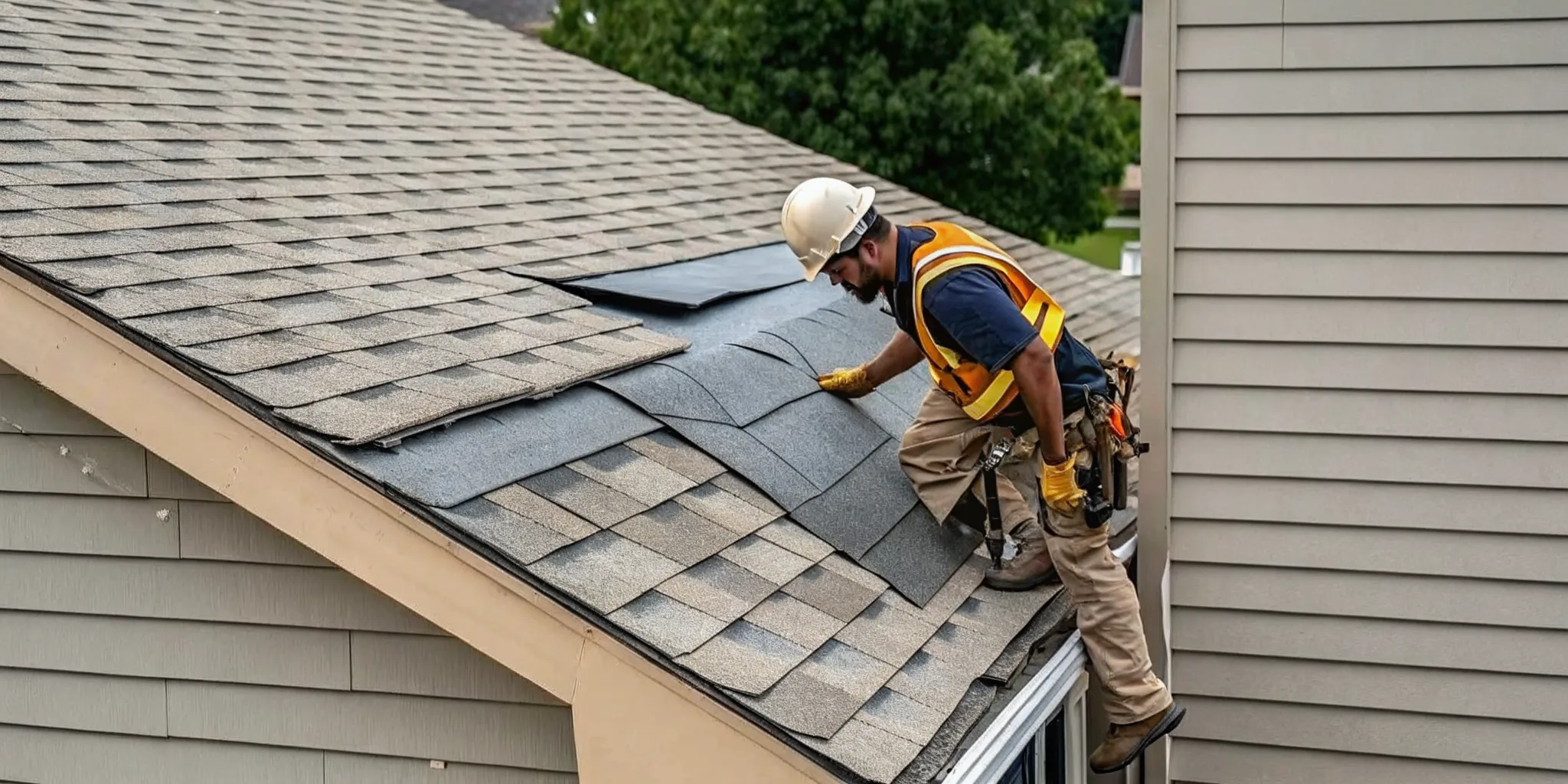
You may need a tarp if a storm with high winds or hail hits your town. These winds can pull shingles right off your house and leave the wood open to rain. If you see a tree fall on your home, you will need a tarp right away to stop water. Any time your roof has a hole, you must cover it fast to keep your home dry.
Look for leaks in your attic or on your top floor after the clouds clear. If you see water spots on your ceiling, your roof is likely leaking in that area. These are all signs that your home needs emergency roofing help to stay safe and dry. A quick tarp can stop more water from coming inside while you plan your next move.
Acting fast to protect your home
You must act fast after your roof gets hurt to avoid more trouble later on. Water can lead to mold in as little as 24 to 48 hours after a leak starts. Putting a tarp on your roof right away stops the water and keeps your air clean.
Do not wait for an insurance person to see your home before you start the work. You can fix leaks and clean up the damage right after a storm ends to save your home. FEMA says that people do not need to wait for a home check to start making repairs. Taking quick action helps keep your home in good shape for years to come.
How Emergency Roof Tarping Reduces Home Damage
Emergency roof tarping prevents severe water damage, structural rotting, and rapid mold growth by immediately stopping rain from penetrating the home’s envelope. Referred Restoration installs professional tarping systems to minimize interior property loss, protect ceiling drywall and electrical systems, and ensure homeowners satisfy their insurance policy’s mitigation requirements.
Why speed matters for water damage
When a storm hits, your roof is the first line of defense. High winds and hail can rip away shingles or punch holes in the surface. This leaves your home open to rain and debris. Using emergency roof tarping right away stops water from getting inside. Small leaks can turn into big floods in just a few hours. Water that drips through the attic can soak your drywall and ruin your floors. You should not wait for a full repair to start protecting your home. A professional team can set up a tarp to keep your rooms dry. This simple step keeps your personal items safe from water stains and rot. It also protects your attic insulation, which can lose its value if it gets wet. You should act fast to keep the damage in a small area. When you use a tarp, you protect:
- Ceiling tiles and drywall from sagging or falling.
- Hardwood floors from warping or buckling.
- Power systems from shorting out due to moisture.
- Family photos and furniture from water stains.
Preventing mold and structural rot
Moisture is a huge risk for any home in Minnesota. If water sits in your walls, it can cause mold to grow within 24 to 48 hours. Mold can be hard to remove once it takes root in your home. By stopping leaks fast, you stop mold before it starts. This helps keep your family safe and saves you from a messy cleanup later. Quick action also protects the bones of your house. Wood beams can get soft and rot when they stay wet for too long. According to FEMA, you should not wait for an insurance check to start making repairs. Getting a tarp on the roof keeps the wood dry and strong. It is much better to stop the rot now than to fix a collapsed ceiling later. Before you go inside a damaged home, you should also check for structural issues. Report any big shifts or cracks to local officials to stay safe.
Protecting your insurance claim
Most home insurance plans want you to take immediate storm mitigation steps after roof damage happens. Insurance companies use the word “mitigating” for this. This is just a fancy way of saying you must stop the damage from getting worse. If you let the rain pour in for days, the company might not pay for all the damage. They may say you failed to protect the home from more harm. A professional tarp job shows the insurance company that you took action. It creates a clear paper trail for your claim. You should always take photos of the holes and the tarp for your records. FEMA suggests taking videos of the inside and outside of the building before you move anything. This helps you get the support you need to fix your home the right way. Our team can provide expert residential roofing support to make the claim process go faster.
Can I Put a Tarp on a Roof Without Nails?
Yes, a protective roof tarp can be secured without nails by utilizing heavy sandbags, tension straps, or specialized waterproof adhesive tapes. Referred Restoration utilizes non-destructive tarping methods whenever possible to protect the home without causing additional damage to intact asphalt shingles or complicating the homeowner’s insurance claims process.
Risks of Using Nails
When you nail a tarp into your roof, you create new spots for water to enter. These holes may seem small, but they let wetness seep into your home once the tarp is gone. This extra damage can make your insurance claim harder and lead to more repairs later. Proper emergency roofing assistance means protecting your home without causing more harm to the house.
Non-Destructive Tarp Methods
There are several ways to hold a tarp down without a hammer. Sandbags are a good choice because they are heavy and do not move in the wind. You can also use long straps that wrap around the edges of the roof. Some pros use strong tape made for outdoor use. These tapes create a tight seal without going through the shingles. Using the right tools helps with immediate steps after roof damage while keeping the roof safe.
- Look for damage. Before you go onto your roof, look for big issues. FEMA says you should check for structural damage and tell local officials before you start any work.
- Take photos. Take clear photos and videos of the storm damage from the ground. You should record all property damage before you start any cleanup or quick fixes.
- Pick your weights. Use heavy sandbags or bricks wrapped in cloth to stop marks. Place them along the edges of the tarp to keep wind from getting under the fabric.
- Use straps or rope. Tie the corners of the tarp to solid points like eaves. Make sure the lines are tight so the tarp does not flap in the wind, which can tear the cloth.
- Seal the edges. Put waterproof tape along the top edge of the tarp. This stops rain from running under the tarp and reaching the bad area.
- Call for a real fix. A tarp is only a short-term fix to stop mold, which can grow in one or two days. You should schedule a professional roof inspection after a storm to find a long-term fix.
Why Safety Comes First
Climbing onto a bad roof is very risky, mainly after a storm when parts are wet. Wind and loose shingles make it easy to fall. If you are not sure how to tarp your roof without nails, it is best to call a pro. Keeping your home dry is key, but staying safe is the most vital part of the job.
Schedule Your Free Inspection with Referred Restoration
The Hidden Risks of DIY Roof Tarping vs. Professional Service
DIY roof tarping carries extreme safety hazards including dangerous ladder falls, weak roof decks, and poorly secured sheets that leak or blow away in high winds. Referred Restoration offers safe, professional emergency roof tarping services utilizing OSHA-compliant fall protection and commercial-grade materials to ensure a tight, wind-resistant seal that prevents mold.
Common safety hazards of DIY attempts
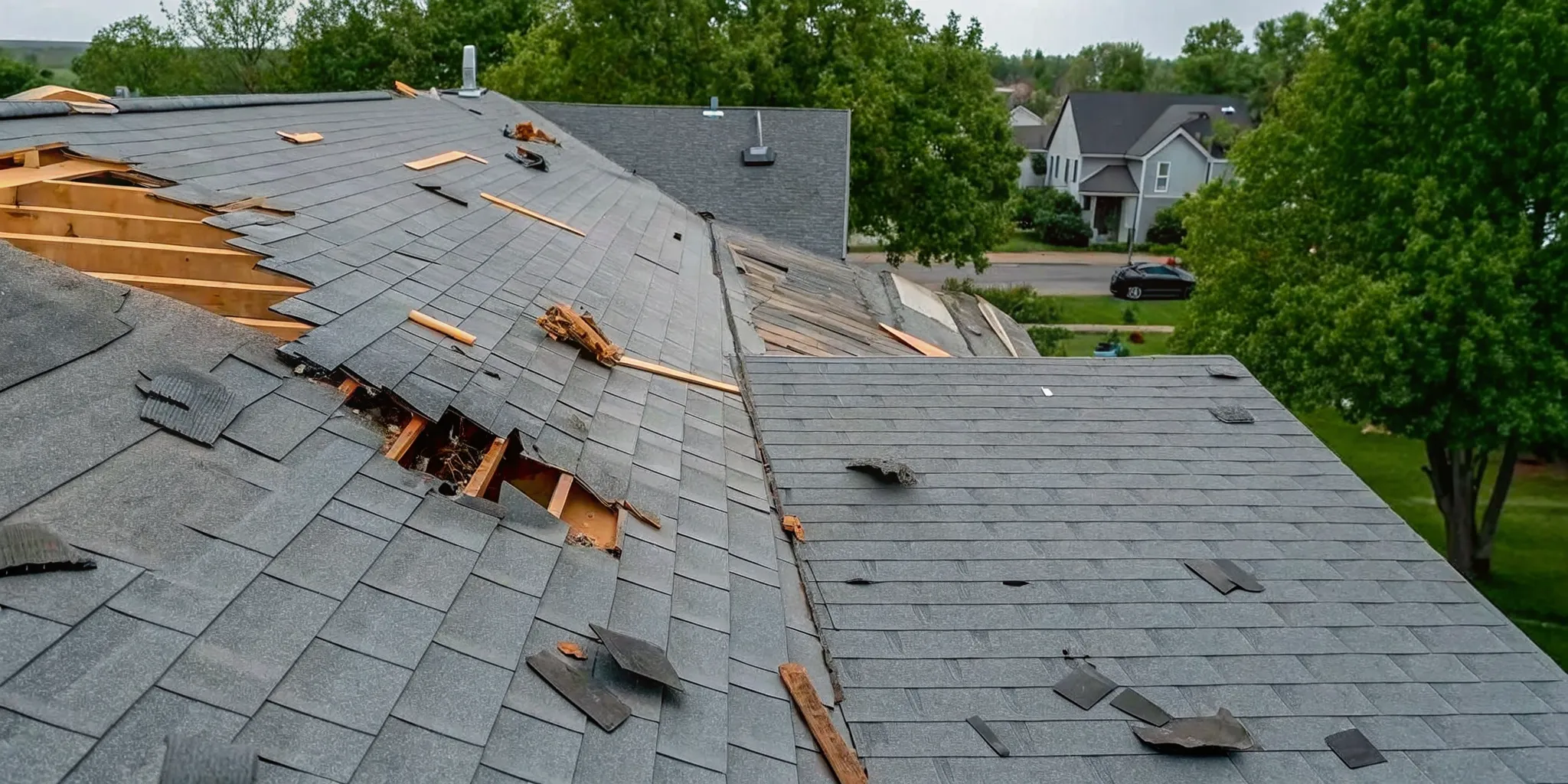
Climbing onto a roof after a storm is very risky. High winds or fallen trees can leave the roof frame weak or loose. It is vital to check for frame damage before you try to walk on any part of your home. If you miss a soft spot in the wood, you could fall through and suffer a bad harm.
A loose tarp can also become a sail in a sudden gust of wind. This can pull a person off the roof in seconds. To stay safe, you should follow the first steps after roof damage by calling for help instead of doing it yourself. Experts use safety ropes and boards to make sure they stay on the roof while they work.
Ladders also pose a big threat to people who do not use them every day. Many folks do not set the base on firm ground or lean it at the wrong angle. Wind can catch the ladder and tip it over while you are near the top. Pros use stable tools that are built for the job and will not slip on wet grass or mud.
The benefit of a professional seal
Getting a tight seal is the only way to stop water from getting inside. If a tarp is not flat or has loose edges, rain will still leak into your attic. This moisture can cause mold to grow in as little as 24 to 48 hours. A pro knows how to use heavy, UV-proof tarps that can handle the harsh sun and rain in Rogers, MN.
A good tarp job also helps with your claim later. You should track all home damage with photos before any work starts. A pro team will often take these photos for you to show the agent just what was wrong. This clear proof can help you get the support you need from your claim firm.
The tools used for the job make a big difference as well. Most home shops only sell thin plastic that tears easily. An expert team uses thick, strong fabrics and cap nails to hold the edges down. These steps ensure the tarp stays in place through the next round of bad weather without peeling back.
| Feature | DIY Tarping | Professional Service |
|---|---|---|
| Personal Safety | High risk of falls and harm. | Safe work with ropes and gear. |
| Seal Quality | May leak or blow off in wind. | Tight, durable, and flat seal. |
| Materials Used | Thin tarps from a local shop. | Heavy, UV-proof strong tarps. |
| Proof of Loss | Often missed or done poorly. | Full photos for claim files. |
| Speed | Slow for one person to manage. | Fast response by a trained team. |
Navigating Storm-Damage Insurance Claims with Emergency Tarping
Emergency roof tarping is a critical step in storm-damage insurance claims because homeowners have a policy duty to mitigate further property loss after damage occurs. Referred Restoration documents all pre-tarping damage with high-resolution photos and provides professional invoices to help homeowners streamline their claims and secure full insurance coverage.
Protecting your home and your claim
After a big storm in Rogers, you may feel like you should wait for your insurance adjuster to see the roof. Many homeowners think that moving or covering anything will hurt their claim. However, wait times for an adjuster can be long after bad weather hits Minnesota. During this time, a small leak can turn into a major flood. Professional Rogers roofing services stop the water now. Using a tarp is not just a good idea; it is often a rule in your policy.
The duty to limit further loss
Most home insurance plans have a clause called the duty to mitigate. This means you must take active hail damage mitigation steps to prevent more loss. If you let rain pour into your home for days, the company might not pay for the new water damage. emergency roof tarping serves as this needed protection. According to FEMA, you should not wait for a home check or an adjuster before you start to protect your property. Fixing a hole with a tarp shows you are doing your part to keep the house safe. This simple act can stop mold from growing in your walls within two days.
Documenting the damage first
You must record the state of your roof before the tarp goes on. Use your phone to take clear photos and videos of all the damage. Get shots of the roof from the ground and any leaks inside your attic or rooms. FEMA suggests you record all property damage with photos before you begin any cleanup work. These records prove to the insurance company that the storm caused the harm. You should also keep physical samples of damaged items like wallpaper or flooring if they got wet. These samples act as extra proof for your claim.
Safe professional tarping
Tarping a roof is risky, especially when the wood is wet or broken. Professional teams have the right gear to stay safe while they work on high peaks. They use heavy tarps that can stand up to high winds and more rain. A good tarp job will stay tight and keep your home dry until the final repairs start. At Referred Restoration, we treat your home like our own. We give you an honest look at the damage and help you talk to your agent. Our goal is to make sure you have a dry home and a fair claim process.
Handling the next steps
Once the tarp is secure, you can focus on the long-term fix. Your insurance agent will need to see your photos and the bill for the tarp service. Most policies cover the bill for these temporary repairs. Keeping your home dry prevents the need for bigger fixes later on. Our team works with you to provide a full plan for your roof. We use high-quality materials to make sure your home is ready for the next Minnesota storm.
Frequently Asked Questions
What is emergency roof tarping?
Emergency roof tarping is a short-term way to shield your home. After a bad storm, your roof may have holes or missing shingles. A thick tarp covers these open spots to keep rain and wind out. This helps keep your attic and rooms dry until a crew can fix the roof for good. It is a vital step to stop more harm from coming to your house.
How soon after a storm should I tarp my roof?
You should tarp your roof as soon as it is safe to do so. Quick action is key to stop leaks from making things worse inside. Expert sources like Referred Restoration say that mold can grow in just 24 to 48 hours. Putting up a tarp right away keeps your home dry. It also gives you more time to plan your real repairs.
Does emergency roof tarping prevent all water damage?
A tarp is meant to stop rain and wind from getting in your home. It creates a strong shield over the broken parts of your roof. While it is very good at keeping water out, it is only a short fix. It does not take the place of real repairs. You should still have an expert look at your roof to find a way to fix it for good as soon as you can.
Should I wait for an insurance adjuster before tarping?
No, you do not need to wait for a pro to look at your home before you act. The group known as FEMA says you should not wait for a check to start repairs that stop more harm. Just be sure to take many photos and films of the damage first. This proof helps your claim. Tarping now shows that you are trying to protect your home from more loss.
Can I install an emergency roof tarp myself?
It is best to hire a pro to tarp your roof. Climbing on a broken roof after a storm is very risky. The top can be slick and the frame might be weak. Experts have the right tools and gear to stay safe. They also know how to tie the tarp so it does not blow away. Using a trained team keeps the work safe and avoids any bad falls.
Ready to schedule a free storm-damage inspection and protect your Minnesota home?
Leaving a storm-damaged roof open to the Minnesota weather allows rain to seep into your attic where it will rot the wood and cause mold. This delay makes repairs more hard and costly, but acting right now stops more damage and keeps your home dry while you work through claims. Our team will check every inch of your roof to find leaks and give you the honest answers you need to start your home fix. You will save time and avoid the stress of a growing home repair crisis by taking this simple and fast first step with us today.
Ready to protect your home? Contact Referred Restoration today to schedule a free storm-damage inspection with our team.