
Every fall, Minnesota homeowners face the grueling task of cleaning debris from their gutters before the snow flies. Reliable gutter guards simplify this seasonal burden and keep your drainage system flowing freely through freezing temperatures and heavy snow loads.
Schedule Your Free Inspection today to learn which gutter guard system fits your home and budget. Our team serves homeowners in Rogers, Cottage Grove, St. Francis, and Monticello.
Learning how to install gutter guards starts with measuring your roofline, selecting a guard type suited for Minnesota winters, and securing each panel with proper slope and clips. Clean gutters thoroughly before installation to prevent trapped debris from blocking water flow.
Each style of guard handles snow, ice, and debris differently. The right choice depends on your roof pitch, tree cover, and how much maintenance you want to do over the long term.
What Types of Gutter Guards Work Best for Minnesota Homes?
Minnesota homes deal with heavy debris from pine trees, oak leaves, and grit from asphalt shingles. Knowing how to install gutter guards starts with picking the right style for your climate. Each type blocks debris differently and has a different price point for materials.
| Guard Type | Material Cost per Ft | Durability | Snow Load Handling | Maintenance |
|---|---|---|---|---|
| Screen / Mesh | $0.50 – $1.50 | Moderate (aluminum best) | Good with sloped install | Low; occasional blow-off |
| Micro-Mesh / Steel | $1.50 – $4.00 | High (stainless steel) | Excellent; rigid frame | Very low; blocks fine debris |
| Brush / Foam Inserts | $1.00 – $2.50 | Low; degrades in sun | Poor; can freeze solid | Moderate; needs seasonal removal |
| Surface Tension / Full Covers | $3.00 – $7.00 | Very high (heavy-gauge aluminum) | Superior; sheds snow | Minimal; true set-and-forget |
Screen and Mesh Guards
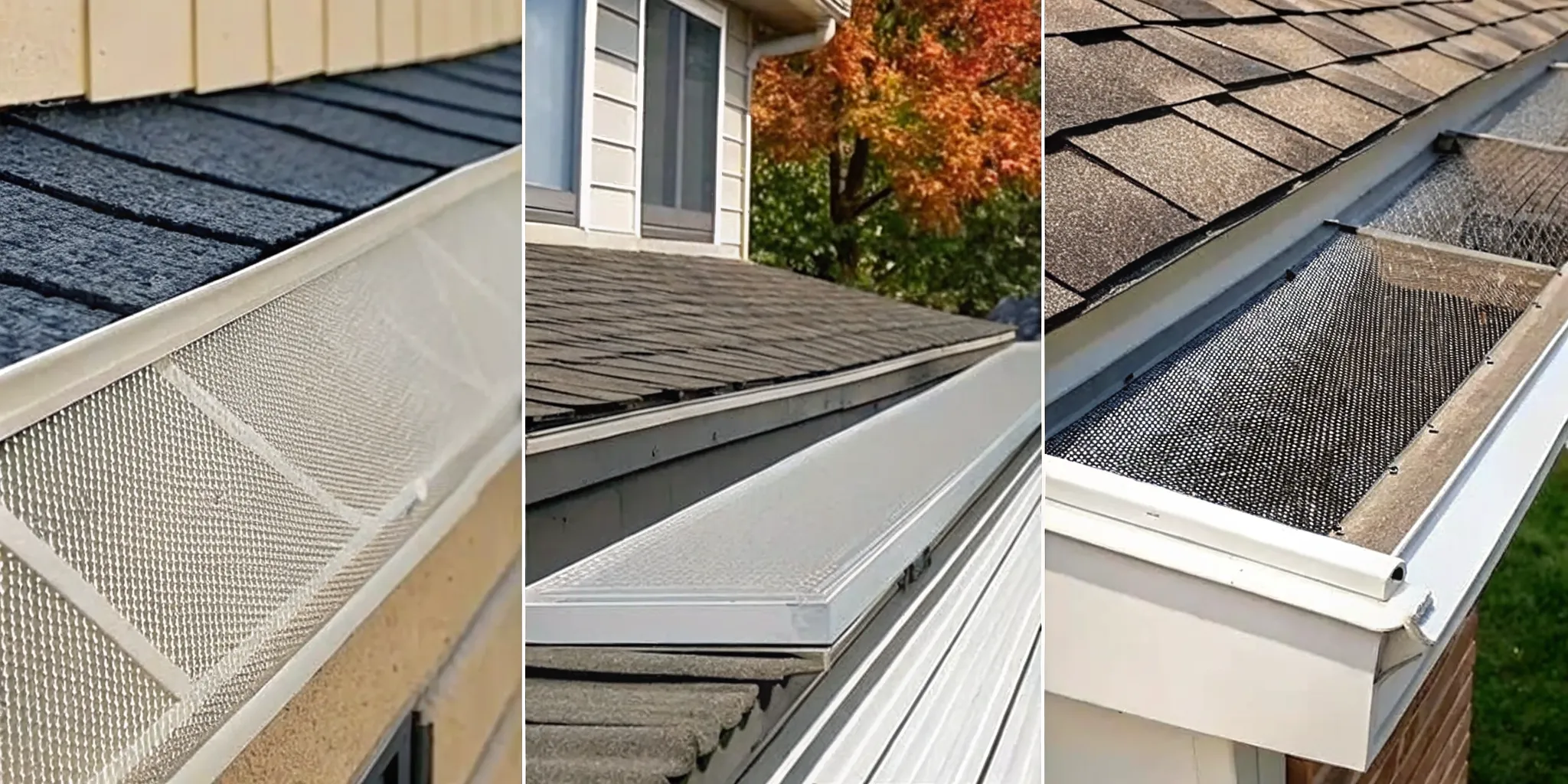
Screen guards sit on top of your gutters with small holes that let water through while blocking large leaves and sticks. Most are made of plastic or thin metal. Plastic versions can become brittle in subzero cold, so aluminum screens are a better choice for Minnesota homes. They handle snow and ice much better and stay in place during high winds. Parts for these screens range from $0.50 to $1.50 per linear foot. While they stop large debris, fine pine needles and shingle grit can still pass through over time.
Micro-Mesh and Steel Shields
Micro-mesh guards use a fine stainless steel mesh to block even the smallest debris. These are ideal for homes surrounded by pine trees. The fine holes are too small for most debris to enter, keeping gutters clear through heavy spring storms. Stainless steel does not rust and can handle the weight of wet snow. Parts run from $1.50 to $4.00 per linear foot. These guards work best when paired with proper flashing that directs water away from the house.
Brush and Foam Inserts
Brush guards look like large pipe cleaners that sit inside the gutter trough. Foam guards are porous strips that fill the gutter space. Both are quick to install and cost less upfront than permanent systems. However, small seeds can lodge in the bristles or foam pores. Over time, those seeds can sprout and grow tiny plants right in your gutters. You will need to remove and wash these inserts periodically, making them more labor-intensive than other styles.
Surface Tension and Full Covers
Surface tension systems use a curved metal shape that guides water into the gutter while debris slides off the edge. These full covers are made of heavy-gauge aluminum that does not bend under ice weight. Because they cover the entire gutter opening, they keep out nearly all debris. The range for these high-end covers is $3.00 to $7.00 per linear foot. For homeowners in Rogers and Monticello who deal with big storms, this style offers the most reliable long-term protection.
Tools and Materials You Will Need
Before you start any guard installation, gather the right gear. Working at roof height demands attention to safety and proper preparation.
Essential Hand Tools
- Sturdy extension ladder with a ladder stabilizer
- Thick work gloves and safety glasses
- Small trowel or gutter scoop for removing debris
- Garden hose with spray nozzle for flushing
- Tape measure to check each gutter run
- Screwdriver or power drill for mounting clips
- Sharp tin snips for cutting mesh panels
Materials for Your Project
- Gutter guard panels of your chosen style
- Mounting screws or snap-on clips
- Roof flashing where needed
- Replacement hangers for sagging sections
Most homes have about 200 linear feet of guttering, according to Lowe’s installation data. Measure your roofline first so you buy enough material for the whole house. If your gutters need repair before adding guards, address those issues first. Sagging sections or loose hangers will compromise any guard system you install.
Pre-Install Preparation
You cannot install guards over dirty gutters and expect good results. Remove all leaves, twigs, and muck by hand or with a small scoop. Use a hose to flush the downspouts and check that water flows freely. This step also reveals any leaks that need patching before you add the covers. Proper downspout placement and drainage are essential for keeping water moving away from your foundation.
How to Install Gutter Guards: A Step-by-Step Guide
Installing mesh gutter guards is a manageable weekend project for most single-story homes. Safety comes first: always use a stable ladder and have a helper nearby. If your home has steep roof lines or multiple stories, consider professional help to avoid injury.
- Clean the gutters thoroughly. Remove all debris and flush each run with water to confirm clear downspouts. Wet debris left behind will rot and block flow.
- Measure each gutter section. Use a tape measure for every straight run. Mark your mesh panels and cut them slightly long with tin snips for a snug fit.
- Fit the first panel. Tuck the back edge under the first row of shingles or snap it onto the gutter rim. Make sure the panel sits flat without lifting the shingles. Lifted shingles create leak paths.
- Secure with clips or screws. Fasten the guard at both ends and every 24 inches along the run. Use the hardware that came with your kit. Wind gusts in Minnesota can exceed 40 mph, so tight fastening matters.
- Verify the slope. Check that the gutter still pitches toward the downspout after installation. Standing water means the pitch is off and needs correction before you finish.
- Test with water. Pour a bucket of water over the guards. It should enter the gutter cleanly and exit through the downspout. Watch for overflow spots that indicate a gap or blockage.
Correct placement is the difference between guards that work for years and guards that fail in the first winter. If any section does not fit flush, re-measure and trim rather than forcing it. For complex rooflines, professional gutter installation services can ensure a precise fit that protects your investment.
What Common Gutter Guard Installation Mistakes Should You Avoid?
Homeowners often try to save money by installing gutter guards themselves. While DIY work is a great way to manage your property, small errors can lead to big issues later.
Failing to Clean Gutters First
Putting guards over dirty gutters traps old debris against your house. That debris rots and holds moisture against the fascia board, accelerating wood rot. You must clean the channels completely before adding any cover.
Ignoring Roof and Shingle Safety
Sliding guard material too far under the shingles can lift the roofing edge and break the water seal. This often leads to leaks during heavy rain or snow melt. Proper fascia maintenance and roof flashing keep the drainage plane clear and protect your shingles from damage.
Improperly Securing the Guards
If guards are not fastened tightly, Minnesota winds can dislodge them. Loose guards rattle, trap twigs, and eventually clog. Use the correct clips or screws for your guard type. Check every fastening point before moving to the next section.
Missing the Right Pitch
Even the best guards cannot fix a gutter that does not slope toward the downspout. Water pools in sagging sections, adding weight that pulls hangers loose. Before adding covers, confirm that each run has at least a quarter-inch drop per 10 feet. Proper pitch ensures water moves quickly away from your foundation.
Why Minnesota Winters Demand Reliable Gutter Protection
Minnesota winters bring heavy snow and deep freezes. With about 43 inches of snowfall each year, your home faces real risks from ice dams and moisture damage. Keeping gutters clear is one part of a larger strategy for protecting your roof, siding, and foundation.
Ice Dams and Roof Heat
Ice dams form at the roof edge when melting snow refreezes on the cold eaves. Research from the University of Minnesota Extension shows that uneven roof heat causes these dams. Heat loss from your living space warms the upper roof, melting snow that then refreezes at the gutter line. While gutter guards keep out leaves, they do not stop ice dams. You must also improve attic insulation and ventilation to keep the entire roof at one temperature.
Stopping Mold and Moisture Damage
Clogged gutters make winter problems worse. Leaves and debris trap water that freezes and expands, adding weight to your eaves. When ice dams force water under shingles, moisture can soak your walls, drywall, and attic framing. Wet spots lead to mold and mildew growth, which can affect indoor air quality. By keeping your gutter system clear with quality guards, you help water flow away before it can freeze solid.
Water Flow and Your Foundation
Gutter guards are one part of a full home drainage plan. Water must always flow away from your house, especially during spring thaw when melting snow pools near the foundation. Poor drainage leads to cracks and basement leaks. If you are dealing with storm damage or planning repairs, a complete inspection can identify gaps in your current drainage setup.
Professional Installation vs. DIY: Making the Right Choice for Your Home
Deciding whether to install guards yourself or hire a pro depends on your home height, roof complexity, and budget. Many homeowners in Rogers, St. Francis, and Monticello choose professional installation for the peace of mind that comes with proper fit and durable materials.
| Factor | DIY Installation | Professional Installation |
|---|---|---|
| Upfront Cost | Lower material cost | Higher but includes labor |
| Difficulty | High; requires ladder work at height | None; handled by trained crew |
| Material Selection | Basic retail options | Premium-grade materials |
| Winter Performance | Can fail under heavy snow loads | Built for Minnesota climate |
| Warranty Coverage | Limited or none | Full labor and parts protection |
| Roof Damage Risk | Higher if shingles are lifted | Low; trained installation methods |
| Time Required | Full weekend or more | Typically a few hours |
| Snow Load Handling | Prone to collapse with ice buildup | Reinforced for heavy loads |
Professional installers check that every piece sits tight to avoid gaps. Even small holes let leaves inside, which defeats the purpose of guards. Strong clips keep the system locked to the gutter, even during 50 mph wind gusts. Our team uses heavy-duty components designed for Minnesota winters.
Roof safety is a top priority during any gutter job. Pushing guard parts under shingles the wrong way can lift the roof edge and create leaks. Trained installers know how to attach guards without voiding your roof warranty or damaging the existing seal. They also verify that each gutter run maintains proper pitch toward the downspouts so rainwater moves away from your home as intended.
If you want a system that will last through a decade of Minnesota winters, professional installation delivers the best outcome. We treat every home with the care it needs to stay safe from water damage. Contact our seamless gutter team to discuss your options and schedule a visit.
Frequently Asked Questions
Can I install gutter guards on my existing gutters?
Yes, most guard systems work with your current gutters. DIY options include plastic screens and aluminum mesh panels. The average home needs about 200 linear feet of material. For tall homes or steep roofs, professional installation is safer and often produces better results.
Do gutter guards prevent ice dams?
Gutter guards keep debris out but are not a primary solution for ice dams. Ice dams form when heat loss from the attic melts snow on the upper roof, and the water refreezes at the cold eaves. Proper attic insulation and ventilation are the most effective ways to prevent ice dams.
How often do gutter guards need maintenance?
Quality gutter guards reduce cleaning frequency significantly. Micro-mesh and surface tension covers typically need a visual check once a year, with cleaning only if debris accumulates on top. Brush and foam inserts require seasonal removal and washing to prevent seed germination and clogging.
What gutter guard type is best for pine needles?
Micro-mesh stainless steel guards are the best choice for homes with pine trees. The fine mesh holes are too small for pine needles to pass through, while screen guards allow needles to slip through the larger openings. Surface tension covers are also effective at deflecting needles off the curved surface.
Can gutter guards handle heavy Minnesota snow loads?
Surface tension covers and micro-mesh steel shields perform best under heavy snow. These styles use rigid frames and thick aluminum that do not bend under the weight of wet snow and ice. Brush inserts and thin plastic screens are more likely to collapse under the same conditions.
Ready to protect your Minnesota home with gutter guards?
Installing gutter guards is a smart way to reduce seasonal maintenance and protect your home from water damage. Whether you choose a DIY approach or professional installation, the key is selecting the right guard type for your specific roof and local weather patterns. A free inspection from Referred Restoration can help you evaluate your current gutters, identify any needed repairs, and recommend the best guard system for your home. We serve homeowners throughout the Rogers, Cottage Grove, St. Francis, and Monticello corridor with honest assessments and quality workmanship.
Schedule Your Free Inspection today and let our team help you keep your gutters working through every Minnesota season.