Minnesota winters can punish any home, and drafty windows are often the first place that heat escapes. When ice builds up on the inside of the glass, it is a clear sign that your old window units can no longer protect your living space.
Schedule a free window inspection with Referred Restoration to find out if energy-efficient replacement windows are right for your home. Our local team evaluates your current frames, checks for hidden drafts, and provides honest recommendations tailored to your property.
Upgrading to replacement windows with double-pane insulated glass, low-E coatings, and argon gas fills can lower household energy bills by up to 13 percent. Modern designs block drafts, prevent seal failure, and handle Minnesota freeze-thaw cycles better than older single-pane units.
Before you choose your new frames, you must know what specific problems to look for in your current setup. Knowing the common warning signs of frame rot and seal failure can help you make a smart choice.
How Do You Know When It Is Time for Replacement Windows?
Drafts near closed windows, fog between glass panes, and frames that stick or show rot are clear signs your windows have failed. These issues let cold air in during winter and force your heating system to work harder, raising monthly utility costs.
Old or worn window units can compromise the comfort and energy efficiency of your home. Recognizing the indicators of window failure early can help you avoid water damage and high utility bills. Homeowners should look for specific physical and performance-related warning signs to determine when to buy replacement windows for their property.
Drafts and cold air leaks
If you feel a breeze while standing near a closed window, the seals around your frame or sash have likely failed. These drafts allow cold air to enter during winter and warm air to seep in during summer. When drafts become noticeable, simple repairs are often not enough to restore comfort. To confirm if your seals are broken, you can diagnose drafty windows by checking for visible gaps or listening for whistling wind. You can also use a light source to check for air movement around the edges of the sash.
Failed glass seals and foggy panes
Condensation or fog trapped between double-pane or triple-pane glass is a clear sign of seal failure. Modern insulated units use space between glass panes to improve the insulating power of your home. When the seal around these panes breaks, moisture enters the space and creates a cloudy look that you cannot wipe clean. This moisture buildup ruins the thermal protection of the glass, making your HVAC system work much harder to keep your indoor rooms comfortable.
Difficulty opening and frame damage
Windows should open and close smoothly without sticking or requiring heavy force. Swelling wood frames, warped vinyl, or rusted hardware can make operating your windows difficult or unsafe. When wood frames show rot or soft spots from water penetration, full replacement is recommended to preserve your home’s structural integrity. Neglecting damaged frames can lead to mold growth and wall damage, especially during extreme freeze-thaw cycles.
What Replacement Window Types and Materials Work Best in Minnesota?
Vinyl and fiberglass frames paired with double-pane or triple-pane glass offer the best insulation for Minnesota homes. Casement windows seal tightly against wind, while picture windows provide maximum energy efficiency with no moving parts.
Choosing the right replacement windows for your home requires looking at both design and durability. In Minnesota, your windows must withstand extreme seasonal shifts, including heavy snowfall and sudden temperature changes. To make a smart choice, homeowners should learn about the main window styles and frame materials available today.
Common window styles for local homes
Different window styles offer distinct benefits for insulation, ease of use, and airflow. Double-hung windows are a classic choice where both the top and bottom sashes move. They allow you to easily wash the glass from inside and manage airflow. If you want to understand window components like sashes and frames, starting with these standard styles is helpful.
Casement windows swing outward using a crank. They provide a tight seal when closed because the wind pushes the sash tighter against the frame, which helps stop cold winter drafts. Picture windows are fixed glass units that do not open. They offer the best insulation because they have no moving parts to let air leak in. Combining these styles helps balance fresh air and winter warmth.
Frame materials built for cold weather
The frame material you choose impacts how well your new windows perform during freezing winters. Vinyl frames are a popular, low-maintenance option that resists moisture and rot. They have hollow chambers inside that trap air, which helps keep cold drafts out of your living space. According to the U.S. Energy Star program, vinyl and fiberglass frames also tend to have longer color and finish warranties than wood frames.
Fiberglass is exceptionally strong and expands at nearly the same rate as glass. This match helps the window maintain its seals during extreme temperature swings, preventing foggy glass and drafts. Wood frames offer a classic look and excellent natural insulation, but they require regular painting or staining to prevent water damage from melting snow.
| Frame Material | Insulation | Maintenance | Cold Climate Rating |
|---|---|---|---|
| Vinyl | Good | Low | Excellent |
| Fiberglass | Excellent | Low | Excellent |
| Wood | Excellent | High | Good with care |
Glass options for winter insulation
The glass itself is just as important as the frame. Modern replacement windows use advanced glass technology to keep your home warm and shield your interior from damage. Standard single-pane glass lets too much heat escape, which forces your heating system to work harder during cold spells.
Most energy-efficient options feature double-pane or triple-pane glass filled with argon gas between the panes to improve insulating power. Using double-pane glass with specialized low-emissivity coatings helps block heat loss while protecting your carpets and furniture from fading. Choosing the right combination of style, frame, and glass ensures your home stays comfortable through every season.
Energy Efficiency: What Minnesota Homeowners Should Know
ENERGY STAR certified replacement windows can lower household energy bills by up to 13 percent. Double-pane glass with argon gas fills and low-E coatings reduces heat transfer, stops drafts, and protects interiors from UV damage during Minnesota extreme temperature swings.
When selecting new windows, understanding heat loss and heat gain is key to staying warm during freezing midwestern winters. Local properties face extreme temperature drops that put immense stress on building materials. Upgrading your home with modern features will help block drafty air and keep your heating system from working too hard.
The Value of Energy Star Certification
One of the best ways to verify how well a product performs is to look for official efficiency ratings. Replacing old single-pane units with ENERGY STAR certified windows can lower household energy bills by an average of up to 13 percent nationwide. These products are tested under strict guidelines to ensure they can handle cold weather without letting drafts inside. Choosing certified options is a smart way to upgrade your property and lower your monthly utility costs during the coldest months of the year.
Advanced Glass Coatings and Gas Fills
Modern glass technology goes far beyond standard clear panes to protect your home. Most high-performance replacement windows come with at least two layers of glass, also known as double-pane construction. Manufacturers fill the small space between these layers with argon gas, which is a safe, non-toxic gas that improves the insulating power of the unit. This dense gas slows down heat transfer, keeping precious warmth inside your rooms when outdoor temperatures plummet below freezing.
Low-E Coatings for Interior Protection
Special microscopic coatings on the glass surface are also highly useful for protecting your living spaces. These thin metal layers reflect heat back to its source while letting natural sunlight pass through. They help keep rooms warm in winter and cool in summer, while also cutting down on harmful ultraviolet rays. Reducing this light exposure protects your carpets, curtains, and furniture from fading over time, ensuring your home looks great for years to come.
Why Professional Installation Matters in Minnesota
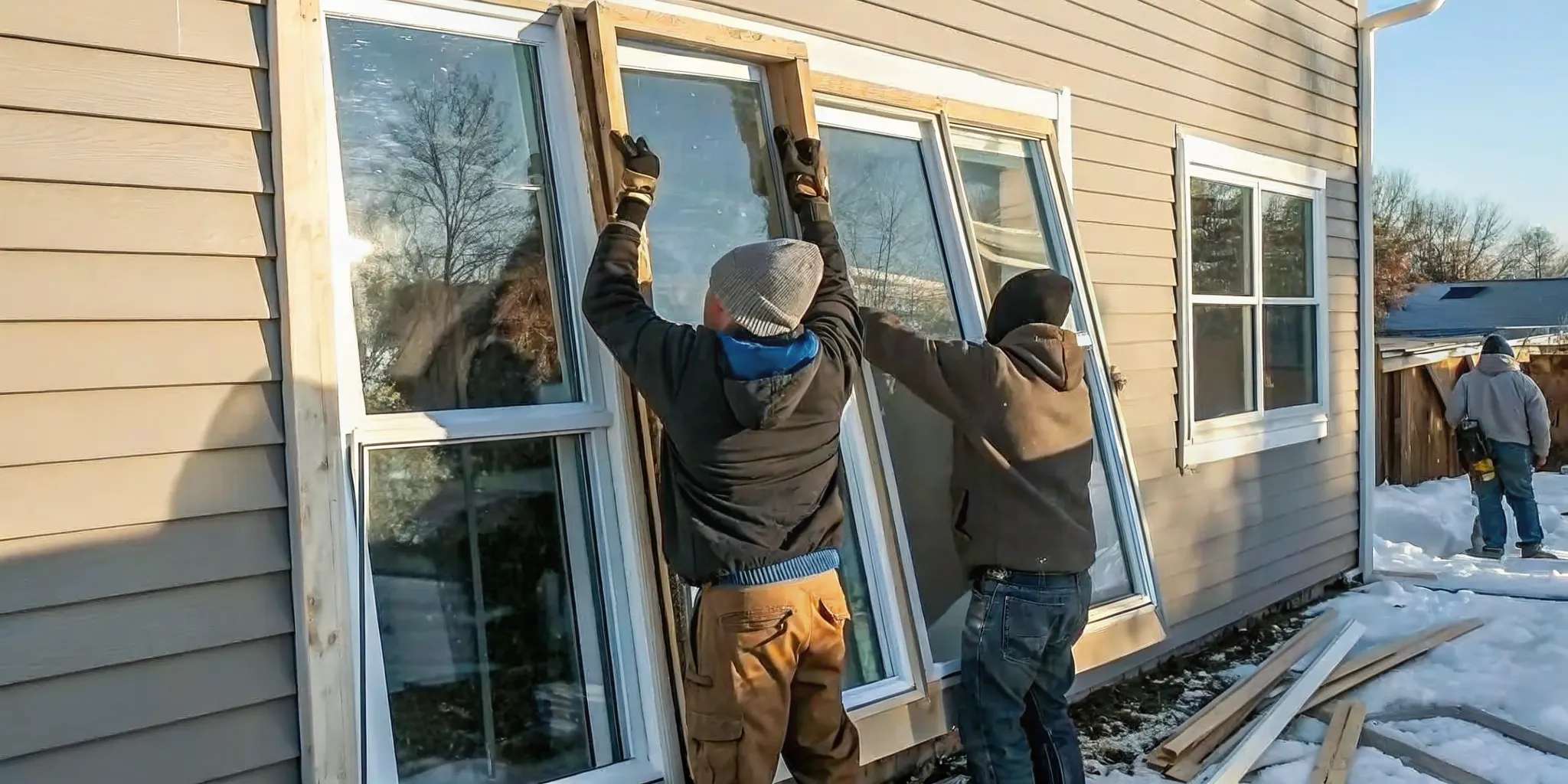
Even the best replacement windows leak air and moisture if installed improperly. Professional installation by a local contractor like Referred Restoration ensures proper flashing, weather-tight seals, and insulation that stands up to Minnesota freeze-thaw cycles.
Investing in high-quality replacement windows is only the first step toward securing your home. Even the most efficient window unit cannot perform as intended if it is put in place incorrectly. Referred Restoration brings years of local experience to every installation, ensuring a precise fit for the unique demands of Minnesota weather.
Protecting Your Home from Water and Ice
Minnesota weather brings heavy snow, driving rain, and sudden temperature shifts. When water gets behind a window frame, it can rot wood, damage drywall, and promote mold growth. To stop this from happening, proper integration of windows into the home’s drainage plane is critical to prevent water penetration and failure in Minnesota climate. Professional contractors know how to layer flashing and wrap the frame so that moisture always flows down and away from your home.
You can find detailed guidelines on how proper flashing guards against seasonal water issues on the University of Minnesota Extension site. Experienced local installers apply specialized weather-tight seals that expand and contract as the temperature shifts. This extra care keeps wind and melting snow out of your wall cavities through many cold winters.
Stopping Air Leaks and Boosting Insulation
Small gaps around a window frame let heated air escape in winter and warm air seep in during summer. When air leaks through these spaces, your heating and cooling systems have to work much harder, which can drive up your energy bills. Professional installers use custom-cut insulation and specialized expanding foam to seal the entire rough opening before the trim goes on.
A tight seal around your new window frames ensures that your home retains its indoor temperature. Referred Restoration takes a consultative approach to find and fix hidden insulation gaps in your walls. We start with a free inspection to check your current frames, identify drafty spots, and build a custom installation plan that keeps your home comfortable all year long.
Navigating Storm Damage and Insurance Claims for Windows
Minnesota ranks third nationally for major hail events, with 6.3 billion dollars in total property damage from extreme weather in 2022. Storm-damaged windows often have cracked glass, broken seals, or bent frames that need prompt replacement to prevent further water damage.
Minnesota weather can be severe, and homeowners in our state face unique risks. Minnesota ranks third nationally for major hail events. Our state had 6.3 billion dollars in total property damage from extreme weather in 2022, as reported by the Minnesota Department of Commerce. While many people check their roofs after a big storm, strong winds and hail also cause major issues for windows. Finding this damage early is key to keeping your home dry and secure.
Spotting storm damage on your windows
Hail and wind can damage your windows in several ways. Heavy hail can crack the glass or dent the metal cladding around the window frame. Strong winds can force debris against the window, causing chips or deep scratches in the glass. Severe storms can also break the seals between your window panes, which leads to foggy glass and poor insulation. If you notice drafts, water stains, or visible cracks after a storm, you likely need window replacement services to protect your home.
Working with your insurance company
When you have storm damage, filing a claim can feel hard. Most homeowners policies cover storm damage, but you must act quickly. Start by taking clear photos of all the damage you find. You should also check your policy for any special deductibles for wind or hail. It is helpful to work with a local exterior contractor Rogers MN who knows the local area. Referred Restoration can inspect your home and give you an honest report on what needs to be fixed.
How a local contractor helps you
Referred Restoration helps homeowners through the entire process after a storm. Our team can check your windows for hidden damage like broken seals or frame leaks. We provide detailed reports that you can share with your insurance adjuster. If you need new replacement windows, we will help you choose durable options that stand up to our tough local climate. You can schedule a free inspection to find out exactly what your windows need to keep your home safe.
When Should You Repair Instead of Replace Your Windows?
Repair a window when the damage is limited to a broken latch, torn screen, or single failed sash on an otherwise solid frame. Replace the entire unit when the frame is rotted, the glass seal has failed between panes, or the window cannot close tightly against drafts.
Deciding between a minor window fix and installing new units requires a close look at how well your home handles local weather. In Rogers and Cottage Grove, the extreme climate puts major stress on glass and frames alike. Minor issues like a broken latch or a torn screen are easy to fix without replacing the whole unit. However, structural damage and major leaks often mean it is time to invest in quality replace drafty windows solutions.
Recognizing Failed Glass Seals
Minnesota winters bring deep freezes followed by rapid spring thaws, which create a harsh cycle for double-pane glass. This temperature swing causes materials to expand and contract, which often leads to seal failure. When a seal fails, the insulating argon gas leaks out and moist air gets in, leaving you with foggy glass that you cannot wipe clean. In our local climate, failed seals severely hurt how well your home holds heat, making a full window swap the most sensible option.
Assessing Frame and Sash Damage
Wood frames are highly prone to rotting when water gets trapped during heavy rains and melting snow. If the frame itself is soft, cracked, or warping, repairing the glass will not solve the underlying draft. In cases where the main frame remains solid but the moving parts are sticking or rotting, you might only need a window sash replacement to restore operation. But if rot has spread into the wall or the outer frame, full replacement windows are required to keep water out. According to the University of Minnesota Extension, proper integration of windows into the home’s drainage plane is critical to prevent water penetration and structure damage in our damp climate.
Evaluating Energy and Draft Issues
Old, single-pane windows or warped frames can allow massive drafts into your living space, making your heating system work much harder. If your home has rooms that always feel cold or breezy, check the frame edges for visible gaps or light. While temporary weather stripping can help for a short time, it does not stop the heat loss through the glass. Installing modern units with low-E coatings and insulated frames provides a permanent shield against cold winds and intense summer sun.
Frequently Asked Questions
Is it worth replacing 30 year old windows?
Yes. Old windows usually have worn seals, drafts, and poor insulation. Upgrading to modern ENERGY STAR certified models can lower your home energy bills by up to 13 percent. New windows also block drafts, keep your home warm during cold Minnesota winters, and make your rooms more comfortable.
What are the best replacement windows for the money?
The best options balance durability with low maintenance. Vinyl and fiberglass windows are excellent choices for our climate. According to ENERGY STAR experts, vinyl and fiberglass frames typically offer longer color and finish warranties than wood. They also resist rotting and warping during wet weather.
How can you replace your windows affordably?
You can manage your budget by choosing durable vinyl styles, like double-hung windows, which perform well and last a long time. Working with an experienced exterior contractor in Rogers, MN for a free inspection is a great way to find the most efficient solution for your home without paying for unneeded features.
How long do replacement windows last in Minnesota weather?
Quality replacement windows typically last 20 to 30 years depending on the frame material and installation quality. Vinyl and fiberglass frames tend to hold up longer in freeze-thaw conditions because they resist moisture and do not rot like wood. Proper installation by a local contractor also extends the lifespan of your windows.
Do replacement windows increase home value?
Yes. New windows improve curb appeal, reduce energy costs, and signal to potential buyers that the home has been well maintained. Real estate experts often note that window replacement projects recover a significant portion of their cost at resale, making them a smart long-term investment for Minnesota homeowners.
Can you replace windows in winter?
Yes, experienced installers can replace windows year-round in Minnesota. Professional contractors use temporary seals and insulated panels to keep cold air out during the installation process. Winter window replacement is actually common in Minnesota because homeowners notice drafts and heating issues most during the cold months and want fast solutions.
Ready to schedule a free window inspection?
Delaying a window upgrade can lead to drafty rooms, high heating bills, and water damage from harsh Minnesota storms. Taking action now helps secure your home against extreme freeze-thaw cycles and ensures long-term comfort. Referred Restoration can assess your current glass and frames to help you find a durable, weather-tight solution. We make the entire process simple by guiding you through every step from choice to neat setup. You get solid local service that keeps wind and snow outside where they belong.
Ready to schedule a free window inspection? Visit our contact page to set up a time with our local team and protect your house today.