Severe Minnesota storms can warp, crack, or strip away home siding in a single afternoon. Choosing the right defense is a critical step to safeguard your largest investment. Your choice of material will determine if your walls stay dry or suffer expensive rot.
Get your free siding inspection today
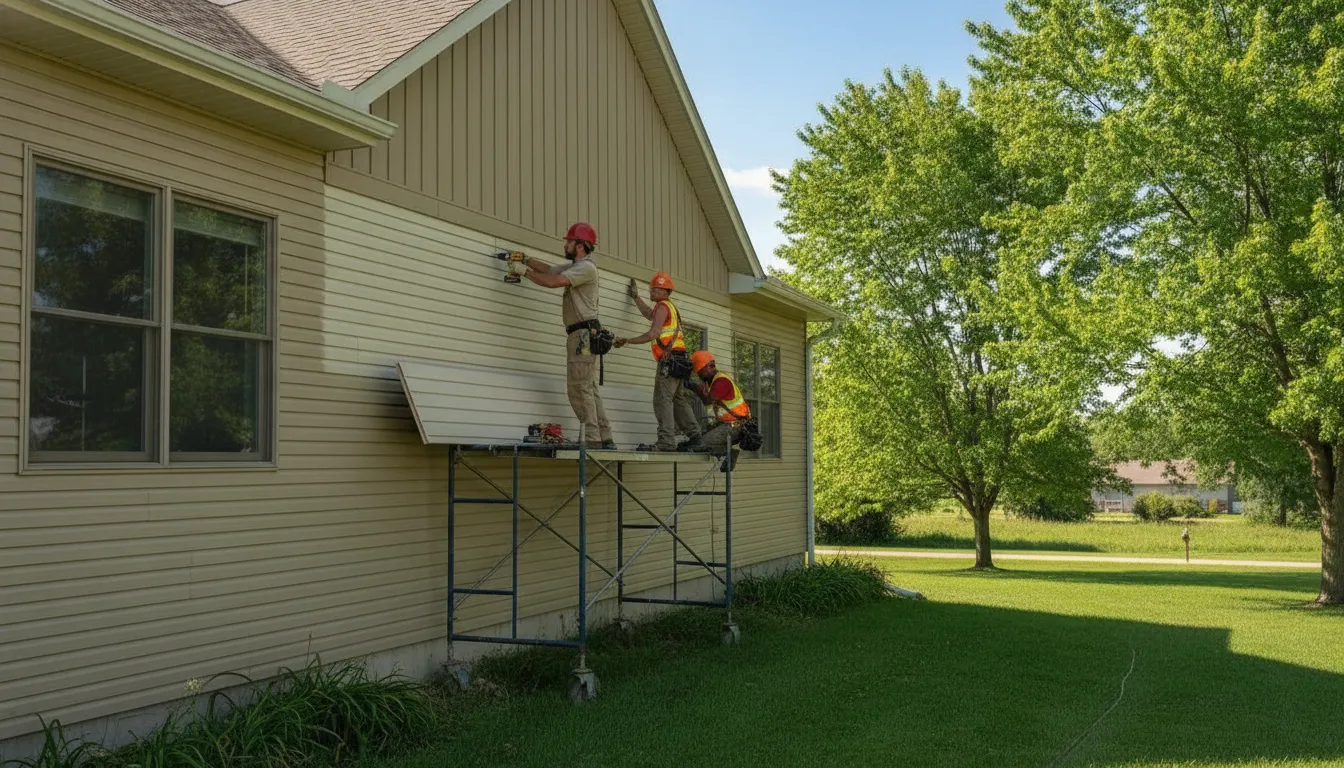
Exterior siding panels must serve as your home’s main shield, protecting the whole wall structure from severe weather and costly water damage. In Minnesota, our extreme yearly temperature swings put intense stress on these boards. Homeowners must make careful choices to avoid early rot or failure. Homeowners should compare vinyl, fiber cement, engineered wood, and metal based on strength, upfront cost, and upkeep needs. According to a government building science resource, quality siding must shed heavy rain, resist wind pressure, and protect walls from fire, insects, and hail. While cheap vinyl is the most common choice, stronger types like James Hardie fiber cement and LP SmartSide engineered wood offer better winter strength. These tough boards prevent cracking, warping, and moisture damage during deep winter freezes.
Finding the right material for your unique home requires looking at how each option holds up against severe weather. To help you choose the best fit, we will weigh the costs, lifespan, and strength of each top choice. The comparison begins with Vinyl Siding Panels: Budget-Friendly and Weather-Aware.
Vinyl Siding Panels: Budget-Friendly and Weather-Aware
Vinyl is a common choice for home siding. Across the United States, millions of homeowners choose this option because of its low upfront cost. But before you buy, you must think about how it handles local weather hazards. In Minnesota, these hazards can put a lot of stress on your home.
Upfront cost advantages
When it comes to cost, vinyl wins. In most cases, a new set of vinyl panels will run about $3,000 to $8,000 per 1,000 square feet. This is much cheaper than fiber cement or wood options. This low cost comes from both the panel itself and the easy setup, making it a great choice for homeowners on a tight budget.
Because these panels are light, crews put them up fast to save you money on labor. All exterior siding panels must shed rainwater and resist wind pressure to protect your home. Vinyl does this well for many years with very little care. You will not have to worry about rot or insect damage with these man-made panels.
Winter freeze and cracking risks
In Minnesota, the winter cold can be very harsh on the outside of your house. This is where vinyl panels show their main weakness. During deep freezes, vinyl gets stiff and brittle, meaning cold panels can crack easily if hail or a stray rock hits them. This is a common problem in northern places where the ground stays frozen for months.
Once a panel cracks, moisture can seep behind it and cause rot in the wood framing of your house. It is helpful to compare exterior siding panel materials before making a final choice for your home. Fiber cement and engineered wood do not have this same risk during cold winter months. They keep their strength and shape even when the cold drops far below zero.
Lifespan and long-term upkeep
Vinyl panels are easy to clean and can last anywhere from 10 to 30 years based on the climate and care. To keep them looking good, you only need to wash them with a hose once or twice a year. You do not need to paint or seal them like you would with real wood. This low upkeep is a big reason why many busy families choose vinyl.
But in places with extreme weather, you might have to replace some sections sooner. Strong winds and hail can chip or break the panels over time, which happens often during heavy storms. When choosing your siding, it is wise to think about both upfront costs and long-term repair needs. Choosing the right fit now can save you from costly fixes down the road.
Fiber Cement Siding: Minnesota’s Durable Workhorse
Many homeowners in Minnesota look for the best balance of beauty and strength. Fiber cement siding, such as James Hardie, is a top choice for homes in cold climates. It offers lasting protection because it does not shrink or rot. This material stands up to the worst weather our state can throw at it.
Weather protection in deep freezes
Minnesota winters are famous for deep freezes and rapid temperature changes. Under these extreme conditions, standard vinyl siding can become brittle and crack. Fiber cement, on the other hand, remains highly stable because it is made of sand, cement, and cellulose fibers. This blend helps the exterior siding panels shed heavy rain, resist strong wind, and withstand harsh sun.
Because the panels do not expand and contract like vinyl, paint stays on them much longer. You will not have to repaint your home every few years. This strength also keeps moisture from getting behind your walls. In Minnesota, preventing water leaks is key to stopping mold and rot.
Cost versus long term value
Fiber cement costs more upfront than basic vinyl. On average, you can expect to pay about ten thousand dollars per one thousand square feet for fiber cement. But this investment pays off over time because of the material’s fifty-year lifespan. It resists bugs, fires, and even heavy hail.
Local housing data shows that fiber cement adds great value to your home. Industry reports show that fiber cement siding can recoup 114 percent of its cost at resale. Based on studies from Consumer Reports and the Journal of Light Construction, buyers love seeing a durable brand like James Hardie on a home. If you want to compare exterior siding panel materials, you will find that fiber cement offers unmatched returns.
Rigorous testing and trust
When you pick a siding brand, you should look at how the product is made. Not all fiber cement blends are the same, and some brands use special formulas that are tailored for specific climates. You want to make sure the brand has undergone extensive tests to prove its claims. It is wise to check if the siding has passed tests that go beyond standard industry rules.
We treat every home as if it were our own, so we only install materials we trust. Brand leaders like James Hardie design their products to resist the severe freezing and thawing cycles of Minnesota winters. This focus on local weather helps prevent peeling and chipping over the years. Choosing tested brands ensures your home remains safe and dry.
Engineered Wood Siding: LP SmartSide’s Cold-Weather Edge
Engineered wood is a smart choice for many home owners in our state. This product mixes real wood strands with strong wax and glue to resist rot and pests. The final result is a tough siding that looks like real wood but lasts much longer. Brands like LP SmartSide are highly popular for local homes because of this strength.
Protection from Severe Temperature Swings
Minnesota winters are harsh on home siding, as rapid freeze and thaw cycles can cause some products to warp or crack. Engineered wood is highly stable in cold weather. It is a top choice for extreme temperature swings because it does not expand and contract like vinyl. If you choose these durable exterior siding panels, your home gets strong protection that holds its shape all year.
The Importance of Proper Edge Sealing
While engineered wood resists many weather hazards, it has one key weakness. Wood-based panels absorb moisture through ends and edges faster than through their flat surfaces. This fact is supported by research from Purdue University Extension. If water gets into these raw cuts, it can cause fast rot and swelling in the wood.
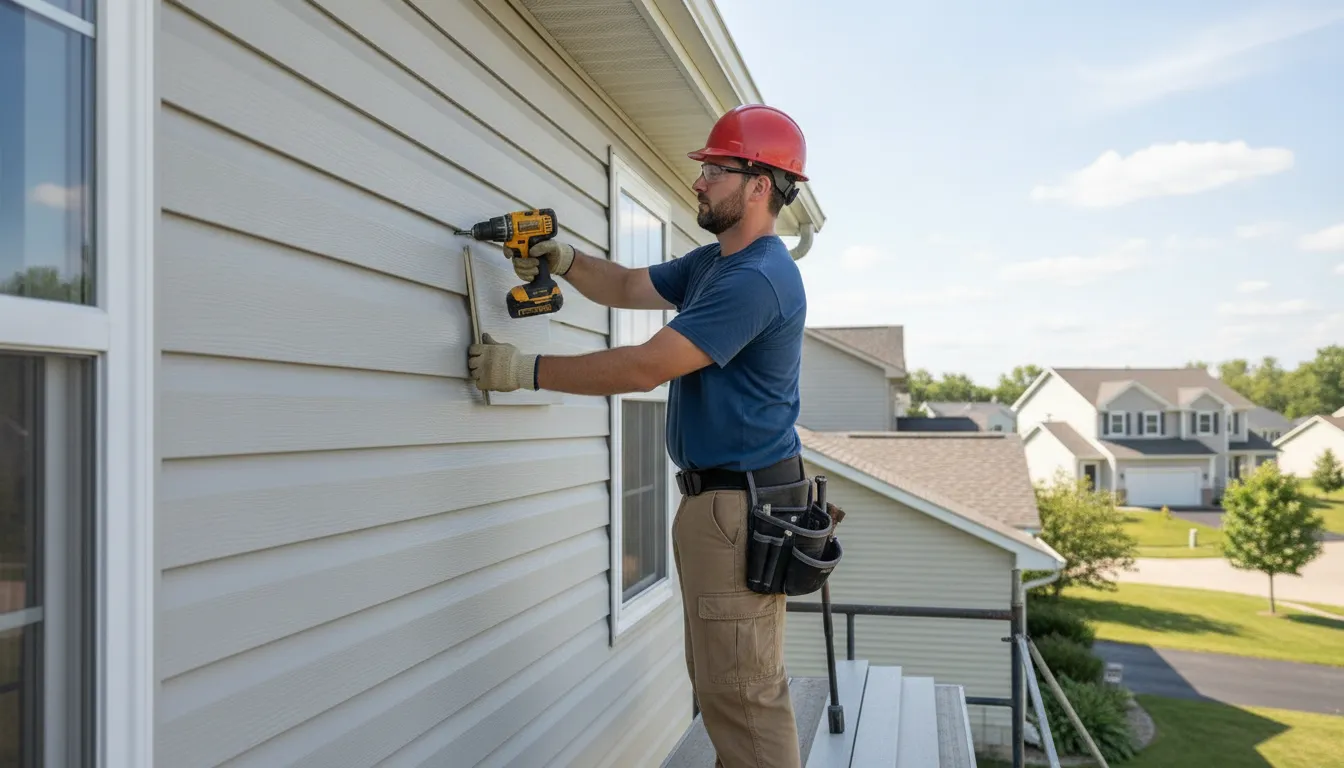
That is why expert builders must seal every cut edge with a quality paint or primer during the build. This simple step keeps the panels dry and prevents early damage. It is a vital part of the install process that protects your investment and keeps your home dry. Our team pays close attention to these small but vital steps.
Long-Term Value and Storm Strength
Siding must also protect against heavy storms, strong winds, and hail. Engineered wood is far less brittle than vinyl or plain wood because the binders and wax inside the panels help them absorb impacts. This means hail strikes are much less likely to chip, crack, or dent the surface. It offers peace of mind when summer storms roll across the state.
This siding offers a good balance of cost and lifespan. It sits between vinyl and fiber cement in terms of price. Homeowners can expect engineered wood to last between 15 and 40 years if it is installed right. The initial cost is moderate, but the long-term strength gives you a warm wood look without constant paint and care.
Metal Siding Panels: Sleek, Fire-Resistant, and Wind-Tough
Many people look for a strong, clean style when they choose new products for their home. Metal siding panels have become popular for their sleek look and long life. These modern exterior siding panels shield walls from extreme weather. They protect your home for thirty years or more with little upkeep.
Modern style and long lifespan
Metal offers a clean, modern look that many other options cannot match. Homeowners can find panels in many colors and styles to fit their design. Most metal options last for thirty years and make a great investment. They look fresh and new for a long time.
Unlike wood, these panels will not rot or warp. They do not attract pests or mold, which helps keep the home safe. You do not need to paint or seal them, which saves you both time and money. This means you spend less time on home upkeep.
Fire and storm resistance
Metal siding is a great way to defend your home. Federal guides show that siding must shed rain and resist wind to protect walls. Metal panels do this well. They do not absorb water or blow off, and they offer excellent fire safety.
Minnesota storms can bring heavy hail. Metal siding stands up to these forces much better than vinyl or wood. While other options may crack, metal panels stay strong and keep water out. This gives you peace of mind during storm season.
Cost and denting considerations
No siding is perfect. Metal panels have a higher upfront cost than vinyl or wood. They can also dent if hit by large hail, but they do not crack in deep freezes. Homeowners often compare exterior siding panel materials to find the right match.
If you are replacing damaged exterior siding panels after a storm, metal is a great option. It will last for decades. It keeps your home safe from fire and heavy wind. Talk to a local contractor to see if it fits your home.
How to Choose the Right Exterior Siding Panels for Minnesota
Local Weather Threats
Minnesota homes face major weather threats throughout the year. Data from the University of Minnesota climate resilience guide shows our state has more heavy rain now. We also see more severe storms and large hail. These rapid shifts put severe stress on your home. High winds can pull at loose panels during these storms. This makes a strong, tight fit vital for any home in our area.
Our intense freeze and thaw cycles cause many materials to expand and contract, which can lead to quick damage. Because of these patterns, you must choose a product that handles local hazards well. You need a tough exterior that resists strong winds and heavy snow. Water can get behind weak siding and freeze, which splits the panels apart. Good choices must keep moisture out through the worst winter months.
Siding Material Traits
You should look at how a material shields your home from moisture, fire, and pests. The federal building science guide notes that builders must pick materials made for local hazards. This resource explains that siding should shed heavy rain and resist wind pressure. Choosing the wrong material can let water rot your wall frames.
For our region, this means you need high impact resistance to protect against summer storms. Your panels must withstand hail strikes without cracking or splitting. This strength helps keep your home safe when debris flies. You should check the test records for any brand you want to buy. Look for items that prove they can stand up to heavy shocks.
Siding Material Choices
To find the best fit, you should compare exterior siding panel materials on the market. Each choice has unique strengths and weaknesses when exposed to our harsh local climate. You must balance the price you pay now with long-term value. Some products need yearly work, while others need very little care. Knowing these facts helps you make a smart choice for your home.
For example, vinyl is cheap but can crack easily in deep winter freezes. Fiber cement provides superb durability. But it costs more to buy and set up than other choices. Engineered wood is highly stable during quick temperature swings. Metal panels resist wind and fire well, though hail can dent them. Review the details below to see how these options stand up against our weather.
- Vinyl siding panels cost the least but can crack in deep winter freezes.
- Fiber cement siding offers excellent cold-weather durability but carries the highest upfront cost.
- Engineered wood siding stays stable through rapid freeze-thaw swings with moderate upkeep.
- Metal siding panels resist wind, fire, and hail well, though large hail can dent them.
| Material | Average Lifespan | Cost Range | Cold Weather Durability | Maintenance Needs |
|---|---|---|---|---|
| Vinyl | 10 to 30 years | Low | Poor (can crack in deep freeze) | Very low (clean with hose) |
| Fiber Cement | Up to 50 years | High | Excellent (highly stable) | Medium (needs paint over time) |
| Engineered Wood | 15 to 40 years | Medium to High | Excellent (very stable) | Medium (needs paint over time) |
| Metal | About 30 years | Medium to High | Excellent (holds shape well) | Low (inspect for rust or dents) |
A Simple Way to Decide
Use these steps to narrow down the right siding for your Minnesota home. Assess your options in this order:
- Assess your home’s exposure to hail, wind, and freeze-thaw cycles, since these are the top threats in Minnesota.
- Set a realistic budget that covers both the material cost and professional installation.
- Rank each material by cold-weather durability, starting with fiber cement and engineered wood.
- Confirm the warranty and test records for the brand you plan to install.
- Schedule a professional consultation to verify the material fits your home’s structure and local codes.
Why Professional Siding Installation Matters in Minnesota
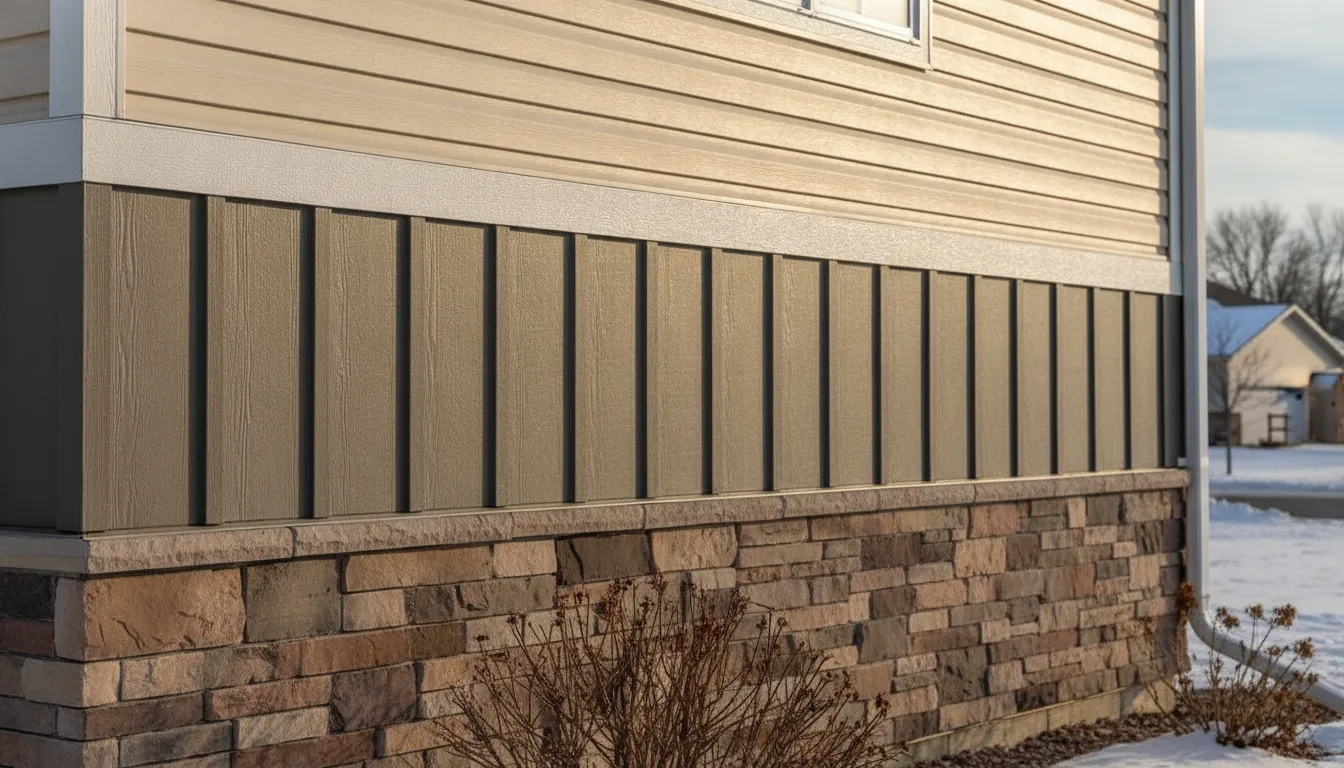
Even the best siding product can fail if it is not put up the right way. Minnesota weather is harsh, and your home needs a strong outer shield. Hiring an expert team to install your exterior siding panels ensures they will stand up to the local climate. This choice saves you time, stress, and costly repairs down the road. You can rest easy knowing that your walls are safe from the storm.
Siding performance and proper setup
Siding must do many jobs at once. Based on research from the Pacific Northwest National Laboratory, siding has to shed rain and resist wind pressures to protect your home. It also guards your walls from insects, hail, snow, and fire. But these panels only perform well when workers fit them with care. Gaps or loose parts can let wet air slip inside, which leads to mold. Proper setup also keeps your warranty good, which protects your cash.
Critical sealing and edge protection
Moisture is the biggest threat to your home. Some products need special care during setup to stay dry. For instance, wood-based panels are highly prone to rot if their ends are left bare. Research from Purdue University shows that these wood panels absorb moisture through their edges much faster than through their flat faces. A skilled builder will coat these raw edges with a sealer before they put them up. This step blocks water and keeps the wood strong for years. It prevents the layers from splitting apart when the weather gets wet.
Coordinating your storm recovery
If a severe storm hits your street, the damage rarely stops at one spot. High winds and hail often strike your roof, gutters, and siding at the same time. If you are fixing storm damage, installing new exterior siding panels is often just one part of the job. When you fix all these parts at once, you ensure the whole shell of your home is tight. An expert team knows how to fit the flashing, gutters, and siding panels so water flows away from your house. This complete care keeps your home dry and safe.
At Referred Restoration, we treat every home as if it were our own. We make sure every panel is sealed, aligned, and ready to face the harsh Minnesota winters. To protect your home with high-quality work, you can trust our Rogers siding contractors. We will get the job done right.
Schedule your free siding inspection
Frequently Asked Questions
What is the best exterior siding for Minnesota homes?
Fiber cement and engineered wood are the best choices for Minnesota. They handle extreme cold and hot days very well. According to the University of Minnesota Extension, state homes face rising risks from heavy rain, wind, and hail. Both of these materials offer great strength against those storms. Unlike older wood, they will not rot easily. They also keep their shape when the weather swings from hot to cold. This keeps your home safe and dry all year.
Is fiber cement better than vinyl siding for cold weather?
Yes, fiber cement is much better than vinyl when the weather gets cold. Vinyl panels can shrink and crack in a deep freeze. Fiber cement does not move as much when it is cold, so it stays strong. A report by the Pacific Northwest National Laboratory shows that good siding must protect your walls from snow and hail. Fiber cement stands up to these winter hazards far better than vinyl.
How much do exterior siding panels cost?
The cost of your new siding depends on the material you choose and the size of your house. Vinyl panels are the most budget-friendly, often costing about $3,000 to $8,000 per 1,000 square feet. Stronger options like fiber cement or engineered wood can cost $10,000 or more. While these materials cost more at first, they last much longer and protect your home better from storms.
Do exterior siding panels protect a home from hail?
Yes, high-quality siding panels act as a shield for your home. According to the Pacific Northwest National Laboratory, siding must resist wind, rain, and hail. In Minnesota, storms can bring heavy hail that cracks weaker materials. Choosing impact-resistant panels like fiber cement or engineered wood protects your walls from deep storm damage. This keeps water from leaking into your home after a storm.
Ready to choose the best siding panels for your home?
Leaving old, cracked siding panels on your home lets heavy rain and melting snow seep into your walls, which leads to costly mold and rot. Choosing to install new, strong siding before the severe Minnesota winter freeze hits keeps your home warm and safe while lowering your heating bills. Our expert local crew handles everything from start to finish, ensuring your home is fully safe from the weather for many years to come. You can view our full range of siding services online to see the high quality options we offer to local families. We treat every home as if it were our own, using only top siding brands to ensure you are happy with our work.
Ready to schedule? Contact Referred Restoration today to schedule a free siding inspection.