Exterior siding does more than shape your home’s curb appeal. In Minnesota, it also has to handle freezing temperatures, strong sun, wind, and storm exposure while helping keep moisture out of the wall assembly. That makes the material, installation details, and condition of the existing siding worth considering together.
Contact Referred Restoration online to discuss your siding options or schedule a free inspection. Call (763) 726-4245.
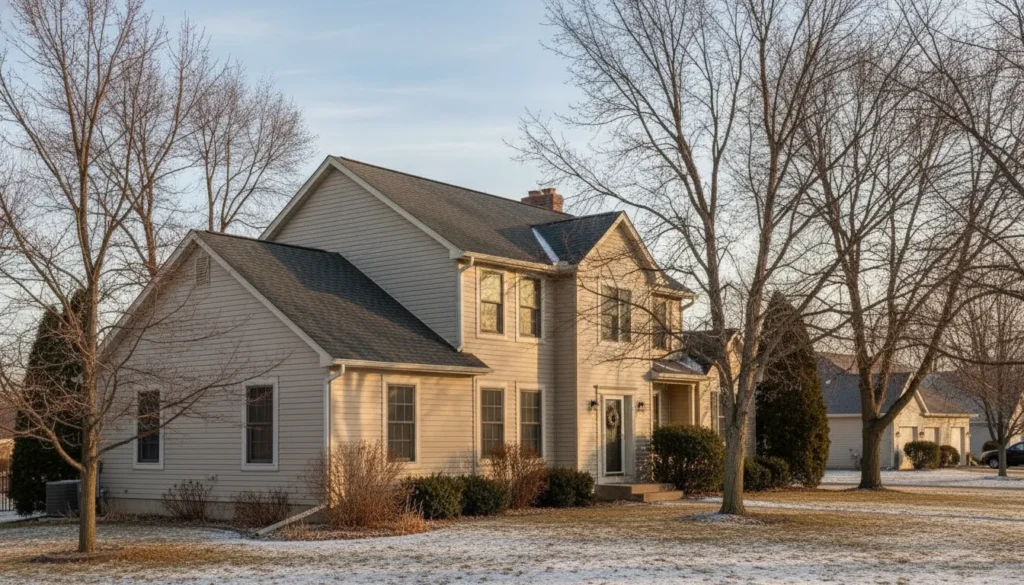
For Minnesota homeowners, exterior vinyl siding can be a practical choice because it offers varied styles and finishes with relatively simple maintenance. The right decision still depends on the home’s exposure, the siding’s condition, and whether water-resistive barriers, flashing, and the underlying sheathing are sound.
Start by looking beyond color and profile. Understanding how vinyl siding works in a Minnesota climate will help you compare maintenance needs. Inspect damage more thoughtfully, and decide whether a targeted repair or a larger project makes sense.
What Makes Exterior Vinyl Siding Practical for Minnesota Homes?
For many Minnesota homeowners, the appeal of vinyl siding is the balance between a finished exterior and a manageable maintenance routine. Quality vinyl siding does not require the same regular painting cycle as wood, and common profiles can provide a consistent appearance across large wall surfaces. That can make it a practical option for a home exposed to long winters, summer sun, wind, and occasional hail.
Low maintenance does not mean maintenance-free. Panels, seams, corners, and trim still deserve periodic attention. Look for loose or cracked pieces, gaps around openings, unusual bulges, and areas where water may be collecting. A gentle cleaning can remove ordinary dirt, but aggressive pressure washing or harsh chemicals may damage the finish or force water behind the siding. Follow the product manufacturer’s care guidance.
Choose for Minnesota’s changing weather
Weather-aware selection starts with the home’s exposure. A wall that receives strong afternoon sun may place more emphasis on color and finish selection. Areas below roof edges, near decks, or beside sprinklers may need closer attention to drainage and recurring moisture. After a storm, inspect vulnerable elevations and trim rather than assuming the siding is unaffected because the panels still look intact.
Installation details matter just as much as the visible product. The Minnesota Department of Labor and Industry explains that exterior siding, water-resistive barriers, and flashing at doors and windows are addressed by the Minnesota Residential Code. Vinyl siding must also be installed according to the manufacturer’s instructions. The barrier behind the siding helps manage water that gets past the outer layer, while flashing directs water away from openings. These components should be evaluated as part of the exterior system, not treated as optional add-ons. Minnesota’s siding guidance provides the applicable technical context.
Seasonal preparation can help you spot small concerns before freezing weather and wind make them harder to address. Review these practical steps to winterize your home exterior, including checks around drainage and exposed exterior surfaces.
If you find isolated damage, repair may be appropriate. If cracking, moisture evidence, rot, or installation concerns extend across multiple elevations, an inspection can clarify whether repair or replacement makes more sense. Referred Restoration provides siding inspections, repairs, installation, and replacement for homeowners in Rogers and nearby communities. The right choice depends on the siding’s condition and the details behind it, not on a blanket promise about one material.
Which Exterior Vinyl Siding Styles and Finishes Fit Your Home?
Choosing a siding profile is about more than selecting a color. The lines, texture, and direction of the panels can change how tall, wide, traditional, or modern your home appears. Start by looking at the architecture, rooflines, windows, trim, and neighboring homes. Then consider how much visual texture you want and whether the siding will cover the entire exterior or highlight selected areas.
Lap siding is the familiar horizontal profile found on many Minnesota homes. Its even lines create a balanced appearance and work well with traditional, ranch, split-level, and transitional designs. Lap vinyl siding is commonly selected for its low-maintenance qualities and straightforward appearance. It can also provide a neutral backdrop for contrasting trim, shutters, doors, or stone accents.
Shake siding brings a more textured, cottage-inspired look. It can suggest cedar shakes without requiring the same ongoing maintenance associated with real wood. Use it across a gable or upper story when you want added character, or combine it with lap siding to create visual separation between floors. Because shake has a stronger pattern, applying it selectively can keep the exterior from looking busy.
Board-and-batten siding runs vertically and gives a home a bold architectural accent. It can suit modern farmhouse designs, garages, entry areas, dormers, and gables. On a full exterior, the vertical direction may make a one-story wall feel taller. On an accent area, it can draw attention to a specific part of the facade without changing the whole home’s visual character.
| Style or finish | Visual character | Best fit |
|---|---|---|
| Lap | Horizontal lines | Traditional exteriors |
| Shake | Textured, cedar-inspired | Gables and cottage accents |
| Board-and-batten | Bold vertical lines | Gables and modern accents |
| Woodgrain | Natural-looking texture | Traditional designs |
| Smooth | Clean, sleek surface | Modern designs |
Finish affects the result even when the profile stays the same. Woodgrain texture mimics the look of natural wood and adds visual warmth. A smooth finish has a cleaner, more contemporary appearance and can make a design feel less rustic. Both finish types are available in multiple colors, so evaluate samples outdoors if possible. Daylight, roof color, masonry, and existing trim can make the same siding color look noticeably different.
Also consider how the profile will meet corners, windows, doors, soffits, and roof edges. Trim is not just decorative. It helps define transitions and gives the installation a finished appearance. If you’re weighing vinyl against other exterior materials, review these engineered siding alternatives alongside your home’s condition, design, and maintenance expectations. The best choice is the one that fits the structure and remains practical after an inspection.
How Durable Is Exterior Vinyl Siding and What Maintenance Does It Need?
Exterior vinyl siding is designed to be a practical, low-maintenance wall covering, but it is not maintenance-free. Its condition depends on the quality of the material, the installation, exposure to weather, and how quickly small problems are addressed. In Minnesota, seasonal temperature changes, wind, snow, ice, hail, and sunlight can all reveal weaknesses over time.
A routine inspection does not need to be complicated. Walk around the home at least once a year, and look more closely after a major storm. Check for panels that are cracked, loose, bowed, or pulling away from the wall. A panel that has shifted may allow water to reach areas that should remain dry. Look at the seams between panels, especially where siding meets corners, windows, doors, rooflines, and other exterior materials.
Pay attention to trim and moisture entry
Trim is more than a decorative border. It helps finish transitions and protect vulnerable edges around openings and corners. Inspect trim for gaps, movement, splitting, or signs that water is getting behind it. Also check caulked joints where appropriate, but do not assume that adding more caulk is a complete repair. The underlying flashing and water-resistive barrier, or WRB, must work as part of the home’s moisture-management system.
Inside the home, stains, soft drywall, musty odors, or damp insulation near an exterior wall can justify a closer investigation. These signs do not automatically mean the siding must be replaced. They do mean the source of the moisture should be identified before the visible symptom is covered. Referred Restoration offers siding inspections to look for damage, rot, or inefficiencies and can help determine whether a repair or larger project fits the home’s condition.
For a closer look at corners, window areas, and other finishing details, review this vinyl siding trim guide.
Clean gently and respond to impact damage
Cleaning usually calls for a soft brush or cloth, mild household soap, and water. Work from the top down, rinse thoroughly, and test any cleaning solution on an inconspicuous area first. Avoid harsh solvents, abrasive tools, and excessive pressure that could damage the finish or force water behind the panels. Keep ladders, snow equipment, grills, and landscaping tools from striking the siding.
After hail, wind, or an accidental impact, document cracked or displaced panels and have the area assessed. An isolated damaged panel may be repairable, while widespread damage, recurring moisture, or deterioration behind the siding may call for a broader evaluation. The right maintenance plan is condition-based, not a guarantee tied to a fixed lifespan.
When Should You Repair Siding Instead of Replacing It?
A damaged panel does not automatically mean your entire exterior vinyl siding system needs to be replaced. In many cases, a targeted repair can restore the appearance and protective function of a limited area. The right choice depends on what caused the damage, how far it extends, whether moisture reached the layers beneath the siding, and whether a suitable match is available.
Use this decision framework as a starting point, then have the affected area inspected before work begins:
- Start with isolated damage. A single cracked, punctured, or loose panel may be a repair candidate when the surrounding panels remain straight, secure, and free from related moisture signs. The repair should address the underlying cause as well as the visible panel. For example, impact damage, an improperly secured piece, or movement around trim may need different solutions. Replacing one section can be practical, although older siding may be difficult to match in color, profile, or texture.
- Look for a pattern rather than one symptom. Repeated cracks, panels that keep coming loose, or damage across several elevations suggest that more than one panel is involved. The issue could relate to installation, movement, storm exposure, or deterioration of adjacent components. That does not make replacement automatic, but it does make a broader inspection more useful than repeated spot repairs.
- Investigate moisture and rot before deciding. Soft areas, staining, swelling, musty odors, or visible deterioration around windows, doors, corners, and lower walls deserve prompt attention. Siding is only the outer layer of the wall assembly. If water has affected sheathing, framing, insulation, or other materials behind it, repairing the surface alone may leave the real problem in place. Minnesota guidance states that rotted or damaged sheathing, framing, and insulation found after siding removal must be replaced. See the Minnesota siding and re-siding guidance for the related code and inspection considerations.
- Consider widespread fading, warping, or brittleness. A large area of uneven fading may make a replacement section stand out, even when the new panel is technically compatible. Warped, brittle, or severely weathered panels can also indicate that the siding is nearing the end of its useful service life. If the problems are confined to one wall, a partial project may still be reasonable. If they appear throughout the exterior, compare the long-term practicality of coordinated replacement with a series of isolated repairs.
- Let inspection findings guide the scope. An inspection should examine panels, seams, trim, openings, and the wall materials that can be reached or safely evaluated. Referred Restoration offers siding inspections for damage, rot, or inefficiencies, along with siding repair, installation, and replacement services. Its recommendations are intended to follow an honest assessment rather than assume replacement. That approach can help homeowners in Rogers, St. Francis, Monticello, and Cottage Grove choose a repair when the damage is limited, or plan a larger project when the evidence supports it. Learn more from Rogers siding contractors.
The goal is not to choose the biggest project. It is to restore a sound exterior with a scope that matches the home’s actual condition. Ask what was found, what remains unknown, and how the proposed repair or replacement addresses moisture protection before approving the work.
What Should Minnesota Homeowners Check Before Siding Replacement?
Before new exterior vinyl siding goes on, make sure the project addresses more than the visible panels. A thorough plan should account for permits, moisture protection, the condition of the wall assembly, ventilation, manufacturer requirements, and the inspections that happen during and after the work. These checks help prevent a new exterior from covering an unresolved problem.
Confirm the permit and inspection requirements
Minnesota requires a building permit for re-siding existing dwellings and structures. The Minnesota Department of Labor and Industry also explains that the state residential code includes requirements for exterior siding, water-resistive barriers (WRB), and flashing around exterior doors and windows. Before work begins, ask which municipality will issue the permit, who will schedule inspections, and what must remain visible for the inspector. The department recommends understanding inspection and code-compliance requirements before starting the project. Review Minnesota’s re-siding guidance from the Department of Labor and Industry for the official requirements.
Inspect the wall behind the old siding
Removal is an important point in the project because it reveals conditions that cannot be evaluated from the outside. Look for water staining, soft or rotted sheathing, damaged framing, and compromised insulation. If rotted or damaged sheathing, framing, or insulation is found after the siding comes off, it must be replaced before the exterior is closed again. Ask how those repairs will be documented and whether the municipality needs to inspect them before work continues. A replacement plan should identify this possibility rather than assuming the substrate is sound.
Verify the WRB and flashing plan
The WRB, often called house wrap, helps manage water that gets behind the siding. Flashing directs water away from vulnerable areas such as windows, doors, corners, and other transitions. Both systems need to be installed according to applicable code and the relevant manufacturer’s instructions. They also require inspection before the siding conceals them. Ask to see how seams, openings, and penetrations will be handled. WRB seam tape is not automatically flashing. It counts as flashing only when the WRB manufacturer and building official approve it for that use.
Protect vents and plan the final walkthrough
Before installation, identify every intake and exhaust vent, exterior light, outlet, hose connection, and house number that must be removed and reinstalled. Existing mechanical intake and exhaust vents may not be altered or replaced during re-siding, while any new vents must meet code requirements.
At completion, check that trim is secure, openings are sealed, vents remain functional, and house numbers are visible and compliant with local requirements. Minnesota requires a final re-siding inspection when the project is complete. A careful walkthrough with the contractor and the inspector gives you a clearer record of what was repaired, how the new siding was installed, and whether the finished exterior is ready for the next Minnesota season. For a broader planning reference, see this house siding replacement guide.
How Do You Choose a Siding Contractor and Plan the Project?
The right contractor should make the project easier to understand before any material is ordered. Start with an inspection-led conversation about the home’s condition, moisture exposure, age, and the reason for the work. A cracked panel may call for a focused repair, while concealed rot or widespread deterioration may change the recommendation. The goal is not to assume replacement is necessary. It is to match the work to what the exterior actually needs.
For homeowners in Rogers, St. Francis, Monticello, Cottage Grove, and nearby communities, a local team can assess the siding in the context of the rest of the exterior. Referred Restoration provides siding inspections, repairs, installation, and replacement. Learn more about Rogers siding contractors and the questions an inspection should answer.
What should the written scope include?
Ask for a written scope that identifies the siding profile, finish, color, trim, affected elevations, removal work, cleanup, and any areas that may need further inspection after the existing siding comes off. It should also explain how the contractor will address house wrap, or water-resistive barrier (WRB), flashing, sheathing, vents, windows, doors, and transitions between materials. A clear scope gives you something specific to review. That is better than relying on a broad description such as “replace the siding.”
Ask how changes will be documented if damaged sheathing, framing, or insulation is discovered during removal. Minnesota guidance states that rotted or damaged materials found after removal must be replaced, and those repairs may require municipal inspection before work continues. Re-siding existing dwellings and structures also requires a building permit, with a final re-siding inspection after completion. The Minnesota Department of Labor and Industry siding guidance explains these requirements.
Which installation details should you discuss?
Confirm that the contractor will follow both the Minnesota Residential Code and the siding manufacturer’s instructions. Ask how WRB seams, window and door flashing, wall penetrations, corners, and bottom edges will be handled. WRB protects the wall assembly from water that gets behind the siding, while flashing directs water away from vulnerable openings. These are not details to leave implied. Minnesota guidance specifically calls for inspection of WRB and flashing installation.
Finally, discuss coordination with the roof, gutters, and windows. Siding, roof edges, drainage components, and window trim meet at several important transitions. A contractor should explain whether existing gutters, roof-wall flashing, vents, or window conditions affect the siding plan. Ask who will handle permits and inspections, what product documentation will be available, how weather delays will be communicated, and who your point of contact will be. Clear answers, a defined scope, and recommendations tied to observed conditions are stronger signs of a sound project plan than pressure to choose the largest possible scope.
Contact Referred Restoration online to schedule a free siding inspection before you choose repair or replacement. Call (763) 726-4245.
Frequently Asked Questions
How often should I inspect my vinyl siding?
Inspect it at least once a year and after major hail, wind, or other severe weather. Look for cracked or loose panels, open seams, damaged trim, staining, and areas where water may collect. Check around windows, doors, roof edges, and penetrations because small failures in those transitions can allow moisture behind the siding.
Can damaged vinyl siding be repaired without replacing the whole exterior?
Often, yes. A repair may make sense when damage is limited to a few panels or trim pieces and the underlying wall remains sound. Replacement deserves consideration when damage is widespread, moisture or rot is present, matching older panels is difficult, or the siding no longer provides reliable protection. An inspection can help separate an isolated repair from a larger moisture problem.
Does Minnesota require a permit to replace siding?
Yes. Minnesota requires a building permit for re-siding existing dwellings and structures. The Minnesota Department of Labor and Industry also states that siding must follow the Minnesota Residential Code and the manufacturer’s instructions. A final re-siding inspection is required when the project is complete. Minnesota DLI re-siding guidance
What should be checked behind the siding before installation?
The wall should be checked for damaged sheathing, framing, or insulation, along with the water-resistive barrier, or WRB, and flashing around windows and doors. Minnesota guidance requires damaged materials found after removal to be replaced, and WRB and flashing installation must be inspected. These details help address moisture protection before new panels cover the wall. Minnesota Residential Code guidance
Ready to choose the right siding for your home?
A closer look at your existing panels, trim, and moisture details can help you decide whether a targeted repair or full replacement makes sense. Referred Restoration can discuss exterior vinyl siding options and help you plan the next step with your home’s condition in mind.
Contact Referred Restoration online
You can also call (763) 726-4245 to talk through your siding questions.