If you are looking for a roofing company in Nowthen MN, a bold claim alone cannot tell you whether a contractor is the right fit. Look instead at the inspection, the written scope, the answers you receive, and how the company communicates from the first visit through final cleanup. This guide explains what to check and how Referred Restoration approaches exterior work in the Rogers area.
Schedule a free roof inspection
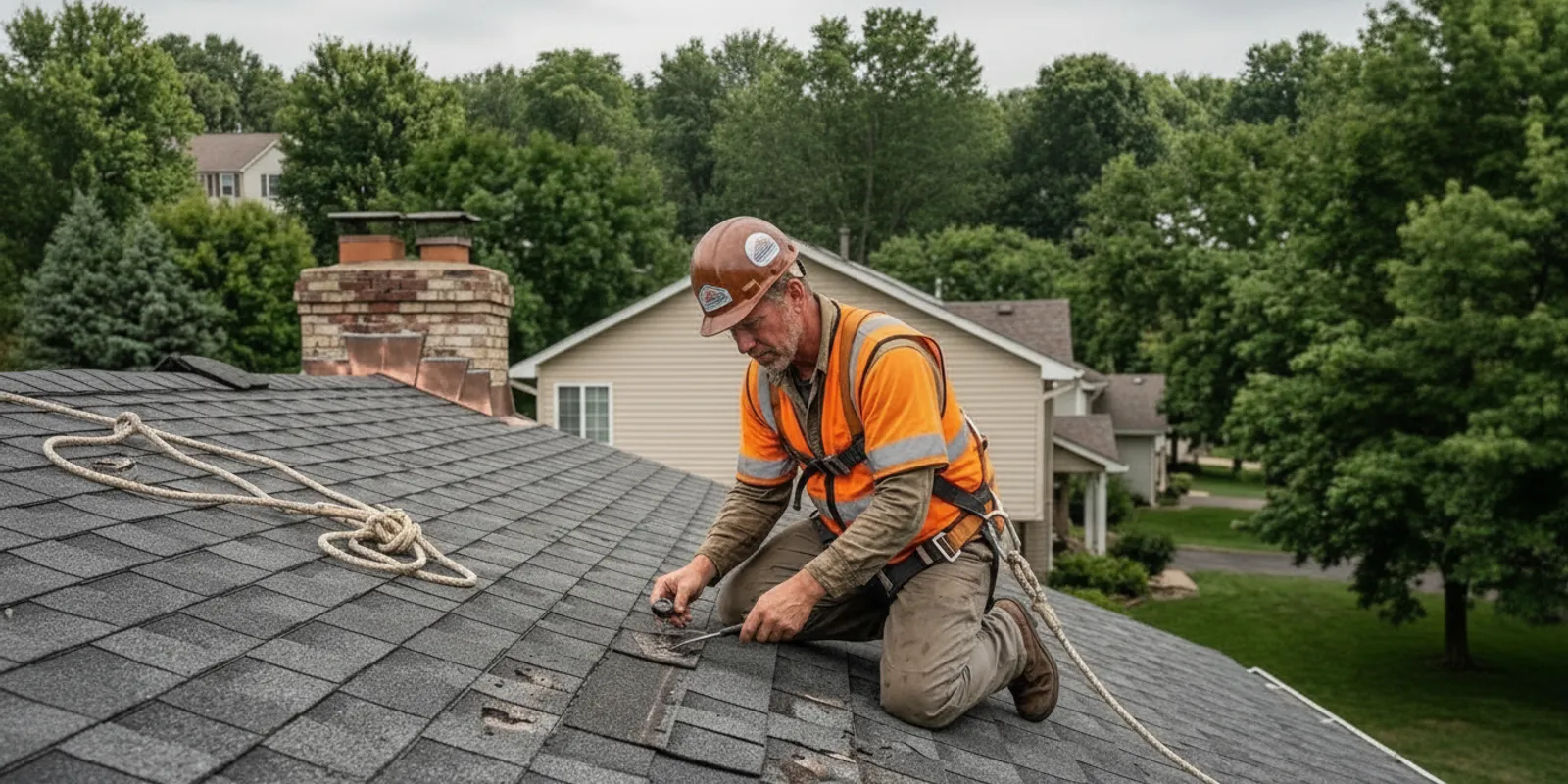
What should a roofing company in Nowthen MN help you evaluate?
A useful conversation starts with your roof, not with a one-size-fits-all recommendation. The contractor should ask what you have noticed, inspect the relevant areas, explain what they can and cannot confirm, and outline sensible next steps. A roof may need a focused repair, more investigation, or replacement; those choices should follow from observed conditions rather than a sales script.
Referred Restoration serves homeowners in the Rogers area and provides roofing, repair, replacement, and storm-damage restoration services. If your home is in Nowthen, confirm that the company can take on work at your specific address and within your desired time frame. The company describes its process as a free inspection, a custom solution, and professional installation. You can review its Rogers roofing services and ask how that process applies to your home.
Use the first conversation to establish a clear record. Share where you see a leak, when it began, whether it appears after rain or snowmelt, and whether anyone has already made a temporary repair. Photos from the ground can help explain what you have seen, but they do not replace a roof inspection. Do not climb onto a roof to gather evidence. Wet, icy, steep, or damaged surfaces can be dangerous.
Pay attention to how a contractor handles questions as well as what they recommend. A clear explanation should separate confirmed observations from possibilities and should not make promises about future weather, an insurer’s decision, or a result that depends on concealed conditions. You can ask the same questions of each company you contact. Notice whether the person listens to your concerns, describes the next step, and gives you time to review the written scope. If you feel rushed or cannot get a direct answer, pause and ask for clarification before deciding.
How can you tell whether your roof needs repair or replacement?
There is no single symptom that proves a roof needs full replacement. A leak might come from a limited failure around flashing or another detail, while widespread deterioration may call for a broader plan. The age of the roof, the extent and location of damage, prior repairs, ventilation, and the condition of the underlying roof all matter. Ask the inspector to distinguish what is visible from what would require further work to verify.
During a review, ask the contractor to point out specific findings and explain why each matters. Useful questions include:
- Where exactly is the suspected failure, and what evidence supports that diagnosis?
- Is the concern isolated, or are similar signs present in several areas?
- Could a repair address the problem, and what limitations would remain?
- What parts of the roof were not accessible or could not be confirmed?
- What should I monitor if I decide to wait or gather another opinion?
A sound explanation makes room for uncertainty. If the contractor cannot see a suspected leak source from outside, they should say so and describe a reasonable way to investigate. A recommendation to replace the whole roof should come with a clear account of the conditions that support it, not just a general statement that the roof is old. Ask whether the inspection found active moisture, signs of earlier repairs, or deterioration around a particular detail. If the answer is not clear, ask the contractor to show you a photo or mark the location on a simple roof diagram. That makes it easier to understand the recommendation and to compare it with another professional assessment.
For a focused issue, you can ask about roof repair options. If the findings point toward a larger project, compare them with the details on the company’s roof replacement service page. These pages are starting points for questions, not a diagnosis of your particular roof.
What should a careful roof inspection include?
An inspection should connect the symptoms you reported with observations about the roof and its details. Depending on the building and safe access, the contractor may review shingles or other roof covering, edges, flashing, valleys, penetrations, visible drainage paths, and areas associated with a reported leak. The inspection should also consider whether a condition is consistent with storm damage, wear, or a localized installation issue.
Ask how the inspector will document findings. A useful report or explanation identifies the area, describes the condition in plain language, and notes any limits on what could be seen. Photos can help you understand the explanation and compare it with a second assessment. If someone recommends immediate work, ask what makes it urgent and whether a temporary measure is appropriate while a complete plan is prepared.
Inspection depth can differ when a roof is steep, wet, icy, or otherwise unsafe to access. A responsible contractor should not put a crew member at unnecessary risk to satisfy a request for a particular type of inspection. Ask what was reviewed from the ground or other safe vantage point and what additional access, if any, would be needed to confirm the concern.
For storm-related concerns, the storm-damage restoration information can help you frame questions about documenting visible conditions and discussing next steps. It is still important to have your own roof assessed; general service information cannot determine whether your home has a covered claim or a specific type of damage.
How should you compare roofing proposals fairly?
When you request more than one proposal, make the scope comparable before weighing the recommendations. Each contractor should be responding to the same concerns and describing what is included, what is excluded, and what assumptions remain. If one proposal is much shorter than another, ask for clarification rather than assuming the work is equivalent.
A written proposal is easier to evaluate when it addresses the roof covering and related components, removal and disposal where applicable, protection of the property, flashing and ventilation details, cleanup, project timing, and how unexpected conditions will be discussed. It should also identify the materials being proposed and explain any choices that affect the finished roof. Ask for unclear terms to be explained in writing.
| What to compare | Questions to ask | Why it matters |
|---|---|---|
| Inspection findings | What conditions did you observe, and where? | Connects the recommendation to the actual roof. |
| Work scope | Which tasks and roof areas are included or excluded? | Helps reveal gaps between proposals. |
| Materials and details | What products and installation details are proposed? | Clarifies what will be installed and how key areas will be handled. |
| Schedule and access | What is the expected sequence, and what could change it? | Helps you plan for weather, deliveries, and household routines. |
| Cleanup and completion | How will the crew protect the property and confirm the work is complete? | Sets expectations for the final walkthrough and site condition. |
| Changes during work | How will newly discovered conditions be documented and approved? | Gives you a clear process before work changes. |
Do not compare proposals by a single line or a headline. Check whether they describe the same area of work and whether each contractor has addressed the same roof concerns. Ask who will be your point of contact, how updates will be shared, and how you should raise a concern during installation. A direct answer is more useful than a promise that every job is identical.
When you review two scopes, make a short side-by-side list of what each includes. Mark any item as included, excluded, or unclear, then send the same follow-up questions to each contractor. This keeps the comparison focused on the work rather than on different assumptions. If a proposal refers to an allowance, an optional task, or a condition that could change the work, ask what it means in plain language and how you will be consulted. You should understand the sequence for approving a change before work starts, not after a crew has already encountered it.
Referred Restoration describes its approach as custom solutions and transparent communication. Ask for the particulars of your proposed work, including what is not part of the scope and how the company will handle a change that becomes necessary. The aim is to understand the plan before you agree to it.
What should you ask about roofing materials in Minnesota?
Minnesota roofs face changing weather, including snow, ice, wind, rain, and temperature swings. The right material and installation details depend on the home, roof design, existing conditions, and your priorities. Ask the contractor to explain which products are proposed, how they are suited to your roof, and what maintenance or inspection the manufacturer recommends.
Discuss more than the visible shingle or panel. The roof covering works with underlayment, flashing, ventilation, edges, and other components. Ask how the proposal addresses these details and whether any existing conditions could affect the installation. If the contractor recommends a different material from what you expected, ask for the practical reasons and any trade-offs in appearance, upkeep, or installation.
Referred Restoration identifies Malarkey roofing among its product offerings. Confirm which specific products are available for your project, what the written proposal includes, and what manufacturer documentation applies. Avoid assuming that a product name by itself explains the full roof assembly or the terms that will apply to your home.
You can also ask whether the scope includes ventilation review, but do not assume that a roof replacement automatically resolves every attic or moisture concern. Ask what was observed, what work is proposed, and whether any separate evaluation is needed. A contractor should be able to explain the relationship between the roof work and any related recommendation.
How should you handle storm damage and insurance questions?
After a storm, start with safety and documentation. From the ground, note visible changes, take photos from safe locations, and write down when the storm occurred and when you first noticed a problem. If water is entering the home, protect belongings if you can do so safely and contact an appropriate professional about steps to limit further damage. Do not attempt a roof repair yourself in unsafe conditions.
Contact your insurer to understand its process, documentation needs, and deadlines. A roofing contractor can describe observed roof conditions and provide project information, but the insurer determines how a policy applies. Keep copies of communications, inspection notes, photographs, and any documents you receive. Avoid signing paperwork you do not understand or treating a contractor’s view as a promise about claim approval.
Referred Restoration says it assists homeowners with storm-damage claims. Ask exactly what that assistance involves, what remains your responsibility, and how the contractor will communicate with you. The company’s website provides an overview of its exterior services, while your insurer is the source for questions about your policy and claim decision.
You may also consult the BBB directory of roofing contractors near Nowthen as one place to review local listings. A directory entry is not an endorsement or a substitute for checking references, written scope, insurance documentation, and the contractor’s answers to your questions.
What should happen during a roofing project?
Before work begins, confirm the start window, expected work sequence, access needs, delivery plans, and the best way to reach the project contact. Ask what you should move away from the house and whether vehicles, outdoor furniture, or items stored near the work area need to be relocated. If you have pets or household members who need quiet or clear access, mention those needs before the crew arrives. It is also helpful to ask where materials may be staged and whether the crew needs access to a driveway, gate, or outdoor power source. Move fragile items from walls or shelves if vibration could affect them, and secure belongings around the yard. If you have a satellite dish, antenna, or other roof-mounted equipment, ask who will discuss it with you before any work affects it.
Weather can affect outdoor work, and the schedule may change. Ask how the company will notify you about delays and how the roof will be protected if work pauses. You should know who to contact if you see a concern or notice water entering the home. Clear communication before the first day reduces confusion when conditions change.
During installation, keep children and pets away from the active work zone. Roofing work involves tools and materials that should not be handled by residents. If you have a question, contact the project lead rather than approaching workers in a hazardous area. Ask how changes in scope will be explained and approved before additional work proceeds.
A professional installation also involves attention to the surrounding property and cleanup. Ask what protection the crew will use, how debris will be managed, and what cleanup will include. These are reasonable planning questions for any contractor, not assumptions that a particular procedure is guaranteed.
What should you check before the roofing project is complete?
Arrange a final discussion with the contractor and compare the completed work with the agreed scope. Ask for an explanation of any documented changes, confirmation of which areas were completed, and any care or maintenance guidance relevant to the materials installed. If a concern remains, describe it clearly and ask how and when it will be reviewed.
Look over the property from safe locations. Check that the work area appears cleared, that items moved for the project have been addressed, and that you have received the documents promised in your agreement. Do not climb onto the roof to inspect it yourself. Ask for photos or a safe walkthrough if you need to understand a detail that cannot be viewed from the ground.
Keep the proposal, change approvals, invoices, product information, completion notes, and related claim documents together. These records can help if you later need to ask about maintenance or discuss the project with an insurer. Ask the contractor whom to contact with a future question and what documentation you should retain.
How can Nowthen homeowners confirm a contractor is the right fit?
A good fit is not defined by one slogan or a single conversation. It comes from whether the contractor listens, inspects carefully, explains findings, puts the scope in writing, and gives you a clear way to raise questions. Take time to compare the information you receive and choose a company whose approach and communication work for your household.
Before deciding, use this short checklist:
- Confirm the contractor can serve your Nowthen address and discuss a realistic project window.
- Ask for an inspection explanation tied to visible conditions on your home.
- Get a written scope, including exclusions and a process for approving changes.
- Clarify products, installation details, cleanup, and project communication.
- Ask what documentation and insurance information you should review.
- For storm concerns, keep the contractor’s observations separate from your insurer’s coverage decision.
- Choose a contractor who answers questions without pressuring you to decide before you understand the plan.
Referred Restoration’s local base is in Rogers, and it offers exterior restoration services including roofing, siding, gutters, and windows. For homes beyond its core service area, confirm availability directly. Homeowners in nearby communities can also see the company’s Otsego roofing information, Big Lake roofing information, and Elk River roofing information to understand the broader areas covered by its site.
If your exterior review uncovers related concerns, the company also provides information about siding services and gutter installation. Keep each part of a proposal specific: the roof, siding, or drainage work should be clearly described rather than bundled into an unclear promise.
Ask Referred Restoration about your roof
Frequently Asked Questions
Does Referred Restoration serve every home in Nowthen?
Confirm service availability for your exact address before arranging a project. Referred Restoration is based in Rogers and describes service in the surrounding area, but the company can confirm whether it is taking work in your location and when it may be available.
Should I repair a roof or replace it?
That depends on the location and extent of the problem, the roof’s overall condition, and what an inspection can verify. Ask the contractor to explain whether a repair is practical, what it would address, and what concerns would remain.
Can a roofing contractor decide whether my storm claim is covered?
No. A contractor can document observed conditions and explain proposed work, but your insurer determines how your policy applies. Ask your insurer about coverage, required records, and the steps for a claim.
What should I have in writing before work starts?
Keep a written scope that identifies the proposed work, materials, exclusions, schedule expectations, communication plan, and how changes will be reviewed and approved. Ask for any unclear item to be explained before you agree.
When you choose a roofing company, focus on evidence, clear communication, and a written plan that fits your home; those checks will serve you better than a headline alone.