Choosing a roofing company in Oak Park Heights MN starts with more than comparing a few names. You need to understand what your roof needs, confirm that a contractor can serve your address, and get clear answers about the work before you make a decision. This guide walks through those steps and explains what homeowners can ask Referred Restoration as they evaluate their options.
Contact Referred Restoration to discuss your roof
What should an Oak Park Heights roofing company help you evaluate?
A useful first conversation should help you understand the condition of your roof and the choices available. The goal is not to rush into a replacement. It is to find out whether a focused repair may address the issue, whether more areas need attention, or whether the roof is nearing the point where replacement deserves consideration.
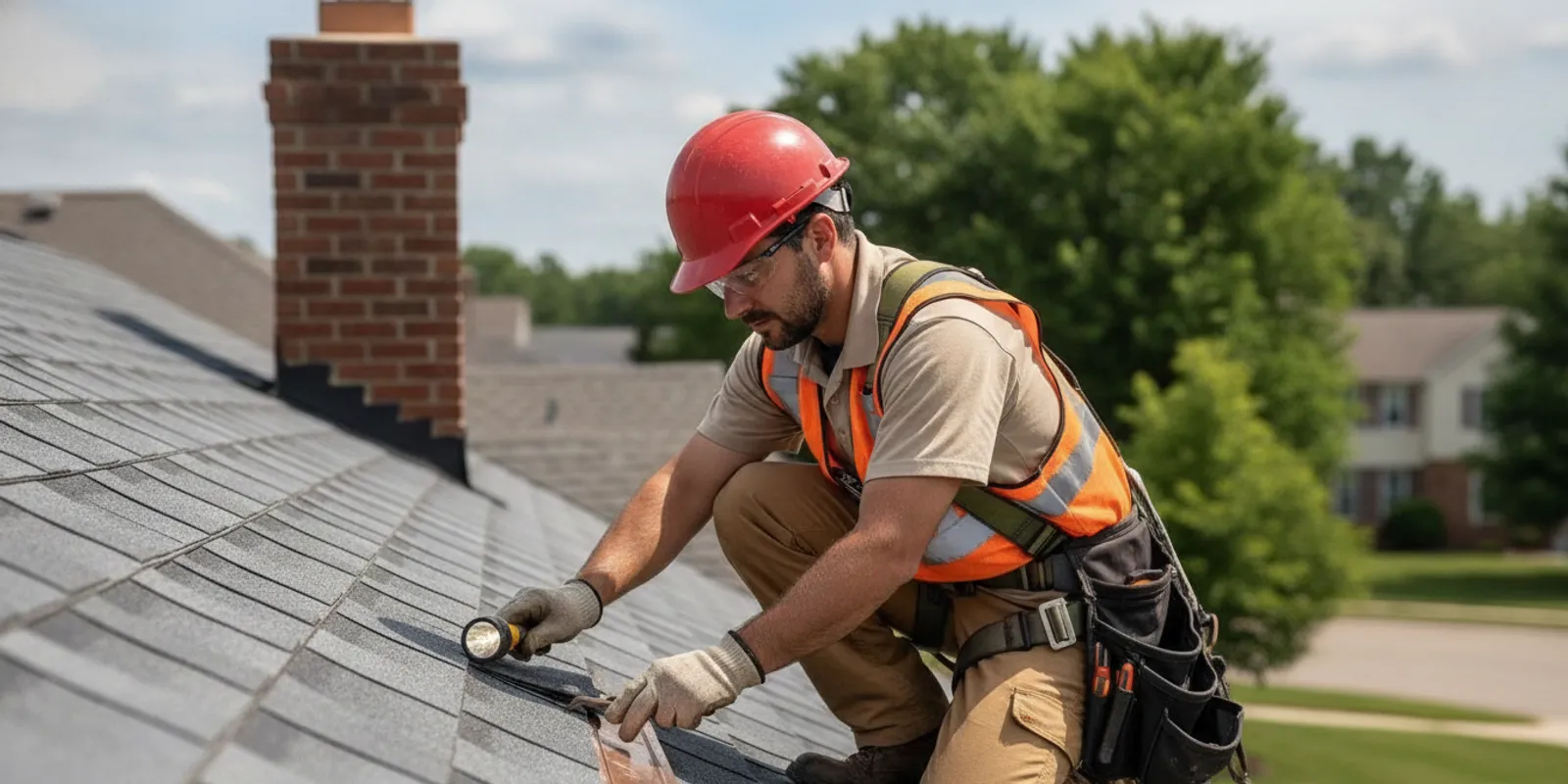
Ask the contractor to explain what they observed and where they observed it. A clear assessment should connect visible conditions—such as missing or damaged shingles, worn flashing, or signs of water entry—to the proposed next step. Ask whether the findings are limited to one area or appear across multiple parts of the roof. If the inspection cannot establish the cause of a leak, ask what additional assessment is needed.
For a home in Oak Park Heights, confirm location and scheduling before investing time in a detailed appointment. Referred Restoration is based in Rogers and describes a service corridor around Rogers, St. Francis, and Monticello. Oak Park Heights is outside the stated core corridor, so ask directly whether your specific address is currently within its service area. The company’s Rogers roofing service page describes its local roofing work, but an address-level confirmation is still important.
It helps to prepare a short list before you call. Note where you have seen a stain, whether it appeared after rain or snowmelt, and whether the symptom is ongoing or intermittent. Mention any recent storm or prior repair if you know about one. These details do not diagnose the roof, but they give the contractor useful context and help you avoid trying to recall everything during the first conversation. If you are unsure whether the issue is urgent, describe what is happening and ask what safe next step is appropriate.
How can you tell whether you need a repair or replacement?
A leak or a few damaged shingles do not automatically mean the entire roof needs replacement. The right scope depends on the location and extent of the damage, the condition of surrounding materials, and whether the roof has other concerns that could affect a repair. Ask the contractor to explain why the recommended scope fits the evidence.
A repair may be worth discussing when the affected area is limited and the surrounding roof remains serviceable. Replacement may be a more appropriate option when wear or damage is widespread, multiple areas have recurring problems, or a repair would not provide a sound resolution. These are discussion points, not rules that can replace an inspection. A homeowner should receive a reasoned explanation tied to the actual roof.
- Ask what can be repaired: Request a description of the affected section and the work needed there.
- Ask what remains uncertain: A visible symptom may not show the full extent of a moisture issue.
- Ask about nearby materials: Find out whether shingles, flashing, or other components around the repair area appear sound.
- Ask what happens if the issue returns: Understand the recommended next step if a leak or symptom continues.
One practical way to compare the alternatives is to ask the contractor to separate immediate concerns from longer-term observations. For example, a localized leak may need a targeted repair now, while broader wear might mean you should plan for a future replacement. Ask what each option is intended to accomplish, what areas it addresses, and what it leaves unchanged. That lets you compare scope rather than treating “repair” and “replacement” as labels with the same meaning from one proposal to another.
If you are dealing with a specific leak, review the company’s roof repair information and ask whether the service applies to your home’s location. When evidence points to a broader project, its roof replacement page can help you prepare questions about replacement planning.
What should a careful roof inspection cover?
An inspection should be thorough enough to support the recommendations, not just produce a verbal conclusion. Ask how the contractor will examine the visible roof areas and relevant details, including roof edges, penetrations, flashing, valleys, and places where water could enter. The specific inspection method can vary with roof design and site conditions.
Ask for findings in a form you can review after the appointment. Useful documentation may include photographs, notes about the affected areas, and an explanation of how each finding connects to the proposed work. If an area cannot be safely accessed or a condition is concealed, the contractor should tell you what is unknown rather than present an assumption as a confirmed fact.
A free inspection can be a helpful starting point, but it is still reasonable to ask what the visit includes and what it does not establish. Referred Restoration describes a process of inspection, a custom solution, and professional installation. Use the inspection to understand the roof, then take time to review the proposed scope and ask follow-up questions.
During the visit, make it easy to inspect the areas you have noticed. Point out interior water marks, explain when they first appeared, and identify the roof area above them if you have a reasonable idea. Clear access to the attic may also be useful if the contractor asks to look for signs of moisture or ventilation concerns. Do not climb onto the roof or attempt to move materials yourself. Let the professional explain what can be safely examined and whether weather or roof design limits the inspection.
At the end of the appointment, repeat the recommendation in your own words and ask the contractor to correct anything you misunderstood. You might ask: “You found damage around this flashing, and you recommend repairing that section; is that right?” This simple recap can expose gaps before a proposal is prepared. Also ask when you should expect the written findings, and whether any additional assessment is needed before the scope can be finalized.
How should you compare a roofing company in Oak Park Heights MN?
Compare contractors on the clarity and completeness of their communication, not only on a short summary of the work. Ask each company to describe the same roof areas and project goals so you can assess whether the proposals address similar needs. If one recommendation is substantially different from another, ask what evidence or assumptions explain the difference.
Before choosing a contractor, check service-area fit, ask who will manage communication, and request a written proposal. You can also ask what products and installation details are being proposed, how the work area will be protected, and how the crew will handle questions or unexpected findings. Clear answers help you understand the plan and set expectations before work begins.
When obtaining more than one proposal, give each contractor the same basic information. Share the same concerns, the same history of leaks or repairs, and the same expectations for the project. Then compare what is actually included, not just the first line or a broad description. One proposal may include more roof areas or components than another, so ask for clarification before deciding that the scopes are equivalent.
| What to compare | Questions to ask | What a clear answer should explain |
|---|---|---|
| Service-area fit | Can you take on a project at my Oak Park Heights address? | Whether the location and requested work fit the contractor’s current service area. |
| Inspection findings | What did you observe, and where? | The areas reviewed, the visible conditions, and any limits to the assessment. |
| Scope of work | Why do you recommend this repair or replacement? | How the proposed work responds to the observed condition and what it includes. |
| Materials and installation | Which products and installation details are part of the plan? | The specified materials, relevant components, and how the work will be completed. |
| Project coordination | Who is my contact, and how will changes be discussed? | How updates, questions, and newly discovered conditions will be communicated. |
| Timing and access | What preparation should I complete before the crew arrives? | Expected scheduling information, access needs, and areas to keep clear. |
| Completion review | What should I check when the work is finished? | How the completed scope will be reviewed and how remaining questions are handled. |
Look for a written description that lets you understand the work without having to infer important details. If documents use different terms or leave parts of the scope unclear, ask for an explanation or a written clarification before agreeing. A contractor should be willing to talk through the proposal in plain language.
Read the proposed scope line by line. Confirm which roof sections are included, what materials are specified, whether removal of existing materials is part of the work, and how the contractor will address details such as flashing or roof penetrations. Ask how concealed damage would be handled if it becomes visible during the job. It is reasonable to request that any agreed change be explained and documented before you approve it. Keep the final proposal and later written clarifications in one place.
For general Minnesota contractor and building information, consult the Minnesota Department of Labor and Industry and confirm any project-specific requirements with the appropriate local authority. Requirements can depend on the work and location, so do not assume that a general checklist answers every permit or licensing question.
What should you ask about roofing materials in Minnesota?
Minnesota roofs face seasonal changes, snow, wind, rain, and occasional hail. Ask how the proposed roofing system and installation details suit your home and the conditions the roof must handle. Rather than choosing a product based on a label alone, ask how the material, underlayment, flashing, ventilation details, and roof design work together in the proposed assembly.
Before approving the plan, request the product names and the parts of the roof where each material will be used. Ask whether the existing roof structure or ventilation raises concerns that should be addressed as part of the work. If you are comparing systems, ask the contractor to explain the practical differences, maintenance considerations, and any product documentation relevant to your decision.
It is also useful to discuss what the proposal does not include. For example, clarify how the contractor will handle concealed conditions that cannot be confirmed before materials are removed. Make sure you understand how the contractor will pause, document the issue, and discuss a change in scope with you.
Ask about the complete roof assembly rather than focusing only on the visible surface. The shingles or other covering are one part of the system; underlayment, flashing, edges, ventilation, and transitions also affect how the roof functions. The contractor should be able to explain which components are being replaced, which will remain, and how the planned work connects to existing conditions. If a component is not included, ask why it is not needed or what future attention it may require.
Homeowners can also ask for product information in writing so it is available after the meeting. Note the manufacturer and product line, the color or finish selection if relevant, and any installation directions that shape the scope. Ask who will confirm selections before materials are ordered and how substitutions would be discussed. This keeps decisions clear if the exact item is unavailable or the plan needs to change.
How should you handle storm damage and insurance questions?
After hail or high winds, start with safety. Do not climb onto the roof to inspect it yourself. From the ground, note visible concerns such as debris, displaced materials, or water entering the home. If water is coming inside, take reasonable steps to protect belongings and contact an appropriate professional about temporary measures.
Keep a record of when the storm occurred, what you noticed, and any photographs taken safely from the ground. If you plan to contact your insurer, review your policy and ask the insurer about its process and documentation requirements. A roofing contractor can describe observed roof conditions and explain proposed work, but the insurer determines coverage under your policy. Do not treat a contractor’s assessment as a guarantee of an insurance decision.
Ask whether the contractor can help document storm-related findings and clarify what support is available. Referred Restoration describes assistance with storm-damage claims, but homeowners should confirm what that assistance includes and continue to communicate directly with their insurer. Its storm damage restoration page is a starting point for discussing the company’s process and location availability.
Keep the records factual and organized. Write down the date you first noticed damage, the rooms or ceilings affected, and any steps taken to limit further water entry. Save relevant messages and documents from your insurer and contractor together. If an inspection identifies multiple areas of concern, ask for them to be described individually so you can understand what was observed and what work is being proposed. Your insurer can tell you what to submit and how to proceed under your specific policy.
What should happen during a roofing project?
Before work starts, confirm the schedule, access arrangements, and the person to contact with questions. Discuss where materials will be delivered, how vehicles and outdoor belongings should be moved, and what areas should remain clear. Ask how the crew will protect landscaping and manage debris, recognizing that the details depend on the property and project.
During the job, communication matters. Find out how the contractor will update you about progress and what will happen if the crew discovers an unexpected condition. Ask for a chance to review any proposed change before the work proceeds when practical. Agree on how the change will be documented, including the affected work and any schedule implications.
Keep the written proposal and any later clarifications together. If you have questions about what is being installed or the work completed in a particular area, raise them promptly with the project contact. If you are not available during work hours, ask how best to send a message and when to expect a response.
Prepare the property based on the contractor’s instructions, rather than assuming every project needs the same preparation. You may be asked to move vehicles, secure outdoor items, or keep children and pets away from the work zone. Ask whether access to an electrical outlet or other part of the property is needed, and confirm where the crew will place equipment and materials. If you have a concern about a garden, walkway, or another feature near the house, point it out before work begins and ask how it will be protected.
It can also help to agree on a simple update routine. Find out whether the project contact will reach you at the start or end of each workday, and who will contact you if weather affects the schedule. If the scope changes, ask for a plain-language explanation of the finding, the proposed response, and any effect on timing. You should know whom to contact rather than having to guess whether to speak with an installer, office contact, or another representative.
What should you check before the roofing project is complete?
Set aside time for a closeout conversation. Ask the contractor to review the completed scope with you and explain any differences from the original plan. If there were changes, compare the final work with the written updates so you know what was done and why.
- Confirm that the agreed work areas were addressed.
- Ask whether the crew removed project debris and roofing materials from the property.
- Review any photographs or notes documenting areas that were not visible during the initial inspection.
- Request product and project documentation that applies to your installation.
- Ask who to contact if you have a question after the crew has left.
Walk around the property from the ground and note any questions. Do not climb onto a new roof to check the work. If something does not match your understanding of the agreed scope, ask the project contact to explain it and document the response.
Before the crew leaves, ask whether there are any maintenance or observation points you should know about. The contractor can identify what was completed and explain any project documentation that applies. Keep those records with your proposal and change notes. If a concern appears later, having the project contact and documentation at hand makes it easier to describe the question clearly and refer to the relevant area of work.
How can Oak Park Heights homeowners confirm the next step?
Before scheduling an inspection, be ready to share your address, a brief description of the concern, and whether you are considering repair or replacement. Ask whether the company currently serves your neighborhood and what the inspection appointment covers. This first check helps establish whether the contractor can take on the work and what information would be useful to gather.
Referred Restoration offers roofing services from its Rogers base and provides a contact form for inspection inquiries. Because Oak Park Heights is not explicitly listed in the company’s stated core corridor, confirm availability rather than assuming service. You can also compare the company’s answer with other local contractors and use the same questions to evaluate each proposal. For questions about service-area availability, call (763) 726-4245.
For additional context, review its pages about roofing in Rogers, roof replacement, and roof repairs. These pages describe services, but address availability, project timing, and the right scope should be confirmed directly.
When you contact a contractor, you can make the conversation more efficient by asking four questions in order: Does the company serve your address? What will the inspection cover? How will findings be shared? What information is needed before a written plan can be prepared? Write down the answers, including any next step the company asks you to take. If you contact more than one contractor, this record makes it easier to compare the process and see which questions remain unanswered.
Request a roofing inspection conversation
Frequently Asked Questions
Does Referred Restoration serve Oak Park Heights?
The company’s core service corridor is described around Rogers, St. Francis, and Monticello, and Oak Park Heights is not specifically named. Contact Referred Restoration with your address to confirm current availability before arranging an inspection.
Should I repair a roof leak or replace the roof?
That depends on the location and extent of the damage and the condition of the surrounding roof. Ask for inspection findings and a clear explanation of why the recommended repair or replacement matches those findings.
Can a roofing contractor decide whether my storm claim is covered?
No. A contractor can explain observed conditions and proposed work, while your insurer makes coverage decisions under your policy. Ask the insurer about its process and share relevant documentation directly with it.
What should I bring to a roofing inspection?
Share the property address, a description of any leak or visible concern, and when you first noticed it. If you have safely taken photographs from the ground or have notes about a recent storm, keep them available for the conversation.
What makes a roofing company the right fit?
A good fit can explain its inspection findings, offer a scope tied to the evidence, communicate clearly, and confirm it can serve your location. Compare written proposals and ask questions until you understand what the work includes.
A careful decision begins with a clear inspection, a confirmed service-area fit, and a written plan you can understand before work starts.