Choosing a roofing company in Princeton MN means looking beyond a quick estimate or a bold claim. You need to understand what your roof actually needs, what each contractor will do, and how to verify the company can serve your address. This guide offers a practical way to assess those details and decide what questions to ask before you commit.
Ask Referred Restoration about your roofing plans
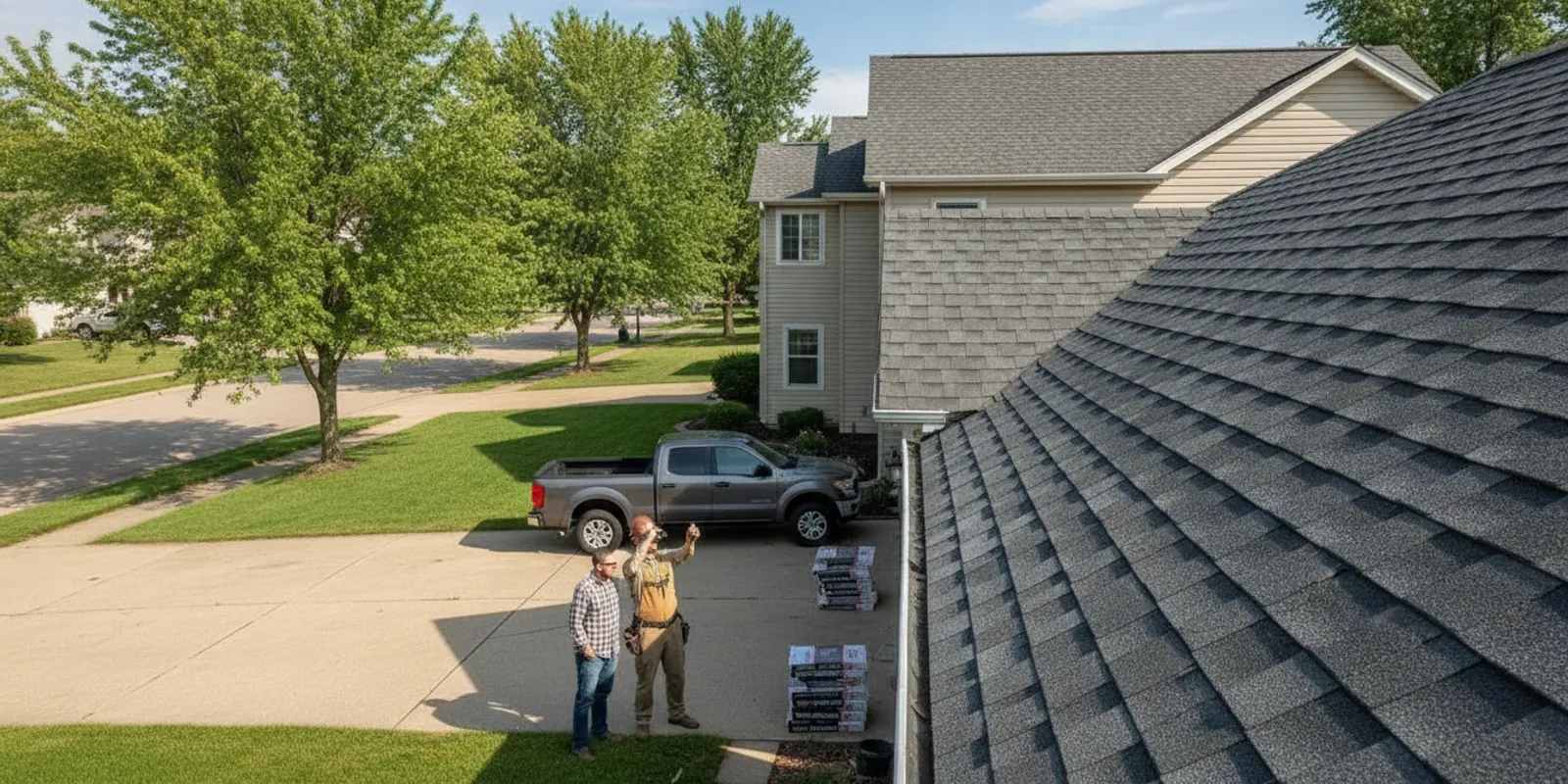
What should you confirm before hiring a roofing company in Princeton MN?
Start by confirming the contractor works in your specific area. Referred Restoration is based in Rogers and describes its local service coverage along the Rogers-to-St. Francis-to-Monticello corridor. Princeton is not named in the available service-area information, so do not assume that a contractor can take on a project there. Ask directly whether your address is within its current service area and whether it can schedule the type of work you need.
For Referred Restoration, the best first step is to request a conversation about service availability. If the location is not a fit, you can still use the questions in this guide when evaluating contractors who do serve Princeton. Confirm the exact business name and address on proposals, and ask who will be responsible for the work from inspection through completion.
Before inviting anyone to inspect the roof, be ready to explain what you have noticed. Note when the issue began, whether it appeared after a storm, and whether you see signs indoors such as a ceiling mark or damp insulation. A clear description helps the inspector focus on relevant areas. It does not replace a roof inspection, but it gives the contractor a useful starting point.
How can you tell whether your roof needs repair or replacement?
A single symptom rarely tells the whole story. A leak might come from damaged shingles, flashing, a vent, or another transition. A missing shingle may call for a limited repair, while widespread deterioration or recurring problems may lead a contractor to discuss broader work. The right recommendation depends on what an inspection finds, the roof’s overall condition, and whether the affected components can be repaired reliably.
Ask the inspector to distinguish visible evidence from assumptions. For example, request a description of the location of damage, the material or roof detail involved, and the reason a repair is or is not appropriate. If replacement is recommended, ask what conditions make a small repair unsuitable. A useful explanation connects the observed condition to the proposed work rather than relying on a vague statement that the roof is old.
Look for consistency between the inspection findings and the written proposal. If a contractor points to a leak near a chimney but the proposal covers a much larger area, ask why. If the suggested repair would leave surrounding deteriorated materials in place, ask what risk that creates and how the work will address it. You should be able to explain the recommendation in your own words before approving it.
When deciding whether to repair or replace, consider these questions:
- Is the problem isolated to one visible area, or are similar issues present across the roof?
- What did the inspection reveal about shingles, flashing, roof penetrations, and other transitions?
- Could the proposed repair address the source of the problem, not only its indoor symptom?
- What follow-up should you take if the same sign returns?
For a focused concern on an existing roof, compare the inspection findings with the information on roof repair services. If the inspection points to a broader project, review the scope of roof replacement work. These pages describe services in Rogers; confirm availability for your Princeton address rather than treating a nearby service page as proof of coverage.
What should a careful roof inspection include?
An inspection should be more than a glance from the driveway. Ask what the contractor will examine and how the findings will be shared with you. Depending on roof design and safe access, an assessment may consider shingles or other covering, flashing, valleys, ridges, roof penetrations, drainage paths, and signs of water entry. The inspector should explain any limits, including areas that could not be safely or clearly assessed.
Ask whether you can receive photographs or written notes that identify the areas of concern. Useful documentation connects each observation to a location and explains why it matters. If a contractor recommends urgent work, ask what immediate risk is present and what temporary steps, if any, can safely reduce exposure while you consider the full scope. Avoid climbing onto the roof yourself; wet, icy, steep, or damaged surfaces can be dangerous.
Interior signs can help narrow down a concern, but water may travel before it appears inside. Tell the inspector about the room and location where you first noticed staining or moisture, and mention whether it changes during rain or snowmelt. Do not assume the visible ceiling mark is directly below the entry point. A qualified assessment should consider the roof assembly and relevant transitions.
To keep the inspection useful, prepare a short list of questions. Ask what was examined, what was not accessible, what evidence supports the recommendation, and whether another visit is needed for a complete assessment. If you are comparing contractors, provide each with the same description of the problem. That makes their observations easier to compare.
How can you compare roofing proposals fairly?
Compare the work described, not just the final number on a proposal. Two documents may use similar labels while covering different materials, removal steps, flashing details, or cleanup. Ask every contractor to identify what is included, what is excluded, and what conditions could change the planned scope. A written, itemized description makes it easier to spot gaps before work begins.
| Proposal detail | What to check | Question to ask |
|---|---|---|
| Inspection findings | Specific locations, observed conditions, and any access limits | Can you show me what supports this recommendation? |
| Work scope | Areas included, removal or repair tasks, and cleanup | What is not included in this scope? |
| Materials | Product type, components, and any stated selection options | Which materials are specified, and why do they fit this roof? |
| Project logistics | Expected start window, work sequence, access, and site protection | How will you communicate schedule changes? |
| Documentation | Written terms, change process, and completion records | What paperwork will I receive when the job is done? |
Use the same questions for each contractor. If one proposal describes replacing flashing and another does not, ask whether the difference reflects inspection findings or simply a different scope. Make sure you understand who obtains any required permits and how the work will meet applicable local requirements. Do not rely on a verbal assurance to fill a gap in a written agreement; ask for important details to be added to the document.
For state-level information about contractor licensing and building requirements, consult the Minnesota Department of Labor and Industry. Check current rules for the work involved, and confirm any local requirements with the relevant city or county.
Also check whether the proposal identifies a person you can contact, how changes are handled, and what happens if concealed conditions are discovered after work begins. A clear process should explain how the contractor will notify you, document the issue, and obtain approval before doing additional work. Ask how the company protects landscaping and outdoor items, manages debris, and leaves the site at the end of each workday.
What should you ask about roofing materials in Minnesota?
Minnesota weather makes it important to discuss how the proposed roofing system fits the house and its exposure. Ask which covering and associated components the proposal specifies. A roof performs as a system: the visible surface works alongside underlayment, flashing, ventilation details, and drainage paths. The right combination depends on the roof design, existing conditions, and product requirements.
Ask the contractor to explain the material options in plain language. Find out what differs between the options, how each is installed, and what maintenance or care the manufacturer recommends. If a specific product is named, request the product information and confirm that the written proposal matches the choice you discussed. Do not assume that broad phrases such as “premium materials” identify the actual products or installation details.
Discuss ventilation and ice-related concerns as part of the full roof evaluation, without assuming a roof covering alone will prevent every winter problem. Ask whether the inspection identified relevant attic or roof-system conditions and whether those observations affect the recommended scope. You can also review this Minnesota ice dam prevention guide for general background, then ask a contractor how the conditions at your home apply.
For storm-exposed roofs, ask how the proposed materials and installation details address the conditions observed at your property. A contractor should be able to explain the selection without promising that a roof is immune to future weather. Keep product documents and installation records with your home maintenance files so you can refer to them later.
How should you handle storm damage and insurance questions?
After a storm, focus first on safety. Stay away from downed wires, unstable branches, and areas where water or debris may have weakened the structure. If water is entering, protect belongings from a safe location and contact the appropriate emergency or property professional for immediate hazards. Do not climb onto a damaged or slippery roof to inspect it.
Photograph visible damage from the ground when it is safe, and make a note of when you noticed it. Keep copies of messages, inspection notes, and any documents related to the event. If you have a homeowners policy, contact your insurer to ask about its claim process and documentation requirements. A contractor can describe observed roof conditions, but your insurer determines coverage under your policy. Do not treat a contractor’s opinion as a promise that a claim will be approved.
Ask a contractor to separate emergency measures from permanent repairs in writing. Confirm what work is proposed now, what remains for a later decision, and how temporary work will be documented. Review any agreement carefully before signing, especially if it involves insurance-related work. Do not authorize work you do not understand, and ask for time to review the scope and communicate with your insurer when needed.
Referred Restoration lists storm damage restoration among its exterior services and describes assistance with storm-damage claims. Homeowners outside its confirmed coverage area should ask about service availability first. For context on the company’s local roofing services, see its Rogers roofing information, while keeping the distinction between contractor observations and an insurer’s coverage decision clear.
What should happen during a roofing project?
Before work starts, confirm the planned scope, schedule window, access needs, and site-protection steps. Ask where vehicles should be moved, whether outdoor furniture or planters need to be relocated, and how the crew will manage materials and debris. If you work from home or have pets, ask what noise and access interruptions to expect. Get a contact method for schedule updates and questions during the project.
Weather can affect exterior work and timing. Ask how the contractor will communicate a delay, what conditions require work to pause. And how the roof will be protected if a project cannot be completed in one day. A reasonable plan recognizes that the schedule may shift; clear updates help you know what to expect. Do not infer a guaranteed completion date unless it is written and explained in your agreement.
During work, keep children and pets away from the active work zone. Avoid walking beneath roof edges or near debris collection areas. If you notice a concern, contact the designated project representative rather than approaching workers on a roof. This keeps communication direct and helps the crew continue safely.
If concealed damage or a proposed scope change arises, ask for an explanation and documentation before approving additional work. Make sure you understand what changed, why it is necessary, and how the change affects the schedule and agreement. Keep your own copy of any written approval and updated project documents.
What should you check before the roofing project is complete?
Arrange a final review with the contractor. Compare the completed work with the agreed scope and ask what areas were addressed. Look for cleanup of the work area and ask how debris removal was handled. From the ground, note any visible concerns you want the contractor to explain. Do not climb onto the roof for a closer look.
Ask for completion documents, product details, care instructions, and any written workmanship or manufacturer information that applies. The documents should make clear what is covered, who to contact with a concern, and whether any registration or maintenance steps are your responsibility. Do not assume coverage terms that are not stated in writing. Keep those materials with your home records.
If you notice a leak or another issue after the crew leaves, report it promptly and provide the location, timing, and photographs if available. Ask how the contractor will assess the concern and when you can expect an update. Written communication helps both sides keep track of what was reported and what follow-up was agreed.
How can Princeton homeowners confirm a contractor is the right fit?
Location is only one part of the decision. Confirm the contractor can legally and practically perform the work at your address, and ask for the applicable license and insurance details for your project. Check that the written agreement names the contracting business and describes the scope. If subcontractors will be involved, ask who supervises the work and who remains your point of contact.
Pay attention to how the contractor responds to reasonable questions. A thoughtful professional should explain the inspection, distinguish facts from possibilities, and allow you to review the proposal without pressure. Be cautious about vague claims, guarantees that are not documented, or demands to sign before you have had time to understand the agreement. You should feel comfortable asking for clarification.
For homeowners considering Referred Restoration. Service availability in Princeton is the key question to settle first because the available company information describes coverage centered on Rogers and nearby communities. You can also review its Cottage Grove service information and Otsego roofing page to understand its regional presence, but neither page confirms service at a Princeton address.
If you are in a confirmed service area, the company describes a process of inspection, a custom solution, and professional installation. For additional background, see its home page and storm damage restoration information. Use those pages as a starting point for a direct conversation, not as a substitute for a property-specific inspection or written proposal.
For more general exterior planning, Referred Restoration also provides information about siding work and seamless gutters. Those services may matter when roof edges, drainage, or other exterior components are part of a larger project. Ask the contractor to identify which items are necessary for your roof and which are separate improvements.
Contact Referred Restoration to confirm service availability
Frequently Asked Questions
Does Referred Restoration serve Princeton, Minnesota?
The available company information describes a service area centered on Rogers and nearby communities, but does not specifically confirm Princeton. Contact the company with your address before assuming it can inspect or complete work there.
Should I repair or replace a roof after a leak?
That depends on the inspection findings, the source of the leak, and the wider roof condition. Ask the contractor to show the evidence, explain why the proposed scope addresses it, and identify any limits or follow-up concerns.
What should I compare between roofing proposals?
Compare inspection findings, work scope, materials, project logistics, exclusions, change procedures, and completion documents. Ask contractors to clarify differences so you are comparing equivalent work rather than relying on a short summary.
Can a roofing contractor decide whether my storm claim is covered?
No. A contractor can document observed conditions and explain proposed work, but your insurance company makes the coverage decision under your policy. Contact your insurer about its process and documentation needs.
What should I do before scheduling a roof inspection?
Write down what you have noticed, when it began, and whether it followed a storm. Share any interior signs and ask what the inspection will cover, how findings will be documented, and whether the contractor serves your address.
A careful decision starts with a clear inspection, a written scope you understand, and confirmation that the contractor can serve your home. Take time to ask questions and keep the answers with your project records.