Choosing a roofing company in Rockford MN is about more than finding someone who can put shingles on a house. A reliable decision starts with understanding the roof’s condition, knowing what work is being proposed, and confirming that the contractor can serve your address. This guide walks through the questions homeowners can ask to make a clear, informed choice.
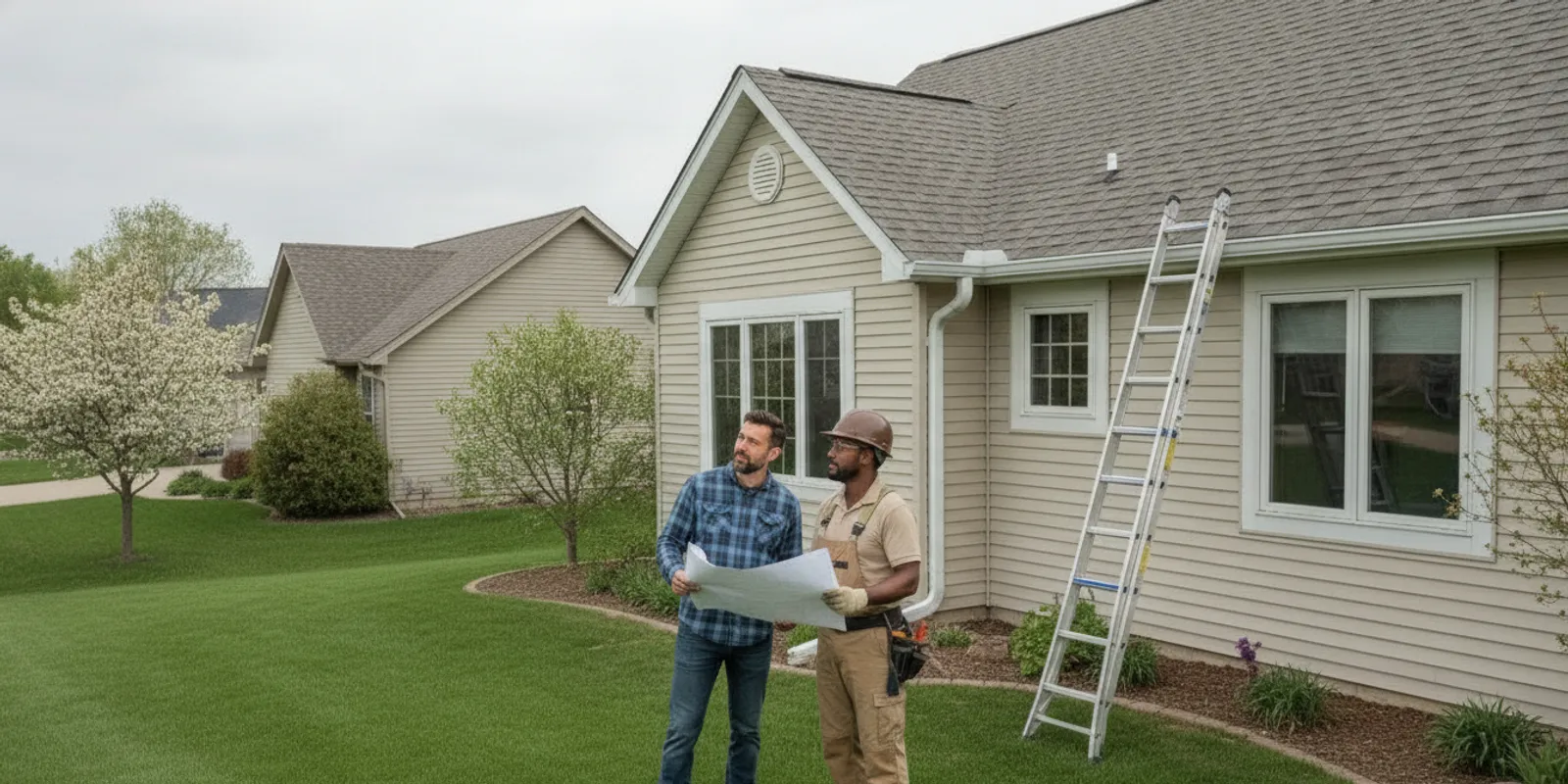
Schedule a free inspection with Referred Restoration
What should “the #1 roofing company” mean to you?
A “number one” label is not a substitute for evidence about the work in front of you. Homeowners should look for a contractor who listens, explains what an inspection found, describes the proposed work in writing, and answers questions without rushing a decision. Those habits matter whether the job is a small repair or a full roof replacement.
Start by setting your own priorities. You may want a careful assessment after a storm, a durable material choice, clear communication about the work sequence, or help understanding an insurance claim. Make a short list before you speak with contractors. It gives you a consistent way to judge each conversation instead of relying on a slogan or a single sales pitch.
For example, one homeowner may care most about stopping an active leak, while another may be planning a replacement before the next winter. A useful conversation should recognize that difference. Ask the contractor to explain the immediate concern separately from longer-term options. This helps you compare recommendations on the same basis and decide what information you still need.
Referred Restoration serves homeowners in the Rogers-area corridor and offers roofing and exterior restoration services. Rockford residents should confirm current service-area availability for their exact address before arranging a visit. A nearby location on a map does not by itself confirm that a contractor is available for a specific project.
How can you tell whether you need a repair or replacement?
Do not decide from one mark on a ceiling or a quick view from the driveway. A roof may have a limited issue that can be repaired, or several conditions that make replacement worth evaluating. The correct next step depends on what is actually present: the roof’s age and history, the location and extent of damage, the condition of the surrounding materials, and whether water has reached the roof structure or interior.
Look for warning signs from the ground and inside the home, but avoid climbing onto the roof. You can note missing, lifted, cracked, or uneven shingles; damaged flashing around a chimney or vent; granules collecting in gutters; water marks on ceilings; or damp areas in the attic. None of these observations alone proves the full scope of the problem. Share them with the inspector and ask what further checks are needed.
- A focused repair may be appropriate when an inspection identifies a localized defect and surrounding materials are in suitable condition.
- A replacement merits discussion when damage is widespread, the roof has multiple recurring trouble spots, or an inspection finds broader deterioration.
- Further evaluation may be needed when water has reached decking, insulation, framing, or interior finishes. Ask the contractor to explain what can be seen and what remains uncertain.
Ask for photos or other clear documentation of the areas being discussed. Have the contractor identify each issue, explain why it matters, and distinguish urgent protection from work that can be planned. If replacement is proposed, ask why a repair would not address the identified problem. A written explanation helps you review the recommendation after the inspection rather than relying on memory.
It can help to organize your own observations before the appointment. Write down when you first noticed a stain or drip, whether it appeared after a particular storm, and whether it has changed. Note any previous repairs and whether the same area has caused trouble again. These details do not diagnose the roof, but they give the inspector a useful timeline and can help distinguish a single event from a recurring concern.
For a localized issue, review the scope of roof repair services and ask whether the same type of work is available at your Rockford address. If the inspection points toward a broader project, the roof replacement service page can help you frame questions about the process.
What should a careful roof inspection cover?
An inspection should connect visible conditions to a practical recommendation. Ask the inspector to describe the roof covering, edges, flashing, penetrations, valleys, and drainage areas. If the attic or interior needs attention, ask what can be inspected safely and what signs are relevant. A clear visit should leave you knowing which areas were reviewed and which were not accessible.
Before the visit, make access straightforward without putting yourself at risk. Tell the contractor about pets, locked gates, or areas that may be difficult to reach. If you have noticed an interior leak, clear a safe path to the affected room and point out the stain or damp area. Do not move into an attic or onto a roof to prepare for the inspection. If an area cannot be reached safely, ask how that limitation affects the assessment.
During the inspection, take notes and ask questions in plain language. Useful prompts include:
- Where is the concern, and what did you observe?
- Is there evidence of active water entry, or a risk that needs monitoring?
- Which repairs are necessary now, and which are optional improvements?
- Could you show me photographs of the affected area?
- What parts of the roof or attic could not be inspected, and why?
- What should I do if I notice a new leak before work begins?
A good explanation should separate what the inspector directly observed from what is suspected or hidden. For instance, a water mark inside may indicate a leak path, but the source may not be directly above the mark. Ask what additional inspection or opening of materials would be needed to confirm the cause, and whether that work is part of the proposal or would require your approval first.
Professional roofing work may refer to established manuals and trade guidance. For example, a UC Davis facilities specification references the NRCA Roofing Manual and SMACNA guidance. That document is not a homeowner checklist, but it illustrates why a written scope should make the intended materials and installation details understandable rather than leave important choices vague.
How should you compare roofing proposals?
Compare what each proposal includes, not just its total or headline. Two documents can describe different work, materials, removal methods, protective measures, or cleanup. If a proposal leaves out a detail, ask for clarification in writing before you make a decision. A more complete scope makes it easier to understand what you are agreeing to and what may require a separate conversation.
Read each proposal from the same starting point: what condition is being addressed, which roof areas are included, and what outcome is the contractor proposing? Then look at the work sequence. Does the document say whether existing material will be removed, how exposed areas will be protected if work pauses, and how the contractor will report concealed damage? Does it identify the products or components intended for the roof? Ask for plain-language explanations of terms that are unfamiliar.
| Proposal detail | What to look for | Question to ask |
|---|---|---|
| Work scope | Areas included, removal or repair steps, and how damaged underlying material will be handled | What work is included, and how will additional findings be documented? |
| Materials | Product type and any specified components, such as underlayment, flashing, or ventilation details | Which products are planned, and where will each be used? |
| Site protection | Plans for protecting landscaping, entryways, and nearby property | How will the crew protect the home and yard during the work? |
| Schedule | Expected start window, work sequence, and how weather changes may affect timing | Who will update me if the schedule changes? |
| Cleanup and completion | Debris removal, a final walkthrough, and a way to raise questions | How will the site be checked when work is complete? |
| Written terms | Payment milestones, change documentation, and any stated workmanship or product coverage | Can you explain these terms and provide them in the signed documents? |
Use the same questions with each contractor. If one recommendation includes a detail that another omits, ask whether the difference reflects a different assessment or simply a different scope. Do not assume that a shorter document includes everything. The contractor should be able to explain what is covered, what is excluded, and how unexpected conditions will be handled before the work begins.
Consider making a simple side-by-side notes sheet. Put each contractor’s answer under the same headings: area of concern, recommended work, products, schedule, protection, cleanup, and written terms. Mark unanswered questions rather than filling in assumptions. If a proposal changes after a conversation, ask for an updated version so the paperwork reflects the agreement. This small step can prevent a homeowner from comparing one complete scope with another that leaves important tasks unclear.
Review the company’s roofing service information and ask how the stated process applies to your home. Also confirm which person will be your main contact, how questions are handled during installation, and what documents you will receive at completion. Those practical details can shape the experience as much as the product selection.
What should Rockford homeowners know about Minnesota weather?
Minnesota roofs face seasonal shifts, snow, freeze-thaw cycles, wind, and occasional hail. Weather exposure can affect shingles, flashing, gutters, and areas where water drains. After a storm, a roof can look normal from the ground while having a damaged component that deserves closer inspection. Conversely, a single scattered mark does not automatically mean the entire roof needs replacement.
After hail or strong wind, make a record from a safe location. Note the date, the side of the home that faced the storm, any visible debris, and any interior signs that appear later. Take ground-level photos if conditions allow. Do not remove shingles, clear icy areas, or climb a ladder to investigate. If water is entering, protect belongings from inside if it is safe to do so and contact a qualified professional to discuss next steps.
A simple storm log can make follow-up easier. Record what you noticed, where it appeared, and whether conditions changed after later rain. Keep original photographs as well as any notes from the inspection. If several people in the household observed different signs, collect those observations in one place. Avoid altering the roof or discarding damaged materials before you have asked the appropriate professionals what documentation may be useful.
Ask the inspector to separate storm-related observations from pre-existing wear when possible. If you plan to contact your insurer, keep copies of photographs, inspection notes, and correspondence. A contractor can explain observed conditions and the work they recommend, but homeowners should direct coverage questions to their insurance company and review their policy. Avoid signing an assignment or authorizing work you do not understand.
Referred Restoration describes storm damage restoration services and insurance-claim assistance. Rockford homeowners can ask whether those services are available for their location and what documentation the company can provide. An inspection and a coverage decision are separate matters; an insurer determines policy benefits.
Which roofing materials and details should you discuss?
Material selection depends on the roof design, existing conditions, homeowner preferences, and the details of the proposed assembly. Ask the contractor to explain the options that fit your house rather than treating one product as right for every roof. A useful discussion covers appearance, care, installation requirements, and how the selected components work together.
Shingles are only one part of a roofing system. Underlayment, flashing, edge details, ventilation, and drainage all matter. A product choice will not resolve a leak if the actual issue is at a roof-to-wall transition or around a penetration. Ask how the proposal addresses transitions and vulnerable areas, and whether existing components will be reused or replaced.
When discussing materials, ask the contractor to connect each selection to a specific part of the home. What is planned for the main roof planes? What details are proposed at valleys, eaves, ridges, or penetrations? If a component is being retained, what condition supports that choice? Ask how the installation plan accounts for the roof’s layout and ventilation. These questions help make the scope concrete without assuming that a product name alone tells the whole story.
If you are comparing asphalt and metal roofing, ask for a clear explanation of the differences that matter for your home, including installation details and the appearance you want. Referred Restoration’s metal roof and shingle comparison offers another starting point for questions. The right choice is specific to the roof and the written scope, not a claim that one material is universally best.
What should you ask before accepting a proposal?
Before accepting a proposal, verify the company’s identity and contact information, ask for applicable licensing and insurance information, and review the written terms. Requirements can differ by location and type of work, so ask the contractor what applies to your project and confirm any local requirements with the appropriate authority. Do not treat an online listing or a verbal assurance as a substitute for documents you can review.
Ask who is responsible for day-to-day communication and how you will receive updates. Find out how a change to the agreed work is proposed, documented, and approved. If the contractor identifies an unexpected condition after work begins, ask what information you will receive before deciding how to proceed. A clear process is useful because it gives both sides a shared record of decisions instead of relying on a hurried conversation.
Before signing, read the complete document, including attachments and any product information it incorporates. Check that the address, roof areas, work description, schedule expectations, and stated terms match what you discussed. Ask for clarification when language is broad or a key detail appears only in a conversation. You should understand what is included and what may be handled separately before authorizing the work.
Use a simple decision process:
- Define the concern. Write down what you have noticed, when it began, and whether it changes with rain or wind.
- Arrange an inspection. Confirm the address and ask what the visit will cover.
- Review the findings. Request an explanation of the observations and the options the contractor recommends.
- Compare written scopes. Check the included work, products, schedule, cleanup, documentation, and terms.
- Resolve open questions. Get unclear or changed details in writing before authorizing work.
- Keep your records. Save the proposal, communications, photographs, and project documents together.
Service-area fit is part of that process. Referred Restoration’s primary market is the Rogers area, with service described along the Rogers-to-St. Francis-to-Monticello corridor. The company also lists a Cottage Grove service area. Since the available coverage may vary by project and address, contact the company to confirm whether it can help in Rockford before making plans.
If your project includes more than roofing, ask whether coordinating exterior work through one contractor makes sense for your home. Referred Restoration also lists gutter services and siding services. Keep each item distinct in the proposal so you can see what work is included and how separate parts of the project will be sequenced.
Planning the work around household routines is also worth discussing. Ask whether vehicles should be moved, which entryways will remain accessible, and how outdoor areas will be protected. If you work from home, have young children, or need a clear path for mobility, share that before a start date is set. The contractor can explain what interruptions to expect and how the work area will be managed, so you can prepare rather than be surprised on installation day.
How can you assess a roofing company for your address?
Use the same standard of evidence for each company you consider. Confirm that the business name and contact details on the proposal are consistent with the organization you spoke with. Ask who will inspect the home, who will oversee the work, and who will answer questions if the original contact is unavailable. A clear answer gives you a practical route for communication at each stage.
Look for a recommendation that follows from the observed condition. If a contractor proposes extensive work, ask which findings support it and whether the document identifies the affected areas. If another contractor recommends a smaller repair, ask how that option addresses the concern and what should be monitored afterward. Different recommendations are a reason to clarify the evidence and scope, not necessarily proof that one person is right and the other is wrong.
Be attentive to how questions are handled. A careful contractor should be willing to explain unfamiliar terms, describe what has not been verified, and give you time to review the written documents. If you feel unclear about the work or terms, pause and request a written explanation before making a commitment. Keep a copy of every version of the proposal and note when changes are made.
Referred Restoration’s service information focuses on the Rogers-area market, not a blanket promise for every nearby address. Rockford homeowners can share their address and project details through the contact page and confirm whether an inspection is available. The company offers free inspections, but homeowners should confirm scheduling and service-area fit directly.
Contact Referred Restoration to confirm service in Rockford
Frequently Asked Questions
Does Referred Restoration serve Rockford, MN?
Referred Restoration serves homeowners in the Rogers area and nearby communities, but you should confirm current availability for your exact Rockford address. Contact the company with your location and project details before arranging an inspection.
Should I repair my roof or replace it?
That depends on the inspection findings, the extent of damage, the surrounding roof condition, and any history of recurring problems. Ask the contractor to explain why the recommended option fits the conditions observed and to put the scope in writing.
What should I ask after a storm?
Ask what areas were inspected, what visible damage was found, whether there are signs of water entry, and what should be addressed first. Photograph conditions from a safe location and discuss policy coverage directly with your insurer.
What should a roofing proposal include?
Look for a clear work scope, material details, site-protection and cleanup plans, schedule expectations, written terms, and a process for documenting changes. Ask the contractor to explain anything that is missing or unclear before you sign.
How can I arrange an inspection?
Share your address, describe what you have noticed, and ask what the inspection will cover. Referred Restoration offers free inspections; confirm service-area fit and scheduling directly with the company.
A careful choice begins with a clear inspection, a written scope, and answers to your questions before work starts. Take time to compare the details and choose the next step that fits your home.