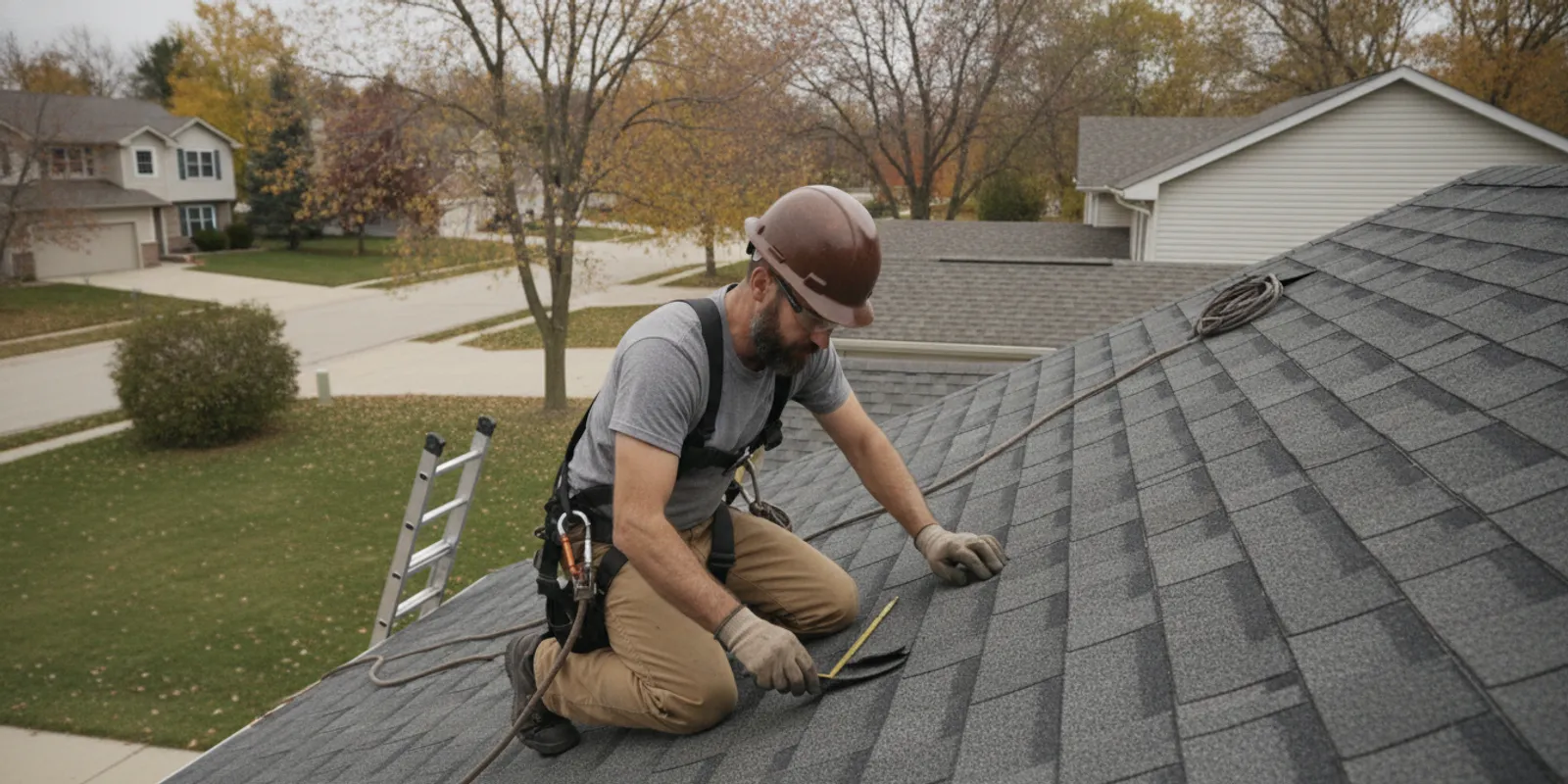
If you are searching for a roofing company in Roseville MN, the right choice starts with clear answers about your roof, the proposed work, and who will serve your address. Referred Restoration is based in Rogers and serves a corridor around Rogers, so Roseville homeowners should confirm service-area fit before planning a project. This guide covers practical questions to ask any roofer and how to take the next step.
Contact Referred Restoration online to ask about your address
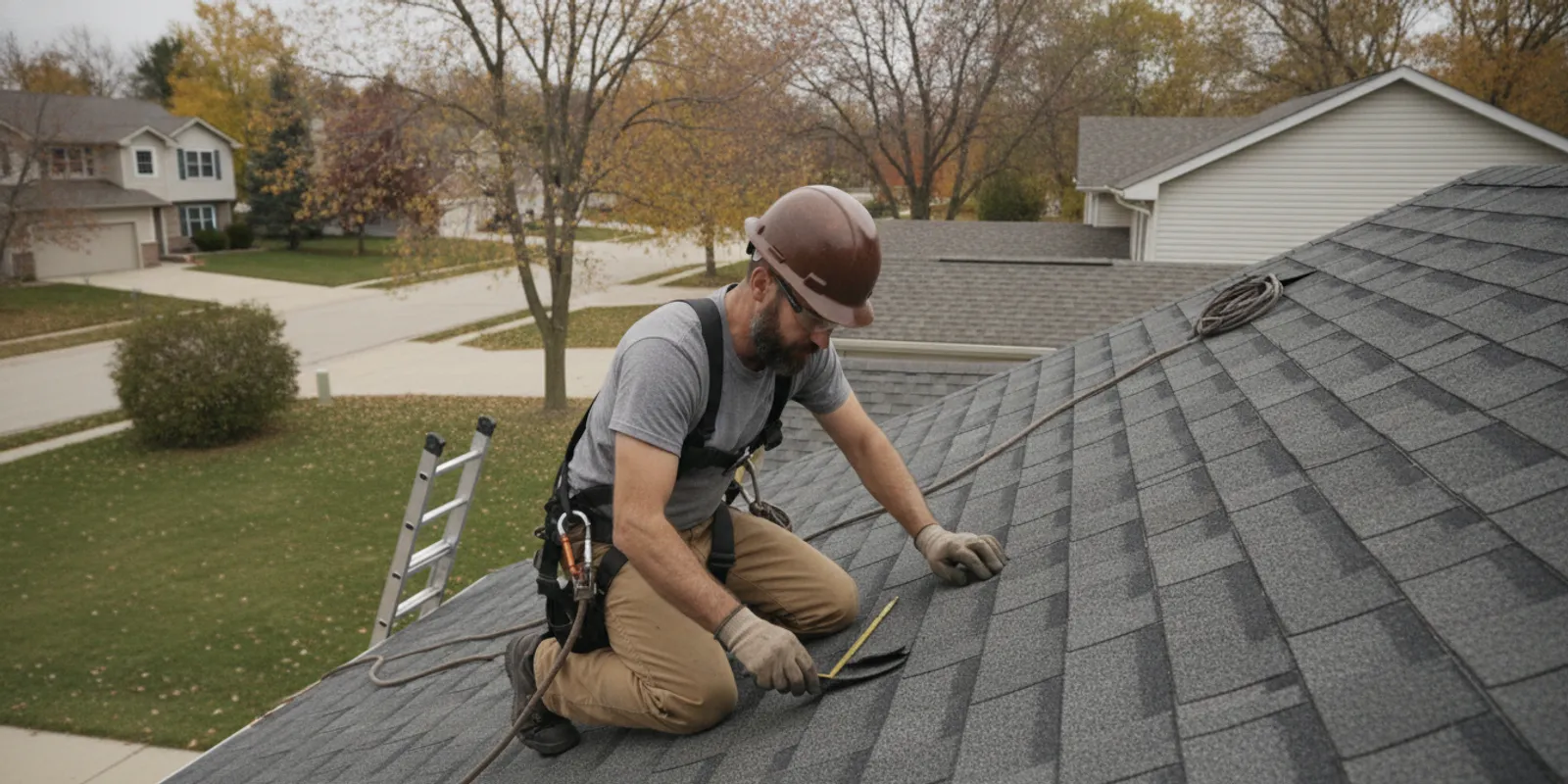
What should you confirm before hiring a roofing company in Roseville MN?
Start with fit, not a sales pitch. A contractor should be able to tell you whether the company works in your neighborhood, what kinds of roofing work it handles, and what the next step looks like. Ask these questions before scheduling:
- Do you serve my address? City names and service boundaries do not always line up. Share the street or ZIP code and ask for a direct answer.
- Can you inspect the roof before recommending work? A recommendation should follow a review of the roof, not a quick guess from the driveway.
- Will I receive a written scope? The document should explain what areas will be worked on, the materials and work included, and any limits or exclusions.
- Who will be my contact? Ask how questions, schedule changes, and findings will be communicated.
- What happens if the inspection finds a different issue? Agree on how added work will be explained and approved before it proceeds.
It can help to write the answers down while speaking with a contractor. Record the name of the person you spoke with, the date, what address details you shared, and whether the next step is an inspection or a follow-up call. If an answer is conditional, such as coverage depending on the project, ask what details the company needs to make that decision. That way, you can distinguish a confirmed service-area answer from a general statement about nearby communities.
Referred Restoration’s primary market is Rogers and its surrounding corridor. Its site describes roofing work and free inspections, but a homeowner in Roseville should verify coverage directly rather than assume a particular address is included. The company’s Rogers roofing and restoration homepage gives an overview, and the Rogers roofing service page describes its local roofing focus.
How can you tell whether your roof needs repair or replacement?
A roof concern does not automatically mean the whole roof needs to be replaced. The right scope depends on what an inspection finds, where the damage is, and whether the rest of the roofing system is in serviceable condition. A limited problem may call for a repair. Widespread wear or damage may lead to a broader replacement discussion.
From the ground, look for changes such as missing or displaced shingles, visible damage after a storm, debris impact, or water marks on ceilings and upper walls. Inside the home, note when a stain appeared, whether it changes after rain, and which room or ceiling area is affected. These observations can help direct an inspection, but they do not establish the source. Water can travel before it becomes visible indoors.
Make a short observation log rather than trying to diagnose the roof. For example, write down that a ceiling mark appeared in an upstairs hallway after a wind-driven rain, whether it spread, and whether it felt damp later. Note if the issue recurs only during certain weather. For exterior observations, use a phone camera from the ground and include a wider view that shows where the detail is located. Do not remove shingles, enter an attic with unsafe access, or use a ladder to get a closer look. Useful information is specific, but collecting it should not put you at risk.
Do not climb onto a roof to investigate. Roof surfaces can be steep, slippery, or unstable, and damage may not be obvious. If you see an active leak, protect belongings if it is safe to do so, document what you can from indoors, and contact a qualified contractor. For a localized roofing concern, review the company’s roof repair information. If the inspection points toward a full project, the roof replacement page provides a related service overview.
During the assessment, ask the contractor to explain the difference between the symptom and its suspected source. A ceiling stain is a symptom; the source might be at a roof detail or somewhere else along the path water traveled. Ask what evidence supports the diagnosis, which areas were checked, and whether any part of the conclusion remains uncertain. If the proposed work addresses only one section, ask how the remaining roof condition affects the recommendation. If replacement is proposed, ask which findings make a limited repair unsuitable.
What should a careful roof inspection include?
An inspection should connect visible conditions to a clear recommendation. Ask the inspector to explain what was checked and what evidence supports the proposed next step. A useful conversation can cover:
- Roof covering: Ask about visible wear, missing or damaged shingles, and areas that may need closer attention.
- Transitions and penetrations: Roof edges, valleys, vents, and other transitions should be considered because they are places where materials meet.
- Signs of moisture: If accessible and appropriate, discuss whether interior symptoms or other observations may point to water entry.
- Repairability: Ask what can reasonably be repaired and why the recommended scope is appropriate for the observed condition.
- Documentation: Request clear notes or photographs that help you understand the findings, especially if the issue followed a storm.
Before the visit, prepare a simple walk-through of the problem. Point out interior marks, describe when you first noticed them, and mention any previous repair or storm event you know about. Tell the inspector about areas that are difficult to access or any safety concerns around the home. You do not need to have a technical diagnosis ready; your observations are a starting point for the review.
Ask the inspector to distinguish what is directly visible from what is uncertain. A responsible explanation should not promise that a hidden condition is absent when it cannot be checked. It should also make clear whether the recommendation is urgent, preventive, or something to monitor. If the inspection cannot be completed because of weather, access, or safety conditions, ask what remains unchecked and what would be needed for a complete assessment. A short follow-up list can prevent assumptions about areas that were not reviewed.
At the end of the discussion, repeat the recommendation in your own words and ask the inspector to correct anything you misunderstood. For instance: “You found damage on this slope, but you do not yet know whether the decking below it is affected; you will document any concealed issue before asking me to approve a change.” Confirming the sequence makes it easier to understand what is known now and what decisions might come later.
How can you compare roofing proposals fairly?
Two proposals are only comparable when they describe similar work. Read each document for its scope, materials, preparation, cleanup, schedule assumptions, and exclusions. If one proposal includes an item that another leaves unclear, ask both contractors to explain the difference in writing.
| What to compare | Questions to ask | Why it matters |
|---|---|---|
| Work scope | Which roof areas are included, and what will be removed, repaired, or installed? | Clarifies whether the proposals cover the same work. |
| Materials | Which product types and components are specified? Are any choices still open? | Shows what is planned and what needs a decision. |
| Preparation and cleanup | How will the work area and surrounding property be managed? | Sets expectations for the home and yard during the project. |
| Schedule | What affects the start date, work days, and weather delays? | Helps you plan around conditions that can change outdoors. |
| Unlisted conditions | How will concealed damage or added work be documented and approved? | Provides a process for handling surprises before work changes. |
| Closeout | What review happens when the work is complete, and who answers follow-up questions? | Defines how completion and remaining questions are handled. |
Use the table as a worksheet. Put each contractor’s answer in its own column and mark any item that has not been answered. Then send a short written follow-up with the unresolved questions. This is more useful than relying on memory after several conversations, especially when proposals use different terms for similar components. Ask each contractor to identify which choices are final and which would require your approval later.
Ask for plain-language explanations instead of comparing one headline number. A clear proposal should identify the planned work and make uncertainty visible. If a detail is important to your decision, ask for it to be added to the written scope rather than relying on a verbal assurance.
Read exclusions as carefully as included work. An exclusion does not necessarily mean the proposal is unsuitable, but you should understand what it means in practice. Ask how an unexpected condition would be documented, who would contact you, and whether work would pause until you approve a written change. Keep each proposal, inspection notes, and follow-up messages together. A file on your computer or a folder at home is enough; the aim is to have one reliable record of what was discussed and agreed.
When the proposals differ, ask a neutral question: “Can you show me where this item appears in your scope?” This invites a concrete explanation without assuming one contractor is right or wrong. If one scope includes more work, ask whether that difference is based on a separate inspection finding or a different approach. Then compare the stated scope and assumptions, not just how the documents are formatted.
What should you ask about roofing materials in Minnesota?
Roofing materials have to work as part of a complete roof system and suit the home’s conditions. Ask the contractor to explain the material options under consideration, how components work together, and what maintenance or care is expected. The answer should relate to your roof’s slope, existing assembly, ventilation, and project scope—not just a product label.
Referred Restoration notes that it installs roofing products including Malarkey. That fact alone does not determine which product is right for a particular home. Ask for the exact materials proposed, the reason for the selection, and the documents that describe product coverage. Confirm which statements come from the manufacturer and which relate to the contractor’s own work.
It may be useful to ask the contractor to walk through the proposal from the roof surface downward. Which covering is planned? Which underlayment and edge details are included? Are vents, flashing, or other components being reused or replaced? The specific answers depend on the roof and the proposed scope, so the goal is not to request a particular assembly in advance. It is to understand how the listed materials fit together and whether the written scope accounts for the transitions on your home.
If a contractor suggests changing materials or scope, ask what condition prompted the change. A second opinion can be useful when recommendations differ substantially or the reasoning is not clear. Keep written proposals and inspection notes together so the details are easy to compare. When reviewing manufacturer information, match the document to the actual product listed in the proposal; a general product brochure may not answer a question about a particular component or coverage term.
How should you handle a roof concern after a storm?
After hail or strong wind, begin with safety and documentation. Look for visible changes from the ground, take photographs from a safe location, and note the date and areas affected. Do not climb up or remove materials. If water is entering the home, move belongings away where safe and arrange a professional assessment.
A helpful record can be simple: date of the weather event, date you noticed a concern, the room or roof area involved, and any photos taken from a safe position. Keep original images when possible, because the date information may help you keep the timeline straight. If you make a temporary change indoors to protect belongings, note what you did. Avoid making statements about the cause before an inspection; record what you observed and let the review address possible explanations.
Storm damage can be difficult to assess from the ground. Ask the roofer to explain the observed damage, identify the roof areas reviewed, and separate visible findings from any assumptions. If you plan to contact your insurer, keep your own dated notes and photographs. A contractor can explain its inspection findings and the work it proposes; your insurer makes coverage determinations under the policy. Do not treat an inspection as a guarantee of coverage. For general consumer information about insurance, the Minnesota Department of Commerce is a state resource; contact your insurer directly with questions about the terms of your policy.
Referred Restoration describes assistance with storm-damage claims as part of its roofing services. Homeowners can review its storm damage restoration information and ask what support is available for their particular situation. Confirm service coverage and process before relying on a timeline.
When speaking with your insurer, describe what you observed and ask what documentation it needs and what steps apply under your policy. Keep copies of submitted information and note the date of each conversation. If a contractor and insurer use different descriptions, ask each to explain its terminology and the records it is relying on. Do not sign a scope you do not understand or assume that a contractor can approve coverage on the insurer’s behalf. Keeping the inspection, proposed work, and coverage discussion distinct can make the process easier to follow.
What should happen during a roofing project?
Before work begins, make sure you understand the agreed scope, materials, expected communication, and how weather may affect the schedule. Ask whether there are preparations you should make around vehicles, outdoor furniture, or access to the home. Do not assume the same arrangements apply to every property; get instructions from the project contact.
A practical pre-work checklist can include confirming the start window, identifying a point of contact, asking how schedule updates will arrive, and checking whether outdoor items should be moved. Ask what access the crew needs and whether anyone must be home. If you have pets, children, or a work-from-home schedule, share relevant concerns before the start date so you can understand what to expect. These details vary by property and project, so follow the contractor’s specific instructions rather than relying on a generic checklist alone.
During the work, keep a written record of questions and any decisions. If a crew finds a condition that changes the planned work, ask for an explanation and an updated written scope before approving the change. At completion, review the work with the contractor, ask about anything that looks different from the proposal, and keep project documents in a safe place.
For a change request, ask for four points before deciding: what was found, where it was found, what work is proposed, and how it affects the original scope. Request photographs when they can help explain a concealed or hard-to-see condition. Take time to read the written change and ask questions. A clear approval process helps prevent a hurried conversation from becoming the only record of a project decision.
At closeout, compare the completed work with the written scope and discuss any open questions with the project contact. Ask what documents you should retain, including product information or completion records if provided. If you notice an issue after the crew leaves, document it and contact the company through the agreed channel. A straightforward record of the concern, date, and relevant photo will help you explain what needs follow-up without speculating about its cause.
The same careful approach applies when work on another part of the exterior is being considered. Referred Restoration also provides information about siding services and gutter installation. If you are considering multiple exterior projects, ask which items are related and which should be evaluated separately. A combined conversation can help you coordinate access and timing, but each service should still have a clear scope and a written description of its own work.
How can Roseville homeowners confirm service-area fit?
Do not assume that a contractor serving one Minnesota community automatically serves every nearby city. Give the company your address and ask whether it will inspect and complete the type of work you need. If the answer depends on the project, ask what conditions affect the decision.
Referred Restoration is based in Rogers and identifies its core service corridor around Rogers, including communities toward St. Francis and Monticello. Roseville is not identified in the provided service-area information, so confirm directly. A quick coverage check can prevent confusion before you share project details or arrange an inspection.
When contacting a contractor, have a concise description ready: the roof concern, when you first noticed it, whether there is active water entry, and any safe photographs you have. If you are still comparing providers, ask for the next step and what information the contractor needs to determine whether an inspection is appropriate.
You can make the initial inquiry specific without preparing a long report. For example: “I am in Roseville, and I noticed a water mark after last week’s rain. Do you currently inspect and perform this kind of roofing work at my address? If so, what should I share before setting up a visit?” This asks about location, service type, and next steps in one message. If the company cannot serve the address, ask whether it can recommend a different way to proceed, but do not assume it has a referral available.
It is also reasonable to ask whether an inspection is available for the type of concern you described, what it covers, and how findings are shared. Referred Restoration describes a three-step approach of inspection, a custom solution, and professional installation. Confirm which steps apply to your home and what written information you will receive. A service-area answer is the first check; the inspection and proposal help you decide whether the recommended work fits your needs.
Ready to ask about your roofing plans?
For homeowners who want to confirm whether Referred Restoration can help at a Roseville address, the best next step is to ask the company directly. It describes a three-step approach of inspection, a custom solution, and professional installation. Confirm what applies to your home, what the inspection covers, and what written information you will receive before making a decision.
Before you reach out, gather your address, a brief description of the roof concern, the date you noticed it, and a few safe photos if available. You can also note any questions about service coverage, inspection findings, materials, written scope, schedule, and how proposed changes will be approved. You do not have to settle every project question in the first conversation. Start by confirming whether the company can help at your address and what the next step would be.
Request a free inspection and confirm your service area
Frequently Asked Questions
Does Referred Restoration serve Roseville, Minnesota?
The available company information identifies Rogers and its surrounding corridor as the primary market, but it does not confirm Roseville coverage. Contact the company with your address to verify whether it can take on your project.
Should I repair a damaged roof or replace it?
That depends on an inspection of the roof’s condition and the extent of the damage. Ask the contractor to explain what was observed, which options are reasonable, and why the recommended scope fits the findings.
What should I have ready before requesting an inspection?
Share your address, a brief description of the concern, when it began, and whether you have noticed water entering the home. Safe photographs taken from the ground or indoors can help explain what you have seen.
Can a roofing contractor decide whether my insurance claim is covered?
No. A contractor can describe inspection findings and proposed work, but the insurer determines coverage under the terms of your policy. Keep your own records and communicate directly with your insurer about coverage questions.
What should I do if I see a leak?
Stay off the roof. If it is safe, move belongings away from the affected area, note where and when the water appears, and contact a qualified roofing professional for an assessment.
Taking time to verify coverage, understand the inspection findings, and compare written scopes helps you make a more informed roofing decision for your home.