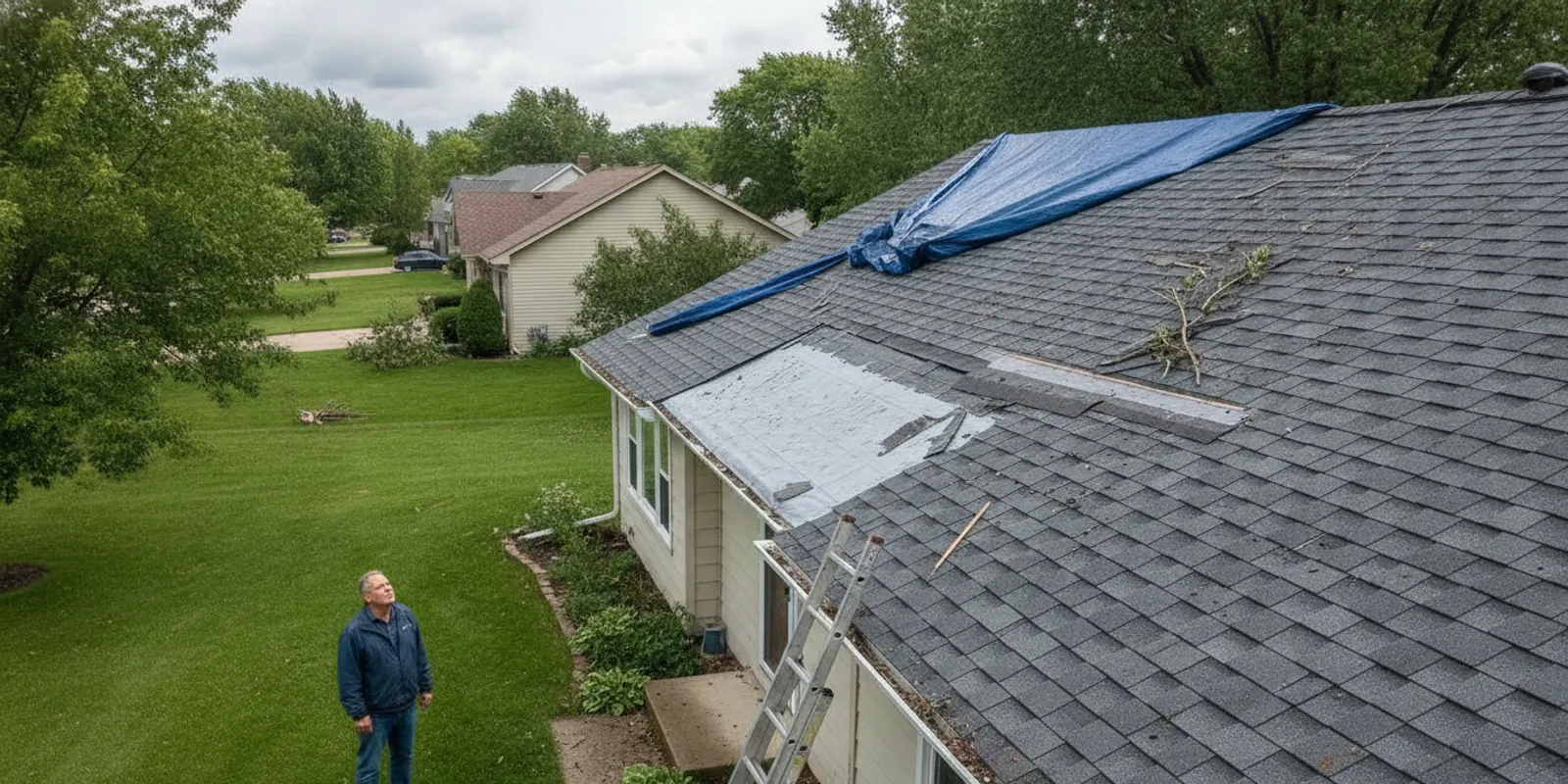
A roofing repair service saint michael mn homeowner seeks should begin with a clear understanding of the problem, not a climb onto the roof. After wind, hail, snow, or a leak, you can protect people and belongings, record visible clues from safe locations, and arrange an inspection. This guide covers practical next steps and questions to ask when a roof needs attention in Minnesota.
Contact Referred Restoration online to request an inspection
A roof concern may appear as a ceiling stain, a loose shingle visible from the yard, debris near a downspout, or water entering during rain. These signs do not all point to the same cause. A careful inspection helps distinguish a localized repair need from a larger pattern, while keeping you off ladders and away from damaged areas.
What signs suggest a roof may need attention?
Start with what you can observe without stepping onto the roof. Look at ceilings and upper walls for fresh discoloration, bubbling paint, or damp areas. In the attic, if access is safe and straightforward, note visible moisture, musty odors, or daylight around roof openings. Do not enter an attic with standing water, exposed wiring, unstable flooring, or other structural concerns.
From the ground, use binoculars or a phone camera with zoom to look for missing, curled, lifted, or visibly displaced shingles. Also note bent flashing, damaged vents, branches resting on the roof, and granules collected near downspouts. A single observation is not a diagnosis; distance, lighting, and weather can make roof components appear different from the ground.
- Interior clues: ceiling stains, damp insulation visible from a safe access point, or water appearing after rain.
- Exterior clues: shingles out of alignment, exposed edges, damaged flashing, or debris after a storm.
- Drainage clues: water spilling over gutters, downspouts pulling away, or staining near the roof edge.
- Changes over time: a stain growing, recurring after rain, or appearing in a new location.
For a leak, identify the room and approximate location, but remember water can travel along framing before becoming visible. The point where a ceiling stain appears may not line up with the roof opening. Avoid cutting into ceilings or applying sealant on a wet or steep roof. A qualified roofing professional can trace the issue and explain whether repair is appropriate.
What should you do first after noticing a leak or storm damage?
- Keep people clear of hazards. Do not walk beneath a sagging ceiling, touch wet electrical fixtures, or approach a downed power line. If you suspect an immediate safety emergency, contact the appropriate emergency service.
- Limit interior damage when safe. Move furniture and belongings away from drips. Place a container beneath a small, steady leak only if the area is safe. Do not stand under a bulging ceiling.
- Record what you see. Take photos from inside and from the ground. Include a wider view and close details, and note the date, weather, room, and exterior side of the home.
- Arrange an inspection. Share when the issue started, whether it follows rain or snowmelt, and any visible changes. Ask what access is needed and whether the inspection includes the relevant roof areas.
Temporary protection can reduce exposure, but roof access is risky, especially on wet, icy, or steep surfaces. Do not climb up to place a tarp or retrieve debris. If temporary covering is needed, ask a professional about safe options. Keep receipts and photographs if you are tracking storm-related damage, and contact your insurer directly if you plan to ask about coverage. Coverage decisions depend on your policy and insurer.
How can you document roof concerns clearly?
A concise record helps an inspector understand what you noticed and when. Photograph the same areas from a safe position rather than trying to get closer. Label images with the room or exterior side, and keep original files. A short timeline can clarify whether the issue is new, recurring, or changing.
- Write down the date you first noticed the concern and the weather conditions.
- Mark the interior room and approximate location of each stain or drip.
- Take a wide photo for context, followed by a closer image where details are visible.
- Keep notes about temporary steps taken and whether the symptom returned.
- Gather available roof or repair records, but do not delay urgent safety steps to find paperwork.
Photos are useful evidence of visible conditions, but they cannot show everything beneath the roof surface. Avoid assigning a cause based only on a picture. If you have concerns after a storm, Referred Restoration provides roofing inspections and repair services; its roofing service page describes a relevant service pathway. For the safety principles behind staying off unsafe surfaces and avoiding hazards after a storm, the National Weather Service provides public safety guidance at weather.gov/safety. Use that general guidance alongside the specific conditions at your home, and do not approach downed wires, unstable structures, or areas exposed to falling materials.
How do you decide between a repair and replacement?
The decision depends on inspection findings, the extent and location of damage, the condition of surrounding materials, and the roof assembly. A small, isolated issue may be addressed with repair when adjacent components remain sound. Broader deterioration, repeated failures, or damage across multiple areas may lead to a discussion about replacement. No single visible symptom determines the answer for every home.
| Consideration | Repair discussion | Replacement discussion |
|---|---|---|
| Extent | A limited area or specific component appears affected. | Several areas show related wear or damage. |
| Surrounding materials | Nearby shingles and flashing appear serviceable on inspection. | Adjacent materials or roof details also need broader attention. |
| History | A first, localized concern may be isolated. | Recurring leaks or repeated repairs may warrant a wider assessment. |
| Next step | Ask what will be repaired and how the result will be checked. | Ask what replacement scope is proposed and which components are included. |
This comparison is a starting point, not a substitute for an on-site assessment. Ask the inspector to show the relevant condition, explain the proposed work in plain language, and identify any limitations. Review the roof replacement information and discuss how inspection findings apply to your home.
What should you ask during a roofing inspection?
A useful inspection should leave you with a clear explanation of what was observed and what action is recommended. You do not need to know roofing terminology in advance. Ask the contractor to connect each recommendation to a visible finding and distinguish urgent protection from work that can be planned.
- Which areas were inspected, and were any areas inaccessible?
- What evidence points to the reported leak or damage?
- Is the concern limited to one location, or are there related issues?
- What repair work is proposed, and what nearby components may be affected?
- How will the completed work be checked?
- Are there warning signs I should monitor while waiting?
- What should I do if the leak returns or the condition changes?
Ask for the scope in writing and make sure it matches the discussion. If you are also considering other exterior needs, the company offers gutter services and siding services. Those pages describe separate service pathways; a roof concern does not automatically mean other parts of the home need work.
How do Minnesota seasons affect roof repair planning?
Weather affects safe access and the sequence of exterior work. Rain, snow, ice, wind, and temperature can change whether a roof can be inspected or repaired on a particular day. A contractor may need to adjust timing or use temporary measures before completing permanent work. Ask what conditions could affect the plan and how you will be updated if the schedule changes.
After winter, check interior ceilings and attic areas for signs of moisture, and inspect gutters and downspouts from the ground for visible displacement or debris. Following a wind or hail event, photograph visible changes and note when they occurred. Do not assume every mark or granule is storm damage; an inspection can help establish what is affected.
Drainage can influence where water goes around the roof edge. If you see overflowing or disconnected gutters, note that alongside the roof concern. Referred Restoration also provides seamless gutter installation information. The appropriate work depends on the condition found, not simply on the presence of a roof leak.
How should you handle a possible insurance claim?
If you believe a storm caused damage, keep the process factual and organized. Save photographs, dates, weather notes, and any inspection documents. Contact your insurer to learn how your policy handles notice, documentation, and inspection. The insurer determines coverage under the policy; a contractor’s observations are not a coverage decision.
Before authorizing work related to a claim, clarify what is needed to protect the home immediately and what can wait for review. Keep written records of conversations and documents you receive. If an adjuster or contractor identifies different areas or describes the damage differently, ask each party to explain the basis for their assessment. Avoid signing a document you do not understand, and request time to review it.
When the roof is actively leaking, safety and limiting further interior exposure matter regardless of claim status. Ask about temporary protection that can be installed safely, and preserve records of the condition before and after that work. Do not delay emergency safety steps while waiting for a coverage decision.
How can you compare inspection findings and written scopes?
When recommendations differ, compare the observations and work descriptions rather than relying on a brief label such as “repair” or “replacement.” Check whether each assessment identifies the affected slope or feature, describes the material involved, and explains why the proposed work addresses the observed condition. If one report says the issue is localized and another describes a broader pattern, ask what evidence supports each conclusion.
- Match locations. Use room names, roof sides, and photos to confirm that both assessments refer to the same area.
- Separate observation from recommendation. Note what was seen, then what action is proposed.
- Check exclusions and access limits. Ask whether weather, visibility, or inaccessible areas limited the inspection.
- Clarify follow-up. Confirm how you will learn about hidden conditions discovered during work.
This approach helps you make a reasoned decision without treating a photograph or estimate as a complete diagnosis. A written scope should be understandable to you and should describe the work you are authorizing. If the explanation remains unclear, ask questions before proceeding.
What should you check after a repair?
When the work is complete, compare the finished scope with what was agreed. Ask the contractor to identify the repaired area and explain any observations made during the work. From the ground and inside the home, watch for changes after the next rain or snowmelt. Do not climb onto the roof to inspect the repair yourself.
- Confirm which area and components were addressed.
- Ask whether any conditions outside the agreed scope were found.
- Keep the written scope, inspection notes, and completion information with your home records.
- Observe the previously affected interior area after precipitation.
- Report a returning leak or new visible change promptly, with dates and photos.
A dry ceiling immediately after work does not answer every question about the roof, especially if weather has not tested the area. Follow the contractor’s instructions about monitoring and contact them if the original symptom returns. For a separate repair assessment, see the roof repair service information.
Frequently asked questions
Can I inspect my roof from a ladder?
It is safer to observe from the ground or a window and leave roof access to trained professionals. Wet, icy, steep, or damaged surfaces can create serious fall and structural hazards.
Does a ceiling stain always mean the roof is leaking?
No. A stain can have more than one possible source, and water can travel before it becomes visible. Note when it appears and have the source assessed rather than assuming the roof is the cause.
Should I wait until the weather clears to report damage?
Do not delay addressing an immediate safety concern or active interior water intrusion. Record what you can safely observe and ask a professional how to handle inspection and temporary protection under current conditions.
Will every storm require roof repair?
No. A storm may leave no damage, or visible signs may not require the same response. A professional assessment can help determine whether action is appropriate.
What information should I have ready when I call?
Share the address, when the concern began, whether it follows rain or snowmelt, the affected room, and any safe ground-level observations. Photos and prior repair records can help provide context, but do not delay an urgent safety response to collect them.
Contact Referred Restoration online to discuss a roof inspection
What is a practical next step?
Write down what you noticed, keep people away from unsafe areas, and arrange an inspection if damage or water intrusion is suspected. Referred Restoration serves homeowners in the Rogers area and offers roofing repairs and inspections; Saint Michael homeowners can use the contact page to discuss their concern and the next appropriate step.
Clear observations and safe documentation help you have a more useful conversation about protecting your home.
Leave a Reply
You must be logged in to post a comment.