Cracked panels, loose edges, soft spots, and storm marks can look minor from the yard, but siding damage often deserves a closer look. Water can enter through openings, while trapped moisture may affect the layers behind the siding. An inspection helps separate a localized repair from damage that calls for broader work.
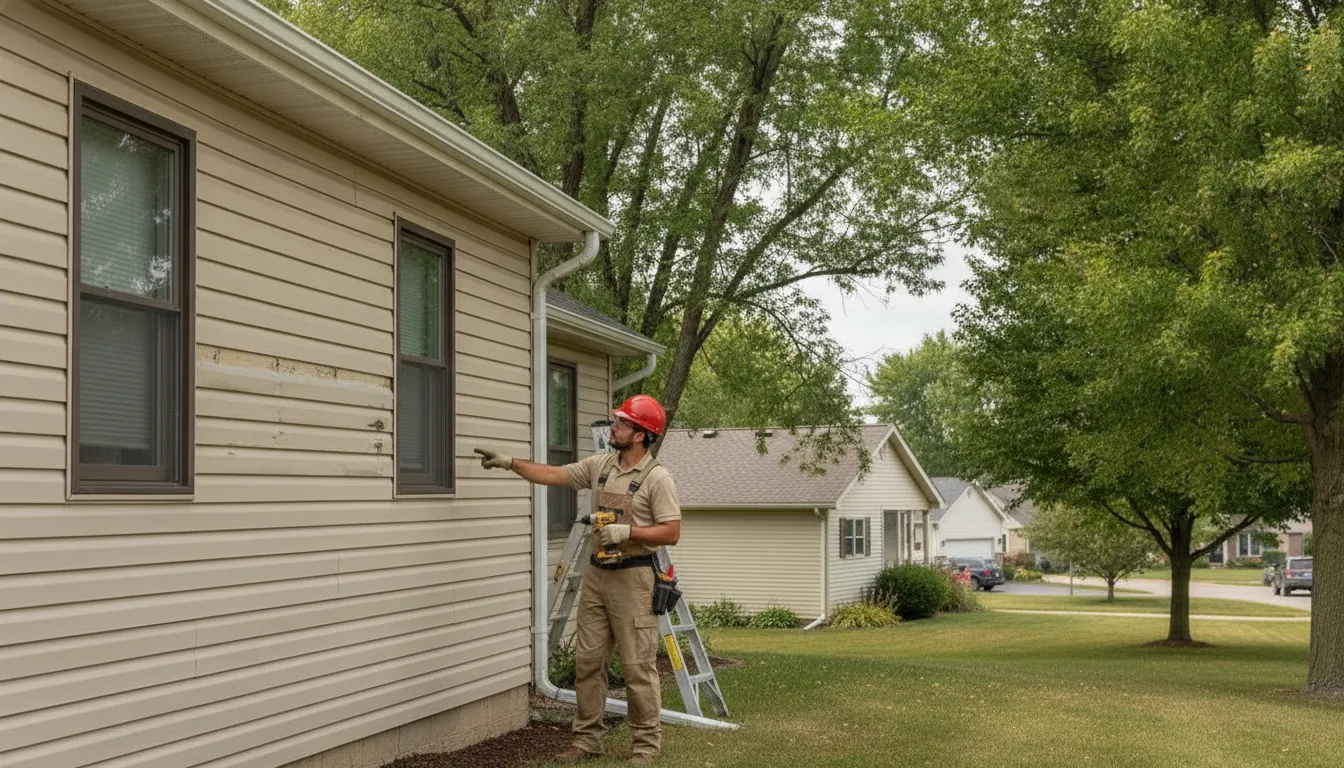
For siding repair in elk river mn, start with a careful assessment of the panels, seams, trim, and nearby drainage. Do not choose repair or replacement from appearance alone. The right next step depends on the damage, moisture exposure, material condition, and how well the existing siding can be matched.
Minnesota wind, hail, snow, and changing temperatures can put repeated stress on an exterior. Before discussing materials or a service plan, it is useful to document what you can see and check the areas most likely to let water in. That inspection-led process begins with the conditions around your home.
Contact Referred Restoration online
What Should Elk River Homeowners Know About Siding Repair in Elk River MN?
Before deciding on siding repair in Elk River MN, walk around the home and document what you can see from the ground. The goal is not to diagnose the assembly yourself. It is to give an inspector a clear starting point and to notice whether one damaged area may be connected to a larger moisture or drainage issue.
Start with the location and extent of the damage
Note which elevations are affected, such as the north wall, garage, gable, or an area beneath a window. Look for cracked, split, loose, buckled, or missing siding, and record whether the problem appears limited to one panel or continues across a wider section. Take a few dated photographs from several angles. A close-up shows the visible defect, while a wider photograph helps connect it to nearby trim, rooflines, doors, and windows.
Also look for changes that may be easy to miss from the street. Soft or discolored areas, exposed underlayment, peeling paint on adjacent trim, and panels that no longer sit flat can all help identify where a closer inspection is needed. Siding inspections are intended to identify damage, rot, and inefficiencies before they become more serious. Prompt home maintenance is also less likely to develop into a larger repair problem, according to North Carolina State University Extension.
Trace possible water paths
Look above and below the damaged area. Water can enter near a roof edge, corner, window, door, hose bib, or utility penetration, then affect materials farther down the wall. Check for staining, moss or persistent discoloration, swollen trim, or dampness inside the home near the same location. Do not remove siding or probe deeply into the wall without guidance. The visible panel may be the symptom rather than the source.
Inspect trim, openings, and drainage details
Pay particular attention to the seals and flashing around windows and doors, corner posts, J-channels, vent openings, and where siding meets the foundation. Gaps or loose trim can allow water behind the cladding. Check whether downspouts discharge beside the affected wall or whether overflowing gutters have left splash marks. Include these observations when you request an assessment so the repair plan considers the whole exterior rather than replacing an isolated piece without addressing the water path.
For broader maintenance guidance, review this guide to siding care for Minnesota homes. A documented inspection can then determine whether the practical next step is a localized repair, additional moisture investigation, or a larger siding conversation.
What Are the Signs Your Siding Needs Repair?
Siding damage is not always dramatic. A careful walk around your home can reveal small changes that deserve attention before water moves behind the exterior. Look for these warning signs, especially after strong wind, hail, heavy rain, or a season of temperature changes.
Visible damage and movement
- Cracks or splits: Cracked siding panels can allow water to reach the layers beneath them. Note whether the damage is isolated or appears across several areas.
- Loose, lifted, or buckled sections: Panels that no longer sit flat may have been affected by impact, movement, or installation problems. Do not force them back into place, because that can worsen the damage.
- Storm marks: Dents, chips, punctures, missing pieces, or fresh discoloration may point to wind or hail impact. Photograph the area from several angles and record when you noticed it.
Moisture and deterioration
- Soft or rotting areas: Press lightly around suspicious spots without puncturing the siding. A soft feel can indicate that moisture has affected the material or the surface beneath it.
- Staining, streaks, or mold-like growth: Dark marks and persistent discoloration may reflect runoff or trapped moisture. They should be evaluated rather than covered with paint or cleaning solution alone.
- Openings around trim and windows: Gaps, failed sealant, separated joints, or loose trim create pathways for water and air. Check corners, windows, doors, utility penetrations, and the lower edge of the siding.
Moisture deserves prompt attention because the U.S. Environmental Protection Agency identifies moisture control as the key to mold control. The EPA also recommends drying water-damaged areas within 24 to 48 hours when possible to help prevent mold growth. See the EPA guide to mold, moisture, and your home for the underlying guidance. Siding repair can address damaged or cracked sections and help protect against water damage, mold, and energy loss. But the right scope depends on what an inspection finds behind and around the visible panel.
A quick homeowner checklist
Before seeking an assessment, walk the perimeter in daylight and check each wall, corner, window, door, and hose or vent opening. Mark the location of cracks, movement, softness, staining, and storm impacts. Look for interior clues as well, such as damp smells or staining near an exterior wall. Avoid removing panels or sealing over suspicious damage until the area has been evaluated. A documented checklist and a few clear photos can help an inspector understand what changed and where to begin.
When Does Siding Repair Make More Sense Than Replacement?
Localized siding repair may be the sensible path when the damage is limited, the surrounding siding remains stable, and the underlying wall assembly is dry and sound. A cracked panel, a loose section, or isolated storm damage can sometimes be addressed without disturbing unaffected areas. The goal is not to choose repair automatically. It is to confirm what is actually damaged and correct the source before the same area fails again.
Matching material availability is an important practical consideration. If the existing siding is still produced or a close match can be found, a targeted repair may preserve the home’s appearance. If the profile, color, or finish is no longer available, a small patch may stand out. That does not automatically require full replacement, but it belongs in the conversation so the homeowner can weigh appearance alongside protection and scope.
When broader replacement deserves discussion
Replacement deserves a closer look when deterioration is widespread rather than isolated. Repeated cracking, widespread fading or warping, soft areas, recurring moisture, or damage across multiple elevations can indicate that the issue extends beyond one removable section. An inspection should also consider what is behind the siding. Siding inspections can identify damage, rot, and inefficiencies before problems become more serious, but an online photo or short description cannot establish the full scope.
Replacement can also make sense when a homeowner has broader goals for the exterior. New siding may support improved insulation, indoor temperature regulation, appearance, and longer-term protection when the existing system no longer meets the home’s needs. The right material depends on the wall condition, exposure, maintenance preferences, and design goals. When comparing vinyl and fiber cement, consider more than appearance: weigh maintenance needs, how well each material can match the existing exterior, and whether it suits the home’s exposure and repair scope.
Water deserves special attention in either decision. The EPA explains that moisture control is central to mold control, so replacing visible siding without addressing recurring moisture may leave the underlying problem unresolved. A professional assessment should look for the likely entry point, damaged substrate, openings around trim, and drainage conditions before recommending a repair or replacement scope. That inspection-led approach helps keep the decision grounded in the home’s actual condition rather than pressure or guesswork.
In short, repair is more appropriate when damage is contained and a sound match is practical. Replacement deserves discussion when deterioration is widespread, moisture keeps returning, matching material is unavailable, or the homeowner wants to improve the exterior system as a whole. The final recommendation should follow an on-site evaluation and an honest explanation of the available options.
Which Siding Material Fits a Minnesota Repair or Replacement?
Material selection should follow the condition of the existing siding, the area being repaired, and the home’s exposure to Minnesota weather. A small replacement section may need to blend with the current profile and color, while a larger project gives you more flexibility to reconsider maintenance, appearance, and protection. An inspection can also identify whether the visible siding is the only concern or whether moisture has affected the layers behind it.
Four documented options commonly considered for this type of project are vinyl, fiber cement, LP SmartSide, and traditional wood. Each creates a different balance of upkeep, appearance, and material characteristics. The right choice is not simply the most popular product. It is the option that fits the home’s existing construction, the repair scope, and the homeowner’s priorities.
| Material | Notable characteristics | Questions to ask during an inspection |
|---|---|---|
| Vinyl | Low-maintenance option with a range of profiles and colors. | Can the replacement section match the existing siding, and are the surrounding panels still sound? |
| Fiber cement | Strong, durable material with a more substantial appearance. | Is the structure prepared for the material, and how will joints and trim be handled? |
| LP SmartSide | Natural-wood look paired with a durable siding approach. | Will the profile and finish work with the home’s current design and repair area? |
| Traditional wood | Natural material that can suit homes where authentic texture and character matter. | What maintenance, matching, and moisture-management needs should be planned? |
For a closer look at two engineered options, read this James Hardie and LP SmartSide comparison. The comparison should support a conversation, not replace an evaluation of the specific wall assembly. If a localized repair is possible, matching the existing material may be more practical than changing one section to a different system. If replacement is appropriate, the installer can help coordinate siding, trim, flashing, and drainage details so the finished exterior works as a complete assembly.
How Can Elk River Weather Affect Siding and Drainage?
Elk River homes experience several weather patterns that can stress an exterior over time. Strong wind can loosen siding panels, trim, or flashing. Hail can leave dents, cracks, or impact marks that are easy to miss from the ground. Minnesota’s repeated freeze-thaw cycles can also place pressure on small openings and existing damage as moisture freezes, expands, and thaws. Snow and wind-driven rain add another reason to pay attention to how water moves across the exterior.
Storm damage deserves a closer look even when the siding still appears serviceable. The National Weather Service documented widespread wind and hail damage across parts of Minnesota and Wisconsin from July 13 into July 14, 2024. It also reported large hail in east-central Minnesota, including hail up to 4 inches near Monticello and Big Lake. Those reports do not diagnose damage at any particular Elk River home, but they show why a post-storm inspection should look beyond obvious breakage. Check for displaced panels, chipped finishes, loose accessories, and marks around windows, corners, and doors.
Why drainage matters to siding protection
Gutters and downspouts are part of the siding system’s moisture-management picture. When roof runoff is not collected or discharged properly, water can repeatedly wet siding, trim, foundation-adjacent areas, and soil near the home. Blocked or poorly directed drainage can also send water back toward exterior walls during heavy rain or snowmelt. A siding evaluation should therefore include the nearby gutters, downspouts, outlets, and grade, not just the visible panels.
Look for overflowing gutters, separated seams, downspouts that end too close to the wall, staining below rooflines, or siding that stays damp after precipitation. These signs do not identify the exact cause by themselves, but they are useful prompts for inspection. The Environmental Protection Agency explains that moisture control is central to mold control and recommends addressing water problems promptly: EPA moisture guidance.
For a broader drainage assessment, see this guide on how to protect siding with proper drainage. Keeping runoff moving away from the exterior can support the repair work, while an inspection can determine whether the siding damage is isolated or connected to a larger moisture pathway.
What Happens During a Professional Siding Inspection?
A professional inspection gives you a clearer starting point than trying to diagnose siding damage from the ground. The goal is to understand the condition of the exterior, identify areas that need attention, and choose a practical next step based on what the home actually needs. For homeowners researching siding repair in Elk River, MN, Referred Restoration’s documented process follows three stages. Because Elk River service availability is not confirmed in the available company information, contact the team directly to ask whether an inspection is available for your address.
- Free inspection. The process begins with an evaluation of the siding and the areas around it. Before the visit, make a short list of what you have noticed, such as cracked panels, loose or buckled sections, soft spots, staining, visible gaps, or damage after a storm. If possible, note when the problem appeared and whether it changes after rain, snow, or strong wind. You can also gather photos of hard-to-reach areas and make sure the inspector can access the exterior, including gates, side yards, and sections near decks or additions. The inspection is intended to assess the current condition, not to assume that every visible issue requires full replacement.
- Custom solution. Recommendations should follow the findings. Localized damage may call for repair to specific sections, while widespread deterioration, aging materials, or concerns across several elevations may support a broader replacement discussion. The condition of the siding, the extent of moisture exposure, the surrounding trim and penetrations, and the home’s exterior goals all affect the appropriate scope. An honest recommendation may be to repair what is sound and address only the areas that are no longer performing properly. Ask what was observed, which areas require action, and which items can be monitored. For more detail on siding inspections and repair options, review the company’s service information.
- Professional installation. Once the scope and materials are understood, the work can move into installation. A professional crew should explain what will be removed, repaired, protected, and installed, along with how the finished work will connect to trim, windows, doors, and drainage details. If you are contacting Referred Restoration from Elk River, confirm service availability and discuss the inspection findings before selecting a path. This inspection-led sequence helps keep the recommendation tied to the home’s actual condition rather than a generic package.
Frequently Asked Questions
How do I know whether siding damage needs immediate attention?
Cracked, loose, buckled, soft, or missing siding deserves an inspection, especially when you notice moisture, staining, openings, or damage after wind or hail. Addressing a problem promptly can reduce the chance that a small repair becomes a larger issue. If water has entered the wall assembly, document the affected area and arrange an evaluation rather than covering it without understanding the source.
Can damaged siding be repaired, or does the whole exterior need replacement?
Repair is often the appropriate starting point when damage is limited to identifiable sections and the surrounding siding remains sound. Replacement may be worth discussing when damage is widespread, materials are deteriorating in multiple areas, or the existing system no longer supports the home’s protection and appearance goals. An inspection should determine the scope instead of relying on a remote diagnosis.
What should I do if I suspect moisture behind my siding?
Look for recurring stains, soft spots, musty odors, or areas where water collects near seams and openings. Moisture control is central to mold control, according to the EPA’s mold guidance. Do not delay drying water-damaged areas; the EPA recommends drying them within 24 to 48 hours to help prevent mold growth.
What happens during a professional siding inspection?
The process typically starts with reviewing visible concerns and examining siding, trim, seams, and areas near roof and gutter drainage. The contractor then explains whether the findings support a targeted repair or a broader replacement plan. Referred Restoration describes its pathway as an inspection, a custom solution, and professional installation, giving homeowners a clearer basis for the next decision.
Contact Referred Restoration online
Contact us about your siding next steps
An inspection can help clarify whether your Elk River home needs a targeted repair or a broader replacement assessment. Referred Restoration can review the siding’s condition, discuss practical options, and help you understand the next step based on what the home actually needs. To ask about an inspection-led assessment and confirm availability, contact Referred Restoration online or call (763) 726-4245.