Choosing a roofing company in Stillwater MN is easier when you know what a careful inspection and a clear recommendation should include. Instead of relying on a slogan or a quick estimate, look for evidence: a specific explanation of your roof’s condition, a scope that matches the problem, and a process that leaves you comfortable before work begins.
Request a free roof inspection
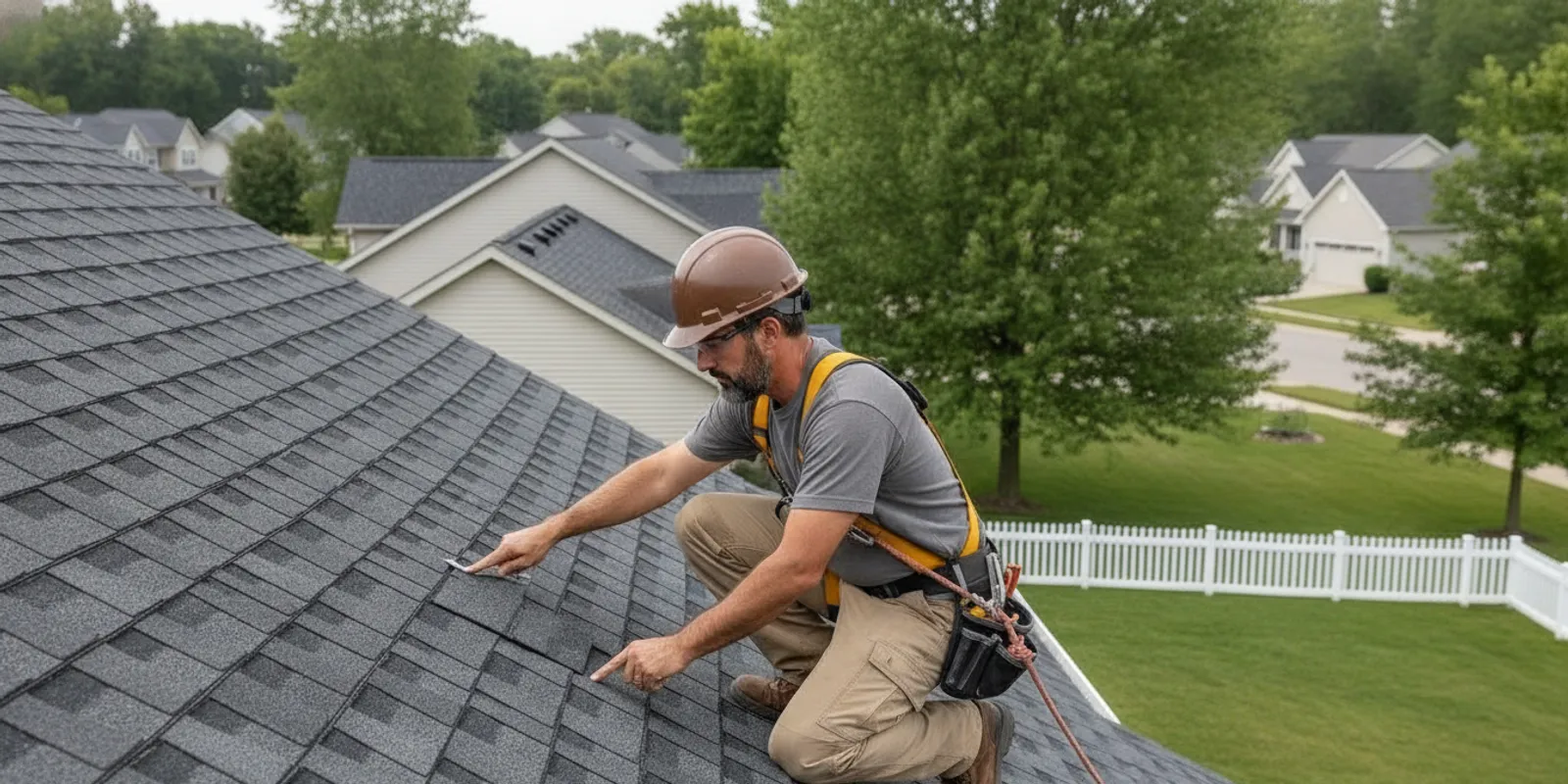
Referred Restoration serves homeowners with exterior restoration services, including roofing. Stillwater is not listed in the service-area details provided here, so confirm availability before making plans. The company’s website should not be read as a blanket promise of service in every nearby city. This guide helps you evaluate roofers on the merits and ask useful questions wherever you live.
What should “the #1 roofing company” mean to you?
“Number one” can mean different things to different homeowners. One person may value a fast response after a storm. Another may care most about a careful repair, an easy-to-understand replacement proposal, or a contractor who explains options without pressure. A headline alone cannot establish that one company is best for every home or project.
Use the phrase as a prompt to define your own priorities. A strong roofing company should be able to show how its recommendation follows from the roof’s actual condition. It should explain what work is included, what assumptions may change the scope, and what questions remain unanswered. You should not need to decide based on urgency or broad promises.
Start with the specific issue you want resolved. Is water entering around a chimney? Are shingles missing after wind? Is the roof near the end of its service life? Are you planning ahead rather than responding to damage? Different situations call for different inspections and scopes. A company that treats every concern as an automatic full replacement has not yet explained why.
Referred Restoration describes a consultative process of a free inspection, a custom solution, and professional installation. Its website also presents roofing and other exterior services. You can review the company’s website for its service information, then ask directly whether your location and project are within its current service area.
How can you tell whether you need a repair or a replacement?
A homeowner can notice warning signs, but a roof inspection is needed to understand their cause and extent. From the ground, look for missing, curled, or visibly damaged shingles, loose-looking flashing, and debris or granules collecting in gutters. Inside, note new stains, damp areas, or water appearing after rain. These clues are reasons to investigate; they do not by themselves prove that the entire roof needs replacement.
Ask the inspector to connect each observation to a recommended action. If the concern is localized, ask whether a repair could reasonably address it and what conditions might make that repair temporary. If replacement is advised, ask which areas or components show widespread wear, how the roof’s age and prior repairs affect the recommendation, and whether an alternative scope is possible.
Leak location can be misleading. Water may travel along roof decking or framing before it appears on a ceiling, so the stain inside is not necessarily directly below the roof opening. A useful inspection considers likely entry points and roof details instead of assuming that the visible indoor mark identifies the source.
Ask for photographs or a written description of the areas discussed. You do not have to climb onto the roof to understand the findings. A roofer should be able to explain what the images show in plain language and distinguish observed damage from a possibility that needs further assessment.
If you are comparing a repair and a replacement, read this guide to roof repair in Rogers for examples of the kind of service distinction to discuss. For a broader replacement decision, see the roof replacement service information. These pages are not a diagnosis of your home; use your inspection findings to decide which questions apply.
What should a careful roofing inspection cover?
An inspection should be tailored to the reason you called. For a suspected leak, the contractor should discuss the location and timing of water entry, inspect accessible roof areas and relevant details, and explain what may need to be opened or assessed further. For possible storm damage, ask the inspector to document visible conditions and distinguish recent damage from existing wear where possible.
For a planned replacement, ask what the proposed work includes beyond the visible roof covering. The proposal should make clear how the contractor intends to address underlayment, flashing, ventilation-related details, edges, penetrations, and disposal as applicable to your roof. The exact scope depends on the home; the important point is that you can see what is and is not included.
Useful inspection questions include:
- What did you observe, and where? Can you show me photographs or describe the location?
- Which findings are definite, and which are possibilities that need confirmation?
- Is the recommended work limited to a repair, or do you see conditions across a larger area?
- What could change the scope after work begins, and how would you communicate that?
- Are there signs of ventilation, drainage, flashing, or installation details that should be considered along with the shingles?
- What should I do now to limit further interior damage while I consider next steps?
A measured answer is a positive sign. A roofer should not promise to identify every concealed condition without opening the roof, or guarantee a particular outcome before seeing the relevant areas. The goal is a clear assessment of visible conditions, followed by a straightforward explanation of any uncertainty.
Homeowners with a possible storm event can also review Referred Restoration’s storm damage restoration information. If you suspect weather damage, preserve your own notes and photographs from safe locations, and avoid walking on the roof. A contractor can explain what it observes; decisions about an insurance claim remain between you and your insurer.
How should you compare roofing proposals?
Put proposals side by side and compare the actual scope, not just the first line or the suggested completion date. If one recommendation is repair and another is full replacement, first make sure both contractors inspected the same areas and understand the same problem. Ask each to identify the evidence behind its conclusion.
| What to compare | Questions to ask | Why it matters |
|---|---|---|
| Inspection findings | What damage or wear did you observe, and where? | Connects the proposed work to conditions at your home. |
| Work scope | What materials, roof areas, and related details are included? | Helps identify missing items or differences between proposals. |
| Unknowns and changes | What could be discovered later, and how will changes be approved? | Sets expectations if concealed conditions affect the work. |
| Project logistics | How will scheduling, site protection, cleanup, and communication work? | Clarifies what to expect while your home is being worked on. |
| Company and documentation | What written agreement, product information, and warranty details apply? | Gives you records to review before you authorize the project. |
Check that each written proposal states the work area, removal and installation steps, the materials identified, and how the contractor will handle related roof details. Confirm whether cleanup and disposal are included, how the work area will be protected, and how you will be notified if the crew finds something that changes the scope. If a detail is not written down, ask for clarification before you sign.
Ask for the applicable manufacturer product information and written warranty terms. Do not assume that every product or contractor carries the same coverage, or that a verbal assurance is equivalent to a written warranty. Read what conditions apply, who is responsible for which part of the work, and what maintenance or documentation may be required.
It is reasonable to ask who will coordinate the job, how to contact that person, and what the expected sequence of work is. A detailed schedule may depend on weather, material availability, and the contractor’s workload. A clear explanation of how schedule changes will be communicated is more useful than an unsupported promise of a fixed date.
When reviewing a contractor’s credentials or status, make sure the source answers the question you have. Minnesota’s Contractor Status Report is a government document listing contractor status information; it is not, by its title, a roof-condition assessment or a comparison of workmanship. Treat any official record as one piece of due diligence, and ask each roofer directly for project-relevant documentation.
For more background on comparing roofing professionals, read how to choose roofers in Minnesota. The same fundamentals apply in Stillwater: request a clear inspection, written scope, and answers you can compare, rather than relying on a company’s slogan alone.
What should Stillwater homeowners know about storms and Minnesota weather?
Weather can expose weak points in a roof, but a storm does not automatically mean a roof requires replacement. After a severe weather event, check for visible changes only from a safe place. Look for displaced shingles on the ground, damaged screens or gutters, fallen branches, or water entry indoors. Do not climb a wet, icy, or damaged roof to investigate.
If you find an active leak, take reasonable steps to protect belongings and limit interior water damage without putting yourself at risk. Record when you noticed the issue and photograph visible conditions from a safe location. Contact an appropriate professional to assess the roof, and contact your insurer if you need to understand your policy or claim process. A roofing contractor can document observations but should not guarantee what an insurer will decide.
Winter conditions bring additional practical concerns. Ice dams and snow can complicate access and make do-it-yourself inspection unsafe. If ice buildup or a leak is recurring, ask a roofer to consider the roof assembly and ventilation details as part of the assessment, rather than treating every symptom as a simple shingle problem. The Minnesota ice dam prevention guide has more information about prevention and roof-related considerations.
Material choice should also fit the home, roof design, and your priorities. Ask how a proposed roofing material is suited to the roof’s slope and details, what maintenance or care it may require, and how product options differ. Referred Restoration identifies Malarkey roofing among its material offerings, but the right product depends on the project; ask for specific product names and documentation rather than assuming a brand alone settles the decision. You can read a general comparison of metal roofing and shingles if those are options you are considering.
How can you prepare before choosing a contractor?
Gather the basic information that will help an inspector understand the issue. Note when you first saw a leak or visible change, whether the problem has occurred more than once, and whether it followed a particular storm. If you have past repair records, product paperwork, or photos from before the damage, keep them together. Do not delay addressing an active leak just to assemble a complete file.
Before the appointment, identify the areas you want examined and make a list of questions. If you have noticed a ceiling stain, point it out and explain when it appears. Let the inspector know about any attic access or areas that may need special care. Keep pets and children away from the work area, and do not ask anyone to climb onto the roof unless they have the right training and equipment.
During the inspection, take notes and ask the contractor to distinguish findings from recommendations. Afterward, read the proposal without rushing. Make sure the scope matches what was discussed and that you understand how to approve any additional work. If the recommendation is extensive or unclear, you can ask for a second assessment and compare explanations.
Referred Restoration says its process begins with a free inspection, followed by a custom solution and professional installation. The company offers roofing services from its Rogers market, and its website lists nearby community information such as Cottage Grove service details. Because this article cannot confirm current availability in Stillwater, ask the company whether it can inspect your property before relying on that process or a specific project timeline.
How can you assess a roofing company in Stillwater, MN?
Consider the full experience, from the first conversation through the written proposal. Was the contractor clear about what it could inspect? Did it explain why it recommended repair or replacement? Were the assumptions and unresolved questions stated plainly? Did the proposal match the conversation? These are concrete signs of a careful process, unlike a general claim that a company is the best.
Also consider whether the contractor’s work is relevant to your roof. Ask about comparable roof types and the materials proposed for your project. Request references or examples if they are available, and speak with references about communication, cleanup, and how questions were handled. You are evaluating fit and process, not simply collecting the longest list of claims.
Use the company website to understand its stated services, location, and contact path, but verify any important detail directly. Referred Restoration’s information describes exterior work including roofing, siding, gutters, and windows. If you want to discuss a roof inspection, you can contact Referred Restoration. Confirm that Stillwater is within its current service area and ask what an inspection would cover before setting expectations.
A good decision does not require you to accept the first recommendation or select the contractor with the most confident language. It requires enough information to understand your roof’s condition, compare the proposed work, and choose a scope you can explain. If you cannot tell what the work includes or why it is recommended, ask for a clearer answer before proceeding.
Once you choose a contractor, agree on practical details before the crew arrives. Ask where materials will be placed, which driveway or access areas should stay clear, and whether you should move patio furniture or vehicles. Clarify how the contractor will protect landscaping and outdoor equipment, where debris will be collected, and how the work area will be left at the end of the project. These details can differ by property, so a brief conversation is better than assuming the crew will know your preferences.
Ask how you will receive updates if weather or an unexpected roof condition affects the schedule. Make sure you know who can answer questions while work is underway and how approval will be handled if the written scope needs to change. Keep copies of the signed agreement, product details, payment records, and warranty documents with your home-maintenance files. After completion, review the work with the contractor and ask what care or follow-up is recommended for the installed system.
Ask about scheduling a roof inspection
Frequently Asked Questions
Does Referred Restoration serve Stillwater, MN?
Current service availability in Stillwater is not confirmed in the information used for this guide. Referred Restoration lists Rogers and other nearby communities, but you should contact the company directly to verify whether it can inspect or work on your property.
How do I know if a roof needs repair or replacement?
Visible signs such as missing shingles, leaks, or repeated water stains show that an inspection may be needed, but they do not determine the scope by themselves. Ask a roofer to document the condition, explain whether the concern is localized or widespread, and describe why repair or replacement is the appropriate option.
What should I compare in roofing proposals?
Compare the inspection findings, work areas, materials, related roof details, cleanup, schedule communication, and written warranty information. Ask each contractor to explain assumptions and how changes would be handled if concealed conditions are found.
Should I climb onto my roof to check for storm damage?
No. Roofs can be slippery, steep, or damaged, and climbing can create a serious fall risk. Check from the ground where safe, take photos of visible signs, and arrange a professional inspection for areas you cannot safely reach.
What should I do if I notice a roof leak?
Protect people and belongings, limit further interior damage if you can do so safely, and document what you observe. Contact a qualified professional to assess the roof; contact your insurer for questions about your policy or claim requirements.
Whether you need a focused repair or are planning a larger project, choose based on clear findings and a scope you understand. Verify service availability, compare written proposals, and take the time to ask questions before authorizing roof work.