A roofing project can affect your home’s protection through every Minnesota season, so the right contractor should offer more than a quick inspection and a broad promise. You want someone who can explain what your roof needs, document the work, and communicate clearly before anything is signed.
Contact Referred Restoration online
When comparing roofers, look for verifiable licensing and insurance, consistent reviews, experience with the materials and weather conditions your home faces, and clear answers about scope, safety, cleanup, and warranty. A free inspection can help you understand whether repair or replacement is appropriate, but the contractor’s process matters just as much as the recommendation.
Start by asking practical questions and checking the answers, not simply comparing the first proposal you receive. Licensing, workers’ compensation coverage, and jobsite safety are the foundation of a responsible hiring decision.
For homeowners in Rogers, Cottage Grove, and nearby Minnesota communities, choosing among roofers starts with documentation and a clear process, not a rushed decision.
What should you look for when hiring roofers in Minnesota?
The best roofers in Minnesota can show current credentials, explain their inspection findings, recommend materials suited to local weather, and provide a written scope. Compare how each contractor handles safety, communication, cleanup, warranties, and unexpected conditions, not just the initial recommendation.
Choosing among roofers is easier when you compare the way each contractor works, not just the promise of a finished roof. Minnesota homes face freezing winters, snow, hail, wind, and repeated freeze-thaw cycles. The right company should understand local conditions and explain how its recommendations address them.
| What to compare | Questions to ask |
|---|---|
| Credentials and coverage | Is the company licensed, insured, and able to provide a current workers’ compensation certificate? |
| Inspection and scope | What did the inspection find, and is the recommended work documented in writing? |
| Materials and weather fit | Which materials are proposed, and how do they fit the home’s Minnesota exposure? |
| Project management | Who performs the work, how will communication and cleanup be handled, and what warranty applies? |
Start with credentials, insurance, and local experience
Ask whether the contractor is licensed, and request current proof of insurance before signing anything. You should also ask to see a workers’ compensation certificate and clarify whether the crew members work directly for the company. The CDC advises homeowners to ask these questions because independent contractors may not be covered by workers’ compensation. You can review that guidance at the CDC’s roofing safety recommendations.
Local experience matters, but ask for specifics rather than accepting a broad claim. Can the roofer explain common issues found on Minnesota homes? Does the team handle both storm damage and aging roofs? A contractor serving the Rogers area should be comfortable discussing how snow, hail, and seasonal weather affect materials, ventilation, flashing, and drainage.
Look for clear communication and a written scope
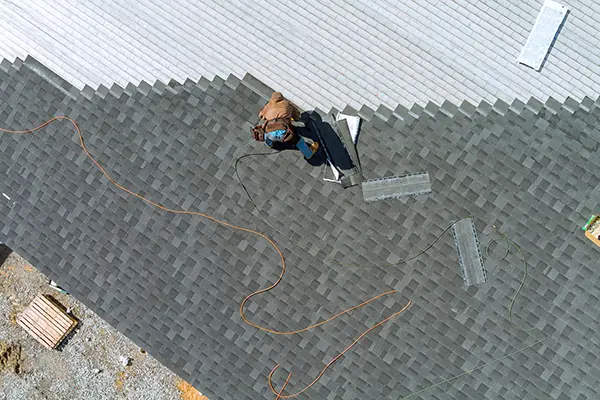
A professional inspection should lead to a written explanation of the work. The scope should identify whether the recommendation is a repair or replacement, the areas involved, the materials proposed, ventilation work, cleanup responsibilities, and the expected sequence. It should also explain what happens if concealed damage appears after work begins. If you need background before comparing proposals, review this guide to evaluating professional roofers for your installation.
Pay attention to how the contractor answers questions. Clear roofers explain unfamiliar terms, document findings, and communicate schedule changes promptly. Be cautious if someone pressures you to sign immediately, avoids written details, or makes guarantees they will not put in writing.
Confirm safety, cleanup, and warranty details
Ask what fall-protection equipment the crew will use, such as lifelines or guardrails. Safety planning should extend beyond the roof to protect people, landscaping, siding, windows, and outdoor equipment. Confirm who will remove old materials, collect nails, protect the property during installation, and complete the final cleanup.
Finally, read the warranty before work begins. Separate the manufacturer’s material warranty from the contractor’s workmanship warranty, and ask who handles a future concern and how to submit it. A complete answer across credentials, communication, scope, safety, cleanup, and warranty gives you a much stronger basis for choosing roofers than a polished sales pitch alone.
How can you verify a roofer’s license, insurance, and safety practices?
Before discussing materials or scheduling work, verify that the company can answer basic questions about credentials, coverage, and job-site safety. A confident, transparent response should include specific documentation and a clear explanation of who will perform the work. The CDC’s roofing safety guidance offers a practical starting point for these conversations.
-
Ask whether the contractor is licensed
Ask the roofer directly whether the company holds the licenses required for its work. Then ask which agency issues the license and how you can verify its current status. Keep a record of the company name and license information so you can compare candidates consistently. A vague answer, a quick change of subject, or pressure to sign before you receive basic details deserves caution. Licensing requirements can vary by location and project, so avoid assuming that a contractor’s statement alone proves compliance.
-
Request a workers’ compensation certificate
Ask whether the company carries workers’ compensation insurance, and request a copy of the current certificate rather than relying only on a verbal assurance. Check that the named business matches the company you are hiring and ask whether the coverage applies to the crew expected at your home. If the contractor says the certificate will be provided later, make receiving and reviewing it a condition of moving forward. This documentation helps clarify how workplace injuries are handled and can reduce uncertainty for the homeowner.
-
Clarify who will be on your roof
Ask whether the workers are direct employees of the roofing company or independent contractors. If subcontractors will be used, ask for the subcontractor’s business name, insurance information, and responsibility for the work. The crew structure matters because independent contractors may not be covered by the hiring company’s workers’ compensation policy. You should know who is performing the work, who supervises the crew, and who handles questions if the plan changes.
-
Ask about fall protection
Ask what fall-protection measures workers will use while they are on the roof. The answer may include equipment and systems such as lifelines, guardrails, or other controls suited to the roof and work being performed. A professional response should explain how the crew will protect workers around roof edges, openings, ladders, and changing weather conditions. Do not treat safety as a formality. It is part of evaluating whether a contractor has a controlled process for working on your home.
-
Confirm liability coverage and documentation
Ask what liability insurance the company carries and request documentation you can review. Ask who is responsible if property is damaged during the project, and make sure the answer is reflected in the written agreement. If a prospective roofer cannot confirm licensing, insurance, or safety practices, consider another professional. A serious incident on your property can create complicated liability questions, so unresolved answers are a meaningful warning sign, not a minor paperwork issue.
How do reviews and references help you compare roofers?
Reviews and references can show you what it is like to work with a roofing contractor after the initial conversation ends. Use them to evaluate patterns in communication, workmanship, scheduling, and follow-through. Do not treat one enthusiastic comment or one complaint as the complete story.
Look for repeated patterns, not isolated comments
Read several recent reviews across more than one platform, if available. Pay attention to themes that appear repeatedly. Do homeowners mention clear explanations, timely updates, respectful crews, careful cleanup, or help navigating storm damage? Do multiple reviewers describe missed calls, unclear scope, debris left behind, or difficulty resolving concerns? Repeated details are more useful than a star rating by itself.
Also consider whether the reviews describe projects similar to yours. A contractor may have strong feedback for small repairs, but you may be comparing roofers for a full replacement after hail or wind damage. Look for comments about comparable roof types, project size, weather conditions, and communication with the homeowner. Reviews cannot prove that a contractor is the right fit, but they can help you identify questions worth asking.
Ask references focused questions
If a roofer provides references, ask permission to contact them and keep your questions practical. You might ask:
- Did the contractor explain what the inspection found and what work was recommended?
- Was the written scope consistent with the work that was completed?
- How clearly did the crew communicate schedule changes or unexpected issues?
- How did the company respond when you raised a concern?
- Was the property left orderly after the work?
The response to a problem can be especially revealing. No project is completely predictable, and a reasonable reference may describe a correction or delay. What matters is whether the roofer acknowledged the issue, explained the next step, and followed through without making the homeowner chase for answers.
Use reviews as one part of your comparison
Online feedback should support, not replace, a broader review of each candidate. Compare what you learn from reviews with the contractor’s inspection process, written scope, insurance documentation, material recommendations, and answers to your questions. Be cautious when testimonials are vague, unusually repetitive, undated, or disconnected from verifiable project details. A transparent roofer should be comfortable discussing its process and responding directly to reasonable concerns.
For homeowners in Rogers and nearby Minnesota communities, communication matters alongside technical work. Snow, hail, wind, freezing temperatures, and freeze-thaw conditions can make exterior projects stressful. A roofer who explains the process clearly and keeps you informed gives you better information for making a careful decision.
What should roofers explain about materials and Minnesota weather?
A useful roofing conversation starts with what the inspection found, not with a product name. Ask the roofer to show you the visible evidence of damage or wear. Then ask whether the recommended work is a targeted repair, a larger section replacement, or a full replacement. The scope should match the condition of the roof, not a one-size-fits-all sales pitch.
Clarify the scope before discussing shingles
For a repair, the written explanation should identify the affected area, the suspected source of the problem, and how the repair will protect the surrounding roof assembly. For replacement work, ask what will be removed, what will be installed, and whether the proposal includes flashing, underlayment, edge details, and ventilation. Those components affect how the roof manages water and air, even though they may not be visible from the ground.
Material expertise matters because shingles are only one part of the system. Ask which products the roofer recommends for your home and why. Referred Restoration lists Malarkey roofing materials among its offerings. Homeowners should still expect a clear explanation of the proposed material’s intended use, installation requirements, and compatibility with the existing roof. You can also review this guide to evaluating professional roofers for your installation before comparing proposals.
Ask how the roof will handle Minnesota conditions
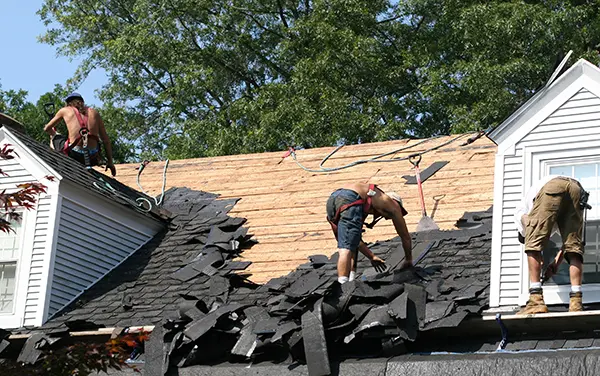
Minnesota roofs face more than ordinary rainfall. Freezing winters, snow, hail, wind, and repeated freeze-thaw cycles all place stress on shingles, flashing, seals, and drainage paths. A roofer should connect those conditions to the recommendation without exaggerating the risks. Ask how the design and installation plan address water shedding, snow exposure, ventilation, and areas where ice or changing temperatures may create recurring problems.
Ventilation deserves a specific explanation. Ask whether the current attic ventilation appears balanced, whether improvements are needed, and how the proposed work will preserve or correct airflow. A responsible roofer should distinguish an observed ventilation issue from a possibility that still needs investigation.
Confirm cleanup and warranty details
Before work begins, clarify how the crew will protect landscaping and property, collect roofing debris, handle exposed fasteners, and check the site after installation. Ask what warranty applies to the materials, what workmanship coverage is provided, and which conditions or maintenance responsibilities could affect that coverage. If hail or wind damage is involved, ask how inspection documentation will support the insurance process. Clear answers on scope, materials, weather exposure, cleanup, and warranty make it easier to compare roofers on quality and fit rather than on vague promises.
What questions should you ask roofers before signing?
A written conversation before work begins helps you compare roofers on more than a quick inspection or a polished presentation. Ask each contractor the same core questions, then keep the answers with the proposal so you can review them later.
- What exactly does the inspection show, and what work do you recommend? Ask the roofer to explain whether the plan involves a repair, partial replacement, or full replacement. The written scope should identify the affected areas, materials, ventilation work, flashing, and any related exterior repairs. If the project follows hail or wind damage, ask how the findings will be documented for your insurance company. Referred Restoration discusses the value of hiring an experienced roof contractor when several parts of a home’s exterior need attention.
- Who will perform the work? Ask whether the crew consists of the contractor’s direct employees or independent contractors, and who will supervise the job. Workers’ compensation questions matter because independent contractors may not be covered by the roofing company’s policy. The CDC also recommends asking to see a workers’ compensation certificate before signing, along with confirming that the contractor is licensed. See the CDC hiring guidance for these safety questions.
- What is the expected schedule, and what could change it? Ask when the work could start, how long the planned scope should take, and how weather, material availability, or concealed damage could affect the schedule. Get any schedule assumptions in writing. A responsible roofer should explain how the crew will protect exposed areas if rain, snow, or high winds interrupt the work.
- What permits, inspections, or property requirements apply? Ask who will determine whether permits or local requirements apply and who is responsible for arranging them. If your home is part of an association or another managed property, confirm whether approvals are needed before materials arrive.
- How will you coordinate with my insurance company? Ask what documentation the roofer will provide, what decisions remain yours, and how supplements or disputed damage will be handled. Insurance assistance should be transparent. You should understand the approved scope rather than signing an open-ended authorization.
- How will the crew handle safety and cleanup? Ask what fall protection will be used, how landscaping and exterior features will be protected, and how nails, scraps, and other debris will be removed. Also ask who completes the final inspection and how unresolved cleanup or property concerns will be reported.
- What warranty applies, and how are changes handled? Request the material and workmanship warranty terms in writing, including exclusions, registration requirements, and the process for making a claim. Finally, ask how concealed damage or any change to the original scope will be documented and approved. Do not rely on a verbal promise. Require a written change description and your approval before additional work begins.
How do you make the final roofer decision?
Once you’ve narrowed the field, compare the finalists using the same written checklist rather than relying on the most confident sales presentation. A strong candidate should provide verified credentials, clear inspection findings, a detailed scope of work, material information, a realistic communication plan, and written warranty terms. The goal is to understand exactly who will work on your home and how the project will be managed.
Start by confirming the basics. Ask whether the contractor is licensed, request current insurance documentation, and verify who will actually perform the work. The CDC also recommends asking to see a workers’ compensation certificate and asking whether workers are direct employees, since independent contractors may not be covered by workers’ compensation: review these contractor safety questions. Ask what fall-protection practices the crew will use, such as lifelines or guardrails. A contractor who avoids straightforward questions about licensing, insurance, or safety is giving you useful information: keep looking.
Next, compare the inspection quality. The roofer should explain what was observed, distinguish repairable damage from conditions that may require replacement. And connect the recommendation to Minnesota realities such as snow, hail, freezing temperatures, and freeze-thaw cycles. The written scope should identify materials, ventilation, flashing, cleanup, expected communication, and warranty coverage. If important details are described only verbally, ask for them in writing before signing.
Review how each finalist handles uncertainty and accountability. Red flags include pressure to sign immediately, vague answers about subcontractors, reluctance to document storm damage. Unclear change-order procedures, missing warranty details, or promises that sound broader than the written agreement. Be cautious when a contractor focuses only on materials or a fast start while skipping inspection findings and site safety.
This decision guide is about vetting and hiring, not installation technique. For project-specific preparation, you can continue with the guide to evaluating professional roofers for your installation. Homeowners in the Rogers area can also review Rogers roofing services to understand the local roofing support available.
Contact Referred Restoration online or call (763) 726-4245 to discuss your roofing concerns with a Minnesota restoration professional.
Frequently Asked Questions
What should I look for when hiring roofers?
Look for clear communication, relevant material experience, proof of insurance, a written scope of work, and a process for cleanup and warranty questions. Ask how the crew will protect your property and who will be responsible for the work from inspection through completion.
Are roofers licensed, bonded, and insured?
Requirements and coverage can vary, so verify each contractor’s current credentials rather than assuming. Ask whether the company is licensed, request an insurance certificate, and confirm whether the workers are direct employees or independent contractors. The CDC recommends these questions when hiring a roofing contractor, including asking about workers’ compensation coverage.
How do I compare roofing companies?
Compare the details behind each proposal, not just the headline recommendation. Review the inspection findings, materials, ventilation plan, schedule, cleanup responsibilities, warranty terms, and change-order process. Check whether reviews describe consistent communication and completed work, then ask for references if you still have questions.
How do I request a free estimate from roofers?
Start by scheduling an inspection and explain any leaks, storm damage, or other concerns you have noticed. Ask the roofer to document the condition of the roof and provide the recommended repair or replacement scope in writing. A free inspection is an important first step, but you should still review the proposed work carefully before signing.
Can roofers work with my insurance company?
Some roofing contractors can help document hail or wind damage and coordinate information for an insurance claim. That support does not replace your insurer’s coverage decision. Ask what documentation the roofer will provide, who communicates with the adjuster, and which work is included in the written scope.
Ready to talk with a Minnesota roofing professional?
A thoughtful conversation can help you clarify your inspection findings, understand the recommended scope, and identify the questions worth asking before work begins. Referred Restoration can discuss your roofing needs and help you consider an appropriate next step for your home.
Contact Referred Restoration online to discuss your roofing inspection or project. You can also call (763) 726-4245.