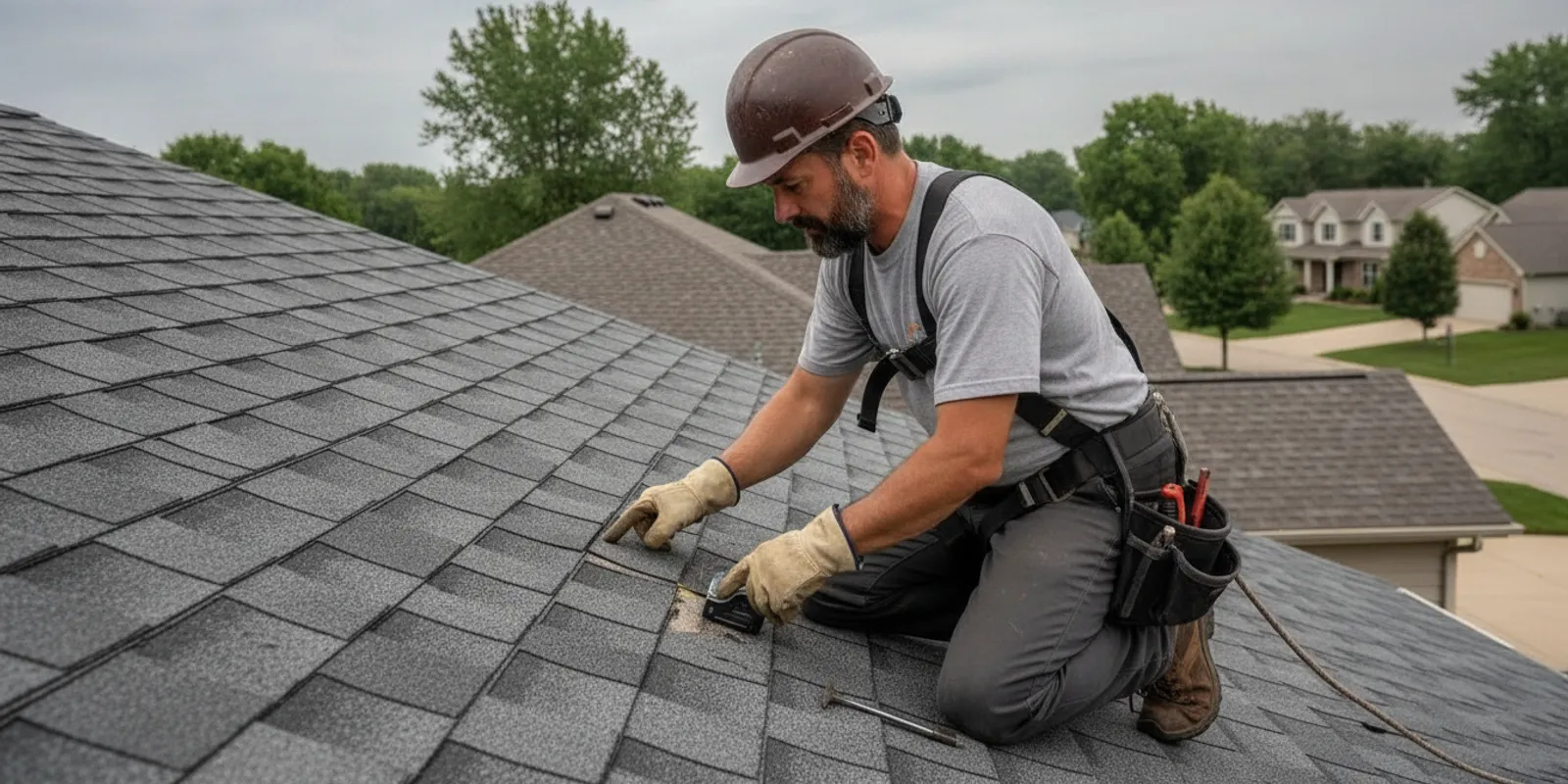
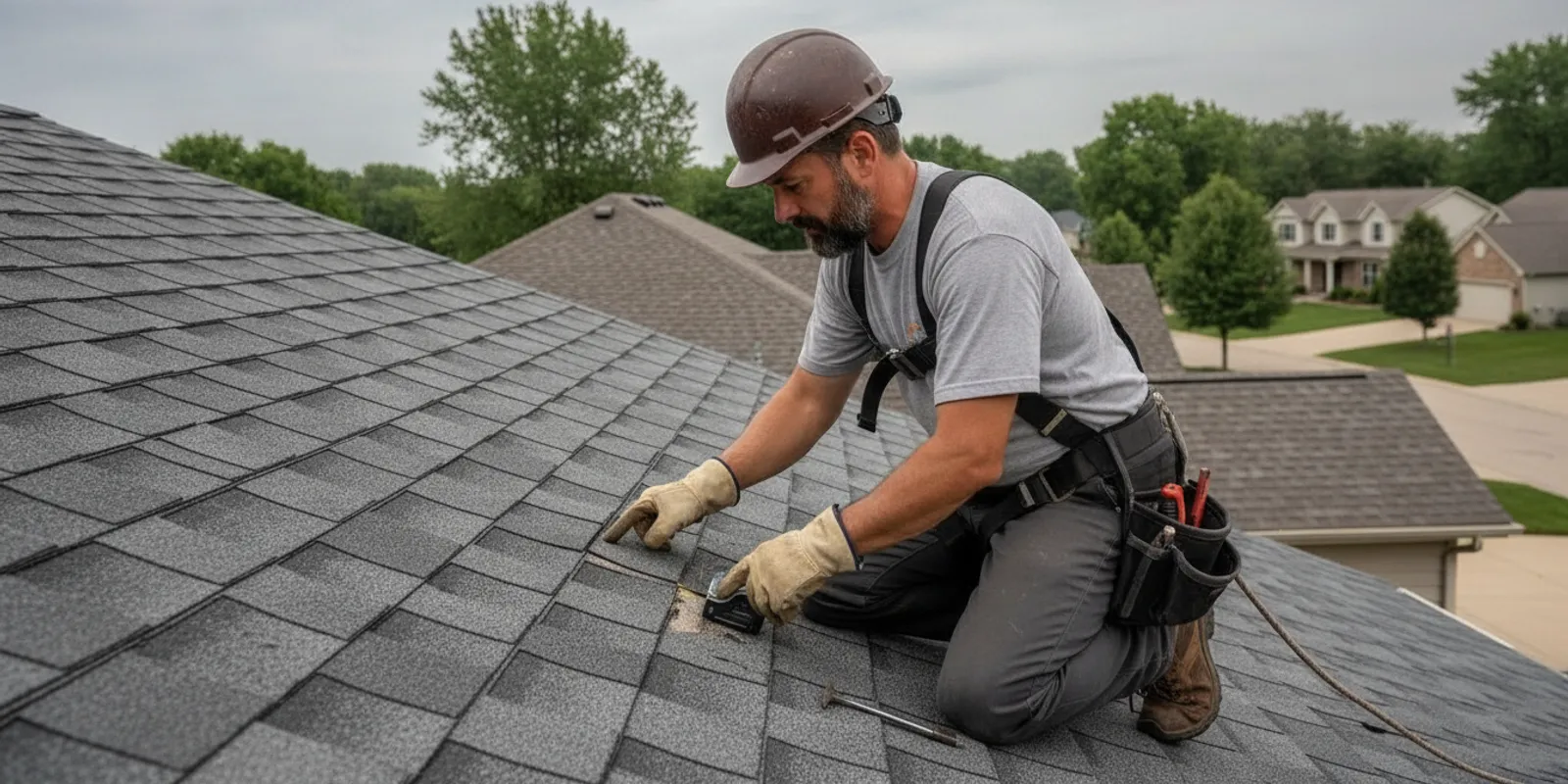
Choosing a roofing company in St. Paul MN is about more than finding a contractor with an appealing headline. You need a clear inspection, a recommendation that fits the roof’s condition, and a written scope you can compare with other proposals. This guide explains how to evaluate those details and decide what to ask before moving ahead.
Schedule a free roof inspection
What should you look for in a roofing company?
A strong marketing claim is not, by itself, proof that a contractor is the right match. Ask what the statement is based on. Look for specific information you can verify: how the inspection is conducted, what the written proposal includes, which materials are recommended, and who will answer questions during the work.
For a major home project, the right fit is usually the contractor whose explanation makes sense for your roof, not the one who makes the biggest promise. A careful company should be willing to describe what it found, point out areas of concern, and explain why a repair or replacement is being recommended. You should have time to review the proposal rather than feel pushed into a decision.
Referred Restoration is a residential exterior restoration contractor based in Rogers, Minnesota. Its service information describes work on roofing and other exterior systems, free inspections, custom solutions, and professional installation. Homeowners considering any contractor for work in St. Paul should confirm that the company serves their specific address and ask how it manages projects in that area. You can review the company’s roofing and exterior service information and ask about coverage before scheduling.
How can you tell whether you need a repair or a replacement?
A roof problem does not always mean the entire roof needs to come off. A small, localized issue may be repairable, while widespread deterioration or recurring trouble may point toward replacement. The decision depends on the roof’s overall condition, the location and extent of damage, and whether the underlying system can continue to perform reliably after a repair.
During an inspection, ask the contractor to distinguish between what is visible and what is suspected. A useful explanation identifies the specific area, describes the observed condition, and explains how it could affect the roof. If the inspection finds an immediate leak risk, ask what temporary measures are appropriate and what permanent work is proposed. For an overview of common repair concerns, see the company’s roof repair service page.
Consider these questions when reviewing the recommendation:
- Where is the problem? Ask the inspector to show the affected area in person or provide clear photographs.
- Is the damage isolated or widespread? A proposal should explain whether the concern is confined to one section or appears across the roof.
- What happens if you repair it? Ask what the repair is expected to address and whether other visible concerns remain.
- Why is replacement being recommended? Look for a reason tied to the roof’s observed condition, not just a general statement about age.
- What remains uncertain? Some conditions may not be visible until work begins. Ask how newly discovered issues would be discussed and approved.
A second opinion can be useful when recommendations differ substantially or the proposed work is extensive. Give each contractor the same information and ask them to explain their findings independently. Comparing the reasoning is often more helpful than comparing a single line in two proposals.
What should a careful roofing inspection cover?
An inspection should give you a better understanding of the roof and its immediate concerns, not merely produce a sales estimate. Ask what areas the contractor will examine and how findings will be recorded. The discussion may cover shingles or other roof-covering materials, visible flashing and transitions, roof edges, drainage details, and signs of water entry inside the home when accessible.
Do not climb onto a roof to verify a contractor’s observations. Ask for photographs or a clear explanation instead. You can also point out interior stains, a recent leak, loose materials you noticed from the ground, or any prior repair. These details help the inspector understand the problem you want assessed.
Referred Restoration describes a three-step approach: a free inspection, a custom solution, and professional installation. Ask the company how that process would apply to your property, what you will receive after the inspection, and how questions are handled before work begins. If the concern follows severe weather, its storm-damage restoration information provides a starting point for discussing next steps.
How should you compare roofing proposals?
Compare the work being proposed, not only the bottom-line figures. A proposal that leaves out important details can be difficult to evaluate, even if it looks simple. Ask each contractor to describe the project in a consistent, written format and identify assumptions or exclusions.
| Proposal item | What to look for | Question to ask |
|---|---|---|
| Inspection findings | Specific observations and, where useful, photos of the affected areas | Which findings led to this recommendation? |
| Work scope | Clear description of what will be removed, repaired, installed, or protected | What is included, and what is excluded? |
| Materials | Product type and relevant details for the proposed roof system | Why is this material appropriate for my home? |
| Project logistics | Expected sequence, site access, cleanup, and how weather delays are handled | Who will update me if the schedule changes? |
| Unforeseen conditions | A process for explaining discoveries and documenting approved changes | Will work pause for my approval if the scope needs to change? |
| Closeout | Cleanup, a final walkthrough, and information about product or workmanship coverage | What documentation will I receive when the job is complete? |
Use the same questions with each contractor. If a proposal uses broad terms such as “complete roof system” or “all necessary work,” ask for a more precise description. Clarify whether disposal, site protection, ventilation-related work, flashing details, and cleanup are included when applicable to your project. Do not assume two proposals cover the same tasks just because they use similar labels.
Ask how payment milestones work and whether financing is available if you need it. Referred Restoration lists financing through a Green Sky partnership, with availability depending on the service and lender qualifications. Confirm current terms directly with the company and the lender; do not assume that a particular option or approval is guaranteed.
Before you compare proposals, decide which project details matter most to your household. For example, you may need to coordinate the work with travel, keep a driveway clear, or plan around children or pets at home. Tell each contractor about those constraints and ask what preparation is expected from you. Their answers can help you compare not only the proposed work but also how well the project plan fits your home.
Ask how the crew will protect landscaping and nearby areas, where materials and equipment may be placed, and how debris will be collected. Confirm how the company will communicate on installation day and who to contact if you have a concern during the project. These practical details do not replace a clear work scope, but they can prevent avoidable surprises once work is underway.
It is also reasonable to ask how the contractor handles a change in scope. If a concealed condition is uncovered, request an explanation of what was found, why it matters, and what options are available. Ask whether you will receive a written change description and have a chance to approve it before additional work proceeds. A clear process helps you make an informed decision instead of trying to interpret an unexpected change while the crew is on site.
What should St. Paul homeowners know about storms and Minnesota weather?
Wind, hail, heavy rain, snow, and freeze-thaw conditions can all be relevant when assessing a Minnesota roof. After a storm, damage may not be obvious from the ground. Avoid walking on the roof or trying to move damaged materials yourself. From a safe location, note when the weather event occurred and look for visible changes such as displaced shingles, debris, or new water staining indoors.
If you suspect damage, take photographs from safe locations and keep notes about when leaks or other symptoms appeared. Protect belongings from active interior leaks if you can do so safely, and contact a qualified contractor to assess the exterior. A prompt inspection can help you understand what is urgent and what can be planned. It does not, by itself, determine whether an insurer will cover a claim.
If you plan to contact your insurer, document the condition and ask the insurer about its process. Keep copies of inspection findings, communications, and any repair proposals. A contractor may explain observed damage and discuss repair work, but coverage decisions and claim requirements are determined by the insurer and the applicable policy. Avoid signing paperwork you do not understand or treating an inspection as a guarantee of claim approval.
Weather can also affect scheduling and installation. Ask how a contractor protects the home if conditions interrupt work, what happens if rain or wind changes the planned date, and how the team will communicate. Referred Restoration describes emergency storm response and year-round work in its company information, but homeowners should confirm availability and the expected response for their address when they call.
How can you assess a roofing company in St. Paul MN?
Start by checking that the contractor is willing to discuss your specific property and location. Ask for the business’s written scope, the name of the party responsible for the work, and clear answers about scheduling and project communication. Request relevant insurance and licensing information, and verify requirements that apply to your project with the appropriate local authorities. Requirements can vary by job and jurisdiction, so do not rely on an assumption that one rule applies everywhere.
Then evaluate how the contractor communicates. Do they explain the findings in plain language? Do they answer questions without overstating what can be known before work starts? Can they describe how changes are documented? A transparent process matters because roofing work can involve decisions about materials, hidden conditions, weather delays, and access to the home.
Look at the proposed material as part of the whole roof system. Ask about product options, compatibility with existing roof details, and the manufacturer information that will be provided. Referred Restoration identifies Malarkey roofing among its materials. If that or another product is proposed, ask which specific product is under consideration and request its documentation so you can compare it with other options. The company’s guide to asphalt shingles for Minnesota weather can help you prepare questions about roof-covering choices. For a narrower example of product research, a U.S. Department of Energy document on high-performance cool roofing discusses fluorescent pigments for steep metal roofs in Climate Zones 4 and 5. It is not a recommendation for a particular home or a comparison of all roofing options.
Keep the comparison specific to your house. Ask whether the proposal names a particular product or leaves the selection open, and whether any accessories or related components are included in the proposed system. Request the manufacturer’s product information rather than relying on a color sample or a broad label alone. You can compare proposed options by asking how each product fits the roof design, what care or documentation the manufacturer describes, and whether the proposal explains the installation details. Your contractor should answer in terms that you can understand, and you can take time to review the information before signing.
For a broader checklist of questions to take into a contractor conversation, read the company’s guide to choosing roofers in Minnesota. Apply the same careful approach to local recommendations: ask for specific examples and written details rather than relying only on a slogan or a general assurance.
For a planned replacement, compare the explanation of the full project as well as the visible roof covering. The company’s roof replacement information can help frame questions about the work. If you are also considering other exterior repairs, ask whether those items should be handled at the same time or evaluated separately; a contractor should explain the reasoning rather than automatically expanding the scope.
What should you do before choosing a contractor?
A little preparation makes the first conversation more useful. Gather the details you already know, but do not try to diagnose roof damage yourself. A short list of observations and questions can help the inspector focus on your concerns.
- Write down the symptoms. Note when a leak appeared, which room is affected, and whether the issue changes during rain or snowmelt.
- Collect relevant records. If available, keep prior repair documents, product paperwork, or photographs of the roof before the current concern.
- Make access practical. Tell the contractor about gates, pets, or other site considerations, and ask what access is needed.
- Prepare your questions. Ask how the inspection works, what findings you will receive, and how repair and replacement options will be explained.
- Confirm the service area. Before setting an appointment, verify that the company takes projects at your address and ask about timing.
- Review the written proposal. Take time to compare scope, material details, exclusions, and communication expectations before authorizing work.
Referred Restoration offers a free inspection through its contact page. To ask about your address and the next available appointment, use the inspection scheduling page. An inspection gives you information to consider; you remain in control of whether and when to proceed.
Request a free roofing inspection
Frequently Asked Questions
Does Referred Restoration serve St. Paul?
The available company information identifies Rogers and surrounding communities as its service focus, but does not confirm service at every St. Paul address. Contact the company with your property address to confirm coverage and availability before arranging an inspection.
Should I replace my roof after a storm?
Not necessarily. The appropriate response depends on the condition and extent of damage. Arrange an inspection, ask for the findings in writing, and compare the rationale for repair or replacement before deciding.
Can a roofing contractor guarantee my insurance claim will be approved?
A contractor can document observed conditions and discuss proposed work, but should not promise an insurer’s coverage decision. Review your policy and communicate with your insurer about its claim process.
What should I compare besides the proposal amount?
Compare the work scope, materials, exclusions, schedule assumptions, site protection, cleanup, change-order process, and closeout documentation. Ask each contractor to clarify any item that is missing or unclear.
How do I schedule an inspection?
Use the company’s contact page to ask about an inspection and confirm whether your address is in its service area. You can also call (763) 726-4245; the phone number is provided as text, not a link.
Choosing carefully means asking for clear findings, a specific written scope, and straightforward answers about the project. Confirm that the contractor serves your address, compare the details, and move forward only when you understand what the work includes.