Choosing a roofing company in Spring Lake Park MN is about more than finding a crew that can put shingles on a house. You need to understand the condition of your roof, compare the work each proposal actually includes, and choose a contractor who communicates clearly before and during the job. The phrase “#1 roofing company” only means something when it reflects the standards that matter to you: careful inspection, a suitable repair or replacement plan, and dependable follow-through.
Request a free roof inspection
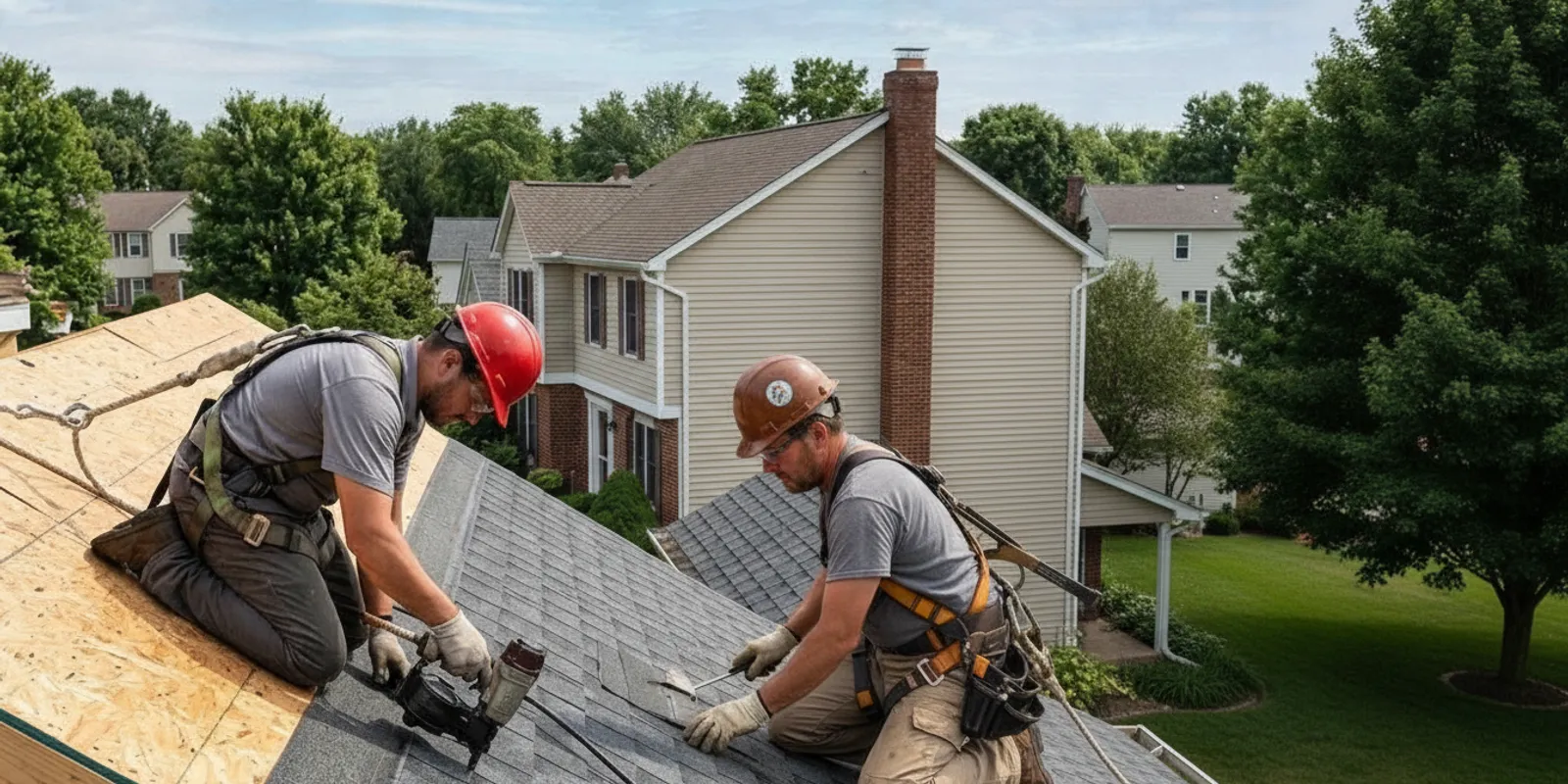
What should “the #1 roofing company” mean to you?
A ranking or slogan cannot tell you whether a contractor is right for your home. Instead, look for evidence you can assess directly. A roofing company should be willing to explain what it sees, distinguish urgent concerns from routine wear, and describe the work it recommends in language you can follow.
Use a few practical standards when you compare contractors:
- A roof-specific inspection: The inspector should examine the roof surface and relevant details, not rely only on a quick view from the driveway.
- Clear findings: You should receive an explanation of visible damage, wear, and areas that need closer attention.
- A reasoned scope: The proposal should connect the recommended work to the conditions observed, whether that means a repair or replacement.
- Defined responsibilities: Ask what the contractor will handle, what preparation is expected from you, and how questions or changes will be communicated.
- Fit for your home and local weather: Materials and installation details should suit the roof design and Minnesota conditions.
Referred Restoration describes its process as a free inspection, a custom solution, and professional installation. The company serves the Rogers area and surrounding communities, but homeowners should confirm whether their specific Spring Lake Park address is within the current service area before scheduling. You can begin with the company’s Rogers roofing service information and ask directly about coverage.
How can you tell whether you need a repair or replacement?
A single visible issue does not always mean the entire roof needs to be replaced. A missing or damaged shingle, a small flashing concern, or a limited leak may call for a focused repair. Widespread deterioration, recurring leaks in different locations, or damage across multiple roof areas may lead an inspector to discuss replacement. The right answer depends on the roof’s overall condition and the source and extent of the problem.
Start by writing down what you have noticed. Note when a leak appeared, where water shows indoors, whether it worsens during certain weather, and whether you have seen changes such as lifted shingles or loose materials from the ground. Do not climb onto a roof to investigate. A professional can inspect areas that are unsafe or difficult to reach.
During the inspection, ask the contractor to separate confirmed observations from possibilities that need further review. Request photos or a walk-through of the relevant areas when available. Then ask what a repair would address, what it would not address, and what signs would make replacement a better long-term option. This helps you compare recommendations rather than simply comparing the size of two proposed projects.
It can help to think through the recommendation in terms of scope and recurrence. If water appears in one room after a particular storm, ask the inspector to trace the likely entry point and explain whether the visible evidence supports a localized fix. If stains appear in several places or return after prior repairs, ask how the contractor will investigate whether those symptoms share a cause. A roof can have more than one vulnerable detail, so the location of an indoor stain may not identify the exact exterior opening. Ask what is known, what is still uncertain, and what further inspection would clarify.
If the issue appears limited, learn what a targeted roof repair in Rogers may involve. If the roof has broader wear, review the company’s information about roof replacement in Rogers. These pages describe local services; an inspection is still needed to determine what applies to an individual roof.
What should a careful roof inspection cover?
An inspection should help you understand the roof as a system, not just its most obvious surface issue. Depending on the roof and what can be safely accessed, a contractor may consider shingles or other covering, flashing around penetrations and transitions, roof edges, ventilation details, and signs of moisture or damage. The inspection should also take the roof’s age and prior repairs into account when that information is available.
Ask the inspector to explain findings in a useful order:
- What was observed? Ask for the location and nature of each concern, with photographs or a clear description where possible.
- What needs attention first? Separate active water entry or exposed areas from maintenance items that can be planned.
- What work is recommended? Ask which components are included and how the plan addresses the cause, not just a symptom.
- What remains uncertain? A clear contractor should say when an area is concealed or cannot be evaluated fully without additional work.
- What happens next? Confirm how you will receive the findings, what decisions are needed, and who will answer follow-up questions.
Do not treat a roof inspection as a promise that every hidden condition has been discovered. Roof layers and enclosed details may not be visible until work begins. Ask how the contractor will explain an unexpected condition, document it, and get your approval before proceeding with additional work.
You can make the appointment more useful by asking what the inspector needs from you. Point out the indoor stains or rooms where you have noticed a draft or water, and tell them if the concern followed wind, rain, snow, or a previous repair. If you have photos taken at different times, arrange them by date so a pattern is easier to discuss. Ask whether the assessment includes only visible roof areas or also considers related details such as flashing and drainage. The answers help set reasonable expectations about what the inspection can and cannot establish.
How should you compare roofing proposals?
Two proposals can look very different even when both address the same roof. Compare the scope line by line rather than choosing based on a short total or a general description. The table below gives you a starting checklist for a conversation with each contractor.
| What to compare | Questions to ask | What a clear answer should explain |
|---|---|---|
| Recommended work | Is this repair, replacement, or another defined scope? | How the work relates to the inspection findings and what areas are included. |
| Materials | What products and components are specified? | The type or product selected, where it will be used, and any relevant options. |
| Roof details | How are flashing, edges, penetrations, and ventilation addressed? | Which details are part of the scope and how the proposed work handles them. |
| Preparation | What should I move, protect, or keep accessible? | Homeowner preparations, site access, and any stated protection measures. |
| Schedule and communication | How will timing, weather delays, and updates be handled? | How the contractor will communicate changes and who is your contact. |
| Cleanup and closeout | What happens when installation or repair is complete? | How the work area is checked, how questions are resolved, and what records you receive. |
Read the proposal for exclusions and assumptions as carefully as the included tasks. Ask whether old materials will be removed, what happens if concealed damage is uncovered, and how additional work is approved. You should understand the payment schedule, applicable terms, and any product or workmanship coverage before agreeing. Do not assume that two contractors use the same definitions for a similar phrase.
To make a fair comparison, put each proposal beside the inspection notes and mark where the recommendations differ. One contractor may include a roof detail that another lists as excluded; one may describe a repair in broad terms without naming the affected area. Ask each company to clarify the same items in writing. If one proposal recommends a wider scope, ask what additional finding justifies it. If one leaves out an item you expected, ask whether it is unnecessary, handled separately, or simply not included. The goal is to understand what work you are authorizing and how it responds to the roof’s observed condition.
Look for practical details that are easy to overlook when reading a short summary. Does the written plan identify the work area? Does it explain what happens if the weather changes the planned date? Is there a named contact for questions during the job? How will the crew protect nearby landscaping or handle materials and debris? What should you expect to see at completion, and how can you raise a concern? Getting these points answered before work begins makes it easier to spot a meaningful difference between proposals and reduces reliance on assumptions.
For a neutral starting point when researching a contractor, third-party business directories can be useful, but check the exact location and type of roofing listed. For example, the Better Business Bureau page titled Mobile Home Roofs near Lake Park, MN concerns mobile-home roof listings near Lake Park, not a contractor list for Spring Lake Park houses. Treat a directory as one research step, not as proof that a company is the right fit for your particular project.
What should Spring Lake Park homeowners know about Minnesota weather?
Minnesota roofs have to handle changing conditions across the year. Snow, freeze-thaw cycles, wind, rain, and hail can all affect roof coverings and the areas where water is directed away from the home. A contractor should explain how the proposed materials and installation details fit the specific roof rather than promising that any one product will prevent every weather-related problem.
After a strong storm, inspect from the ground for visible signs such as displaced shingles, debris, damaged gutters, or water stains indoors. Do not walk on a potentially damaged roof. If you see water entering the home, protect belongings if it is safe to do so and contact a qualified contractor promptly to discuss next steps.
When storm damage may be involved, take photographs from safe locations and keep notes on when you noticed the problem. If you plan to contact your insurer, document what you can without making assumptions about coverage or the outcome of a claim. A contractor can describe observed roof conditions and proposed work; your insurer determines policy coverage. Referred Restoration provides information about storm damage restoration in Rogers, which may help you prepare questions about an inspection and repair process.
Documentation is most useful when it is organized and factual. Make a note of the date and approximate time you noticed a change, the weather around then, and the room or exterior area involved. Photograph indoor staining from a safe position and keep the original files. If you notice loose materials on the ground, record where they were found without trying to identify their source. This information can help a contractor focus an inspection and gives you a clear timeline for your own records. Avoid making repairs on a roof yourself; leave access and safety decisions to qualified professionals.
Roofing is not the only part of an exterior that manages rain and snowmelt. If water is overflowing at the roof edge, ask whether the roof, gutters, and drainage path need separate evaluation. You can also review the company’s pages on gutter installation in Rogers and seamless gutter installation. A gutter concern does not by itself prove that the roof needs replacement.
How can you prepare before choosing a contractor?
A little preparation makes inspection conversations more productive. Gather any records you have about the roof, such as installation or repair documents, product details, and notes about past leaks. You do not need a complete history to request an inspection, but accurate information can help a contractor understand what has already been addressed.
- Make a short list of concerns, including where and when you noticed them.
- Take photographs from the ground or indoors when safe, especially after a storm.
- Tell the inspector about previous repairs or recurring water marks.
- Ask each contractor to inspect the same areas and respond to the same questions.
- Request written scopes so you can review details without relying on memory.
- Confirm the company can work at your address and clarify how scheduling updates are provided.
As you evaluate local options, distinguish statements you can verify from broad promotional claims. Ask for the company’s business details, a written description of the work, and an explanation of who will perform and oversee the project. If the roof connects to siding, windows, or other exterior concerns, decide whether you want one contractor to assess multiple components or prefer separate specialists. Referred Restoration also lists siding services in Rogers and residential exterior services; confirm directly whether the relevant service is available in Spring Lake Park.
Before the first conversation, decide what you most need to learn. For example, you may want to know whether a leak is active, whether a particular area can be repaired, or how soon exposed materials should be protected. Rank your questions so the appointment covers the most important concern first. Keep notes as the contractor explains the findings, and ask for unfamiliar terms to be described in plain language. If you are collecting more than one proposal, use the same list each time; consistent questions make the written answers easier to compare.
Also consider practical access. Let the contractor know about pets, gates, parking limits, or times when someone needs to be home. Ask what areas around the house should be kept clear and whether you should move vehicles or outdoor items before work. These details do not determine whether a roof needs repair, but planning them early can prevent avoidable confusion on inspection or installation day.
How can you assess a roofing company for your address?
The best fit is the contractor whose recommendations make sense for the house and whose process you understand. An inspection should not feel like a test you have to pass. You should be able to ask questions, consider the written scope, and decide whether the proposed work matches the observed conditions.
Before you agree, confirm these points:
- The contractor has confirmed service availability for your exact address.
- You understand whether the recommendation is repair or replacement and why.
- The work scope names the relevant roof areas, materials, and important details.
- Exclusions, payment milestones, and the process for additional work are clear.
- You know how scheduling, weather delays, job-site questions, and completion will be handled.
- You have reviewed applicable product information and written coverage terms rather than relying on a verbal summary.
Think about how the company responds when you ask for clarification. A useful answer should explain the finding and its limits, not pressure you to make an immediate decision. If a statement in a proposal is unclear, request a written explanation before signing. If two recommendations differ, ask each contractor to show how the scope follows from the inspection rather than treating confidence or urgency as proof on its own. You can take time to review documents and contact the company again with follow-up questions.
Referred Restoration emphasizes free inspections, custom solutions, and professional installation, with transparent communication as part of its approach. Its headquarters and primary service focus are in Rogers, so a homeowner in Spring Lake Park should confirm coverage and scheduling rather than assume it. If you are comparing several contractors, use the same checklist with each one and keep the written responses together.
Ask Referred Restoration about an inspection
Frequently Asked Questions
Does Referred Restoration serve Spring Lake Park, MN?
The company’s primary focus is the Rogers area and nearby communities. Contact Referred Restoration with your exact address to confirm whether it currently serves your home in Spring Lake Park.
How do I know whether my roof needs repair or replacement?
A roof inspection can identify visible issues and explain their extent. A limited problem may be repairable, while widespread wear or damage may lead to a replacement recommendation. Ask the contractor to connect the proposed work to specific findings.
What should I have ready for a roof inspection?
Write down leaks or other concerns, note when they occur, and gather any records of prior work if available. Take photos from safe locations, but do not climb onto the roof to investigate.
Should I get more than one roofing proposal?
Comparing written proposals can help you understand differences in scope, materials, exclusions, and communication. Ask each contractor the same questions so you can compare the answers on equal terms.
Can a contractor tell me whether storm damage is covered by insurance?
A contractor can document observed conditions and explain proposed repairs, but the insurance company determines coverage under your policy. Keep your own records and ask your insurer about claim requirements and next steps.
For a Spring Lake Park roof project, make the decision from a clear inspection, a written scope, and direct answers about service coverage—not from a ranking claim alone.