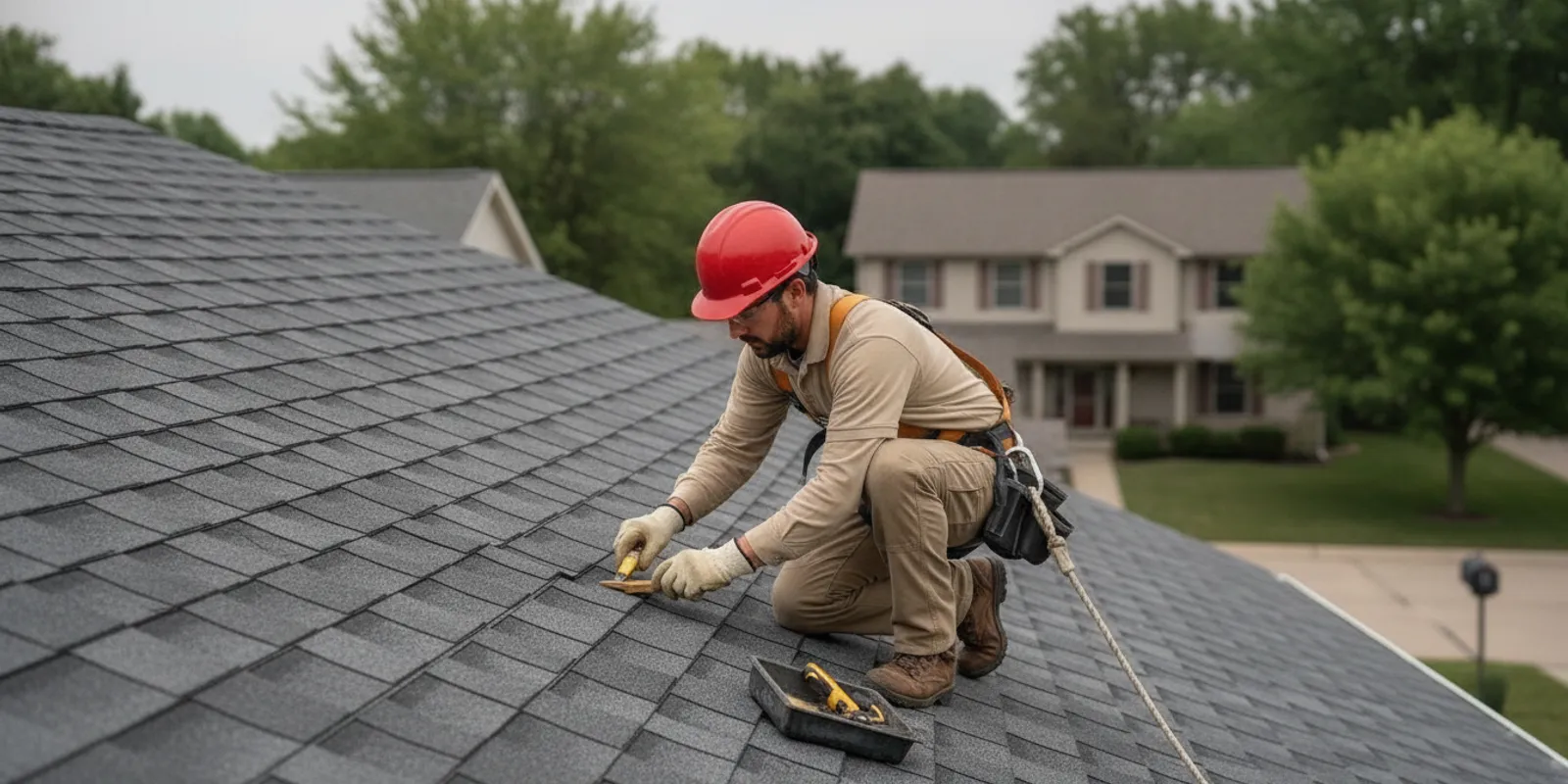
Choosing a roofing company in Rosemount MN takes more than comparing a few online claims. You need to know what the inspection covers, how the proposed work addresses your roof, and whether the contractor can explain the next steps clearly. This guide gives Rosemount homeowners a practical way to evaluate a roofing company, prepare for a conversation, and decide whether repair or replacement deserves a closer look.
Contact Referred Restoration online
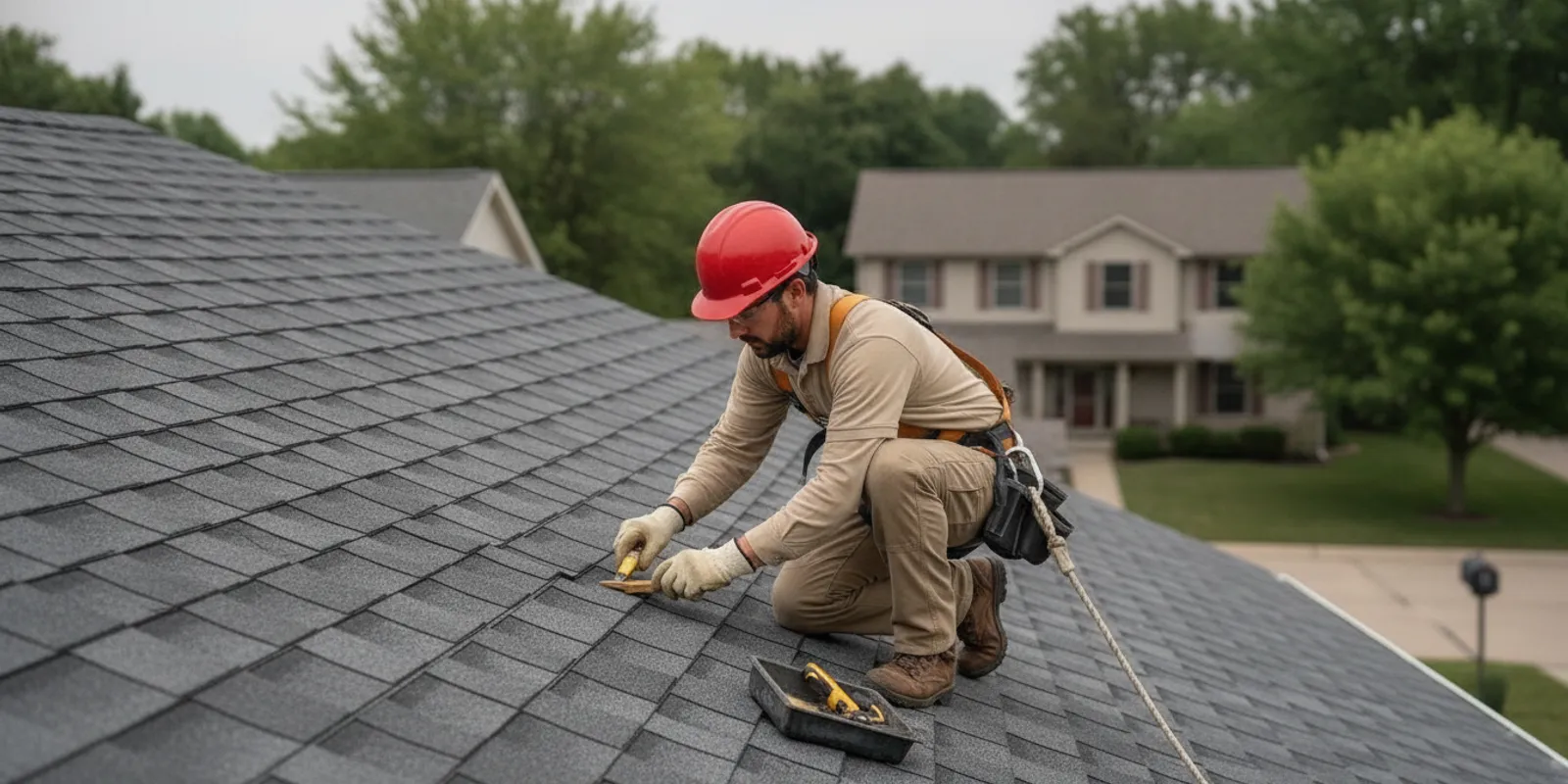
What should a roofing company in Rosemount MN explain before you hire?
A useful first conversation should leave you with a clearer picture of the roof, not pressure to make a quick decision. The contractor should ask about the age and history of the roof, any recent leaks, storm events, and what you have noticed inside or outside the home. These details help guide an inspection, but they do not replace one.
Ask what the visit will include and how the findings will be shared. A careful review should connect visible conditions to a recommendation. If the contractor identifies a concern, ask where it appears, what evidence supports the conclusion, and whether it calls for a repair, further evaluation, or a larger project. You should be able to distinguish what was observed from what is only a possibility.
Referred Restoration describes a service process that starts with a free inspection, moves to a custom solution, and then professional installation when work is appropriate. Homeowners can review the company’s roofing service information and ask whether the requested address falls within its current service area. Rosemount homeowners should confirm this directly rather than assume coverage based on a nearby city or a website page.
How can you tell whether the roof needs repair or replacement?
A stain on a ceiling, a missing shingle, or a leak after a storm is a reason to investigate. None of those signs by itself proves that the entire roof needs replacement. A professional should assess the condition and location of the issue, the surrounding materials, and whether there are related concerns such as damaged flashing or water entry near a roof opening.
Repair may be worth discussing when the problem is limited, the surrounding roof is in serviceable condition, and the source can be identified. Replacement may merit consideration when damage is widespread or repeated, several areas show deterioration, or a repair would leave important underlying issues unresolved. The recommendation should explain what supports that conclusion. Ask the contractor to identify uncertainty as well as visible damage.
For a focused concern, Referred Restoration has information about roof repair services. If an inspection points toward a full project, you can compare the work described with the company’s roof replacement information. These pages provide service context; the right scope for a particular Rosemount home still depends on an on-site assessment.
Do not climb onto a roof to verify a contractor’s findings. From the ground, you can note visible changes, take pictures from a safe location, and write down when a leak occurs. Leave close inspection of steep, icy, or damaged roof areas to trained professionals with suitable safety equipment.
What should a careful roof inspection cover?
The exact inspection depends on the roof design and the concern, but the discussion should be specific enough that you understand what was checked. Ask the inspector to explain any accessible roof surfaces, roof edges, valleys, penetrations, flashing, and visible drainage points that relate to the reported problem. The contractor may also need to look at attic or interior signs when accessible and relevant.
A good inspection conversation answers three basic questions:
- What did you observe? Ask for locations and descriptions, not only a broad label such as “storm damage” or “wear.”
- Why does it matter? Ask how the condition could affect water shedding, nearby materials, or the roof assembly.
- What do you recommend next? Clarify whether the next step is monitoring, a targeted repair, additional investigation, or replacement planning.
Ask whether photographs or written notes can be included with the recommendation. Visual records help you compare what different contractors saw and make it easier to revisit the discussion later. If two assessments disagree, ask each company to explain the difference in observed conditions or proposed scope. You can seek another opinion without treating either contractor’s conclusion as automatically correct.
If water has entered the home, tell the contractor where and when it appeared, whether the area changed after rain or snow, and whether you have taken temporary steps. A roof inspection may help identify a source, but active water inside can also involve other building components. Ask what needs prompt attention and what can wait for a planned project.
How should you compare roofing proposals?
Compare the work itself before comparing presentation or sales language. A written proposal should make clear which areas are included, what work is planned, what material or system is proposed, and how the contractor will address the condition found during inspection. It should also identify important exclusions, assumptions, and decisions that still need your approval.
When details are missing, ask for clarification in writing before you sign. For example, if one proposal describes replacement while another describes a repair, ask each contractor to explain the evidence and scope behind that recommendation. A proposal is easier to evaluate when you can match the work to inspection findings rather than infer the plan from a short summary.
| Option | What it generally addresses | Questions to ask | When to consider it |
|---|---|---|---|
| Targeted repair | A defined leak, damaged area, or specific roof component | Where is the source? What surrounding materials were checked? What is outside the repair scope? | When inspection findings indicate a limited issue and the adjacent roof condition supports repair |
| Further evaluation | An unclear condition or a concern that needs additional investigation | What is uncertain? What information or access is needed? Who will provide it? | When available evidence is not enough to choose a repair or replacement plan responsibly |
| Roof replacement | A broader project involving removal or renewal of the roof covering and related planned work | Which areas and materials are included? How are flashing and ventilation addressed? What is excluded? | When the inspection supports a larger scope and the proposal explains why a repair is not the preferred plan |
Use this table as a conversation aid, not as a diagnosis. Roofing assemblies and damage vary, and the scope should follow the actual findings on your home. You can ask contractors to separate confirmed work from optional recommendations so you know which decisions are essential to the proposed plan.
Which materials and installation details should you discuss?
Material selection should account for the existing roof, the home’s design, local conditions, and the details of installation. Rather than choosing based on a product name alone, ask the contractor to explain how the proposed roof system fits the structure and what components are included. Clarify whether the proposal covers underlayment, flashing, ventilation details, roof edges, and cleanup or disposal relevant to the project.
The U.S. Department of Agriculture’s Forest Service offers an overview of roofing materials for building facilities. It is a general reference, not a recommendation for a particular Rosemount residence. Use it as background when you discuss material options, then ask the contractor to explain how the selected materials and installation details suit your roof.
In Minnesota, homeowners also need to think about seasonal weather exposure. Ask how the proposed work will be planned around conditions at the time of installation and what temporary protections will be used if the roof is opened. A contractor should be able to describe the sequence and explain how weather could affect scheduling, without promising that weather disruptions will never happen.
Check that the proposal identifies the product or system clearly enough for you to understand what is being installed. If one document uses broad terms and another provides more detail, ask the first contractor to specify its selections. Keep the written response with the proposal so the final scope is not left to memory.
What should a written proposal include?
Before you approve work, review the document for a clear scope and a clear process. The proposal should help you understand what the contractor plans to do, what materials are part of the work, and how changes or unexpected conditions will be handled. Read every section, including exclusions and any terms about payment or scheduling, and ask questions about language you do not understand.
- Work area: Which roof sections, edges, openings, or related components are included?
- Scope: Is the work a repair, a replacement, or a combination? What specific tasks are planned?
- Materials: Are product and system selections identified, including relevant components?
- Site protection: How will the crew protect landscaping, access paths, and areas near the work?
- Project communication: Who will answer questions, and how will schedule updates or changes be shared?
- Unforeseen conditions: What happens if the crew finds a condition that was not visible during the inspection?
- Completion: What cleanup and final review are included, and how will you raise a concern?
Ask how revisions are documented and approved. If a change becomes necessary, you should understand what changed, why it changed, and what action is being requested before the work proceeds. Keep copies of the proposal, inspection notes, messages, and any approved updates together. These records make it easier to track the agreement from the first visit through completion.
Referred Restoration describes transparent service and custom solutions as part of its approach. Homeowners can use a free inspection request to start a conversation and ask what information to prepare. An inspection request is a starting point, not a substitute for reading and understanding the written scope before authorizing work.
How should you handle storm damage and insurance questions?
After hail or strong wind, look for changes from the ground and note the date of the weather event if known. Signs such as displaced shingles, debris, or water entry can justify an inspection, but a visible mark alone does not establish the extent of damage or determine what an insurer will cover. Avoid walking on the roof or removing materials to investigate.
Keep a simple record: take photographs from safe locations, write down when a leak appeared, and save relevant correspondence. If you plan to contact your insurer, ask the insurer about its reporting process and documentation requirements. A contractor can describe observed roof conditions and proposed work; the insurer makes decisions under the policy. Do not treat a contractor’s inspection as a promise about a claim outcome.
Referred Restoration’s company information describes assistance with storm damage claims. Ask what assistance means for your situation, what information the contractor can provide, and what decisions remain between you and your insurer. For a local service overview, see the information on storm damage restoration. Confirm directly whether the company can inspect your Rosemount address.
If temporary protection is needed to limit further water entry, ask what can be done safely and what the temporary measure does not address. Temporary protection is not the same as a permanent repair. Get the next steps in writing, including whether another inspection or a separate scope will be needed.
How can you check communication, safety, and project readiness?
A contractor’s communication before a project offers clues about how questions may be handled during the work. Notice whether the representative listens, gives direct answers, and follows up with the information promised. You should feel able to ask for clarification and take time to review a proposal. A rushed decision is not a substitute for understanding the work.
Ask about the crew’s arrival plan, access needs, expected work sequence, and who will be your point of contact. Discuss pets, vehicles, outdoor furniture, and areas that may need to remain clear. Ask what you should do if weather changes the schedule and how you will learn about a delay. These practical details help both sides prepare, even though exact timing can depend on project conditions.
Safety questions are appropriate. Ask how the contractor manages roof access, protects people around the work area, and handles debris. You do not need to direct the crew’s methods; you do need to understand what will happen around your home and how concerns can be raised. If the crew finds a new issue, ask that it be documented and explained before you approve added work.
Confirm service-area fit early. A contractor may have pages for nearby communities, but a city landing page alone does not guarantee that a specific address is served. Referred Restoration has local information for Otsego, Big Lake, and Cottage Grove. These are examples of area-specific pages, not confirmation of service in Rosemount. Contact the company with your address and project details to check availability.
What should you check before the roofing project is complete?
Before the crew leaves, ask what final review is planned and what you can safely examine from the ground. The contractor should explain how the completed work relates to the agreed scope and how remaining questions will be handled. Do not climb a ladder or walk on a roof to perform your own close inspection.
Review any completion documents and make sure you understand what work was done, whether any approved changes were made, and what follow-up is expected. Ask the contractor to point out any items that were not completed or any condition that requires a separate decision. If you see debris or a concern around the home, report it promptly and ask how it will be addressed.
Keep the final proposal, approved changes, product information, inspection photos, and communications in one place. If the roof is later inspected or repaired, these records can help explain what was done. The same records are useful if a question arises about the agreed scope or the condition noted during the project.
Homeowners planning related exterior work may also find it useful to review Referred Restoration’s information on gutter installation. Roof edges and drainage can affect how water moves away from a home, but any gutter recommendation should be evaluated as its own scope and based on conditions at the property.
Request a free inspection and discuss your roof
Frequently Asked Questions
Does Referred Restoration serve Rosemount, MN?
Confirm service availability directly with the company using your property address. The company information describes a primary Rogers-area market and service locations along a nearby corridor, but a web page for another community does not establish service at a Rosemount address.
Should I repair a leak or replace the roof?
That depends on the inspection findings, the location and extent of the issue, and the condition of the surrounding roof. Ask the contractor to show what supports its recommendation and to explain whether a targeted repair is a reasonable option.
What should I have ready for a roof inspection?
Share your address, the roof’s known history, any leak locations, and when you first noticed a change. Photographs taken safely from the ground can help. You do not need to get onto the roof to prepare for the visit.
Can a roofing contractor decide what my insurance will cover?
No. A contractor can document observed conditions and explain proposed work, but the insurer determines coverage under your policy. Ask your insurer about its process and keep your own records of the event and communications.
How many roofing proposals should I compare?
There is no single number that fits every project. If you compare proposals, make sure each contractor is evaluating the same concern and that you understand differences in scope, materials, exclusions, and communication plans. A clear explanation matters more than collecting documents that are difficult to compare.
A careful choice starts with a clear inspection, an understandable written scope, and time to ask questions. Rosemount homeowners can use these steps to assess a roofing company and confirm whether Referred Restoration is the right fit for their address and roofing needs.