Choosing a roofing company in Rogers MN is about more than a confident sales pitch. You need clear inspection findings, a repair or replacement plan that fits the roof, and answers you can verify before work begins. This guide explains how to assess those details and decide what to do next.
Schedule a free roof inspection
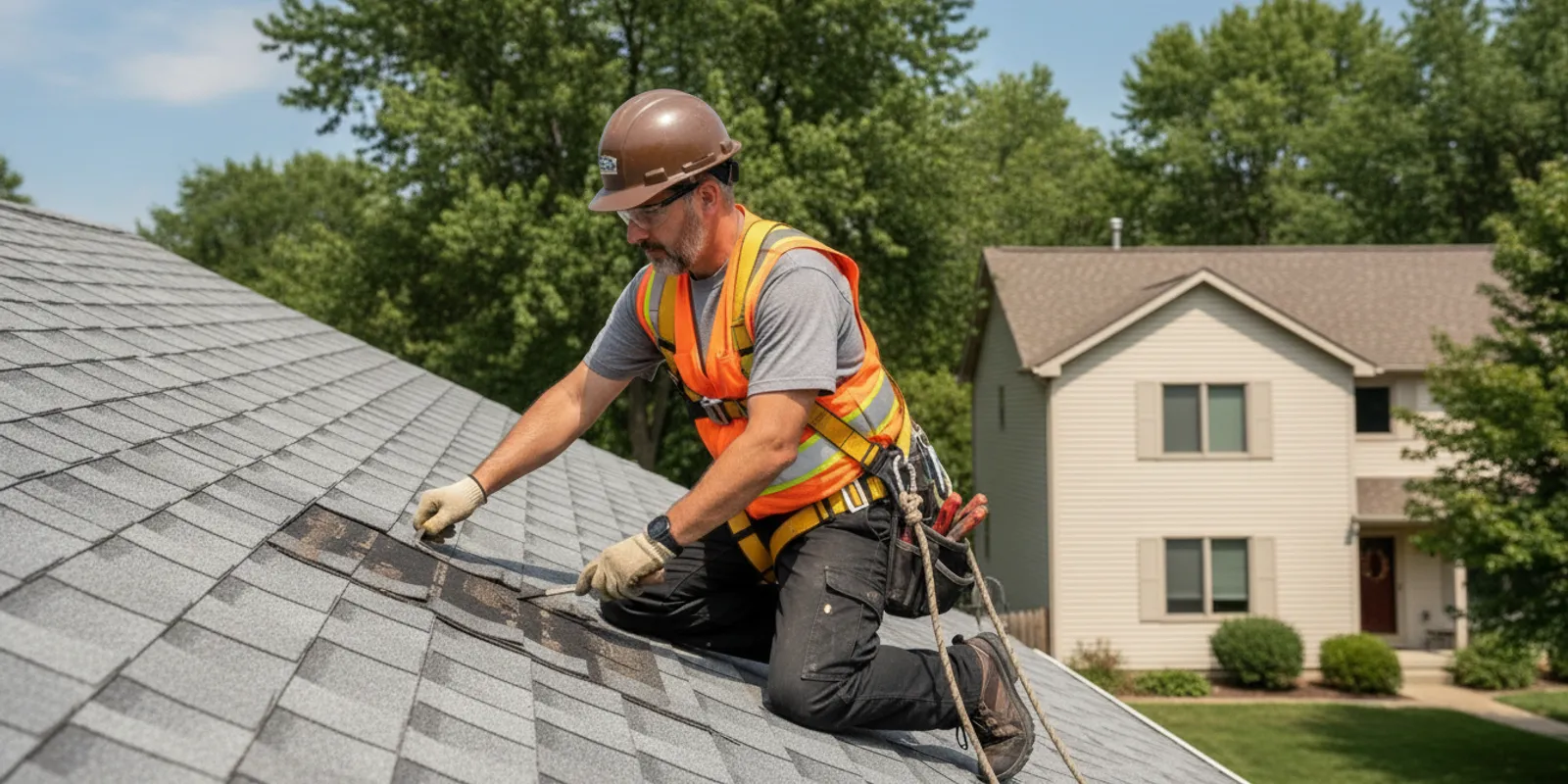
What should a dependable roofing company explain?
A dependable contractor should make the condition of your roof easier to understand. The inspection should connect visible evidence to a practical recommendation. If the recommendation is repair, ask which specific areas need attention and what the work is intended to address. If replacement is proposed, ask why a limited repair would not be a suitable option.
Look for explanations you can follow without needing to take the contractor’s word on every detail. A useful discussion includes the roof areas inspected, the observed damage or wear, any limitations on what could be seen, and the next steps. You should have time to ask questions and review a written proposal before deciding.
Referred Restoration describes its process as a free inspection, a custom solution, and professional installation. You can learn more about its local roofing services in Rogers and use the inspection to ask about the conditions at your own home.
Be wary of pressure to sign before you understand the recommendation. A contractor should be able to distinguish an urgent condition from work that can be planned. If the explanation is unclear, ask for photographs, a written summary, or time to get another professional opinion.
How can you tell whether your roof needs repair or replacement?
A leak or a few visibly damaged shingles do not automatically mean the entire roof needs to be replaced. The right approach depends on the extent and location of the damage, the condition of the surrounding materials, and whether the underlying roof assembly has been affected. A careful inspection should establish which of those conditions apply.
Repair may be appropriate when the problem is limited and the surrounding roof remains serviceable. Examples can include a localized leak, a small area of wind damage, or a detail that needs attention around a penetration. The proposal should identify the affected area and explain how the repair addresses the source rather than only the visible symptom.
Replacement may be worth considering when wear or damage is widespread, when multiple areas are failing, or when repeated repairs would not resolve the underlying issues. Ask the contractor to explain what evidence supports replacement and whether the roof deck or ventilation needs further evaluation. Do not assume that an older roof must be replaced without an inspection, or that a roof with one leak is otherwise sound.
Ask the inspector to distinguish the visible roof covering from the system details beneath and around it. Shingles or panels are only part of the assembly; flashing, underlayment, edges, and ventilation can affect how the roof performs. The proposal should say which related components are included and which were not inspected or are outside the planned work. If the contractor cannot confirm a concealed condition without removing material, ask how that discovery will be documented and discussed before the scope changes.
Age can be useful background, but it is not a complete diagnosis on its own. Tell the contractor what you know about the installation date, past repairs, and any recurring trouble spots. Then ask how that history relates to the current observations. This keeps the decision grounded in the roof’s present condition rather than a single number or a generalized rule.
For a focused issue, compare the recommendation with the scope of a dedicated roof repair in Rogers. If the inspection points to a full project, review the company’s roof replacement information and ask which findings make that route appropriate for your home.
| What the inspection finds | Possible next step | What to ask the contractor |
|---|---|---|
| Limited damage in one area, with surrounding materials in usable condition | Discuss a targeted repair | Which component is damaged, and how will the repair address the source? |
| Damage in several locations or recurring issues | Compare repair scope with broader work | What evidence shows whether repairs can resolve the problems? |
| Widespread wear or deterioration across the roof | Discuss replacement options | Which roof layers and details are included in the proposed work? |
| Possible damage beneath the visible surface | Request further evaluation and a documented plan | How will concealed conditions be assessed and communicated? |
| Storm-related damage with an uncertain extent | Document the condition and review next steps | What was observed, what remains uncertain, and what should happen next? |
This table is a discussion aid, not a substitute for an on-site assessment. Roof condition can vary even between neighboring homes. A written explanation tailored to your roof is more useful than a general rule based only on age or appearance.
What should a careful roof inspection cover?
Ask what portions of the roofing system were examined and whether the inspection was limited by weather, access, or safety conditions. A professional may assess visible shingles or panels, roof edges, valleys, flashing, penetrations, and drainage details. The exact scope depends on the roof and what can be safely reached.
Request photos or notes that show important findings. Images can help you understand whether the concern is a missing shingle, damaged flashing, or a larger pattern. Ask the inspector to point out what is evidence of active damage and what is a maintenance concern. If part of the roof could not be checked, the report should say so instead of implying that every area was confirmed.
Some problems first show up indoors. Water marks on a ceiling, damp insulation, or a draft do not by themselves prove the roof is the source. Tell the inspector where and when you noticed the issue. Ask whether the observations fit a roof leak, a ventilation concern, or another possible source that may need separate attention.
Patterns can help the inspection. Note whether a stain grows after wind-driven rain, appears during thawing weather, or stays unchanged through several storms. Mention any attic odors or visible moisture if you have noticed them from a safe, accessible area. Do not move insulation, disturb wiring, or enter an unsafe attic to investigate. These details are clues to share, not a diagnosis; the contractor should explain what they can confirm and what may require another specialist.
It can also help to separate immediate protection from permanent work. A temporary measure may reduce water entry while a complete assessment is arranged, but ask what it does and does not resolve. Get the plan for follow-up in writing, especially if a temporary repair is being used. That way you can tell whether a lasting repair or broader work is still needed.
If water is entering, take reasonable steps to protect belongings and keep people away from unsafe areas. Avoid climbing onto a wet, icy, or damaged roof. For suspected storm damage, the company’s page on storm damage restoration in Rogers is a starting point for discussing an inspection and response.
How should you compare roofing proposals?
Compare the scope and clarity of the proposals, not just the final figure on a page. A useful proposal should describe the work in enough detail that you can see what is included, what is excluded, and what choices remain open. Ask each contractor to explain differences in materials, removal and disposal, flashing, ventilation, cleanup, and handling of unexpected conditions.
- Materials: Ask for the product type and any relevant options. Find out whether the proposed components are intended to work together.
- Work area: Confirm which roof sections are included and whether related details, such as flashing or ventilation, are part of the scope.
- Preparation and cleanup: Ask how the work area will be protected and how debris will be handled.
- Timeline: Ask what could affect the start date, daily work schedule, or completion.
- Changes: Find out how concealed damage or a change in scope will be documented, explained, and approved before additional work proceeds.
- Workmanship and product coverage: Ask which written warranty or manufacturer documents apply, who provides them, and what exclusions or maintenance requirements matter.
Ask for any important promises in writing. If two proposals use different terms, ask each contractor to clarify them rather than assuming that similar labels describe identical work. You can also ask whether the contractor will provide a final walkthrough and explain what paperwork you will receive when the project is complete.
A proposal is easier to evaluate when it answers your questions without making you feel rushed. Take time to review the documents. If you are not sure whether a line item is included, request a plain-language explanation before you accept the work.
When comparing material choices, ask how each option fits the roof shape, slope, and details at your home. Ask whether a proposed change affects the appearance, installation method, ventilation, or coordination with existing components. If samples or product sheets are available, use them to compare the actual options rather than relying on general labels. Ask what maintenance the manufacturer recommends and whether any product requirements affect the written coverage.
Also review how the proposal handles the edges of the job. It should be clear who removes the old materials, how the site will be protected, and how the crew will leave the property at the end of each work period. Confirm whether the proposal includes related work such as flashing replacement or ventilation adjustments, or whether those items would be assessed separately. A careful comparison checks boundaries as well as the central work.
What should you ask before accepting a proposal?
A short set of direct questions can reveal whether a contractor is prepared to communicate clearly. Ask who will supervise the job, who will be on site, and whom you should contact if you have a concern. Confirm how the contractor will notify you about schedule changes or discoveries made during the work.
- Can you show me the inspection findings that support this recommendation?
- What repair alternatives did you consider, and why are they or are they not appropriate?
- Which materials and roof details are included in the written scope?
- How will you protect landscaping, outdoor belongings, and access areas?
- How will a change to the agreed work be explained and approved?
- What documents will I receive when the job is finished?
- Can you provide current business, insurance, and license information for me to verify?
- Who should I contact if I notice an issue after the crew leaves?
It is reasonable to check local requirements rather than assume that a project is exempt from them. For municipal information and direction to relevant city services, start with the official City of Rogers, Minnesota website. Ask the contractor which local approvals apply to the particular work and who is responsible for confirming them.
For questions about Referred Restoration’s inspection process or service area, use its contact page to ask directly. A clear answer about what the company can inspect and what it will document gives you a better basis for comparing options.
What should Rogers homeowners know about storms and Minnesota weather?
Wind, hail, heavy rain, snow, and freeze-thaw cycles can all affect a roof, but a storm does not prove that damage occurred. Check from the ground for missing or displaced materials, debris, a new leak, or damage to nearby exterior components. Do not climb onto the roof to investigate. If you spot a possible issue, take ground-level photos when safe and note when you first noticed it.
After a storm, a prompt assessment can help clarify whether the concern is an active leak, visible surface damage, or something that needs further inspection. Keep records of the date, observations, photos, and any temporary steps taken to protect the home. If water is entering, explain where it appears indoors and whether the condition changes during rain.
Do not rely on a door-to-door pitch or a broad statement that every roof on a block needs work. Ask for findings specific to your home. If an insurance claim may be involved, contact your insurer to understand its process and required documentation. A contractor can explain its observations and the work it proposes, but your insurer determines how your policy applies.
Storms can affect more than the roof covering. Ask whether the inspection noted damage to gutters, siding, or windows, and whether those items need a separate assessment. Referred Restoration also lists gutter installation in Rogers, siding services in Rogers, and window repair in Rogers. A single contractor may be able to discuss multiple exterior concerns, but each part of the proposed work should be clearly described.
How can you assess a roofing company for your address?
Confirm that the contractor actually serves your location and the type of project you need. A business may work in the Rogers area but have a different schedule or service offering for a particular address. Provide your location and describe whether you are asking about a leak, storm damage, a replacement, or an inspection so the company can answer accurately.
Look for consistent information across the contractor’s website, inspection notes, and written proposal. The company name, contact path, work scope, and explanation of next steps should be easy to follow. Ask who will perform the work and how questions will be handled during the project. A clear process is more useful than a broad claim of being the best.
Local familiarity can help a contractor recognize the weather exposure and exterior details common in the area, but it should not replace inspection evidence. Ask the company to relate its recommendation to the actual roof rather than relying on a generic description of Minnesota homes. If you are outside Rogers, confirm service availability before making plans; Referred Restoration also has a Cottage Grove service page for that community.
How can you prepare before choosing a contractor?
Before scheduling an inspection, write down what you have observed and when it began. Note any interior stains, leaks during particular weather, missing shingles seen from the ground, or prior repairs. Gather existing roof paperwork if you have it, but do not delay asking for help when water is actively entering the home.
During the inspection, take notes and ask for explanations in everyday language. Afterward, compare the written findings with the proposed scope. If a contractor recommends replacing the roof, check that the explanation addresses why repair is not the preferred choice. If repair is recommended, ask what signs would indicate that the condition needs another look.
Consider making a simple checklist for each company you speak with. Record the date of the visit, the areas inspected, the main findings, the recommended work, and any unanswered questions. Keeping these points in the same order makes it easier to notice when proposals differ because contractors saw different conditions or included different work. Follow up in writing when an answer changes the scope or clarifies an exclusion.
Before installation day, ask what access the crew needs, whether vehicles or outdoor belongings should be moved, and how pets or children can be kept clear of the work area. Confirm how the contractor will communicate if weather affects the schedule. Roofing work involves a changing site, so knowing the contact person and the plan for updates can make the process easier to manage.
When the work is finished, review the completed areas from a safe location and ask about anything that looks different from what you expected. Make a written note of concerns and ask for the next step. Keep the final documents, product details, and photographs with your home records so that future maintenance or a later inspection has useful context.
Keep copies of proposals, photographs, product information, correspondence, and completion documents together. Before work begins, agree on how questions or changes will be raised. At completion, walk through the work if appropriate, confirm that cleanup is complete, and collect the documents promised in the proposal.
Contact Referred Restoration to discuss an inspection
Frequently Asked Questions
How do I know if a roof leak needs immediate attention?
Active water entry should be addressed promptly to limit damage and protect people and belongings. Stay away from unsafe ceilings or roof areas, document what you can safely observe, and contact a qualified professional to assess the source. A stain that is not actively spreading still deserves investigation because the visible mark may not show where water entered.
Should I get more than one roofing proposal?
Comparing proposals can help you understand different recommendations and scopes. Ask each contractor to explain the same concerns and review the written details side by side. If one recommendation differs substantially, ask what evidence accounts for the difference before you decide.
Can a contractor tell me whether insurance will cover storm damage?
A contractor can document observed conditions and explain proposed repairs, but only your insurer can determine how your policy applies. Contact the insurer about its reporting process, documentation, and claim decisions. Keep your own photographs and records as well.
What should I receive after roof work is complete?
Confirm in advance which completion documents apply. Depending on the agreed scope, these may include final paperwork, product information, warranty documents, and a record of any approved changes. Keep those materials with your home records and ask whom to contact if a concern appears later.
The right roofing company is one that can explain what it found, show how its recommendation follows from the evidence, and give you a written scope you can review without pressure. Use those standards to compare contractors and choose the next step that makes sense for your Rogers home.