Choosing a roofing contractor is less about finding the loudest promise. It is about confirming who can assess your home, explain the work, and provide a written scope. Randolph homeowners should also confirm that a contractor currently works at their address before scheduling an inspection.
Contact Referred Restoration online to confirm current service availability for your Randolph address.
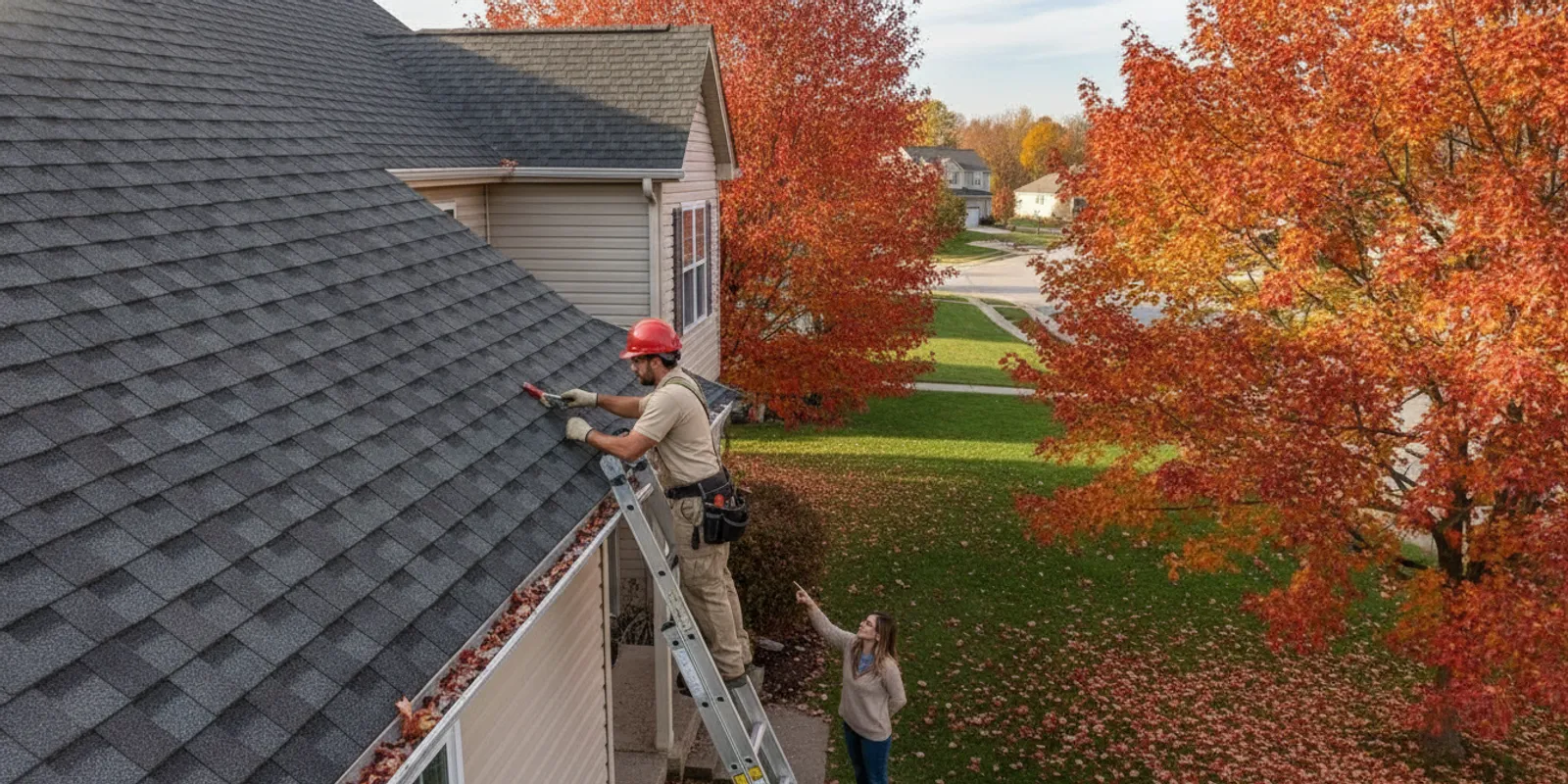
When comparing a roofing company in Randolph MN, verify service-area availability first. Then review inspection findings, materials, ventilation, underlayment, cleanup, warranty terms, and the complete written scope. Referred Restoration is based in Rogers, with documented service communities including Cottage Grove, St. Francis, and Monticello. Randolph is not listed as an explicit service location, so confirmation is important.
Start with service-area fit, then compare the written scope. A contractor’s ability to take a project at your address should be clear before you spend time comparing materials or scheduling work.
Once availability is clear, practical questions can help you separate a thorough proposal from a vague estimate. You can then choose an approach that fits your home’s condition.
What should you verify before hiring a roofing company in Randolph MN?
Start with the basics: service-area fit, the type of work offered, written documentation, and a clear point of contact. Randolph is not listed among the communities in Referred Restoration’s stated Rogers-to-Monticello service corridor. Do not assume a contractor can take a project simply because its website covers a nearby region. Ask directly whether your address is within the company’s current service area and whether it can schedule the specific repair or replacement you need.
That first conversation should also clarify what happens next. Referred Restoration describes a process that begins with a free inspection, proceeds to a custom solution, and then moves to professional installation. Homeowners can use a roofing inspection and service overview to learn about its approach, then confirm how the same process applies to their location.
Ask the contractor who will inspect the roof, how findings will be shared, and whether you will receive a written scope before deciding. A useful inspection is not just a quick look from the driveway. The contractor should explain what was observed, distinguish urgent damage from routine wear, and connect each recommendation to a visible condition or likely failure point. If a roof cannot be accessed safely, ask what alternative inspection method will be used and what it can or cannot establish.
- Confirm that the contractor serves your address and accepts your type of project.
- Ask who will inspect the roof and who will answer questions during the work.
- Request a written scope that identifies the work area and proposed tasks.
- Find out how changes or newly discovered conditions will be documented and approved.
- Ask what cleanup and final review are included.
These questions help separate a useful assessment from a sales conversation that leaves important details unresolved. A contractor should be able to explain what is known, what needs closer inspection, and what remains uncertain without pressuring you to decide on the spot.
How can you tell whether the roof needs repair or replacement?
A roof concern does not automatically mean the whole roof must be replaced. A missing or damaged shingle, a flashing issue, or a localized leak may be suitable for repair, depending on the roof’s condition and whether matching materials are available. Widespread deterioration, repeated leaks in different areas, or damage across many roof sections can make replacement worth discussing. The right choice depends on the evidence from the inspection, not on one symptom in isolation.
Ask the inspector to identify the affected locations and explain the reasoning behind the recommendation. If repair is proposed, ask whether it addresses the source of water entry or only a visible symptom. If replacement is proposed, ask what evidence shows that a limited repair is unlikely to provide a sound result. A straightforward explanation should let you understand the tradeoffs without requiring you to take the contractor’s word on trust.
For a focused issue, review the company’s roof repair service information. If the roof appears to be at the end of its useful life or has broad damage, compare that discussion with the details on its roof replacement page. These pages describe services; they do not replace an inspection of your home or confirm that Randolph is currently within the service area.
It may help to request photographs of the areas discussed. A marked-up image or a short written note can make it easier to understand whether the problem is isolated or widespread. Keep those records with your proposal. If another qualified contractor offers a different recommendation, compare the documented observations and ask both parties to explain the difference rather than comparing conclusions alone.
What should a careful roof inspection include?
An inspection should connect roof conditions to a recommended plan. Depending on access and the roof design, the review may consider shingles or other covering, flashing around transitions and penetrations, visible drainage paths, and signs of water intrusion. The contractor should describe any limitations, such as areas that could not be reached or conditions hidden beneath the roof covering. No visual inspection can reveal every concealed issue, so ask how unexpected findings would be handled if work begins.
Look for clear, specific observations rather than vague statements such as “the roof is bad.” A useful report should identify a damaged section and explain where water could enter. It should also note when the inspector cannot confirm a concealed condition without removing material. Ask whether the recommendation is intended to address a current leak, prevent further deterioration, or renew the entire roof system. That distinction helps you compare proposals that may be describing different scopes.
If the concern followed hail or strong wind, document what you can see from the ground and avoid climbing onto a wet, icy, or steep roof. A contractor can explain whether a closer inspection is appropriate. Referred Restoration’s storm damage restoration information outlines its storm-response service; ask whether it can assist at your address before making plans around an inspection.
Safety deserves a direct question, too. Ask how the crew will protect workers, occupants, and the surrounding property, and how the work area will be controlled. The CDC/NIOSH fall-prevention guidance reinforces the importance of controlling fall hazards, keeping people away from active work zones, and using appropriate protection. Homeowners do not need to perform worker-safety checks themselves, but this resource can help you ask what safety plan applies to the project.
How can you compare roofing proposals fairly?
Compare the work described, not just the bottom line. Two proposals may cover different roof areas, materials, removal steps, flashing details, ventilation considerations, or cleanup. If one is much shorter than another, ask what has been included and what has not. A written proposal should make the intended work understandable to a homeowner who did not attend the inspection.
Use a simple comparison table to organize the questions you should resolve. The entries below are prompts, not claims about what any particular contractor includes. Ask each contractor to answer in writing so you can compare like with like.
Compare like with like. Ask each contractor to identify the same roof areas, preparation steps, materials, schedule assumptions, cleanup, and change-order process.
| Proposal item | What to check | Question to ask |
|---|---|---|
| Scope and location | Which roof sections and tasks are included? | Are any areas excluded or subject to a later decision? |
| Materials | Are product types and relevant components identified? | What alternatives are available, and how do they differ? |
| Removal and preparation | Does the proposal explain what will be removed and how the work area will be prepared? | How will concealed conditions be reported? |
| Schedule and access | Is the expected sequence and homeowner preparation explained? | Who will notify me about a schedule change? |
| Cleanup and review | Are debris handling and a completion walk-through addressed? | How will I report a concern after the crew leaves? |
| Documentation | Are changes and approvals recorded in writing? | Who is my main contact throughout the project? |
Ask whether the proposal identifies the roofing material and the other components that will be replaced or reused. The roof covering is only one part of the assembly, and details around edges, valleys, and penetrations matter to how the finished system performs. If a proposal uses broad phrases such as “standard materials,” request enough detail to understand what the crew plans to install.
Do not treat a verbal assurance as a substitute for written scope. If a contractor says that a particular repair or component is included, ask to see it reflected in the proposal. Any change after approval should also be described and approved in writing before the added work proceeds. This protects both sides from different expectations about what the job covers.
Homeowners who are also reviewing exterior work can look at Referred Restoration’s pages for siding services, gutter installation, and window repair. Keep each scope distinct in your comparison, even if several exterior projects are discussed during one visit.
What should you ask about roofing materials and installation?
Ask what material is proposed and why it suits the roof’s design and your priorities. Discuss the expected appearance, maintenance, relevant product documentation, and whether components such as flashing or ventilation will be addressed. The contractor should explain tradeoffs in plain language rather than treating one option as right for every home.
In Minnesota, homeowners may also want to discuss how seasonal conditions affect scheduling and the work plan. Ask what weather conditions could pause installation, how exposed areas will be protected if work stops, and how the contractor will communicate a delay. These are practical project questions, not promises that work can proceed in every condition.
If the proposal includes a product warranty or workmanship coverage, request the written terms and ask who handles questions or claims. Confirm what is covered, how long the coverage applies, and what actions could affect it. Do not infer warranty coverage from a product name or a general statement about quality; review the documents that apply to your specific project.
What should a roofing company in Randolph MN explain after storm damage?
After hail or high winds, a useful roofing conversation should begin with what can be verified, not with pressure to sign a contract. Ask the contractor to explain which areas show visible damage, whether there are signs of water entry and what should be monitored if the roof looks intact from the ground. Photos and a written inspection summary can help you compare advice and decide what needs attention first.
Referred Restoration describes a process built around a free inspection, a custom solution, and professional installation. The company is based in Rogers, and Randolph is not listed among the explicit service locations documented for the business. If you are considering Referred Restoration for a Randolph property, confirm current availability for your address before scheduling work. That confirmation is important because a nearby location or a service page does not by itself establish coverage for every community.
What to document before repairs
Only document damage when it is safe to do so. Do not climb onto the roof or enter areas with active leaks, exposed wiring, sagging ceilings, or other hazards. From the ground, photograph missing or displaced shingles, dents in siding or gutters, fallen branches, and interior stains. Record the approximate date of the storm and keep receipts for reasonable temporary protection or emergency work. Avoid throwing away damaged materials until your insurer or contractor explains what documentation is needed.
- Take wide photos showing the property and closer photos showing visible damage.
- Check attic or upper-floor areas only when access is safe, watching for damp insulation or daylight.
- Use temporary protection to limit additional water entry, but do not make permanent repairs before documenting the condition when possible.
- Ask for an itemized written scope that separates inspection findings, recommended repairs, replacement work, materials, ventilation or underlayment details, cleanup, and warranty terms.
How insurance assistance should be explained
The company says it can assist with hail and wind insurance claims. Treat that as process support, not a promise that a claim will be approved or that a particular repair will be covered. Your insurer makes coverage decisions under your policy. Ask the contractor to explain what was observed and what work is being recommended, then compare that explanation with your adjuster’s report. A sound decision should account for the roof’s actual condition, the written scope, the materials proposed, and the installation plan.
For a repair or replacement discussion, the company identifies asphalt shingles and metal roofing among its material options on its roofing service page. Confirm which option fits your home, roof design, and project scope rather than assuming every material is appropriate. Project timing depends on the size of the roof and weather conditions, so ask for a realistic schedule and communication plan rather than assuming a fixed completion date.
How can you check communication, safety, and project readiness?
Good communication is specific and consistent. Before approving work, know who your main contact is, how to reach that person, and when you can expect updates. Ask how the crew will access the property, where materials may be placed, and whether vehicles or outdoor items need to be moved. Discuss pets, gates, landscaping, and any areas that should remain clear.
Ask how the crew will protect the home and yard while work is underway, where debris will go, and how the site will be checked at the end of each workday. You should also know how the contractor will handle a forecast change or an unexpected condition. A clear process for documenting questions and decisions is more helpful than a promise that everything will go smoothly.
Before installation, read the final scope again and confirm that any agreed changes are recorded. Keep the proposal, product information, project messages, and payment records together. If you have a concern, raise it promptly with your named contact and explain the specific location or item at issue. Clear records make it easier to discuss what was planned and what needs attention.
How can you prepare your home for roofing work?
Once you have chosen a contractor and approved a written scope, ask what preparation is expected from you. Move vehicles away from work and delivery areas if requested, bring in or secure outdoor items, and make sure the crew can reach the agreed parts of the property. If there are gates, delicate plantings, or access limits, point them out before the start date so the project lead can discuss a workable plan.
Ask where materials will be delivered and staged, how the crew will protect nearby areas and what parts of the property may be noisy or temporarily difficult to use. If anyone in the household works from home, has mobility needs, or keeps pets outdoors, mention that early. The contractor may not be able to eliminate every disruption, but advance communication helps everyone understand the sequence and make reasonable arrangements.
Confirm the expected start window and the method for updates if weather changes the schedule. A projected date can shift when conditions are unsuitable for roof work. Ask whether you will be contacted before a delay, who will provide the new plan and how exposed areas will be secured if work is paused after it begins. Do not assume a date is firm unless the contractor confirms it.
For a larger exterior project, clarify whether roofing work will affect gutters, siding, windows, or other planned work. If more than one trade or project is involved, ask which work happens first and who coordinates any shared access or protection needs. Referred Restoration describes multiple exterior services, but homeowners should confirm the exact scope, timing, and service availability for each project independently.
What records should you keep during the project?
Keep a single project folder, either digital or paper, with the inspection notes, photographs, approved proposal, material details, schedule messages, and any written changes. Save the contact details for the person responsible for questions. If an unexpected condition is discovered after work begins, ask the contractor to show or describe it, explain the options, and document your decision before the scope changes.
Take photographs of visible conditions before work begins, especially if you have a storm concern or an existing interior stain. You do not need to climb onto the roof; use safe ground-level views and note the date. Keep copies of communications with your insurer separate from contractor documents, and send information through the channels your insurer directs. Clear records can reduce confusion about what was observed, what was approved, and when a decision was made.
At completion, check that you have the documents discussed in the proposal, such as product information or written coverage terms, along with any final project notes. Ask whom to contact if a question comes up later and how to report it. A well-organized record of the work gives you a useful reference without relying on memory months or years afterward.
Ask Referred Restoration about your roofing project
What should you check before the roofing project is complete?
Ask for a final walk-through or another clear way to review completed work. Compare what you can observe with the written scope. Confirm that the agreed work areas were addressed, that debris has been removed as promised, and that you have received relevant product and coverage documents. If weather or access prevented a portion of the work, ask how and when it will be completed.
Look around the property from safe ground level for leftover materials or obvious signs that cleanup is unfinished. Do not climb onto the roof to inspect the installation yourself. If something seems different from what you expected, take a photograph from a safe place and contact the project lead with a specific question. Ask for the response and any next steps in writing.
Keep the final documents where you can find them later. These may include the approved proposal, written change approvals, product details, coverage terms, and notes from the completion review. Organized records help you understand what was installed and whom to contact if a question arises.
Frequently Asked Questions
Does Referred Restoration serve Randolph, Minnesota?
Randolph is not included in the stated Rogers-to-Monticello service corridor in the available company information. Contact Referred Restoration directly to confirm whether it currently accepts projects at your address before scheduling an inspection.
Should I repair or replace a roof after a leak?
Not necessarily. A leak can come from a localized issue or a broader roof condition. Ask a qualified inspector to identify the likely entry point, document the roof’s condition, and explain why repair or replacement is recommended.
What should I compare in written roofing proposals?
Compare the work area, tasks, materials, removal and preparation, schedule, cleanup, documentation, and process for approving changes. If the proposals describe different scopes, ask each contractor to clarify before making a decision.
Can a roofing contractor decide whether my storm claim is covered?
No. A contractor can describe observed conditions and provide project information, but your insurer determines coverage under your policy. Follow the insurer’s process and keep your own documentation.
What should I do if I cannot safely inspect my roof?
Stay off the roof, especially when it is wet, icy, steep, or otherwise unsafe to access. Describe the concern to a roofing professional and ask what inspection approach is suitable for your home.
A careful choice starts with a clear inspection, a written scope, and honest answers about service-area fit. Compare the details, ask questions before approving work, and keep a record of the decisions made throughout the project.