Can you paint vinyl siding? In many cases, yes, when the panels are sound, clean, and prepared for a coating made for vinyl. Painting can refresh faded siding, but it cannot repair cracks, correct moisture problems, or guarantee that the original color will stay unchanged. In Minnesota, the decision also depends on temperature, sun exposure, and the product’s application directions.
Contact Referred Restoration online to discuss your siding
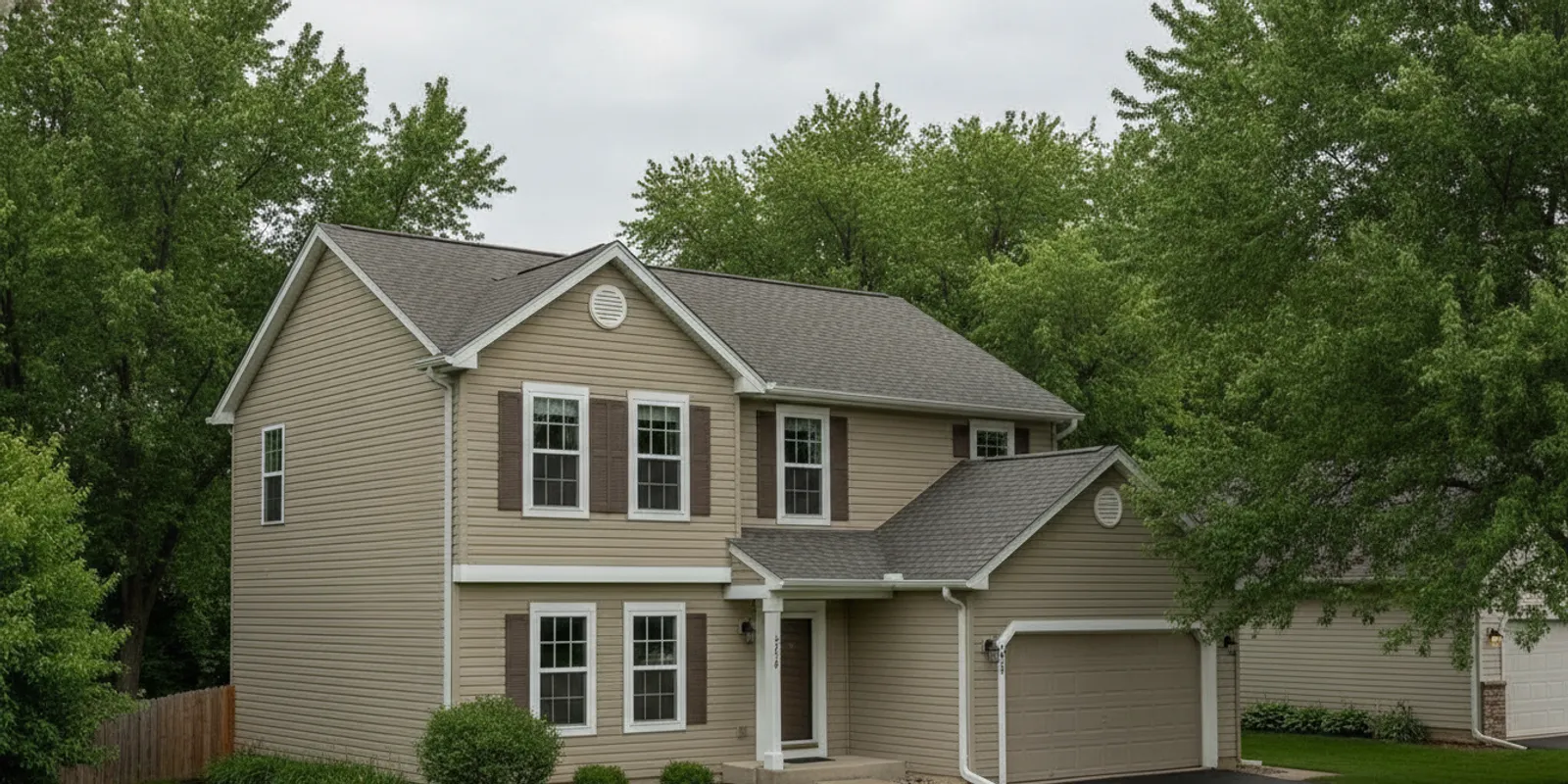
Can you paint vinyl siding safely?
Vinyl siding expands and contracts as temperatures change. A compatible exterior coating can adhere when the surface is sound and properly prepared, but not every exterior paint is suitable. Check the product label and technical directions for explicit vinyl-siding use, color restrictions, surface preparation, and application conditions. If the manufacturer excludes the siding or selected shade, do not assume that a generic exterior coating is an acceptable substitute.
Painting is most plausible when panels remain straight, attached, and intact, and the main concern is faded color or ordinary surface wear. It is not a shortcut for siding that is split, loose, badly warped, or allowing water behind the cladding. Those concerns deserve assessment before anyone applies a coating.
Color selection matters because darker surfaces can absorb more heat. A change from a light shade to a much darker one may affect how hot the siding becomes in direct sun. Confirm that the paint system permits the chosen color on vinyl, and follow any limits the manufacturer gives. Do not rely on a color sample alone to determine compatibility.
When is painting a reasonable option?
Begin with a visual inspection in daylight. Walk around the home and look at each elevation from a safe position. Note whether fading is fairly even or concentrated on sun-exposed walls. Look for chalky residue, loose edges, cracks, impact marks, and panels that look wavy or distorted. Pay particular attention to corners, seams, and areas around windows and doors, where water can find a path behind siding.
- Uniform fading: A consistent color change on panels that remain flat and secure may be suitable for discussing a coating.
- Limited damage: If only a few pieces are damaged, determine whether those panels can be repaired or replaced before planning a whole-wall finish.
- Widespread cracking or distortion: Paint cannot restore a panel’s shape or strength. Investigate repair or replacement instead.
- Staining or dampness: Find the source and address it before covering the surface. Stains can be clues to a separate water issue.
- Uncertain coating history: If the siding has been painted before or has an unusual surface, ask how adhesion and compatibility will be evaluated.
A small test patch can help reveal application or appearance issues, but it does not prove that a coating will perform across the entire house or replace the manufacturer’s directions. A patch should be placed where it can be evaluated and should use the full proposed preparation and coating system. If the test looks uneven, soft, or poorly adhered, stop and investigate rather than extending the work.
What should you examine before choosing paint?
Separate cosmetic questions from condition questions. Cosmetic issues include fading and a color that no longer suits the home. Condition questions include whether panels are fastened and moving as intended, whether the wall has open joints or damaged trim, and whether water is getting behind the siding. Paint can change appearance; it does not resolve defects in the wall assembly.
Make a simple wall-by-wall record. Write down the elevation, approximate location, and type of concern. For example: “west wall, second story, three panels look wavy,” or “below the kitchen window, recurring dark stain.” Photos taken from the ground can help you remember what you saw and show an inspector where to look. Avoid climbing or pulling panels to investigate unless you are equipped and qualified to do so.
Check whether any repair is needed before the coating plan is set. Replacing a panel can involve color and profile matching, and a new piece may not blend with older, faded siding. That does not make painting the whole exterior the automatic solution. It means the repair and appearance decisions should be considered together, with the condition of the wall as the first priority.
What preparation does vinyl siding need?
Preparation often determines whether a finish looks even and adheres as intended. Plan the work in sequence, protect nearby surfaces, and avoid forcing water behind panels while cleaning. Product directions control the details, especially the approved cleaning method, primer requirements, and temperature range.
- Inspect the wall. Identify loose, cracked, warped, or missing panels, open trim joints, and signs of moisture. Resolve defects before painting. If the cause of a stain is unclear, do not simply cover it.
- Protect the area. Cover windows, doors, plants, lights, outlets, and surfaces that should not receive cleaner or paint. Plan safe access and avoid overreaching from a ladder.
- Clean carefully. Remove dirt, mildew, and chalk using a method and cleaner suitable for the siding. Rinse thoroughly, but do not direct forceful water upward or into seams. Aggressive washing can damage the surface or drive water behind panels.
- Allow the wall to dry. The siding should meet the coating maker’s dryness requirements. Shaded walls may stay damp longer than sunny walls, even when the air feels warm.
- Repair and prepare. Replace or secure damaged pieces and address the source of staining or moisture. Follow the product’s requirements for any sanding, priming, or other preparation; do not add a step merely because it is common for another material.
- Apply the specified coating. Use the product intended for vinyl and the selected color. Work in manageable areas and follow directions for application method, coverage, number of coats, recoat interval, and curing.
Do not paint over dirt, mildew, chalk, or a wet surface and expect the finish to compensate. Residue can interfere with adhesion or show through the new finish. Likewise, cleaning is not an excuse to use a method that damages the siding. Purdue Extension’s house-paint guidance discusses clean, prepared surfaces and compatible coatings; for vinyl, use a system whose manufacturer specifically addresses the substrate and follow its current directions.
How do Minnesota conditions affect the work?
In Minnesota, an exterior project must account for cold winters, warm sunny periods, wind-driven rain, and seasonal temperature swings. Do not select a workday by calendar alone. Check the paint maker’s permitted air and surface temperatures, humidity limits, and rain-free drying and curing window. The siding itself may be colder or warmer than the air, particularly in shade or direct sun.
Choose a stretch when the wall can be clean and dry and the forecast supports the complete application and drying period. Rain or dew can leave moisture on the surface. A cold night may take temperatures outside the product’s limits. Direct sun can make one area heat and dry faster than another, while wind may carry dust onto wet coating or make application uneven.
Consider each side of the home separately. A sunny wall can be too hot for the product even when a shaded wall is ready. A north-facing elevation may remain damp after other surfaces have dried. If a crew plans to move around the house during the day, ask how it will check surface conditions and adjust the sequence. A suitable schedule is the one that meets the coating directions across the actual work area, not simply the one that starts earliest.
When conditions shift, pausing may be the better choice. Ask how the work will be protected if rain is forecast, what happens if temperatures fall overnight, and how the team will decide whether a surface is ready to coat. A clear plan should address weather contingencies without promising a result independent of actual conditions.
How do paint, repair, and replacement compare?
Painting may fit a sound exterior that mainly needs a color refresh. Repair may be more suitable when damage is limited and most panels remain in good condition. Replacement deserves discussion when defects are widespread, the wall has recurring moisture concerns, or you want a different cladding rather than a coating. The right choice depends on condition and goals, not appearance alone.
| Approach | May fit when | Questions to resolve | Does not address |
|---|---|---|---|
| Paint | Panels are intact, cleanable, and compatible with a vinyl coating. | Is the product approved for vinyl and the chosen shade? Can the required weather window be met? | Cracks, warped panels, loose siding, or hidden moisture. |
| Repair | Damage is limited to particular panels or trim areas. | Can matching material be found? Is the surface behind the damaged area sound and dry? | Broad fading or widespread deterioration. |
| Replace | Defects are extensive, recurring problems need attention, or a different cladding is desired. | Which material and installation details suit the home and local conditions? | Underlying water or wall problems unless they are also identified and corrected. |
Consider a practical example. If one elevation is faded but the panels are flat and secure, the first questions are coating compatibility, color approval, and application conditions. If a few panels are cracked after an impact, first find out whether they can be replaced and whether the wall behind them is sound. If several elevations show distortion and recurring staining, a coating alone is not a sensible first step; assess the cause and compare repair with a broader replacement plan.
There is no single answer for every house. A qualified siding professional can inspect the exterior and explain whether painting, targeted repair, or a larger plan fits the observed condition. Learn more about Rogers siding contractors, including the siding services available locally. Related information on the benefits of new siding and vinyl siding repair in Rogers can help frame the alternatives.
How can you plan the work from inspection to finish?
A staged plan helps prevent the project from turning into a last-minute paint decision. Start with what is visible, then confirm the product and work sequence before any coating is purchased or applied.
- Document the current condition. Record fading, loose sections, cracks, stains, and any prior repairs. Photograph each wall from a safe position and make a short list of questions.
- Identify what is cosmetic and what is functional. A color change is cosmetic. A loose panel, open joint, or suspected moisture path is a condition concern and should be addressed first.
- Ask about the coating system. Get the product name and written instructions or product literature. Confirm it is intended for vinyl siding, and verify that the chosen color is allowed.
- Agree on preparation. Clarify how the wall will be cleaned, rinsed, dried, repaired, protected, and checked before application. Ask who decides whether a surface is ready.
- Set weather criteria. Confirm which air and surface temperatures, humidity, and forecast conditions apply. Discuss what would cause the schedule to pause.
- Review the completed work. Look for missed or uneven areas, paint on adjacent surfaces, and evidence that panel movement has not been obstructed. Ask what care or follow-up the product maker recommends.
This sequence makes it easier to compare proposals on the work itself instead of relying on a color description. A written scope should say what areas are included, which repairs are anticipated, what preparation is planned, and how changes will be handled if hidden damage appears. It should also identify the coating system and explain how the work will follow its directions.
What should you ask before hiring someone to paint?
Ask for a clear explanation of the surface assessment and proposed work. A useful conversation covers more than the color. The contractor should be able to explain what was observed, what needs repair, and why the proposed coating and process suit this particular siding.
- Will you inspect for loose panels, cracks, distortion, and moisture concerns?
- How will you clean the surface without forcing water behind the siding?
- Which coating is intended for vinyl, and is the selected shade approved?
- What preparation, primer, and application method does the manufacturer specify?
- How will air and surface temperatures, humidity, and drying conditions be checked?
- How will windows, trim, plants, fixtures, and nearby surfaces be protected?
- What findings would make repair or replacement a better choice than painting?
- What is included in the written scope, and how will unexpected conditions be discussed?
Ask that the plan identify preparation, product, repairs, application approach, and weather criteria in writing. If the explanation does not address vinyl compatibility or relies on a promise that weather will not matter, pause and get clarity before proceeding.
Frequently asked questions
Does painting vinyl siding last as long as new siding?
They are different approaches. Paint is a coating over existing panels, while replacement installs new cladding. Performance of a painted finish depends on the siding’s condition, preparation, product, exposure, and care. Do not assume a universal lifespan for every house or coating.
Can I paint vinyl siding a darker color?
Only consider a darker color if the coating manufacturer identifies it as suitable for vinyl siding. Darker finishes can absorb more heat, so verify compatibility and any color limits before selecting a shade.
Do I need primer?
That depends on the coating system and the condition of the surface. Follow the manufacturer’s vinyl-specific directions rather than applying a general rule meant for another substrate.
Can I paint over cracked or warped panels?
No. Paint does not repair damage or return a distorted panel to shape. Have the affected area assessed and repaired or replaced before considering a coating.
Can I paint siding during a Minnesota summer?
Possibly, if air and surface temperatures, humidity, sun exposure, and the forecast meet the product’s directions throughout application and drying. A warm day alone does not guarantee suitable conditions.
Contact Referred Restoration online to discuss your siding
What is a practical next step?
Before buying paint, inspect the siding and decide whether the wall is sound enough to coat. If you see loose, cracked, distorted, or moisture-affected areas, have them assessed first. A siding inspection can help you compare painting with repair or replacement and plan any work for conditions that meet the coating manufacturer’s directions.
Leave a Reply
You must be logged in to post a comment.