Roofing choices in Minnesota have to do more than shed snow. They also face summer sun, frequent hail, and sharp temperature swings that can stress roofing materials and affect indoor comfort. That makes reflectivity worth considering when you are planning a replacement or evaluating a new roof.
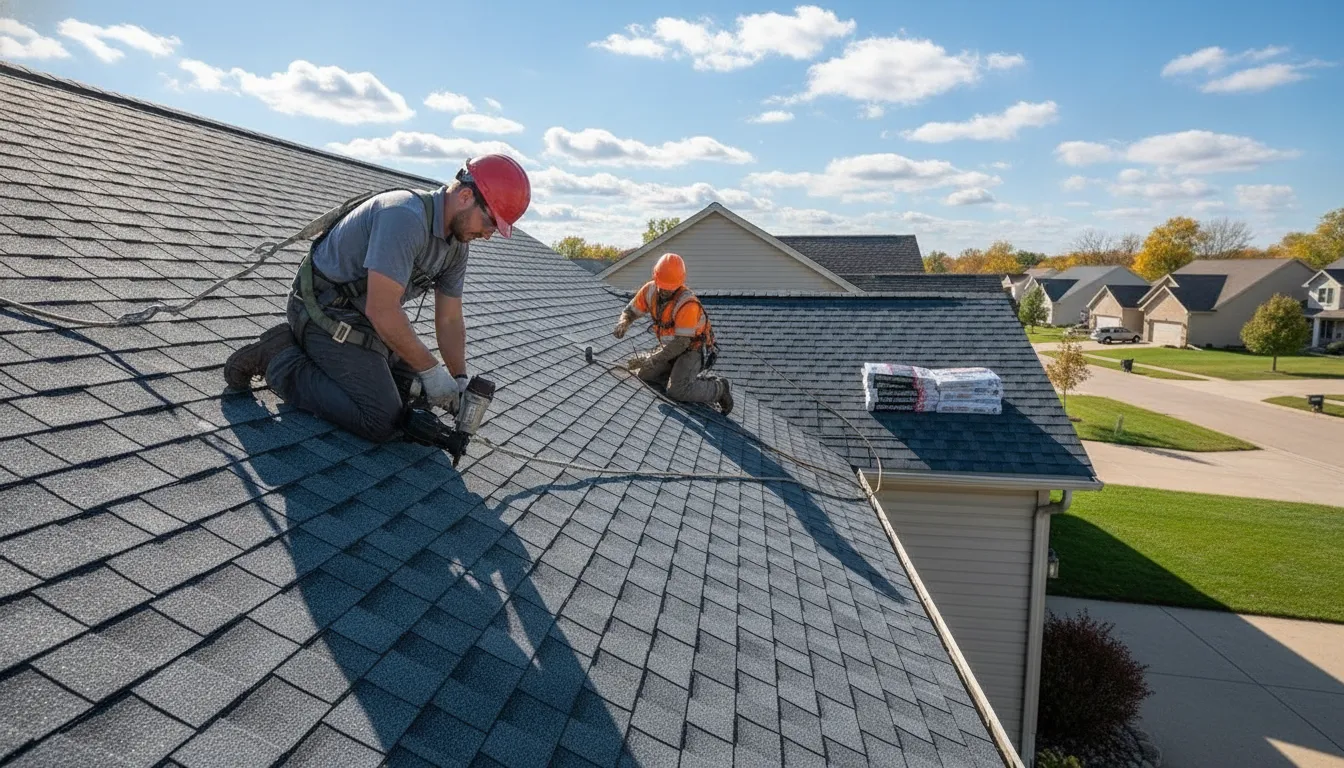
Cool roof shingles are designed to reflect more sunlight and absorb less solar energy than conventional roofing, helping the roof surface stay cooler. The U.S. Department of Energy reports that a reflective roof can remain more than 50 degrees Fahrenheit cooler than a conventional roof on a sunny afternoon. Which may reduce summer air-conditioning demand. See ENERGY STAR’s cool roof guidance for the underlying performance principles.
That does not mean a reflective roof is automatically the right choice for every Minnesota home. Winter heating considerations, shingle design, roof ventilation, and the home’s overall condition all matter. Understanding how these shingles reflect and release heat provides a clearer basis for weighing their benefits in a cold-climate roofing system.
Thinking about reflective roofing for your next replacement? Contact Referred Restoration online to learn whether cool roof shingles fit your Minnesota home.
What Are Cool Roof Shingles?
Cool roof shingles are roofing products designed to stay cooler in direct sunlight than conventional shingles. They do this through two related properties: solar reflectance and thermal emittance. Solar reflectance describes how much sunlight a roof surface sends away instead of absorbing. Thermal emittance describes how efficiently the surface releases heat it has absorbed. Together, these properties help limit how hot the shingles become during sunny weather.
The U.S. Department of Energy explains that a cool roof reflects more sunlight than a conventional roof, absorbing less solar energy in the first place. That can reduce heat transfer through the roof assembly and help keep attic and upper-floor spaces more comfortable during hot weather. It does not mean the roof stays completely cold, and it does not replace proper insulation or ventilation. Rather, it reduces the amount of heat the roofing materials need to manage.
Solar reflectance and thermal emittance are measured separately because a roofing surface can perform differently in each area. A product with high solar reflectance sends more of the sun’s energy away. A product with high thermal emittance releases absorbed heat more effectively instead of holding it at the roof surface. The California Air Resources Board identifies these as key performance characteristics when evaluating cool roofing materials: solar reflectance and thermal emittance.
Why asphalt shingles can benefit from reflective technology
Traditional asphalt shingle roofs are among the least reflective widely used roofing types in the United States, according to the Department of Energy. That does not make asphalt shingles a poor roofing material. Asphalt remains a common choice because homeowners value its appearance, availability, and compatibility with many residential roof designs. It does mean that the shingle’s color, surface treatment, and formulation can influence how much sunlight it absorbs.
Cool asphalt shingles use reflective granules or other material improvements to increase solar reflectance while maintaining the familiar shingle format. Some high-performance cool asphalt shingles target a solar reflectance of about 0.40, although actual performance depends on the specific product and its tested rating. Looking at documented product data is more useful than judging a shingle by color alone.
For Minnesota homeowners, cool roof shingles are one part of a complete roof system. Roofing materials still need to withstand snow, hail, moisture, and large temperature swings. Proper ventilation remains important for managing heat retention and reducing ice-damming risk. A qualified roofing professional can evaluate the roof deck, ventilation, insulation, and shingle selection together so the system fits the home’s structure and local climate.
How Do Cool Roof Shingles Work?
Cool roof shingles work by changing how the roof responds to sunlight. Instead of absorbing as much solar energy as conventional roofing, a reflective roof sends more of that energy away and stays cooler at the surface. The result is less heat moving through the roof assembly and into the attic and living space. The U.S. Department of Energy identifies solar reflectance and thermal emittance as the key properties that determine how effectively a roof manages heat. ENERGY STAR’s cool roof guidance explains how reflective roofs stay cooler.
Solar reflectance describes the portion of sunlight a roofing surface reflects. Thermal emittance describes how readily the surface releases the heat it does absorb. Together, these properties influence the roof’s temperature during sunny weather. A shingle does not need to look bright white to provide this benefit. Roofing manufacturers can use reflective granules and surface treatments to improve performance while maintaining colors and styles that fit a residential exterior.
Why a cooler roof can reduce air-conditioning demand
On a sunny afternoon, the difference between a conventional roof and a reflective roof can be substantial. The Department of Energy reports that conventional roofs can reach 150 degrees Fahrenheit or more under intense summer sun. While a reflective roof can remain more than 50 degrees cooler under the same conditions. That lower surface temperature can reduce the amount of heat conducted into the attic and upper levels of the home.
When less heat enters the building, the air conditioner may not need to run as often or work as hard to maintain a comfortable indoor temperature. Cool roof shingles therefore address one part of the home’s energy load: solar heat gain through the roof. They do not replace insulation, air sealing, or proper ventilation, but they can complement those measures. In homes without air conditioning, reducing heat flow from the roof can also support more comfortable indoor conditions.
What makes cool asphalt shingles different?
Asphalt shingles are widely used, but standard asphalt shingle roofs are among the least reflective roofing types commonly found on U.S. homes. High-performance cool asphalt shingles are designed to improve that characteristic. The Department of Energy notes that these products may target a solar reflectance of about 0.40, which represents a meaningful performance goal for an asphalt-based roofing product. Actual results depend on the product, roof orientation, shading, attic insulation, ventilation, and local weather.
Lower roof temperatures may also reduce repeated heat stress on roofing materials, which may help extend service life. In Minnesota, the roof still needs to handle snow, hail, and major temperature swings, so reflective performance is only one part of a sound roofing decision. A balanced design pairs the shingle selection with proper installation and ventilation, helping manage summer heat without overlooking the rest of the roof system.
Do Cool Roof Shingles Make Sense for Minnesota Homes?
They can, but the answer depends on the whole roof system, not just the shingle surface. Minnesota homes face sharp temperature swings, summer sun, winter cold, heavy snow, and frequent hail. Referred Restoration evaluates those conditions for homeowners along the Rogers, St. Francis, and Monticello corridor, as well as in Cottage Grove, before recommending a roofing approach.
Reflective roofing technology can help manage Minnesota’s temperature extremes throughout the year. A cooler roof surface absorbs less solar energy during sunny weather, which may reduce heat moving into the attic and living space. The U.S. Department of Energy reports that a reflective roof can remain more than 50 degrees Fahrenheit cooler than a conventional roof under the same hot, sunny conditions. That does not mean every home will see the same result, but it illustrates why reflectance can matter during Minnesota’s warmest periods. ENERGY STAR explains how cool roofs work.
Consider the full Minnesota weather cycle
Summer performance is only one part of the decision. Minnesota receives about 43 inches of snow annually and experiences frequent damaging hail. Shingles must still be selected and installed for impact exposure, snow loading, water shedding, flashing details, and the roof’s overall condition. A reflective surface cannot compensate for loose materials, damaged underlayment, failed flashing, or poor installation.
Ventilation is especially important. Proper roof ventilation helps control heat retention and is critical for reducing ice-damming risk in Minnesota homes. Cool roof shingles should therefore be considered alongside balanced intake and exhaust ventilation, adequate insulation, and careful air sealing. The goal is not to make the roof cold at all times. It is to manage heat and moisture so the roof assembly performs consistently through changing seasons. Ventilation should be assessed as part of the system rather than treated as an optional add-on.
Balance summer benefits with winter conditions
There is also an honest cold-climate consideration: cool roofs can create a winter heating penalty. Because a reflective surface absorbs less sunlight, it can provide less passive solar warming at the roof, potentially increasing reliance on mechanical heating during winter. That tradeoff does not automatically rule out cool roof shingles in Minnesota. It means the recommendation should account for attic insulation, ventilation, roof orientation, shade, heating patterns, and the home’s existing energy performance. ENERGY STAR notes both the summer advantages and winter tradeoff.
For a replacement or new roof, cool roof shingles may make sense when the homeowner wants to manage summer heat without overlooking winter performance and storm durability. They are less likely to be the right answer as a stand-alone fix for ice dams, attic heat, or an aging roof. A local assessment can identify whether reflective shingles, ventilation improvements, repairs, or a different roofing material best fit the home. Referred Restoration brings that climate-specific perspective to homes in Rogers and Cottage Grove, with recommendations based on the roof’s actual condition rather than a one-size-fits-all claim.
Cool Roof Shingles vs. Regular Shingles
Cool roof shingles and regular asphalt shingles can look similar from the ground, but their performance in direct sunlight differs. The key distinction is how much solar energy the roof reflects instead of absorbing. Standard asphalt shingle roofs are among the least reflective roofing materials widely used on U.S. homes. While cool asphalt shingles are designed to reflect more sunlight and stay cooler.
That distinction matters most on sunny days, when roof temperatures can rise quickly. The U.S. Department of Energy reports that conventional roofs can reach 150 degrees Fahrenheit or more on a sunny summer afternoon. While a reflective roof may remain more than 50 degrees cooler under the same conditions. The comparison below shows where that difference may affect a Minnesota home.
| Consideration | Cool roof shingles | Regular asphalt shingles |
|---|---|---|
| Solar reflectance | Designed to reflect more sunlight. High-performance cool asphalt shingles aim for a solar reflectance of about 0.40. | Typically absorb more sunlight and are among the least reflective widely used roofing materials. |
| Surface temperature on a sunny day | Can stay substantially cooler than a conventional roof under the same sunny conditions. | Can reach 150 degrees Fahrenheit or more during a hot, sunny afternoon. |
| AC and heating effect | May reduce summer heat entering the home and lower air-conditioning demand. In cold climates, reduced solar absorption may increase winter heating needs. | May absorb more warmth in winter, but can transfer more solar heat into the home during summer. |
| Roof life | Lower temperatures may reduce heat stress and help extend roof service life, depending on the full roof system and installation. | Durability depends on shingle quality, ventilation, installation, weather exposure, and maintenance. |
| Best fit | Homeowners prioritizing summer heat management, reflective performance, and a balanced roof design for local conditions. | Homeowners seeking a familiar asphalt shingle system with broad color and product availability. |
For Minnesota homeowners, neither option should be evaluated by reflectance alone. The state sees major temperature swings, about 43 inches of annual snowfall, and frequent damaging hail. A cool roof may help manage summer heat, but proper ventilation remains critical for controlling heat retention and reducing ice-damming risk. During a roof replacement, the right decision also depends on roof orientation, attic performance, shingle design, color, and the home’s heating and cooling patterns.
Cool roofing products are generally positioned as a practical alternative during new construction or replacement, rather than a completely separate roofing category. A qualified contractor can compare compatible products and explain how their reflective properties fit the rest of the roof system. For more context, review our asphalt shingle roof replacement guidance before planning the next step.
Sources: ENERGY STAR guidance on cool roofs, the U.S. Department of Energy, and the California Air Resources Board.
How to Choose Cool Roof Shingles
Choosing cool roof shingles involves more than selecting the lightest color on a sample board. Look for documented solar reflectance, a roofing system suited to Minnesota weather, and an appearance that fits your home. A qualified contractor can help you compare those factors during a roof replacement without treating energy performance as the only consideration.
Start with solar reflectance
Solar reflectance, or SR, describes how much sunlight a roofing surface reflects rather than absorbs. The rating is expressed from 0 to 1, with a higher number indicating greater reflectance. The U.S. Department of Energy identifies about 0.40 as a target for high-performance cool asphalt shingles, which is notably more reflective than many standard asphalt shingle products. Ask for the product’s published SR rather than relying on the general label “cool.”
It is also useful to check whether the product has a rating verified by the Cool Roof Rating Council, or CRRC. CRRC-verified information gives homeowners a consistent way to review a product’s solar reflectance and thermal emittance. Reflectance addresses incoming sunlight, while thermal emittance describes how effectively the surface releases absorbed heat. Considering both values provides a clearer picture than color or marketing language alone.
Compare colors and material options
Color affects reflectance. In general, lighter and cooler-toned shingles reflect more sunlight than dark shingles made from otherwise similar materials. That does not mean you must choose a bright white roof. Manufacturers offer a range of blends and neutral tones, so ask to see the product’s performance rating for the exact color you are considering. A color that looks similar on a sample may have a different reflective rating in the manufacturer’s specifications.
Material selection matters as well. Cool asphalt shingles can be a practical choice for homeowners who want a familiar shingle profile while improving solar performance. Referred Restoration also evaluates quality roofing materials, including premium options such as Malarkey roofing, based on the home’s design and Minnesota’s weather demands. The right choice should account for more than reflectance, including durability, installation requirements, ventilation, and the roof’s exposure to hail, snow, and seasonal temperature swings.
For more context on the replacement process and asphalt shingle materials, review this asphalt shingle roof replacement guide. During an assessment. Ask the contractor to show the SR and CRRC information for each proposed color and explain how the complete roof system will manage heat and moisture. In Minnesota, proper ventilation remains critical for reducing heat retention and helping prevent ice damming, so reflective shingles should complement, not replace, sound roof design.
Environmental and Community Benefits of Cool Roofing
The value of cool roofing extends beyond the individual home. When roofing materials reflect more sunlight and absorb less solar energy, they can help reduce heat at the building, neighborhood, and community level. That makes cool roof shingles one part of a broader approach to managing summer heat and electricity demand.
Less heat in developed areas
Dark, heat-absorbing roofs can contribute to higher outdoor temperatures in densely developed areas. This is part of the urban heat island effect, in which pavement, buildings, and other surfaces retain heat and keep local air warmer than surrounding areas. Community-wide use of reflective roofs can lower local outside air temperatures and lessen that effect, according to ENERGY STAR.
That benefit is not limited to large cities. Neighborhoods with many homes and other heat-retaining surfaces can also experience the effects of concentrated summer heat. A single roof will not transform local conditions, but broader adoption can add up. Particularly when reflective roofing is combined with shade trees, efficient buildings, and light-colored hard surfaces.
Potential air-quality benefits
Hotter air can accelerate the chemical reactions that form smog from air pollutants. By helping cool the air outside, cool roofs may slow smog formation, especially when many buildings in the same area use reflective roofing. This is an environmental benefit rather than a guarantee of improved air quality, since local weather, emissions, and transportation patterns also play important roles.
Lower peak demand for electricity
On sunny days, a cooler roof can reduce the amount of heat transferred into the building. That may reduce reliance on air conditioning during the hottest periods, when many households and businesses are using electricity at the same time. Cool roofing can therefore help reduce peak electricity demand and may support grid reliability by lowering the strain that contributes to potential power outages.
Reflecting sunlight also sends more solar energy back toward outer space, which the Department of Energy identifies as one way cool roofs can help offset global warming. These effects should be considered alongside Minnesota-specific factors. Cool roofs can create a winter heating penalty in colder climates because they absorb less sunlight during the heating season. Proper insulation and ventilation remain essential, particularly in a state with heavy snowfall and ice-damming risks. Homeowners can review additional seasonal preparation steps in this winterize checklist for Minnesota homes.
Have questions about cool roof shingles or a roof replacement in your area? Contact Referred Restoration online for a free consultation.
Frequently Asked Questions
Do cool roof shingles really save energy?
They can reduce heat absorbed through the roof by reflecting more sunlight and staying cooler than conventional roofing. That may lower air-conditioning demand during hot weather, although the results depend on roof design, insulation, ventilation, climate, and the home’s cooling needs. In Minnesota, it is important to weigh summer benefits against the possibility of increased winter heating demand. ENERGY STAR explains the seasonal tradeoffs.
How are cool roof shingles different from regular shingles?
Regular asphalt shingles typically absorb more sunlight, while cool shingles are designed with reflective surfaces that send more solar energy away from the roof. High-performance cool asphalt shingles may target a solar reflectance of about 0.40, according to the U.S. Department of Energy. Both options still require proper installation, attic ventilation, and materials suited to Minnesota weather.
Are cool roof shingles a good choice for Minnesota homes?
They may be a reasonable option when summer heat management is a priority, particularly as part of a complete roofing system. Minnesota homes also face heavy snowfall, hail, and wide temperature swings, so reflectance should not be the only selection factor. Proper ventilation remains important for managing heat retention and ice-damming risk. A roofing professional can evaluate the roof slope, attic, insulation, orientation, and existing damage before recommending a product.
Do cool roof shingles come in different colors?
Yes. Reflective roofing products are available in multiple colors, but darker and lighter finishes do not perform identically. Product ratings provide a more reliable comparison than color names alone. Ask for the manufacturer’s solar reflectance and thermal emittance information. Then balance the appearance with the home’s architectural style, neighborhood requirements, and the performance needs of the roof assembly.
Ready to weigh cool roof shingles for your Minnesota roof replacement? Contact Referred Restoration online to discuss your home’s roofing options with a local team.