When a leak or storm impact threatens your home, emergency roof repair services in Rogers should start with safety, not a climb onto the roof. A careful response can limit further interior damage while you arrange an inspection and understand what work is needed.
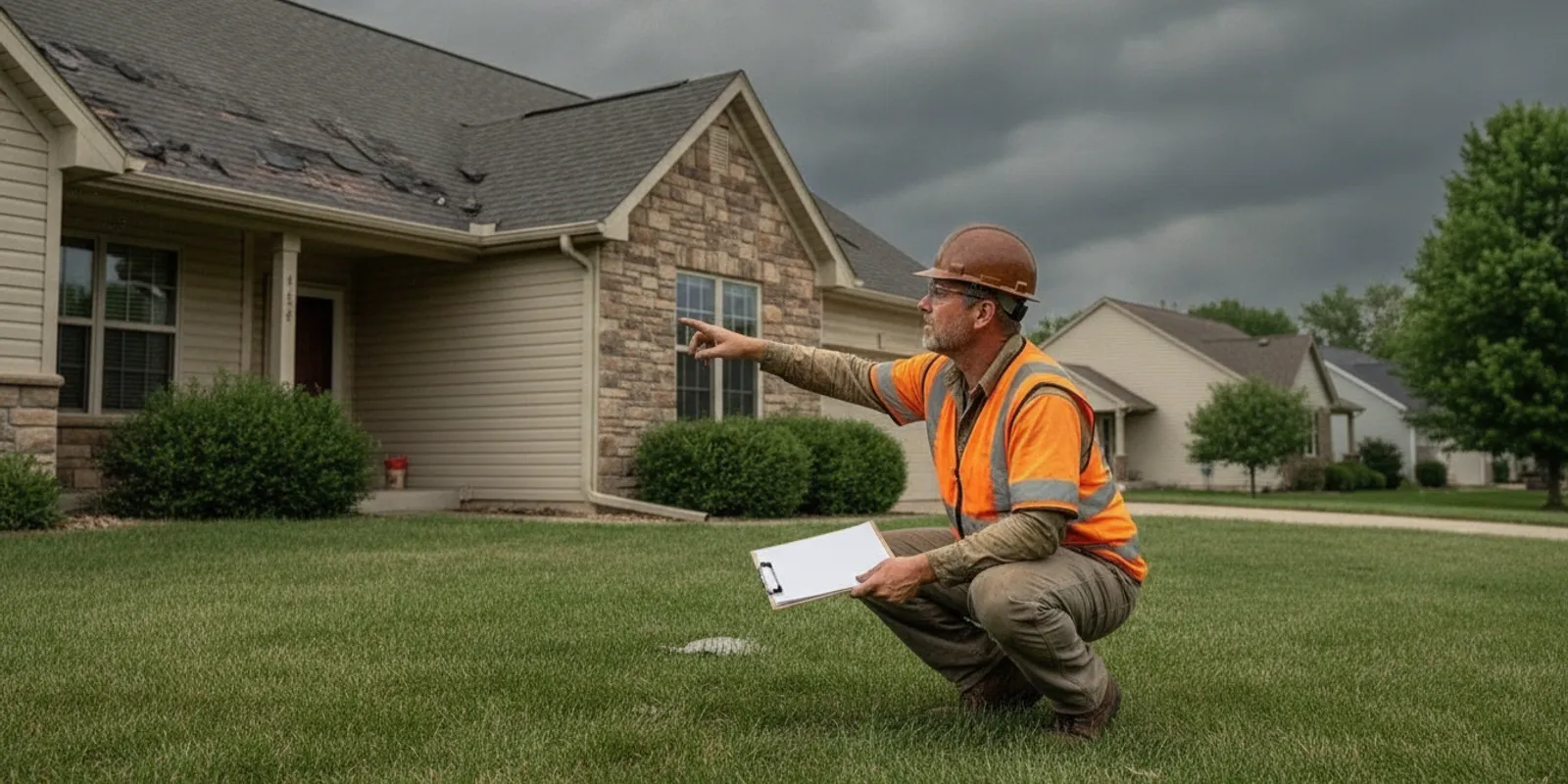
What should emergency roof repair services Rogers homeowners expect?
An emergency is a condition that creates an immediate safety concern or allows water to enter and damage the home. Examples include a tree limb through the roof, a large opening after wind, active water entering near electrical fixtures, or a ceiling that is sagging under trapped water. A missing shingle can also matter, but urgency depends on its location, weather, and whether the roof is exposed.
Do not assume every visible defect requires the same response. A damp spot that has stopped spreading may need prompt assessment, while water near a light fixture or a visibly unstable ceiling calls for keeping people away and addressing the immediate hazard. If there is a fire, electrical danger, or risk of structural collapse, leave the area and contact the appropriate emergency service.
What should you do first?
Take these steps from a safe location before arranging roof work:
- Protect people. Keep household members and pets out of rooms with active leaks, bulging ceilings, broken glass, or falling debris. Do not walk beneath a damaged area that appears unstable.
- Stay off the roof. Wet shingles, steep slopes, wind, ice, and loose materials create serious fall hazards. Do not use a ladder during a storm or attempt to inspect a roof edge.
- Limit interior damage if safe. Move belongings away from drips. Place a container under a leak and use towels to catch splashes. Do not touch wet electrical equipment or fixtures.
- Take photos from the ground and indoors. Capture the affected room, visible exterior damage, and the time you noticed the problem. Avoid entering unsafe areas for a better picture.
- Contact a qualified roofing contractor. Explain whether water is actively entering, what areas are affected, and whether there are hazards that require attention before an inspection.
For an active leak without an immediate danger, a bucket and moving belongings can help while you wait. Do not cut into a ceiling or apply a patch from above unless a qualified professional directs you and the situation is safe.
How can you describe the damage clearly?
A precise description helps the contractor understand the situation and prepare for a useful assessment. Share what you know without guessing at the cause. Note the room or roof area involved, when the issue began, how conditions changed, and whether the leak continues during dry weather.
- Describe the weather event or change you noticed, such as strong wind, hail, heavy rain, or snow and ice.
- Identify interior signs: a new stain, dripping, damp insulation visible from a safe opening, or water near a fixture.
- Point out exterior observations made from the ground, such as a fallen branch or displaced material.
- Say whether the home has had a previous leak or repair in the same area.
- Keep receipts for emergency supplies and save photographs in one folder.
Photos are useful records, but they do not replace an inspection. A small stain can have a source some distance away, and water can travel along framing before appearing indoors. Avoid assigning a cause based only on where the water shows up.
What temporary steps are safe?
Temporary measures should reduce exposure without creating a new hazard. Indoors, move items, catch drips, and ventilate a damp room when conditions allow. If water is near an electrical outlet or fixture, do not touch it; keep clear and seek qualified help. If a ceiling is bulging, do not stand beneath it or try to puncture it.
Exterior tarps and roof patches can be dangerous to install, especially on wet or icy surfaces. Leave roof access and temporary covering to trained professionals equipped for the conditions. A contractor may recommend a temporary protective measure before permanent work, but the right approach depends on the roof, weather, and extent of damage.
For storm-related concerns, homeowners can review storm damage restoration in Rogers. If the issue appears limited to a leak or a damaged roof section, the Rogers roof repair service page offers a relevant next step.
When should you seek help right away?
Call for prompt professional guidance when water is actively entering, an opening exposes the home, a tree or debris has struck the roof, or damage is spreading. Tell the contractor about any immediate safety conditions. A roof may also need timely attention when shingles or flashing are visibly displaced after severe weather, even if no indoor leak has appeared yet.
Some problems can be scheduled for a standard inspection when there is no active water, no exposed opening, and no safety concern. Examples may include an old stain that is dry, a suspected missing shingle seen from the ground, or a small area of deterioration noticed during routine maintenance. If uncertain, describe the symptoms and ask how the concern should be triaged.
How can emergency roof repair services Rogers homeowners plan repairs?
A useful inspection should connect observed symptoms with roof areas and components that may be involved. Ask the inspector to explain what was checked, what evidence supports the recommendation, and whether temporary protection is needed. The discussion should distinguish urgent stabilization from permanent repair, rather than treating every observation as the same kind of work.
Referred Restoration describes a three-step service approach: inspection, a custom solution, and professional installation. For homeowners in the Rogers area, its Rogers roofing company page explains the local roofing pathway. A repair may be appropriate for a limited, addressable issue; broader deterioration or extensive damage may call for a replacement assessment. The Rogers roof replacement page describes that separate service option.
Ask for a written description of proposed work. It should identify the affected area, repair or protection steps, materials where applicable, and recommended follow-up. If the inspection cannot establish the source immediately, ask what further observation or assessment is needed rather than accepting an unsupported conclusion.
How should you document storm damage?
Keep a simple record as the situation develops. Photograph the interior and any exterior damage visible safely from the ground. Record dates, weather conditions as you observed them, and steps taken to protect belongings. Save communications, inspection notes, and receipts together.
If you plan to contact your insurer, follow the insurer’s instructions for reporting and documentation. Do not discard damaged materials or authorize extensive work based solely on assumptions about coverage. A roofing contractor can explain observed roof conditions, but coverage decisions belong to the insurer and depend on the policy and claim review.
The Better Business Bureau’s roof leak repair directory lists roofing businesses in a different region, so it is not a source for local emergency procedures or technical guidance. For case-specific decisions, rely on your own inspection findings and insurer instructions.
How do urgent and scheduled concerns differ?
| Situation | First priority | Next step |
|---|---|---|
| Water near electrical equipment or a sagging ceiling | Keep people clear; avoid contact with wet fixtures | Address immediate safety risk and seek prompt professional guidance |
| Opening or major impact after a storm | Stay off the roof and protect people from debris | Arrange an urgent roof assessment and ask about temporary protection |
| Active leak without an immediate safety hazard | Move belongings and catch drips from a safe position | Contact a contractor and document affected areas |
| Dry stain or suspected minor defect | Record what you see without disturbing materials | Schedule an inspection and monitor for changes |
This comparison is a starting point, not a substitute for judgment about a specific home. Conditions can change with weather, roof design, and the location of damage. Escalate if water starts entering, the affected area grows, or a new hazard appears.
What should you ask before repair work begins?
Before work starts, make sure you understand the immediate plan and the permanent repair recommendation. These questions help keep the conversation clear:
- What did the inspection find, and what evidence supports that conclusion?
- Is the proposed work temporary protection, a permanent repair, or both?
- Which roof area and components are included in the written scope?
- What conditions could change the scope once work begins?
- How should the household protect the area and monitor it afterward?
- What documentation will be provided when the work is complete?
Ask the contractor to explain unfamiliar terms in plain language. If the recommendation includes work beyond the immediate leak, ask how each item relates to the observed condition. Clear answers help you make an informed decision without confusing an urgent measure with a full project.
How can you reduce repeat problems after the repair?
After the immediate issue is addressed, follow any care or monitoring instructions you receive. Check the repaired area from indoors after rain, but do not climb onto the roof. Note any renewed staining, odor, dampness, or dripping and report it promptly. Keep repair records with other home maintenance documents.
Regular exterior checks from the ground can help you notice changes such as loose materials, debris, or drainage concerns. Avoid ladders and roof access. If you also notice gutter overflow or water collecting near the home, ask whether the drainage system should be assessed. Referred Restoration provides seamless gutter installation in Rogers as a separate exterior service, and gutter service information can help identify that pathway.
What should you expect after contacting a contractor?
When you call or send a message, give a concise sequence rather than trying to diagnose the roof. Start with the address and the time you noticed the problem. Then state whether water is entering now, whether the affected area is near electrical equipment, and whether a branch or other object struck the home. Mention if weather is still active and whether anyone has been kept out of the affected room.
Ask what information would help the contractor decide the next step. A few ground-level photographs may help explain what you see, but do not delay reporting a serious active leak while trying to gather perfect images. If access to the home is restricted or a hazard is present, explain that before an inspection is arranged.
For a non-active concern, clarify that the leak has stopped or that the mark is old and dry. That distinction helps separate immediate water intrusion from an issue that can be assessed through a scheduled visit. Keep your notes nearby so details such as the time, weather, and rooms affected stay consistent in later conversations.
How can you prepare for the inspection visit?
Preparation does not mean accessing the roof. Clear a safe path to the affected interior room, move fragile belongings away from the leak, and make sure the inspector can see relevant ceiling or wall areas. If you have photographs from when the water was active, save them on a device you can show without entering an unsafe space.
Gather any records of earlier leaks or roof work if they are readily available. You do not need to search a hazardous attic or move heavy objects. Write down the questions you want answered, especially whether the proposed work is temporary or permanent and what signs should prompt another call.
If weather conditions prevent a full assessment, ask what can be safely observed now and what will need a follow-up. The immediate aim may be to make the situation safer or reduce exposure; determining the full scope may require different conditions. Make sure you understand what has and has not been inspected before relying on the findings.
How can you compare the written repair plan?
A written plan makes it easier to understand what is being recommended. Check that it identifies the roof area, describes the visible problem, and explains the steps proposed. If a temporary covering is included, confirm whether it is intended only to reduce exposure while permanent work is arranged. Ask how the contractor will communicate if concealed conditions change the plan.
Use the same questions for each proposal you review. Compare the work included, the materials named, exclusions, follow-up, and the explanation connecting the findings to the recommended repair. A lower-level patch and a broader repair are not interchangeable unless the documented conditions support that comparison. Seek clarification when one proposal leaves out a detail another includes.
Do not treat an estimate as proof of insurance coverage or a final determination of the cause. Share contractor documentation with your insurer if requested, and direct policy questions to the insurer. Keep a copy of the signed scope and any change approvals for your records.
What should you monitor while waiting?
While a visit or repair is pending, focus on changes that can be seen safely from inside. Check whether dripping resumes, a stain grows, water appears in another room, or a ceiling begins to sag. Keep people away from an area if it becomes unstable, and report a worsening condition promptly.
Do not repeatedly climb into an attic or onto the roof to check progress. If an attic is safely accessible and dry, a homeowner may still choose to avoid entering because hidden hazards, poor footing, and exposed wiring can be present. Ground-level and interior observations are enough to communicate whether symptoms have changed.
After heavy rain or melting snow, look for new signs from a safe location. A dry interval does not prove that a roof opening has been permanently resolved; weather and wind direction can affect when symptoms appear. Keep a simple dated log: “Monday evening, drip near hallway light during rain” is more useful than a vague note that the roof leaks.
How can a household organize records?
One folder, paper or digital, can hold photographs, messages, inspection notes, receipts, and the written scope. Name images by date and location, such as “Oct 26, upstairs bedroom ceiling,” rather than relying on memory later. Preserve the original files when possible and avoid editing them in a way that removes useful context.
Keep a short event timeline with when the weather changed, when you first observed water, what protective steps you took, and when the symptom changed. Separate facts you directly observed from explanations offered by others. For example, record “brown mark appeared after overnight rain” as an observation; label the cause as undetermined until it is assessed.
If you speak with an insurer, note the claim contact and any instructions you receive. If the contractor visits, record the inspection date and the areas they could examine. This practical record helps prevent confusion when several people discuss the same event at different times.
Request an inspection from Referred Restoration
Frequently Asked Questions
Should I put a tarp on my roof during a storm?
No. Do not climb onto a wet, windy, or icy roof. Keep people away from hazards and contact a qualified professional about temporary protection.
Can I tell where a roof leak starts by looking at the ceiling stain?
Not reliably. Water may travel along framing or other materials before it appears indoors. A stain’s location is useful to report, but inspection is needed to assess the source.
Do I need to replace the entire roof after storm damage?
Not necessarily. The appropriate scope depends on inspection findings and the condition of the roof. Ask for the evidence and a clear explanation of repair and replacement options.
What should I have ready when I contact a contractor?
Share your address, a brief damage description, whether water is actively entering, any immediate safety concerns, and photos taken from safe locations. Mention relevant prior leaks or repairs if known.
When roof damage appears, protect people first, document what you can safely observe, and get a professional assessment before attempting roof access or permanent repairs.