
Drafty rooms, fogged glass, sticking sashes, and rising comfort concerns can all point to a window problem. But they do not always mean every window needs to be replaced. In Minnesota homes, the right decision starts with looking at the condition of the frame, glass, seals, and surrounding opening. For homeowners in Rogers, Cottage Grove, St. Francis, Monticello, and nearby communities, an inspection can separate a repairable issue from a broader replacement need.
Contact Referred Restoration online to request a free window inspection
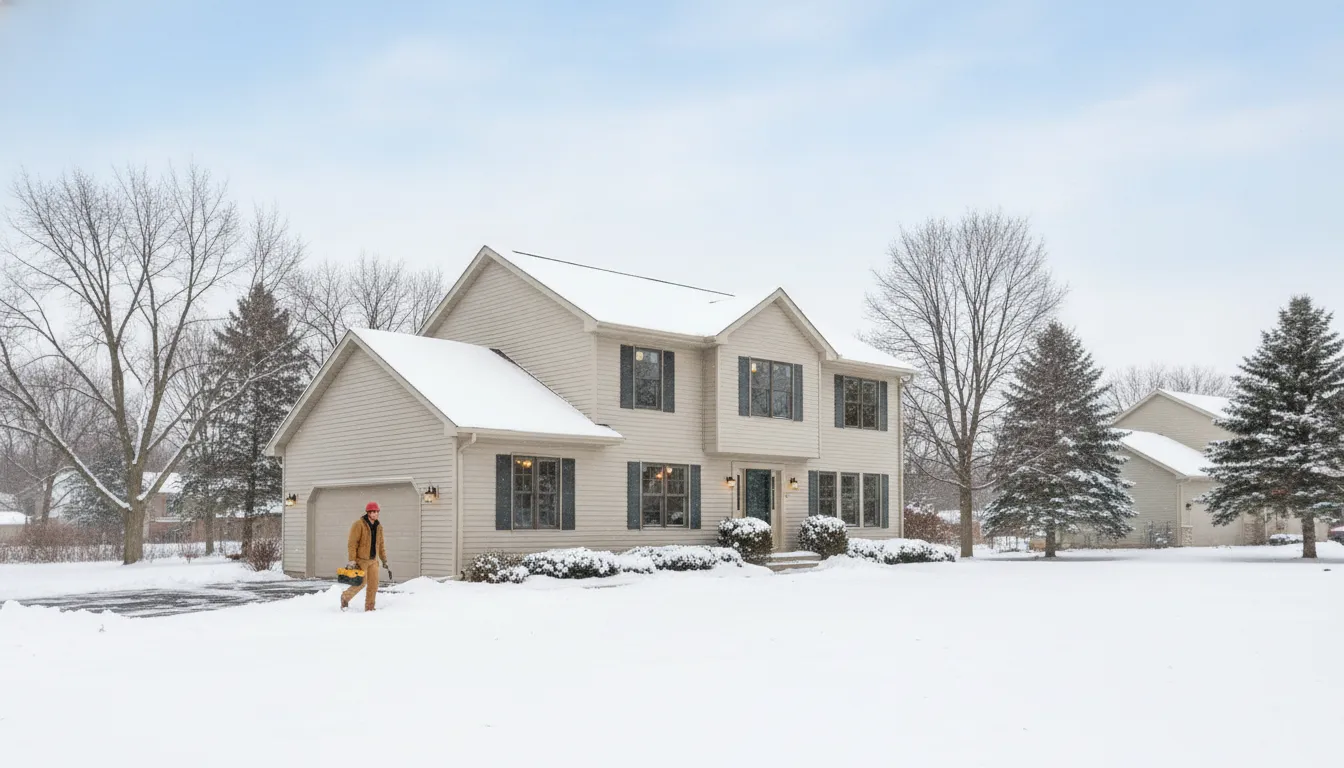
For many homeowners, home window replacement can improve comfort and energy efficiency when older windows no longer close, seal, or perform reliably. The best result depends on choosing a window suited to the home and climate, then having it measured, flashed, and sealed correctly.
Before comparing window styles or energy labels, identify whether the issue is isolated and repairable or part of a larger pattern. A closer look at the warning signs can help you make that distinction and plan the next step with confidence.
When Is It Time for Home Window Replacement?
Not every troublesome window needs to be replaced immediately. A failed lock, worn weatherstripping, damaged screen, or limited hardware problem may be repairable. The decision becomes more serious when the window itself is no longer keeping out Minnesota’s cold, moisture, and seasonal weather. Replacement may also make sense when several repairs have not solved the underlying issue.
Signs the window may be reaching the end of its service life
- Persistent drafts: If cold air still moves around the sash or frame after basic sealing, the assembly may have gaps. Deterioration or poor fit can also be responsible.
- Fog between panes: Condensation trapped between insulated glass panes usually indicates a failed seal. Cleaning the surfaces will not remove moisture inside the unit, so replacement of the glass or the full window may be needed.
- Difficult operation: Windows that stick, will not stay open, or are hard to lock can create comfort and safety concerns. Hardware may be repairable, but a warped sash or deteriorated frame points toward broader replacement.
- Frame deterioration: Rot, soft wood, cracking, swelling, or visible water damage can compromise the opening. Painting over damaged material does not restore its structure.
- Moisture around the opening: Water stains, peeling finishes, or recurring dampness near the sill deserve prompt evaluation. The source may be a failed seal, exterior caulking, flashing, or drainage issue rather than the glass alone.
- Repeated repairs: When the same window needs service again and again, compare the condition of the entire unit with the age and condition of the surrounding opening. This is better than treating each symptom separately.
Older Minnesota homes can be durable while still having windows that contribute to drafts and comfort concerns. The University of Minnesota Extension explains that older homes may bring energy and comfort challenges. This makes the condition of windows worth evaluating as part of the home’s exterior protection. A professional should inspect the frame, sash, glass, trim, seals, and opening before recommending a path.
Repair can make sense when the frame is sound and the issue is limited to hardware, weatherstripping, exterior caulk, or a replaceable glass unit. Replacement deserves consideration when deterioration is widespread, moisture keeps returning, operation remains unreliable, or the window no longer fits the home’s comfort and weather-resistance needs. For more detail, review these signs you need new windows, then explore local window repair and replacement services for an inspection in Rogers and nearby Minnesota communities.
Which Replacement Window Types Fit Your Home?
Window style affects more than curb appeal. It determines how you ventilate a room and how much natural light enters. It also affects cleaning and how the unit fits the wall, furniture, and exterior design. During home window replacement, compare the way each window operates with the room’s purpose and the opening’s condition.
| Window type | Operation and ventilation | Where it may fit |
|---|---|---|
| Double-hung | Top and bottom sashes move vertically, allowing adjustable airflow. | Traditional rooms, bedrooms, and areas where vertical clearance is available. |
| Casement | Hinged sash opens outward, often providing broad ventilation across the opening. | Rooms that benefit from directed airflow, provided the exterior clearance is safe. |
| Sliding | One or more sashes move horizontally for simple operation. | Wider openings, rooms with limited exterior clearance, and layouts where outward swing is impractical. |
| Picture | Fixed glass does not open, so it provides light and views without ventilation. | Living areas or other spaces where daylight and an unobstructed view are priorities. |
| Bay or bow | A projecting combination of windows can include fixed and operating sections. | Exterior walls where added depth, light, and a broader view suit the home’s design. |
The table is a starting point, not a universal ranking. A double-hung window may be convenient in one room, while a casement or sliding unit may make more sense in another. Think about reach, cleaning, egress needs, nearby walkways, screens, and whether furniture or landscaping will interfere with operation. A picture window can brighten a space, but pair it with an operating window if ventilation matters.
Match the frame material to the home
Frame material affects appearance, maintenance, durability, and how the replacement unit relates to the existing opening. ENERGY STAR notes that certified windows are available in a variety of framing materials to suit different needs. Review the frame options alongside the home’s exterior materials, interior trim, moisture exposure, and desired maintenance routine rather than choosing from appearance alone. ENERGY STAR also advises homeowners to look for the ENERGY STAR label for the appropriate climate zone next to the NFRC label when evaluating off-the-shelf products.
Inspect the opening before selecting a style
The condition of the opening can narrow the practical choices. Check the frame, sill, trim, surrounding wall, signs of moisture, and whether the existing opening is square and sound. In older Minnesota homes, careful inspection matters because window replacement must work with the surrounding wall assembly, not just the visible glass. The selected unit also needs a proper fit and weather-resistant integration with the home’s drainage components. The University of Minnesota Extension explains that windows are part of the outer building surface and must be carefully integrated with drainage-plane components: learn more about protecting windows from water intrusion.
A professional assessment can connect the room’s ventilation and light goals with the opening’s actual condition. That inspection-first approach helps ensure the style, frame, and installation plan work together for the home.
How Can Energy-Efficient Windows Improve Minnesota Home Comfort?
In a Minnesota home, window performance affects more than the monthly energy bill. Cold glass, drafts around the frame, and uneven room temperatures can make a living space uncomfortable even when the heating system is working normally. A well-selected replacement window combines several features to help create a steadier indoor environment.
Look beyond the glass package
Glazing describes the layers of glass in a window. Insulated glass units use two or more panes separated by a sealed space, which helps slow heat transfer compared with older single-pane glass. Low-emissivity, or low-E, coatings add another layer of control. The coating is designed to manage radiant heat while allowing useful daylight into the room. Together, insulated glass and low-E technology can help reduce the cold-radiation effect near a window during winter.
Glass is only part of the assembly. A frame that fits the opening properly, along with continuous perimeter sealing, helps limit air leakage. Even an advanced window can underperform if the opening is out of square, the frame is poorly supported, or gaps remain between the replacement unit and the wall. During a window energy efficiency ratings review, consider the complete window and installation, not one label or feature in isolation.
Use Minnesota climate guidance when comparing products
ENERGY STAR recommends determining the applicable climate zone before choosing replacement windows and provides a Product Finder for identifying certified product lines. Climate-zone guidance helps narrow the performance characteristics that make sense for a cold-weather home rather than relying on a generic national recommendation. ENERGY STAR windows are independently certified and verified to meet or exceed energy-efficiency guidelines set by the U.S. Environmental Protection Agency. Look for the ENERGY STAR label alongside the NFRC label on off-the-shelf products. The NFRC label helps you compare measured performance ratings across products, including how well a window insulates and limits air movement.
ENERGY STAR reports that replacing old single-pane windows with certified windows can lower household energy bills by an average of up to 13 percent nationwide. That figure is a national average for single-pane replacement, not a promise for every Minnesota home. Actual savings vary with local climate conditions, utility rates, the home’s construction and orientation, existing insulation, window area, and installation quality. The practical goal is improved comfort and better control of heat loss, supported by a product and installation plan suited to the home.
For guidance, compare the NFRC ratings, confirm the ENERGY STAR climate-zone designation, and have the existing openings evaluated before ordering. That inspection can reveal whether frame fit, sealing, or surrounding wall conditions need attention as part of the replacement.
Contact Referred Restoration online to discuss your Minnesota window options
What Happens During Professional Window Installation?
A careful installation does more than place a new frame into an opening. It connects the window to the surrounding wall so the assembly can manage water, air, and seasonal movement. That connection matters in Minnesota, where wind-driven rain, snow, ice, and repeated freeze-thaw cycles test exterior materials. The process may vary by home and product, but a professional crew generally works through these stages:
- Inspect and measure the opening. The installer checks the existing frame, sill, trim, surrounding wall, and signs of moisture or deterioration. Precise measurements confirm the replacement unit fits the opening and reveal conditions that may require additional preparation. The crew also reviews how the window should operate and how its exterior will meet the siding or other cladding.
- Remove the existing window carefully. The old unit and necessary trim are removed with care to limit damage to the wall opening. A controlled removal exposes the sill, jambs, and head so the installer can assess the condition of the materials behind the visible window. Any damaged or unsuitable components should be addressed before the new unit is set.
- Prepare and protect the opening. The opening is cleaned, squared, and prepared for the new window and its sealing materials. This is also the point to preserve a continuous path for water to move away from the wall assembly. The University of Minnesota describes a drainage plane as a protective layer that shields materials from repeated water exposure. Its components can include a weather-resistive barrier, such as housewrap or building paper, along with flashing and other drainage elements. Learn more about drainage-plane protection from the University of Minnesota.
- Integrate flashing and the drainage plane. Flashing is installed and layered with the surrounding weather barrier so water is directed out and over the layer below, rather than trapped behind the window. The window is part of the home’s outer surface, so it must be carefully integrated with the drainage-plane components. This water-management step is one reason installation quality can affect long-term performance, not just appearance.
- Set and seal the new unit. The installer positions the window, checks that it is level and square, and secures it according to the product requirements. Appropriate insulation and sealant help limit unwanted air movement around the frame. ENERGY STAR emphasizes that installation quality is important when maximizing the energy savings available from a qualifying window. Review ENERGY STAR window guidance.
- Complete trim and operation checks. Interior and exterior trim are finished, joints are sealed, and the crew checks each sash, lock, hinge, and screen. The final review should confirm that the window opens, closes, latches, and drains as intended. For a closer look at this sequence, see the residential window installation process.
Good home window replacement therefore depends on both the product and the connection between that product and the house. A neat finish is valuable, but the underlying flashing, drainage, fit, and seals are what help protect comfort and the wall assembly.
How Should Minnesota Homeowners Plan the Replacement Project?
A well-planned window project starts with the home, not a product brochure. Before selecting styles or scheduling installation, identify which rooms need attention and document what you are experiencing. Note drafts, condensation, sticking sashes, damaged trim, moisture, visible deterioration, and rooms that feel unusually hot or cold. Photos can help you explain symptoms during an inspection.
Start with an inspection and clear priorities
Walk through the home and rank rooms by comfort, moisture risk, safety, and daily use. Bedrooms, nurseries, and living areas may deserve early attention if poor operation or drafts affect everyday comfort. Windows near bathrooms, kitchens, or other humid spaces should be checked carefully for moisture and trim damage. An inspection should evaluate the frame, glass, opening, trim, operation, and surrounding wall condition. It should also confirm whether the existing opening can support the selected replacement and whether repair is more appropriate than full replacement.
Ask the contractor to explain what the inspection found in plain language. You should understand which symptoms come from the window itself and which may involve surrounding materials. Referred Restoration provides a free inspection and custom recommendations for homeowners in Rogers and nearby Minnesota communities. You can also review its window repair and replacement services when comparing possible next steps.
Discuss measurements, style, and energy goals
Accurate measurements and a careful review of the opening help prevent surprises during installation. Share how each room is used, how much ventilation you want, and whether easy cleaning, natural light, privacy, or emergency egress matters. Discuss frame materials, glass options, appearance, and how the new windows should complement the home’s exterior. If energy performance is a priority, ask how the proposed product fits Minnesota’s climate and how the frame, glass, flashing, and seals work together. A high-performing window still depends on a sound opening and careful installation.
Plan the work around your household
Seasonal scheduling should account for weather, contractor availability, and your household’s needs. Minnesota conditions can change quickly, so ask how the crew protects an open window area if temperatures or precipitation shift. Before work begins, confirm who will move furniture, cover floors, control dust, and protect landscaping. Ask how long each room may be affected and how the crew will handle unexpected opening damage.
At the final walkthrough, operate every window, inspect trim and screens, look for gaps or damaged finishes, and confirm that the work area is clean. Ask about maintenance, warranty documentation, and whom to contact if a concern appears after installation.
Contact Referred Restoration online to request a free window inspection
Frequently Asked Questions
Should I replace my 20-year-old windows?
Age alone does not decide the project. Have the windows inspected for drafts, moisture between panes, difficult operation, deteriorated frames, and failed seals. If several rooms have the same problems, replacement may be more practical than continuing isolated repairs. A professional can evaluate the openings and the surrounding trim before recommending a path.
What are the signs that a home window needs replacement?
Common signs include persistent drafts, condensation or fogging between glass panes, water intrusion, sticking sashes, soft or damaged frames, and noticeable discomfort near the window. Rising utility bills can also prompt an inspection, but they may have several causes. Look at the window condition together with the home’s insulation, air sealing, and ventilation.
How do I choose the right type of replacement windows for my home?
Start with the room’s ventilation, access, view, cleaning needs, and existing opening. Double-hung windows offer movable upper and lower sashes, casements open outward, sliding windows move horizontally, and picture windows prioritize an unobstructed view. Bay and bow configurations can change the feel of a room. Frame material and the home’s design matter too, so there is no single best type for every Minnesota home.
What are the benefits of choosing energy-efficient replacement windows?
Certified products can improve comfort by reducing drafts and unwanted heat transfer when they are correctly selected and installed. ENERGY STAR says replacing old single-pane windows with certified windows lowers household energy bills by an average of up to 13 percent nationwide. But actual results vary by climate, utility rates, and home characteristics. See the ENERGY STAR and NFRC labels when comparing products. ENERGY STAR guidance explains the certification and climate-zone approach.
What is the typical home window replacement installation process?
The work typically begins with inspection and measurements, followed by careful removal and preparation of the opening. The installer then sets the unit, integrates flashing and weather-resistant materials with the home’s drainage plane, seals the assembly, and checks operation and trim. In Minnesota, that water-management connection is especially important. The University of Minnesota Extension explains how windows should integrate with drainage-plane components: window and wall water-management guidance.
How Can Referred Restoration Help With Your Window Replacement Plan?
A professional inspection can help clarify whether your Minnesota home’s windows need repair, replacement, or a more tailored approach. Referred Restoration can review the condition of your windows and discuss options suited to your home and goals in the Rogers area. Call (763) 726-4245 or reach out online to take the next step.
Contact Referred Restoration online to request a free window inspection