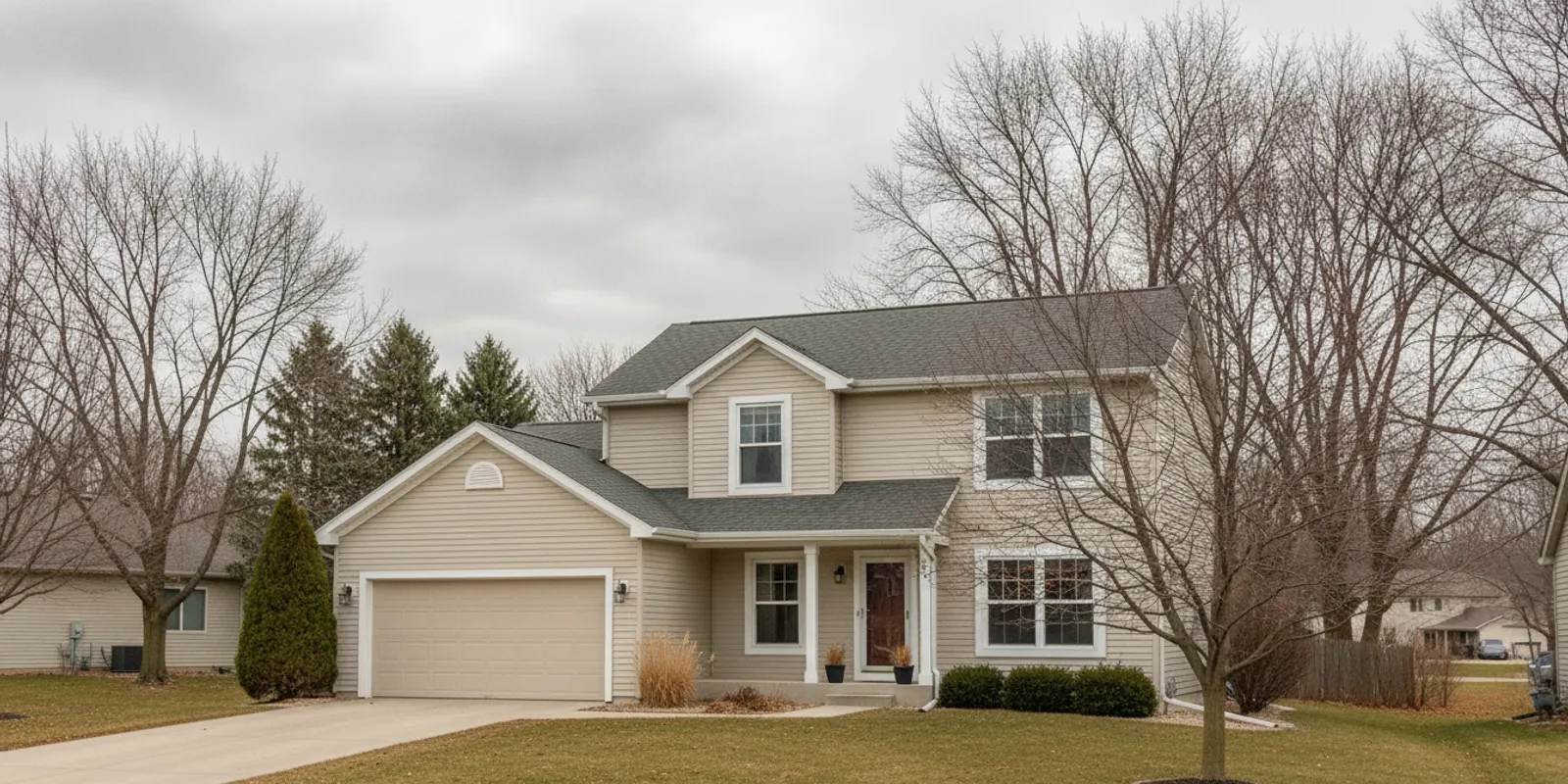
When does insulated vinyl siding make sense for a Minnesota home? It is worth considering when you are already planning an exterior update and want to explore whether siding with a foam backing fits your comfort goals, wall condition, and project details. The right answer depends on the whole wall assembly, not just the siding panel, so start with an inspection and clear expectations.
Contact Referred Restoration to discuss your siding project
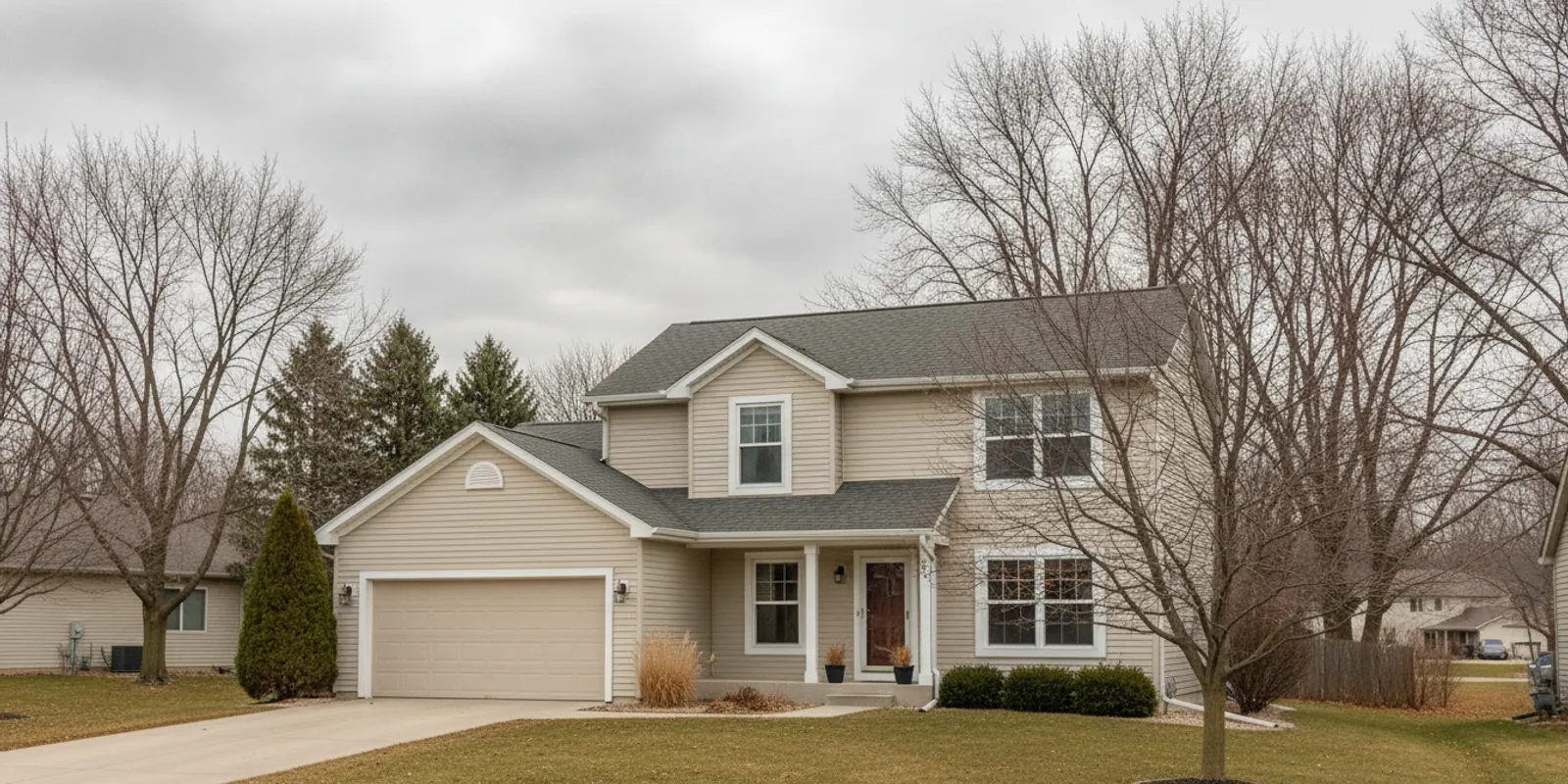
What is insulated vinyl siding?
Insulated vinyl siding is vinyl siding with a fitted layer of rigid foam attached to the back of each panel. The foam follows the panel profile, supporting the siding from behind. It differs from standard vinyl siding, which does not have that foam backing as part of the panel.
That distinction does not mean insulated panels replace the insulation already inside a home’s walls. The exterior wall may include sheathing, a weather-resistive layer, cavity insulation, and interior finishes, and each part has a different job. Siding is the outer finish and weather-facing layer. The foam backing can add an insulating layer, but it cannot correct every gap, air leak, damp wall, or insulation issue behind it.
Before comparing products, read a Rogers siding contractor service overview and make sure your questions are about the wall system as well as the visible panel. In a Minnesota climate, seasonal temperature swings, wind-driven rain, snow, and freeze-thaw cycles make careful preparation and water management important.
When might insulated vinyl siding make sense?
It may be a good option to investigate when the existing siding is due for replacement and you want to consider a more substantial panel assembly. It is also relevant when you are planning a broader exterior refresh and have a specific reason to ask about comfort, appearance, or the feel of the finished wall. Think of it as one part of a project decision, not an automatic fix for a cold room or high energy use.
- You are already planning to replace siding. A siding replacement is the natural time to compare panel types and discuss how the wall will be prepared. The decision can be made alongside details such as trim, openings, flashing, and the condition of the substrate.
- Some rooms feel uncomfortable, and you want to investigate the whole wall. Uneven comfort can have several causes, including air leakage, windows, attic conditions, heating and cooling, or the wall itself. Ask whether siding work can be coordinated with a broader assessment instead of assuming the panel alone will solve the symptom.
- You want a more supported-looking finish. Foam backing can support the panel profile, which may affect how the finished siding looks across a wall. The result depends on the product, installation, wall flatness, and trim details. View examples or samples in person if appearance is a priority.
- You have a clear maintenance plan. Vinyl siding still needs periodic inspection and cleaning. The insulated version does not remove the need to keep water moving away from the walls and to check vulnerable transitions.
- You can plan the details rather than rush a material choice. A well-defined scope should explain removal, substrate review, water management, openings, corners, and finishing details. If those questions are not answered, pause before choosing a panel.
For homeowners in Rogers and nearby communities, local weather is a reason to ask detailed questions, not a guarantee that one product will outperform another on every home. Referred Restoration describes its siding work and inspection process on its Rogers siding service page. Bring your home’s specific concerns to the conversation.
What should comfort expectations be?
Insulated siding may contribute an additional insulating layer, but do not treat that as a promise of a particular indoor temperature or a specific change in utility use. A home’s comfort depends on many connected parts: wall and attic insulation, air sealing, windows and doors, mechanical systems, sun exposure, and how rooms are used. A siding change alone may leave the main source of discomfort untouched.
Describe where and when you notice discomfort. Is a room drafty on windy days? Does one wall feel colder than another? Is the issue near a window, at an exterior corner, or throughout the room? These observations help frame useful questions, but they do not replace a building assessment. If the issue seems broader than siding, consider asking a qualified building-performance professional about an appropriate evaluation.
For general home energy guidance, homeowners can consult the U.S. Department of Energy at energy.gov. Use that as a starting point for broader efficiency questions, then ask a project professional to explain how the proposed siding assembly relates to your home’s existing walls.
Set expectations in writing. Ask what the siding’s foam backing is intended to do, what it does not address, and whether the proposed work includes any separate measures for air sealing or insulation. If those tasks are outside the siding scope, the proposal should make that boundary understandable.
How should you think about moisture and Minnesota weather?
Moisture management deserves attention before any siding goes on. Rain and melting snow must be directed away from the wall, while the layers behind the siding need to be installed in a way that manages water appropriately. Insulated siding does not make a wall waterproof, and it is not a substitute for sound flashing or a properly managed drainage path.
Ask the contractor to describe what happens at windows, doors, outside corners, roof-to-wall intersections, utility penetrations, and the bottom edge of the wall. These transitions are easy to overlook when a discussion focuses only on the broad siding field. The plan should clarify how existing materials will be checked and what happens if hidden damage appears after removal.
If you see staining, soft areas, peeling interior finishes, or persistent dampness, bring that up before selecting siding. Those signs do not identify the cause by themselves. The source could involve a roof, gutter, window, plumbing, or wall detail. A gutter system inspection may be relevant if overflow or poor discharge is part of the concern, while a siding inspection should focus on the wall and its transitions.
Do not cover a known moisture problem just to keep the project moving. Have the concern evaluated, agree on how any needed repair will be handled, and document the scope before installation. In cold weather, discuss scheduling and protection of exposed areas if the project involves removing existing siding in stages.
What appearance and maintenance details should you compare?
Insulated vinyl siding is available in product lines with different profiles, colors, textures, and trim options. The foam backing can help support the panel shape, but it does not guarantee that every wall will appear perfectly flat. Existing wall irregularities, preparation, installation practices, and the way corners and openings are finished all affect the final look.
Look at samples in daylight and from more than one angle. Ask how the chosen profile will meet window and door trim, soffits, corner boards, and other exterior features. If you want a coordinated exterior update, consider how the siding will relate to the roof, gutters, and existing architectural details. Referred Restoration also offers information about planning new siding that may help you think through the broader exterior goals.
Maintenance is still part of ownership. Follow the product maker’s instructions for cleaning and avoid assuming that a foam backing means the siding needs no attention. Periodically look for loose or damaged panels, gaps around penetrations, separated trim, and signs that water is not draining as intended. If you are considering a complete exterior refresh, review how siding relates to home efficiency without treating any single finish as a stand-alone energy solution.
How can you compare siding approaches?
The table below is a way to structure a conversation, not a product ranking. The best fit depends on the condition of your home and the written scope. Ask the contractor to explain the specific materials and work proposed for your project.
| Approach | May suit a homeowner who | Questions to resolve | What to confirm in the plan |
|---|---|---|---|
| Keep existing siding and monitor | The siding is serviceable and there is no current reason to replace it. | Are there loose panels, damaged transitions, or recurring moisture signs? | What to inspect periodically and when to request an evaluation. |
| Replace with standard vinyl siding | Wants a new exterior finish and has no specific need to add foam-backed panels. | How will the wall be prepared, and how will openings and water details be handled? | Removal, substrate review, product profile, flashing, trim, and cleanup. |
| Replace with insulated vinyl siding | Is already planning replacement and wants to assess a foam-backed panel as part of the wall assembly. | What role does the backing play, and what comfort or insulation issues need separate attention? | Product details, existing wall conditions, transitions, and limits of the siding scope. |
| Address a specific wall or moisture issue first | Has signs of dampness, damage, or a persistent comfort concern that is not yet explained. | What is the source, and which trade or evaluation is appropriate? | Diagnosis, repair responsibility, sequencing, and conditions for proceeding with siding. |
What should a written project plan make clear?
A useful proposal explains the work in enough detail that you can compare the same questions across options. It should name the siding product and profile, identify what is included in removal and installation, and describe how the wall will be reviewed once the existing finish is off. Ask for plain-language notes on allowances or conditions that could change the scope.
- Wall preparation: What substrate is expected, how will it be checked, and how will uneven or damaged areas be addressed?
- Water management: What is planned around windows, doors, corners, penetrations, and lower wall edges?
- Insulation boundary: Is the foam backing the only added insulation in the scope, or are other measures proposed? What existing conditions remain outside the work?
- Product and appearance: What profile, color, trim, and finish are specified? How will the crew handle transitions to existing materials?
- Removal and discoveries: How will the home be protected during removal, and how will concealed deterioration be discussed before additional work proceeds?
- Schedule and site care: How will work areas, landscaping, access, debris, and weather interruptions be handled?
- Completion review: What should you inspect with the contractor, and how should you report a concern after the crew finishes?
Compare proposals by scope, not just by a single product name. A proposal that explains preparation, transitions, and exclusions gives you more useful information than one that only identifies the siding. Ask follow-up questions until you can describe what will happen to the whole exterior wall.
What should you expect on installation day?
Once the scope is agreed, ask how the work will be sequenced. Removing siding exposes parts of the exterior wall, so the crew should explain how they will protect the house and manage open areas if work is interrupted. In Minnesota, forecasts can change quickly. Confirm who will update you if rain, wind, or cold conditions affect the schedule, and how the exposed wall will be protected between work periods.
Before the crew arrives, ask what access they need around the home’s exterior. Move patio furniture, grills, planters, and other items away from the work area if requested. Discuss protection for landscaping and paths, and identify gates, parking, or areas that should remain clear. Keep pets and children away from active work zones. If you cannot be home, agree in advance on a contact person and a reliable way to share progress or questions.
During removal, hidden conditions may become visible. Ask the contractor to contact you before proceeding if the crew finds deterioration or a condition that is outside the agreed scope. Clarify how the issue will be documented, what choices you will have, and whether the installation sequence needs to change. A pause to understand a newly exposed problem is preferable to covering it without a clear explanation.
At the end of the work, walk around the house with the project contact. Review the visible siding, corners, trim, openings, and cleanup. Ask how to identify and report a concern after completion, and request any product care information that applies to the installed material. A simple walkthrough helps you understand the finished work and gives both sides a chance to note questions while the crew is still available.
How do you decide whether it is right for your home?
Start with the reason you are considering new siding. If the current siding is failing or you want to update the exterior, insulated vinyl siding can be one option to investigate. If your only concern is an uncomfortable room, first work out whether the wall is actually the source. If moisture is visible, understand and address the cause before covering the area.
Then weigh the proposed assembly against your priorities. Do you value the look and supported profile of a foam-backed panel? Is the contractor able to explain the wall preparation and water details? Are your comfort expectations realistic for siding work alone? Can you make a decision after reviewing the product sample and project plan? Clear answers matter more than choosing a label based on assumptions.
Homeowners in Cottage Grove can also review Referred Restoration’s Cottage Grove exterior services. For an initial conversation in the Rogers area, the siding service page describes the relevant service route. Referred Restoration’s process begins with a free inspection, followed by a custom solution and professional installation.
Request a siding inspection and discuss your options
Frequently asked questions
Does insulated vinyl siding replace the insulation inside my walls?
No. It has foam backing attached to the siding panels, but it does not automatically replace insulation in wall cavities or correct air leaks. Ask what is included in the proposed assembly and which concerns need separate evaluation.
Will it make a cold room comfortable?
Not necessarily. A cold room may be affected by air leakage, windows, attic conditions, heating equipment, or other factors. Describe the issue and ask whether the wall is likely involved before expecting a siding project to resolve it.
Is insulated vinyl siding waterproof?
No siding system should be treated as a substitute for proper water management. Ask how flashing, openings, transitions, and drainage behind the siding will be handled, and raise any existing dampness or damage before installation.
Does the foam backing remove the need for maintenance?
No. Follow the product maker’s care guidance and periodically check the exterior for loose panels, damaged trim, gaps, and drainage problems. Promptly ask for an evaluation if you notice recurring moisture or damage.
What is a practical next step?
Make a short list of your home’s siding condition, comfort concerns, moisture signs, and appearance goals. Ask for an inspection that considers the wall and its transitions, then compare a written plan for insulated vinyl siding with other appropriate approaches. A careful review helps you decide whether the foam-backed option fits this Minnesota home and what the work can reasonably address.
Leave a Reply
You must be logged in to post a comment.