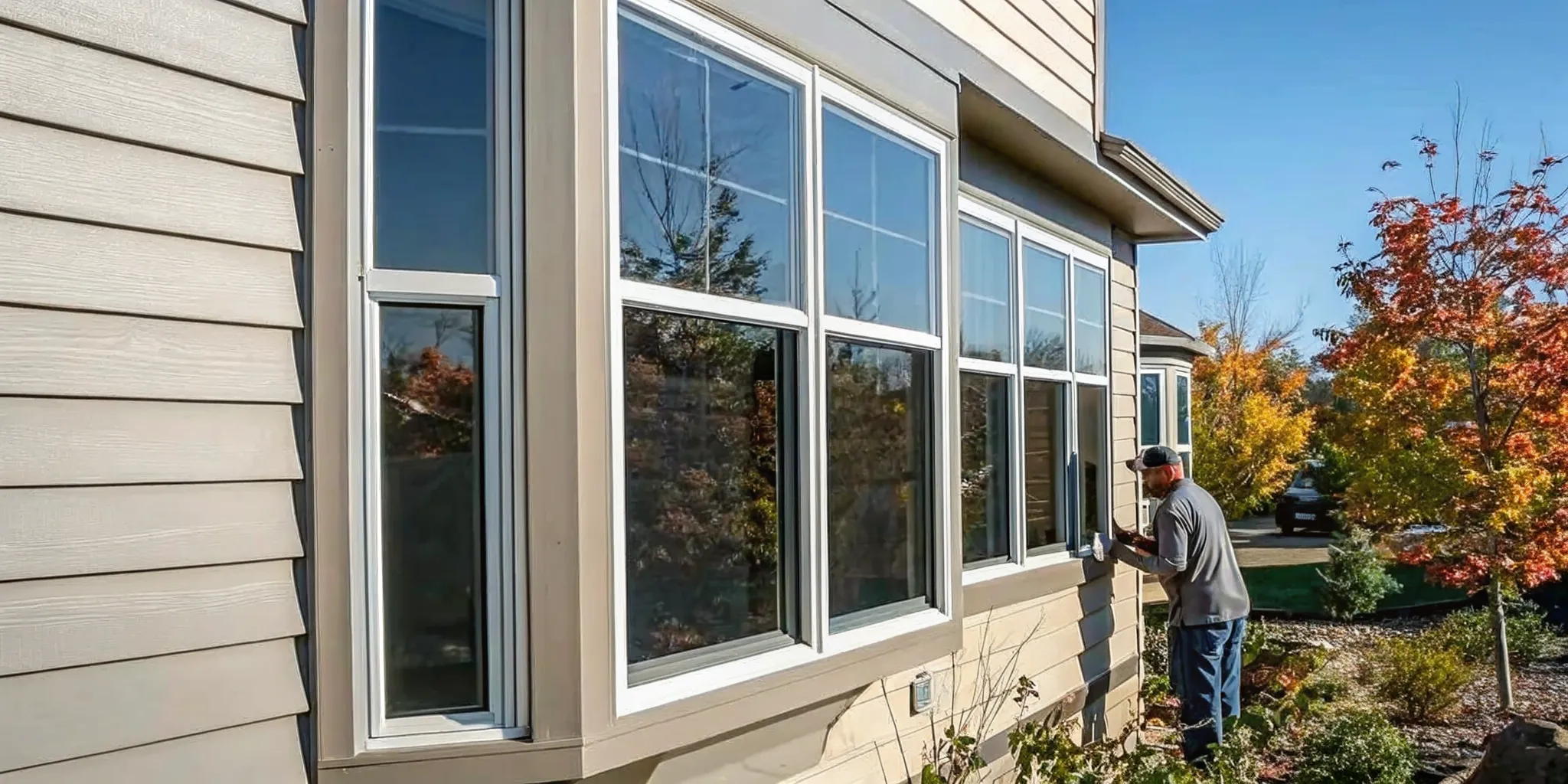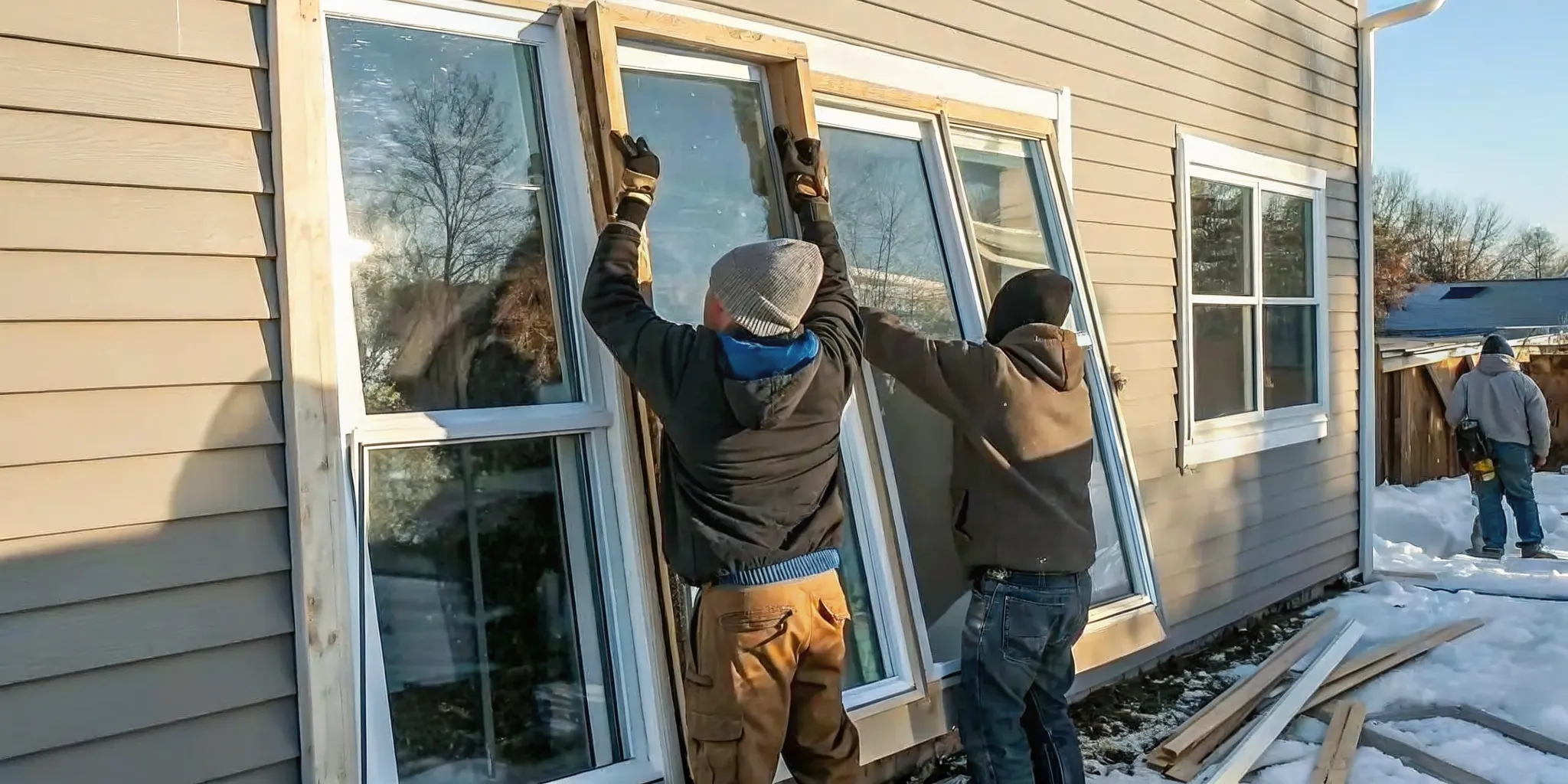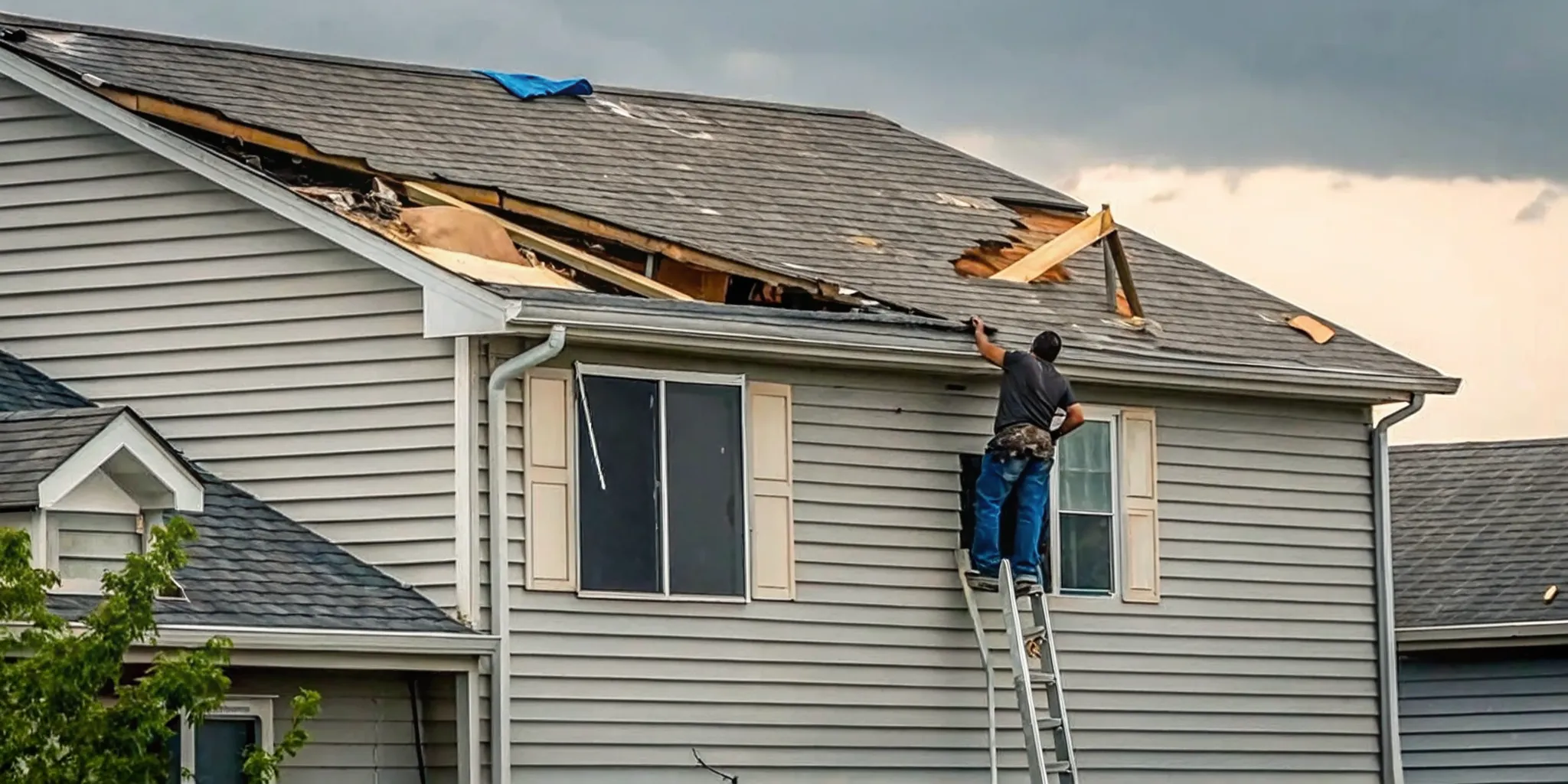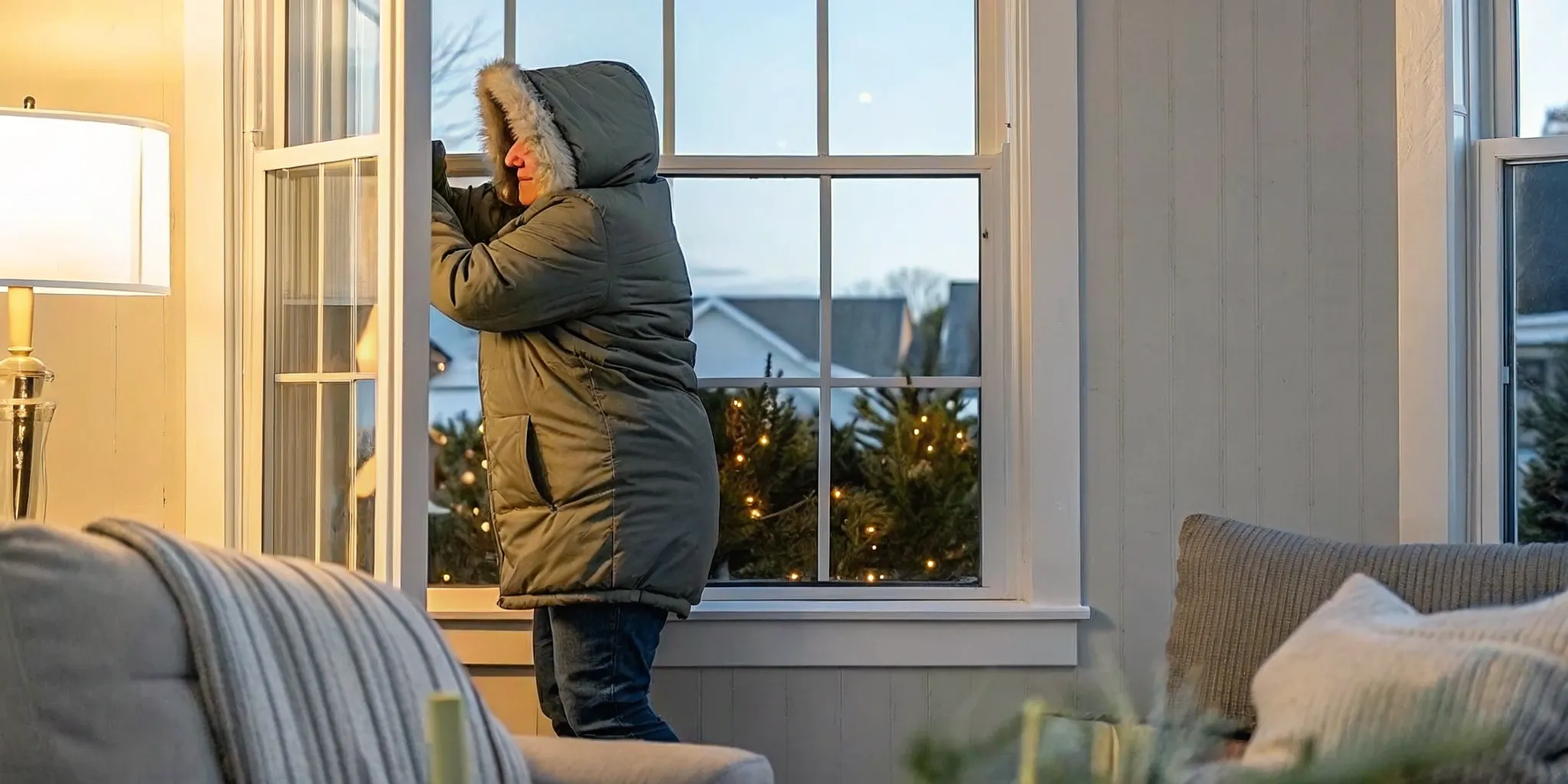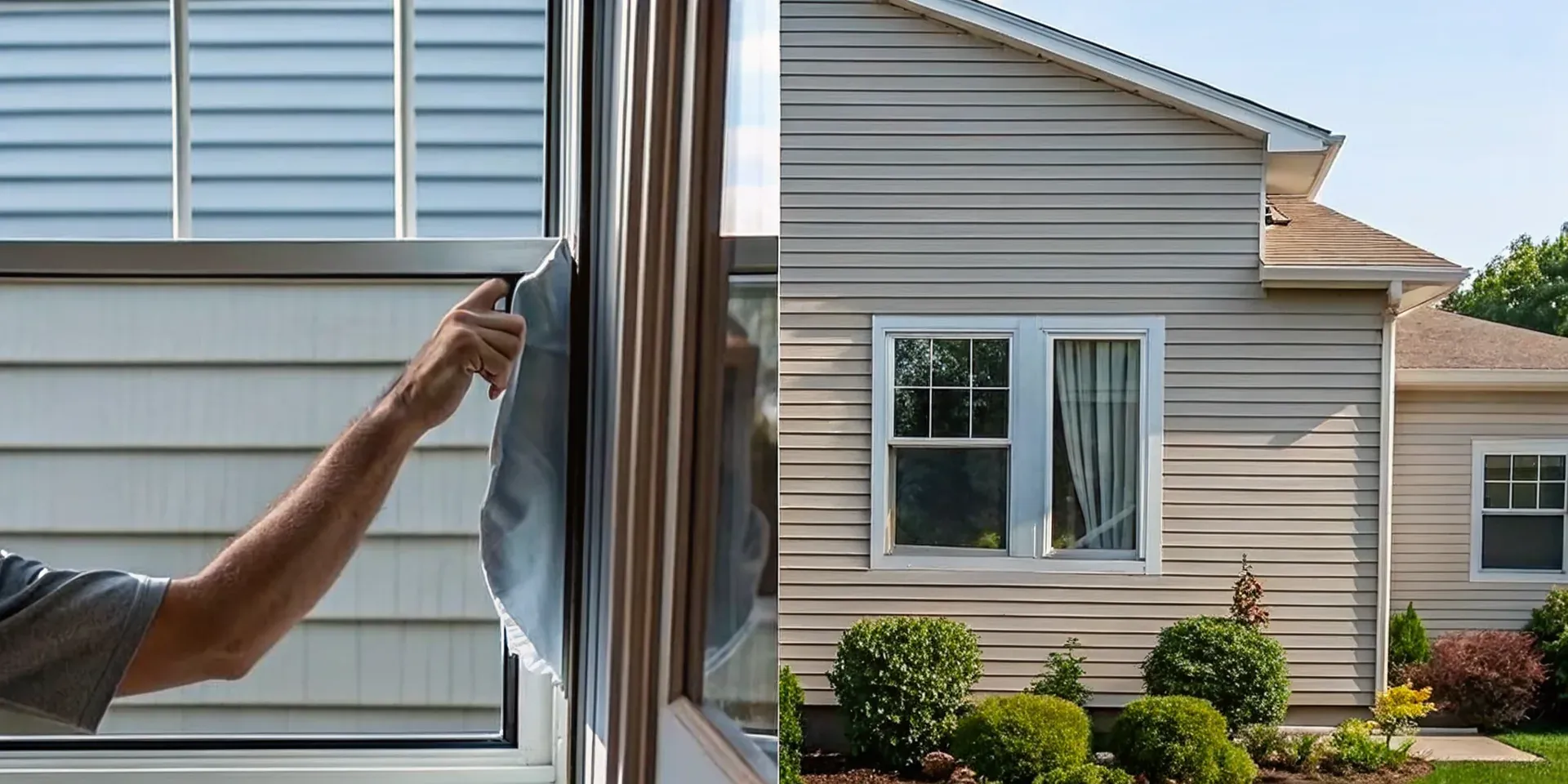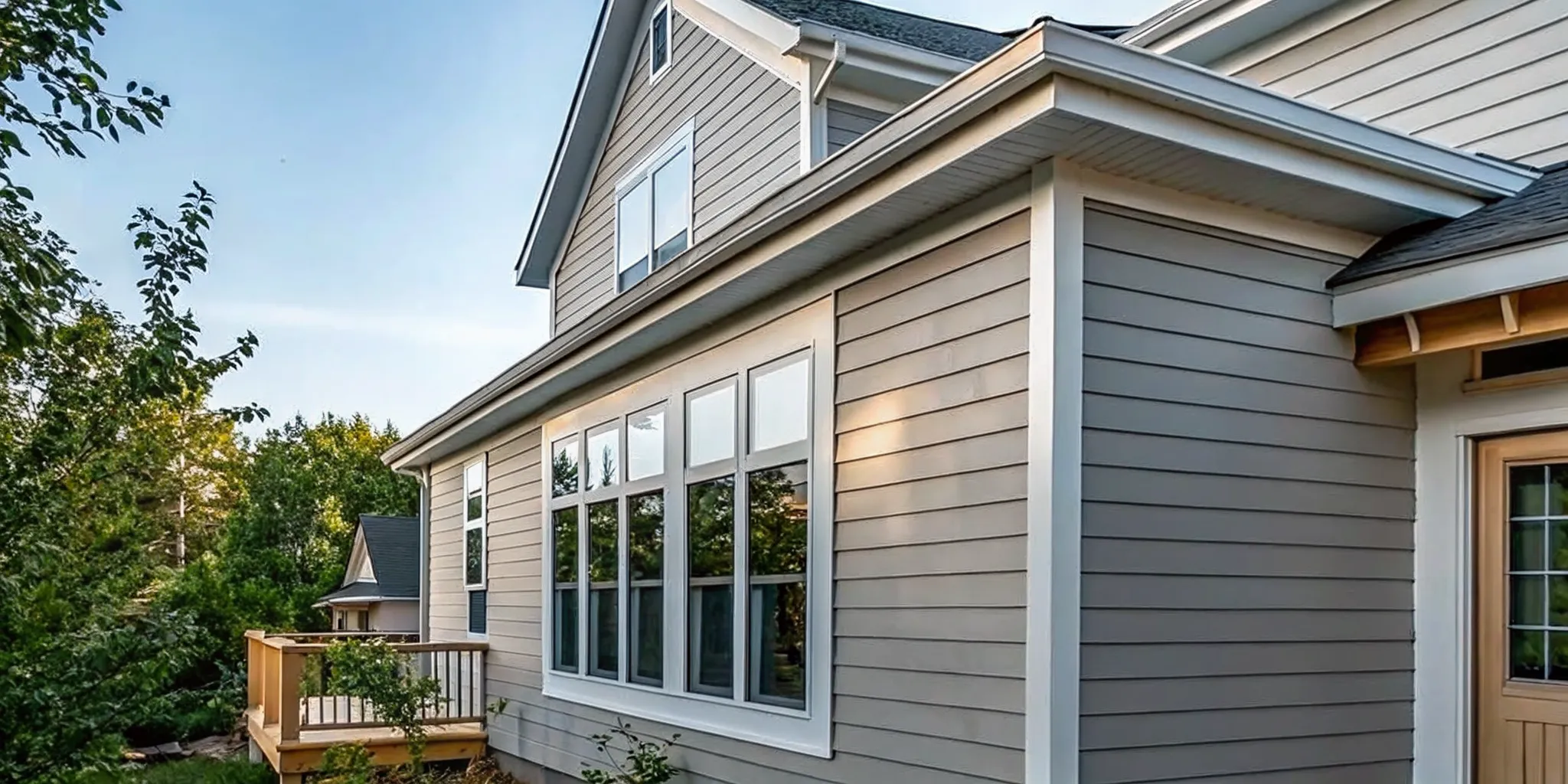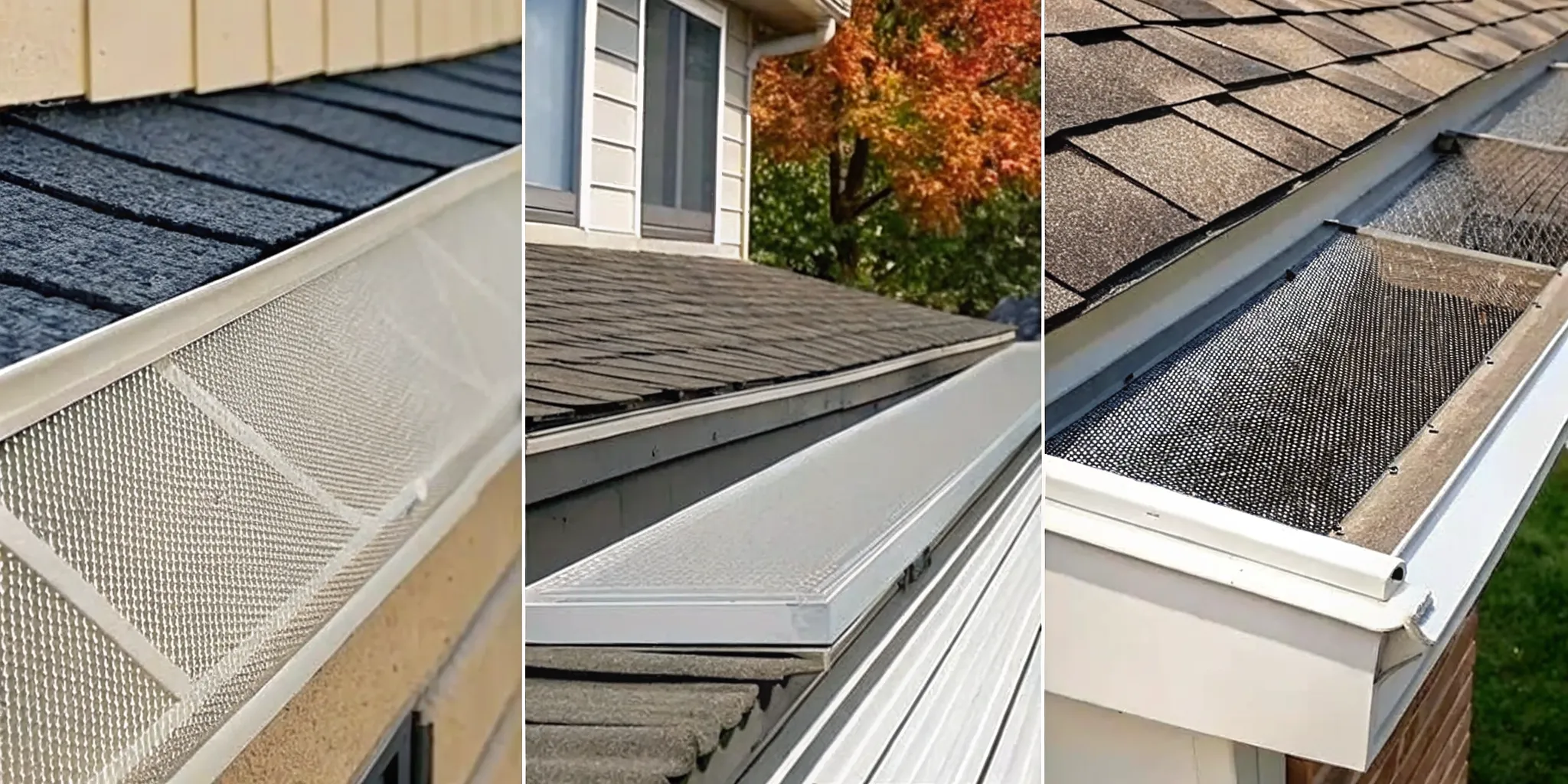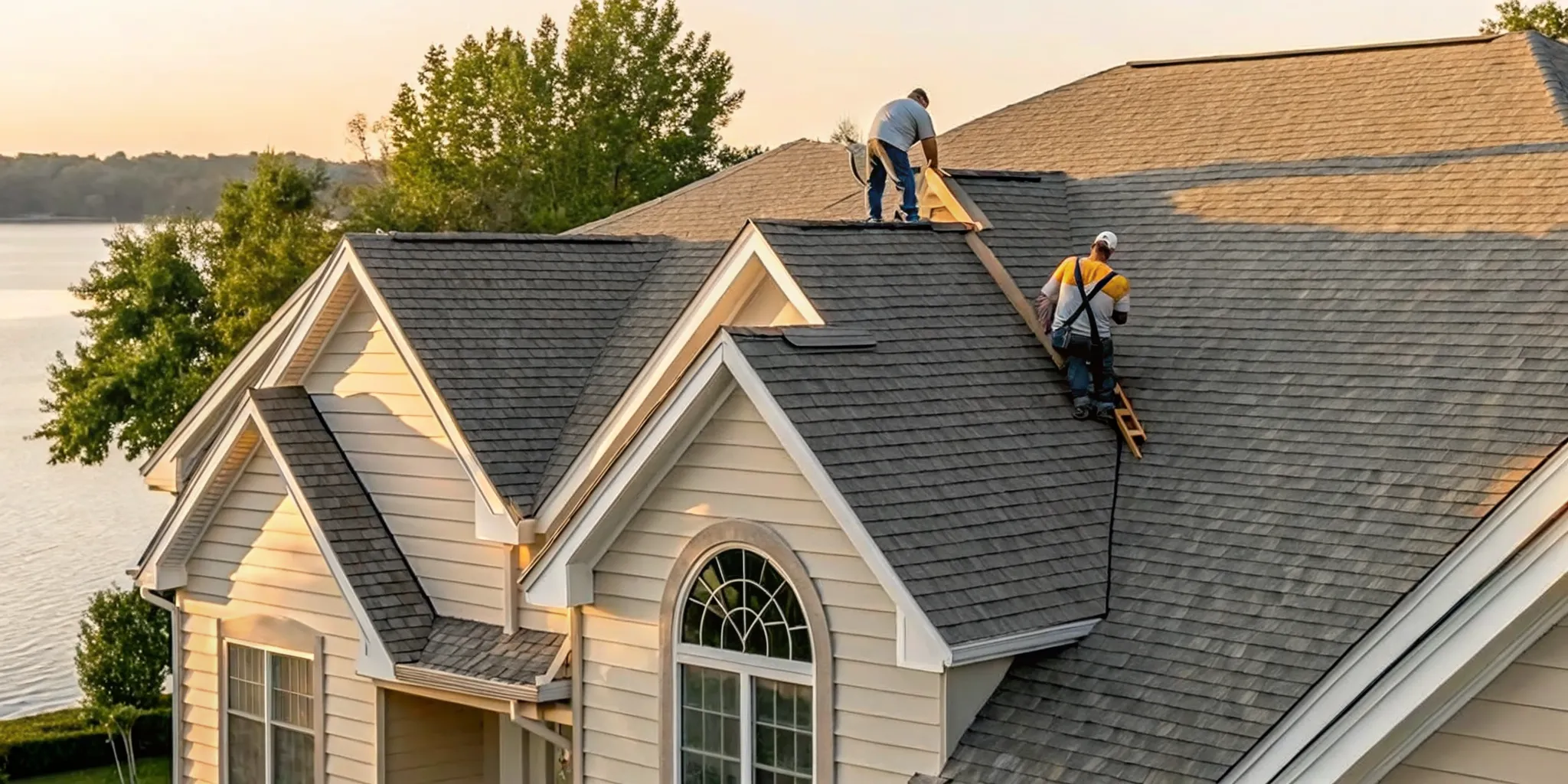
Welcome to the Referred Restoration blog, your source for Minnesota exterior restoration tips covering roofing, siding, gutters, and windows. Whether you own a home in Rogers, Cottage Grove, or anywhere along the Rogers-to-St. Francis corridor, our local team shares practical advice to help you protect your investment through every Minnesota season.

From understanding storm damage signs to choosing the right siding for freeze-thaw cycles, each article is written with the Minnesota homeowner in mind. Browse our latest posts below, or visit our roofing, siding, gutter, and window service pages for detailed information on every exterior system that protects your home.

Schedule a Free Inspection to get personalized recommendations from Referred Restoration's experienced team.

Minnesota Exterior Restoration Tips | Referred Restoration Blog

Blog

  • Why Referred Restoration is the #1 Roofing Company in Lakeville MN

    Why Referred Restoration is the #1 Roofing Company in Lakeville MN

    A new roof is a major investment in your home’s safety and value, so you want it to last. The reality is, the quality of the materials and the skill of the installation team are what truly determine its lifespan, especially with Minnesota’s harsh weather. Using subpar shingles or cutting corners on installation can lead to leaks and costly damage down the road. This article explains how superior materials and expert craftsmanship create a roof built to endure decades of snow and storms. We’ll show you what goes into a truly long-lasting roof and why Referred Restoration is the #1 roofing company in Lakeville MN.

    Key Takeaways

    • Always check for a license and insurance: A trustworthy contractor will be fully licensed and insured, which protects you from liability. You can easily verify a Minnesota contractor’s license online for complete peace of mind.
    • Invest in better materials for a stronger roof: The quality of your shingles and underlayment is just as important as the installation. Choosing durable, weather-resistant products means fewer repairs and a roof that’s built to withstand Minnesota’s climate.
    • Look for a full-service partner: A great roofer does more than just install shingles. Find a team that acts as your advocate during the insurance claims process and offers flexible financing to make the entire project manageable and stress-free.

    How to Find a Lakeville Roofer You Can Actually Trust

    Let’s be honest, finding a roofer you can rely on feels like a huge task. After a storm, it seems like everyone with a truck and a ladder is knocking on your door, making big promises. So how do you sort through the noise and find a team that will actually take care of your home? It comes down to looking for a few key signs of a true professional.

    First, start with what your neighbors are saying. A company with a solid reputation in Lakeville will have a trail of happy customers. Look for detailed customer testimonials that talk about specific experiences, like how the company handled the cleanup or communicated throughout the project. Online reviews are a great starting point, but also look for a roofer who is an established part of the community, not just someone who shows up after a storm.

    Next, and this is a big one, always verify their credentials. A trustworthy roofer will be fully licensed, bonded, and insured, and they won’t hesitate to prove it. This isn’t just a formality; it’s your protection. Being licensed means they meet state standards, and being insured protects you from any liability if an accident happens on your property. You can easily check a contractor’s license online through the Minnesota Department of Labor and Industry. Don’t just take their word for it; a quick search gives you peace of mind.

    Finally, a great roofer acts as a true partner. They should offer a thorough, no-pressure inspection and explain their findings clearly. They should also be experienced in working with insurance claims and be willing to help you through that often-confusing process. A contractor who prioritizes clear communication and transparent service is one you can count on to see the job through correctly.

    More Than Just Roofing: Our Complete Exterior Services

    While a strong roof is your home’s first line of defense, it doesn’t work alone. Think of your home’s exterior as a complete system where every part plays a crucial role in keeping your family safe and comfortable. From the siding that defines its character to the gutters that channel away water, every component needs to work in harmony. That’s why we offer a full suite of exterior services, ensuring you have one trusted partner to care for your entire home, from top to bottom.

    Expert Roof Repairs, Replacements, and Inspections

    Your roof takes the brunt of Minnesota’s weather, from heavy snowfalls to intense summer storms. Whether you’ve noticed a small leak or are concerned about the age of your shingles, our team is here to help. We provide thorough inspections to give you an honest assessment of your roof’s condition. From there, we can handle anything from targeted repairs to a full replacement. Our comprehensive roofing services are designed to give you peace of mind, knowing your home is protected by expert craftsmanship and top-quality materials that are built to last.

    Siding, Gutters, and Windows for Total Home Protection

    A truly protected home is about more than just the roof. That’s why we also specialize in installing beautiful, durable siding that shields your home from the elements while adding major curb appeal. We also install seamless gutters that are essential for directing water away from your foundation, preventing serious and avoidable damage. To complete the package, we offer energy-efficient window replacement to keep your home comfortable year-round and help manage your energy bills. By handling all these critical exterior elements, we make it simple to maintain and improve your home’s integrity and appearance.

    Why Local, Certified Expertise Matters in Minnesota

    When it comes to protecting your home, the contractor you choose makes all the difference. In Minnesota, where our weather swings from one extreme to another, hiring a local expert isn’t just a preference; it’s a necessity. A local company understands the specific challenges your home faces, from heavy snow loads in the winter to intense hail storms in the summer. They’re your neighbors, invested in maintaining a strong reputation right here in the community. This accountability is something you just don’t get from an out-of-state storm chaser who will be gone as quickly as they arrived.

    But being local is only half the equation. True expertise comes from having the right credentials to back up that local knowledge. A qualified contractor brings a professional commitment to quality, safety, and industry best practices. This combination of local presence and certified skill ensures your project is done right the first time, giving you a solution built to last. It’s about finding a team that not only knows Lakeville’s weather patterns but also has the proven training to protect your home against them. This is the foundation of a project you can feel confident about for years to come.

    Our Credentials: Fully Licensed, Insured, and Certified

    We believe that professionalism and quality are non-negotiable. That’s why Referred Restoration is fully licensed, insured, and certified. Our team is made up of skilled workers who have deep knowledge of roofing and other exterior projects. For you, this means total peace of mind. Our license confirms we meet Minnesota’s strict standards, while our insurance protects you from any liability during the project. Our certifications are a testament to our commitment to ongoing training and superior craftsmanship. We don’t just meet the requirements; we aim to set the standard for excellence on every job.

    Built for Minnesota Weather: Local Knowledge You Can Count On

    Understanding the unique challenges of Minnesota’s climate is essential for any exterior project. Our team is well-versed in handling the state’s harsh weather, from frigid winters that can cause ice dams to severe summer storms that bring high winds and hail. This local knowledge allows us to recommend the best materials and installation techniques for your home’s specific needs. We know how to properly ventilate an attic to prevent moisture buildup and how to install gutters that can handle torrential downpours. This expertise enhances the durability of your home and ensures you’re protected from the elements, season after season.

    How Better Materials Create a Longer-Lasting Roof

    A new roof is a significant investment in your home’s safety and value, so it makes sense that you want it to last. While expert installation is a huge piece of the puzzle, the quality of the materials used is just as critical. Think of it like building a house; you can have a perfect blueprint, but if the foundation is weak, the entire structure is at risk. Your

    When contractors use builder-grade or subpar materials to save a little on the initial quote, it almost always leads to problems down the road. Cheaper shingles can become brittle and crack in the cold, while thin underlayment can fail to stop water from seeping through. This can result in leaks, wood rot, and costly interior damage. Choosing higher-quality materials from the start means you get a roof that stands strong for decades. It means fewer repairs, a longer lifespan, and the invaluable peace of mind that comes from knowing your family and your home are properly protected.

    The Malarkey Difference: Why We Use These Shingles

    We’re incredibly particular about the products we install on our clients’ homes. After years of experience, we’ve chosen to partner with Malarkey Roofing Products because their shingles offer a level of performance that standard options just can’t match. Their secret is an innovative Rubberized Asphalt formula, which gives the shingles superior flexibility and resilience in all weather conditions. This means they are far less likely to crack in the bitter cold of a Minnesota winter. What’s more, Malarkey is committed to sustainability by incorporating upcycled rubber and plastics into their shingles, a mission we’re proud to support.

    The Connection Between Quality Materials and Lasting Protection

    So, what does all that innovation mean for your home? It means you get a roof built to endure. Malarkey shingles deliver up to 65% greater granule adhesion, which is a technical way of saying the protective top layer of the shingle stays put instead of washing into your gutters. They also have exceptional tear strength, making them incredibly resilient against high winds. This durability is why their shingles carry a Class 4 impact rating, the highest available for asphalt shingles. For homeowners in Lakeville, this provides incredible protection against hail damage. By using materials with these advanced features, we ensure your roof doesn’t just look great on day one but continues to protect your home for years to come.

    How We Help with Storm Damage Insurance Claims

    After a storm passes, the last thing you want to deal with is a complicated insurance claim. The paperwork, the phone calls, the uncertainty, it can all feel incredibly overwhelming. This is often the most stressful part of the entire restoration process, but it’s also where having a true partner on your side can make all the difference. We don’t just fix roofs; we help you through every single step of getting your home back to normal, from the initial inspection to the final handshake.

    Think of us as your personal guide for the insurance process. We’ve been through this countless times with homeowners just like you. We know what insurance companies look for, how to document damage correctly, and how to make sure your claim accurately reflects the work needed to protect your home. Our goal is to take the weight off your shoulders so you can focus on your family, not on fighting for a fair assessment. We handle the details of your roofing claim to ensure the process is as smooth and straightforward as possible. You get the peace of mind that comes from having an experienced professional in your corner, making sure nothing gets missed.

    A Thorough and Honest Damage Assessment

    Before any claim is filed, you need to know exactly what you’re dealing with. At Referred Restoration, we pride ourselves on providing a thorough and honest damage assessment. Our team is dedicated to giving you clear advice and a transparent explanation of the work required, so you can make an informed decision with confidence. We inspect every aspect of your exterior, from the shingles and flashing to your gutters and siding, to create a complete picture of the storm’s impact. This detailed report becomes the foundation of a successful insurance claim, leaving no room for ambiguity.

    Your Advocate Through the Entire Claims Process

    When your roof suffers damage, you shouldn’t have to become an insurance expert overnight. That’s where we come in. Referred Restoration acts as your advocate throughout the entire claims process, helping you understand your options and ensuring you receive the coverage you deserve. We’ll meet with the insurance adjuster on your behalf, point out all the damage we found during our inspection, and provide the professional documentation needed to validate your claim. Our experienced team is here to guide you every step of the way, making the process as smooth as possible so you can get your home restored correctly.

    What Are Your Lakeville Neighbors Saying?

    Choosing a contractor can feel like a leap of faith, but you don’t have to just take our word for it. Hearing directly from your neighbors is one of the best ways to know you’re making the right choice for your home. We’re proud of the relationships we’ve built in Lakeville and the surrounding communities, and we believe our work speaks for itself. But even better, our customers are happy to speak for us. Their stories highlight the trust and peace of mind we strive to deliver with every project, from the first inspection to the final cleanup.

    Real Stories from Homeowners We’ve Helped

    When hail or storm damage happens, you need a team you can count on. One homeowner shared on our Facebook page that they would “highly recommend Nick to anyone looking for a trustworthy, honest, and reliable professional,” noting our customer service made the process seamless. Dealing with insurance can be just as stressful, which is why another family was relieved that we handled the process efficiently, making their roof replacement “stress-free.” We also know your time is valuable. We were thrilled when a customer praised our team’s professionalism, sharing that we completed their entire roof in just one day.

    Do You Offer Flexible Financing Options?

    A major home exterior project, whether it’s a full roof replacement or new siding, is a significant investment in your property’s safety and value. We believe that financial hurdles shouldn’t force you to delay essential work or compromise on quality. Your peace of mind is our priority, which is why we provide straightforward and flexible payment solutions. Our goal is to help you protect your home now, with a financial plan that fits comfortably within your budget, so you can get the work you need done without the upfront financial strain.

    Understanding Our GreenSky Financing Partnership

    To make your project more accessible, we’ve teamed up with GreenSky Financing. This partnership allows us to offer a variety of payment plans designed to fit different budgets and needs. Instead of facing one large lump sum, we can help you break down the total for your next roofing project into a series of manageable monthly payments. During our initial discussion, we can walk you through the options and find a plan that makes you feel confident and prepared, allowing you to move forward with top-tier materials and craftsmanship.

    Making Your Project Happen Without the Financial Strain

    Our mission is to deliver exceptional work that protects your family and home, and that includes removing unnecessary stress from the process. By offering flexible payment solutions, we empower you to focus on what truly matters: the quality of the installation and the long-term security of your home. We want to make your home improvement project a reality, not a source of worry. This approach ensures you can get the durable, beautiful results you deserve without putting your life on hold or draining your savings.

    Get Your Free, No-Obligation Inspection in Lakeville

    Your roof is one of the most important parts of your home, and keeping it in great shape is key to protecting your family and your investment. At Referred Restoration, we want to make that easy for you. That’s why we offer a completely free, no-obligation inspection to homeowners in Lakeville. Our goal is to give you a clear and honest assessment of your roof’s condition, so you have all the information you need to make the right decisions for your home without any sales pressure.

    Scheduling your inspection is simple. You can give us a call or fill out the quick form on our website, and we’ll find a time that works for you. One of our experts will come out to carefully check for any signs of wear, potential leaks, or storm damage. We take the time to explain our findings and answer all of your questions. We believe in providing homeowners with straightforward, honest advice so they feel confident in their next steps.

    This proactive check-up is the best way to catch small issues before they turn into significant and stressful repairs down the road. Whether your roof just needs a minor fix or it’s time for a full replacement, our team is here to help you understand your options. We’re committed to being a resource you can trust for all your roofing needs.

    Don’t wait for a small drip to become a major problem. Taking care of your roof starts with knowing its current condition. Contact Referred Restoration today to schedule your complimentary inspection and get the peace of mind that comes with knowing your home is well-protected.

    Related Articles

    Frequently Asked Questions

    My roof was damaged in a storm, but I’m overwhelmed by the insurance process. How do you help with that? Think of us as your guide through the entire claims process. We start by performing a detailed inspection to document all the damage accurately. Then, we can meet with your insurance adjuster on-site to make sure they see what we see. Our goal is to handle the technical details and communication so you can focus on your family, not on confusing paperwork. We work to make sure the process is as smooth and straightforward for you as possible.

    Besides checking reviews, what’s the best way to verify a roofing contractor is trustworthy? While reviews are a great start, you should always confirm a contractor’s credentials for your own protection. A professional company will be fully licensed by the state of Minnesota and carry comprehensive insurance. Don’t hesitate to ask for proof of both. A license shows they meet state standards, and their insurance protects you from any liability if an accident happens on your property. A trustworthy contractor will be transparent about this because they have nothing to hide.

    You mention using Malarkey shingles. What makes them a better choice for a home in Minnesota? We are very selective about the materials we use, and Malarkey shingles are built to handle Minnesota’s extreme weather. Their rubberized asphalt composition keeps them flexible and resistant to cracking in our freezing winters. They also have the highest possible impact rating (Class 4), which gives your home superior protection against hail damage. It’s a product that provides real, long-term durability, not just a temporary fix.

    What happens during one of your free inspections? I’m worried about a high-pressure sales pitch. Our free inspection is purely informational and comes with absolutely no strings attached. A member of our team will carefully assess the condition of your roof and exterior, looking for any signs of wear or storm damage. Afterward, we’ll walk you through our findings, explain what they mean for your home, and answer any questions you have. Our goal is to give you a clear, honest assessment so you can make an informed decision, not to pressure you into a sale.

    My siding and gutters were also damaged. Do I need to find separate contractors for that work? Not at all. We manage complete exterior restoration, which includes siding, gutters, and windows in addition to roofing. Your home’s exterior is a system where every part needs to work together to properly protect it. By having one expert team handle the entire project, you can be confident that all the components are installed correctly and work in harmony. It also simplifies the process for you, since you only have one point of contact.
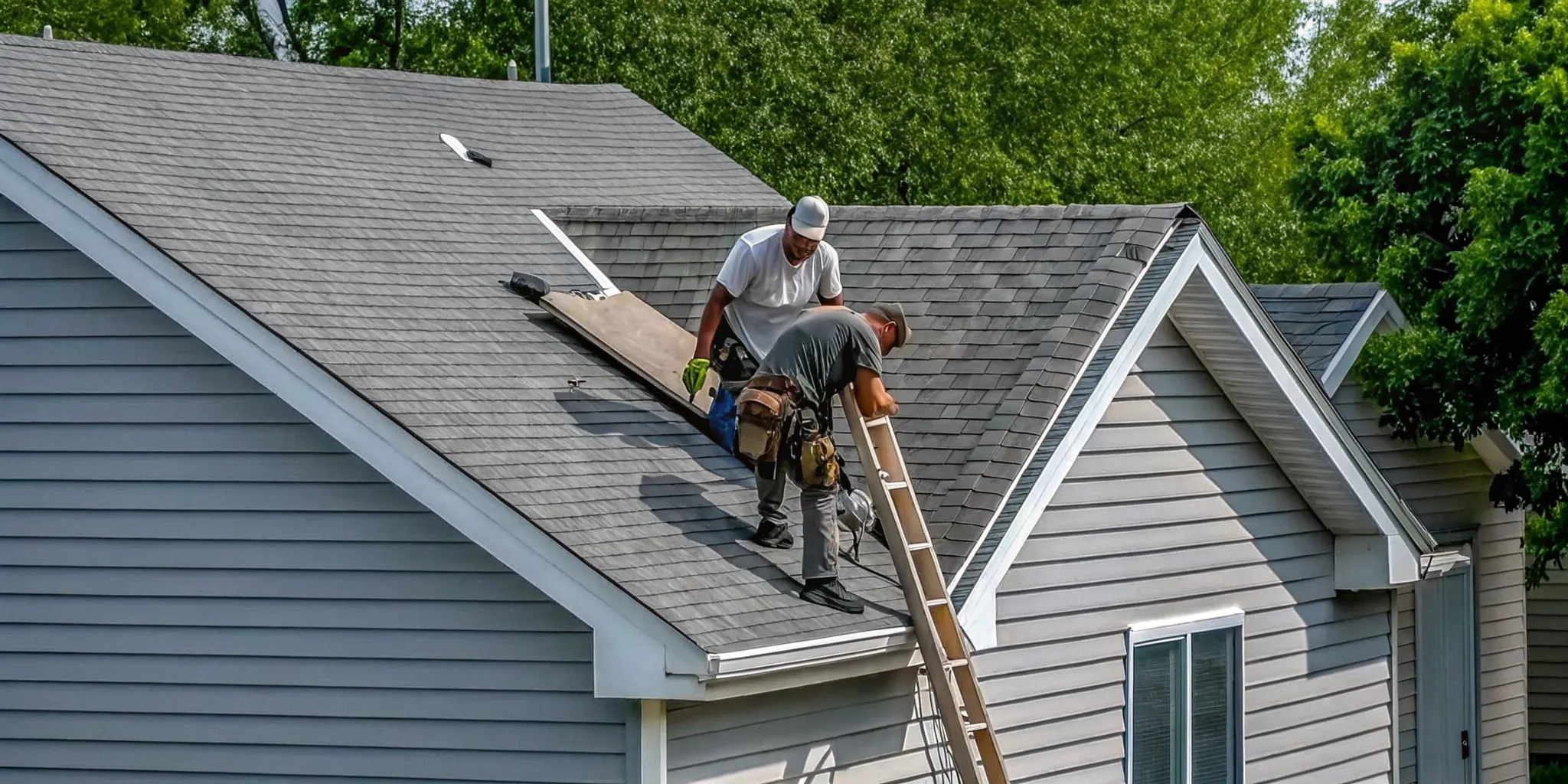
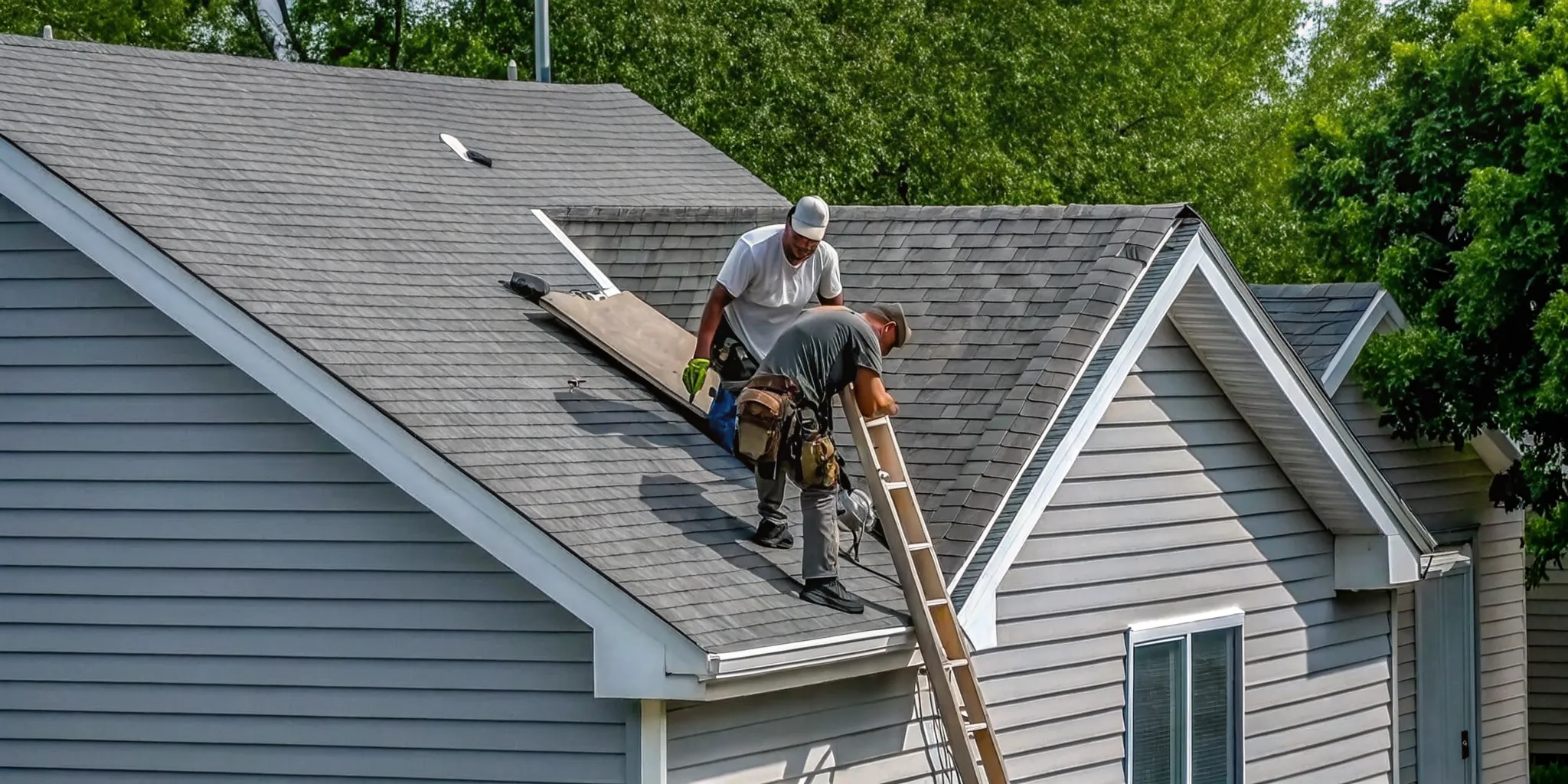
  • Exterior Storm Damage Contractor: Coordinating Roof, Siding, Gutter, and Window Repairs

    Exterior Storm Damage Contractor: Coordinating Roof, Siding, Gutter, and Window Repairs

    A single severe storm can tear through your neighborhood and compromise every layer of your home’s exterior in minutes. When hail, heavy snow, or high winds strike, they rarely damage just one area of a property.

    Working with an experienced exterior storm damage contractor is the most reliable way to coordinate complex, multi-component repairs after severe weather. In Minnesota, extreme storms frequently impact roofs, siding, gutters, and windows simultaneously, creating structural risks that require professional evaluation. Hiring a single local provider to manage the entire restoration project ensures that every trade is scheduled in the correct order. Prevents secondary water intrusion, and guarantees that your home’s weather barrier is sealed properly from top to bottom. A comprehensive restoration project always begins with a professional assessment to identify all structural damage before filing an insurance claim.

    Schedule a Free Inspection with a local exterior storm damage contractor to assess every layer of damage before any work begins.

    Managing several different repair crews on your own can lead to communication gaps and overlooked issues. Understanding what to do immediately after a storm damages your home is the first step toward protecting your property and starting the recovery process. Here is how you can take control of the situation and safeguard your investment right away.

    What to Do Immediately After a Storm Damages Your Home

    The first hours after a severe storm determine how smoothly your home restoration goes. Homeowners in Rogers, MN, should focus on personal safety, document visible damage from ground level, secure openings with temporary covers, and contact a professional exterior storm damage contractor for a thorough inspection. Taking these steps immediately protects your property from further damage and creates the documentation your insurer will need to process your claim efficiently.

    Severe Minnesota storms can strike quickly, leaving homeowners with sudden roof or siding damage. Taking the right steps right away helps protect your home from more harm. When severe weather hits, you must focus on safety, gather proof of the damage, and secure your home to prevent water from getting inside.

    Focus on Safety and Avoid High Hazards

    Your first step after a storm is to check for hazards around your yard. Look for fallen power lines, broken glass, or loose tree limbs. Do not walk on your roof after a high wind or hail event. Walking on a damaged roof is unsafe, and you could cause more harm to the shingles. It is always best to let an expert Rogers roof inspection team handle the high work.

    Take Photos of the Damage for Your Records

    Once it is safe to go outside, start taking photos of the damage from ground level. Take clear pictures of missing shingles, dented siding, torn gutters, and broken windows. Having clear photos is crucial when you file insurance claims later. If you need to make temporary repairs to stop leaks, make sure to save every single receipt. Keeping detailed records of all receipts and expenses is the best way to get reimbursed by your insurer.

    Protect Your Interior with Temporary Tarping

    If the storm left holes in your roof or broke windows, you must act fast to stop water from ruining your home’s interior. Placing a heavy tarp over damaged areas is a temporary but necessary step. Using a plastic cover keeps rain from soaking your attic, ceilings, and walls. For safe and secure protection, contact an experienced emergency storm damage repair team. They have the right tools to secure your home before permanent repairs begin.

    Schedule a Professional Storm Damage Inspection

    After you secure your home, you should contact a trusted local exterior storm damage contractor. A professional team can find hidden issues that you might miss from the ground. They will check the entire exterior of your house, including your gutters, trim, and siding. Getting an expert inspection ensures that all storm-related damage is recorded so you can plan your next steps with confidence.

    Why Does a Comprehensive Exterior Inspection Matter After Severe Weather?

    A professional exterior inspection after severe Minnesota weather reveals hidden damage that homeowners cannot see from the ground. Hail impact can crack asphalt shingles and chip away protective granules without any visible signs from your driveway. High winds can loosen siding, bend gutters, and create small gaps that allow water to seep into your wall cavities. A qualified exterior storm damage contractor examines every component of your home’s envelope to catch these issues before they escalate into costly structural repairs.

    Minnesota weather can be severe. In towns like Rogers, Cottage Grove, St. Francis, and Monticello, homes face extreme weather including frequent hail, high winds, and a high annual snow load. These harsh storms cause complex damage that is hard to spot from the ground. When you need help, hiring a professional exterior storm damage contractor is the best way to find hidden issues and protect your home.

    Hidden Damage You Cannot See from the Ground

    A simple look from your driveway is not enough to find storm damage. High winds and large hail often leave marks that are only clear when you get up close. For example, hail impact on asphalt shingles may chip away protective granules or crack the backing. This damage can easily go unnoticed without a close look. Over time, these small spots let water seep into your attic and cause mold or wood rot.

    Professional inspectors look at every part of your home to ensure nothing is missed. They check your roof, siding, trim, windows, and gutters. If you only look at your roof, you might miss issues with other parts of your home. A professional knows how to find thin cracks or soft spots in your siding before they cause leaks.

    How One Bad Component Impacts Your Entire Home

    Your home has an outer layer designed to work as one system. When severe weather hits, damage to one part often means there are broader issues with other areas. High winds can loosen siding, bend trim, or pull gutters away from your roofline. If your siding is cracked, water can run behind it and damage your wall framing.

    Gutters and trim are often overlooked after a storm, but they are vital. When gutters get bent or clogged with hail granules, they can no longer direct water away from your home. This standing water can overflow and lead to structural water issues around your foundation. A complete checkup ensures your entire outer envelope is secure and ready for the next storm. For more details on checking your siding, read our guide on siding damage after a storm.

    How a Single Contractor Coordinates Roof, Siding, Gutter, and Window Repairs

    A single exterior storm damage contractor manages every trade involved in your home restoration, from roof replacement to window installation. You work with one project manager who schedules the work in the correct order, coordinates with your insurance adjuster, and ensures consistent weatherproofing across every component. This approach eliminates the communication gaps that occur when separate crews work independently, reduces the risk of one crew damaging another’s completed work. And delivers a cohesive final result for your home in communities like Rogers, Cottage Grove, St. Francis, and Monticello.

    Storm damage rarely stops at your shingles. A single severe weather event in Minnesota can harm your roof, tear your siding, dent your gutters, and crack your windows. Managing these repairs with different companies often leads to gaps in your home protective seal. Working with a single exterior storm damage contractor like Referred Restoration ensures that every part of your home gets a professional inspection and complete repair.

    One Point of Contact for Your Home Restoration

    Coordinating multiple repair crews can quickly become a full-time job. Homeowners must trade calls with roofers, siding crews, window teams, and gutter installers. A single-source contractor removes this stress by handling the entire process from start to finish. You only have to talk to one project manager who oversees every trade, tracks the work timeline, and answers your questions. This simple approach keeps your project on track and saves you time during a stressful home recovery.

    Consistent Weatherproofing and Eye Appeal

    Your roof, siding, and gutters work together as a single system to keep water out of your home. When different teams work on these parts at different times, they can easily compromise each other’s work. For example, a roofing crew might accidentally damage new siding, or a siding team might misalign your gutters. Coordinating your roofing and siding repairs at the same time ensures consistent weatherproofing and guards your home envelope. Choosing one team also guarantees that your new materials match perfectly, keeping your home exterior looking beautiful and cohesive.

    Clear Communication with Your Insurance Adjuster

    Filing a property claim can feel overwhelming when you have to track multiple bids. Insurance adjusters prefer clear, comprehensive proof of damage to assess your claim accurately. Your contractor helps by providing organized documentation that maps out every repair your home needs. If you have questions about the process, you can learn more about scheduling an insurance roof inspection to see how professional records support your claim. Having one clear scope of work helps the adjuster review your loss without the confusion of mixed estimates from separate crews.

    Local Service in Your Minnesota Community

    Local homes need sturdy materials to stand up to our tough winter weather and summer storms. We serve homeowners in Rogers, Cottage Grove, St. Francis, and Monticello with storm restoration work built to last. Our team treats your property with the same care we would use on our own homes. By handling your entire project under one roof, we ensure that your roof, siding, gutters, and windows are strong enough to protect your family for years to come.

    How Do You Navigate the Insurance Claim Process With a Contractor?

    An exterior storm damage contractor helps you navigate the insurance claim process by providing thorough documentation of every repair your home needs. They inspect your property, photograph all visible and hidden damage, and compile a detailed scope of work that your adjuster can review. While your insurance policy determines coverage limits, having a single contractor’s organized documentation accelerates the review process and reduces back-and-forth between you, the adjuster, and multiple repair crews.

    Dealing with the aftermath of a severe storm can feel overwhelming. Filing a claim for property damage does not have to be a stressful task if you have the right support. A professional insurance roof inspection helps lay the groundwork for a smooth process. When severe weather hits Rogers or Cottage Grove, a skilled exterior storm damage contractor provides the clear proof needed to move your claim forward.

    How Contractors Help With Claims

    Your restoration contractor plays a vital role by offering technical support to make the process easier. The team inspects your home and provides thorough proof to show what needs repair. This deep level of professional proof helps insurance adjusters see the true scope of the storm damage. By showing clear photos and details, the contractor makes it easier to track what needs to be fixed. This step keeps the repair plans clear and accurate for everyone involved.

    The Limits of Coverage and Contractor Roles

    It is important to know that your insurance carrier and your specific policy terms decide what is covered. A contractor can assist with your claim by offering proof, but they cannot make coverage choices or promise specific payouts. The role of an exterior storm damage contractor is to document the issues and complete the actual restoration work. Knowing these boundaries helps you set realistic expectations while working with your insurer.

    Record Keeping and Next Steps

    As you go through this process, keeping detailed records is highly beneficial. Homeowners should save every receipt, bill, and paper related to the temporary repairs or restoration. Keeping track of these repair expenses ensures you have the documentation ready for your files. Taking these organized steps protects your interest and helps make sure your home gets back to its best state quickly.

    What to Look for When Choosing an Exterior Storm Damage Contractor

    When selecting an exterior storm damage contractor in Minnesota, verify that they hold a valid Minnesota Residential Building Contractor License, which is required for structural repair work in the state. Look for a contractor who performs a full exterior envelope assessment rather than a limited roof-only inspection. Avoid out-of-state crews that arrive immediately after storms and pressure you to sign contracts on the spot. A reliable local contractor provides honest assessments, clear timelines, and a single point of contact throughout your restoration project.

    Selecting a restoration team is a major decision after severe weather. A quality exterior storm damage contractor must hold a valid Minnesota Residential Building Contractor License. This credential is required to perform physical repair work in our state. Working with a licensed local professional ensures your repairs meet all state codes. Homeowners in local communities must verify this license before signing. This includes Rogers, Cottage Grove, St. Francis, and Monticello.

    Demand a Complete Envelope Review

    Some crews only inspect your roofing shingles and ignore the rest of the house. A professional contractor conducts a thorough assessment of every single component on your home. This review covers the gutters, siding, windows, and trim. Exterior trim restoration is essential for a weatherproof building envelope. Skipping these secondary areas can leave hidden gaps that allow rain to seep inside your walls.

    Prevent Secondary Water Issues

    Finding storm damage early is the best way to prevent water issues later. Catching siding damage after a storm prevents leaks from rotting your wall framing. When rain bypasses cracked panels, it creates a damp space where mold grows. This moisture can ruin insulation and drywall before you spot a leak. Referred Restoration focuses on honest inspections. We do not use sales pressure.

    Watch for Quick Decision Pressure

    Avoid out-of-state crews who arrive right after a storm and demand fast signatures. Reliable local professionals will never force you into a quick choice. They do not ask for payments before a full inspection is complete. A trusted team walks you through the process, treats your home with care, and helps you recover safely.

    A thorough comparison of material options can help you make an informed decision.

    Material comparison for storm-resilient exterior upgrades.

    Comparing Exterior Restoration Materials for Storm Resilience
    Component Standard Material Storm-Resistant Option Key Benefit
    Roofing Basic 3-tab shingles Impact-resistant architectural shingles Better hail impact resistance and wind uplift rating.
    Siding Vinyl Fiber cement Does not crack or warp under extreme temperature swings.
    Gutters Standard aluminum Heavy-gauge seamless aluminum Resists denting from hail and ice buildup.
    Windows Double-pane Impact-rated double-pane Reduces risk of shattering from wind-borne debris.

    Preparing Your Minnesota Home for Future Severe Weather

    Minnesota’s extreme weather demands exterior materials that can withstand hail, high winds, and heavy snow loads throughout the year. Homeowners preparing their property for future storms should choose impact-resistant architectural shingles for roofing. Fiber cement siding for its durability under temperature swings, heavy-gauge seamless gutters that resist denting, and impact-rated windows for debris protection. A qualified exterior storm damage contractor can recommend the right materials for your home and install them as a coordinated system.

    Minnesota weather is famous for its extreme shifts. With winter temperatures dropping below zero, heavy snowstorms dumping over forty inches of snow. And spring and summer bringing frequent hail and windstorms, your home’s exterior takes a beating all year long. Preparing your property for future storms starts with making smart choices about the materials you use for your roof, siding, and gutters.

    Choose Storm-Resistant Exterior Materials

    The type of materials on your home’s exterior directly affects the amount of damage your property might suffer during severe weather. Standard materials may crack or pull away under stress, but high-resilience products are engineered to withstand extreme elements. Homeowners can protect their investment by choosing premium materials, such as durable siding and high-quality shingle products. Selecting resilient options for your siding and roofing ensures your home’s protective envelope remains strong for years to come.

    Understand the Power of Wind Pressure

    High winds do more than just blow loose items around your yard; they also create immense pressure differences. This wind pressure can bend, deform, or even lift entire roofing systems if they are not installed correctly. Standard roofing and siding can buckle under these extreme forces, leading to major leaks and structural failures. Working with a contractor who understands wind pressure resistance is essential to ensuring your home is built to withstand Minnesota’s strong storms.

    Invest in Long-Term Exterior Durability

    Selecting the right materials is the single most important factor in improving your home’s resilience against severe storms. Premium asphalt shingles and durable siding options are designed to handle impact from large hail and the pulling forces of high winds. By investing in these robust exterior systems, you significantly reduce the risk of future storm damage. Saving yourself from the hassle of repeated repairs and protecting your family all year round.

    Frequently Asked Questions About Storm Damage Restoration

    Who is liable for storm damage to a home?

    Property owners are generally responsible for structural damage caused by natural storms, which is why most homeowners carry insurance policies to help cover restoration. When a severe weather event causes damage. The homeowner must take immediate steps to document the issues and contact a licensed exterior contractor to inspect the property and prevent secondary issues.

    How long after a storm can you claim roof damage?

    The timeframe for filing a storm damage claim depends entirely on your specific insurance policy terms. Some insurance carriers require you to file within one year of the storm, while others may allow up to two years. Because coverage is decided by policy terms, it is crucial to schedule a professional inspection immediately after a storm to document the damage while the evidence is fresh.

    At what wind speed will a roof come off or suffer damage?

    Roof damage can begin at wind speeds as low as fifty miles per hour, which can lift loose shingles or tear off gutters. Severe damage, such as lifting entire roof sections or causing major metal roof deformation, typically happens when winds exceed seventy to eighty miles per hour. Regular inspections help ensure your roofing components are secure before these high-wind events occur.

    What should I do immediately after storm damage to my house?

    Your first step is to focus on safety and avoid hazards like fallen power lines or unstable structures. You should document all visible issues from ground level using photos and avoid walking on the roof yourself. Contact a professional contractor to make temporary repairs like tarping to stop leaks. And be sure to keep detailed records of all receipts and expenses related to the cleanup.

    Coordinate Your Full Storm Restoration With One Trusted Team

    Recovering from a severe storm does not have to be a stressful or complicated process. At Referred Restoration, we treat every home as if it were our own. We serve homeowners throughout Rogers, Cottage Grove, St. Francis, and the Monticello corridor with honest assessments, reliable craftsmanship, and customer-first service.

    Schedule a Free Inspection with our trusted local team. Our expert exterior storm damage contractor will assess every component of your home and create a complete restoration plan. You can also Contact Us Today to learn how we can protect and restore your Minnesota home.

  • Coordinating Exterior Repairs After a Storm

    Coordinating Exterior Repairs After a Storm

    A single severe storm can tear through your neighborhood and compromise every layer of your home’s exterior in minutes. When hail, heavy snow, or high winds strike, they rarely damage just one area of a property.

    Working with an experienced exterior storm damage contractor is the most reliable way to coordinate complex, multi-component repairs after severe weather. In Minnesota, extreme storms frequently impact roofs, siding, gutters, and windows simultaneously, creating structural risks that require professional evaluation. Hiring a single local provider to manage the entire restoration project ensures that every trade is scheduled in the correct order, prevents secondary water intrusion, and guarantees that your home’s weather barrier is sealed properly from top to bottom. A comprehensive restoration project always begins with a professional assessment to identify all structural damage before filing an insurance claim.

    Managing several different repair crews on your own can lead to communication gaps and overlooked issues. Understanding what to do immediately after a storm damages your home is the first step toward protecting your property and starting the recovery process. Here is how you can take control of the situation and safeguard your investment right away.

    What to Do Immediately After a Storm Damages Your Home

    Severe Minnesota storms can strike quickly, leaving homeowners in Rogers, MN with sudden roof or siding damage. Taking the right steps right away helps protect your home from more harm. When severe weather hits, you must focus on safety, gather proof of the damage, and secure your home to prevent water from getting inside.

    Focus on Safety and Avoid High Hazards

    Your first step after a storm is to check for hazards around your yard. Look for fallen power lines, broken glass, or loose tree limbs. Do not walk on your roof after a high wind or hail event. Walking on a damaged roof is unsafe, and you could cause more harm to the shingles. It is always best to let an expert Rogers roof inspection team handle the high work.

    Take Photos of the Damage for Your Records

    Once it is safe to go outside, start taking photos of the damage from ground level. Take clear pictures of missing shingles, dented siding, torn gutters, and broken windows. Having clear photos is crucial when you file insurance claims later. If you need to make temporary repairs to stop leaks, make sure to save every single receipt. Keeping detailed records of all receipts and expenses is the best way to get reimbursed by your insurer.

    Protect Your Interior with Temporary Tarping

    If the storm left holes in your roof or broke windows, you must act fast to stop water from ruining your home’s interior. Placing a heavy tarp over damaged areas is a temporary but necessary step. Using a plastic cover keeps rain from soaking your attic, ceilings, and walls. For safe and secure protection, contact an experienced emergency storm damage repair team. They have the right tools to secure your home before permanent repairs begin.

    Schedule a Professional Storm Damage Inspection

    After you secure your home, you should contact a trusted local exterior storm damage contractor. A professional team can find hidden issues that you might miss from the ground. They will check the entire exterior of your house, including your gutters, trim, and siding. Getting an expert inspection ensures that all storm-related damage is recorded so you can plan your next steps with confidence.

    Why a Comprehensive Exterior Inspection Matters After Severe Weather

    Minnesota weather can be severe. In towns like Rogers, Cottage Grove, St. Francis, and Monticello, homes face extreme weather including frequent hail, high winds, and a high annual snow load. These harsh storms cause complex damage that is hard to spot from the ground. When you need help, hiring a professional exterior storm damage contractor is the best way to find hidden issues and protect your home.

    Hidden damage you cannot see from the ground

    A simple look from your driveway is not enough to find storm damage. High winds and large hail often leave marks that are only clear when you get up close. For example, hail impact on asphalt shingles may chip away protective granules or crack the backing. This damage can easily go unnoticed without a close look. Over time, these small spots let water seep into your attic and cause mold or wood rot.

    Professional inspectors look at every part of your home to ensure nothing is missed. They check your roof, siding, trim, windows, and gutters. If you only look at your roof, you might miss issues with other parts of your home. A professional knows how to find thin cracks or soft spots in your siding before they cause leaks.

    How one bad component impacts your entire home

    Your home has an outer layer designed to work as one system. When severe weather hits, damage to one part often means there are broader issues with other areas. High winds can loosen siding, bend trim, or pull gutters away from your roofline. If your siding is cracked, water can run behind it and damage your wall framing.

    Gutters and trim are often overlooked after a storm, but they are vital. When gutters get bent or clogged with hail granules, they can no longer direct water away from your home. This standing water can overflow and lead to structural water issues around your foundation. A complete checkup ensures your entire outer envelope is secure and ready for the next storm. For more details on checking your siding, read our guide on siding damage after a storm.

    How a Single Contractor Coordinates Roof, Siding, Gutter, and Window Repairs

    Storm damage rarely stops at your shingles. A single severe weather event in Minnesota can harm your roof, tear your siding, dent your gutters, and crack your windows. Managing these repairs with different companies often leads to gaps in your home protective seal. Working with a single exterior storm damage contractor like Referred Restoration ensures that every part of your home gets a professional inspection and complete repair.

    One Point of Contact for Your Home Restoration

    Coordinating multiple repair crews can quickly become a full-time job. Homeowners must trade calls with roofers, siding crews, window teams, and gutter installers. A single-source contractor removes this stress by handling the entire process from start to finish. You only have to talk to one project manager who oversees every trade, tracks the work timeline, and answers your questions. This simple approach keeps your project on track and saves you time during a stressful home recovery.

    Consistent Weatherproofing and Eye Appeal

    Your roof, siding, and gutters work together as a single system to keep water out of your home. When different teams work on these parts at different times, they can easily compromise each other’s work. For example, a roofing crew might accidentally damage new siding, or a siding team might misalign your gutters. Coordinating your roofing and siding repairs at the same time ensures consistent weatherproofing and guards your home envelope. Choosing one team also guarantees that your new materials match perfectly, keeping your home exterior looking beautiful and cohesive.

    Clear Communication with Your Insurance Adjuster

    Filing a property claim can feel overwhelming when you have to track multiple bids. Insurance adjusters prefer clear, comprehensive proof of damage to assess your claim accurately. Your contractor helps by providing organized documentation that maps out every repair your home needs. If you have questions about the process, you can learn more about scheduling an insurance roof inspection to see how professional records support your claim. Having one clear scope of work helps the adjuster review your loss without the confusion of mixed estimates from separate crews.

    Local Service in Your Minnesota Community

    Local homes need sturdy materials to stand up to our tough winter weather and summer storms. We serve homeowners in Rogers, Cottage Grove, St. Francis, and Monticello with storm restoration work built to last. Our team treats your property with the same care we would use on our own homes. By handling your entire project under one roof, we ensure that your roof, siding, gutters, and windows are strong enough to protect your family for years to come.

    Navigating the Insurance Claim Process With Expert Documentation

    Dealing with the aftermath of a severe storm can feel overwhelming. Filing a claim for property damage does not have to be a stressful task if you have the right support. A professional insurance roof inspection helps lay the groundwork for a smooth process. When severe weather hits Rogers or Cottage Grove, a skilled exterior storm damage contractor provides the clear proof needed to move your claim forward.

    How Contractors Help With Claims

    Your restoration contractor plays a vital role by offering technical support to make the process easier. The team inspects your home and provides thorough proof to show what needs repair. This deep level of professional proof helps insurance adjusters see the true scope of the storm damage. By showing clear photos and details, the contractor makes it easier to track what needs to be fixed. This step keeps the repair plans clear and accurate for everyone involved.

    The Limits of Coverage and Contractor Roles

    It is important to know that your insurance carrier and your specific policy terms decide what is covered. A contractor can assist with your claim by offering proof, but they cannot make coverage choices or promise specific payouts. The role of an exterior storm damage contractor is to document the issues and complete the actual restoration work. Knowing these boundaries helps you set realistic expectations while working with your insurer.

    Record Keeping and Next Steps

    As you go through this process, keeping detailed records is highly beneficial. Homeowners should save every receipt, bill, and paper related to the temporary repairs or restoration. Keeping track of these repair expenses ensures you have the documentation ready for your files. Taking these organized steps protects your interest and helps make sure your home gets back to its best state quickly.

    What to Look for When Choosing an Exterior Storm Damage Contractor

    Selecting a restoration team is a major decision after severe weather. A quality exterior storm damage contractor must hold a valid Minnesota Residential Building Contractor License. This credential is required to perform physical repair work in our state. Working with a licensed local professional ensures your repairs meet all state codes. Homeowners in local communities must verify this license before signing. This includes Rogers, Cottage Grove, St. Francis, and Monticello.

    Demand a complete envelope review

    Some crews only inspect your roofing shingles and ignore the rest of the house. A professional contractor conducts a thorough assessment of every single component on your home. This review covers the gutters, siding, windows, and trim. Exterior trim restoration is essential for a weatherproof building envelope. Skipping these secondary areas can leave hidden gaps. These gaps allow rain to seep inside your walls.

    Prevent secondary water issues

    Finding storm damage early is the best way to prevent water issues later. Catching siding damage after a storm prevents leaks from rotting your wall framing. When rain bypasses cracked panels, it creates a damp space where mold grows. This moisture can ruin insulation and drywall before you spot a leak. Referred Restoration focuses on honest inspections. We do not use sales pressure.

    Watch for quick decision pressure

    Avoid out-of-state crews who arrive right after a storm and demand fast signatures. Reliable local professionals will never force you into a quick choice. They do not ask for payments before a full inspection is complete. A trusted team walks you through the process, treats your home with care, and helps you recover safely.

    Preparing Your Minnesota Home for Future Severe Weather

    Minnesota weather is famous for its extreme shifts. With winter temperatures dropping below zero, heavy snowstorms dumping over forty inches of snow, and spring and summer bringing frequent hail and windstorms, your home’s exterior takes a beating all year long. Preparing your property for future storms starts with making smart choices about the materials you use for your roof, siding, and gutters.

    Choose Storm-Resistant Exterior Materials

    The type of materials on your home’s exterior directly affects the amount of damage your property might suffer during severe weather. Standard materials may crack or pull away under stress, but high-resilience products are engineered to withstand extreme elements. Homeowners can protect their investment by choosing premium materials, such as durable siding and high-quality shingle products. Selecting resilient options for your siding and roofing ensures your home’s protective envelope remains strong for years to come.

    Understand the Power of Wind Pressure

    High winds do more than just blow loose items around your yard; they also create immense pressure differences. This wind pressure can bend, deform, or even lift entire roofing systems if they are not installed correctly. Standard roofing and siding can buckle under these extreme forces, leading to major leaks and structural failures. Working with a contractor who understands wind pressure resistance is essential to ensuring your home is built to withstand Minnesota’s strong storms.

    Invest in Long-Term Exterior Durability

    Selecting the right materials is the single most important factor in improving your home’s resilience against severe storms. Premium asphalt shingles and durable siding options are designed to handle impact from large hail and the pulling forces of high winds. By investing in these robust exterior systems, you significantly reduce the risk of future storm damage, saving yourself from the hassle of repeated repairs and protecting your family all year round.

    Frequently Asked Questions About Storm Damage Restoration

    Who is liable for storm damage to a home?

    Property owners are generally responsible for structural damage caused by natural storms, which is why most homeowners carry insurance policies to help cover restoration. When a severe weather event causes damage, the homeowner must take immediate steps to document the issues and contact a licensed exterior contractor to inspect the property and prevent secondary issues.

    How long after a storm can you claim roof damage?

    The timeframe for filing a storm damage claim depends entirely on your specific insurance policy terms. Some insurance carriers require you to file within one year of the storm, while others may allow up to two years. Because coverage is decided by policy terms, it is crucial to schedule a professional inspection immediately after a storm to document the damage while the evidence is fresh.

    At what wind speed will a roof come off or suffer damage?

    Roof damage can begin at wind speeds as low as fifty miles per hour, which can lift loose shingles or tear off gutters. Severe damage, such as lifting entire roof sections or causing major metal roof deformation, typically happens when winds exceed seventy to eighty miles per hour. Regular inspections help ensure your roofing components are secure before these high-wind events occur.

    What should I do immediately after storm damage to my house?

    Your first step is to focus on safety and avoid hazards like fallen power lines or unstable structures. You should document all visible issues from ground level using photos and avoid walking on the roof yourself. Contact a professional contractor to make temporary repairs like tarping to stop leaks, and be sure to keep detailed records of all receipts and expenses related to the cleanup.

    Schedule a Free Inspection Today

    Recovering from a severe storm does not have to be a stressful or complicated process. At Referred Restoration, we treat every home as if it were our own. We serve homeowners throughout Rogers, Cottage Grove, St. Francis, and the Monticello corridor with honest assessments, reliable craftsmanship, and customer-first service.

    Our expert team is here to manage your entire exterior restoration project from start to finish. We handle everything from the initial inspection to coordinating roofing, siding, gutters, and window repairs, giving you a single point of contact and complete peace of mind. We also facilitate the insurance claim documentation process to ensure your home receives the complete restoration it needs. Through our partnership with Green Sky, we offer flexible financing options to make your exterior restoration project simple and stress-free.

    Do not wait for minor leaks to turn into major structural issues. We invite you to Schedule a Free Inspection with our trusted local team or Contact Us Today to learn how we can protect and restore your Minnesota home.

  • Choosing Replacement Windows for Minnesota Cold Weather

    Choosing Replacement Windows for Minnesota Cold Weather

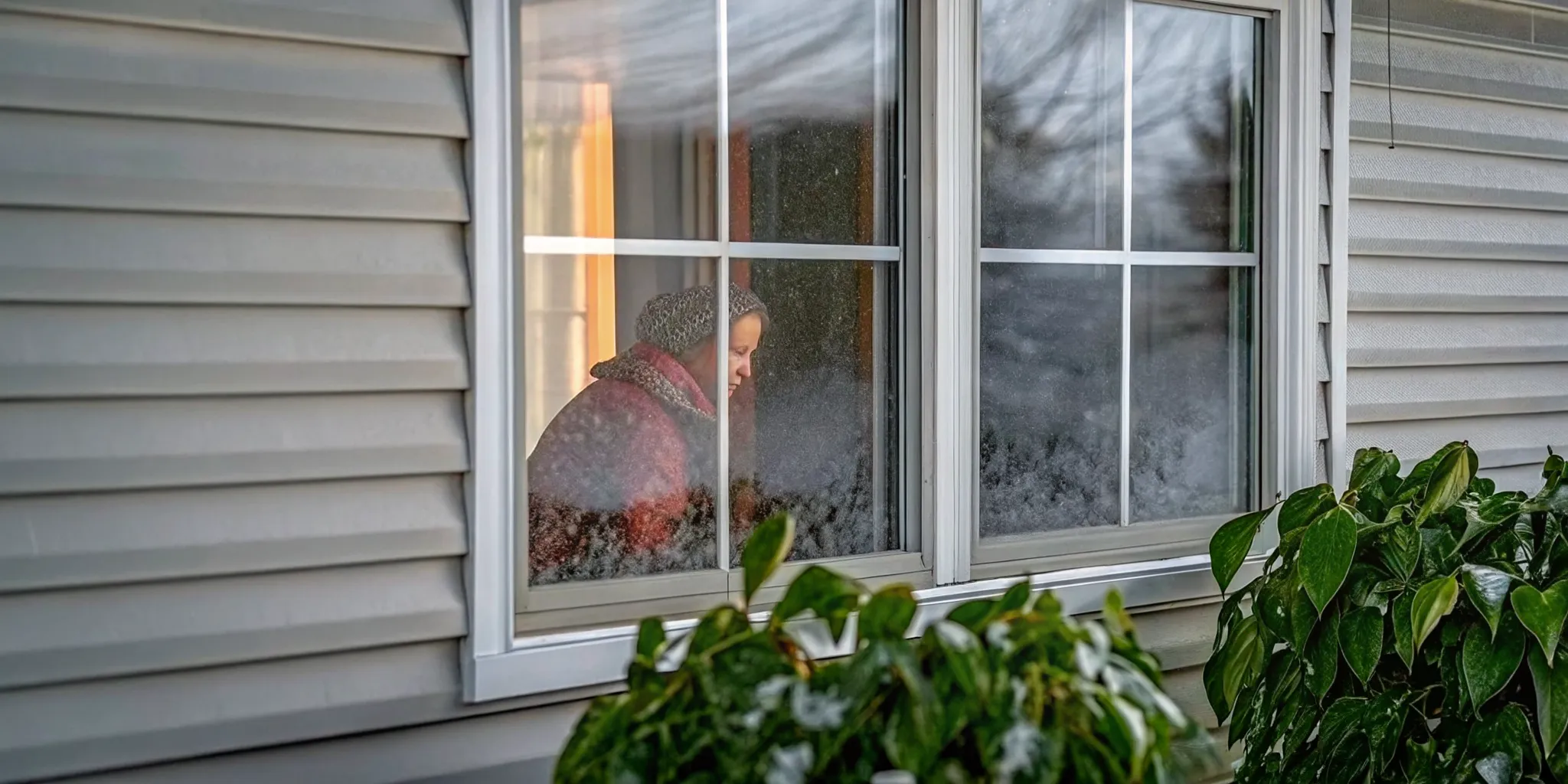
    Minnesota winters can punish any home, and drafty windows are often the first place that heat escapes. When ice builds up on the inside of the glass, it is a clear sign that your old window units can no longer protect your living space.

    Schedule a free window inspection with Referred Restoration to find out if energy-efficient replacement windows are right for your home. Our local team evaluates your current frames, checks for hidden drafts, and provides honest recommendations tailored to your property.

    Upgrading to replacement windows with double-pane insulated glass, low-E coatings, and argon gas fills can lower household energy bills by up to 13 percent. Modern designs block drafts, prevent seal failure, and handle Minnesota freeze-thaw cycles better than older single-pane units.

    Before you choose your new frames, you must know what specific problems to look for in your current setup. Knowing the common warning signs of frame rot and seal failure can help you make a smart choice.

    How Do You Know When It Is Time for Replacement Windows?

    Drafts near closed windows, fog between glass panes, and frames that stick or show rot are clear signs your windows have failed. These issues let cold air in during winter and force your heating system to work harder, raising monthly utility costs.

    Old or worn window units can compromise the comfort and energy efficiency of your home. Recognizing the indicators of window failure early can help you avoid water damage and high utility bills. Homeowners should look for specific physical and performance-related warning signs to determine when to buy replacement windows for their property.

    Drafts and cold air leaks

    If you feel a breeze while standing near a closed window, the seals around your frame or sash have likely failed. These drafts allow cold air to enter during winter and warm air to seep in during summer. When drafts become noticeable, simple repairs are often not enough to restore comfort. To confirm if your seals are broken, you can diagnose drafty windows by checking for visible gaps or listening for whistling wind. You can also use a light source to check for air movement around the edges of the sash.

    Failed glass seals and foggy panes

    Condensation or fog trapped between double-pane or triple-pane glass is a clear sign of seal failure. Modern insulated units use space between glass panes to improve the insulating power of your home. When the seal around these panes breaks, moisture enters the space and creates a cloudy look that you cannot wipe clean. This moisture buildup ruins the thermal protection of the glass, making your HVAC system work much harder to keep your indoor rooms comfortable.

    Difficulty opening and frame damage

    Windows should open and close smoothly without sticking or requiring heavy force. Swelling wood frames, warped vinyl, or rusted hardware can make operating your windows difficult or unsafe. When wood frames show rot or soft spots from water penetration, full replacement is recommended to preserve your home’s structural integrity. Neglecting damaged frames can lead to mold growth and wall damage, especially during extreme freeze-thaw cycles.

    What Replacement Window Types and Materials Work Best in Minnesota?

    Vinyl and fiberglass frames paired with double-pane or triple-pane glass offer the best insulation for Minnesota homes. Casement windows seal tightly against wind, while picture windows provide maximum energy efficiency with no moving parts.

    Choosing the right replacement windows for your home requires looking at both design and durability. In Minnesota, your windows must withstand extreme seasonal shifts, including heavy snowfall and sudden temperature changes. To make a smart choice, homeowners should learn about the main window styles and frame materials available today.

    Common window styles for local homes

    Different window styles offer distinct benefits for insulation, ease of use, and airflow. Double-hung windows are a classic choice where both the top and bottom sashes move. They allow you to easily wash the glass from inside and manage airflow. If you want to understand window components like sashes and frames, starting with these standard styles is helpful.

    Casement windows swing outward using a crank. They provide a tight seal when closed because the wind pushes the sash tighter against the frame, which helps stop cold winter drafts. Picture windows are fixed glass units that do not open. They offer the best insulation because they have no moving parts to let air leak in. Combining these styles helps balance fresh air and winter warmth.

    Frame materials built for cold weather

    The frame material you choose impacts how well your new windows perform during freezing winters. Vinyl frames are a popular, low-maintenance option that resists moisture and rot. They have hollow chambers inside that trap air, which helps keep cold drafts out of your living space. According to the U.S. Energy Star program, vinyl and fiberglass frames also tend to have longer color and finish warranties than wood frames.

    Fiberglass is exceptionally strong and expands at nearly the same rate as glass. This match helps the window maintain its seals during extreme temperature swings, preventing foggy glass and drafts. Wood frames offer a classic look and excellent natural insulation, but they require regular painting or staining to prevent water damage from melting snow.

    Frame Material Insulation Maintenance Cold Climate Rating
    Vinyl Good Low Excellent
    Fiberglass Excellent Low Excellent
    Wood Excellent High Good with care

    Glass options for winter insulation

    The glass itself is just as important as the frame. Modern replacement windows use advanced glass technology to keep your home warm and shield your interior from damage. Standard single-pane glass lets too much heat escape, which forces your heating system to work harder during cold spells.

    Most energy-efficient options feature double-pane or triple-pane glass filled with argon gas between the panes to improve insulating power. Using double-pane glass with specialized low-emissivity coatings helps block heat loss while protecting your carpets and furniture from fading. Choosing the right combination of style, frame, and glass ensures your home stays comfortable through every season.

    Energy Efficiency: What Minnesota Homeowners Should Know

    ENERGY STAR certified replacement windows can lower household energy bills by up to 13 percent. Double-pane glass with argon gas fills and low-E coatings reduces heat transfer, stops drafts, and protects interiors from UV damage during Minnesota extreme temperature swings.

    When selecting new windows, understanding heat loss and heat gain is key to staying warm during freezing midwestern winters. Local properties face extreme temperature drops that put immense stress on building materials. Upgrading your home with modern features will help block drafty air and keep your heating system from working too hard.

    The Value of Energy Star Certification

    One of the best ways to verify how well a product performs is to look for official efficiency ratings. Replacing old single-pane units with ENERGY STAR certified windows can lower household energy bills by an average of up to 13 percent nationwide. These products are tested under strict guidelines to ensure they can handle cold weather without letting drafts inside. Choosing certified options is a smart way to upgrade your property and lower your monthly utility costs during the coldest months of the year.

    Advanced Glass Coatings and Gas Fills

    Modern glass technology goes far beyond standard clear panes to protect your home. Most high-performance replacement windows come with at least two layers of glass, also known as double-pane construction. Manufacturers fill the small space between these layers with argon gas, which is a safe, non-toxic gas that improves the insulating power of the unit. This dense gas slows down heat transfer, keeping precious warmth inside your rooms when outdoor temperatures plummet below freezing.

    Low-E Coatings for Interior Protection

    Special microscopic coatings on the glass surface are also highly useful for protecting your living spaces. These thin metal layers reflect heat back to its source while letting natural sunlight pass through. They help keep rooms warm in winter and cool in summer, while also cutting down on harmful ultraviolet rays. Reducing this light exposure protects your carpets, curtains, and furniture from fading over time, ensuring your home looks great for years to come.

    Why Professional Installation Matters in Minnesota

    Even the best replacement windows leak air and moisture if installed improperly. Professional installation by a local contractor like Referred Restoration ensures proper flashing, weather-tight seals, and insulation that stands up to Minnesota freeze-thaw cycles.

    Investing in high-quality replacement windows is only the first step toward securing your home. Even the most efficient window unit cannot perform as intended if it is put in place incorrectly. Referred Restoration brings years of local experience to every installation, ensuring a precise fit for the unique demands of Minnesota weather.

    Energy-efficient replacement windows being installed in a Minnesota home with professional weather sealing

    Protecting Your Home from Water and Ice

    Minnesota weather brings heavy snow, driving rain, and sudden temperature shifts. When water gets behind a window frame, it can rot wood, damage drywall, and promote mold growth. To stop this from happening, proper integration of windows into the home’s drainage plane is critical to prevent water penetration and failure in Minnesota climate. Professional contractors know how to layer flashing and wrap the frame so that moisture always flows down and away from your home.

    You can find detailed guidelines on how proper flashing guards against seasonal water issues on the University of Minnesota Extension site. Experienced local installers apply specialized weather-tight seals that expand and contract as the temperature shifts. This extra care keeps wind and melting snow out of your wall cavities through many cold winters.

    Stopping Air Leaks and Boosting Insulation

    Small gaps around a window frame let heated air escape in winter and warm air seep in during summer. When air leaks through these spaces, your heating and cooling systems have to work much harder, which can drive up your energy bills. Professional installers use custom-cut insulation and specialized expanding foam to seal the entire rough opening before the trim goes on.

    A tight seal around your new window frames ensures that your home retains its indoor temperature. Referred Restoration takes a consultative approach to find and fix hidden insulation gaps in your walls. We start with a free inspection to check your current frames, identify drafty spots, and build a custom installation plan that keeps your home comfortable all year long.

    Navigating Storm Damage and Insurance Claims for Windows

    Minnesota ranks third nationally for major hail events, with 6.3 billion dollars in total property damage from extreme weather in 2022. Storm-damaged windows often have cracked glass, broken seals, or bent frames that need prompt replacement to prevent further water damage.

    Minnesota weather can be severe, and homeowners in our state face unique risks. Minnesota ranks third nationally for major hail events. Our state had 6.3 billion dollars in total property damage from extreme weather in 2022, as reported by the Minnesota Department of Commerce. While many people check their roofs after a big storm, strong winds and hail also cause major issues for windows. Finding this damage early is key to keeping your home dry and secure.

    Spotting storm damage on your windows

    Hail and wind can damage your windows in several ways. Heavy hail can crack the glass or dent the metal cladding around the window frame. Strong winds can force debris against the window, causing chips or deep scratches in the glass. Severe storms can also break the seals between your window panes, which leads to foggy glass and poor insulation. If you notice drafts, water stains, or visible cracks after a storm, you likely need window replacement services to protect your home.

    Working with your insurance company

    When you have storm damage, filing a claim can feel hard. Most homeowners policies cover storm damage, but you must act quickly. Start by taking clear photos of all the damage you find. You should also check your policy for any special deductibles for wind or hail. It is helpful to work with a local exterior contractor Rogers MN who knows the local area. Referred Restoration can inspect your home and give you an honest report on what needs to be fixed.

    How a local contractor helps you

    Referred Restoration helps homeowners through the entire process after a storm. Our team can check your windows for hidden damage like broken seals or frame leaks. We provide detailed reports that you can share with your insurance adjuster. If you need new replacement windows, we will help you choose durable options that stand up to our tough local climate. You can schedule a free inspection to find out exactly what your windows need to keep your home safe.

    When Should You Repair Instead of Replace Your Windows?

    Repair a window when the damage is limited to a broken latch, torn screen, or single failed sash on an otherwise solid frame. Replace the entire unit when the frame is rotted, the glass seal has failed between panes, or the window cannot close tightly against drafts.

    Deciding between a minor window fix and installing new units requires a close look at how well your home handles local weather. In Rogers and Cottage Grove, the extreme climate puts major stress on glass and frames alike. Minor issues like a broken latch or a torn screen are easy to fix without replacing the whole unit. However, structural damage and major leaks often mean it is time to invest in quality replace drafty windows solutions.

    Recognizing Failed Glass Seals

    Minnesota winters bring deep freezes followed by rapid spring thaws, which create a harsh cycle for double-pane glass. This temperature swing causes materials to expand and contract, which often leads to seal failure. When a seal fails, the insulating argon gas leaks out and moist air gets in, leaving you with foggy glass that you cannot wipe clean. In our local climate, failed seals severely hurt how well your home holds heat, making a full window swap the most sensible option.

    Assessing Frame and Sash Damage

    Wood frames are highly prone to rotting when water gets trapped during heavy rains and melting snow. If the frame itself is soft, cracked, or warping, repairing the glass will not solve the underlying draft. In cases where the main frame remains solid but the moving parts are sticking or rotting, you might only need a window sash replacement to restore operation. But if rot has spread into the wall or the outer frame, full replacement windows are required to keep water out. According to the University of Minnesota Extension, proper integration of windows into the home’s drainage plane is critical to prevent water penetration and structure damage in our damp climate.

    Evaluating Energy and Draft Issues

    Old, single-pane windows or warped frames can allow massive drafts into your living space, making your heating system work much harder. If your home has rooms that always feel cold or breezy, check the frame edges for visible gaps or light. While temporary weather stripping can help for a short time, it does not stop the heat loss through the glass. Installing modern units with low-E coatings and insulated frames provides a permanent shield against cold winds and intense summer sun.

    Frequently Asked Questions

    Is it worth replacing 30 year old windows?

    Yes. Old windows usually have worn seals, drafts, and poor insulation. Upgrading to modern ENERGY STAR certified models can lower your home energy bills by up to 13 percent. New windows also block drafts, keep your home warm during cold Minnesota winters, and make your rooms more comfortable.

    What are the best replacement windows for the money?

    The best options balance durability with low maintenance. Vinyl and fiberglass windows are excellent choices for our climate. According to ENERGY STAR experts, vinyl and fiberglass frames typically offer longer color and finish warranties than wood. They also resist rotting and warping during wet weather.

    How can you replace your windows affordably?

    You can manage your budget by choosing durable vinyl styles, like double-hung windows, which perform well and last a long time. Working with an experienced exterior contractor in Rogers, MN for a free inspection is a great way to find the most efficient solution for your home without paying for unneeded features.

    How long do replacement windows last in Minnesota weather?

    Quality replacement windows typically last 20 to 30 years depending on the frame material and installation quality. Vinyl and fiberglass frames tend to hold up longer in freeze-thaw conditions because they resist moisture and do not rot like wood. Proper installation by a local contractor also extends the lifespan of your windows.

    Do replacement windows increase home value?

    Yes. New windows improve curb appeal, reduce energy costs, and signal to potential buyers that the home has been well maintained. Real estate experts often note that window replacement projects recover a significant portion of their cost at resale, making them a smart long-term investment for Minnesota homeowners.

    Can you replace windows in winter?

    Yes, experienced installers can replace windows year-round in Minnesota. Professional contractors use temporary seals and insulated panels to keep cold air out during the installation process. Winter window replacement is actually common in Minnesota because homeowners notice drafts and heating issues most during the cold months and want fast solutions.

    Ready to schedule a free window inspection?

    Delaying a window upgrade can lead to drafty rooms, high heating bills, and water damage from harsh Minnesota storms. Taking action now helps secure your home against extreme freeze-thaw cycles and ensures long-term comfort. Referred Restoration can assess your current glass and frames to help you find a durable, weather-tight solution. We make the entire process simple by guiding you through every step from choice to neat setup. You get solid local service that keeps wind and snow outside where they belong.

    Ready to schedule a free window inspection? Visit our contact page to set up a time with our local team and protect your house today.

  • Storm Damage Repair Checklist for Minnesota Homeowners

    Storm Damage Repair Checklist for Minnesota Homeowners

    After a severe Minnesota storm, knowing how to conduct a thorough storm damage repair inspection can save your home from hidden structural issues. This guide walks you through every area of your property, from the roof to the foundation, with steps tailored to weather patterns in Rogers, Cottage Grove, St. Francis, and Monticello. If you spot any signs of trouble, Schedule a Free Inspection with a local expert who can assess the full scope of the damage and help you move forward.

    What Should You Do Immediately After a Storm?

    Your safety comes first after any severe storm. Severe storms in Minnesota can bring high winds, large hail, and even tornadoes. Dangers remain even after the skies turn blue and the storm passes. Homeowners in Rogers, Minnesota must make personal safety their main goal. No home inspection is worth the risk of serious bodily harm or injury.

    Check for Immediate Physical Hazards

    Downed power lines and gas leaks are the most urgent post-storm dangers. Before you step outside, check your home and yard for serious hazards. High winds often pull down utility lines. Avoid electric shock by staying far away from downed power lines.

    These wires can hide in standing water or hang in trees, but they may still carry a live charge. The National Oceanic and Atmospheric Administration warns that dangers remain high after storms, with nearly half of hurricane and major storm deaths occurring in the post-storm period. Walk carefully around the outside of your property. If you smell gas, hear a hissing sound, or suspect a leak, get outdoors immediately, move to a safe distance, and call 911.

    Evaluate Structural Stability

    Structural damage can make your home unsafe to enter. Walk around the building with care to look for structural damage. Look out for loose roof parts, leaning walls, or heavy fallen tree limbs. If you hear shifting sounds or unusual creaks, leave the building right away.

    Debris like broken glass, metal, and sharp nails can cover your lawn and driveway after a severe wind storm. Always wear thick work gloves, safety glasses, and sturdy boots before you start checking the property or picking up debris.

    Document the Scene and Take Quick Action

    Photo documentation is essential for your insurance claim. Once you know it is safe to walk around, take clear photos of all visible damage. Take photos of your roof, siding, windows, and yard before you touch or move anything. These photos will serve as crucial proof when you start your insurance claim.

    If your roof has an open hole or a major leak, you must take fast steps to stop more water from getting inside. You can read our guide on emergency roof tarping to learn how to cover open spots and shield your home from more rain. A team can arrive later to start the permanent storm damage repair process.

    How Do You Inspect Your Roof for Storm Damage in Minnesota?

    A thorough roof inspection helps prevent leaks and prepares you for storm damage repair. Minnesota weather can bring severe winds and heavy hail that tear at your home. When a storm clears, your roof is the first place you should check. Finding the signs of trouble early prevents leaks and prepares you for roof storm damage repair.

    Walk around your yard first to spot problems from the ground. Look for torn pieces of shingles or bent metal trim before you call for help.

    Shingle Damage and Hail Bruising

    Missing shingles and hail bruising are the most common roof storm damage signs. Strong winds can lift, crack, or tear away shingles. Missing shingles leave the underlayment open to rain, which leads to wood rot. Hail also causes quiet harm.

    It leaves dark spots or bruises on asphalt shingles. These bruised spots mean the mat has cracked underneath, which ruins the protection of your home. If you notice these spots, you will need a professional insurance roof inspection guide to document the loss. An expert from Rogers can spot this hidden damage and help you with your next steps.

    Granule Loss and Gutter Clues

    Granules in your gutters signal roof damage that needs immediate attention. Granules shield your roof from the hot sun. When hail hits your roof, it knocks these tiny stones loose. You might find piles of dark sand in your gutters or downspouts after a storm.

    This loss of granules makes your shingles age fast. Without this layer, the sun dries out the asphalt, which makes shingles curl and leak. Checking your gutter exits is a safe way to find hidden roof harm. Look at the ground where your downspouts empty to see if granules are washing away.

    Flashing and Roof Deck Problems

    Damaged flashing and sagging roof decks require professional storm damage repair. Flashing is the metal trim around chimneys, vents, and valleys. High winds can warp or loosen these metal sheets. Damaged flashing allows water to pool and seep into your attic.

    You should also check for sagging areas on the roof deck. A sag often means water has soaked the wood under the shingles. This structural weakening needs immediate help to keep your family safe. Let our team in the Cottage Grove area inspect your roof to catch these hidden issues before they grow.

    What Should You Look for When Inspecting Siding After a Storm?

    Damaged siding compromises your home defenses against Minnesota weather. Your siding protects your home from the harsh Minnesota climate, but severe weather can cause quiet problems. Identifying issues early is a vital part of siding repair after a storm. High winds, flying debris, and heavy hail can weaken your home’s exterior walls, so a close look is necessary to prevent water leaks. Taking time to inspect your siding helps ensure your property stays dry and secure.

    Check for Hail Impact Dents and Cracks

    Hail is a common cause of storm damage repair needs for local homes. On vinyl siding, hail strikes often leave small cracks, chips, or clean splits near the bottom of the panels. Aluminum siding shows hail damage as round dents that are easy to spot when the sun hits the wall at an angle.

    If you have fiber cement siding, look for cracks or deep chips where the hail broke the surface finish. According to storm damage safety guidelines from Oklahoma State University Extension, a professional inspection is the safest way to find hidden issues when you are unsure about the extent of the damage.

    Find Warped Panels and Gaps in Your Walls

    Strong Minnesota windstorms can rip siding panels loose or pull them away from the wall. Walk around your home in Rogers or Cottage Grove to find panels that look warped, bowed, or loose. Wind can also force water or debris behind your siding, which can lead to wood rot over time.

    Look closely at the trim around your window frames and door frames to find new gaps or cracked caulk. These gaps allow moisture to seep into your home and ruin your insulation, so they need quick attention.

    Inspect Your Siding for Holes and Chipped Paint

    Wind-blown branches or debris can puncture siding, leaving small holes that are hard to see from far away. Holes in siding panels let pests and water enter your walls, which creates major issues later. For wood siding or fiber cement panels, look for chipped or peeling paint after a storm.

    Exposed material absorbs moisture quickly, which causes wood to swell and rot. If your home has old siding, you may want to upgrade to James Hardie fiber cement siding. Referred Restoration installs this durable material to give homes in the Rogers-St. Francis-Monticello corridor long-term protection against severe weather.

    Inspecting Gutters, Downspouts, and Windows for Storm Damage

    Your gutters and windows reveal hidden storm damage that may not be visible from the ground. Severe Minnesota storms bring heavy rain, high winds, and large hail. These elements can break down your home drainage systems and window openings. Property owners in Rogers and the broader Rogers-St.

    Francis-Monticello corridor should check these spots after any major weather event. Finding hidden problems early helps you get the right storm damage repair for siding, roofs, and trim before water leaks inside.

    Check Gutters for Dents and Loose Seams

    Heavy hail often leaves deep dents in metal gutters. These impacts can crack the protective finish and lead to rust. Strong winds can also pull gutter brackets away from the fascia board.

    You should check the entire run of your gutters from the ground to see if they sag or tilt. Sagging gutters cannot drain water toward the downspouts, which often leads to water pooling near your foundation.

    Debris from storms can also clog your drainage system. Leaves, twigs, and roof granules can pack into gutters and downspouts during heavy rain. This blockage forces water to spill over the sides.

    The University of Minnesota Extension notes that proper drainage planes and flashings must direct water away from the building. Overloaded gutters fail to do this, which can cause rotting in your fascia boards and roof edge.

    Look for Gutter Ice and Winter Storm Issues

    Minnesota winter storms cause different types of gutter problems. Heavy snow and ice buildup can pull gutters completely off their hangers. Ice dams can force water under your roof shingles and down the back of your gutters.

    When you inspect your home, look closely at the brackets and seams. If you see gaps between the gutter and the roof line, the system has lost its hold and needs repair.

    Examine Windows for Cracked Glass and Seal Failure

    Storm winds can throw branches and debris into your windows. This debris often cracks the glass or tears your window screens. You should check each window pane for chips, stars, or hairline fractures.

    Even a small crack can spread quickly when the next cold front hits. Be sure to check the frames for dents or deep scratches from hail impacts.

    Window seals are also vulnerable during storms. High wind pressure and rapid temperature changes can cause window seals to fail. When a seal breaks, moist air gets between the glass panes.

    This moisture creates a cloudy or foggy look that does not go away. Our local freeze-thaw cycles make these seal failures worse, which can let drafts and water enter your home.

    Scan Window Frames for Water Gaps

    You must also check the trim and caulk around your window frames. Wind-driven rain can push water through tiny gaps. Look for cracked caulk, loose flashing, or soft wood around the frame.

    Addressing these issues early prevents mold growth and rot inside your walls. If you find signs of window or gutter damage, you should Schedule a Free Inspection with a local expert to assess the full extent of the storm damage.

    Interior Warning Signs That Point to Needed Storm Damage Repair

    Water often finds its way inside before exterior damage becomes obvious. Severe Minnesota weather can compromise the envelope of your home, allowing water to find its way inside. Often, the consequences of a severe storm do not show up on the outside of your property right away. Instead, they manifest in subtle changes within your living spaces that point to a pressing need for storm damage repair for siding or roofing. Knowing what to look for inside your home is key to stopping minor leaks from turning into major structural issues.

    Ceiling and Wall Discoloration

    Water stains on your ceilings or walls are the most common signs of a compromised exterior. These spots often look like dark brown or yellow puddles that expand over time, particularly after a heavy downpour. If you notice these stains on upper floors, they usually point to a roof leak, whereas stains on lower levels may indicate water tracking behind your siding. Homeowners should act quickly when spotting these stains to prevent rot from spreading through the wood framing of the house.

    Damp Insulation and Attic Musty Odors

    Your attic acts as the first line of defense against storm water, making it a critical area to check after severe weather. Wet or matted attic insulation is a clear indicator that water has breached your shingles or roof deck. This trapped moisture quickly creates a stale, musty smell that can travel down into your main living areas.

    According to the U.S. Environmental Protection Agency, mold can begin to grow on damp building materials within 24 to 48 hours of exposure, making prompt detection vital for your family’s health.

    Drywall Cracks and Sudden Drafts

    High winds and storm debris can stress the structural framework of your home, leading to subtle interior shifts. Look closely at the drywall around your windows and doors for new or expanding cracks, which indicate that the exterior framing has moved. You might also notice sudden drafts or find that windows and doors are suddenly hard to open or close.

    This resistance often happens when moisture causes the wood framing to swell, or when storm winds have warped the window seals. Signaling that your home needs a professional inspection to assess the full scope of the damage.

    Peeling Paint and Bubbling Wallpaper

    When water penetrates your exterior siding or roof flashing, it often pools behind your interior wall finishes. This trapped water breaks down the adhesive holding wallpaper to the wall or causes latex paint to stretch and bubble. If you pop one of these paint bubbles, you will likely find trapped water inside, confirming an active exterior leak. Addressing these issues early with professional roof storm damage repair or siding replacement is the best way to safeguard the structural integrity of your Rogers home.

    How Do You Work With Insurance for Storm Damage Repair?

    Filing a thorough insurance claim after storm damage starts with proper documentation. Filing an insurance claim after a storm can feel like a heavy task. But taking the right steps early will help you get the support you need. The Minnesota Department of Commerce advises homeowners to call their insurance agent immediately to report any wind or hail damage.

    You can find detailed steps on how to start this process in the official Minnesota state disaster guide. Acting fast ensures you do not miss key filing dates set by your policy.

    Document Every Detail First

    Before you clean up or make any repairs, you must write down and photograph all the damage. Walk around your property to take clear photos and videos of battered siding, dented gutters, and torn shingles. If you need to make temporary repairs to stop further water leaks, keep all your receipts for materials like tarps or wood. Do not throw away damaged items before the insurance adjuster visits your home, as they will need to see them to confirm your losses.

    Partner With a Trusted Local Contractor

    Navigating insurance claims for storm damage repair goes much smoother when you have professional help. A local contractor who knows the Rogers and Cottage Grove areas can meet with the insurance adjuster during the official home inspection. They can point out hidden problems that an adjuster might miss, such as micro-cracks in shingles or soft spots on the roof deck. This joint review helps ensure your claim covers the full extent of the storm damage.

    Understand Your Rights and Timelines

    Minnesota law protects homeowners during the storm recovery process. Insurance companies must send an adjuster to inspect your property within a reasonable timeframe after you file. When you work with Referred Restoration, we help you compile the needed documentation and answer questions from your insurer. We provide honest, detailed estimates that align with what adjusters expect, which helps prevent delays so your storm damage repair can begin as soon as possible.

    Choosing a Trusted Local Contractor for Storm Damage Repair

    Selecting the right contractor after a storm is critical to protecting your home investment. Selecting the right team after a severe storm is critical to protecting your home. Out-of-state storm chasers often travel into Minnesota after heavy winds and hail to profit from homeowners in need. Knowing the warning signs of bad contractors and finding local experts will keep your home and family safe.

    Recognizing Red Flags and Storm Chasers

    Out-of-state storm chasers often pressure homeowners into poor decisions after a storm. Storm chasers often use high-pressure tactics to get you to sign quick agreements. They may drive vehicles with out-of-state license plates and knock on doors soon after a storm has passed. Many of these workers demand large deposits upfront before any work begins, which is a major risk for homeowners. Beware of any contractor who offers to waive your insurance deductible, as this practice is illegal and counts as insurance fraud.

    You can protect yourself by demanding written contracts and checking business addresses. Organizations like the Federal Emergency Management Agency advise homeowners to use local builders who are well known in their communities to prevent fraud. Reliable businesses do not need to use scare tactics or push you to make instant decisions on the spot.

    Red Flag What to Watch For Safe Alternative
    Out-of-state plates Workers arrive in vehicles with distant plates Local trucks with MN plates
    Door-knocking Sales reps appear right after the storm You reach out when you are ready
    Large deposit They ask for half or more upfront Modest deposit, pay on completion
    Waives deductible Offers to skip your insurance deductible Follows legal billing practices
    No local address Wrong address or a temporary hotel Permanent office in your area

    The Value of Deep Minnesota Building Code Knowledge

    Minnesota weather is unique, with heavy winter snow and intense summer storms. A local contractor understands the exact building codes needed to withstand these harsh weather cycles. They know how to build roofs and siding that handle thermal expansion, ice dams, and heavy snow loads. Working with an experienced professional ensures that your siding repair after a storm meets state and local standards.

    Local contractors have a permanent presence and stand by their craftsmanship. They use durable materials designed for northern climates and do not disappear once the job is finished. Selecting a business from your area gives you a reliable point of contact for future maintenance or warranty issues.

    Referred Restoration: Your Local Corridor Partner

    Referred Restoration serves as a trusted local contractor in Rogers, Minnesota, and across the Rogers, St. Francis, and Monticello corridor. We live and work in the same neighborhoods we serve, bringing real community focus to every project. We handle the entire exterior of your home as a single-source provider, covering your roofing, siding, gutters, and windows with high-quality care.

    Our team understands the stress of storm recovery and helps you navigate the entire process. We provide thorough, honest assessments to prepare your property for complete restoration. Before you commit to repairs, insurance claims for storm damage repair require an accurate inspection, and our local experts are here to help you get started.

    Frequently Asked Questions About Storm Damage Repair

    What should I do immediately after a storm hits my home?

    Your first step is checking for immediate safety hazards like gas leaks or fallen power lines. Once the area is secure, take clear photos of all visible exterior damage from the ground to document the impact. If your roof is leaking, you should take immediate steps before storm damage repair starts to prevent water from ruining your home interior.

    How do I know if I need professional storm damage repair?

    Look for clear warning signs on your building exterior such as dented siding, cracked windows, split shingles, or loose metal flashing. Even if you do not see obvious holes, high winds and large hail can weaken hidden seals and cause slow leaks over time. Getting a professional inspection is the safest way to find this hidden damage before it spreads.

    Does my homeowners insurance cover storm damage repair?

    Most standard homeowners policies cover storm damage repair caused by sudden events like wind, hail, or fallen trees. You must file your claim quickly and supply detailed photos of the damage to your insurer. Working with an exterior contractor who understands insurance claims for storm damage repair can help make the inspection process go much smoother.

    How can I identify a reputable storm damage contractor?

    Choose a locally owned contractor with a permanent physical office in the Rogers or Cottage Grove area. Avoid out of state storm chasers who knock on doors with high pressure sales tactics right after a storm. Reputable local teams will offer a detailed inspection first and work directly with your insurer to plan the work.

    Schedule Your Free Storm Damage Inspection Today

    Do not let hidden storm damage turn into costly repairs. The team at Referred Restoration provides thorough exterior inspections to identify every issue, from roof hail damage to compromised siding and gutters.

    Our local experts in Rogers serve homeowners across the Rogers-St. Francis-Monticello corridor with honest assessments and reliable craftsmanship. We help you navigate insurance claims and recommend the right repairs for your specific situation.

    Schedule Your Free Inspection Today

  • Drafty Window Repair: How to Diagnose Drafts in Your Home

    Drafty Window Repair: How to Diagnose Drafts in Your Home

    Minnesota winters with sub-zero weather expose every small gap in your home’s exterior. Drafts near your windows often show that air is moving through cracks in the frames or sashes. Finding these leaks helps you decide if you need simple repairs or a full window replacement.

    Drafty window repair starts with finding where cold air is getting into your home so you can stay warm in a Minnesota winter. Homeowners in Rogers often notice cold air near their windows due to the stack effect, where rising warm air pulls cold air inside. According to the MN Center for Energy & Environment, stopping these leaks makes your house more cozy while protecting your property from moisture. You can find these gaps by looking for light around sashes, feeling for moving air, or watching for fog on glass during the winter. These simple steps keep your family warm and help you save money on your monthly heating bills while protecting your home from wood rot.

    You might think your windows are the problem, but finding the true source of the chill takes a few simple tests. Learning How to Tell if Your Windows Are Actually Drafty is the first step toward a more efficient home. Here is how you can spot the signs of air leaks in your own house.

    How to Tell if Your Windows Are Actually Drafty

    If you feel a chill near your glass, you might think you need a quick drafty window repair to stay warm. But before you start any work, you should make sure where the cold air is coming from. Many Rogers homeowners find that a draft near a window is not always the fault of the glass or the frame. In the cold Minnesota winter, where lows can hit 3 degrees, air moves in complex ways through your house. You can find leaks using a few simple ways that do not need any special tools or skills.

    The Hand and Candle Test

    The best way to find a leak is to check on a windy day when the air outside is moving fast. You can start by slowly moving your hand around the edges of the window frame and the sash. If you feel a thin stream of cold air, you have found a leak that needs your focus. For a more exact check, you can use a lit candle or a stick of incense. Hold the light near the frame and watch the flame or the smoke. If the smoke moves sideways or the flame flickers, you have a gap that lets air pass through. The candle test is a good way to find air leaks that make your home feel cold. You should check all four sides of the frame and the space where the two sashes meet in the middle.

    Visible Gaps and Glass Signs

    You can also find leaks by looking closely at the window parts during the bright part of the day. If you see light peeking through the gaps where the window meets the wall, you have a clear opening for cold air. Rattling sashes are another sign that the fit is loose and needs a better seal to block the wind. You should also look for fog or water drops on the glass. Condensation often forms when warm indoor air hits a cold pane or when seals fail in double-pane units. These signs show that your home is losing heat and might need an expert window repair in Rogers to fix the seal. Checking your basement windows is also a good idea as they often have older seals that fail first.

    The Impact of the Stack Effect

    You should know that drafts are often part of a whole-house issue called the stack effect. In many Minnesota homes, warm air rises and leaks out through gaps in the attic or the upper roof line. As this air leaves, it creates a low-pressure area that pulls cold air in from the bottom of the house to replace it. This suction often draws cold air through small cracks around your windows and doors even if they are in good shape. By knowing how air moves, you can see if you need to fix the window itself or look higher up at your attic insulation. We treat every Rogers home like our own and help you find the true cause of your drafty rooms. Taking time to find the root cause will save you work and keep your home much warmer during the deep freeze.

    Quick Fixes for Drafty Window Repair

    You can often stop window drafts without a full replacement. Small gaps around the edges are the main cause of cold air leaks. These DIY steps give you fast relief from the chill in Rogers and towns like St. Francis. While these fixes are temporary, they keep your home warm during the harsh Minnesota winters.

    Seal with weatherstripping

    Weatherstripping is a simple and cheap way to block air. You can use foam tape, felt, or V-strips to seal the parts of the window that move. These items fill the gaps between the sash and the frame. According to MN Center for Energy & Environment, sealing these gaps helps stop the stack effect that pulls cold air inside. This is a great first step for drafty window repair because it is easy to do yourself.

    Make sure the surface is clean and dry before you put on the strips. Press the strips firmly into place to ensure a tight seal. This method works best for gaps that are less than a quarter inch wide. It allows you to still open your windows when the weather gets warm again.

    Apply caulk to stationary frames

    Drafts often come through the fixed parts of your window where the frame meets the wall. You can seal these gaps with exterior silicone or acrylic latex caulk. This stops air from leaking through the trim or the sill. Using a high-quality caulk ensures the seal lasts through temperature swings in Monticello. It is a tough fix that also prevents water from getting into your walls.

    Check both the inside and outside of the window for cracks. Small holes in the wood or gaps in the siding can let in more air than you might think. A smooth bead of caulk creates a clean look while blocking the wind. This task is most helpful when done on a dry day above forty degrees.

    Use shrink-film and thermal layers

    Window insulation kits are a smart choice for old or leaky glass. These kits use a clear plastic film that you shrink with a hair dryer. The film creates an air pocket that acts as an extra layer to stop heat loss. It is a very low-cost way to make a room feel warmer fast. You can also use draft stoppers at the base of the sill to block the heaviest air flow.

    Heavy thermal curtains add another layer of protection for your home. These drapes have an R-value of about one to two, which helps hold heat inside. They work well with the other fixes to keep your energy bills lower. When you use these quick fixes together, you can stay cozy until you are ready for a permanent window repair Rogers can trust.

    Why Attic Air Sealing Matters for Drafty Windows

    Many homeowners in Rogers and Cottage Grove assume that cold drafts always mean they need a window repair. But in many cases, the windows are not the main cause of the problem. Research from the MN Center for Energy and Environment shows that drafts often start with air leaks in the attic. When heat escapes through the top of your home, it creates a vacuum effect that pulls cold air in through your window frames and doors.

    The stack effect in Minnesota homes

    In our local climate, Minnesota winters bring average lows of 3°F and about 43 inches of snow. These harsh conditions make the stack effect much stronger. As warm air rises and exits through attic bypasses or gaps, cold air must enter the home to replace it. This cycle makes your home feel drafty even if your windows are in good shape. Air sealing these hidden leaks can be a much more cost-effective way to fix the problem than changing every window in the house.

    Finding the source of the air leaks

    Air sealing stops the draft at the source by closing gaps in attic bypasses, rim joists, and plumbing penetrations. Sealing these areas prevents the air from leaving the attic, which stops the vacuum from pulling cold air through your windows. A professional Rogers exterior restoration team can help you find these leaks. By sealing the top of the house first, you can often stop the drafts that you felt near your windows and doors.

    Better efficiency for your home

    Once you seal the attic leaks, your home will hold heat much better. This means your HVAC system will not have to work as hard to keep a steady temperature. You will feel fewer hot or cold spots in different rooms, and your home will stay warmer with less effort. If you still feel cold air after you seal the attic, it may be time for a more direct window repair in Rogers or a full window update. A free inspection can show you exactly where the cold air is getting inside.

    When Window Replacement Is the Right Call

    Simple fixes like caulk or foam tape can help, but they do not solve every problem. Some windows are too old or too damaged to keep the cold out. When your windows have deep flaws, new ones are often the best way to keep your home warm and dry. Many older Minnesota homes in the Rogers and Monticello areas still have the original glass that can no longer stand up to our harsh winters.

    You may find that drafts are much worse on the side of your house that faces the wind. In our state, strong winter winds can push cold air through even the smallest gaps. If you feel a chill every time the wind blows, it might be a sign that your window frames have shifted or warped over time. This kind of wear is common in older homes and often means that a repair will not last long.

    Structural Damage and Rotted Frames

    If you see soft wood or clear decay on your window frames, it is likely time for a new setup. Rotted frames allow air and wetness to seep into your walls. This can lead to big issues like mold or damage to your home’s frame. In these cases, drafty window repair is only a short patch for a big problem. Have an expert check if the wood is still strong enough to hold a seal.

    Wetness can hide behind the trim, so a small soft spot on the sill might hide a larger rot issue. Our team at Referred Restoration looks deep into these spots during our free checks. We serve towns from St. Francis to Cottage Grove, and we know how local weather affects wood and vinyl frames.

    Failed Seals and Glass Condensation

    Modern windows with two or three panes use a gas-filled space between the glass to block heat loss. If you see fog or dew trapped inside the panes, the seal has failed. A failed seal means the window has lost its power to keep heat in your home well. Once the gas leaks out, the glass will feel much colder to the touch.

    The MN Center for Energy and Environment says windows cause many drafts. This is due to their large size and spot in the room.

    Improving Energy Efficiency

    Moving to newer windows can greatly help how your home holds heat. Single-pane windows have an R-value of about 1, which offers very little help against a Rogers winter. Double-pane windows reach R-2 to R-4, while triple-pane types can hit R-5 or higher. These higher values mean less heat leaves your home, which helps your furnace work less. If you struggle with high heating bills, you might need a window repair in Rogers or new windows to fix the issue.

    New windows also bring other perks like a better look and less noise from the street. Some new types can even get energy rebates that help with the cost. We treat every home as our own and give honest checks of your needs. You can book a free inspection to find out if new windows are the right move for your home.

    Protecting Your Rogers Home Against Minnesota Winters

    Minnesota winters bring unique tests for local property owners. With an average winter low of 3°F in Rogers, even a small gap around a window frame lets a lot of heat escape. This cold air entry makes rooms feel chilly and forces your furnace to run more often to keep up. When you notice these cold spots, you may need expert Rogers exterior restoration to secure your home.

    Extreme local weather patterns

    Harsh weather in the Rogers-to-St. Francis-to-Monticello corridor puts constant stress on window seals and glass. Our area sees an average of 43 inches of snow each year. This leads to heavy ice buildup on sills and frames. According to the MN Center for Energy & Environment, these cold climates add to the impact of poor insulation on how we feel drafts inside the house. The weight of snow and ice can warp older frames and lead to new gaps where cold air can enter.

    Severe summer storms also play a role in winter drafts. Minnesota ranks 3rd for hail events. These storms can crack seals or damage frames without showing clear signs right away. Over time, these small dents or seal breaks let air leak through during the cold winter months. Checking for this damage after a storm is a key part of protecting your home for the long term.

    Vulnerable older housing stock

    Many homes in Rogers and Cottage Grove have old windows that may not meet current rules for heat loss. Older houses often have single-pane glass or frames that have shifted as the ground moves. These older units lack the tight seals found in newer products. This makes them prone to air leaks. When local build quality varies, some homes may also have gaps in the hidden spaces behind the window trim where insulation is thin.

    A full exterior restoration service can fix these deep issues. We look at the windows, siding, and trim as one system. Our team knows how local homes age and where the most common air leaks occur. We give honest checks to find out if you need simple repairs or if a full change is the better path for your home.

    Local expert assessments

    Knowing when to fix a gap and when to start over is the first step in home care. We serve the local area with a focus on high-quality work and good service for every neighbor. You can schedule a free inspection to have a pro look at your drafty spots. Our team will check the glass, frames, and seals to give you a clear plan to keep your home warm and dry all year long.

    Frequently Asked Questions

    Do drafty windows increase heating bills?

    Yes, drafty windows can cause your heating bills to go up. When cold air enters through gaps, your furnace must work much harder to keep your home warm. This uses more fuel and adds wear to your heating system. Sealing these leaks helps your home stay cozy while spending less on fuel during the long winter months in Rogers.

    Can I use caulk to fix drafty windows?

    Yes, you can use caulk to seal gaps in parts of the window that do not move. This includes the space between the window frame and the wall. For parts of the window that open and close, you should use weatherstripping instead. Using both will help you stop air leaks while still being able to open your windows when the weather is nice.

    Is it better to seal the attic or replace windows?

    It depends on where the air is coming from. If your windows are old and broken, replacing them will help. However, many drafts are caused by air escaping through your attic. According to the MN Center for Energy and Environment, sealing and insulating your attic is often more helpful than replacing windows to stop cold air from entering your home.

    Can you repair drafty windows with rotted frames?

    If your window frames have rot or soft wood, repairs like caulk or tape will not work for long. Rot means moisture has moved deep into the wood and weakened the structure. In these cases, you will likely need to replace the window to stop drafts and protect your home from further damage. A free inspection can help you find out if a repair or a full replacement is best.

    Get Your Free Window Inspection Today

    Drafty windows make your home less comfortable and your heating bills higher each month. You do not have to guess where the cold air is coming from or how to fix it. The team at Referred Restoration will come to your home, check every window, and give you an honest report on what needs to happen next. We serve homeowners across Rogers, St. Francis, Monticello, and Cottage Grove with the same care we give our own homes.

    Schedule your free inspection now and take the first step toward a warmer, more efficient home this winter.

  • Window Replacement Companies: Repair or Replace Your Home Windows

    Window Replacement Companies: Repair or Replace Your Home Windows

    Drafty windows in Rogers can waste thirty percent of your home heating energy every winter. Before you rush into a full replacement, it helps to know when a smaller fix will do the job and when you truly need to start fresh.

    Schedule a free window inspection with Referred Restoration today. A local expert will assess your windows and recommend the right path for your home.

    Finding the right window replacement companies starts with deciding whether to repair or fully upgrade. Homeowners should repair windows with failed seals or broken hardware when frames are still solid. Full replacement is the better choice for frames that are warped or rotted, or for windows over twenty years old. Modern windows improve a home’s look and stop heat loss during harsh Minnesota winters.

    Choosing whether to fix what you have or start fresh is a big decision for any Minnesota homeowner. The path begins with understanding the difference between a simple repair and a full replacement so you can make the choice that fits your home and your situation.

    When Should You Repair Instead of Replace Your Windows?

    Homeowners in Minnesota face a common question: is a repair enough, or is a full replacement the smarter path? The answer depends on the condition of the frames, the age of the windows, and the specific problem at hand. For most homes in the Rogers-to-St. Francis-to-Monticello corridor, a targeted repair can add years of useful life to existing windows.

    When to Fix Failed Window Seals

    One common issue Minnesota homeowners face is moisture trapped between glass panes. This fog or haze means the seal on your insulated glass unit (IGU) has failed. When this seal breaks, the gas escapes, which makes the window less effective at keeping out the cold. You do not always need a new window to fix this. Foggy window repair and failed seal services replace only the glass unit, typically running $150 to $400, and keep your original frame in place. Based on data from the National Institutes of Health, keeping a home dry and well-sealed helps maintain good air quality.

    Replacing Sashes and Hardware

    If your window sticks or will not stay open, the problem may be the sash or the parts inside the frame. The sash is the part that holds the glass and moves up and down. A new sash can fix issues with rot or warping and typically runs $250 to $650 per window. This is a smart choice when the rest of the window frame is in good shape. You might also find that broken locks, handles, or balances are the real cause of your trouble. Small part fixes often run between $100 and $300. Professional window repair services in Rogers can identify these small faults and help you avoid the expense of a full replacement.

    Upgrading Weatherstripping and Glass

    Cracks in a single pane of glass or old, flat weatherstripping are easy fixes that yield big results during a cold winter. Replacing a cracked pane typically runs between $100 and $350. At the same time, new weatherstripping can stop air leaks for about $75 to $200 per window. The Environmental Protection Agency notes that sealing air leaks can improve energy use in your home. These small repairs can extend the life of your windows by 5 to 15 years and keep your home in Cottage Grove warm without a major project.

    When Does Window Replacement Become the Better Choice?

    Repairing a window can save time, but there are situations where a full replacement is the only option that makes sense. If the frames have rot or have warped after years of freeze-thaw cycles, they will not hold a tight seal no matter what repair is applied. In those cases, hiring window replacement companies is the right move to protect your home from the elements.

    Signs of structural failure

    Most windows last about 20 to 30 years before they start to fail. If your windows are more than 20 years old, they may have reached the end of their useful life. You might notice that many windows across your home have foggy glass or broken seals at the same time. This is a clear sign that the materials are worn out and can no longer keep the heat in and the cold out. For people in Rogers or Monticello, old single-pane windows are very poor at holding back the harsh Minnesota winter winds.

    A full-frame replacement is needed if the old frame is damaged or rotted. This process removes the entire window, including the trim and the frame, down to the rough opening. If the frame is still solid, you may choose a retrofit or insert window instead. This fits a new window into the existing frame. However, if you see mold or soft spots in the wood, you should not cover them up. A window sash can be fixed, but a crumbling frame needs a full replacement.

    Energy efficiency and curb appeal

    New windows offer much better energy efficiency than older models. Modern windows use double or triple panes of glass with gas fills to slow down heat loss. This change can help lower your energy bills throughout the year. According to the EcoWatch energy guide, drafty or old windows can cause a home to lose up to 30 percent of its heat. Investing in new windows now can lead to long-term savings on your heating and cooling.

    Repair vs Replacement at a Glance

    Factor Repair Replace
    Best for Isolated issues on solid frames Multiple failures or rotted frames
    Window age Under 15 years Over 20 years
    Typical range $75 to $650 per issue $300 to $1,000+ per window
    Lifespan added 5 to 15 more years 20 to 30 new years
    Energy savings Modest Significant

    Beyond the efficiency gains, new windows also improve how your home looks from the street. Fresh windows can boost the curb appeal of your house in Cottage Grove or St. Francis. They also require much less work to keep clean and in good shape. Many new models are made with materials like vinyl that do not need to be painted. This means you will spend less time on upkeep while your home stays comfortable and looks its best for years to come.

    How Does Minnesota Weather Affect Your Window Decision?

    The Impact of Freeze-Thaw Cycles

    Minnesota winters put a heavy load on your home. In towns like Rogers and Monticello, the outdoor air changes fast. One day it is freezing and the next day the ice starts to melt. This cycle makes window frames grow and shrink many times each year. Over time, this constant motion breaks the seals that keep your home airtight. When a seal fails, wet air gets inside your glass panes. This leads to foggy window repair and failed seals that block your view and let heat escape. Local window replacement companies often find this damage after a long, hard winter. High stress can even cause glass to crack.

    Homeowners in the Rogers-to-Monticello corridor face these issues every spring. The moisture that gets trapped between the panes does more than look bad. It means the heat-blocking gas has leaked out of your window. Most modern units use argon or krypton gas to slow down heat flow. Once that gas is gone, the window loses its power to keep you warm. This is why a small seal leak is a big deal in our cold state. You might not see the fog during a dry summer, but the winter air will show you exactly where the gaps are. A quick check of your seals each fall can help you spot these signs before the first big snow hits.

    Managing Winter Energy Loss

    Our long winters make window health a top priority for families. A drafty window is not a small inconvenience. It is a main source of energy loss for your whole house. According to the Department of Energy, heat loss through windows can account for up to 30 percent of a home’s heating use. In places like Cottage Grove and St. Francis, this loss leads to high monthly bills. If you feel a chill when you stand near the glass, your windows are likely failing. New glass helps keep the heat inside where it belongs. This makes your home much more comfortable during a deep freeze in the Twin Cities metro area.

    Many people try to fix drafts with plastic sheets or heavy drapes. These are only short-term fixes for a deeper problem. If the frame itself is warped from the cold, no amount of tape will stop the air leak. Old windows with single panes are the worst at stopping the cold. They allow frost to build up on the inside of the glass. When that frost melts, it can drip onto your wood trim and cause rot. Upgrading to better units stops this cycle of damage. It also keeps your heater from working too hard to stay at a set level. Better glass protects your budget over time.

    Local Climate Demands for Homeowners

    The climate in our region is much harder on homes than in many other states. Proper sealing and weatherstripping are needed to keep the wind out of your living room. Heavy snow and ice can sit on your sills for many months at a time. This standing water can rot wood frames if they do not have a good coat of paint or wrap. If you notice leaks or drafts, you should look at your choices fast. A simple repair might work for a newer home, but older units may need a full swap. This keeps your home safe for the next storm.

    Homeowners in Minnesota face tests that people in warmer areas never see. We have to deal with damp air in the summer and bone-dry air in the winter. This swing causes wood to warp and vinyl to become brittle over many years. Choosing the right material for your new windows is a big part of the plan. You need a frame that can stand up to the sun and the ice without losing its shape. A professional inspection can show you which parts of your windows are still strong. They can also find the spots where the weather is winning the fight. Taking steps now will keep your home tight for years to come.

    How Do You Choose the Right Window Replacement Companies?

    Not all window replacement companies offer the same level of service. Homeowners in Minnesota need a team that understands local weather patterns, works with materials suited to the climate, and provides honest guidance rather than a sales pitch. The right partner starts with an inspection and gives straightforward advice about what your home actually needs.

    Local Knowledge of Minnesota Weather

    Finding the right window replacement companies in Minnesota takes more than a quick search. You need a team that knows how our climate affects your home. Our region has huge shifts in heat and cold that can warp frames or break glass seals. A team that works in Rogers or Cottage Grove will know which units hold up best against deep frost. They will help you pick windows that keep your home warm in the winter and cool in the summer. This local expertise saves you from buying products that cannot handle a real Minnesota winter.

    Local pros know the building codes for our area. They know how to seal a window so it blocks out the cold wind that blows across the plains of St. Francis. These teams will look for signs of rot from melting ice and rain. They can tell if your home needs a full frame change or just a new sash. By choosing a team from your own town, you get a higher level of care. They treat your home with respect because they value their reputation in the community.

    License Checks and Local Trust

    Safety is key when you let a work crew onto your property. Before you sign a deal with any window replacement companies, check their license and insurance. A true professional will show you their papers without any delay. You can find tips on hiring a contractor from a federal source to stay safe. These steps ensure that the team you hire follows all state laws. It also protects you if an accident occurs while the crew is at your house.

    A good firm will have a strong name in the local area and a clear track record. You should also look for a team that can handle more than one home project. Some firms fix roofs, siding, and gutters while they work on windows. This approach makes your project easy to manage and keeps your home’s look consistent. You can see how Referred Restoration’s exterior services offer a complete way to care for your home. One team can make sure all parts of your home work together to keep you dry.

    Inspection-First Advice

    The best window replacement companies will start with a full inspection of your home. They should not give you a quote over the phone without seeing your windows first. An honest professional will look at your sashes, frames, and glass to determine what is wrong. They will find out if a simple fix might work instead of a full new unit. You might only need window repair services in Rogers to get your home back in shape. This approach ensures you only pay for the work you need.

    An honest inspection is worth more than a low quote. You want a company that tells you the truth about your home. If a frame is solid, a good contractor will tell you. They will not push you to buy new windows if your old ones still have life in them. This focus on honesty builds trust and helps you save money. When a company treats you with respect, you can feel good about your choice. You will know that your home is in good hands for years to come.

    Ready for an honest assessment of your windows? Contact Referred Restoration for a free inspection and find out whether repair or replacement is right for your home.

    Frequently Asked Questions

    Can you fix foggy glass without replacing the whole window?

    Yes, you can often replace just the glass unit instead of the whole window frame. This work fixes the failed seal and trapped moisture while keeping the old frame and trim. As noted by Referred Restoration, replacing the glass unit is a solid fix when the frame is still in good shape. This approach saves time and keeps your home safe from the cold.

    How do I know if my window frames have wood rot?

    You can check for wood rot by pressing a tool against the window frame or sill. If the wood feels soft or the tool sinks in, rot is likely present. Other signs include peeling paint, warped wood, or a frame that feels damp to the touch. When rot is found across many windows, it is often best to talk to window replacement companies about a full-frame update to protect your home.

    How long should new windows last in the Rogers area?

    Modern vinyl replacement windows often last between 20 and 30 years based on the build and how they are installed. In Rogers, large temperature swings can stress window seals and frames more quickly. Taking care of your windows with new caulk and weatherstripping helps them reach their full lifespan. Picking windows made for cold climates ensures your investment provides long protection and energy savings for your Minnesota home.

    What is the benefit of using a local window company for restoration?

    Local teams have real experience with the weather patterns in Minnesota. They understand how the freeze-thaw cycle affects window seals and frames over time. A local team that handles roofs, siding, and windows can also ensure your whole home stays safe and dry. These experts often provide a free inspection to give you clear advice based on the unique needs of your property and the Rogers area.

    Ready to Repair or Replace Your Windows? Get Your Free Inspection Today

    Deciding between a window repair and a full replacement does not have to be stressful. The team at Referred Restoration provides free, on-site inspections to help homeowners in Rogers, Cottage Grove, St. Francis, and Monticello make the right choice for their home. Call (763) 726-4245 or schedule your free window inspection online to get started. You will receive an honest assessment and work that is built to handle Minnesota winters.

  • Foggy Window Repair: What Failed Seals Mean for Your Home

    Foggy Window Repair: What Failed Seals Mean for Your Home

    Moisture trapped between glass panes usually means the airtight seal on your window has failed. This wet fog blocks your view and shows that the heat-saving gas is gone. Minnesota homeowners often see this problem after years of extreme weather changes and heavy snow.

    Foggy window repair is the process of fixing moisture buildup inside glass units when the outer seal breaks. This issue happens when the airtight bond between glass panes fails and lets humid air seep inside. Once the seal is broken, the argon or krypton gas escapes, which increases the energy use of your home. While some people try to drill holes to remove fog, this is only a short fix that does not restore the window. The best way to solve the problem is with professional window repair services in Rogers. A local expert can help you choose a fix that fits your needs and keeps your home dry. This ensures your home stays warm during the harsh winters in the Rogers and Monticello areas.

    Schedule a free window inspection in Rogers today to find out if your windows need repair.

    Many people wonder why their windows fail even if they look solid and new. Finding the source of the fog is the first step toward a clear view. Every window seal has a natural lifespan, and Minnesota’s freeze-thaw cycles only add to the wear and tear. In the next section, we break down exactly what causes that seal to break and how to spot the early warning signs before the moisture sets in.

    What Causes Foggy Windows in Minnesota Homes?

    Foggy windows in Minnesota homes are caused by failed window seals that allow moisture to get trapped between glass panes. Extreme temperature swings, freeze-thaw cycles, and aging materials are the main culprits behind seal failure in the Rogers and Monticello area. Once the seal breaks, the insulating gas escapes and moisture seeps in, creating that cloudy appearance you see on the glass.

    Foggy glass is a common sight for homeowners in the Rogers area. This cloudiness often means the seal on your window has failed. Most modern homes use double-pane or triple-pane units. These are also called insulated glass units. They have two or three layers of glass with a small space between them. This space is filled with a gas like argon or krypton to block heat flow. When the seal stays tight, the gas stays in and moist air stays out..

    The science of seal failure

    A window becomes foggy when the airtight seal around the edges breaks. This allows the dry gas to leak out and humid air to seep in. Once moisture is inside the unit, it condenses on the cold glass surfaces. According to the Department of Energy, heat loss through windows can account for up to 30 percent of a home’s heating and cooling costs. A broken seal makes your windows less efficient because the insulating gas is gone. Over time, the moisture can also leave mineral deposits that permanently etch the glass..

    Most window seals have a natural lifespan of 15 to 20 years. Even high-quality units will eventually wear down due to age. The materials used to create the seal can become brittle or lose their grip on the glass. If you notice persistent fogging in an older home, it is likely that the units have simply reached the end of their useful life. You can learn more about window repair services in Rogers to see how we help restore these failed units..

    Minnesota weather and stress factors

    The climate in Minnesota is particularly harsh on window seals. Our state faces extreme temperature swings that cause building materials to expand and contract. This process is known as thermal pumping. During a hot summer day, the air between the panes heats up and expands. On a cold winter night in Rogers, it shrinks. This constant movement puts immense pressure on the perimeter seal. Over many seasons, this stress can cause small cracks to form in the sealant..

    Other factors can also speed up the damage to your windows. Poor installation or structural shifts in your home can pull on the frames. Excess water from heavy rain or snow can sit at the base of the glass and rot the seals. If you see fog between your panes, it is a sign that your home is losing energy. Our team provides Contact Referred Restoration to find the exact cause of the leak and offer a fix that lasts..

    Can Foggy Windows Be Repaired?

    Yes, foggy windows can be repaired. The most effective fix is replacing the insulated glass unit (IGU) while keeping the existing frame intact. This restores both clarity and energy efficiency. Temporary defogging removes visible moisture but does not fix the broken seal or replace the lost insulating gas, making it a short-term solution at best.

    Homeowners often ask if they can fix foggy glass without buying whole new windows. The short answer is yes. You have a few ways to tackle a failed seal. Some fixes only hide the fog for a while. Other methods restore the window so it works like new again. The best choice depends on the age of your glass and the condition of the frames..

    Glass unit replacement

    The most lasting fix for a failed seal is replacing the insulated glass unit (IGU). An IGU is the piece made of two or three glass panes sealed together. Experts can pull out the old glass and put in a new sealed unit while keeping your existing window frame. This professional window glass replacement stops the fogging and brings back the insulating power of the window. It is much less work than a full window replacement because the frame stays in the wall..

    Replacing the IGU is the main way to restore thermal efficiency. New glass units are filled with gases like argon or krypton to slow heat loss. According to The Spruce, most seals have a finite life and may fail after fifteen to twenty years of use. If your frames are still in good shape, a new glass unit gives you a clear view and better energy savings without a full frame replacement..

    Defogging and cosmetic fixes

    Window defogging is a way to remove moisture without taking the glass out. A technician drills small holes in the glass and sprays a cleaning solution inside. Then they seal the holes with tiny vents. This method can make the glass look clear again, but it does not fix the broken seal. It is a cosmetic fix that does not bring back the insulating gas that leaked out..

    Most experts see defogging as a temporary solution. While it removes the visible fog, the moisture can often return because the underlying seal is still broken. Organizations like This Old House note that while fogging is mostly a visual issue at first, it signals that the window is no longer insulating as well as it should. If you want a fix that lasts, replacing the glass is usually a better path..

    Sash replacement options

    If the glass is foggy and the frame that holds the glass is also damaged, you might consider a sash replacement. The sash is the part of the window that moves up and down or swings open. You can buy a new sash that fits into your existing window track. This replaces both the glass and the wood or vinyl that holds it. It is a middle ground between just replacing the glass and replacing the whole window frame in the wall..

    Referred Restoration helps homeowners find the right fix for foggy windows. Whether you need a simple glass swap or a more complex repair, we check the seal and the frame to ensure a solid result. A clear window does more than just look good. It helps keep your home warm in the winter and cool in the summer, which is vital in our local climate..

    Foggy Window Repair vs. Replacement: How to Choose

    Choose foggy window repair when the frames are in good condition and the fog is limited to the glass unit itself. Choose full replacement when the frames are rotted, damaged, or the windows are more than 20 years old. A professional inspection is the best way to determine which option fits your home’s specific needs.

    Homeowners in Rogers often face a choice between fixing a foggy pane and replacing the entire window. If your window frames are in good shape, a targeted repair is often the most practical path. This approach allows you to address the failed seal without the need for a full construction project. But if the frames show signs of rot or structural damage, a full replacement may be a better long-term move for your home..

    When to repair the glass

    Repairing a foggy window usually involves replacing the insulated glass unit (IGU) within the existing frame. This is a great option when your frames are solid and the window still opens and closes smoothly. By swapping only the glass, you can restore clarity and stop the moisture buildup that blocks your view. According to The Spruce, most window seals have a natural life of about 15 to 20 years before they start to fail. Choosing contact Referred Restoration for window glass replacement options that help you get more life out of your current windows while fixing the fogging issue..

    When to choose full replacement

    A full window replacement is the best choice if your windows are old or have damaged frames. New windows offer the highest energy efficiency and can help lower your heating bills during a Minnesota winter. While it is a larger project, it solves problems that a simple glass repair cannot fix, such as air leaks around the frame. The experts at This Old House suggest that while foggy glass is mostly a visual issue, it signals that the window is no longer insulating your home as it should. If you are unsure which path to take, you can schedule a free window inspection to get a professional look at your home.

    Factor IGU Repair Full Replacement
    Investment Level. Less involved. More extensive.
    Efficiency Gain. Restores glass unit only. Full thermal upgrade.
    Frame Condition. Must be solid and intact. Can be damaged or old.
    Project Scope. Fast glass swap. Major exterior work.
    Lifespan of Fix. Moderate. Longest lasting.

    Making the right choice depends on the age of your windows and the condition of your home. A repair can fix the fog and restore the look of your room quickly. But if you want to update the style or efficiency of your entire home, a new window may be the right call. Local teams in the Rogers and Monticello area can help you find the best plan for your needs and budget..

    Why Minnesota Weather Accelerates Foggy Window Seal Failure

    The Minnesota climate puts unique stress on home windows. Property owners in Rogers, Cottage Grove, St. Francis, and the Monticello corridor face harsh weather that can damage window seals quickly. When these seals fail, you may notice moisture trapped between the panes. This often leads to the need for foggy window repair services to restore the clarity of your glass. These conditions are much harder on windows than milder climates found in other parts of the country..

    The Impact of Freeze-Thaw Cycles

    Minnesota winters are famous for extreme temperature swings. These changes cause window materials to expand and shrink. This process is called solar pumping. Over time, the repeated movement strains the airtight seal that holds the insulating gas inside your window unit. Homeowners in the Rogers area often see these effects after a series of cold nights followed by sunny days..

    The state also sees an average of 43 inches of snow each year. High moisture levels and frequent ice buildup put extra pressure on the edge of the glass. If the seal has even a small gap, water can enter and turn into fog. This is why many local homes need window services for Cottage Grove and surrounding areas after a snowy winter. The constant moisture from melting snow can seep into the frame and speed up the breakdown of the sealant..

    Storm Damage and High Winds

    Severe storms are another major cause of seal failure in Minnesota. High winds can create enough force to flex the glass slightly within its frame. This flexing can pull the glass away from the seal and let the insulating gas escape. Minnesota experiences severe weather events each year that can damage property. Hail and flying debris can also cause small cracks that let moisture seep into the insulated glass unit..

    If your window seals fail because of a storm, your home insurance policy might help. Standard seal failure from age or wear is usually not covered by insurance. But if a specific event like a hail storm caused the damage, it may be a covered loss. Homeowners in Cottage Grove and St. Francis should check their policies. You can also ask for a professional inspection to find the root cause of the fog. Identifying storm-related damage early can save you from paying for the full repair yourself..

    Identifying the Need for Repair

    A failed seal is more than just a look issue. It means the window is no longer insulating your home well. When the argon or krypton gas escapes, heat can move through the glass more easily. This can lead to higher utility bills and a less comfortable home during the coldest months of the year. You might also notice that the glass feels colder to the touch than it used to..

    If you see fog that you cannot wipe away, it is time to act. A failed window seal signals that the unit needs help. Dealing with the problem early can prevent more damage to the window frame or your interior walls. Replacing the glass unit is often the best way to fix the issue while keeping your original window frames. This approach restores the energy efficiency of your home without the need for a full window replacement..

    What Happens If You Ignore a Failed Window Seal?

    Ignoring a foggy window can lead to higher energy bills, mold growth, and permanent glass damage over time. Schedule a free inspection now to catch seal failure before it gets worse.

    A foggy window might seem like a small issue at first. It often looks like a bit of haze or a few drops of water trapped between the glass. While this change is just a visual problem in the beginning, it shows that the airtight seal has failed. Ignoring a broken seal will not lead to a crisis at once, but the problem will get worse in time. In Rogers, Minnesota, temperatures swing wildly between seasons. A failed seal can lead to more serious home issues if left alone for too long..

    Higher Energy Bills and Heat Loss

    When the seal around your glass unit fails, it lets moist air from the outside seep into the space between the panes. This air brings in humidity that turns into the fog you see on the glass. The presence of this moisture means the insulating gas that was once there is gone. It has been replaced by regular air, which is not a good insulator. Your window is no longer doing its job to keep your home comfortable. This change leads to a slow but steady rise in the amount of energy you use to heat your home. Homeowners in the Rogers-to-St. Francis-to-Monticello corridor often notice cold spots near their windows as the warmth drops. According to home experts at This Old House, the loss of this gas fill is a main reason why older windows lose their heat protection..

    Lasting Damage to Glass and Frames

    The moisture that stays trapped between the panes does more than just block your view. Over many months, the minerals in the water can etch the surface of the glass. This creates a lasting, dirty look that stays there even if the moisture dries up later..

    If your home has energy efficient windows with low-e coatings, the damage can be even worse. These thin layers of metal reflect heat, but they are very sensitive to moisture. When water touches them, they can rust or flake off. This leaves your windows looking stained and takes away their ability to block solar heat..

    Tom Silva is a well known home expert. He notes that while fogging does not always hurt how the window works right away, it becomes a large problem when it hits these coatings. Water that pools at the bottom of the glass can also seep into the frame. For homeowners in towns like Cottage Grove, this often leads to mold growth that can spread to the walls..

    Why You Should Act Before Winter

    Minnesota winters are harsh on homes with damaged windows. The freeze-thaw cycles that occur in late fall and early spring put pressure on a weak window seal. When water gets into the small cracks and then freezes, it expands. This growth can pull the glass further away from the frame or cause the seal failure to get larger..

    Dealing with a foggy window during a snowstorm is much harder than fixing it during a mild week. It is best to look at your repair needs before the first deep freeze hits. Taking care of the issue now ensures your home stays warm and dry when the 43 inches of annual snowfall begins to pile up. You can schedule a free window inspection to have an expert look at the state of your seals. This early step helps you avoid the stress of a failing window when the temperatures drop below zero..

    How a Professional Inspection Can Diagnose the Right Solution

    Finding the Root Cause of Foggy Windows

    Finding out why your windows look cloudy is the first step to a clear view. A pro check helps you find the exact source of the trouble. While water on the glass surface might just be from damp air, fog trapped between panes usually means a seal has failed. A trained expert will check the tight edges of your glass units to see if damp air has entered the space meant for gas..

    Experts from This Old House say that these seals wear out over time. This lets air and water leak into the window. During a check, a tech looks for signs of damage or old age that could cause these leaks. They also check for house movement or poor setup that might have put stress on the glass. Finding these issues early can help you avoid big bills later on..

    Checking Frame Health and Glass Options

    Not every foggy window means you need to buy a whole new unit. A big part of a pro check is looking at the state of your window frames. If the frames are still solid and in good shape, you might only need to swap the glass itself. This is often called a sealed glass unit fix. This path helps your home stay warm without the need to tear out the whole frame and trim..

    But if the frames are rotting or warped, a full new window may be the best choice. An expert will help you weigh these paths based on what your home in Rogers needs. You should contact Referred Restoration for a free window inspection to get a clear answer on which way is best. This makes sure you get a fix that lasts through harsh Minnesota winters without wasting cash on a short-term fix..

    The Referred Restoration Three-Step Plan

    Referred Restoration uses a simple plan to help homeowners get the best results for their homes. The work starts with a free check where a tech visits your home to look at every window. They take the time to find failed seals and check for other issues like frame rot or poor weather strips. This deep look makes sure that no hidden problems are left to cause trouble later..

    Once the check is done, you will get a custom plan made for your case. This plan might involve swapping single glass units or setting up new windows that fit your home’s look. The final step is a pro setup by a skilled team. This process makes sure that your foggy window repair is done right the first time. This gives you peace of mind and a clearer view of the outdoors..

    Frequently Asked Questions

    How long do window seals last?

    Window seals typically last 15 to 20 years under normal conditions. In Minnesota, extreme temperature swings and freeze-thaw cycles can speed up this process. According to The Spruce, factors like poor installation and structural movement also lead to early failure. Homeowners should check their windows for signs of moisture as they age to catch issues before they affect energy bills..

    Can a foggy window be repaired?

    Foggy windows can often be fixed without replacing the entire frame. One effective method is replacing the insulated glass unit, which restores thermal performance and clarity. While some homeowners try defogging, this approach only removes visible moisture and does not restore the insulating gas. A professional inspection helps determine if the glass unit or the entire sash needs a swap to ensure your home stays efficient..

    Does insurance cover foggy window repair?

    Standard seal failure caused by age or normal wear is usually not covered by homeowners insurance. However, if a seal fails because of a sudden event like a storm or hail impact, your policy might help. Minnesota homeowners should have a professional look for signs of weather-related harm that could qualify for a claim..

    How do I get rid of cloudiness on my windows?

    If the cloudiness is inside the glass, it is a sign of a failed seal. This trapped moisture will not wipe away with a standard cleaner. To fix this, a technician must replace the sealed unit or the window sash. Replacing the glass unit is a great way to restore your view and keep your home warm. Professional window glass repair ensures the new seal is airtight and ready for the harsh local weather..

    What should I do if my windows are foggy?

    First, check if the fog is on the surface or inside the glass. Surface moisture can often be fixed by improving air flow in the room. If the fog is between the panes, you should schedule a free inspection to check for seal failure. Addressing a failed seal early prevents potential frame rot and helps maintain your home comfort. A local expert can offer a custom plan to fix the problem efficiently.

    Foggy windows are more than just a view you cannot see through. When a seal fails, moisture gets trapped between the glass. Over time, that moisture can rot the wood frame or grow mold.

    If you wait too long to act, a small repair might become a major project. You could end up needing new windows for your whole home. Our Rogers team knows how Minnesota weather puts stress on your glass throughout the year. We can check your seals now to help you avoid bigger problems later on..

    Taking care of these gaps today means your home stays dry and safe through the next storm. Our local experts are ready to look at your glass. We will give you an honest plan to keep your house in top shape. We serve families from Cottage Grove to Monticello and all points in between..

    Ready to schedule a free window inspection? Call (763) 726-4245 to book your inspection today.

  • Is LP SmartSide Siding Right for Your Minnesota Home?

    Is LP SmartSide Siding Right for Your Minnesota Home?

    Standard siding often fails when Minnesota temperatures drop well below zero and ice builds up on the walls. Cracks and warping are common in Rogers after a harsh storm. Durable protection requires a material made to resist the unique pressures of the Upper Midwest.

    Schedule a Free LP SmartSide Siding Inspection — See if engineered wood is right for your Minnesota home.

    LP SmartSide siding is a high-quality wood product that combines natural beauty with the strength needed for Minnesota winters. This siding is made using sustainably sourced wood fibers and bonding agents that resist rot and bugs. For nearly 25 years, these products have earned a great name for their strength. They are a top choice because they stand up to heavy impact and bad weather. According to product experts at Alside, it is designed to handle wind gusts up to 200 miles per hour. It also resists freeze-thaw cycles. By choosing this material, Rogers homeowners get a tough exterior. It looks like real cedar without the need for constant care.

    Many people ask if engineered wood can truly survive our local weather patterns. Understanding the technology behind this material is the first step toward making the best choice for your home. To help you decide if it fits your needs, we will start by looking at What Is LP SmartSide Siding?

    What Is LP SmartSide Siding?

    LP SmartSide is a type of engineered wood siding made by LP Building Solutions. It uses 100% sustainably sourced wood fiber and strong bonding agents to create boards that last. This product offers the classic look of real wood without many of the common problems. It is a popular choice for homes in Rogers because it is tough and looks great.

    The manufacturing process turns small wood pieces into a very strong building material. This differs from natural wood, which can vary in quality from one board to the next. By using a controlled process, the maker ensures every piece is straight and true. This makes the boards easy to work with and very reliable for long-term use on your home.

    The SmartGuard Manufacturing Process

    The secret to this siding is the SmartGuard process. This four-part treatment protects every board from the inside out:

    • Zinc borate to stop rot and keep pests away
    • Water-resistant waxes to help boards stand up to rain and snow
    • Resin adhesives for great strength to resist impacts
    • Resin-saturated overlay for a final layer of defense and a smooth finish for paint

    Engineered wood differs from natural cedar or pine because it is more stable. Natural wood can warp, crack, or rot when it gets wet. LP SmartSide stays straight and strong because of the resins and waxes used during manufacturing. This makes it a smart choice for professionally installed exterior products in our local climate. Research shows that wood-based panels have complex moisture habits, so using a treated product is vital.

    Diverse Styles and Product Range

    LP SmartSide comes in many styles to fit any home design:

    • Lap siding for a classic horizontal look
    • Vertical panels for a modern architectural touch
    • Shakes that mimic split wood for rustic charm
    • Soffit panels for roof-edge finishing

    The boards come in 16-foot lengths, which is longer than many other brands. These long boards mean your home will have fewer seams where water could get in.

    You also have many choices for the finish of your siding. You can buy the boards primed if you want to use a custom paint color. If you want a finished look right away, you can choose from 16 ExpertFinish colors. These colors are applied in the factory for a deep, even bond. This brand has a market reputation for about 25 years as a top-performing siding name. It provides the beauty of wood with the strength of modern science.

    Engineered Wood vs Natural Materials

    Many homeowners prefer engineered wood over other materials because of its durability. While vinyl is common, it can crack in extreme cold or melt near high heat. Real wood looks beautiful but requires a lot of upkeep and can attract insects. LP SmartSide offers a middle ground that captures the best of both worlds. It gives you the texture and warmth of wood with the ease of a modern product.

    The manufacturing process ensures that every piece is uniform. There are no knots or weak spots like you might find in natural lumber. This consistency makes the installation process faster and leads to less waste on the job site. Because the material is so dense, it also resists damage from hail and stray golf balls. Choosing this material helps protect your home from the varied weather we see in the Rogers area.

    How LP SmartSide Holds Up to Minnesota Winters

    Minnesota winters put a heavy load on your home. The air stays dry and cold for months. Then the weather shifts to warm and damp. This cycle can cause many types of siding to crack or peel. LP SmartSide siding is built to handle these quick changes. It uses a mix of wood fibers and strong resins. This process helps the boards stay straight even when the ground freezes and thaws many times each year. Professional contractor installing LP SmartSide engineered wood siding on a Minnesota home exterior with warm lap siding panels

    Strength in Freeze-Thaw Cycles

    Most siding problems in the Midwest come from moisture. When water gets into a board and freezes, it grows in size. This can split wood or warp plastic. A study from the National Institutes of Health shows that wood panels have complex ways of handling moisture in cold air. LP SmartSide uses zinc borate to fight rot. This treatment helps the siding last through long, snowy months without losing its shape.

    Because the boards are dense, they do not soak up water as fast as plain wood. This is key during the spring thaw. As snow melts off your roof and walls, the siding must shed that water. The factory coating adds a layer of safety. It keeps moisture out of the inner core. This helps prevent the swelling that often ruins older home walls. Choosing a siding that resists water is a top way to protect your home.

    Standing Strong Against High Winds

    Wind is another big factor in local storms. Winter storms can bring gusts that tear loose panels off a house. LP SmartSide is rated to stay in place in winds up to 200 miles per hour. This high rating gives you peace of mind during a blizzard. The boards are stiff and heavy. They do not rattle or flap like thin vinyl often does when the wind picks up.

    This strength also helps during the summer hail season. Minnesota often gets large hail. Soft siding can dent or crack when hit by ice. Engineered wood is much harder to damage. It takes a very big hit to leave a mark. This strength makes it a top pick for people who want a home that stays looking new. You can trust that your home will stand up to the worst weather our state has to offer.

    Fewer Seams and Better Moisture Control

    Seams are the weak spots of any siding job. They are where water and wind can sneak behind the boards. LP SmartSide comes in 16-foot lengths. These long boards mean you have fewer gaps on your walls. Fewer gaps mean fewer places for ice to build up. This design keeps your home tighter and drier. It also gives the house a cleaner look with fewer lines breaking up the view.

    Getting the best result needs a team that knows local building needs. Proper setup is the only way to ensure the siding works as planned. You must use the right vapor barriers and flashing. Our team at Referred Restoration provides reliable home exterior services for homes in Rogers and nearby towns. We focus on the small details that keep your home safe from the weather.

    We also look at how your walls breathe. Good airflow helps prevent mold and rot. This is part of a full home check. By matching the right siding with expert care, you get a wall that lasts. You can see how this product stands up to the test of time on many local homes. It is a smart choice for the tough Minnesota climate. We help you choose the best options for your own home needs.

    LP SmartSide vs. Other Siding Materials: Which Is Best for Minnesota?

    Choosing the right siding for a Minnesota home means finding a balance between style and strength. Local homeowners often compare LP SmartSide siding to vinyl, fiber cement, and wood. Each choice has its own set of traits, but engineered wood stands out for its ability to handle our state’s extreme weather. Beautiful Minnesota home with LP SmartSide engineered wood lap siding in warm gray tones, manicured lawn, curb appeal You should look for materials that can resist heavy snow, high winds, and rapid temperature changes.
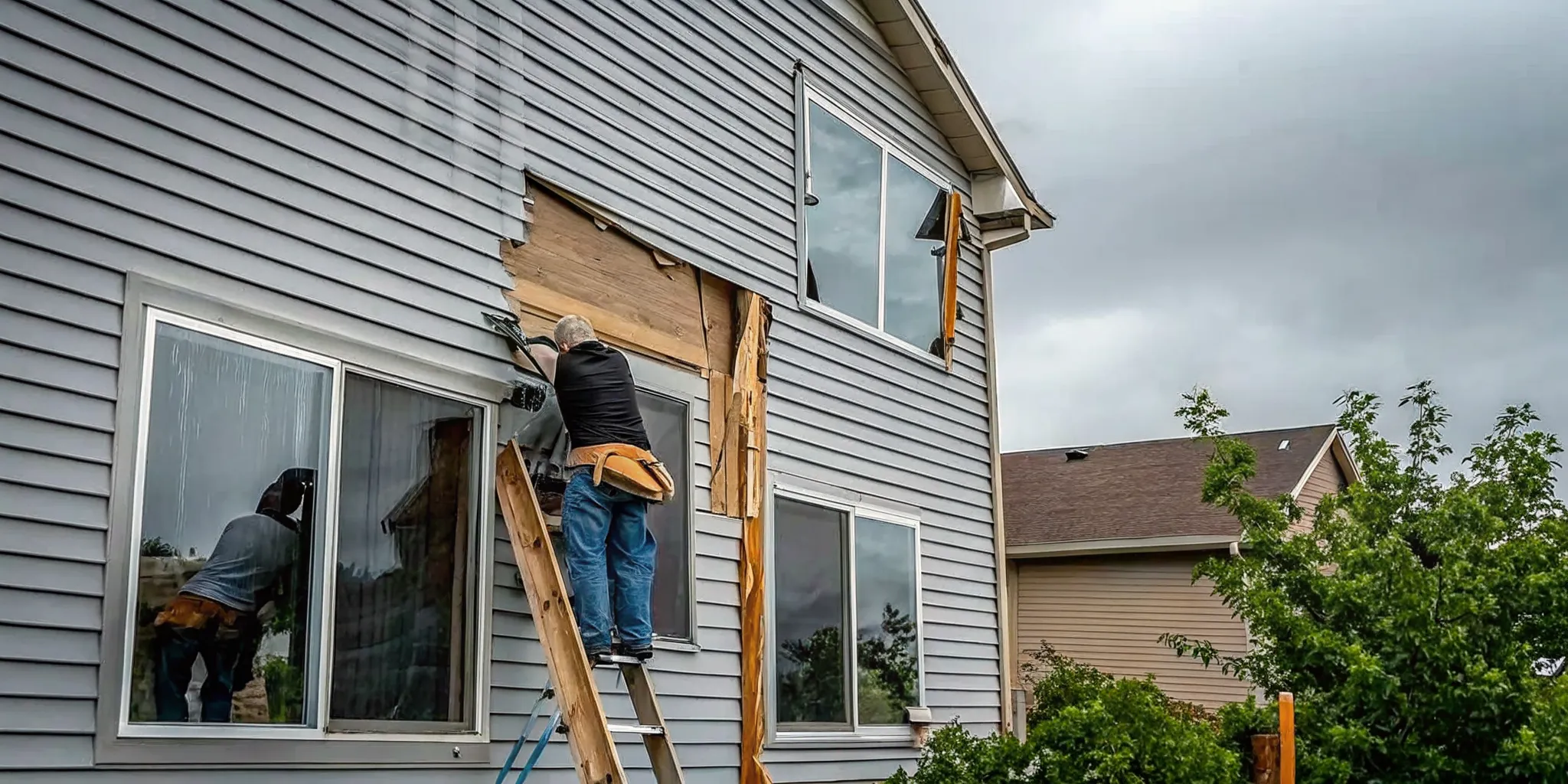
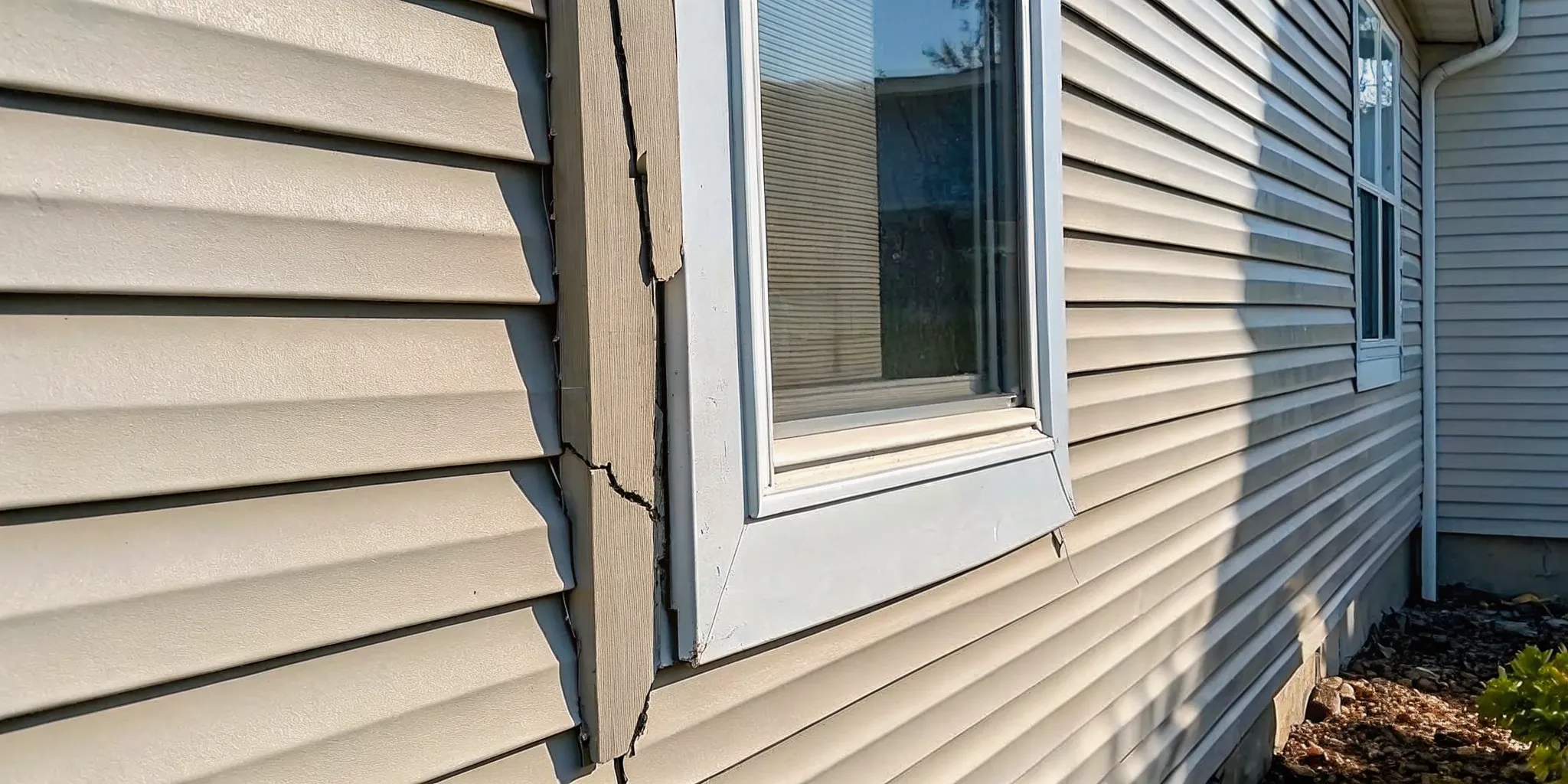
    Strength and weather protection

    In our region, siding must stand up to intense storms. LP SmartSide products are built to handle wind gusts up to 200 miles per hour. This is a higher rating than most standard vinyl or fiber cement options. Because Minnesota sees heavy hail and ice, impact resistance is key for long-term value. While fiber cement is heavy and strong, it can be brittle and may crack if hit by large hail or if the ground shifts during a deep freeze.

    Moisture management is also a top concern during the spring thaw. Research shows that wood-based panels have complex moisture dynamics that require careful planning. Using longer 16-foot boards helps by creating fewer seams where water could enter. This design keeps the wall assembly dry and protects the structure of your home from rot or mold growth.

    Comparing common siding options

    To help you decide, we have compared the four most common siding materials used in the Rogers area. This table looks at how each one performs over time in a cold climate.

    Material Durability Appearance Maintenance Warranty
    LP SmartSide Very High Deep wood grain Low 5/50-Year Limited
    Fiber Cement High Natural look Moderate 30-Year Limited
    Vinyl Siding Moderate Smooth or wood-like Very Low Lifetime Limited
    Natural Wood Low to Moderate Authentic Very High Varies

    Aesthetic appeal and maintenance

    Appearance matters just as much as protection. Many owners prefer the look of real wood but do not want the constant work of painting and staining. LP SmartSide offers 16 ExpertFinish colors that give you a custom look with much less effort. Unlike vinyl, which can look plastic-like, or fiber cement, which can have shallower textures, engineered wood has deep, realistic grain patterns.

    Working with local experienced exterior contractors ensures your new exterior is set up to last. Vinyl can become brittle and crack in sub-zero temperatures, while real wood is prone to insect damage and rot. Engineered wood is treated with the SmartGuard process to fight these issues. This makes it a reliable pick for people who want a beautiful home that stays safe through every season.

    Why Professional Installation Matters for LP SmartSide in Minnesota

    Minnesota weather puts every home to a hard test. From deep winter freezes to humid summer days, your siding must handle big shifts. While LP SmartSide is a tough material, its success depends on how it is put on your house. Proper setup is the key to making sure your siding lasts and keeps your home dry.

    Mastering moisture and vapor control

    In cold areas like ours, moisture moving through your walls can cause big problems if not managed well. Research on moisture dynamics in wood panels shows that managing vapor is vital for keeping materials strong. We follow strict building codes for vapor barriers to stop water from getting trapped. According to CDC construction guidelines, using the right vapor barrier and good airflow is the best way to protect your home from mold.

    Our team ensures that every layer of the wall works together. We install the weather barrier with care to keep water out while letting the house breathe. This expert touch prevents the moisture traps that often ruin DIY or low-quality siding jobs in the Rogers area.

    Proper nailing and seam management

    How a board is nailed into the wall impacts its ability to move with the seasons. LP SmartSide must be nailed at set spots to stay safe during high winds. One major plus of this product is that it comes in 16-foot lengths. These longer boards lead to fewer seams on your walls, which creates a clean look and fewer spots where water could enter.

    Managing those seams the right way is a skill that comes with time. We ensure every seam is flashed well so water cannot seep behind the siding. Cutting the total number of joints also helps the siding stand up to wind and stay flat for years.

    Flashing and warranty protection

    Windows, doors, and corners are the most likely spots for leaks to start. We use high-grade flashing to direct water away from these openings and down to the ground. This careful work is what sets a quality home improvement project apart from a basic job. Without expert flashing, even the best siding will fail to protect your home frame.

    A professional job also protects your warranty. LP SmartSide offers a strong 5/50-year prorated limited warranty, but it has strict rules about setup. If a board is nailed wrong or gaps are not left the right way, the maker may not cover the damage. By hiring a local expert, you make sure your home stays in top shape for years to come.

    What Should Minnesota Homeowners Know Before Switching to LP SmartSide?

    Making the switch to LP SmartSide is a major step in protecting your home from the local weather. At Referred Restoration, we treat every house as if it were our own. We help you through the whole path, from the first look at your old siding to the final piece of trim. Knowing what to expect ensures your project goes well and gives you peace of mind.

    Your project starts with a full home check

    The first step in any siding swap is a free inspection. We look for hidden issues like rot or mold that might be hiding behind your current boards. Finding these problems early prevents future damage and ensures a solid base for your new siding. This honest check helps you make the best choice for your home without any pressure. Once we know the state of your walls, we can plan the best path for a strong result.

    Choosing your style and color

    LP SmartSide gives you many ways to make your home look its best. You can choose from 16 ExpertFinish colors that are made to stay bright for years. These colors provide a full look that works well with Rogers neighborhoods. The siding also comes in 16-foot lengths, which means your home will have fewer seams. Having fewer seams creates a cleaner look and helps keep water out. We can show you samples to find the best fit for your home’s style.

    The power of the SmartGuard process

    Minnesota winters are tough on building materials. LP SmartSide uses the SmartGuard process to treat every wood fiber with zinc borate and waxes. This helps the siding resist rot and pests. Proper vapor management is also key in our cold climate to keep moisture from building up inside your walls. Our team follows strict rules to ensure your siding protects your home through every freeze and thaw cycle.

    A timeline built for quality

    A full siding install takes time and care. Most home projects take about one to two weeks depending on the size of your house and the weather. We work hard to stay on track while making sure every board is set right. Our local exterior restoration team handles everything from pulling off the old material to the final clean up. You will get regular news so you always know how the work is moving along.

    Long term value and peace of mind

    Switching to this material is a smart move for your home’s future value. It is built to last and backed by a 5/50-year prorated limited warranty. This long warranty shows how much the maker trusts the product to hold up over time. Because we use proper ventilation and high-quality materials, your home stays safe and dry. You can rest easy knowing your investment is protected by both a great product and professional care.

    Frequently Asked Questions

    What are the disadvantages of LP SmartSide?

    This siding is very strong, but it is made of wood fibers. This means it needs a good coat of paint to stay safe. If the paint wears off or the boards are cut and not sealed, water could get inside. It is vital to hire a pro who knows how to handle wet weather. According to the NIH, wood-based panels need the right setup to work well in cold places.

    Which is better, Hardie Board or LP SmartSide?

    Both are top picks for local homes. Fiber cement is very heavy and resists fire well. LP SmartSide is made of light wood that is treated to last. It is often faster to put up because it comes in long 16-foot boards. As shown by Alside, using longer boards means your home will have fewer seams. This helps your house look great and keeps water from getting behind the siding.

    Is LP SmartSide better than vinyl siding?

    Many people pick this siding over vinyl because it is much stronger. Vinyl can crack when it gets very cold or melt near a grill. LP SmartSide is built to take hits from hail and high winds. It can even stand up to wind gusts of 200 miles per hour. While vinyl is a simple choice, this product offers a more premium look and better safety for your home.

    How long will LP SmartSide siding last on my home?

    This siding is made to last for many years. It goes through a special process that helps it stop rot and bugs. Most of these products come with a 5/50-year limited warranty. This shows that the makers believe the siding will stay in good shape for a long time. To get the best results, make sure to use a team that knows how to install it correctly for our local climate.

    Ready to schedule a free LP SmartSide siding inspection?

    Leaving old or damaged siding on your home can lead to water leaks and high energy bills during our harsh local winters. Acting now helps you protect your home with a strong, weather-proof layer before the next big storm hits Rogers this season. We give your home an honest look to help you find the right fit for your needs and your home’s unique style. Our team treats every house as our own and provides quality craftsmanship you can trust for a fix that lasts for many years.

    Ready to schedule a free inspection? Contact Referred Restoration today to set up your expert inspection and see why LP SmartSide is a top choice for our local climate and your family’s safety.

  • Siding Repair After a Storm: Signs Your Home Needs Help in Minnesota

    Siding Repair After a Storm: Signs Your Home Needs Help in Minnesota

    Severe hailstorms cause billions of dollars in exterior damage across Minnesota every single year. These storms often leave behind hidden cracks and loose panels that threaten your home’s structural integrity. Schedule Your Free Siding Inspection Today to catch small problems before they turn into major repairs.

    After a major storm strikes the Rogers area, homeowners need to act quickly to identify siding damage. Minnesota ranks third in the nation for hail events, which caused over six billion dollars in statewide storm damage in one year. Look for clear signs of trouble like cracked panels, missing pieces, and warped sections that let moisture reach your home. Even small gaps can lead to hidden issues like rot and mold behind your walls. According to the University of Minnesota Extension, moisture that gets past your siding can cause structural failure. These problems often need a professional check to find. A single-source provider like Referred Restoration can handle these repairs alongside your roof and gutters. Catching these issues now saves you from more work later.

    Understanding how local weather patterns impact your home is the first step toward keeping your exterior in top shape. Knowing how to identify these threats helps you protect your property before small issues escalate.

    How Does Minnesota Weather Damage Your Siding?

    Minnesota weather is tough on home exteriors. The state ranks third in the nation for hail events, and storms here bring heavy rain, strong winds, and ice that can harm your home. When you need reliable siding repair in Rogers, it is often due to the way our local climate wears down building materials over time.

    Deep cold and cracking

    Minnesota winters bring extreme cold that puts stress on many types of siding. Vinyl siding is common here, but it can become brittle when the temperature drops below zero. When the material is frozen, even a small hit from a stray branch or a snow shovel can cause it to crack. These cracks are more than just an eyesore. They allow water to get behind the panels, which can lead to rot in the wood frame of your house. Extreme cold also makes siding panels shrink. If the panels were not put on with enough room to move, they may pull away from the nails. This creates gaps where wind and snow can enter. Keeping your home safe starts with knowing how these cold snaps affect your specific siding type.

    Stress from freeze-thaw cycles

    Common damage comes from freeze-thaw cycles that happen in late winter and early spring. During the day, snow and ice melt into water that flows into small seams in your siding. At night, that water freezes and grows in size. This force can push siding panels apart or loosen the nails that hold them in place. Over time, this cycle opens up gaps that invite moisture to stay near your home. Constant wetting and drying cycles can stress home parts and lead to water leaks. You might notice panels that look wavy or seams that no longer line up as they should. These are clear signs that the weather has started to win the battle against your home shell.

    Hail damage and wind stress

    Hail is a major threat in the Rogers and Cottage Grove areas. Large hailstones can leave deep dents in metal siding or punch holes through vinyl. Even if you do not see a hole, a hard hit can crack the finish on wood or fiber cement. These small marks often hide bigger problems. Storm damage on siding can sometimes be difficult to detect, so you should look for marks that seem minor at first glance. Strong winds also play a role in siding wear. High gusts can get under loose panels and pull them away from the wall. This wind stress makes existing gaps larger. If you see panels that rattle or look loose after a storm, you should have them checked before the next big rain. Protecting your home from the next storm means fixing these small issues today.

    What Visual Signs of Storm Damage Should You Look For?

    After a big storm, it can be hard to see the harm it did to your home. You should walk around your house to check for any changes. High winds and hail often leave marks that are easy to spot if you know what to look for. Finding these signs early helps you get the right siding contractors near you before more trouble starts.

    Hail hits and cracks

    Hailstones can leave distinct marks on siding that look like small dents or divots. On vinyl siding, these hits often create small round depressions with a darker spot in the middle. On wood siding, you might see chips or splintered areas. On fiber cement, the impact can create hairline cracks that spread over time. If you see any of these marks on your home after a storm, you likely have damage that needs attention.

    Missing or loose panels

    Strong winds can rip siding panels right off your home. You might find pieces of siding in your yard after a storm. Even if the panels stay on the wall, they may be loose. Check for panels that move when you push on them gently. Loose panels let wind and water get behind your siding. This can cause damage to the house wrap and wooden structure underneath.

    Warping and buckling

    Cracked and warped vinyl siding panels showing storm damage on a Minnesota home When water gets behind siding and freezes, it can push the panels out of shape. Warped siding looks wavy or bent instead of lying flat against the wall. Buckling happens when panels push against each other because of movement in the wall. Both of these signs mean water has found its way behind your siding and needs to be addressed. If your siding does not look straight and even, call a professional to inspect it.
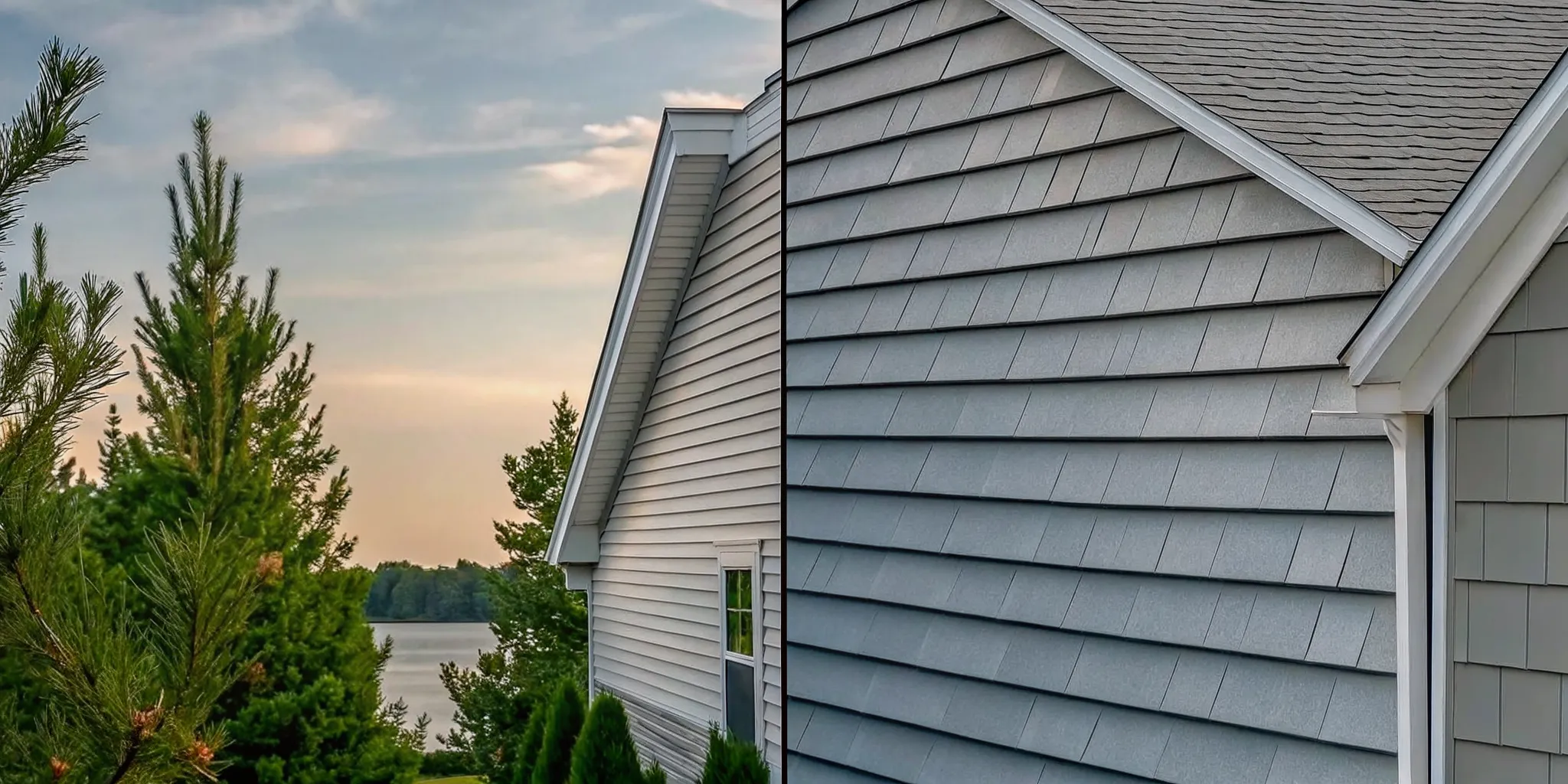
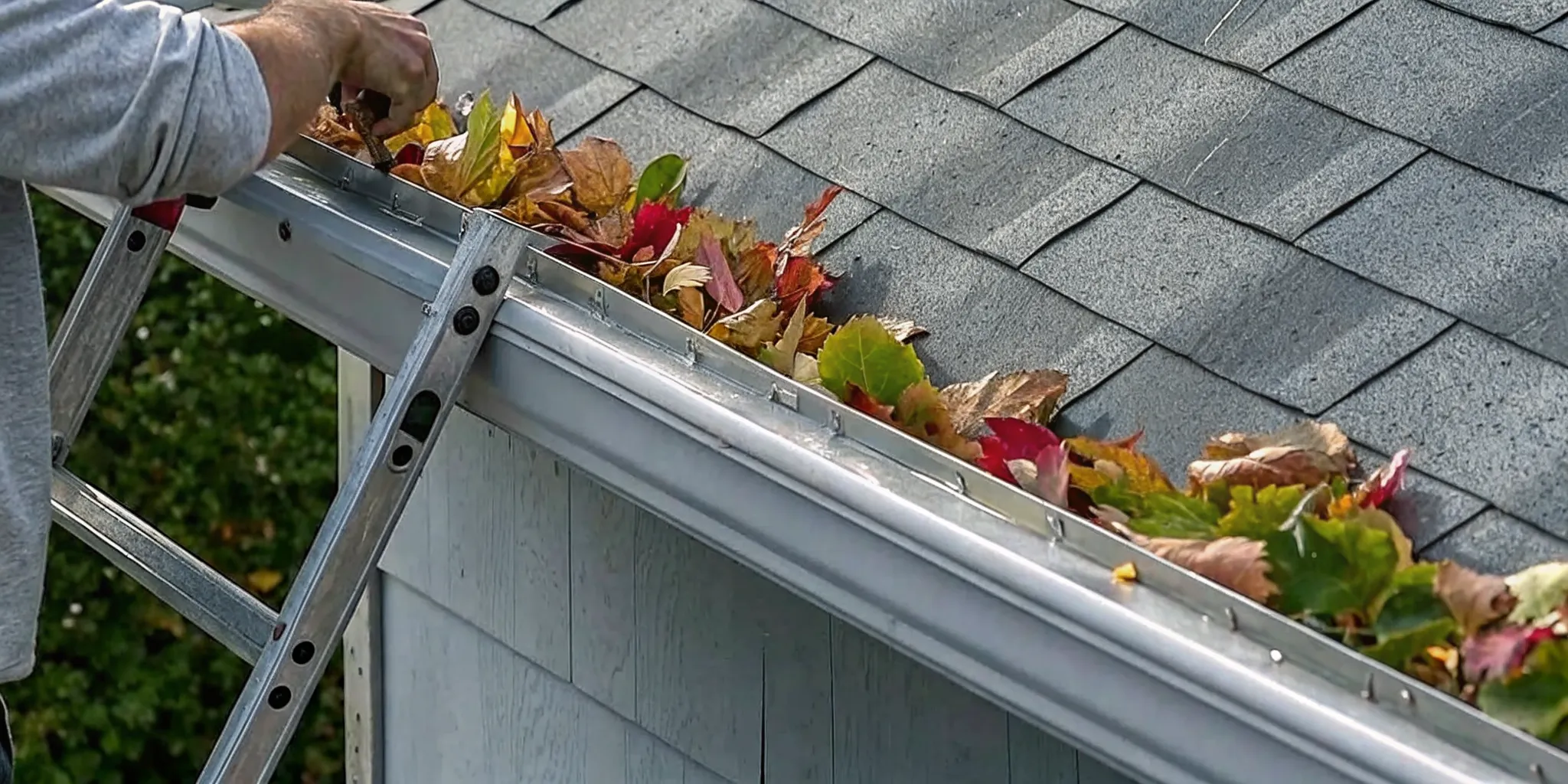
    What Kind of Hidden Damage Can Form Behind Your Siding?

    Not all storm damage to siding is easy to see from the street. Some of the most serious problems stay hidden for months or even years after a storm hits. These hidden issues can cause much more damage than the visible marks on the outside of your home.

    Moisture intrusion and rot

    When siding gets cracked or loose, water can get behind it and stay there. Over time, this moisture causes the wood structure of your home to rot. Rot weakens the framing that holds up your walls and can lead to costly structural repairs. The tricky part is that you often cannot see this rot until the siding is removed. This is why a professional inspection after a storm is so important. If Referred Restoration finds rot during your free inspection, they can address it during the siding replacement process.

    Mold and mildew growth

    Moisture behind siding creates the perfect environment for mold and mildew to grow. Mold can spread through your walls and into your living spaces. This is a health concern for your family and can also cause allergies and breathing problems. You might notice a musty smell inside your home near the exterior walls. You might also see dark stains on your interior walls. These could be signs that mold is growing behind your siding.

    Insect and pest entry

    Small gaps in your siding create easy entry points for pests. Mice, ants, wasps, and other insects can squeeze through tiny openings that storm damage creates. Once inside your walls, these pests can chew through wiring and insulation. They can also find their way into your living space. Keeping your siding in good condition is one part of keeping pests out of your home.

    Siding Repair vs. Replacement: How to Decide

    After a storm, you need to decide whether to repair your siding or replace it. This table shows the main differences to help you make your choice.

    Factor Repair Replacement
    Damage extent Small areas, isolated spots Widespread or repeated damage
    Age of siding Less than 10 years old More than 15-20 years old
    Siding type Matching material available Discontinued or unmatched style
    Hidden damage No moisture behind panels Rot or mold found underneath
    Energy efficiency Current insulation adequate Want better insulation value
    Appearance match Repair blends with existing Faded or mismatched after repair
    Cost vs. value Lower upfront cost Better long-term investment

    A trusted contractor can help you weigh these factors during a free on-site evaluation. If your siding has hidden moisture damage or is reaching the end of its lifespan, full replacement often provides better protection for your largest investment. Your siding replacement expert in Rogers can walk you through your material options.

    What to Do After a Storm: A Step-by-Step Guide

    When a major storm hits your area, follow these steps to protect your home and get the repairs you need.

    1. Stay safe first. Do not go outside during the storm. Wait until the storm passes and it is safe to check your property. Watch for downed power lines and standing water near your home.
    2. Walk around your home. Once it is safe, walk around your house and look for obvious damage. Check your siding, roof, windows, and gutters for any visible issues. Take photos of everything you find.
    3. Cover any openings. If you see holes or large gaps in your siding, cover them with a tarp or plastic sheeting. This prevents more water from getting in while you wait for repairs.
    4. Document the damage. Write down everything you find and take clear photos from different angles. This documentation will help with your insurance claim. Your gutter repair team can also check for storm damage during the inspection.
    5. Call a professional inspector. Contact Referred Restoration to schedule a free inspection. A trained inspector can find damage you might miss and give you a clear picture of what needs to be done.

    How Does Insurance Help with Siding Repair After a Storm?

    Most Minnesota homeowners insurance policies cover storm damage to your siding. The key is to file your claim quickly and have proper documentation. After a storm, your insurance adjuster will need to see the damage in person. Having a professional inspection report from a trusted contractor like Referred Restoration can make this process smoother.

    Working with your adjuster

    When your insurance adjuster visits your property, it helps to have a contractor present. The contractor can point out damage the adjuster might miss. They can also explain why certain repairs are needed. This partnership between you, your insurance company, and your contractor helps make sure nothing gets overlooked. Referred Restoration has experience helping homeowners in Cottage Grove and across the area navigate their storm damage claims.

    Documenting your claim

    Good documentation makes the insurance claim process easier. Keep all photos, inspection reports, and estimates in one place. Write down the date of the storm and any conversations you have with your insurance company. This paper trail helps if there are any questions about your claim later.

    Why a Professional Siding Inspection Matters

    You might be tempted to check your siding yourself after a storm, but there are good reasons to call a professional. Trained inspectors know exactly what to look for and where to find it. They have the experience to spot hidden damage that most homeowners would never notice.

    What an inspector checks

    A professional inspection of your siding covers many areas. The inspector checks each panel for cracks, dents, and loose spots. They look at the seams between panels and around windows and doors. They check for signs of moisture behind the siding and test for soft spots that could mean rot. They also check your window seals and frames and the roofing system since storm damage often affects multiple areas at once.

    Free inspection from Referred Restoration

    Referred Restoration offers free inspections to homeowners in Rogers, Cottage Grove, and surrounding Minnesota communities. After a storm, scheduling an inspection gives you peace of mind. You will know exactly what damage exists and what needs to be done. There is no pressure and no obligation. The inspection is simply a way to understand the condition of your home’s exterior.

    Frequently Asked Questions

    How soon after a storm should I check my siding for damage?

    Check your siding as soon as it is safe to go outside after the storm passes. The sooner you find damage, the sooner you can prevent water from getting behind the panels. Schedule a professional inspection within a few days of a major storm.

    Can I repair storm-damaged siding myself?

    Small cosmetic repairs might be DIY-friendly, but any damage that lets water behind the siding needs professional attention. Hidden moisture, rot, and structural issues require trained eyes and proper tools to address correctly.

    Does homeowners insurance cover siding repair after a storm?

    Most standard Minnesota homeowners insurance policies cover storm damage to siding, including damage from hail, wind, and falling branches. Check your specific policy and file your claim promptly after the storm.

    How long does siding repair take after a storm?

    Minor repairs can often be completed in a single day. Larger repairs or full siding replacement may take two to five days depending on the size of your home and the materials involved. Your contractor can give you a more specific timeline after the inspection.

    What type of siding holds up best against Minnesota weather?

    Fiber cement siding like James Hardie is known for its durability in extreme weather. It resists cracking in cold temperatures and stands up well to hail impact. Your siding contractor can help you choose the best material for your home and budget.

    Ready to Schedule Your Free Siding Inspection?

    After a Minnesota storm, your siding may have damage that is not obvious from a quick walk around your house. A professional inspection catches problems early and saves you from expensive repairs down the road. Contact Referred Restoration today to schedule your free siding inspection in Rogers, MN, and surrounding communities. Protect your home with the trusted exterior restoration team that treats every property as if it were their own.

  • Vinyl vs. Fiber Cement Siding Installation for Minnesota

    Vinyl vs. Fiber Cement Siding Installation for Minnesota

    Heavy snow and freezing temperatures in Rogers put a massive strain on your home exterior every year. Choosing the right material for your next update helps protect your property from moisture and storm damage.

    Siding installation needs a careful choice between the parts that can handle the harsh Minnesota weather. Vinyl is a common and simple choice that stays nice with very little care over years of use. Many homeowners also choose fiber cement because it uses a tough mix of cement, sand, and cellulose fibers to resist hits and extreme cold.

    Both paths provide strong help against the wind and rain, but they differ in how they look and how they work during a storm. Our local team helps you find the right balance of strength and style to keep your home safe. This guide compares both options to help you make a clear choice for your own home.

    Deciding between these two options depends on your long-term goals for your home exterior. We begin our review by looking at the most common choice for many local families in Rogers. You can learn more about Vinyl Siding: An Affordable and Versatile Option, and the path starts with

    Vinyl Siding: An Affordable and Versatile Option

    Vinyl siding is a top choice for owners in Minnesota. It is a common choice because it is budget-friendly and easy to handle during a siding installation. This option offers many colors and textures to fit any home look. You can look at the different siding styles available to see how vinyl can look like real wood. It is a tough choice that stands up well to our local weather with little work. From Rogers to Monticello, many people pick this choice for its lasting value and simple upkeep.

    Planning your siding project

    A good project begins with the right sizes. You must measure for all parts, including sheathing and flashing. Sheathing provides a solid base for the panels. It is vital to check if your wall boards are in good shape to hold nails. This check ensures the panels stay secure during heavy winds and storms. You want a home that stays safe even in a bad Minnesota winter. Proper flashing also keeps water away from your home frame. Taking these steps early prevents big fixes down the road.

    Best practices for secure siding

    Correct nailing is the most important part of the work. Nails must go deep enough to stay put. Most pros ensure fasteners sink 1 1/4 inches into the wood. This depth ensures the panels stay on the house during high winds. Unlike fiber cement, which has silica dust safety risks when you cut it, vinyl is much simpler to trim. You can learn more about the fiber cement installation process to see how these two choices differ. We check the boards for strength before we start to make sure every piece is tight and straight.

    Long term care and factory terms

    Vinyl is known for being easy to keep up. You will not need to paint it every few years like wood. A simple wash now and then keeps it looking new. But you should still check the factory terms before you buy. Every maker has other rules for their product. Make sure to verify the records to know what is covered. This step protects your home and your wallet over the years. We treat every home as if it were our own. We can help you look at these terms to find the best fit for your home.

    Fiber Cement Siding: Durability Meets Curb Appeal

    Fiber cement siding is a top choice for Minnesota homeowners who want a mix of strength and style. This material is made from a blend of cement, sand, and cellulose fibers. This mix creates a very tough board that can stand up to harsh winter weather. It does not warp or rot like wood. It is a great pick for the Rogers area.

    What makes it different

    Many people choose this option because of how it looks. It has a thick, heavy feel that mimics the look of real wood grain. Unlike some traditional siding options, it provides a much more robust style for your home. It stays flat and straight on the wall. This helps your house look its best for a long time.

    This material also offers safety benefits that other types might lack. It is highly resistant to fire and pests like woodpeckers or termites. For many, it is a long-term investment that adds real value to the property. It also helps with noise, keeping your home quiet during storms or high winds.

    Long term value

    When you pick fiber cement, you are choosing a product built to last. Most of these boards have a lifespan of 30 to 50 years. This long life is why many makers offer a 30-year warranty on the product. It shows they have high trust in how the material will perform over many decades. You can learn more about the benefits of fiber cement siding to see if it fits your goals.

    The thick nature of the boards means they hold paint very well. You will not have to repaint as often as you would with wood. This keeps your curb appeal high without needing constant work. It is a smart move for those who want a premium look that stays beautiful year after year. The finish resists fading even in direct sun.

    Expert siding installation

    Putting up these boards is not a simple job you do on your own. The material is very heavy and needs special tools for a clean cut. Because it contains silica, pros must follow safety rules to handle the dust. A proper siding installation requires a team that knows how to manage these risks. They make sure the boards are level and secure.

    Our team understands the local climate and how to seal every gap. We treat your home as if it were our own. We make sure the finish is flawless. Getting the job done right the first time helps protect your home from leaks. If you want to see if this is right for you, we can help with an honest look at your current exterior.

    Key Differences Between Vinyl and Fiber Cement Siding

    Choosing the right stuff for your siding installation is a big choice. Both vinyl and fiber cement are popular for homes in Minnesota. Vinyl is a top pick because it is a very good value choice. It is also light and easy for crews to set up. On the other hand, fiber cement is made from a mix of cement, sand, and wood fibers. This blend makes it very strong and tough for the local weather.

    Durable Design and Look

    A home should look good and stand up to the wind and snow. Fiber cement offers a robust look that many people love. It feels thick and solid, much like real wood. You can find it in many colors and styles to match your home. Vinyl siding has come a long way too. It now comes in many textures that look like wood grain. But vinyl is thinner than fiber cement. This means it may crack more easily if it is hit by a stray ball or hail.

    Caring for your siding is another key area to think about. Vinyl is very low-work. You only need to wash it with a hose once a year. It does not need paint because the color goes all the way through the panel. Fiber cement needs more care over time. You will need to paint it every 15 years or so to keep it looking new. But because it is so thick, it can help protect your home from fire and bugs better than vinyl.

    Repair and insulation also set these two apart. If a vinyl panel breaks, you often have to replace the whole long strip. Fiber cement is more like wood. You can often fix small chips with a bit of putty and paint. For keeping your home warm, vinyl is thin and does not hold heat well on its own. You may need to add foam behind it. Fiber cement is dense and naturally helps slow down heat loss. This can be a big help during a cold Rogers winter.

    Feature Vinyl Siding Fiber Cement Siding
    Material Mix PVC plastic Cement, sand, and wood
    Visual Style Light and versatile Thick and robust look
    Upfront Investment Lower Higher
    Lifespan 20 to 30 years 30 to 50 years
    Maintenance Very low Medium (needs paint)
    Weather Proof Can crack in cold Stands up to ice and heat

    Long-Term Value and Safety

    When you look at your home as a whole, you want to build value. Many owners find that the benefits of fiber cement siding make it a smart long-term investment. It adds more to the resale value of a house than vinyl does. This is because it lasts longer and stays strong for decades. It also stays stiff and does not warp when the sun hits it. This helps your home stay sealed and safe from the rain. Over many years, the extra upfront investment can pay for itself in durability.

    Safety is also vital during the siding installation process. Fiber cement contains silica, which is a type of mineral. When crews cut the boards, they must watch out for unsafe silica dust. This dust is not safe to breathe in. Pro teams use special tools and masks to keep the air clean and safe. Vinyl does not have this risk, as it is made of plastic. No matter which you pick, a pro team will make sure the job is done right.

    Which Siding Material Is Best for Minnesota Homes?

    Picking the right siding for your home in Rogers or St. Francis means thinking about our local weather. Minnesota winters are harsh, with deep snow and ice. Summers bring heavy rain and hail. These shifts create freeze-thaw cycles that can damage many home exteriors. Fiber cement and vinyl remain two of the most-common exterior siding choices for Minnesota homes today, but they handle these challenges in different ways.

    Fiber cement for extreme weather

    Fiber cement is very strong and works well in our climate. It is made mostly of cement, sand, and cellulose fibers. This blend is engineered for Minnesota’s freeze-thaw swings and resists cracking and cold impacts. Unlike wood, it does not rot or warp when snow piles up against your home. Many people like it because it looks like natural wood but lasts much longer.

    The benefits of fiber cement siding go beyond just looks. It resists fire and bugs, which adds another layer of safety to your house. While it is heavier than other options, this weight helps it stand up to high winds during summer storms. It stays stiff and does not grow or shrink as much as other materials during quick changes in the heat or cold.

    Vinyl siding and hail resistance

    Vinyl is a very common choice for many homeowners because it is useful and easy to care for. In the very cold of a Minnesota winter, some older vinyl can become brittle and crack if something hits it. But modern vinyl is often made to handle hits from hail. This helps it survive the hail storms that often roll through the Monticello area.

    Vinyl is also lighter and faster to set up than fiber cement. It does not need to be painted, which saves you work over the years. Since it does not soak up water, it is a great tool for keeping moisture away from your walls. It comes in many colors and styles to match any home design.

    The importance of proper installation

    The material you pick is only one part of the job. A professional siding installation is what keeps your home safe from the elements. One key step is the use of a water-resistive barrier behind the siding panels. This layer is a must for our climate because it stops moisture from reaching your wood frame. Without this barrier, trapped water can cause mold or rot inside your walls.

    Good work ensures your siding stays attached during high winds and heavy storms. We treat every home like it is our own to give you peace of mind. Our team knows the local building codes in Rogers and nearby towns. If you need help picking the best fit, you can find more about our Rogers exterior services. We offer free inspections to help you make a smart choice for your home.

    Why Professional Siding Installation Matters

    Getting a new home exterior is a big step for any homeowner in Rogers or Monticello. While picking the right material is key, the way it is put on your home is just as vital. A poor job can lead to leaks, rot, and structural issues that are hard to fix. Choosing a pro for your siding installation ensures that every detail meets local standards and stays strong against Minnesota weather.

    Protecting Your Home from Moisture

    Minnesota sees a lot of snow and rain, which makes moisture control a top goal. A professional team knows how to install a water-resistive barrier behind your new panels. This moisture barrier is a must for any siding job. It keeps water from reaching your wood sheathing and causing rot over time. Local experts make sure these layers overlap the right way to keep your walls dry and safe.

    Precision in Every Fastener

    The way panels are attached to your home determines how well they hold up during high winds. Siding must be fastened into solid material like wood studs or thick sheathing to stay in place. Pros check for different siding styles available to ensure they use the right tools for the job. They also follow strict rules for how deep each nail goes into the wall. If a nail is too loose or too tight, the panels may warp or rattle when the wind blows.

    1. Prepare the surface. Crew members inspect the wall to find solid wood. They must ensure the sheathing can hold nails firmly so the panels do not pull away later.
    2. Apply the barrier. A water-resistive layer is wrapped around the house. This step prevents dampness from getting trapped against your home’s frame.
    3. Set fastener depth. Workers drive nails at least 1 1/4 inches into the structural material. This specific depth is needed to keep the siding secure through every season.
    4. Leave room for movement. Siding expands and shrinks as the heat or cold changes. Pros leave small gaps so the panels can shift without cracking or buckling.
    5. Cut materials safely. Cutting fiber cement siding creates silica dust, which is a health risk if inhaled. Experts use special tools and blades to control this dust and keep the work site safe.

    Avoiding Common DIY Mistakes

    Many homeowners try to handle siding on their own to save on labor. However, small errors during a DIY project can cause big problems later. Common mistakes include leaving gaps between panels or using the wrong fastener depth. These issues often lead to water damage or panels that fall off during a storm.

    You can learn more about the installation process to see why it takes a skilled hand. If you need help with your home exterior, you can also talk to a Rogers roofing company. They know how to protect your entire house. A pro gets the job done right the first time. This gives you peace of mind for years to come.

    Frequently Asked Questions

    Do I need a weather-resistant barrier before installing siding?

    Yes, a moisture barrier is a key part of any good siding installation. This layer sits between your home and the new panels. It helps stop water from reaching the wood frame of your house. Without it, water can seep in and cause rot or mold. In Minnesota, where snow and ice are common, this extra layer is vital to keep your home safe and dry for many years.

    How should I prepare my home for siding installation?

    You should start by clearing the area around your house. Move any plants, tools, or toys away from the walls. It is also smart to trim back trees or shrubs so the crew has plenty of room to work. Inside your home, you might want to take down pictures or mirrors. The work can cause small shakes that might tip items off your walls. Finally, make sure the crew has a clear path to get their tools to the job site.

    Can I install vinyl or fiber cement siding by myself?

    While some people try to do it alone, it is often best to hire a pro. Vinyl is light, but fiber cement is very heavy and hard to move. Cutting fiber cement also creates dust that can be bad for your health. According to researchers, this dust contains silica. This can harm your lungs if you do not use the right safety gear. Hiring a pro ensures the work is done right and stays strong during big storms.

    What are the common mistakes to avoid during siding installation?

    One big mistake is nailing the siding panels too tight. Siding needs to move as it gets hot or cold. If it is too tight, it will warp or crack. Another error is skipping the metal flashing around windows and doors. This can lead to leaks and water damage. You should also ensure that your nails go deep enough into the wood. They should go about 1.25 inches into the wall to stay firm in high winds.

    Ready to Schedule a Free Siding Inspection?

    Waiting to check your siding can lead to hidden water damage that rots your home frame and causes mold growth. These issues stay out of sight until they cause major house problems that are very hard to handle right now. By acting now, you can fix wear and tear before the next heavy storm hits the Rogers area and local homes.

    Our team will help you spot weak parts and suggest the best options for our local weather and freezing winter months. You will gain peace of mind knowing your house is secure against snow, ice, and high winds before next year. Let us help you keep your home safe and dry with a full check from an expert right away.

    Ready to schedule a free inspection? Call (763) 726-4245 to talk to a siding expert today.

  • How to Install Gutter Guards in Minnesota: A Complete Guide

    How to Install Gutter Guards in Minnesota: A Complete Guide

    Every fall, Minnesota homeowners face the grueling task of cleaning debris from their gutters before the snow flies. Reliable gutter guards simplify this seasonal burden and keep your drainage system flowing freely through freezing temperatures and heavy snow loads.

    Schedule Your Free Inspection today to learn which gutter guard system fits your home and budget. Our team serves homeowners in Rogers, Cottage Grove, St. Francis, and Monticello.

    Learning how to install gutter guards starts with measuring your roofline, selecting a guard type suited for Minnesota winters, and securing each panel with proper slope and clips. Clean gutters thoroughly before installation to prevent trapped debris from blocking water flow.

    Each style of guard handles snow, ice, and debris differently. The right choice depends on your roof pitch, tree cover, and how much maintenance you want to do over the long term.

    What Types of Gutter Guards Work Best for Minnesota Homes?

    Minnesota homes deal with heavy debris from pine trees, oak leaves, and grit from asphalt shingles. Knowing how to install gutter guards starts with picking the right style for your climate. Each type blocks debris differently and has a different price point for materials.

    Guard Type Material Cost per Ft Durability Snow Load Handling Maintenance
    Screen / Mesh $0.50 – $1.50 Moderate (aluminum best) Good with sloped install Low; occasional blow-off
    Micro-Mesh / Steel $1.50 – $4.00 High (stainless steel) Excellent; rigid frame Very low; blocks fine debris
    Brush / Foam Inserts $1.00 – $2.50 Low; degrades in sun Poor; can freeze solid Moderate; needs seasonal removal
    Surface Tension / Full Covers $3.00 – $7.00 Very high (heavy-gauge aluminum) Superior; sheds snow Minimal; true set-and-forget

    Screen and Mesh Guards

    Screen guards sit on top of your gutters with small holes that let water through while blocking large leaves and sticks. Most are made of plastic or thin metal. Plastic versions can become brittle in subzero cold, so aluminum screens are a better choice for Minnesota homes. They handle snow and ice much better and stay in place during high winds. Parts for these screens range from $0.50 to $1.50 per linear foot. While they stop large debris, fine pine needles and shingle grit can still pass through over time.

    Micro-Mesh and Steel Shields

    Micro-mesh guards use a fine stainless steel mesh to block even the smallest debris. These are ideal for homes surrounded by pine trees. The fine holes are too small for most debris to enter, keeping gutters clear through heavy spring storms. Stainless steel does not rust and can handle the weight of wet snow. Parts run from $1.50 to $4.00 per linear foot. These guards work best when paired with proper flashing that directs water away from the house.

    Brush and Foam Inserts

    Brush guards look like large pipe cleaners that sit inside the gutter trough. Foam guards are porous strips that fill the gutter space. Both are quick to install and cost less upfront than permanent systems. However, small seeds can lodge in the bristles or foam pores. Over time, those seeds can sprout and grow tiny plants right in your gutters. You will need to remove and wash these inserts periodically, making them more labor-intensive than other styles.

    Surface Tension and Full Covers

    Surface tension systems use a curved metal shape that guides water into the gutter while debris slides off the edge. These full covers are made of heavy-gauge aluminum that does not bend under ice weight. Because they cover the entire gutter opening, they keep out nearly all debris. The range for these high-end covers is $3.00 to $7.00 per linear foot. For homeowners in Rogers and Monticello who deal with big storms, this style offers the most reliable long-term protection.

    Tools and Materials You Will Need

    Before you start any guard installation, gather the right gear. Working at roof height demands attention to safety and proper preparation.

    Essential Hand Tools

    • Sturdy extension ladder with a ladder stabilizer
    • Thick work gloves and safety glasses
    • Small trowel or gutter scoop for removing debris
    • Garden hose with spray nozzle for flushing
    • Tape measure to check each gutter run
    • Screwdriver or power drill for mounting clips
    • Sharp tin snips for cutting mesh panels

    Materials for Your Project

    • Gutter guard panels of your chosen style
    • Mounting screws or snap-on clips
    • Roof flashing where needed
    • Replacement hangers for sagging sections

    Most homes have about 200 linear feet of guttering, according to Lowe’s installation data. Measure your roofline first so you buy enough material for the whole house. If your gutters need repair before adding guards, address those issues first. Sagging sections or loose hangers will compromise any guard system you install.

    Pre-Install Preparation

    You cannot install guards over dirty gutters and expect good results. Remove all leaves, twigs, and muck by hand or with a small scoop. Use a hose to flush the downspouts and check that water flows freely. This step also reveals any leaks that need patching before you add the covers. Proper downspout placement and drainage are essential for keeping water moving away from your foundation.

    How to Install Gutter Guards: A Step-by-Step Guide

    Installing mesh gutter guards is a manageable weekend project for most single-story homes. Safety comes first: always use a stable ladder and have a helper nearby. If your home has steep roof lines or multiple stories, consider professional help to avoid injury.

    1. Clean the gutters thoroughly. Remove all debris and flush each run with water to confirm clear downspouts. Wet debris left behind will rot and block flow.
    2. Measure each gutter section. Use a tape measure for every straight run. Mark your mesh panels and cut them slightly long with tin snips for a snug fit.
    3. Fit the first panel. Tuck the back edge under the first row of shingles or snap it onto the gutter rim. Make sure the panel sits flat without lifting the shingles. Lifted shingles create leak paths.
    4. Secure with clips or screws. Fasten the guard at both ends and every 24 inches along the run. Use the hardware that came with your kit. Wind gusts in Minnesota can exceed 40 mph, so tight fastening matters.
    5. Verify the slope. Check that the gutter still pitches toward the downspout after installation. Standing water means the pitch is off and needs correction before you finish.
    6. Test with water. Pour a bucket of water over the guards. It should enter the gutter cleanly and exit through the downspout. Watch for overflow spots that indicate a gap or blockage.

    Correct placement is the difference between guards that work for years and guards that fail in the first winter. If any section does not fit flush, re-measure and trim rather than forcing it. For complex rooflines, professional gutter installation services can ensure a precise fit that protects your investment.

    Close-up comparison of four gutter guard types installed on a Minnesota home gutter system

    What Common Gutter Guard Installation Mistakes Should You Avoid?

    Homeowners often try to save money by installing gutter guards themselves. While DIY work is a great way to manage your property, small errors can lead to big issues later.

    Failing to Clean Gutters First

    Putting guards over dirty gutters traps old debris against your house. That debris rots and holds moisture against the fascia board, accelerating wood rot. You must clean the channels completely before adding any cover.

    Ignoring Roof and Shingle Safety

    Sliding guard material too far under the shingles can lift the roofing edge and break the water seal. This often leads to leaks during heavy rain or snow melt. Proper fascia maintenance and roof flashing keep the drainage plane clear and protect your shingles from damage.

    Improperly Securing the Guards

    If guards are not fastened tightly, Minnesota winds can dislodge them. Loose guards rattle, trap twigs, and eventually clog. Use the correct clips or screws for your guard type. Check every fastening point before moving to the next section.

    Missing the Right Pitch

    Even the best guards cannot fix a gutter that does not slope toward the downspout. Water pools in sagging sections, adding weight that pulls hangers loose. Before adding covers, confirm that each run has at least a quarter-inch drop per 10 feet. Proper pitch ensures water moves quickly away from your foundation.

    Why Minnesota Winters Demand Reliable Gutter Protection

    Minnesota winters bring heavy snow and deep freezes. With about 43 inches of snowfall each year, your home faces real risks from ice dams and moisture damage. Keeping gutters clear is one part of a larger strategy for protecting your roof, siding, and foundation.

    Ice Dams and Roof Heat

    Ice dams form at the roof edge when melting snow refreezes on the cold eaves. Research from the University of Minnesota Extension shows that uneven roof heat causes these dams. Heat loss from your living space warms the upper roof, melting snow that then refreezes at the gutter line. While gutter guards keep out leaves, they do not stop ice dams. You must also improve attic insulation and ventilation to keep the entire roof at one temperature.

    Stopping Mold and Moisture Damage

    Clogged gutters make winter problems worse. Leaves and debris trap water that freezes and expands, adding weight to your eaves. When ice dams force water under shingles, moisture can soak your walls, drywall, and attic framing. Wet spots lead to mold and mildew growth, which can affect indoor air quality. By keeping your gutter system clear with quality guards, you help water flow away before it can freeze solid.

    Water Flow and Your Foundation

    Gutter guards are one part of a full home drainage plan. Water must always flow away from your house, especially during spring thaw when melting snow pools near the foundation. Poor drainage leads to cracks and basement leaks. If you are dealing with storm damage or planning repairs, a complete inspection can identify gaps in your current drainage setup.

    Professional Installation vs. DIY: Making the Right Choice for Your Home

    Deciding whether to install guards yourself or hire a pro depends on your home height, roof complexity, and budget. Many homeowners in Rogers, St. Francis, and Monticello choose professional installation for the peace of mind that comes with proper fit and durable materials.

    Factor DIY Installation Professional Installation
    Upfront Cost Lower material cost Higher but includes labor
    Difficulty High; requires ladder work at height None; handled by trained crew
    Material Selection Basic retail options Premium-grade materials
    Winter Performance Can fail under heavy snow loads Built for Minnesota climate
    Warranty Coverage Limited or none Full labor and parts protection
    Roof Damage Risk Higher if shingles are lifted Low; trained installation methods
    Time Required Full weekend or more Typically a few hours
    Snow Load Handling Prone to collapse with ice buildup Reinforced for heavy loads

    Professional installers check that every piece sits tight to avoid gaps. Even small holes let leaves inside, which defeats the purpose of guards. Strong clips keep the system locked to the gutter, even during 50 mph wind gusts. Our team uses heavy-duty components designed for Minnesota winters.

    Roof safety is a top priority during any gutter job. Pushing guard parts under shingles the wrong way can lift the roof edge and create leaks. Trained installers know how to attach guards without voiding your roof warranty or damaging the existing seal. They also verify that each gutter run maintains proper pitch toward the downspouts so rainwater moves away from your home as intended.

    If you want a system that will last through a decade of Minnesota winters, professional installation delivers the best outcome. We treat every home with the care it needs to stay safe from water damage. Contact our seamless gutter team to discuss your options and schedule a visit.

    Frequently Asked Questions

    Can I install gutter guards on my existing gutters?

    Yes, most guard systems work with your current gutters. DIY options include plastic screens and aluminum mesh panels. The average home needs about 200 linear feet of material. For tall homes or steep roofs, professional installation is safer and often produces better results.

    Do gutter guards prevent ice dams?

    Gutter guards keep debris out but are not a primary solution for ice dams. Ice dams form when heat loss from the attic melts snow on the upper roof, and the water refreezes at the cold eaves. Proper attic insulation and ventilation are the most effective ways to prevent ice dams.

    How often do gutter guards need maintenance?

    Quality gutter guards reduce cleaning frequency significantly. Micro-mesh and surface tension covers typically need a visual check once a year, with cleaning only if debris accumulates on top. Brush and foam inserts require seasonal removal and washing to prevent seed germination and clogging.

    What gutter guard type is best for pine needles?

    Micro-mesh stainless steel guards are the best choice for homes with pine trees. The fine mesh holes are too small for pine needles to pass through, while screen guards allow needles to slip through the larger openings. Surface tension covers are also effective at deflecting needles off the curved surface.

    Can gutter guards handle heavy Minnesota snow loads?

    Surface tension covers and micro-mesh steel shields perform best under heavy snow. These styles use rigid frames and thick aluminum that do not bend under the weight of wet snow and ice. Brush inserts and thin plastic screens are more likely to collapse under the same conditions.

    Ready to protect your Minnesota home with gutter guards?

    Installing gutter guards is a smart way to reduce seasonal maintenance and protect your home from water damage. Whether you choose a DIY approach or professional installation, the key is selecting the right guard type for your specific roof and local weather patterns. A free inspection from Referred Restoration can help you evaluate your current gutters, identify any needed repairs, and recommend the best guard system for your home. We serve homeowners throughout the Rogers, Cottage Grove, St. Francis, and Monticello corridor with honest assessments and quality workmanship.

    Schedule Your Free Inspection today and let our team help you keep your gutters working through every Minnesota season.