Choosing a roofing contractor in Cottage Grove is easier when you begin with evidence and a clear process instead of a sales pitch. A careful review of the roof, a written scope, and specific questions can help you understand whether a proposed repair or replacement addresses the conditions at your Minnesota home. This guide explains what to look for before you decide.
Request a roof inspection conversation
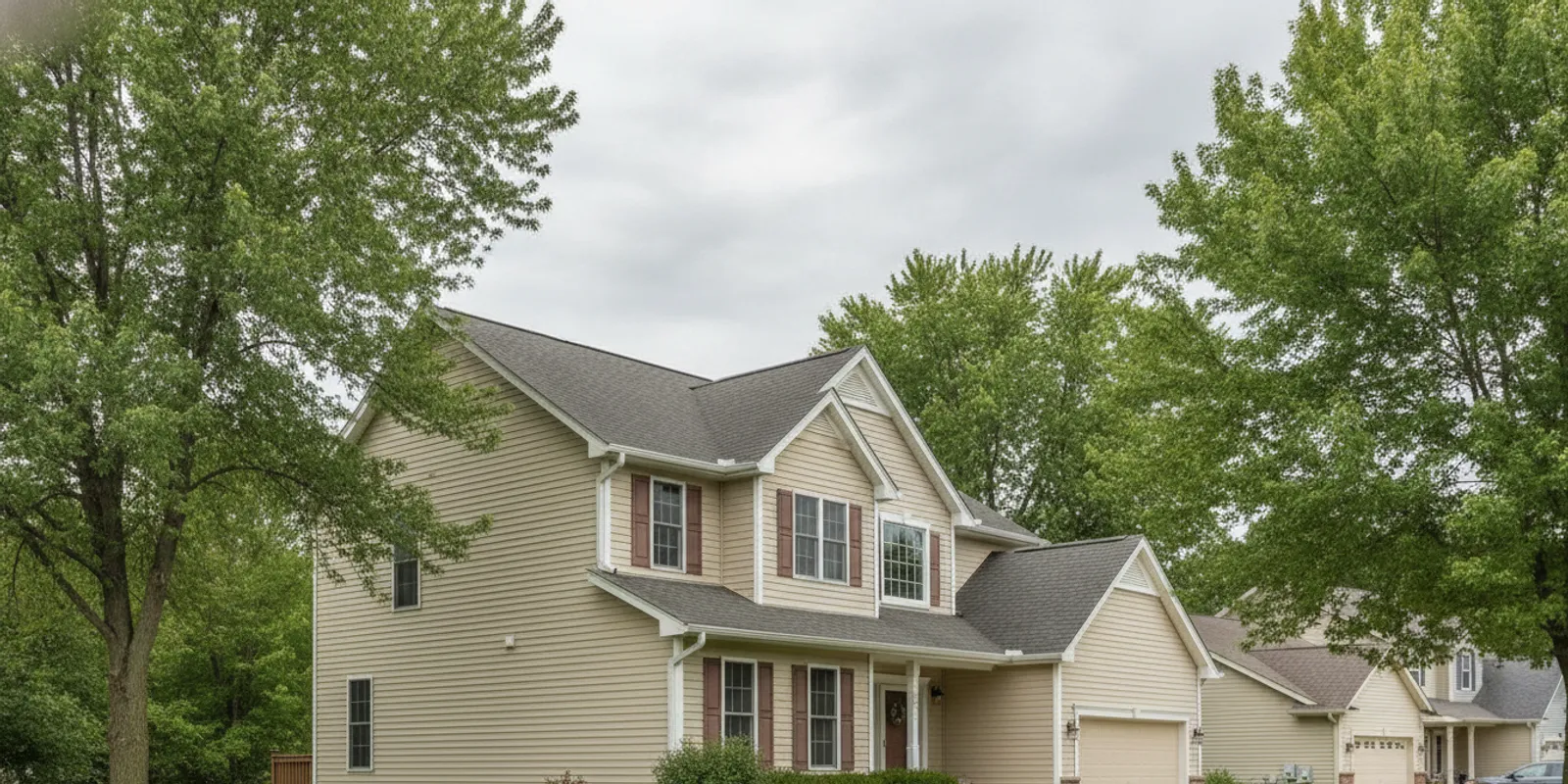
What should a roofing contractor in Cottage Grove help you understand?
A useful assessment connects an observed symptom to a location, a roof component, and a recommended next step. Ask the contractor to show or describe the area involved, explain what was observed, and separate confirmed findings from possibilities that need further inspection. The goal is not to get a dramatic diagnosis; it is to understand the condition well enough to evaluate the proposed work.
For example, a ceiling stain tells you that moisture has appeared inside, but it does not by itself show where water entered or whether the roof covering is the only part involved. A lifted shingle, damaged flashing, debris in a valley, or granules near a downspout may each be worth investigating. None alone proves that an entire roof needs replacement. Location, extent, surrounding materials, and any signs of repeated moisture all matter.
Ask for photographs when available, especially if the relevant area cannot be seen safely from the ground. A clear image paired with a plain-language explanation can make the conversation more useful. Homeowners should not climb onto a roof to check a contractor’s observation. If a portion could not be accessed or assessed, ask that limitation to be noted rather than treating it as a confirmed finding.
Referred Restoration describes a service path that begins with inspection, moves to a custom solution, and then professional installation. Its Cottage Grove service page provides a local starting point for discussing exterior needs.
How can you prepare for a roof inspection?
A few simple notes can make an inspection more focused. Before the appointment, record what you saw, when you first noticed it, and whether it changes after rain, wind, or snow. Include the room or exterior location and any past repair work you know about. This history can guide questions without deciding the cause before anyone has assessed the roof.
- Photograph interior stains and visible exterior concerns from a safe place on the ground.
- Write down dates, weather events, and whether the symptom has changed over time.
- Note which rooms or roof edges are involved, using a simple sketch if several areas are affected.
- Gather past inspection notes, repair records, or relevant home documents.
- Clear access to the attic hatch if an interior observation is part of the visit, but do not enter an unsafe space.
Do not disturb loose or damaged materials just to make them easier to inspect. If water is actively entering, move belongings away when it is safe, use a container to catch drips if practical, and contact a qualified professional about next steps. If there is a risk involving electrical fixtures, avoid the affected area and seek appropriate help rather than touching wet equipment.
During the appointment, ask what areas will be inspected and whether the review includes both the exterior and relevant interior clues. You can also ask how the contractor will handle a steep, icy, or otherwise inaccessible area. A careful answer should make clear what the inspection can establish and what remains uncertain.
What should a written roof assessment include?
A written assessment should help you follow the reasoning from observations to recommended work. Look for the areas examined, conditions recorded, proposed tasks, components involved, and limits on the inspection. If the recommendation depends on a concealed condition, ask how it would be documented if it becomes visible during work and how you would review a change to the scope.
For a repair, seek a defined location and description of the work intended to address it. Ask what adjacent materials or details are part of the repair, what is excluded, and what signs would warrant follow-up. For a replacement, clarify which roof sections are included, how existing materials will be handled, and whether flashing, ventilation details, edge components, and cleanup are addressed in the proposal. The details depend on the home; do not assume every proposal uses the same scope simply because each says “roof replacement.”
Referred Restoration also describes roof inspection and service information and offers roof repair services. These pages can help you identify the kind of service conversation you need, but an on-site inspection is what relates a general service description to your home.
How do repair and replacement assessments differ?
Repair may be considered when the concern is limited and the surrounding roof remains suitable for continued service. Replacement may be considered when damage or deterioration extends across a broader area, when repeated repairs have not addressed the underlying issue, or when an assessment identifies concerns with multiple parts of the roof system. These are general distinctions, not a diagnosis or a promise about the right option for a particular property.
Use the comparison below to make the discussion concrete. Ask the contractor to identify the evidence for the recommendation and to mark which items are included in writing.
| Review point | Repair assessment | Replacement assessment |
|---|---|---|
| Main scope | A defined leak area, flashing detail, or localized damage | Condition and work across a larger roof section or roof system |
| Evidence to request | Location, observed condition, and explanation of proposed repair | Inspection notes showing why broader work is recommended |
| Scope details | Materials, nearby details, exclusions, and follow-up observations | Included sections, removal approach, components, and cleanup |
| Uncertainty to resolve | Whether adjacent or concealed conditions may affect the repair | How concealed conditions and scope changes will be documented |
| Useful completion check | Confirm the defined area was addressed and ask what to monitor | Review the agreed work and note any documented changes |
If one contractor recommends repair and another recommends replacement, compare the evidence and assumptions, not only the names of the proposed options. Did both inspect the same roof areas? Did either identify an inaccessible section? Does the broader proposal explain why a localized repair would not address the concern? A second opinion may be useful when the findings differ substantially or the written scope is too vague to compare.
How can you compare written proposals fairly?
Put the documents beside one another and compare the same categories. If a proposal omits an item, mark it as “not stated” rather than assuming it is included. Then ask each contractor the same questions. This creates a more balanced discussion and makes gaps visible without requiring technical expertise.
- Inspection area: List the roof sections examined and any areas that were not accessible.
- Observed condition: Match each finding to a location, photo, or written note.
- Recommended action: Identify whether the proposal addresses a specific repair or a wider scope, and why.
- Materials and components: Note what is identified and what remains unspecified.
- Exclusions and assumptions: Record any work, access, or concealed conditions that are outside the stated scope.
- Property protection and cleanup: Check what the contractor says about protecting the home and handling debris.
- Schedule and communication: Clarify what may affect timing and who will provide updates.
- Completion documents: Ask what records or closeout information will be supplied.
For instance, imagine two proposals both recommend replacement. One identifies the roof sections, describes the work, and lists exclusions; the other gives only a one-line recommendation. The first may be easier to evaluate, but you should still ask any questions about missing components or assumptions. Conversely, if one contractor recommends a repair, ask what would make that plan insufficient and what conditions you should monitor. Do not treat a longer document as automatically better; judge whether it answers the practical questions about your home.
Read the scope and related terms before approving work. Confirm that any promises made in conversation appear in the written document. If the language is unclear, request a plain-language explanation or a written revision. Do not rely on a verbal summary when the document appears to say something different.
How can a simple decision record help you choose?
When you have several conversations or documents to review, create a one-page decision record. It does not need a technical rating system. Use columns for the finding, supporting evidence, proposed action, open question, and next step. This makes it easier to separate a documented concern from an assumption or an item you have not yet discussed.
For example, you might record “water stain in the upstairs hall after heavy rain” as the observation, attach a dated interior photo, and note that the exterior entry point is still unknown. Under the proposed action, write exactly what the contractor recommends and which roof area they inspected. In the open-question column, note whether the assessment included the nearby roof penetration or whether that area could not be accessed. Your next step might be to ask for clarification or request a revised written scope. This is more useful than writing “roof is leaking” when the source has not yet been established.
Use the same record after each conversation. Note the date, who provided the information, and whether an answer was verbal or included in a document. If a contractor explains a technical point in person, summarize it in your own words and ask whether that summary is accurate. This gives you a chance to resolve misunderstandings before signing. Keep the record factual and avoid turning a preliminary observation into a firm conclusion.
A practical decision record also helps when one proposal is more detailed than another. Rather than comparing how confident each person sounds, list what each document actually confirms. If a key item is missing from both, ask both contractors the same question. If one can explain the evidence and the other cannot, that difference is relevant to your decision, even though it does not itself diagnose the roof.
What questions help you evaluate the contractor’s process?
Ask questions that invite specific, verifiable answers. The aim is to learn how the work will be assessed, explained, and managed—not to test you on roofing terminology.
- Which roof areas did you inspect, and were any portions inaccessible?
- What observations support the recommendation, and can you show me where they were found?
- Which parts of the proposed work are essential to the scope, and which are optional or follow-up items?
- What materials or roof components are included, and what is excluded?
- How will you protect landscaping, siding, windows, and items near the work area?
- How will debris and cleanup be handled?
- Who will communicate schedule changes or questions during the work?
- How will you document a concealed condition if one is discovered?
- Will you review a proposed scope change with me before proceeding?
- What should I inspect or keep on file after the work is complete?
Notice whether the answers address the actual question. A clear explanation should distinguish what the contractor observed from what is a possibility, and should make it easy to see what the document covers. If a response remains vague, ask for the point to be added to the written scope. Avoid making your decision based on urgency alone; first understand what condition is being described and what action is proposed.
How should you document possible storm damage?
After a storm, make a dated record of what you can observe safely. Take a wide photo that shows the relevant side of the house, then closer images of visible concerns from the ground. Add notes about the date, weather, location, and whether the condition changed. Keep the original files and avoid altering or discarding damaged materials before asking an appropriate professional what documentation is useful.
If you are considering an insurance claim, contact your insurer about its reporting process and required documents. A contractor can describe observed exterior conditions and recommend work, but the insurer makes coverage decisions under the policy. Keep photographs, inspection notes, correspondence, and claim documents together. Do not treat a contractor’s inspection as a coverage determination.
Referred Restoration provides storm damage restoration services and assistance with storm-related claims. Its storm damage restoration information describes that service pathway. For a local directory to help identify businesses for further research, the Better Business Bureau directory of roofing contractors near Cottage Grove, Minnesota is one reference. A directory listing is not a substitute for reviewing a contractor’s written scope, checking relevant records, and deciding whether the proposed work fits your home.
What local conditions should Cottage Grove homeowners discuss?
Minnesota weather changes across the year, and rain, wind, snow, ice, and freeze-thaw periods can affect both roof observations and the practical timing of exterior work. Ask how the proposed schedule accounts for current conditions and what temporary protections are planned if work cannot be finished in one visit. Do not assume that a date can be guaranteed regardless of weather; ask what happens if conditions change.
Consider drainage at the same time, while keeping the issues distinct. If you see overflow, debris near the roof edge, or water collecting where it should not, mention it during the assessment. A gutter or downspout concern can interact with roof-edge conditions, but it is not automatically proof of roof failure. Referred Restoration’s seamless gutter information can help you identify a separate drainage conversation if that is relevant to your observations.
For a Cottage Grove home, be precise about where a symptom occurs. Note whether it is on a particular roof plane, near a valley, around a chimney or other penetration, or at an edge. If you do not know the name of the feature, describe its location or mark it on a simple sketch. Useful observations do not require you to identify the technical cause.
What should happen before work begins?
Before signing or setting a start date, read the complete written scope and confirm the agreed work, access arrangements, schedule assumptions, property protection, and cleanup plan. Ask whether you need to move vehicles, patio items, or other belongings. Keep children and pets away from the active work area, and confirm how the crew will communicate if a decision is needed.
Make a simple record of the property conditions near the work area before the crew arrives. This can include ground-level photographs of landscaping, a deck, or outdoor items. Move fragile belongings when requested, and ask how the contractor expects to access the home. These steps do not replace the contractor’s own protection plan; they help both sides understand the starting condition and access needs.
Keep a copy of the approved proposal where you can refer to it. If anyone describes a change after work begins, ask what was found, where it was found, how it affects the original scope, and what documentation will be provided. Take time to understand the change before agreeing to it. A clear record protects the shared understanding of what was approved.
How can you complete a useful review afterward?
At completion, review the work against the agreed scope with the contractor. Ask what was completed, whether any conditions changed the original plan, and where those changes are recorded. If something appears inconsistent with the written agreement, raise it promptly and request an explanation. A calm, specific question tied to a line in the proposal is more useful than a general concern.
Ask what maintenance or monitoring is recommended, and whether any areas should receive later attention. Keep the final paperwork, photographs, product information, and any warranty documents provided with the home records. If the contractor supplies completion photos, save them alongside the original inspection notes so that the record shows what was observed and what work followed.
Homeowners reviewing a broader exterior concern can also see the company’s Cottage Grove window replacement service information, but a roof proposal should remain specific to the roof work under consideration. Keeping separate exterior issues in distinct scopes can make responsibilities and follow-up easier to understand.
Contact Referred Restoration online
Frequently asked questions
Should I get more than one roofing assessment?
A second assessment can be helpful when recommendations differ, the scope is unclear, or the proposed work covers a much larger area than you expected. Ask each contractor to record the observed conditions and explain how those findings support the recommendation. Compare the written scopes, not only the bottom-line labels.
Can an interior leak identify the roof entry point?
Not by itself. A stain or damp area inside is an important clue, but it may not show where water entered or which exterior component is involved. Share the location and timing with the contractor and ask for an assessment of the related roof areas.
What if I cannot safely see the roof damage?
Do not climb onto the roof or use a ladder in unsafe conditions. Record what is visible from the ground and ask a qualified contractor to assess the roof safely. It is reasonable to request photos or a clear explanation of any finding you cannot see yourself.
Does a storm inspection decide whether insurance will cover the work?
No. A contractor can document observed conditions and recommend work, but the insurer determines coverage under the policy. Follow the insurer’s reporting instructions and keep copies of the records you submit or receive.
What should I do if a proposal mentions hidden damage?
Ask what concealed conditions may be relevant, how a newly visible condition would be documented, and how any change to the agreed work would be reviewed with you. Clarifying that process before work begins helps prevent assumptions later.
A clear inspection record, a specific written scope, and direct questions can help you choose a practical next step for your Cottage Grove roof.