
In Minnesota, a small crack or open joint around a window can expose more than the trim itself. Freeze-thaw movement, snow, hail, and driving rain test the seal between the window frame and the wall, especially on homes throughout Rogers, St. Francis, Monticello, and Cottage Grove.
Schedule a Free Inspection for Your Window Trim
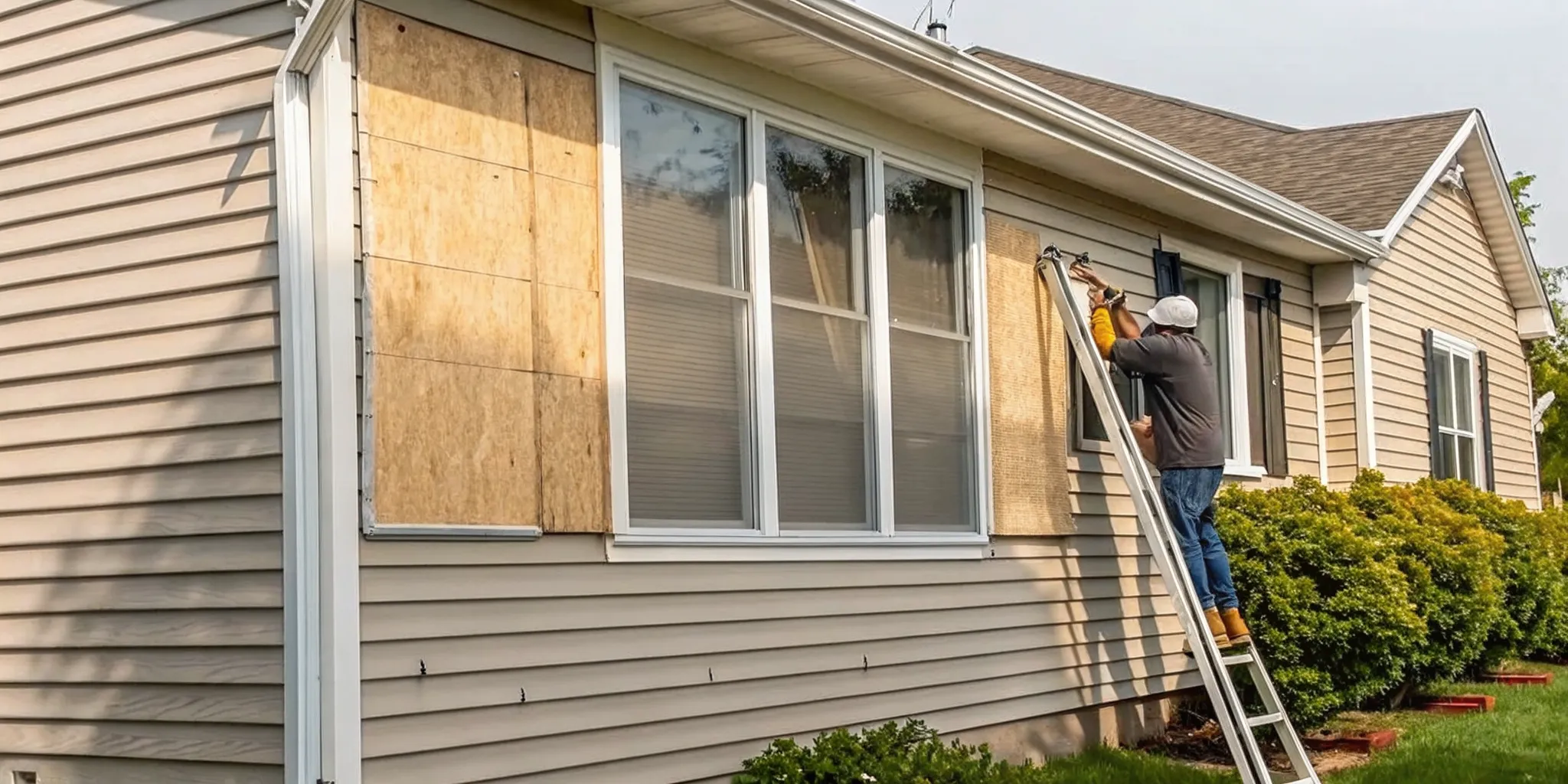
Window trim frames the opening and helps seal the gap between the window and wall, directing moisture away from the home. Choosing whether to repair or replace window trim depends on the extent of cracking, peeling, soft wood, or rot, along with the condition of the sill and surrounding wall assembly.
Understanding what the trim does makes it easier to spot early problems and select a durable repair. The right approach starts with the trim’s role in protecting the window opening, not simply its appearance.
What Is Window Trim and Why Does It Matter in Minnesota?
Window trim is the finish material that frames a window and closes the transition between the window assembly and the wall. Interior casing gives the opening a finished appearance, while exterior casing covers the gap between the window frame and the exterior wall. Together, these pieces help define the character of a home while supporting the weather barrier around each window.
Exterior casing is more than decorative detail. Properly installed trim helps prevent water from entering the joint between the window and wall. Flashing directs water away from the opening, and the trim provides the final sealed transition. This relationship is described in window-installation references from the National Library of Medicine patent database. If casing pulls away, cracks, or loses its seal, moisture can reach sheathing and framing where damage is harder to see.
Minnesota weather puts this part of the exterior envelope through repeated stress. Freeze-thaw cycles can open small joints as materials expand and contract. Snow, which averages about 43 inches statewide, can remain against lower trim, while hail can damage finishes and create impact points around exposed corners. These conditions make careful detailing especially important for homes in Rogers, St. Francis, Monticello, and the surrounding communities.
Window casings are made of horizontal and vertical pieces that frame the opening around the glass and sash. Their proportions, profile, and finish influence whether a home feels traditional, modern, or understated. Interior trim can also conceal uneven transitions and create a clean visual line between the window and wall. A well-matched profile therefore supports both the home’s style and the quality of the finished work.
When checking exterior window trim, give extra attention to corners, mitered joints, and transitions near the sill. These are often the first locations to show water entry or movement because they contain multiple seams. The casing must work with flashing and maintain a sound seal, while the sill needs enough downward slope to shed water rather than hold it against the assembly. For homeowners comparing larger window upgrades, our guide to replacement windows for Minnesota cold provides related planning context.
Early warning signs include peeling paint, open joints, soft wood, staining, or a visible gap between the casing and wall. Addressing a small failure can help protect the surrounding envelope. Trim that has lost its moisture barrier, however, may require a closer inspection of the sill and adjacent materials. A careful assessment distinguishes a finish issue from a deeper window or wall problem before repairs begin.
How Do You Choose the Right Window Trim Material for Minnesota?
Minnesota exterior window trim must withstand freeze-thaw cycles, moisture, wind, and wide temperature swings without losing its seal or shape. The best material depends on the condition of the opening, the home’s design, and how much ongoing finishing and inspection the trim will require. A careful assessment in Rogers, St. Francis, Monticello, or Cottage Grove should look beyond appearance and consider how the trim will manage water over time.
Wood Window Trim
Wood remains a strong choice when you want a traditional appearance, detailed profiles, or a close match to existing trim on an older Minnesota home. High-quality original wood, including old-growth material, may be worth restoring when it remains sound. Wood can also be repaired and refinished rather than removed when damage is limited.
Its performance depends on preparation and maintenance. New wood trim should be properly dried before installation, then primed or sealed on every side, including the back and cut ends. This creates a more stable moisture barrier and helps limit warping. Exposed finish surfaces still need periodic inspection for peeling paint, open joints, and moisture entry, especially around corners and the lower sill.
Vinyl Window Trim
Vinyl or PVC trim is naturally resistant to rot and moisture, making it useful where repeated wetting is a concern. It does not require the same recurring paint protection as wood, but installation still matters. The pieces must be fitted to accommodate movement from temperature changes. And the flashing and fasteners must be installed so sealant directs water away from the opening rather than trapping it behind the trim.
Vinyl can provide a clean, consistent exterior appearance, though its profile and finish should be coordinated with the siding and the home’s architectural character. A material that resists rot cannot compensate for a leaking sill or poorly sealed joint.
Composite Window Trim
Composite trim combines a wood-like appearance with strong resistance to moisture-related deterioration. It can be a practical middle ground when the goal is durable exterior protection with less routine upkeep than traditional wood. Composite products vary, so confirm the manufacturer’s installation, fastening, expansion, and finishing requirements before work begins.
For any material, the installation details determine much of the result. The sill should retain a downward pitch so water sheds away, and corrosion-resistant fasteners help prevent rust streaks. When trim is damaged, connect the material decision to the condition of the sill. The wall assembly, and the existing seal instead of treating the visible trim as an isolated surface.
How Do You Decide Between Repairing and Replacing Window Trim?
The first question is not whether the trim looks worn. It is whether the assembly can still keep water out. Sound exterior trim seals the joint between the window frame and wall, but cracked, loose, or softened material can leave the opening vulnerable to moisture. In Rogers, St. Francis, Monticello, and Cottage Grove, repeated freeze-thaw cycles can turn a small failure into broader deterioration if water remains trapped behind the trim.
Begin with the sill, where water commonly pools. Look for soft spots, darkened wood, peeling paint, open joints, and staining below the window. Check that the sill still has a downward pitch so water sheds away from the wall rather than resting against the frame. Examine the corners and joints as well. A gap at a joint may be limited to a failed seal, or it may point to movement, hidden moisture, or decay beneath the visible surface.
Repair is generally reasonable when the damage is localized and the surrounding material remains solid. A small split, loose section, or failed caulk joint may be addressed by removing compromised material, securing the trim, restoring the seal, and refinishing the exposed area. Small repairs can be suitable for a capable homeowner, but the repair must preserve the sill’s downward pitch and leave every joint tight against water. Covering soft material with new paint or sealant only hides the problem temporarily.
Replacement becomes the responsible path when rot has spread through the trim or reached the sill. Rot is a primary sign that the material is no longer a moisture-tight barrier, which means nearby sheathing or other structural components may also be affected. Extensive damage is difficult to judge from the outside, particularly when flashing, siding, or the wall opening conceals the failure. In that situation, a professional assessment can determine whether the trim alone needs replacement or whether the surrounding moisture barrier also requires attention. Referred Restoration provides professional window repair in Rogers with an inspection-led approach suited to this decision.
Do not choose replacement solely because the finish is faded, and do not choose repair solely because the damage appears small. Compare the condition of the sill, joints, fasteners, and material behind the visible trim. A careful inspection protects the window opening and helps ensure the selected work addresses the source of the moisture, not just the symptom.
How Do You Seal and Protect Window Trim Against Minnesota Weather?
Minnesota’s freeze-thaw cycles put repeated stress on the joints around a window. Water can enter through a hairline gap, freeze, expand, and widen the opening before warmer, humid conditions add another source of moisture. Routine exterior envelope care helps keep window trim from becoming the first weak point around an otherwise sound window assembly.
Sealing and Caulking
Inspect the joint where the trim meets the wall, especially at the upper corners, side seams, and lower sill area. A compatible, high-quality exterior caulk at an intact joint helps limit both air infiltration and water entry. The sealant should bond to clean, dry surfaces and remain flexible as the surrounding materials expand and contract. Caulk is not a substitute for replacing trim that is soft, swollen, or pulling away from the wall. Those conditions can indicate moisture behind the visible joint.
Pay attention to the sill’s downward pitch as well. The sill should shed water away from the window rather than creating a pocket where water can sit against the trim. Homeowners in Rogers, St. Francis, and Monticello can also use diagnosing drafty windows as a starting point when a room feels cold near the opening, though an air leak and a water-management problem may require different repairs.
Fasteners and Finish Maintenance
When trim needs to be secured or replaced, corrosion-resistant stainless steel fasteners help prevent rust streaks and preserve the connection over time. Fasteners should be appropriate for exterior use and installed without damaging the surrounding material. A poor fastening pattern can leave movement at the joints, allowing the seal to fail during repeated temperature changes.
Wood trim also needs a continuous, weather-resistant finish. Prime or seal every side, including the back and cut ends, before installation when the product and manufacturer instructions call for it. Apply the specified paint or stain system to all exposed surfaces, following the manufacturer’s preparation and recoating guidance. A sound finish limits moisture absorption and helps reduce swelling, splitting, and paint failure. Vinyl and composite products still need their joints, edges, and transitions inspected because a durable material does not correct a failed seal.
Ventilation and Moisture Control
Keep air moving around interior window areas to reduce condensation. Blocked registers, heavy coverings pressed against the glass, and trapped humid air can leave moisture on the assembly, which may degrade wood trim from the inside. If condensation returns, look beyond the trim and address the room’s airflow and humidity. Seasonal checks after winter and after periods of heavy summer humidity can reveal small failures before they spread into the wall assembly.
Wood vs. Vinyl vs. Composite Window Trim: A Head-to-Head Look
The best exterior trim material balances appearance with the demands of Minnesota weather. Wood, vinyl or PVC, and composite can all produce a clean window surround, but they respond differently to moisture, maintenance, and repeated temperature changes. The comparison below focuses on the conditions that matter around homes in Rogers, St. Francis, Monticello, Cottage Grove, and nearby communities.
| Material | Weather and moisture resistance | Maintenance level | Finish and look | Durability in Minnesota freeze-thaw |
|---|---|---|---|---|
| Wood | Can perform well when every exposed surface is properly primed, sealed, and protected. Unchecked moisture can contribute to swelling or rot. | Highest. Painted or stained surfaces need regular inspection and timely attention at joints, end grain, and damaged areas. | Offers natural grain and flexible profiles. Paint creates a more uniform appearance, while stain highlights the wood’s traditional character. | Can expand and contract with temperature changes, so installation, sealing, and finish quality are especially important during repeated freeze-thaw cycles. |
| Vinyl or PVC | Rot-resistant and well suited to damp locations. It does not absorb moisture like wood, but joints and fastener points still require careful detailing. | Low. Its resistance to rot and moisture can reduce routine upkeep, although gaps, movement, and sealant should still be checked. | Provides a consistent manufactured finish and works well for straightforward contemporary trim designs. | Handles moisture exposure well, but the installation must allow for movement as temperatures shift from deep winter cold to summer heat. |
| Composite | Rot-resistant and designed for demanding exterior conditions. Its performance depends on sound water management behind and around the trim. | Low to moderate. A properly applied weather-resistant finish helps protect exposed surfaces and preserve the trim’s appearance. | Can provide a painted, uniform look while supporting profiles that resemble traditional exterior detailing. | Its resistance to moisture and warping makes it a practical option where snow, ice, and freeze-thaw movement place sustained stress on exterior assemblies. |
Material selection should follow the home’s actual exposure, not a one-size-fits-all rule. A window on a windward wall in Rogers or along an open lot near Monticello may receive more snow and driving moisture than a protected elevation. Hail damage, persistent shade, and water collecting at a sill can also change the repair decision. Exterior trim materials such as PVC and composite are commonly chosen for their rot and moisture resistance. Wood may remain appropriate when its character suits an older home and its finish can be maintained. In every case, the finish system matters: high-quality paint or stain applied to exposed surfaces according to the manufacturer’s recommendations supports longer-lasting protection.
What Should You Know Before Starting a Window Trim Project in Minnesota?
A window trim project is more than a finish update. Exterior casing helps close the gap between the window frame and wall, while properly aligned trim supports a tight seal against Minnesota moisture and wind. Before work begins on a Rogers home, a property along the St. Francis to Monticello corridor, or a Cottage Grove residence, identify whether the trim problem is cosmetic, moisture-related, or connected to the window assembly itself.
Lead-paint considerations for older homes
Age matters when painted surfaces will be disturbed. The Environmental Protection Agency explains that exterior repair or maintenance disturbing less than 20 square feet of painted surface may fall within minor repair and maintenance guidance. It also notes that removing a sash by releasing hinges or a jambliner may disturb less than six square feet when only paint on the hardware and screws is affected. These thresholds do not replace a project-specific assessment, especially when casing, sill, surrounding walls, or larger painted areas are involved. Review the EPA guidance on window repairs and lead-paint rules before work begins on an older Minnesota home.
Inspection essentials before installation
A careful assessment should trace the visible trim problem back to its source. Check the sill for a downward pitch that sheds water and for gaps at corners and joints. Examine the nearby siding and wall surfaces for signs of recurring moisture as well. If the sill or framing has deteriorated, replacing the trim alone may leave the underlying issue unresolved. Homeowners who want a broader evaluation can review our page about professional window repair in Rogers.
During installation, the window and surrounding trim need to be plumb and level so each piece fits tightly without compromising the seal. Wood trim should be primed or sealed on every side, including the back, before it is installed. A local contractor can assess the existing assembly, explain which areas require repair, and recommend a practical path that protects the home without disturbing sound original materials.
Get Your Free Inspection for Window Trim Today
Frequently Asked Questions
When should you repair or replace window trim?
Repair may be appropriate when damage is limited to a small area and the surrounding trim remains solid, dry, and securely attached. Replacement is generally more dependable when rot, swelling, separation, or repeated moisture damage extends along the casing, sill, or adjacent wall area. An inspection can determine whether the visible damage is cosmetic or part of a larger moisture problem.
How can you identify rot in exterior window trim?
Look for soft or crumbly wood, peeling paint, dark staining, swollen joints, gaps in the caulk, and trim that feels spongy when gently pressed. Moisture often collects at the sill and lower corners, so those areas deserve close attention. Rot can continue behind finished surfaces even when the visible damage appears small.
Can window trim be repaired without replacing the whole window frame?
Often, yes. If the damage is confined to the exterior casing, sill, or a small trim section. The affected material may be repaired or replaced without removing the complete window unit. The repair should also address flashing, fasteners, and sealant so water is directed away from the opening.
What materials work well for exterior trim in Minnesota?
Wood offers a traditional appearance and can suit older Minnesota homes, but it requires careful sealing and ongoing maintenance. Vinyl, PVC, and composite options can provide better resistance to rot and moisture. The right choice depends on the home’s existing materials, exposure to freeze-thaw conditions, desired appearance, and how the trim connects to the wall and window.
Does damaged window trim affect energy efficiency?
It can. Open joints, failed caulk, and gaps around the casing may allow air and water infiltration, creating drafts and exposing surrounding materials to moisture. Properly repaired trim, sound flashing, and continuous exterior sealing help protect the opening. If drafts remain, the window unit and adjacent wall should be evaluated as well.
Schedule a Free Inspection for Your Window Trim
A careful inspection can help identify moisture damage, gaps, or failing trim before a small exterior issue affects surrounding materials. Referred Restoration provides straightforward guidance for Minnesota homes, including properties in Rogers, St. Francis, Monticello, and Cottage Grove. When you are ready to review your window trim, Schedule a Free Inspection with the team.