
When a Rogers home feels cold near the windows, the glass is only part of the story. Minnesota’s winter conditions make the numbers on the NFRC label useful decision tools, especially for homes along the Highway 101 corridor. Drafts, wind, and heavy snowfall can expose weak points in an aging window assembly.
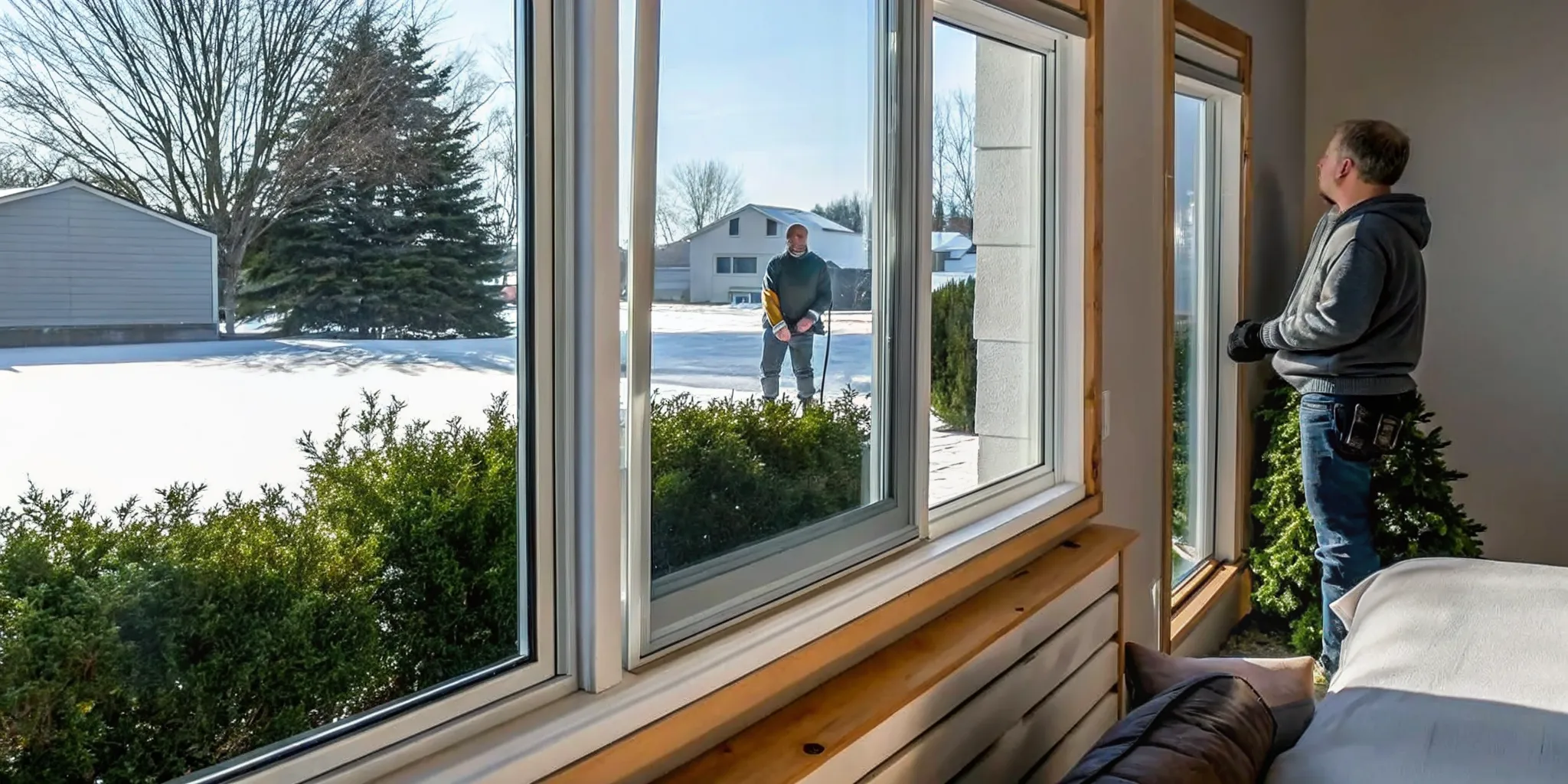
For window energy efficiency ratings Minnesota homeowners should focus first on a low U-factor, which indicates stronger resistance to heat loss. Then compare air leakage for a tighter seal, SHGC for sunlight-related heat, and VT for natural light. Together, these ratings show how a window may perform through a Rogers-area winter rather than relying on appearance alone.
The U-factor often deserves the most attention in extreme cold, but the other ratings help explain comfort, daylight, and summer performance. Understanding what each measure tells you makes it easier to compare replacement options for your home and move into a closer look at the complete window label.
What Window Energy Efficiency Ratings Matter for Minnesota Homeowners?
What do the numbers on a window label actually mean for a home in Rogers, Minnesota? The National Fenestration Rating Council (NFRC) label is designed to make that comparison clearer. Instead of relying on a sales description, you can look at four measurements that describe how a window handles heat, sunlight, daylight, and outside air. That matters in metro-west Minnesota, where homes along Highway 101 and the Rogers-to-St. Francis-to-Monticello corridor experience cold, wind, and substantial snowfall.
U-factor measures insulation. It indicates how readily heat passes through the window assembly. A lower U-factor means better resistance to heat loss, which is especially important when a Rogers home is being heated through a long cold-weather stretch. The U-factor explanation from the National Fenestration Rating Council confirms that lower values represent more energy-efficient windows. Think of this number as the label’s primary indicator of how well the glass and frame help hold indoor warmth.
Solar Heat Gain Coefficient, or SHGC, measures sunlight-driven heat. This number ranges from 0 to 1. A lower SHGC blocks more heat from sunlight, which can help limit overheating during bright summer afternoons. However, the best choice depends on the home’s orientation, shading, and comfort goals. A south-facing room in Elk River may need a different balance than a shaded room in St. Francis.
Visible transmittance, or VT, measures daylight. It also ranges from 0 to 1, but higher values mean more natural light passes through the glazing. Air leakage measures tightness. A lower air-leakage rating means less air passes through joints and gaps in the window assembly. If you feel drafts near a frame, diagnosing drafts and air leakage before deciding whether repair or replacement is the appropriate next step can save time and money. Together, these ratings show why window selection should consider insulation, solar exposure, daylight, and installation quality rather than one number alone.
U-Factor: The Number That Defines a Cold-Climate Window
U-factor measures how readily heat moves through a window assembly. A lower U-factor means stronger insulation and less heat loss through the glass during winter. For homeowners along the Rogers, Elk River, and Monticello corridor, that distinction matters when extended subzero stretches and wind-driven cold off open fields put steady pressure on the home’s heating system. The region also receives about 43 inches of snow annually, so window performance should be evaluated as part of the home’s full weather protection. The NFRC consumer guide explains that the lower the U-factor, the more energy-efficient the window. Read the full guide to window ratings for the technical definition.
What U-Factor Should Minnesota Homes Target?
For many Minnesota homes, a practical target is a U-factor of 0.30 or less. Homeowners seeking superior cold-weather efficiency should look for 0.25 or less, provided the complete window design and installation suit the opening. These numbers are not a substitute for reviewing the entire NFRC label. But they give you a useful starting point when comparing replacement windows for a home near Highway 101, St. Francis, or western Rogers.
U-factor should also be considered alongside the window’s frame, glazing, and installation details. A strong rating on the product label can lose practical value if the unit is poorly fitted or the surrounding opening allows drafts. Ask for the rating of the complete window, not just the center of the glass. The National Fenestration Rating Council label standardizes these measurements, giving homeowners a consistent way to compare products from different manufacturers. That makes the ratings Minnesota homeowners review more meaningful than a broad claim about insulating glass alone.
Why Older Windows Fall Short
Older windows often have noticeably higher U-factors than current cold-climate products. One industry estimate places typical windows that are eight or more years old in the 0.32 to 0.35 range. That difference can show up as colder interior glass, uneven rooms, and more heat escaping around aging assemblies during a Rogers winter. It does not mean age alone proves replacement is necessary. Frame condition, seal failure, operation, and installation quality all deserve an inspection.
When comparing options, focus on the U-factor that addresses your home’s actual exposure and comfort problems. A careful assessment can distinguish heat loss through the glass from drafts around the frame, helping you choose a durable window system rather than relying on a single number.
SHGC, VT, and Air Leakage: Reading the Rest of the Window Label
Once you understand U-factor, the rest of the NFRC label helps you match a window to your home. The label is not a marketing score. It is a standardized comparison tool that lets homeowners review the same performance categories across different window products. The NFRC consumer guide explains how to read these window ratings and compare a window’s energy properties.
SHGC, or Solar Heat Gain Coefficient, is expressed on a scale from 0 to 1. It describes how much heat from sunlight passes through the glass. A lower SHGC blocks more solar heat, which can help a room stay more comfortable when strong summer sun enters through a west-facing window. That detail matters in Minnesota homes along the Highway 101 corridor, where a bright western exposure can create afternoon heat even when the rest of the house feels comfortable. The right SHGC is not automatically the lowest available value. It should fit the window’s direction, shading, and the room’s comfort needs.
VT, or Visible Transmittance, also ranges from 0 to 1. A higher VT allows more natural light through the glazing. That can be useful in a dark north-side room in a Rogers or Monticello home, especially during Minnesota’s shorter winter days. More daylight can also mean more glare, however, so a very high VT may not be the best choice for a room with an unobstructed view of bright snow or a frequently used screen. The NFRC consumer guide recommends weighing daylighting goals against glare reduction when comparing VT values.
Air leakage measures how much air passes through joints in the window assembly. Here, lower is better because it indicates a tighter assembly with less air moving through cracks around the frame. In Minnesota, that performance matters year-round. Wind-driven cold along the Rogers-to-St. Francis corridor can expose weak seals, while summer humidity can make poorly sealed rooms feel uncomfortable. The rating describes the product, but installation also matters. A well-rated window can still allow drafts if it is not fitted and sealed correctly. If you are trying to diagnose drafts and air leakage, compare the NFRC air-leakage rating with what you observe around the frame, sash, and surrounding trim.
Read SHGC, VT, and air leakage together rather than selecting a window from one number alone. A west-facing room may benefit from stronger solar control, a dark north-facing room may need more visible light, and every Minnesota room benefits from a properly sealed installation.
Double-Pane vs. Triple-Pane Windows for Minnesota Winters
Both double-pane and triple-pane windows can improve comfort in a Rogers home, but they are not interchangeable choices. A double-pane unit has two layers of glass separated by an insulating space, commonly filled with argon. A triple-pane unit adds a third layer and a second insulating space, creating another barrier between the heated room and a Minnesota winter. That additional glazing can support stronger cold-weather performance, although the complete window assembly matters more than pane count alone.
When comparing NFRC ratings, focus first on U-factor, where a lower number indicates better insulation. Industry guidance commonly places a suitable Minnesota target around 0.30 or lower, with 0.25 or lower described as superior performance. These figures are benchmarks rather than guarantees for every opening. Triple-pane products typically reach lower U-factors than comparable double-pane products. Framing material also affects the result: ENERGY STAR notes that fiberglass frames provide good insulation and durability, while professional installation helps prevent air leakage around the assembly.
| Consideration | Double-pane | Triple-pane |
|---|---|---|
| Construction | Two glass panes with one insulating space and commonly one gas fill. | Three glass panes with two insulating spaces and commonly two gas fills. |
| U-factor performance | Can meet efficient cold-climate targets when the glass, frame, and installation are well specified. | Typically reaches lower U-factors than comparable double-pane units. Some guidance cites 0.30 or lower as an appropriate target and 0.25 or lower for superior performance. |
| Winter comfort | Interior glass may feel colder near the opening during severe cold. | Warmer interior glass can improve comfort near the window and reduce the cold-radiation sensation. |
| Weight and fit | Lighter and often easier to accommodate in existing openings. | Heavier, so the frame, sash, and opening should be evaluated. Fiberglass framing can provide a strong, insulating option. |
| Best fit | A practical choice when balanced performance and a lighter assembly suit the home. | A strong fit when maximum winter insulation and room-side comfort are the priority. |
Seal condition deserves attention in either design. Persistent condensation between panes can indicate foggy windows from failed seals, which changes how the unit performs regardless of whether it began as double-pane or triple-pane. For homes along Highway 101 or the Rogers-to-Monticello corridor, the right decision should account for the opening’s size, frame condition, and installation details rather than relying on pane count alone.
Low-E Coatings and Gas Fills: How Glazing Technology Changes the Ratings
The glass package inside a window has a direct effect on how well it resists heat transfer. That matters in Rogers and across the Highway 101 corridor, where a window must help hold indoor heat through cold, windy weather without making the home feel closed off from natural daylight. Low-E coatings and insulated gas fills work together, but they influence the window’s performance in different ways.
Low-E Coatings
Low-E means low emissivity. The coating is a thin, nearly invisible layer applied to the glass that limits radiant heat transfer. In winter, the right Low-E configuration helps reflect indoor heat back toward the living space instead of allowing it to pass through the glazing. Manufacturers can tune the coating for a colder climate, solar exposure, and the balance between heat retention and daylight.
That tuning is important because a window is not judged by one feature in isolation. The Low-E selection affects the unit’s U-factor and solar heat gain characteristics, while visible transmittance helps determine how much daylight enters the room. A south-facing room in a Rogers home may call for a different balance than a shaded elevation or a room exposed to winter wind moving through the St. Francis and Monticello corridor. The NFRC consumer guide to window ratings explains how these measurements work together.
Gas Fills
In a double- or triple-pane window, the space between panes can be filled with an insulating gas rather than ordinary air. Argon and krypton slow heat movement through those cavities, helping lower the overall U-factor. The result depends on the complete assembly, including the number of panes, spacer design, frame material, and seal quality. A gas fill should be evaluated from the NFRC label rather than treated as a standalone guarantee.
Frame material also contributes to the final performance. ENERGY STAR guidance identifies fiberglass frames as durable and well insulated, which can support a lower overall window U-factor when paired with appropriate glazing. Reliable installation matters as well, because gaps around even highly rated windows can allow air leakage.
Home energy guidance reports that replacing old windows with ENERGY STAR certified products can reduce a home’s utility bills by an average of 13%, though the result varies by house and installation. For a Minnesota homeowner, the practical question is whether the full window assembly is suited to the home’s exposure, existing condition, and comfort goals, not whether one label feature sounds impressive.
ENERGY STAR Ratings and Minnesota’s Climate Requirements
ENERGY STAR certification gives Minnesota homeowners a useful starting point when comparing window performance. ENERGY STAR-certified windows are independently tested, certified, and verified by the National Fenestration Rating Council (NFRC). They must also meet strict efficiency guidelines established by the U.S. Environmental Protection Agency (EPA), rather than relying only on a manufacturer’s marketing claims. ENERGY STAR’s product criteria explain how those independent ratings support a more consistent comparison.
For homes in Rogers, Elk River, St. Francis, and the corridor toward Monticello, the cold-climate requirements deserve particular attention. Minnesota winters place sustained demand on a window’s insulating performance, so a low U-factor is central to the ENERGY STAR criteria for the Northern Climate Zone. The published threshold is a U-factor of 0.22 or less, paired with a solar heat gain coefficient (SHGC) of 0.17 or greater for qualifying windows in the referenced criteria. A lower U-factor indicates better resistance to heat transfer, while the SHGC requirement recognizes that some solar warmth can be useful in a northern climate.
These figures should be read from the NFRC label for the specific window, not assumed from the product line or glass package alone. Frame material, glazing configuration, size, and installation all affect how the finished assembly performs. A certified window can still underperform if it is poorly fitted or sealed, allowing drafts around the opening. That is especially relevant for homes exposed to wind-driven cold along Highway 101 or across open metro-west neighborhoods.
Some Minnesota utility programs also use ENERGY STAR certification or equivalent energy-rating thresholds when determining whether a home qualifies for an efficiency rebate. Requirements can vary by utility and program, so homeowners should confirm current eligibility before selecting a product. For broader guidance on matching ratings to local weather, see our guide to choosing replacement windows for Minnesota’s weather. A window assessment can then connect the label values to the home’s orientation, existing drafts, and winter comfort needs.
Putting Window Ratings to Work for a Rogers, Minnesota Home
A window label gives you a useful starting point, but the right selection depends on how the entire opening performs in your home. Along the Rogers-to-Elk River-St. Francis-Monticello corridor, a window must handle wind-driven cold, heavy snow, and extended subzero stretches. A model with strong efficiency ratings can still leave a room uncomfortable if the opening is poorly prepared or the frame is not sealed correctly.
Start by comparing the NFRC label for each model under consideration. Give particular attention to U-factor for winter insulation, then review air leakage, visible transmittance, and solar heat gain based on the room’s orientation and use. Rogers homes near Highway 101 may have very different exposure and wind conditions from a more sheltered Metro West suburb, so a rating should support a site-specific recommendation rather than replace one.
Questions to Ask Before You Replace Windows
Ask what U-factor the exact model carries, not just the series name, and whether it is ENERGY STAR certified for the Northern Climate zone. Confirm how the installer will inspect the rough opening, manage flashing, and seal the space around the frame. A low air-leakage rating describes the factory-built assembly, but real-world air leakage also depends on the seal around the frame. Lower air leakage means less air passes through cracks in the window assembly, which is why installation quality matters as much as the printed rating: review the NFRC consumer guide to window ratings.
Also ask how the proposed glazing fits the room. A south-facing space may need a different solar heat gain approach than a shaded north-facing room, while bedrooms and living areas may call for different daylight and ventilation priorities. With roughly 43 inches of annual snowfall and long cold periods, the goal is not simply to choose the lowest number. It is to match the product, opening, and installation details so the home stays more comfortable through winter and uses energy more efficiently.
A free inspection can help identify whether discomfort comes from failed glazing, worn seals, or the surrounding opening before you commit to a replacement plan. Referred Restoration can assess the current condition and explain which ratings and installation details make sense for your Rogers-area home.
Frequently Asked Questions
What window energy efficiency ratings are best for Minnesota’s climate?
For Minnesota homes, prioritize a low U-factor, a low air leakage rating, and a window assembly suited to cold-weather exposure. ENERGY STAR’s Northern Climate criteria use a U-factor of 0.22 or less and an SHGC of 0.17 or greater for qualifying windows. Although the best specification can vary by orientation, shading, and the home’s heating needs. ENERGY STAR’s product criteria provide a useful comparison point.
What is the recommended U-factor for windows in Minnesota?
A U-factor of 0.30 or less is commonly cited as an appropriate Minnesota target, while 0.25 or less represents a stronger cold-climate choice. The key rule is simple: lower U-factor means better insulation and less heat transfer through the glass. Compare the whole-window U-factor on the NFRC label, not only the center-of-glass value. The NFRC consumer guide explains U-factor ratings.
Why is a low U-factor important during Minnesota winters?
Rogers, Elk River, and the St. Francis-to-Monticello corridor experience prolonged heating demands and wind-driven cold. A lower U-factor slows heat loss through the window, which can improve comfort near the glass and reduce the energy required to maintain indoor temperatures. It is especially important when replacing older, poorly insulated units.
How does SHGC impact window efficiency in Minnesota?
SHGC measures how much solar heat enters through a window on a scale from 0 to 1. A lower SHGC blocks more sunlight heat, while a higher SHGC admits more passive solar warmth. South-facing windows may benefit from a different balance than shaded or east- and west-facing windows, so orientation matters instead of applying one number to every opening. The NFRC consumer guide defines SHGC and its range.
What is the role of air leakage in window performance?
Air leakage measures how much air passes through joints in the window assembly, and a lower rating indicates a tighter unit. Installation matters just as much as the label: gaps around a properly rated window can still create drafts. Ask how the installer will seal the opening and connect the replacement unit to the existing wall assembly.
Schedule a Free Window Assessment
Clear ratings make it easier to compare window options for a Minnesota home and identify where insulation, glazing, or installation details may matter most. Referred Restoration can review your current windows and discuss practical next steps for your home. Schedule a free window assessment to get started with a tailored conversation about improving comfort through Rogers-area winters.