Hail and bitter cold can quickly crack standard vinyl siding on Rogers homes. Strong winds also strip cheap boards away when the season turns. Local homeowners need an exterior that stands up to these harsh shifts.
Call (763) 726-4245 for a free metal siding inspection
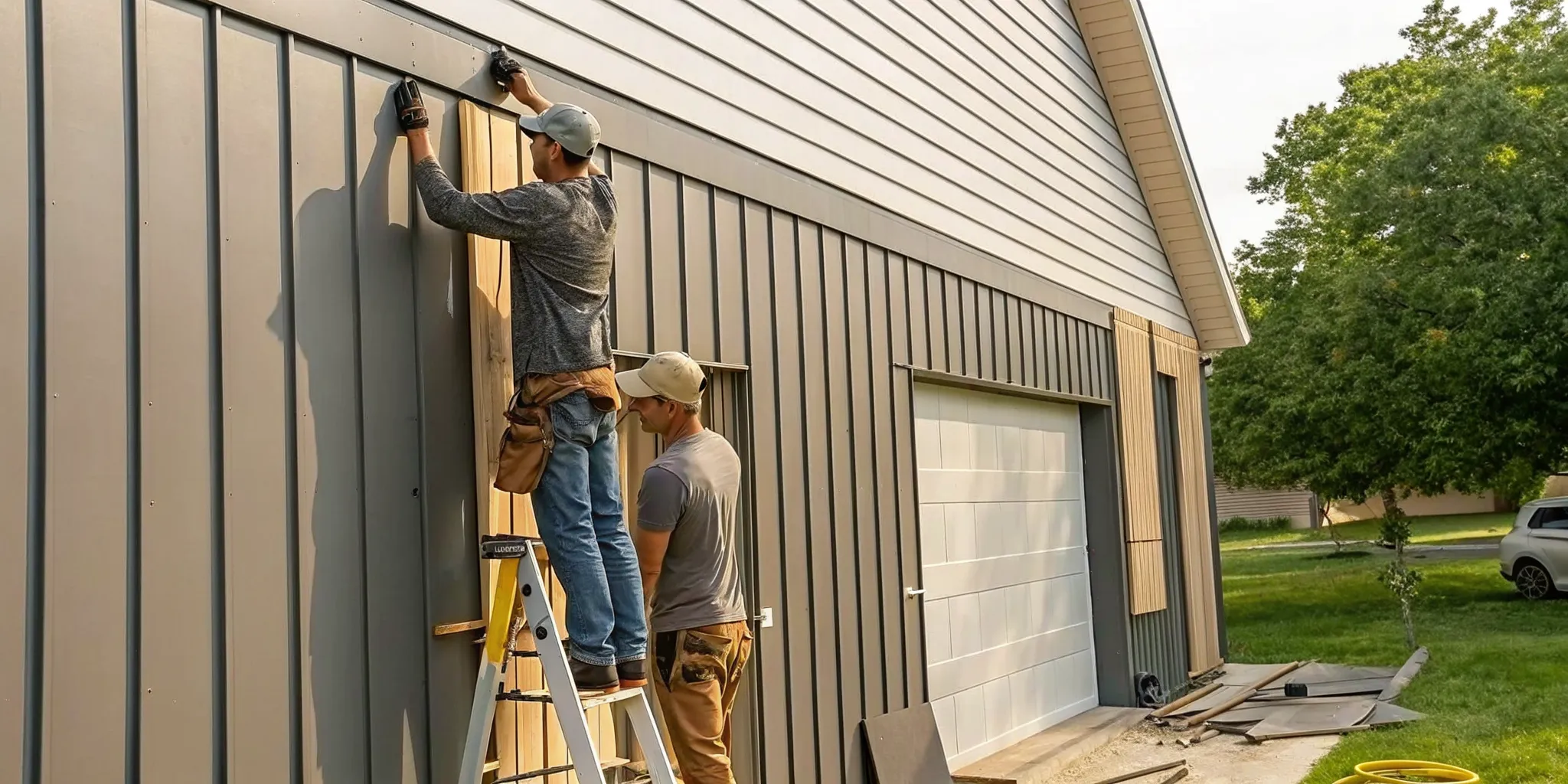
Metal siding is a very tough, low-maintenance exterior material that protects Minnesota homes against extreme climate shifts, heavy snow, and severe storms. According to the Pacific Northwest National Laboratory, siding must shed heavy rainwater and resist strong wind pressures. It also protects the inner wall structures from long-term damage caused by sun, pests, fire, hail, and winter snow. To meet these needs, steel siding comes in styles like horizontal lap, vertical board-and-batten, and corrugated panels. Homeowners in the Rogers area choose this material because it does not crack in freezing temperatures, split, or rot. This durable metal shield is a strong barrier that keeps your family dry and safe through every season of the year.
If you are planning a siding update, you might wonder if steel is the right fit for your home. To help you make the best choice, let us start with what metal siding actually is and why so many Minnesota homeowners choose it.
What Is Metal Siding and Why Minnesota Homeowners Choose It
Metal siding is a strong exterior finish made from tough steel panels. Homeowners in the Rogers area often choose this option to protect their homes. According to a federal building resource guide, the main jobs of any siding are to shed rainwater, resist wind, and protect walls from sun damage. This tough outer layer also keeps out pests, fire, hail, and winter snow.
A strong shield against local weather
In Rogers, Minnesota, our homes face extreme weather throughout the year. Heavy snow, strong winds, and sudden hail can cause severe damage to weak home exteriors. Steel siding offers the best defense against these local climate problems. It will not warp, rot, or crack like wood or vinyl often do when the weather turns harsh.
Winter strength for local homes
Freezing winters and hot summers can take a heavy toll on weaker siding. Common options like vinyl often become brittle when it gets below zero. When this happens, a flying branch or a heavy hailstone can easily crack the cold plastic. Steel panels do not have this issue, and they stay strong and steady during our deepest freezes.
This winter strength is a major reason why local home owners choose steel panels. As noted by the Minnesota Department of Labor and Industry, steel does not become brittle in freezing cold. Because of this, your home’s outer walls stay safe from cracks that let in water. If you want a strong upgrade, a siding replacement in the Rogers area is a great step. Our team at Referred Restoration can help you select the best metal siding for your home.
Modern look and curb appeal
Beyond raw strength, steel panels offer great style and high curb appeal. Many homeowners in Rogers want a clean, modern look for their homes, and metal panels can give an older house a fresh start. A state building fact sheet shows that metal siding is a common choice for barndominiums because of its industrial look and tough build. It is an easy way to make your home stand out in your neighborhood.
This modern look is backed by national building science research. A report from the Department of Energy BASC shows that siding provides a beautiful finish to enhance curb appeal. When we perform a siding job, our team will make sure your new exterior fits your style while guarding against storms. We treat every home as our own, so we never cut corners on quality.
Metal Siding Types: Horizontal, Board-and-Batten, and Corrugated
Your choice of siding shapes how your home looks and stands up to the weather. Metal siding panels come in many profile designs to fit any home style. You can choose horizontal lap, vertical board-and-batten, or corrugated metal options to match your vision.
Each type has a unique style and has its own strengths when storms hit. A main job of siding is to shed rain and protect walls from wind, snow, and hail.
Horizontal Lap Panels for Classic Appeal
Horizontal lap panels give your home a classic look that mimics real wood. But unlike wood, these panels use 26-gauge steel to provide great strength. This tough steel keeps your home safe from flying debris without cracking or rotting.
Owners love this style because it blends old-world charm with modern strength. Some of these systems use hidden fasteners to secure the panels. This design hides the screws from view and keeps water from leaking into your walls.
Board-and-Batten Panels for Modern Style
Vertical board-and-batten siding gives your home a bold, modern look with clean vertical lines. Many families use this style to make their homes look taller and more unique. Our team installs 10-inch vertical board and batten siding pieces that are 10 feet long for a seamless finish.
This metal siding option blocks strong winds for homes in the Rogers area. If you want to compare style options, read our board and batten siding guide. Using steel for this style protects your home from rot better than wood or vinyl. It resists heavy winds and will not crack when freezing weather hits Minnesota.
Corrugated Metal Panels for Industrial Strength
Corrugated metal panels have a wavy shape that makes them very strong and stiff. This wavy pattern helps the panels shed water quickly and resist heavy impacts. You will often see this strong steel on modern homes, cabins, and barns.
In fact, steel siding is a common choice for barndominiums and modern metal buildings across Minnesota. It offers an industrial look that stands up to the harshest storms. If your home gets hit by heavy storms, check our tips on fixing metal siding. This helps you spot dents or leaks before they cause larger issues.
The table below shows how these three siding profiles compare in style and function. You can use this guide to find the best fit for your home.
| Profile Type | Style and Look | Best For | Weather Performance |
|---|---|---|---|
| Horizontal Lap | Classic look that mimics real wood siding. | Classic homes, ranch homes, and suburban neighborhoods. | Sheds water well and can use hidden fasteners to stop leaks. |
| Board-and-Batten | Modern vertical design with bold lines and deep shadows. | Modern farmhouse designs, high gables, and accent walls. | Resists strong winds and lets rain run off fast. |
| Corrugated | Industrial, wavy design with a rugged textured look. | Modern custom homes, barndominiums, cabins, and barns. | Highest protection against hail and flying storm debris. |
How Does Metal Siding Hold Up in Minnesota Weather
Minnesota weather is hard on homes. From heavy winter snow in Rogers to summer hail in Cottage Grove, home siding must face tough weather. Choosing the right type is key to protect your home. If you are planning a siding replacement in the Rogers area, you should check how metal siding holds up in our local climate. Our team at Referred Restoration has worked for years helping local homeowners choose the best siding.
Extreme cold and freeze-thaw cycles
During winter, the ground freezes and temps drop far below zero. Some types, like vinyl, get brittle in these cold snaps and can crack when struck. In cold climates, steel does not become brittle in freezing temperatures, as shown in reports by the Minnesota Department of Labor and Industry. It keeps its shape and strength even when the temperature drops quickly.
Winter sun and snow glare also wear down some siding types. Vinyl siding often fades or chalks over time when exposed to bright sun. Modern metal siding panels keep their look longer than vinyl, as shown by the Natural Resources Conservation Service. The tough finish resists fading and chalking, keeping your home looking clean and new year after year. This helps your home keep its curb appeal through every season.
Hail, wind, and storm strength
Summer storms in Minnesota bring strong winds and heavy hail. High winds can blow debris against your home walls. Steel siding stands up well to wind-borne debris, hail, and fire, as noted by the Pacific Northwest National Laboratory. This defense helps stop leaks and wall damage during severe storms. It keeps your family safe and warm inside when storms hit.
Huge hail can dent steel panels, but the metal still holds up better than plastic options. While steel siding can dent from large hail, it keeps its finish better and will not crack like vinyl. It also keeps its strength, as shown by the Natural Resources Conservation Service. If you face storm damage, you can schedule a storm-damaged siding repair to fix the panels.
Pest and fire defense
Minnesota pests can also harm the outside of your home. Wet winters and warm summers make a great home for pests that eat wood. Carpenter ants and termites often tunnel through wood siding, causing costly damage over time. Unlike wood, steel is impervious to pests like termites and carpenter ants, as shown by the Natural Resources Conservation Service. This makes steel a smart, worry-free choice for your home outside.
Fire safety is another key benefit of choosing metal. Wildfires or nearby house fires can spark and spread quickly on wood or vinyl siding. Metal siding materials are non-combustible, which improves fire safety ratings for homes, according to reports by the National Institute of Standards and Technology. Choosing steel panels adds a strong layer of fire defense to your home.
Minnesota Code Requirements for Metal Siding Installation
When you plan to update your home, you must follow local rules. In Minnesota, any new exterior cladding must meet the 2020 Minnesota Residential Code. This state law says you must install products like wood, vinyl, or metal siding based on both the code and the maker’s rules. Following these rules keeps your home safe and sturdy. It also ensures your project meets state standards.
Permits and Framing Support Checks
Before we start any work, our team checks that your home is ready. You will need a permit. This building permit must come from your local office before you begin. Steel is heavy, so we must make sure your home’s wood framing can support the extra weight of the metal. Local building sheets from towns like Bloomington show that heavy steel requires proper framing and support during setup. We check your house to make sure the walls are strong enough.
Steps for a Code-Compliant Siding Project
When we install siding replacement in the Rogers area, we follow a strict process. It keeps your home safe. Our process ensures that every step meets state laws to protect your walls from moisture and wind. This careful approach prevents hidden damage and saves you from future headaches. Here is the exact sequence we follow.
- Obtain the Siding Permit. You must get a building permit from your local town office before you begin a re-siding project. Always check with your city hall to learn about the local rules. They can give you info sheets that explain the code.
- Strip Old Materials and Repair Frame Damage. Remove the old siding. You must replace any rotted or damaged sheathing, framing, and insulation before you proceed. This keeps your home’s structure sound. We also check that your framing can support the heavy steel.
- Install an Approved Water Barrier. Put down a water-resistive barrier. This step is a key part of the 2020 Minnesota Residential Code. Proper barrier setup stops moisture from getting trapped behind the metal panels to prevent wood rot. A good barrier acts as a shield against damp weather.
- Flash Openings and Gaps. You must flash windows, doors, and all wall joints so they stay dry. It stops leaks. Good flashing ensures your walls stay dry even if wind-driven snow gets past the outer siding. This is vital for long-term safety.
- Use Recommended Fasteners. Only use the fasteners recommended by the steel maker. The right screws prevent corrosion. They also keep panels from blowing off in high winds. Using cheap or wrong metals causes rust. It can ruin your beautiful siding.
- Pass the Electrical and Final Siding Tests. If workers move any outdoor outlets, you must have an electrical inspection. This check must happen first. Your town must perform the final siding inspection after the wires are approved. Once these steps are done, your project is complete. You can enjoy your tough new exterior with peace of mind.
Metal Siding Maintenance and Longevity
Choosing metal siding for your home means you’ll have a strong shield against harsh weather. While this metal is very tough, a small amount of care keeps it looking new for decades. Routine checks can prevent minor wear from turning into bigger issues.
Routine cleaning and care
You do not need to spend hours keeping your home clean. According to the City of Bloomington, routine siding maintenance involves simple cleaning to wash away dirt and pollutants. This basic step prevents long-term wear on the metal finish. You can use a mild soap and water with a soft brush once a year to keep the panels clear of grime.
Minnesota storms can sometimes bring heavy hail that dents steel panels. If you see dents after a storm, you can pop them back out or replace single panels. For severe weather damage, you may want to get professional storm-damaged siding repair to keep your home safe.
Moisture control and cut edges
Metal does not rot or decay like wood does. However, if water gets behind the panels during a poor installation, it can cause problems. Trapped moisture leads to rot in the wood framing under the siding, as shown in national lab research. This is why proper drainage behind your cladding is so important.
Your installer must protect every raw edge to keep your walls bone dry. Installers cut steel panels on site to fit around windows and doors. The City of Bloomington requires builders to protect these raw cut edges to prevent rust. A quick coat of paint or sealant on the trimmed edges blocks rust.
Advanced finishes and sustainability
Advanced coatings on modern metal siding protect your home from the sun. These paint systems block UV rays to resist fading and chalking for decades. You will not need to repaint every few years because the finish lasts so long. Your siding will keep its bright color even after years of direct sunlight.
Choosing steel is also a great choice for the environment. Steel is one of the most recycled materials in the world, according to the Environmental Protection Agency. This means your siding is fully recyclable when its long life ends. If you are ready for a new look, we can help you with siding replacement in the Rogers area to upgrade your home.
Is Metal Siding the Right Choice for Your Home
Before you invest in new cladding, you must weigh how well it will guard your home. The main job of any siding is to shed rainwater and block wind. A high-quality siding protects your wall layers from water, UV rays, insects, and fire. In our local climate, choosing this shield is vital to protect your home from hail and snow.
Primary protective functions
Modern metal siding offers high durability against severe weather and does not warp or crack when the temperature drops. Some metal siding options feature hidden fasteners that give a very clean look. These hidden fastener siding systems also help with weather defense. By cutting the number of exposed screws, they keep moisture from leaking into the walls.
This strength is very helpful if your home has had past weather issues. If your home has storm-damaged siding in need of repair, steel is a great upgrade. It resists big impacts and keeps its clean look for decades. Our team at Referred Restoration can check your home to see if steel is the best fit.
Checklist for local homes
While metal siding is a great choice, it may not suit every house. There are key details about your home to think about before you make a plan. Here is a short guide to help you decide if this siding fits your goals:
- Metal siding is a great fit if: You want a siding that does not rot or crack in the cold. It is also ideal if you want a fire-resistant shield and love a modern look.
- Other options might be better if: Your local area has strict old design rules that ban metal. Wood or vinyl may also be better if you prefer a classic local style.
Building codes and project scope
When planning your project, the overall scope will change based on several choices. The profile, thickness, gauge, and finish of your panels will shape the setup plan. Since every town has its own rules, you must check local codes before you start. You should always consult your local municipal building department about town codes.
Our team can help you find these rules and check the load on your walls. We will guide you through the process to ensure your new siding meets all codes.
Call (763) 726-4245 to schedule your free siding inspection
Frequently Asked Questions
Do I need a permit to install metal siding in Minnesota?
Yes. You need a building permit to setup new siding on your home in Minnesota. According to the Minnesota Department of Labor and Industry, permits are needed to re-side existing homes. Getting a permit helps make sure your new metal siding meets all local building codes. Our team at Referred Restoration can help you with this process.
What are the disadvantages of metal siding?
Metal siding is very tough, but it can dent from heavy hits like large hail. It is also heavy, so your home must have proper wood framing to hold the weight. Lastly, if the setup is not done right, water can get trapped behind the panels. According to the Pacific Northwest National Laboratory, trapped moisture can cause rot in the wood parts of your walls. Working with a skilled crew helps prevent these issues.
Do I need plywood under metal siding?
Yes, you need a solid wood backing like plywood or sheathing under your metal siding. Wood sheathing gives your walls strength and provides a flat surface for setup. If we find rotted wood when we remove your old siding, it must be replaced first. As noted by the Minnesota Department of Labor and Industry, any damaged sheathing, framing, or insulation must be replaced before the new siding is put on.
How do you keep metal siding from rusting?
Modern metal siding has tough coatings that guard against rust. To keep it safe, any raw edges cut during setup must be sealed. According to guidelines from the City of Bloomington, cut or trimmed metal edges must be protected to prevent rust. You should also wash your siding with water once a year to clear off dirt and debris that can damage the finish over time.
Ready to Protect Your Home with Durable Metal Siding?
Putting off siding work can lead to deep leaks, mold, and wood decay during the next big Minnesota storm. When the weather gets harsh, old walls won’t hold up and can leave your home open to cold winds. Getting a free check now ensures your house stays dry, safe, and warm before freezing weather starts. Our local team at Referred Restoration will help you find the right style and fit. We treat every home in the Rogers area as our own and we never use pressure. We will make sure you get a clear view of what your home needs to stay secure.
Ready to start? Call or request your free inspection today at (763) 726-4245.