
Replacing the siding on an entire Minnesota home is more than choosing a new color. The work should account for the condition behind the panels, the demands of snow, hail, and freeze-thaw cycles, and the details that keep water out after installation.
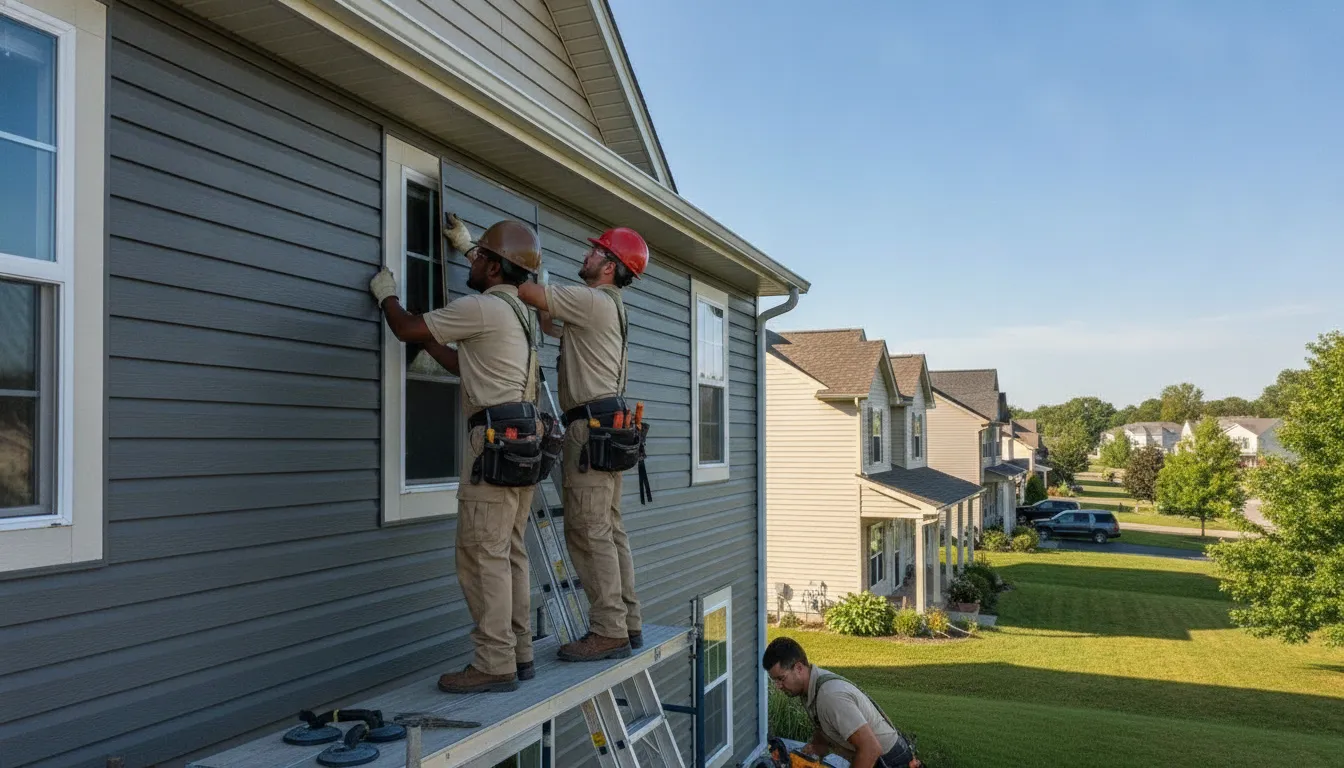
A complete house siding replacement typically includes inspecting the existing exterior, deciding what can stay, removing unstable materials. Repairing or protecting the wall assembly, selecting durable siding, and installing new panels with properly finished trim. Re-siding can also create an opportunity to improve energy performance with insulating sheathing. When the wall design supports it, according to the University of Massachusetts Building and Construction Technology program.
Warning signs such as rotting boards, warped or loose panels, recurring painting, mold, or mildew deserve a closer look. The first step is determining whether the siding is showing surface wear or signaling deeper exterior problems.
Contact Referred Restoration online for a free siding assessment and an honest look at what your home’s exterior really needs. You can also call (763) 726-4245.
How to Know When It’s Time for House Siding Replacement
Siding does more than determine how your home looks from the street. It helps shield the wall assembly from Minnesota’s snow, wind, hail, moisture, and freeze-thaw cycles. When that exterior layer is no longer performing well, a full replacement may do more than improve appearance. It can help protect the structure and create a better foundation for the next phase of your home’s exterior maintenance.
Several warning signs deserve a closer look:
- You are repainting repeatedly. If the siding needs paint every few years, the finish may be failing faster than normal maintenance can address. Repeated painting can become a signal that the underlying siding is nearing the end of its useful service.
- Boards are soft, rotting, or deteriorating. Rot often points to prolonged moisture exposure. Damaged boards should not simply be covered without checking the wall beneath them, especially around seams, trim, windows, and other areas where water can enter.
- Panels are warped, loose, cracked, or pulling away. Distorted or unsecured siding can allow wind-driven rain behind the exterior. It may also indicate that the material has become brittle, that fasteners have failed, or that the installation needs a broader assessment.
- Mold or mildew keeps returning. Surface growth can have several causes, but recurring mold or mildew is a reason to investigate drainage, ventilation, and moisture conditions rather than repeatedly cleaning the same area.
- Your energy bills have increased without another clear cause. Aging siding is not always the sole reason for higher energy use, but changes in the exterior envelope can contribute. A replacement project may provide an opportunity to evaluate insulation and air movement as part of the larger plan.
- The home has sustained severe weather or pest damage. Hail, strong winds, fallen branches, insects, and other pests can damage more than the visible face of a panel. A professional inspection can help determine whether isolated repairs are appropriate or whether the damage is widespread.
Sometimes the reason is simpler: the siding no longer fits the way you want your home to look. A new exterior is a major home improvement that can refresh curb appeal while adding a renewed layer of protection for the structure. That does not mean every defect requires complete replacement. The right decision depends on the extent of damage, the condition of the wall assembly, and whether repairs would provide a durable result.
For Minnesota homeowners, an inspection is the practical next step. Look beyond color and surface appearance, and ask whether the siding is still dry, secure, and functioning as part of the home’s exterior system. That assessment helps distinguish a manageable repair from a replacement plan designed to protect the home for years to come. James Hardie’s overview of siding replacement signs provides additional context for evaluating these conditions.
Assessing Your Current Siding Before a Full Replacement
A careful inspection should come before any decision about house siding replacement. The goal is not simply to decide whether the visible siding looks dated. It is to determine which portions are still sound, what is happening behind the cladding, and whether the wall assembly can support the new materials you are considering.
Start by walking the exterior in good light and looking for loose, warped, cracked, or soft sections. Pay close attention around windows, doors, rooflines, corners, and areas where water may collect. Staining, mold, mildew, recurring paint failure, or visible rot can indicate that the siding is no longer protecting the wall as intended. A professional inspection should also include a close look at trim, flashing, penetrations, and the condition of the sheathing beneath any exposed areas.
Separate stable siding from unstable sections
Not every section has to be handled in the same way. Existing siding that remains stable can often be re-secured as part of the re-siding work. That may involve correcting loose attachment points and preparing the surface for the new exterior system. According to guidance from the University of Missouri Extension, unstable siding should instead be removed and replaced with a plywood backer before new siding is installed: see the re-siding installation guidance.
This distinction matters because covering an unstable section does not correct the movement or weakness below it. Removing the problem area gives the installer an opportunity to inspect the wall, repair damaged material, and create a firm, consistent base. It also helps prevent uneven finished courses, loose panels, and future moisture pathways.
Look beyond the visible cladding
Before adding new layers, the assessment should account for moisture management, shear loads, insects, and fire. These concerns become especially important when insulating sheathing is part of the plan. Rigid foam can improve the energy performance of an existing home during re-siding, but most foam sheathing is typically non-structural. As the University of Massachusetts Building and Construction Technology program explains. Extra components may be needed to provide the structural support that the foam does not supply on its own. The program’s guidance on insulating outside existing walls outlines the supporting components a proper assembly requires.
In practical terms, the right assembly depends on the condition and construction of your home. A siding consultant should identify where repairs, backer material, flashing, or additional fastening are needed before the new exterior is ordered. That evaluation also makes it easier to compare choosing exterior siding panels based on how they will perform on your particular walls, rather than choosing by appearance alone.
Siding Materials Built for Minnesota Weather
Minnesota siding has to do more than improve curb appeal. It is part of the home’s exterior defense against snow, hail, moisture, and repeated freeze-thaw swings. The right material depends on the home’s exposure, wall assembly, architectural style, maintenance preferences, and the condition found during inspection. A durable product can still perform poorly if the wall behind it is damaged or if flashing, trim, and installation details are overlooked.
Vinyl is identified as a recommended choice for re-siding in a housing guide from the University of Missouri Extension, but it is not the only appropriate option. Referred Restoration works with Vinyl, Fiber Cement, LP SmartSide, Metal, and Wood siding. Allowing the material decision to follow the needs of the home instead of forcing every project into one product category. Review the available siding material options before choosing a finish, and consider how vinyl siding installation details affect the final result.
| Material | Durability | Insulation | Maintenance | Minnesota fit |
|---|---|---|---|---|
| Vinyl | Resists routine weather exposure when properly installed, with profiles and thicknesses suited to different homes. | Insulated options can support the wall assembly, while the siding itself is not a substitute for complete wall insulation. | Generally low maintenance, with periodic cleaning and inspection for impact or storm damage. | A practical choice for many re-siding projects, especially when clean installation and matching trim are priorities. |
| Fiber Cement | Durable and fire-resistant, though its heavier, more involved installation requires careful professional handling. | Works as part of a properly designed wall assembly, but added insulation must be evaluated separately. | Requires attention to paint or finish condition, joints, and water-management details. | Well suited to homeowners seeking a substantial, stable exterior with a more traditional appearance. |
| LP SmartSide | Engineered wood siding designed for exterior use, with performance depending on correct detailing and installation. | Provides the siding layer, while the contractor evaluates sheathing and insulation needs behind it. | Routine inspection and finish maintenance help protect exposed edges, joints, and surfaces. | A strong option when the home calls for an engineered wood look and a carefully managed moisture barrier. |
| Metal | Handles demanding exposure and can provide a durable solution when selected and installed for the home’s conditions. | Usually relies on the wall assembly and added sheathing for meaningful insulation performance. | Low routine upkeep, with inspections after hail or other impacts that may dent or affect the finish. | Useful for specific architectural styles, trim applications, or areas where a hard-wearing surface is desirable. |
| Wood | Can perform well when protected from prolonged moisture and maintained consistently, but it is not maintenance-free. | Insulation performance comes primarily from the wall system behind the boards or panels. | Needs regular attention to paint, stain, joints, and signs of moisture, rot, or insect activity. | Best for homeowners who value natural character and are prepared for a more involved maintenance plan. |
Insulation and the wall behind the siding
A house siding replacement project can create an opportunity to improve the building envelope. The University of Massachusetts Building and Construction Technology program notes that adding rigid foam insulating sheathing during re-siding can improve energy performance. That upgrade is not automatic, however. Rigid foam is typically non-structural, so the design may require additional components to handle structural loads and maintain reliable attachment points.
The assessment should also account for moisture movement, flashing, ventilation, and the condition of the sheathing. A new exterior covering cannot correct concealed rot or an improperly managed wall system by itself. The goal is a tight, dry, durable assembly that is prepared for Minnesota’s seasonal stress before the finished siding goes on.
Trim and installation matter as much as the product
Material selection is only one part of the decision. During re-siding, exposed wood trim, drips, and fascias may need to be covered with vinyl or metal that coordinates with the new siding. This protects vulnerable edges while giving the exterior a finished appearance. The University of Missouri Extension also emphasizes following the manufacturer’s installation instructions. A careful inspection, sound preparation, compatible trim, and properly managed water details help the chosen siding perform through snow, hail, and temperature changes.
From Siding Removal to New Installation: The Process
A well-managed siding replacement is more than fastening new panels over an old exterior. The work should address the condition of the wall beneath the siding. Control water at vulnerable transitions, and leave the home ready for Minnesota’s snow, hail, and freeze-thaw cycles. The sequence may vary with the home’s construction and the selected material, but a careful installation generally follows these steps.
- Inspect the siding and prepare the work area. The project begins with a close inspection of the existing siding, trim, wall surface, windows, doors, soffits, and other exterior transitions. The crew identifies loose or damaged areas, signs of moisture, deteriorated wood, and places where the current assembly is not performing well. This is also the time to confirm the layout, material selections, access needs, and any required preparation. A thorough inspection keeps hidden conditions from becoming surprises after installation begins.
- Protect the yard, landscaping, and property. Before removal, the crew establishes a controlled work area. Landscaping, walkways, outdoor fixtures, windows, and nearby surfaces should be protected from falling debris and dust. Removal can create sharp scraps and substantial waste, so organized staging and cleanup are part of protecting the home, not an afterthought.
- Remove unstable siding and expose problem areas. Stable existing siding may be re-secured when the wall assembly supports that approach. Unstable siding, however, should be removed rather than covered. Missouri Extension guidance says unstable siding should be removed and replaced with a plywood backer, while stable siding should be re-secured where appropriate. That distinction helps the new exterior rest on a sound, properly supported surface: review the siding installation guidance.
- Repair the wall and address moisture and insulation. Once the wall is accessible, damaged sheathing or framing can be evaluated and repaired. The crew also considers how water moves around windows, doors, corners, rooflines, and other openings. Re-siding creates an opportunity to add rigid foam insulating sheathing and improve the home’s energy performance. But that layer is typically non-structural and must be integrated with the correct supporting components. The goal is not simply more insulation. It is a wall assembly that manages moisture while providing a dependable base for the exterior.
- Install flashing and water-management details. Flashing, weather barriers, and properly treated transitions help direct water away from the wall rather than allowing it to collect behind the panels. These details deserve careful attention because a siding surface can look finished while poorly managed water is causing damage below it. Openings, penetrations, corners, and the base and top of the wall should be completed according to the assembly and the material manufacturer’s instructions.
- Install the new siding panels. With the substrate prepared and water-management details in place, the crew installs the new panels in a consistent layout. Panels must be aligned, fastened, and allowed to accommodate normal movement without buckling. Professional installation matters because the exterior skin is part of the home’s defense against moisture and weather. When the assembly is properly constructed, it can create a tight, dry, warm, and durable structure, as described by the University of Massachusetts Building and Construction Technology guidance.
- Finish trim, edges, and sealant. Exposed wood trim, drips, fascias, and related details should be covered with matching vinyl or metal so the finished exterior is protected and visually consistent. Soffits and other supporting surfaces should also be repaired when needed. The final pass includes caulking appropriate joints, checking corners and penetrations, securing finish pieces, removing debris, and reviewing the completed work with the homeowner. These finishing details help close the small paths where water and air can otherwise enter.
The result should be more than a fresh appearance. When inspection, preparation, moisture control, insulation, installation, and finishing are handled as one coordinated process. The new envelope is better positioned to stay tight, dry, warm, and durable through the seasons.
Why One Contractor Should Handle Your Full Exterior Refresh
A full exterior refresh is more than a series of separate projects. The roof, siding, gutters, and windows all meet at important transition points, so the order of work and the quality of those connections matter. When one locally-owned contractor coordinates the work, homeowners in Rogers, Cottage Grove, St. Francis, and Monticello have one team responsible for the plan instead of several subcontractors managing disconnected pieces.
That coordination is especially valuable when you want to find a local siding contractor you can trust. A qualified contractor should look beyond the visible siding and consider how the complete exterior performs together. For example, siding installation may need to align with roof edges, window trim, wall penetrations, and gutter placement. Planning those details as one project can reduce avoidable rework and make the finished exterior look intentional.
Better sequencing from inspection through installation
Referred Restoration uses a straightforward three-step process. First, the team provides a free inspection to understand the condition of the home and identify areas that need attention. Next, they develop a custom solution based on the home’s exterior, the homeowner’s goals, and the materials selected. Finally, professional installation puts that plan into action.
This sequence gives homeowners a clear point of contact from the first conversation through completion. It also creates an opportunity to address related issues before new siding covers them. Roof edges, flashing areas, window openings, gutters, and exterior trim can be reviewed together rather than discovered one at a time after another trade has finished.
Fewer gaps between exterior trades
Using one contractor does not mean every home needs every service. It means the work can be evaluated as a connected system. If a siding replacement affects gutter placement, that relationship can be planned early. If window details meet new siding, the installation team can account for the transition. If roof and wall intersections require careful flashing, those details can be included in the same scope and discussed clearly.
Homeowners also have one team to ask when they need an update, clarification, or documentation. Warranty information should be reviewed for the specific products and work involved. But keeping project records and responsibilities coordinated makes it easier to understand what was installed and who handled each part.
For Minnesota homes exposed to snow, hail, and sharp temperature changes, a coordinated exterior plan supports durable results without forcing homeowners to manage several schedules. Referred Restoration’s customer-first approach is built around treating every home as its own, with transparent recommendations and no high-pressure sales tactics.
How Long Does a Siding Replacement Project Take?
For many Minnesota homes, a full siding replacement takes a few days to about a week. The actual schedule depends on the size and shape of the house, the siding material selected, and the condition of the exterior beneath the existing siding. A straightforward one-story home with accessible walls may move faster than a larger, multi-story home with detailed trim, multiple additions, or areas that need structural repair.
Homeowners should also plan around Minnesota weather. Snow, hail, rain, strong wind, and sharp freeze-thaw changes can affect when exterior work begins and whether a crew needs to pause. A responsible contractor will explain the expected work window rather than promise a rigid completion date before inspecting the property.
What can change the project timeline?
- Home size and layout: More wall area, dormers, gables, corners, and architectural details require additional preparation and installation time.
- Number of stories: Second-story and hard-to-reach areas require more staging, setup, and careful movement around the home.
- Removal of old siding: Taking off unstable or damaged siding adds time, especially when fasteners are difficult to remove or multiple layers are present.
- Hidden damage: Rot, moisture intrusion, or damaged sheathing may need to be addressed before new siding can be installed. Discovering and correcting those problems helps prevent the new exterior from covering an unresolved issue.
- Material and trim details: Vinyl, fiber cement, LP SmartSide, and wood each have different handling, cutting, fastening, and finishing requirements. Soffits, fascia, window trim, and corner details also influence the pace.
- Weather conditions: A safe, clean installation takes priority over rushing through unfavorable conditions.
What should homeowners expect while work is underway?
The project generally begins with protecting landscaping, walkways, windows, and nearby surfaces. The crew then removes the siding in the planned work areas and inspects the underlying structure. If repairs or additional preparation are needed, the contractor should explain what was found and how it affects the sequence. New siding, trim, and finishing details are installed after the surface is ready, followed by cleanup and a walkthrough.
Because siding work temporarily exposes parts of the exterior, homeowners should keep doors and windows closed near active work. Move fragile outdoor items away from the walls, and expect some construction noise during removal and installation. Ask where materials will be staged, how daily cleanup will be handled, and who to contact if weather changes the schedule.
How often should siding be replaced?
There is no single replacement interval for every home. Siding lifespan depends on the material, installation quality, exposure to sun and storms, maintenance, and whether moisture has reached the wall assembly. Instead of replacing siding solely because it has reached a certain age, look for recurring painting. Warped or loose sections, cracking, rot, mold or mildew, and areas that no longer protect the home effectively. A professional inspection can help determine whether isolated repairs are appropriate or whether a full replacement is the more practical long-term solution.
Contact Referred Restoration online to start planning your siding replacement with a free assessment. You can also call (763) 726-4245.
Frequently Asked Questions
Is it worth replacing siding on a house?
Replacement can be worthwhile when siding is repeatedly failing, allowing moisture intrusion, requiring frequent painting, or making the home harder to protect through Minnesota weather. New siding can improve the exterior appearance and help protect the structure. But the right decision depends on the condition of the siding, trim, sheathing, and any moisture damage underneath. An inspection can determine whether targeted repairs or a full replacement is the better fit.
Can you replace just pieces of siding?
Yes, individual panels, boards, or trim pieces can sometimes be replaced when the surrounding siding is stable and matching material is available. Spot repairs are less suitable when the siding is broadly warped, loose, rotted, faded, or affected by recurring moisture. The installer should check behind damaged areas before replacing the visible piece, because the sheathing or framing may also need attention.
How often should house siding be replaced?
There is no universal replacement schedule. Siding life depends on the material, installation quality, exposure, maintenance, and the severity of local weather. Instead of relying on age alone, look for recurring painting, rot, warping, loose sections, mold or mildew, and rising energy concerns. Regular inspections can identify problems early and help you plan replacement before damage spreads.
What should be included in a full siding replacement?
A complete project should cover more than installing new panels. The process typically includes inspecting the existing exterior, protecting the work area, removing unstable siding, repairing exposed wood or structural areas. Addressing flashing and insulation opportunities, and installing new siding with properly finished trim, drip edges, fascias, and caulking. Coordinating siding with related exterior work can also help keep the finished home weather-tight and visually consistent.
Ready to Refresh Your Home’s Exterior?
A full siding replacement can bring a clearer plan to your home’s protection, appearance, and long-term upkeep. Referred Restoration can review your existing siding, discuss material options suited to Minnesota weather, and outline the next steps for your project.
Contact Referred Restoration online to schedule a free siding assessment and get a custom exterior refresh plan. You can also call (763) 726-4245.