
Siding protects your home from Minnesota’s snow, wind, moisture, and rapid temperature changes, so the contractor you hire matters as much as the material you select. A trustworthy company should make the decision easier, not pressure you into it.
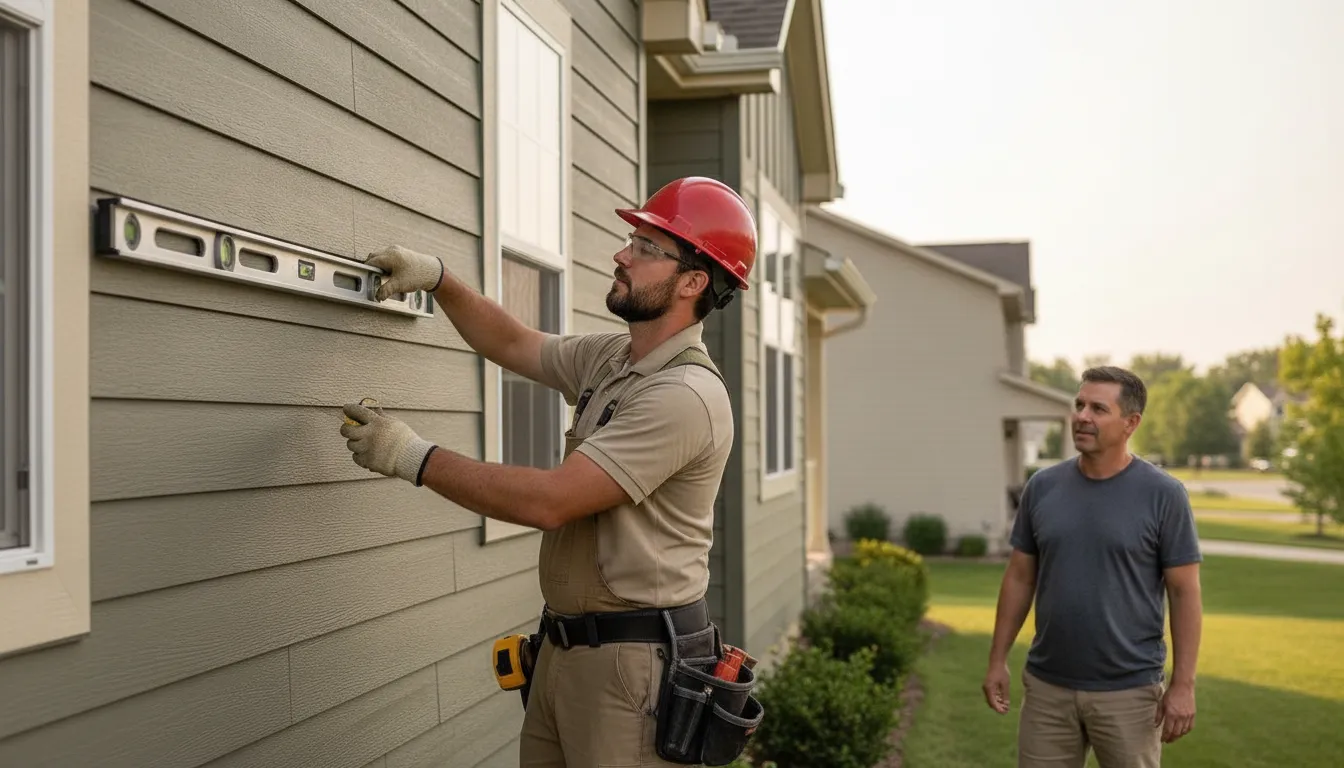
When learning how to choose a siding contractor, look for verified licensing and insurance, relevant experience with your preferred material, recent local references, clear warranties, and a detailed written scope. A free, honest inspection can also help you understand your home’s needs before you commit.
The right evaluation starts with practical questions about installation standards, project communication, and accountability. For homeowners in Rogers, Cottage Grove, and communities throughout Minnesota. Those answers reveal whether a contractor is prepared to protect both the finished siding and the home beneath it.
Contact Referred Restoration online to schedule your free siding inspection
How to Choose a Siding Contractor in Minnesota
Learning how to choose a siding contractor starts with verification, not a sales presentation. A qualified contractor should make it easy to understand who will perform the work. How the project will be managed, and what protection you have if something goes wrong. Use the following checklist to compare contractors serving your Minnesota home.
Verify the license and insurance
Before signing anything, confirm the contractor’s residential license through the Minnesota Department of Labor and Industry. The state advises homeowners to hire only licensed contractors. And its official verification resource is the best place to check the business rather than relying on a salesperson’s claim. See the Minnesota DLI contractor verification guidance.
Ask for current proof of workers’ compensation and liability insurance, then confirm that the coverage applies to the full scope of your siding project. Minnesota licensing requirements include workers’ compensation and liability insurance for licensed contractors. The DLI also recommends verifying that a contractor is licensed, bonded, and insured before hiring. If a contractor hesitates to provide documentation or gives vague answers, treat that as a reason to pause.
Contact references from similar projects
Ask for recent references from homeowners whose projects resemble yours. A contractor who installs siding regularly should be able to provide references for the material, home type, or repair situation you are considering. Contact those homeowners directly instead of relying only on online reviews. Ask whether the crew communicated clearly, protected the property, handled unexpected issues, and completed the work as described.
Local references can also help you assess whether the contractor understands Minnesota conditions. Look for experience with siding projects in communities such as Rogers, Cottage Grove, and nearby areas, especially where freeze-thaw cycles, wind, snow, and moisture affect exterior materials.
Ask about material-specific experience and warranties
Different siding products require different installation details. Ask how much experience the contractor has with the specific material you are considering, such as vinyl, fiber cement, or engineered wood. The Minnesota DLI recommends asking about experience with the type of siding selected. A knowledgeable contractor should explain how the material fits your home, how moisture will be managed, and which manufacturer installation requirements matter.
Review both the product warranty and the contractor’s workmanship warranty. Confirm what each warranty covers, how long it lasts, who handles claims, and whether installation must follow specific manufacturer standards. A clear explanation is more useful than a broad promise that the work is simply guaranteed.
Check consumer protections and the written agreement
Minnesota homeowners may have access to the Contractor Recovery Fund when a licensed contractor fails to perform or causes damage. This protection has eligibility requirements, so review the Minnesota Contractor Recovery Fund information and do not treat it as a substitute for checking a contractor carefully.
Finally, require a written contract that identifies the work scope, materials, project timeline, warranty terms, and responsibilities for permits and cleanup. The Minnesota DLI’s homeowner hiring guidance is a useful reference. Choose the contractor who answers questions directly and documents the plan clearly, not simply the one who makes the fastest promise.
Questions to Ask Siding Contractors Before You Hire
A short conversation can reveal whether a siding contractor is prepared to manage the details of a Minnesota project. Ask the same core questions of each company, listen for specific answers, and request documentation when appropriate. A contractor who explains the reasoning behind a recommendation is easier to evaluate than one who responds with vague assurances.
-
What siding materials do you install, and which do you recommend for my home? Ask about the contractor’s experience with the specific product you are considering, whether that is vinyl, fiber cement, or engineered wood. The recommendation should account for your home’s exposure, existing wall conditions, maintenance preferences, and Minnesota’s changing weather, not just the contractor’s preferred product. You can also ask how the contractor evaluates competing brands. Reviewing the comparison between James Hardie and LP SmartSide can help you evaluate siding contractors and understand the material conversation before your appointment.
-
Are you licensed and insured for the full scope of this work? Confirm the contractor’s Minnesota license through the Department of Labor and Industry before signing a contract. Minnesota guidance tells homeowners to hire licensed contractors, and licensed contractors are required to carry workers’ compensation and liability insurance. Ask whether the coverage is current and applies to the siding work, crew, and project conditions at your property. Do not rely only on a verbal statement. A certificate of insurance or other documentation gives you a clearer record of what is covered. Sources: Minnesota DLI licensing guidance and DLI hiring tips.
-
Can you provide references from local projects similar to mine? Request recent references from homeowners whose projects involved comparable siding, home styles, or repair conditions. Ask those customers whether the crew communicated consistently, protected the property, handled changes responsibly, and completed the work as described. Online reviews can provide useful context, but a direct conversation may reveal details that a star rating cannot. Local references also help you determine whether the contractor understands conditions common in Minnesota neighborhoods.
-
Who handles permits, and how will you inspect moisture and ventilation conditions? Ask the contractor to explain whether permits are needed, who submits them, and how inspections are scheduled. Before new siding covers the walls, the crew should look for moisture intrusion, damaged sheathing, flashing concerns, and ventilation conditions that could affect performance. Moisture management and proper installation techniques are especially important as Minnesota temperatures and weather patterns change. A contractor who identifies these issues before installation can explain what needs attention and why, rather than treating siding as a purely cosmetic covering. See the Minnesota vinyl siding installation guide for more context on climate-related installation considerations.
-
What is the expected timeline, and how do you handle weather or other delays? Ask when the work could begin, how long the installation is expected to take, and which events could change that schedule. Minnesota weather can affect exterior work, so a reliable contractor should explain how rain, wind, temperature, material availability, or concealed damage would be handled. Ask how often you will receive updates and who will contact you if the schedule changes. Clear communication about timelines and delays is a sign of professionalism, not a promise that every project will proceed without interruption.
-
Will I receive a written contract with the complete scope, materials, and warranties? The contract should identify the work to be completed, siding and accessory materials, preparation or removal work, project timeline, payment terms, and warranty information. It should also explain how unexpected conditions or change requests are approved. Minnesota’s Attorney General advises homeowners to obtain a written contract that details the work, materials, costs, and completion timeline. Read the document before signing and ask questions about any term that is unclear. A written record helps keep the homeowner and contractor aligned from the first inspection through final cleanup. Source: Minnesota Attorney General home building guidance.
Strong answers will be specific, documented, and connected to your home’s actual conditions. If a contractor avoids basic questions, pressures you to decide immediately, or cannot explain the scope in plain language, treat that as information during your vetting process.
Why Siding Materials Expertise Matters for Minnesota Homeowners
Siding is not a one-size-fits-all installation. Vinyl, fiber cement, and engineered wood each have different handling requirements, fastening details, clearances, and maintenance considerations. When you compare contractors, ask how much experience they have with the specific material you are considering, not simply how long they have been in business. Minnesota’s Department of Labor and Industry specifically recommends asking about experience with the type of siding selected: the right questions can help you choose a qualified contractor.
Material knowledge matters even more in Minnesota, where freeze-thaw cycles, snow, wind, humidity, and rapid seasonal changes put continual stress on an exterior. A durable product can still perform poorly if it is installed without proper planning for the home, climate, and wall assembly. The contractor should be able to explain why a material fits your home’s exposure. Design, and maintenance expectations instead of presenting one product as the answer for every property.
Installation details protect against moisture problems
Good siding work is about more than creating a straight, attractive surface. The installer must manage water as it moves around windows, doors, rooflines, corners, and penetrations. Flashing, drainage paths, and appropriate clearances help keep moisture from being trapped behind the siding. Ventilation also deserves attention, particularly where the siding system interacts with the roof, attic, soffits, or other parts of the exterior.
Minnesota-specific installation guidance emphasizes the importance of moisture management in this climate. Before signing a contract, ask the contractor how the proposed system handles drainage and ventilation. What existing moisture issues they will inspect, and how they will protect vulnerable transitions. A professional should answer in clear language and connect the recommendation to your home’s actual conditions. For more detail, review this guide to hiring a professional siding installer.
Product quality and installer skill work together
Premium, durable materials can be a sensible choice for homes exposed to harsh Minnesota weather, but the product alone does not guarantee a successful result. The installer needs to follow the manufacturer’s specifications for storage, cutting, fastening, spacing, trim, and detailing. Ask whether the crew regularly installs the product, whether the company has material-specific training or manufacturer certification, and who will supervise the work. Those questions help distinguish a contractor with relevant expertise from a generalist who treats every siding system the same.
A knowledgeable contractor should also explain the tradeoffs among materials without pressuring you toward a particular brand. You can use this overview of finding a reliable siding company to consider how different panel materials respond to local weather. If you are comparing fiber cement and engineered wood options, learning how the products differ can help you evaluate siding contractors based on the quality of their recommendations, not just the appearance of a sample.
The strongest contractor conversations are specific. You should leave with a clear understanding of the material proposed, why it suits your home. How moisture and ventilation will be addressed, and which installation standards will guide the work. That level of explanation is a practical sign that the contractor is prepared to take responsibility for the complete siding system.
How Free Inspections and Honest Assessments Help You Decide
A siding project should begin with information, not a sales pitch. A reputable contractor can inspect the exterior, identify the specific issues affecting your home, and explain which repairs or replacement options make sense. That inspection-first approach gives you a clearer starting point, especially when damage is difficult to see from the ground or when several exterior components may be involved.
Referred Restoration offers free, honest inspections as a first step for homeowners. The purpose is to reduce barriers and help you understand the condition of your siding before you make a decision. An inspection may look at visible wear, storm damage, moisture concerns, installation problems, and areas where the siding meets other parts of the exterior. The contractor should be willing to explain what was observed, what still needs investigation, and what does not require immediate work.
Look for education instead of pressure
One of the clearest signs of a trustworthy contractor is the way they handle your questions. You should receive a straightforward explanation of the recommended work, the materials being considered, the installation process, and the expected timeline. If weather or material availability could affect scheduling, those possibilities should be discussed early rather than presented as a surprise later. Minnesota homeowners can also review the state’s guidance on tips for hiring a contractor as they compare providers.
An honest assessment may confirm that a repair is appropriate, recommend replacement in a specific area, or identify a problem that should be monitored first. That kind of neutral guidance is more useful than a contractor who creates urgency without showing evidence. Be cautious when someone pressures you to decide immediately, asks for full payment upfront, or avoids answering basic questions about the work. Minnesota’s Department of Labor and Industry advises homeowners to hire licensed contractors, and its licensed contractor guidance provides a practical place to verify credentials.
Expect clear communication from inspection through completion
The inspection is also an early test of the working relationship. A contractor who communicates openly at the beginning should continue explaining the process as the project moves forward. Ask how updates will be handled, who will answer questions, and how any changes or delays will be communicated. Before work begins, make sure the written agreement describes the scope, materials, responsibilities, and timeline. The Minnesota Attorney General’s home building and remodeling guidance recommends getting these details in writing.
For storm-related siding damage, experience with insurance claim navigation can be helpful. Referred Restoration’s team has experience helping Minnesota homeowners work through that process, while keeping the focus on documenting the home’s needs and explaining the next steps. Throughout the project, the company’s guiding philosophy is to treat every home as its own. For homeowners in Rogers, Cottage Grove, and nearby communities. That means choosing a contractor who values a careful assessment, transparent communication, and a decision you can make with confidence.
Comparing Siding Contractor Quotes: What to Look For
When you compare siding proposals, the most useful question is not which contractor has the lowest number. It is whether each proposal describes the same project with the same level of detail. Minnesota’s Department of Labor and Industry recommends getting multiple estimates so homeowners can compare the work scope and material quality, not just the final figure: review the state’s contractor hiring guidance.
Read each proposal alongside the others and look for what is included, what is excluded, and what remains unclear. A thorough proposal should explain preparation, removal and disposal, flashing, moisture management, installation, trim, cleanup, and how unexpected conditions will be handled. It should also identify the siding product and the installation approach, rather than relying on a broad material label.
| A proposal worth examining closely | Warning signs to question |
|---|---|
| Names the siding material, accessories, preparation, removal, installation, and cleanup. | Uses a low-ball scope that leaves major parts of the work undefined or excludes important preparation. |
| Includes a written contract detailing the scope, materials, responsibilities, and realistic timeline. | Offers no written contract, or asks you to rely on verbal promises and a one-page general estimate. |
| Provides a written manufacturer or workmanship warranty and explains what each one covers. | Uses a vague warranty without identifying coverage, exclusions, or the process for requesting service. |
| Explains scheduling, weather considerations, communication, and possible delays before work begins. | Pressures you to decide immediately or makes promises that leave no room for weather or site conditions. |
| Can provide recent local references for comparable siding projects and welcomes reasonable questions. | Won’t provide references, avoids specific answers, or insists on full payment upfront. |
| Reviews the home first, documents visible conditions, and recommends materials based on the property. | Pushes a standard package before inspecting the exterior or explaining why the recommendation fits. |
Look for scope clarity, not just a polished presentation
A professional proposal makes it possible to compare one contractor’s work with another’s fairly. Ask whether the material description includes the exact product line, color, trim, fasteners, and related components. If the home has existing damage, ask how the contractor will address sheathing, water intrusion, or other conditions discovered after removal. The answer may depend on an inspection, but the process for documenting and approving additional work should be clear.
Minnesota’s Attorney General advises homeowners to get a written contract that details the work, materials, and timeline. A clear agreement reduces misunderstandings and gives both sides a shared reference throughout the project. Read it before signing, and ask for revisions when an important promise appears only in a conversation or text message: see the Minnesota home-building contract guidance.
Pay attention to how the contractor communicates
The proposal itself is also evidence of the professional approach you can expect during the project. A contractor who explains options, answers questions directly, and sets realistic expectations is easier to work with than one who creates urgency. You should have time to review the documents, verify licensing and insurance, contact references, and consider whether the plan fits your home. An inspection-first review is especially valuable because it connects the recommendation to actual exterior conditions instead of a generic sales pitch.
Comparing siding contractor quotes this way helps you choose a partner based on complete work, appropriate materials, accountability, and communication. The strongest proposal is the one you can understand before work begins and use to confirm what was promised after the project is underway.
The Single-Source Advantage for Rogers and Cottage Grove Homeowners
Exterior projects rarely stay limited to one surface. A siding replacement may reveal roof-edge concerns, require updated gutters, or prompt questions about aging windows. When separate contractors handle each part, you may find yourself coordinating schedules, comparing recommendations, and deciding who is responsible when one piece affects another. A single-source exterior restoration team simplifies that process.
Referred Restoration can coordinate roofing, siding, gutters, and windows through one accountable team for homeowners in Rogers and Cottage Grove. That does not mean every project needs every service. It means the recommendations can be considered together, with a clearer view of how the exterior works as a whole. Explore the company’s exterior restoration services to see how those projects fit together.
One plan, one point of accountability
With one contractor overseeing related work, communication has a natural home. You have one team to contact with questions about sequencing, material coordination, or the transition between siding and roofing. The same approach can help reduce avoidable gaps around gutters, windows, trim, and other details that influence water management and the finished appearance.
Accountability also matters after the work begins. If a concern involves more than one part of the exterior, you do not have to determine which contractor should investigate it first. A single team can review the situation, explain what it sees, and outline the next step in plain language. For homeowners learning how to choose a siding contractor, that level of coordination is worth evaluating alongside installation experience and material knowledge.
A local, inspection-first approach
Referred Restoration serves homeowners in Rogers and Cottage Grove with a philosophy of treating every home as its own. The first step is a free, honest inspection, giving you an opportunity to understand the condition of the exterior before making decisions. A useful inspection should distinguish observed damage from routine wear, explain which concerns deserve attention, and avoid creating urgency where the evidence does not support it.
Transparency remains important when a project is substantial. Referred Restoration can discuss available financing through its GreenSky partnership for qualifying major exterior restoration projects, while leaving the specific terms to the lender and your individual qualifications. The goal is to make the path clear, not to push you toward work that does not fit your home or priorities.
Whether you need siding alone or a broader exterior plan, local coordination can make the experience easier to manage. Homeowners in Cottage Grove can review the company’s Cottage Grove siding and roofing services, then Contact Referred Restoration online to request an honest starting point for the project.
Request a free inspection and honest assessment of your siding project today
Frequently Asked Questions
What should I look for in a siding contractor?
Look for a contractor with Minnesota licensing, current insurance, relevant experience with your chosen siding material, recent local references, and clear warranty terms. The Minnesota Department of Labor and Industry recommends hiring licensed contractors and checking their credentials before signing an agreement: Minnesota DLI hiring guidance. A professional should also explain the installation process, expected timeline, and how the proposed materials suit your home’s exposure to Minnesota weather.
How do I verify a siding contractor’s reputation?
Ask for references from recent projects similar to yours, then contact those homeowners with specific questions about communication, site care, workmanship, and follow-through. Review independent feedback on platforms such as Google or the Better Business Bureau. And look for a consistent history of local work rather than relying on a few testimonials. A contractor who answers questions directly and shares project details openly gives you more useful information than one who pressures you to decide immediately.
How can I assess a contractor’s siding experience?
Ask which siding materials the crew installs regularly, how they manage moisture and ventilation, and whether they follow the selected manufacturer’s installation requirements. Minnesota DLI advises homeowners to ask about experience with the specific type of siding chosen: DLI contractor hiring tips. Request photos or references for comparable homes, and ask who will supervise the work. The answers should be specific to your material and property, not a generic promise that every installation is the same.
What should be included in a siding contract?
Get the complete scope in writing, including removal and preparation, materials, installation details, cleanup, timeline, warranty terms, and how changes will be handled. Minnesota’s Attorney General recommends a written contract that identifies the work, materials, costs, and completion timeline: Minnesota home-building guidance. Read the document before signing and confirm that every verbal commitment appears in it. Avoid contractors who demand a rushed decision or full payment upfront.
Ready to Choose the Right Siding Contractor?
A careful inspection can help you understand your home’s siding needs, compare your options, and move forward with a clear plan. Referred Restoration provides free, honest siding inspections for Minnesota homeowners, with a straightforward approach and attention to the details that matter.
Contact Referred Restoration online to schedule your inspection, or call (763) 726-4245.