If you are looking for a roofing replacement company Rogers homeowners can rely on, begin by understanding what your roof needs and how each contractor will address it. Referred Restoration’s Rogers roofing services can be a starting point as you compare the scope of work, materials, schedule, and communication before you decide. This guide walks through that process for homes in Rogers and nearby Minnesota communities.
Schedule a free roof inspection
When should you consider replacing a roof?
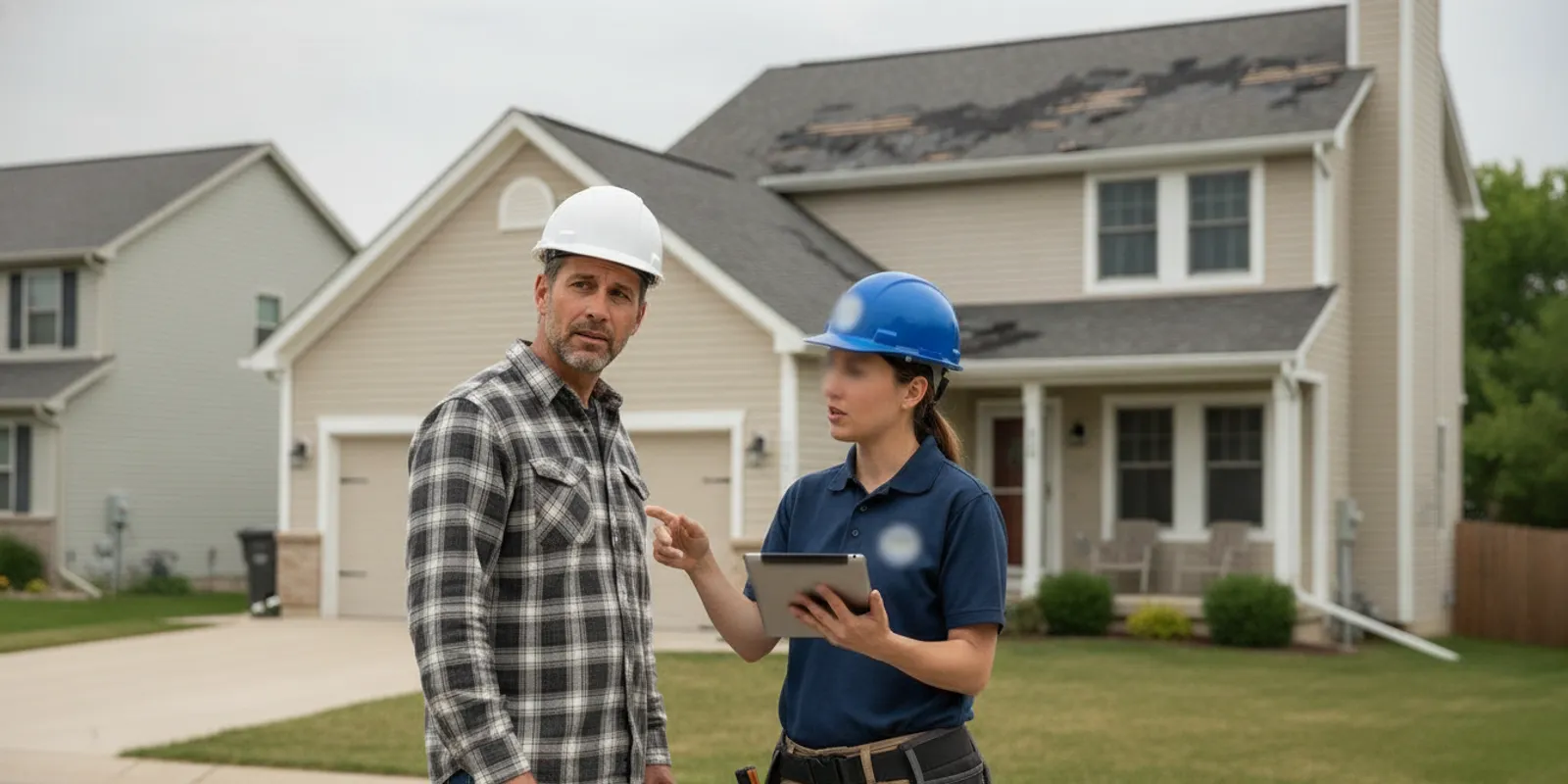
A roof does not need replacement simply because it has a visible mark or because a neighbor replaced theirs. The right next step depends on the roof’s age, the condition of its materials, the location and extent of damage, and whether repairs can address the problem reliably. A professional inspection can help distinguish a localized issue from widespread wear.
Look for signs from the ground and inside the home, but do not climb onto a roof to investigate. Possible warning signs include missing, curled, or cracked shingles; granules collecting near downspouts; water stains on ceilings or walls; damp attic insulation; or daylight visible through roof boards. These clues do not confirm the cause. Flashing, ventilation, or a plumbing vent can also be involved, so an assessment should identify where water is entering and why.
After wind or hail, document what you can see from a safe location. Take photographs of visible exterior damage and any new interior staining, and note when you first noticed it. Avoid moving or disturbing damaged materials. For more on immediate response, see this guide to what to do after a roof leak and the company’s storm damage restoration service in Rogers.
Replacement may be worth discussing when deterioration appears across many roof sections, recurring leaks point to broader trouble, or multiple repairs would leave key areas in poor condition. A sound section may still be repairable even when another section needs more extensive work. Ask the inspector to show the observed conditions, explain what they mean, and separate urgent protection from longer-term recommendations.
What should a roof inspection cover?
A useful inspection is more than a quick look at the shingles. Ask what areas the contractor will examine and how findings will be recorded. The assessment should consider the roof surface, edges, penetrations, flashing, visible drainage points, and attic or interior clues when accessible and appropriate. It should also identify areas the inspector could not safely or reasonably access.
- Roof covering: Ask whether wear or damage is isolated or appears across several slopes, and request photographs where possible.
- Roof details: Have the contractor explain the condition of flashing around chimneys, walls, valleys, vents, and other transitions.
- Water signs: Discuss any stains or damp areas inside, including when they appear and whether they change after rain or snow.
- Drainage: Ask whether gutters, downspouts, or roof edges show signs of overflow or water backup that may affect the assessment.
- Ventilation and attic observations: Ask what was observed and whether any concern needs a separate evaluation.
Request a written summary that connects each recommendation to an observed condition. If replacement is proposed, ask why repairs are not the preferred option and what risks remain if you delay. If repair is proposed, ask which areas are included, what may not be addressed, and what signs would justify another inspection. A clear explanation should help you understand the choices without pressure.
For Minnesota construction or contractor information, you can begin with the Minnesota Department of Labor and Industry, the state agency responsible for labor and building-related functions. Use its official resources to find current guidance relevant to your project, and ask the contractor which requirements apply to your particular home and scope.
How can you compare roof replacement proposals?
Request written proposals that describe the same basic work. If one proposal leaves out tear-off, flashing, disposal, or cleanup, it is difficult to compare it with a more detailed plan. The goal is to understand exactly what is included, what is excluded, and how changes will be handled once work begins.
Review each proposal for the following details:
- Work area and preparation: Identify the roof sections involved, how the property will be protected, and whether existing materials will be removed.
- Materials: Ask for the product type and relevant specifications, including the proposed underlayment, shingles, flashing, and ventilation components when applicable.
- Installation steps: Confirm how the crew will address roof edges, valleys, penetrations, and transitions between materials.
- Cleanup: Clarify how debris will be collected and how the contractor will check the yard and access areas at the end of the job.
- Schedule and communication: Ask how the start date is confirmed, who will share updates, and how weather or concealed damage could affect the plan.
- Written terms: Review payment timing, change approvals, workmanship documentation, and any product information or warranty documents supplied.
Do not assume two proposals cover the same work just because both describe a roof replacement. One may include replacement of specified flashing while another may leave it unspecified. One may describe ventilation work or deck repairs only when needed, while another may not explain how those conditions will be handled. Ask contractors to clarify differences in writing before making a decision.
| Proposal detail | What to check | Question to ask |
|---|---|---|
| Work scope | Roof sections, removal, and preparation | Which areas and steps are included? |
| Materials | Named products and components | What products will be installed, and where? |
| Flashing and transitions | Valleys, walls, chimneys, and penetrations | How will these details be inspected and addressed? |
| Unexpected conditions | Process for concealed damage or added work | Will work pause for written approval of a change? |
| Schedule | Start confirmation, weather delays, and updates | Who will contact me if the plan changes? |
| Closeout | Cleanup, final walkthrough, and documents | What will be checked before the crew leaves? |
Compare clarity and fit, not just a short summary line. A detailed proposal lets you understand what is planned and gives both sides a shared record. If a statement is unclear, ask for a plain-language explanation and an updated written version. Keep copies of proposals, selections, approvals, and project messages together so you can refer to them throughout the work.
What should you ask a roofing replacement company in Rogers?
Use the first conversation to learn how the contractor approaches inspection, planning, installation, and follow-up. Direct questions are useful, and a good answer should be specific to your roof rather than a general promise.
- What did you observe? Ask the contractor to point to the conditions behind the recommendation and explain which are confirmed versus possible.
- Could a repair address the concern? Ask for the limits of a repair option and why replacement is being considered, if that is the recommendation.
- What exactly is in the written scope? Ask about materials, tear-off, flashing, ventilation, disposal, protection, and cleanup.
- How will you handle hidden conditions? Find out how the team will document them, explain options, and obtain your approval before changing the agreed work.
- Who is my point of contact? Confirm how to reach the person responsible for project updates and questions.
- What documentation will I receive? Ask what product information, workmanship terms, and closeout records will be provided.
- What happens if weather changes the schedule? Understand how the roof will be protected and how a revised schedule will be communicated.
Check that the proposal and the conversation match. If the contractor describes an item verbally, ask whether it can be added to the written plan. Review any warranty or workmanship terms carefully rather than relying on a general statement. The terms, coverage, and exclusions should be clear in the actual documents you receive.
Referred Restoration serves homeowners in Rogers and nearby communities with roofing inspection, repair, replacement, and storm restoration services. The company describes its process as a free inspection, a custom solution, and professional installation. For service-specific planning, review the dedicated roof replacement service information.
How should Minnesota weather shape your plan?
In Rogers, a roof replacement plan has to account for changing weather as well as the home’s design. Wind, rain, snow, ice, and temperature shifts can affect when work can proceed and how the crew protects exposed areas. Ask the contractor how weather is monitored, how a delay is communicated, and what temporary protection is planned if the roof cannot be completed in one working period.
Do not treat a calendar estimate as a guarantee. Ask what conditions could change the start or completion date and how the crew will secure materials and the open work area. If your project follows a storm, clarify whether immediate protection or a temporary repair is needed before permanent work can be scheduled. Keep a record of any temporary work and follow-up recommendations.
It can help to make a short decision record before you sign. Write down the main problem you want addressed, the areas the inspection identified, and the questions that remain. For each contractor, note whether the written scope answers those questions and where additional clarification is needed. This simple comparison keeps the discussion focused on the home’s actual needs instead of a sales presentation or a vague description.
Also separate items that are essential to the agreed work from optional recommendations. Ask why an optional item is suggested, what condition it addresses, and whether it can be considered later without undermining the planned replacement. Do not accept an item you do not understand. Request time to review revised documents, and make sure the final version reflects the choices you approved. If an insurer is involved after a weather event, keep contractor observations and project documents organized, and direct coverage questions to the insurer rather than assuming the contractor can determine what a policy will pay.
For roof concerns that may be limited in scope, the Rogers roof repair page provides a relevant alternative to discuss during an inspection. Whether repair or replacement is appropriate depends on the conditions found at your home.
How can you prepare your home for installation?
Once you have chosen a contractor and confirmed the written plan, ask what the household should do before the crew arrives. The contractor may have specific instructions based on access, landscaping, and the home’s layout. Confirm these details directly rather than relying on a generic checklist.
- Move vehicles and movable items away from the work and access areas as requested.
- Clear the area around the home where equipment or materials may need to be staged, following the contractor’s directions.
- Secure fragile wall decorations and items on upper floors if the contractor advises that installation activity may cause vibration.
- Keep children and pets away from the work zone and establish a safe way to enter and leave the home.
- Tell the project contact about access needs, outdoor features, or other concerns before the start date.
- Confirm how you will receive schedule updates and whom to contact if a question comes up during work.
Ask whether the crew needs access to an attic, garage, or electrical outlet, and confirm any arrangements before installation day. Keep the signed scope and approved selections available. If you cannot be home, agree on how the contractor will reach you for decisions and how approval will be recorded. Do not assume work outside the agreed scope has been approved just because someone discusses it at the site.
What should you check during and after the work?
You do not need to climb onto the roof to follow the project. Keep communication with the designated contact and ask for updates at the milestones agreed in advance. If the contractor discovers an unexpected condition, ask for an explanation and documentation before approving a change. Make sure any revision to the work, materials, or schedule is recorded in writing.
At closeout, review the completed work from safe locations and ask the contractor to walk you through the results. Confirm that the planned areas were addressed and that any agreed changes are reflected in the closeout information. Ask what items were replaced, whether any follow-up is recommended, and how to care for or inspect the roof going forward.
Also ask how cleanup is completed. The contractor should explain its process for collecting removed materials and checking the immediate work area. If you notice debris or have a question after the crew leaves, contact the project representative promptly and describe the location. Keep project photographs and documents with your home records, including the final scope and any product or workmanship paperwork.
After installation, monitor the attic and ceilings for new signs of moisture, especially after weather events. A stain can take time to appear, and its source may not be obvious. If something concerns you, document it and ask a qualified professional to assess it rather than attempting roof access yourself. For questions about related exterior drainage, see the guide to seamless gutter installation in Rogers.
Request a free roof inspection in Rogers
Frequently asked questions
Should I replace a roof after one leak?
Not necessarily. A leak may come from a localized issue that can be repaired, but repeated leaks or widespread deterioration may require a broader assessment. Ask the inspector to identify the source, show the affected area, and explain the repair and replacement options that fit the observed conditions.
Can I compare proposals from different contractors?
Yes. Ask each contractor to describe the same roof sections and major work steps, including removal, materials, flashing, cleanup, and how unexpected conditions will be handled. Request written clarification when an item is missing so you can compare the actual scope rather than assumptions.
What should I do if a storm may have damaged my roof?
Stay off the roof. From a safe location, note visible changes and photograph them if you can do so safely. Document any interior water signs and arrange an inspection. Ask whether temporary protection is appropriate and keep records of the assessment and any work performed.
Do I need to be home during roof replacement?
Ask the contractor what access is needed and whether you need to be present for any part of the work. If you will be away, agree on a contact method and a process for approving changes before installation starts. Keep children, pets, and visitors away from active work areas.
What information should I keep after installation?
Keep the final written scope, approved changes, material details, project photographs, and any warranty or workmanship documents you receive. Also save the contractor’s contact information and notes about recommended follow-up. These records make it easier to explain the project if a question comes up later.
What is a practical next step?
Start with an inspection and ask for a written explanation of the roof’s condition. Then compare proposals by scope, materials, process, and communication, making sure you understand what is included before work begins. A clear plan gives you a practical basis for choosing the right next step for your Rogers home.