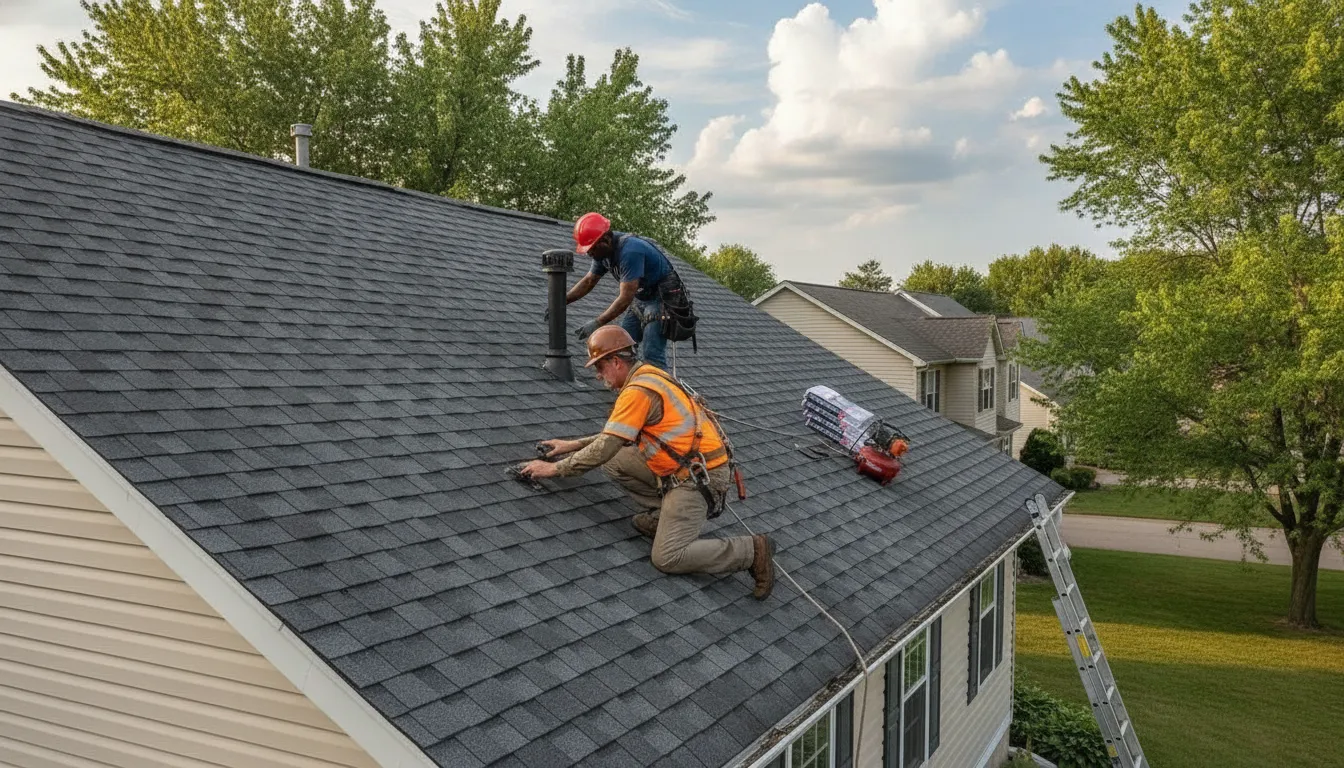
Minnesota roofs work hard through freezing temperatures, heavy snow, ice dams, strong wind, and summer storms. A small problem can begin as a few missing shingles or a lifted flashing edge, then allow moisture into the roof system and interior of the home.
Contact Referred Restoration online
Roofing and roof repairs for Minnesota homes require attention to both visible damage and the condition of the full roof system.
Roofing and roof repairs are often appropriate when damage is limited and the underlying roof remains sound. Replacement may make more sense when problems are widespread, recurring, or combined with advanced age. An inspection is the practical way to determine which path fits your home.
This guide explains the warning signs Minnesota homeowners should understand, what an inspection should clarify, and what to do after wind, hail, or ice dam damage. The goal is a safer, evidence-based decision, not an automatic recommendation for the largest possible project.
How Do Roofing and Roof Repairs Address Minnesota’s Common Problems?
Minnesota homeowners most often encounter roof leaks, damaged flashing, missing or curling shingles, ice dams, wind damage, and hail impacts. These problems can appear separately or combine after severe weather. A ground-level check followed by a professional inspection helps identify the source and the appropriate roofing and roof repairs.
Minnesota roofs face repeated freeze-thaw cycles, snow, ice, strong winds, and rapid seasonal changes. Those conditions can expose small weaknesses before they become visible inside the home. Knowing the common warning signs helps you decide when to monitor an area and when to arrange a professional inspection.
Leaks and damaged flashing
A ceiling stain, damp attic insulation, or water around a skylight does not always point directly to the opening in the roof. Water can travel along the underside of the roof before it reaches the interior. Flashing, the thin material installed around chimneys, vents, skylights, and roof-to-wall joints, is another frequent area to check. If flashing is loose, cracked, or no longer sealed, water may enter even when surrounding shingles look intact. For more detail, review common roof leak repair procedures and have the source confirmed rather than sealing only the visible stain.
Missing, loose, or curling shingles
Shingles protect the roof surface from weather and direct water toward the gutters. Missing shingles leave an exposed area, while loose shingles may lift during the next storm. Curling edges can signal deterioration, especially on roofs exposed to Minnesota’s cold climate. Wind damage can also compromise the seals that help shingles stay in place, increasing the possibility of future leaks. A few damaged shingles may call for a targeted repair, but the right scope depends on the roof’s overall condition.
Ventilation problems and ice dams
Roof ventilation helps manage heat and moisture in the attic. When airflow is inadequate, moisture can linger and temperature differences can contribute to winter ice buildup. An ice dam forms when melting snow refreezes near the colder roof edge. The ridge of ice can hold water against the shingles and create a path into the roof system. Homeowners can review ways to prevent winter roofing problems, but attic conditions and roof drainage should be addressed together.
Wind and hail damage
After a severe storm, damage may be subtle. Hail can affect shingle surfaces, and wind can lift, crease, or remove shingles. Check from the ground for missing pieces, uneven rows, or debris, but avoid climbing onto the roof. An inspection can document storm-related concerns and identify whether water-shedding components, flashing, or ventilation also need attention.
How Can You Tell if Roofing and Roof Repairs Are Enough?
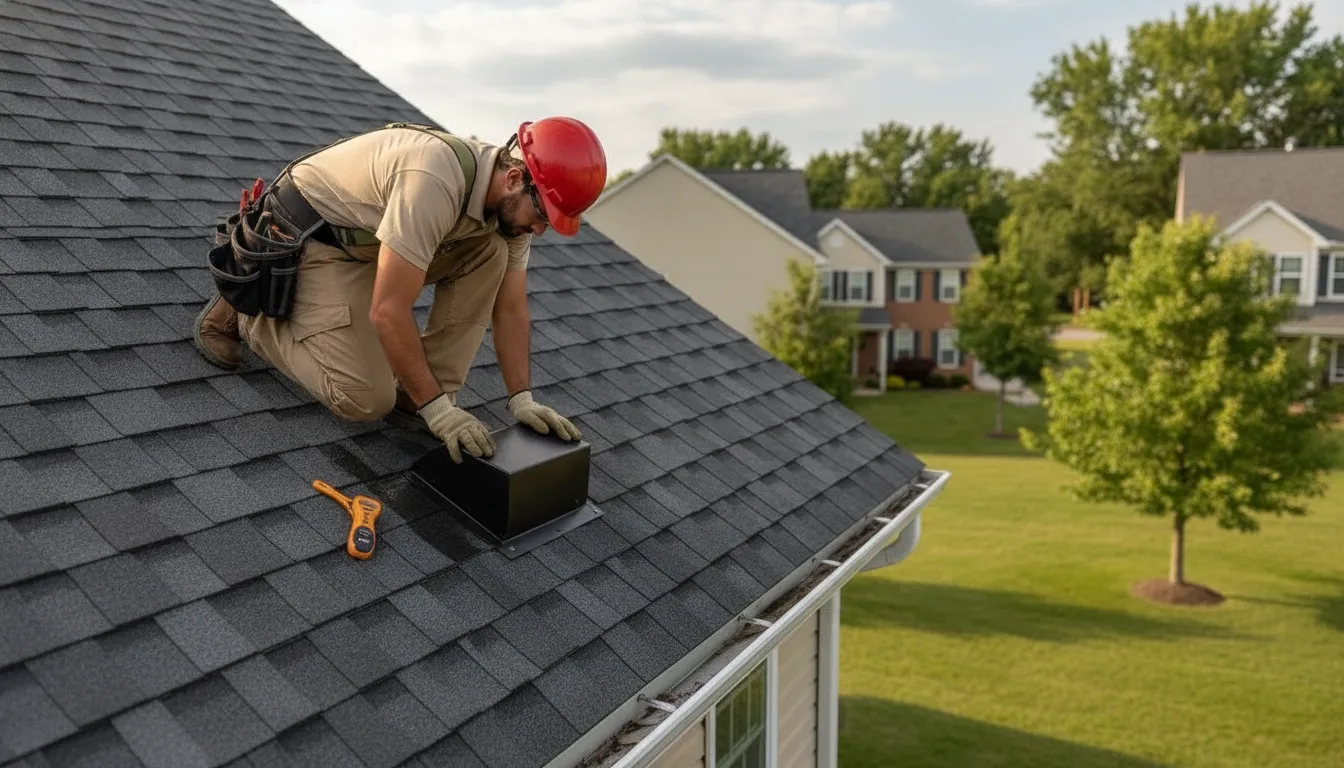
Roofing and roof repairs may be enough when damage is localized, the surrounding shingles remain sound, and the roof has no pattern of recurring leaks. Replacement deserves consideration when damage is widespread, materials are failing across multiple slopes, or an isolated patch would leave underlying problems unresolved. An inspection should connect the recommendation to observed conditions.
A visible problem does not automatically mean the entire roof needs to be replaced. The right scope depends on what an inspection finds, including the extent of the damage, the condition of nearby materials, and the roof’s age. A missing shingle in an otherwise sound section may call for a targeted repair. Widespread deterioration, repeated leaks, or an aging roof may point toward broader work.
Start with the source of the problem rather than the most obvious symptom. Leaks can travel along the underside of the roof before appearing on a ceiling. Wind can loosen shingle seals before damage is easy to see from the ground. You can review how to identify roof leaks safely, but do not climb onto the roof to investigate.
| Indicators that may support repair | Indicators that may support replacement |
|---|---|
| Damage is limited to a small, identifiable area. | Damage extends across multiple roof sections. |
| Most shingles remain flat, sealed, and in good condition. | Shingles are broadly curled, missing, or failing. |
| The roof system is relatively young with no pattern of recurring leaks. | The roof is near or beyond its expected service life, or leaks keep returning. |
| Inspection finds a localized flashing or weather-related problem. | Inspection finds widespread water intrusion or concerns beneath the visible surface. |
What an inspection should clarify
A useful inspection connects the symptom to the underlying condition. The contractor should identify affected shingles, flashing, vents, valleys, and surrounding areas, then explain whether the damage is isolated or part of a larger pattern. Roof age matters, but it should not be the only deciding factor.
Asphalt shingles typically last 20 to 30 years, so an older roof may deserve a wider evaluation even when one repair seems straightforward. Metal roofing can often last 40 years or more, but its service life depends on the specific system and its condition. These indicators are guides, not a substitute for a roof-specific assessment.
Referred Restoration follows a simple process: a free inspection, a custom solution, and professional installation when installation is needed. Ask for photos or clear explanations of the findings, the areas included in the recommended work, and any conditions that could change the scope.
Stay safe while deciding
Roof surfaces, ladders, and wet or icy conditions create serious fall hazards. The CDC and NIOSH roof-safety guidance emphasizes fall prevention during roofing work. Keep children and visitors away from the work area, avoid walking on the roof, and leave elevated inspections to trained professionals.
When Does a Roof Need Replacement Instead of Repair?
A roof may need replacement instead of repair when shingles are failing across multiple slopes, leaks recur, water intrusion reaches underlying layers, or the system is near the end of its expected service life. A few missing shingles on an otherwise sound roof may support a targeted repair. The decision should follow an inspection of the full roofing system.
A targeted repair can make sense when damage is limited to a small, clearly defined area and the rest of the roofing system remains sound. Replacement becomes more appropriate when several warning signs point to broader wear or when fixing one symptom would leave larger problems in place. The roof’s age and the extent of damage should be considered together.
Age and widespread damage
Asphalt shingles typically last 20 to 30 years. If an asphalt roof is approaching or beyond that range, isolated repairs may provide only a short-term solution when surrounding shingles are also brittle, curling, or losing their protective surface. A few missing shingles after a storm may be repairable, but widespread wind damage, repeated shingle loss, or damage across multiple roof slopes can indicate that the system needs a more complete plan.
Material type also matters. Metal roofing can often last 40 years or more, so its age should be evaluated according to the specific system and its condition. An inspection can help distinguish normal aging from damage that affects the roof’s ability to shed water and protect the home.
Recurring leaks and underlying system concerns
A recurring leak deserves more than another surface patch. Water may be entering through worn flashing, damaged underlayment, or a broader failure in the roof assembly. Moisture can also affect the decking beneath the shingles. Ventilation concerns may contribute to uneven aging through Minnesota’s repeated cycles of freezing temperatures, snow, and warming weather.
Replacement planning should account for the materials and installation approach suited to the home. Referred Restoration uses high-quality Malarkey roofing products for demanding Minnesota weather. When replacement is recommended, a typical project may take one to three days, depending on the home’s size and weather conditions.
Review when a full roof replacement may be needed for more planning guidance. A clear assessment should identify the visible damage, check related components, and explain why the proposed scope fits the roof’s actual condition.
What Should You Do After Wind, Hail, or Ice Dam Damage?
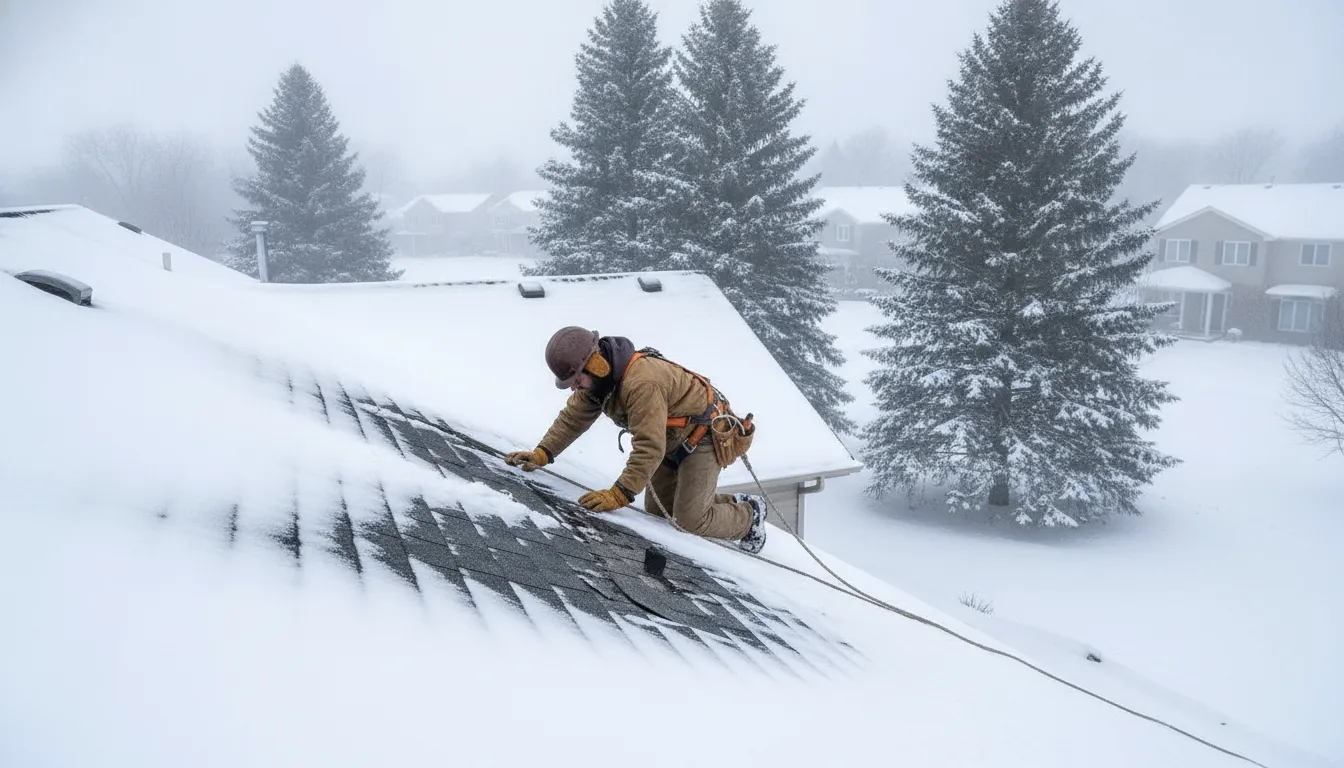
After wind, hail, or ice dam damage, protect the interior, document visible conditions from the ground, stay off the roof, and arrange a professional inspection. Keep photographs and storm notes for your insurer. Prompt evaluation can distinguish a localized repair from broader damage while reducing the risk of additional interior moisture.
Storm damage can be stressful, especially when water is entering the home or snow and ice are still covering the roof. Focus first on protecting people and the interior. Then document what you can safely observe and arrange a professional inspection. A careful sequence helps preserve useful evidence without creating additional damage.
- Protect the interior. Move furniture, electronics, and other belongings away from active drips. Place containers under leaks and use towels to limit the spread of water. If water is near electrical fixtures, outlets, or wiring, avoid contact with the area and call a qualified professional.
- Document visible damage from the ground. Take clear photographs and videos of fallen shingles, damaged gutters, siding impacts, debris, interior stains, and standing water. Note the approximate date of the storm and which rooms or areas were affected. Do not climb a ladder just to obtain a closer image.
- Stay off the roof. Wet shingles, loose materials, ice, and steep slopes can create serious fall hazards. The CDC and NIOSH identify falls from roofs, ladders, and scaffolds as a significant construction safety concern. Leave an elevated inspection to a trained professional.
- Arrange an inspection. An inspector can look for missing or lifted shingles, compromised flashing, hidden leaks, and damage that is not obvious from the yard. Referred Restoration offers free inspections and helps homeowners with wind and hail insurance claims when appropriate.
- Contact your insurer when appropriate. Ask your insurance company about its reporting process and keep copies of photographs, notes, and related communications. For more context, read this guide to handling roof damage insurance claims. If ice dams contributed to the problem, review winter roof protection steps.
Once the roof and interior are safe, an inspection can separate storm-related damage from older maintenance concerns. That distinction helps homeowners make an informed plan for roofing and roof repairs without rushing into unnecessary work.
How Should You Choose a Minnesota Roofing Repair Plan?
Choose a Minnesota roofing repair plan that identifies the damaged components, explains the likely cause, and matches the work to the roof’s condition. The plan should distinguish a localized repair from replacement, address flashing and ventilation where relevant, and explain safety, materials, timing, and next steps in plain language.
A sound repair plan should explain what is damaged, why it happened, and what work will address it. Be cautious of a recommendation that lists materials or labor without connecting them to inspection findings. Ask for photographs or a plain-language explanation of affected shingles, underlayment, flashing, ventilation, and any areas where moisture may have traveled.
The scope should distinguish a targeted repair from broader roof work. A few wind-damaged shingles may call for a focused solution, while recurring leaks, widespread curling, or aging materials may point to a larger project. The roof’s condition and age should guide that decision together. If you are comparing options, review roof replacement planning guidance.
Ask what the plan includes
A complete proposal should identify the roofing material, the areas being repaired, and how the work will address vulnerable details. Flashing around chimneys, walls, skylights, and roof penetrations deserves specific attention because these transitions can allow water inside when they are damaged or improperly sealed. Ventilation should be discussed as well. Balanced airflow can help a roof system manage Minnesota’s seasonal temperature changes, but the right approach depends on the home’s existing design.
Ask whether the recommended material matches the rest of the roof and the home’s exposure to snow, ice, wind, and changing temperatures. Referred Restoration uses high-quality Malarkey roofing products. That does not replace the need for an inspection-based recommendation, but it gives the homeowner a clear starting point for discussing material selection.
Confirm timing, safety, and local support
Clarify when preparation will begin, how weather could affect the schedule, and what the crew will do to protect landscaping, vehicles, and the home’s interior. Roof work carries fall hazards, so homeowners should leave roof access and elevated inspections to trained professionals. Ask who will communicate schedule changes and how questions will be handled during the work.
For homeowners in Rogers and nearby Minnesota communities, including Cottage Grove, St. Francis, and Monticello, Referred Restoration follows a three-step process: free inspection, custom solution, and professional installation. The team can also help homeowners navigate wind and hail insurance claims when appropriate. Learn more about Rogers roofing services or arrange an inspection to discuss the findings and next steps.
Contact Referred Restoration online
Frequently Asked Questions About Roofing and Roof Repairs
How do I know if my roof needs repair or replacement?
Look for missing or curling shingles, active leaks, recurring moisture, and damage across multiple roof areas. A small, isolated issue may be repairable, while widespread damage or an aging roof may support replacement. An inspection is the best way to determine the scope because a visible symptom does not always show the condition of the underlayment, flashing, or roof deck.
What roofing problems are common in Minnesota?
Minnesota homeowners commonly deal with ice dams, wind damage, and shingle curling during cold-weather cycles. Wind can weaken shingle seals, while ice dams can contribute to water intrusion. After severe weather, inspect from the ground for missing or lifted shingles and arrange a professional evaluation rather than climbing onto the roof.
How long do common roofing materials last?
Asphalt shingles typically last 20 to 30 years, while metal roofing can often last 40 years or more. Actual service life depends on installation quality, ventilation, weather exposure, maintenance, and the condition of the roofing system. A roof-specific inspection provides better guidance than age alone.
Is it safe to inspect a roof myself?
Homeowners can check the attic and view the roof from the ground. Climbing onto a roof or ladder creates fall hazards, especially when surfaces are wet, icy, or damaged. The CDC and NIOSH identify falls from roofs, ladders, and scaffolds as a serious construction safety concern. Arrange a professional inspection when damage is suspected.
What should I do after a Minnesota hailstorm?
Protect the interior, photograph visible damage from the ground, avoid roof access, and arrange an inspection. Keep storm notes and photographs available for your insurer. A professional evaluation can identify damage that is not visible from the yard and help separate a localized repair from broader work.
Ready to Take the Next Step With Your Roof?
An inspection can clarify whether a focused repair is appropriate or whether broader replacement planning makes more sense for your home. Referred Restoration serves homeowners in Rogers and surrounding Minnesota communities with free inspections, custom solutions, and professional installation when needed.
Contact Referred Restoration online
Call (763) 726-4245 if you prefer to speak by phone.