
Cold winters, heavy snow, and repeated freeze-thaw cycles can expose weak seals, drafts, and installation problems that are easy to overlook from inside the house. Choosing the right local installer means evaluating more than window style. You also want clear measurements, an honest look at the existing opening, a written installation scope, and a plan that fits your home’s condition and Minnesota weather.
Contact Referred Restoration online
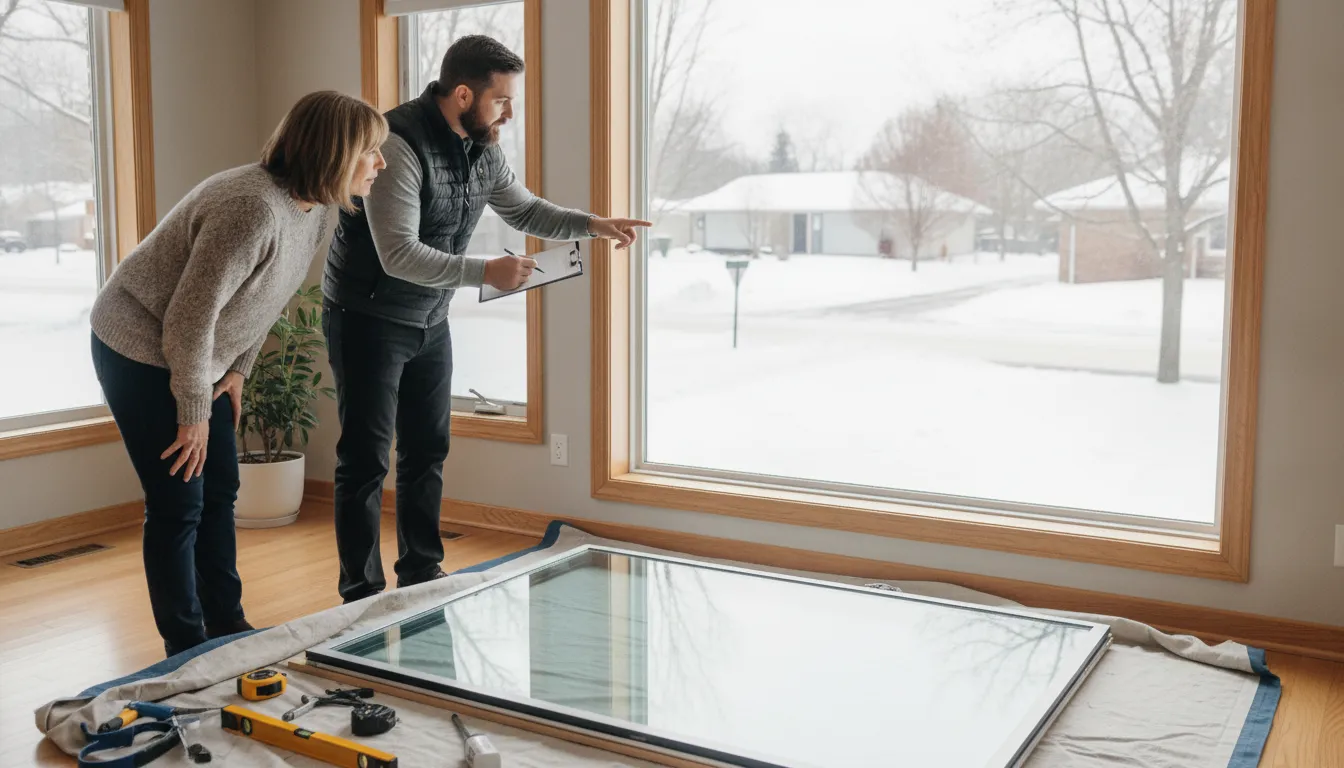
A dependable window company should explain its recommendations in plain language and document the materials and installation work. It should answer questions about permits and warranty coverage, then provide a clear point of contact after the project. Compare those details alongside local experience, insurance, references, and communication, rather than choosing based only on a sales presentation.
To discuss a free inspection in Rogers, St. Francis, Monticello, Cottage Grove, or a nearby Minnesota community, use the following checklist to assess a contractor before requesting an installation plan.
What Should You Look for in a Minnesota Window Company?
A good local installer should be able to explain what your home needs, how the work will be completed, and who will be accountable after installation. Start by confirming that the company actually serves your community. For homeowners in Rogers, St. Francis, Monticello, Cottage Grove, and nearby areas, a nearby service area can make site visits and follow-up communication more practical. Geographic availability is also a useful comparison factor when evaluating window installers.
Ask about experience and completed work
Ask how long the company has installed windows and which homes it serves. Then ask who will handle the project, its crew or subcontractors. Experience alone does not prove quality, but it gives you useful context. A company should be comfortable describing its process without relying on vague claims or pressure to sign.
Look for recent, relevant references and reviews. Reviews can reveal patterns in communication, preparation, cleanup, and response to concerns. Give more weight to feedback about projects like yours and read the details rather than relying only on a star rating. You can also ask whether the company can provide references for comparable replacement work.
Verify the business before work begins
Ask for the company’s legal business name and confirm what licenses or registrations apply to the work in your location. Request current certificates of general liability and workers’ compensation insurance, then ask whether the coverage applies to everyone who will be on the project. If permits may be required, ask who is responsible for determining that and obtaining them. A reputable contractor should answer these questions clearly and provide documentation for your records.
Pay attention to written communication
Before choosing a contractor, request a written scope that identifies the windows, measurements, installation method. Trim or finish work, removal and disposal, cleanup, and any work needed around the opening. Ask how changes will be documented and who you should contact with questions. Comparing written scopes helps you evaluate the actual work instead of comparing sales presentations.
Minnesota knowledge matters because freezing winters, heavy precipitation, and snowfall place practical demands on exterior work. The company should discuss how the home’s condition, drafts, air leakage, wall transitions, and weather exposure affect the recommendation. That does not mean every Minnesota home needs the same product. It means the advice should be connected to your home, climate, and goals. A local window company should provide an honest assessment and a custom solution, while a product-only seller may focus mainly on choosing a unit without taking responsibility for the full installation.
For broader planning, review this guide to plan a Minnesota home window replacement before comparing proposals.
How Should a Window Company Assess Your Home?
A reliable assessment should explain what is happening at the opening, not simply recommend replacing every window. The inspection should connect visible conditions, measurements, comfort concerns, and the home’s exposure to Minnesota weather. Ask the window company to document what it finds and explain which work is essential, which work is optional, and whether a repair could reasonably address the problem.
-
Inspect the window, wall, and surrounding finishes
The assessment should begin indoors and outdoors. The inspector can look for damaged trim, staining, soft wood, cracked caulk, gaps, moisture marks, and signs that water is entering around the opening. The condition of nearby siding and wall transitions matters too. A window problem may involve the surrounding assembly rather than the glass or frame alone. Ask what the inspector sees, where the concern begins, and whether photographs will be included in the written scope.
-
Measure each opening instead of assuming one size fits all
Measurements should be taken at the individual opening, with attention to width, height, depth, squareness, and the existing frame or rough opening. The number, shape, and location of windows, along with the home’s current condition, can change the appropriate project scope. A careful window company should identify unusual openings and explain whether the proposed approach is an insert, full-frame replacement, or another method. For broader guidance on frame, glass, and style choices, you can compare Minnesota house windows.
-
Test for drafts, leaks, and operating problems
Tell the inspector where you feel cold air, see condensation, hear outside noise, or have trouble opening and locking a window. The U.S. Department of Energy recommends checking existing windows for air leaks and lists caulking and weatherstripping as possible ways to improve them. See the Department of Energy guidance on updating or replacing windows for that distinction. Fog or condensation between panes may point to a failed seal, so review these window seal failure signs before making a decision.
-
Separate repair needs from replacement needs
Replacement may make sense when a frame or opening has extensive deterioration, repeated leaks, difficult operation, or performance problems that a targeted repair will not solve. Repair may be appropriate when the issue is limited to worn weatherstripping, failing caulk, hardware, or another localized defect. The recommendation should state why one option fits the condition and what risks remain if you postpone replacement. The Department of Energy notes that windows can account for a substantial share of residential heating and cooling energy use, but that does not make replacement the right answer for every opening.
-
Ask for a second opinion when the explanation is unclear
Get another assessment if measurements are missing, the scope changes without explanation, or the company cannot separate window defects from wall or moisture issues. Compare written findings rather than sales pressure. A second opinion is especially useful when only one window is affected, the proposed work is unusually broad, or repair and replacement recommendations differ substantially.
Which Window Materials and Features Fit Minnesota Homes?
Minnesota homes face cold winters, summer heat, wind, and repeated temperature swings. The best window package depends on the home’s existing openings, exterior design, maintenance preferences, ventilation needs, and performance goals. A thoughtful window company should explain the tradeoffs instead of treating one frame material or glass package as the right answer for every property.
ENERGY STAR identifies wood, vinyl, and fiberglass as common frame choices. Each can work well when it is correctly specified and installed. Vinyl is often selected for straightforward maintenance, while wood may suit homeowners who value a traditional interior appearance and are prepared for more upkeep. Fiberglass can be worth discussing when durability and frame stability are important considerations. The right question is not simply which material is best, but which material fits the opening, the home’s design, and the owner’s long-term plans.
| Choice | What it may offer | Questions to ask |
|---|---|---|
| Vinyl frame | Low maintenance and common styles | How will it fit the opening and exterior finish? |
| Wood frame | Warm interior character and a traditional appearance | Which surfaces need maintenance, and how are exterior areas protected? |
| Fiberglass frame | A durable option to evaluate for demanding conditions | How does this frame suit the home’s exposure and installation details? |
| Double-pane glass | Two layers of glass with an insulating space between them | What performance labels apply, and is the configuration suited to the climate? |
| Low-E and performance labels | Coatings and ratings that help compare heat, light, and air-performance characteristics | What do the U-factor, solar heat gain, visible transmittance, and air-leakage ratings mean here? |
| Argon-filled glass | Gas between panes that can improve insulating power | How does argon fit the selected glass package, and what happens if the seal fails? |
| Operation style | Different balances of ventilation, cleaning access, sightlines, and weather exposure | Would a single-hung, double-hung, casement, slider, or awning style work best in this room? |
Most modern energy-efficient windows have at least two glass layers, and ENERGY STAR notes that argon is commonly used between panes because it improves insulating power. You can review those material and glass basics in the ENERGY STAR replacement-window guidance. Performance labels still need context: a number is useful only when you understand how it relates to the room’s sun exposure, orientation, and heating and cooling priorities.
Operation style deserves equal attention. A window that opens easily for airflow may be valuable in one room, while easy cleaning, child safety, or resistance to wind-driven weather may matter more elsewhere. Ask the installer to connect each recommendation to a specific opening and document the selected frame, glass, hardware, and operation style in writing.
What Does Professional Window Installation Include?
A professional installation is more than placing a new unit into an existing opening. The exact scope depends on the window style, the shape and purpose of the project, the number of openings, and the condition of the home. A clear written plan helps you understand what the window company will do, what may require a separate decision, and how the work will be handled around Minnesota weather.
- Confirm permits and project responsibilities. Ask whether a permit is required and which party will apply for it, coordinate inspections, and provide any needed documentation. These responsibilities should be clear before work begins, rather than assumed during the project.
- Protect the work area and remove the existing window. The crew should establish a reasonable work area, protect nearby interior and exterior surfaces as appropriate, and remove the old window carefully. Ask how debris, damaged trim, and materials scheduled for disposal will be handled.
- Inspect the rough opening. Once the old unit is out, the installer can check the opening, surrounding materials, and visible signs of moisture or deterioration. A damaged opening may affect the installation method or require repair. A careful installer should explain unexpected conditions before proceeding with additional work.
- Prepare flashing and water-management details. Flashing helps direct water away from vulnerable wall and window transitions. The correct approach can vary with the existing wall assembly and whether siding or other exterior materials meet the opening. For related guidance, see how siding and window flashing work together.
- Set, fasten, and seal the window. The window should be positioned according to the manufacturer’s requirements, checked for alignment, and secured with an appropriate installation method. Sealing around the unit helps limit unwanted air and moisture movement, but the materials and details should match the opening and product instructions.
- Test operation and inspect the seal. Before trim is replaced, open and close the sash or panels, check locks and hardware, and look for visible gaps or binding. This is also a useful time to ask questions about drafts, drainage, or any condition that differs from the written scope.
- Complete trim and exterior transitions. Interior and exterior trim may be reinstalled, repaired, or replaced depending on the project. The final appearance should be reviewed at the window and at adjacent wall materials, especially where siding and other cladding meet the opening.
- Plan cleanup and weather protection. Confirm what cleanup is included and how the crew will protect an open or partially completed area if conditions change. Freezing temperatures, precipitation, and snowfall can affect exterior work in Minnesota, so ask the window company how weather decisions will be communicated and documented.
If you are comparing options in the Rogers area, you can review the residential window installation process and learn more about window repair and replacement in Rogers. The goal is not to demand one universal method. It is to make sure the proposed work addresses your home’s condition and is explained clearly before installation starts.
How Can You Compare Window Warranties and Project Communication?
A written warranty and a clear project plan give you something practical to review after the sales conversation ends. Ask the window company to separate product coverage from labor or workmanship coverage. Product coverage may address the window unit or specific components, while labor coverage may address installation-related concerns. Coverage can vary by product, so compare the actual documents for the windows being proposed rather than relying on a general statement about warranties. Warranty coverage can vary by product, which makes written details especially important.
What should the warranty document answer?
- Which products, parts, glass, finishes, and installation work are covered?
- What exclusions apply, including conditions related to misuse, alterations, maintenance, or circumstances outside the installer’s control?
- How do you start a claim, and what information or photos will you need to provide?
- Who receives the service request first, the window manufacturer, the installing contractor, or another contact?
- What happens if an issue requires an inspection, adjustment, replacement component, or follow-up visit?
Ask for the warranty documents before signing, and keep them with your contract and product information. A reputable window company should be willing to explain unfamiliar terms without turning the conversation into a pressure tactic. If the written paperwork differs from what was discussed, pause and ask for the scope to be clarified.
How should project communication be documented?
Your agreement should describe more than the selected windows. Look for the expected start window, the work sequence, and how you will be notified if conditions affect scheduling. It should also explain what happens when the installer finds an unexpected issue after removal. Any change order should identify the reason for the change, the added or reduced work, and the updated agreement before that work proceeds.
Use the same written standard for closeout. Confirm who handles questions during the project, how updates will be shared, and what cleanup is included. Before the crew leaves, schedule a final walkthrough to review operation, locks, screens, trim, visible sealing, and the condition of the work area. This is a useful time to note remaining adjustments and confirm how they will be resolved.
A low-pressure inspection can help you compare the proposed scope, warranty paperwork, and communication process with your home’s needs. Take the time to ask questions and choose the window company that gives you clear answers in writing.
A Minnesota Window Company Checklist Before You Sign
Before signing with a local window company, compare the written plan, not just the presentation. A clear scope should identify which openings are included, what work is excluded, how existing trim or surrounding materials will be handled, and what happens if concealed damage appears after removal. The project should reflect the home’s condition and goals rather than rely on a generic package.
Use this checklist during your final comparison
- Scope: Confirm the rooms, openings, removal work, trim, disposal, and finish work included in the agreement.
- Measurements: Ask who measured each opening and how unusual sizes, out-of-square frames, or prior alterations will be documented.
- Materials: Make sure the proposal names the selected frame, glass configuration, operation style, and performance details. If you are still comparing options, use this guide to plan a Minnesota home window replacement, then return to the company comparison.
- Permits: Ask whether a permit is required and which party is responsible for confirming requirements and handling the paperwork.
- Installation method: Have the company explain how the opening will be prepared, flashed, sealed, and integrated with the surrounding wall. The explanation should account for Minnesota’s freezing temperatures, precipitation, and snow.
- Weather plan: Ask how the installation will be scheduled around unsuitable conditions and how exposed openings will be protected if weather changes.
- Warranty: Request product and labor coverage in writing, including exclusions, claim instructions, and the service contact. Coverage can vary by product, so avoid relying on a verbal summary.
- Cleanup: Confirm who removes old windows and construction debris, protects work areas, and completes the final cleanup.
- Payment schedule: Verify when payments are due, what triggers each stage, and how approved changes to the scope will be documented. You should not need to rely on unclear verbal commitments.
- Post-install contact: Identify who to contact with questions after completion and ask what the final walkthrough will cover, including window operation, seals, trim, and unresolved items.
A dependable local process should make these answers easy to find. Referred Restoration serves homeowners in Rogers and nearby communities with an honest assessment, a custom solution, and professional installation. Comparing documentation this way helps you choose a company that understands both the project and the Minnesota home it is working on.
Contact Referred Restoration online
Before you choose a contractor, discuss your project and schedule a free inspection.
Frequently Asked Questions
How should I compare local window companies?
Compare more than product photos or a sales presentation. Ask each company for a written scope that explains measurements, window materials, installation method, permits, weather planning, cleanup, warranty coverage, and post-installation service. Confirm the company serves your area, carries appropriate insurance, and can provide references or reviews relevant to similar work.
What happens during a window consultation?
A useful consultation starts with an inspection of the existing windows and surrounding openings. The installer should discuss drafts, leaks, operation, visible damage, measurements, and your goals for the home. Ask whether repair, maintenance, or replacement is the most practical path, and request clear documentation of the recommended work before you approve it.
Should I repair or replace a damaged window?
That depends on the location and cause of the problem. Air leaks, failed caulking, or worn weatherstripping may be repair considerations, while persistent moisture, damaged frames, failed seals, or poor operation may call for a broader evaluation. A careful contractor should explain the condition they found and why the proposed solution fits, rather than assuming every issue requires replacement. You can also review these window seal failure signs.
What should I ask about a window warranty?
Request the warranty in writing and ask what applies to the product, glass, labor, and installation. Confirm exclusions, the claim process, the service contact, and whether coverage changes by product. Before the crew leaves, review window operation, seals, trim, and cleanup, then keep the final paperwork with your home records.
How does Minnesota weather affect window installation timing?
Ask how the company plans for cold temperatures, precipitation, wind, and unexpected changes in weather. The written plan should explain how openings will be protected during the work and how scheduling will be handled if conditions are unsuitable. Local experience can help the installer plan the project around your home’s exposure and seasonal conditions.
Ready to Choose the Right Window Company?
A thoughtful inspection can help you understand your home’s condition, compare installation options, and clarify the project scope before you decide. Referred Restoration offers a free inspection and honest assessment for Minnesota window projects in Rogers and nearby communities. To discuss your plans, call (763) 726-4245 or use the link below to contact the team online.