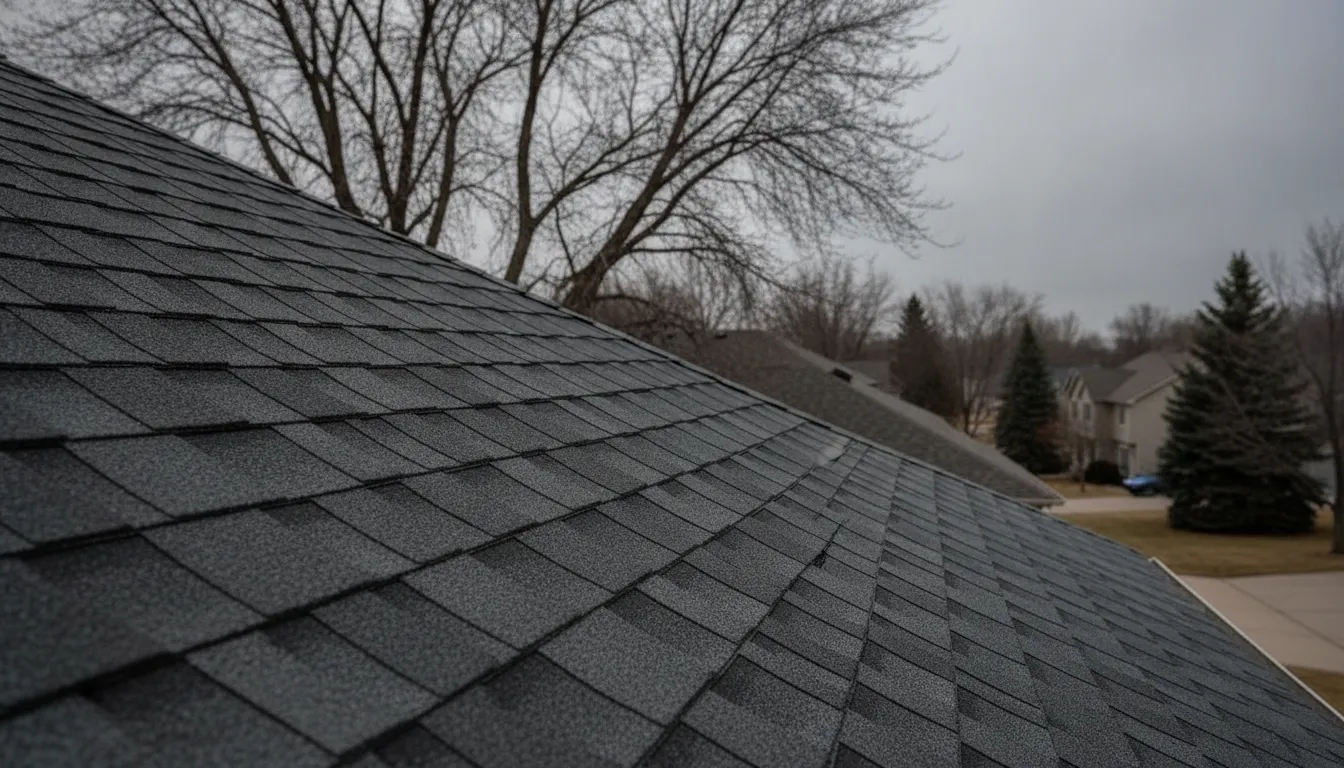
Roofing materials are the visible cover on a house, and Minnesota homeowners usually compare them when a roof is worn, storm-marked, or due for replacement. The useful comparison is not a brand list. It is how asphalt, metal, tile, slate, and a few less common covers handle snow, wind, hail, routine upkeep, and the skill of the crew that installs them. Architectural shingles are one asphalt option inside that choice, not a separate roofing family.
Contact Referred Restoration online to schedule a free roof inspection. Call (763) 726-4245.
How to Compare Roofing Materials
Start with the roof you already have. Slope, deck condition, and attic moisture decide which roofing materials are even eligible. A steep main roof can carry shingles, metal, tile, or slate if the structure can hold the weight. A low porch or addition usually needs a membrane, not the same cover as the field.
Then judge four things that show up on every serious bid:
- Weather fit. Snow shedding, wind uplift, and hail marks are separate problems. One material can do well at one and poorly at another.
- Upkeep. Ask what a homeowner actually inspects each year, not what the brochure calls maintenance-free.
- Service life. Year counts on a label assume correct fastening, flashing, and ventilation. Minnesota freeze-thaw weather shortens a roof that misses those details.
- Install quality. The National Roofing Contractors Association materials guide treats weight, fire rating, and skilled application as part of the material choice. A premium cover fastened the wrong way will not earn its rating.
The live roof material types comparison is the page for a head-to-head asphalt-versus-metal decision. This guide stays on the wider set of roofing materials and the checks that apply before anyone picks a bundle or a panel.
Roofing Materials at a Glance
Use this table as a first pass. It is qualitative on purpose. A real bid depends on tear-off, deck repair, and access, so this page does not quote figures.
| Material | Weather behavior | Upkeep focus | What install quality decides |
|---|---|---|---|
| Asphalt, including architectural shingles | Sheds rain on steep slopes. Hail can bruise granules. Wind lifts a poorly sealed edge. | Look for missing tabs, granule loss, and open flashing after storms. | Nail zone, starter strips, ice membrane, and attic airflow. |
| Metal panels or metal shingles | Sheds snow well. Can dent in hail. Wind performance depends on the clip or fastener pattern. | Check fasteners, seams, and finish wear. Do not assume zero upkeep. | Panel layout, underlayment, and flashing at walls and penetrations. |
| Clay or concrete tile | Durable in sun and wind when fastened. Heavy snow load plus tile weight needs a structural check. | Replace cracked tiles and keep valleys clear. Walking the roof can break tiles. | Deck strength, underlayment, and a crew that knows tile fastening. |
| Slate | Very long service when the slate grade matches the climate. Individual slates can crack. | Replace broken slates. Avoid casual foot traffic. | Specialized installers, copper or compatible flashing, and deck condition. |
| Wood shakes or shingles | Can dry between storms in the right assembly. Fire rating varies, and some codes restrict them. | Clear debris so the wood can dry. Watch for moss and split pieces. | Spacing, fasteners, and any required fire treatment. |
| Low-slope membrane | Handles slow-moving water that shingles cannot. Ponding is the failure mode. | Keep drains open and watch seams after winter. | Slope to drain, seam work, and compatible edge metal. |
Asphalt Roofing Materials, Including Architectural Shingles
Asphalt shingles are the most common steep-slope roofing materials in the country. The NRCA describes a fiberglass shingle as a glass mat with asphalt on both faces and mineral granules on top. Most fiberglass shingles carry a Class A fire rating, the highest of the common A, B, and C classes. NRCA also recommends shingles that comply with ASTM D3462, which is a standard for glass-felt asphalt shingles surfaced with mineral granules. If a product complies, that note usually appears on the wrapper or in the product sheet.
Architectural shingles, also called dimensional or laminate shingles, are still asphalt. A second asphalt layer is bonded over the base so the piece looks thicker and less like a flat grid. A 3-tab shingle is one flat layer cut into three even tabs. The laminate does not turn the product into tile, slate, or metal. It changes texture, weight, and often the published wind rating.
Takeaway: choose architectural shingles when the roof is steep, the deck is sound, and you want a textured asphalt look with a fastening plan that matches the wind rating. Do not choose them to fix a low-slope section, a soft deck, or an ice-dam problem.
A thicker shingle can carry a higher wind rating than a basic 3-tab product, but the rating is a lab result for that shingle installed to the maker’s pattern. Nail placement, starter courses, and sealed edges decide whether a roof in Rogers or Cottage Grove performs like the sample. The guide to asphalt shingles for Minnesota weather covers impact class, algae resistance, and cold-weather flexibility in more depth. Full replacement sequencing lives in the asphalt shingle roof replacement guide.
Metal, Tile, and Slate
Metal roofing materials come as panels or as metal shingles. The NRCA notes that residential metal is a fast-growing part of home improvement and that some products can earn a Class A fire rating. Panels shed snow more readily than a textured shingle, which is why metal shows up on Minnesota homes with long winters. Hail can still dent a panel, and a scratched finish needs attention. Standing-seam and exposed-fastener systems are different installs. The metal roofing guide, the metal roof panels guide, and the standing seam metal roof guide cover those product choices. This page only places metal among the other roofing materials.
Clay and concrete tile are durable and heavy. NRCA’s guidance is direct: if you are replacing a lighter cover with tile, verify the home can support the added load. Snow adds more weight on top of that. Tile also needs an underlayment system, because the tiles themselves are not a single waterproof sheet. Cracked tiles are a maintenance item, not a reason to dismiss the whole system.
Slate is quarried, long-lasting, and dependent on installer skill. NRCA calls it more expensive than other roofing materials and notes that application takes special experience. In Minnesota, the practical questions are slate grade, fastener compatibility, and whether the deck and framing can carry it. A slate roof that fails early is often a flashing or fastening problem, not proof that slate cannot survive a cold climate.
Wood shakes and synthetic covers sit at the edge of this comparison. Many wood products have a Class C fire rating or none, and some local codes limit them, though certain treated products can reach Class A. Synthetic products can imitate slate or wood without matching every property of the original. Read the test data for the product in front of you instead of assuming the look equals the performance.
Weather, Upkeep, and Lifespan
National Weather Service thunderstorm guidance treats hail and damaging wind as hazards that arrive together. That pairing is the right test for Minnesota roofing materials. Ask how the cover handles impact, how an edge stays sealed in wind, and what happens when snowmelt refreezes at a cold eave.
Ice dams are an attic and drainage problem first. Warm air leaks into the attic, melts roof snow, and the water refreezes at the eave. No field shingle, panel, or tile stops that cycle by itself. Ice-and-water membrane at eaves and valleys, plus balanced ventilation, does the local work. The ice dam prevention guide stays on that problem so this page does not repeat it.
Upkeep follows the material:
- After a hail or wind event, look from the ground for bruises, lifted edges, and debris in valleys.
- Each spring, confirm gutters and downspouts are clear so meltwater leaves the roof.
- On asphalt, watch for bald spots where granules have worn off.
- On metal, look at fasteners, seams, and any scratched finish.
- On tile or slate, replace cracked pieces and keep foot traffic off the field.
Lifespan claims should stay tied to conditions. A published year count assumes the deck was solid, the underlayment matched the instructions, and ventilation kept the deck dry. The Department of Energy consumer guide to cool roofs is about reflective covers and cooling energy, not about how many years a Minnesota roof will last. Reflective surfaces can matter on cooling load. They do not replace attic airflow in a heating-season climate. The cool roof shingles guide is the place for that narrower question.
What Installation Quality Changes
Two roofs with the same roofing materials can age differently because the hidden work differs. Before you accept a material, walk through this sequence with the contractor.
- Separate the slopes. Mark steep-slope areas and any low-slope porch or addition. Do not force one cover onto both.
- Repair the deck. Soft, delaminated, or uneven plywood and OSB get replaced before new roofing materials go down.
- Set the water layers. Field underlayment, ice-and-water membrane, and edge metal have to match the cover. The roof underlayment guide explains felt versus synthetic sheets.
- Flash every opening. Chimneys, sidewalls, skylights, and pipes leak when metal is short, backwards, or added after the field is finished.
- Fasten to the rating. Nail or clip placement has to match the pattern that earned the wind rating. A higher rating on the bundle does not transfer to a roof that misses that pattern.
- Plan for cold weather. Asphalt is stiffer in low temperatures, and factory sealant may not bond until the roof warms. Late-fall work needs the hand-sealing plan the instructions require.
The Minnesota roof installation guide covers tear-off and dry-in order. The residential roofing systems guide covers the deck, flashing, ventilation, and drainage as one assembly. Use those pages when the question moves past material selection.
Referred Restoration installs Malarkey roofing products and treats the cover as one part of the exterior. This article does not rank brands. If a bid names a product, ask for the standard it meets, the slope range, and the fastening pattern, then compare those facts with the roof in front of you.
When to Keep the Current Roofing Materials
A comparison of roofing materials does not mean every worn roof needs a new cover. Keep the current material when the deck is solid, the flashing is intact, and the damage is limited to a few pieces you can still match. Architectural shingles from the same product line can repair a small wind scar. A few cracked tiles or slates can be replaced without converting the whole roof. Metal with a sound seam layout may only need fastener or finish attention.
Takeaway: change roofing materials when the slope is wrong for the current cover, the deck is failing, or the same leak returns after a proper repair. Do not change them only because a neighbor chose a different look.
Three checks keep that decision honest:
- Matching pieces are still made, so a repair will not leave a one-off patch.
- The leak path is visible, such as a lifted edge, a short flashing leg, or a clogged valley, rather than a soft deck across several courses.
- Attic ventilation is working. A new cover on a wet deck repeats the same failure.
If those checks fail, the next step is an inspection that names the assembly, not a material picked from a photo. Bring the slope, the age of the cover, and any storm date. That is enough for a contractor to say whether the current roofing materials can stay or whether the roof needs a different system.
Contact Referred Restoration online for a free inspection before you choose roofing materials. Call (763) 726-4245.
Frequently Asked Questions
What roofing materials work on a Minnesota house?
Steep-slope homes commonly use asphalt shingles, including architectural shingles, or metal panels and metal shingles. Tile and slate can work when the structure can carry the weight and the installer knows the system. Low-slope sections need a membrane, not the same cover as the main roof.
Are architectural shingles a different kind of roofing material?
No. Architectural shingles are laminated asphalt shingles. They are thicker and more textured than 3-tab shingles, but they are still asphalt. Metal, tile, and slate are different roofing materials.
Which roofing materials need the least upkeep?
None are upkeep-free. Metal often needs fewer surface repairs than asphalt, but fasteners, seams, and finish still need a look. Tile and slate last a long time when cracked pieces are replaced. Asphalt needs storm checks for lifted edges and granule loss.
Do roofing materials stop ice dams?
No. Ice dams come from attic heat and a cold eave, not from the brand of cover. Ice-and-water membrane, airflow, and clear drainage address that problem. The field material still has to be installed so meltwater has a path off the roof.
How should a homeowner judge install quality?
Ask to see the deck repairs, the ice membrane at eaves and valleys, the starter and edge metal, and the fastening pattern for the product. A wind or impact rating applies only when the roof matches the instructions for that product.
Contact Referred Restoration online to review your roof before the next storm season. Call (763) 726-4245.