
If you have noticed a leak, lifted shingles, or debris after severe weather, start with safe observations and a clear record of what you see. If you are looking for roof repair Rogers MN, this guide explains what to do first, what a professional assessment should cover, and how to think through repair versus replacement without climbing onto the roof.
Schedule a roof inspection with Referred Restoration
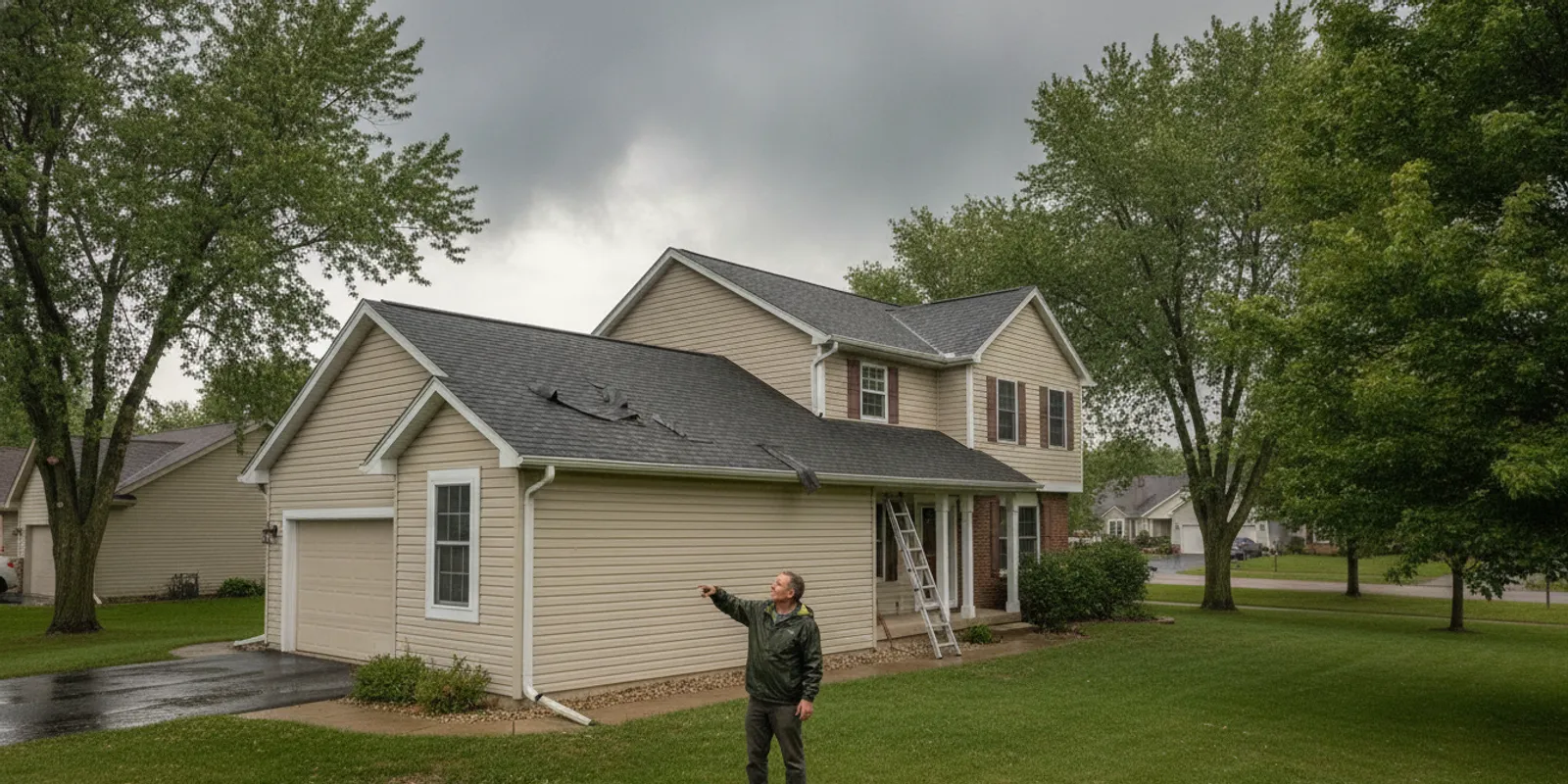
What should roof repair Rogers MN homeowners do first?
Begin inside and around the home, not on the roof. A wet ceiling, water stain, or drip can signal that water has reached the interior, but the visible spot may not be directly below the roof opening. Water can travel along framing or other surfaces before it appears. Note the room, approximate location, and whether the area changes during rain.
If water is actively entering, move belongings away and use a container to catch drips if it is safe. Avoid touching wet electrical fixtures or standing water near electrical equipment. If you see sagging ceiling material, keep people clear of the area rather than pressing on it. For immediate danger, contact the appropriate emergency service.
From the ground, look for visible signs such as shingles that appear out of line, missing material, loose flashing, or debris. Use binoculars or a phone camera with zoom if helpful. Do not use a ladder or walk on a roof to get a closer look. Wet, icy, steep, or damaged surfaces can be dangerous, and an untrained person may worsen the damage. For general guidance on fall hazards and safety, consult the U.S. Occupational Safety and Health Administration.
Take photos of visible conditions and interior effects, and write down when you first noticed them. If the issue followed a storm, note the approximate date and any related observations, such as fallen branches. Keep the record factual; a professional inspection can help determine the likely source and extent of damage. For a leaking shingle area, see the homeowner guide to finding and addressing roof shingle leaks.
Which roof problems call for prompt attention?
Some roof concerns are obvious, while others develop gradually. A visible drip is not the only reason to seek an assessment. Changes in the attic, ceiling, or roof surface can point to a problem that should be examined before it spreads. The signs below are useful observations, not a diagnosis.
- Interior moisture: New stains, damp insulation, peeling paint, or a musty smell near the ceiling deserve attention. Record where and when you find them.
- Missing or displaced shingles: Gaps, uneven rows, or pieces on the ground may leave roof layers more exposed to weather.
- Flashing concerns: Metal or other transition materials around a chimney, vent, or roof edge may appear bent, loose, or separated. These areas need a close professional review.
- Granules in drainage areas: Some granule loss is part of shingle aging, but a notable new accumulation combined with other signs may warrant inspection.
- Repeated trouble in one location: If a leak returns after temporary attention, the original water entry point may not have been found or the issue may involve more than one component.
- Changes after wind, hail, or falling debris: A ground-level view may reveal scattered material or impact marks, but a roof assessment is needed to understand what was affected.
Age and appearance alone do not tell the whole story. Ventilation, past repairs, roof design, the condition of the underlying materials, and the location of the issue can all affect the right next step. A professional can inspect these factors without relying on a homeowner’s view from the yard.
How should you document a roof concern over time?
A simple record can make it easier to explain a changing problem and compare what you observe before and after an assessment. Keep notes focused on facts: where you saw moisture, when it appeared, what the weather was like, and whether the affected area changed. A dated photo of an interior stain can help show whether its outline or color is changing. Do not put yourself at risk to take a photo of the roof.
It may help to keep a short log with these details:
- Date and conditions: Note when you saw the symptom and whether it was during rain, after a thaw, or at another time.
- Location: Identify the room and approximate position, such as near an exterior wall, a ceiling corner, or below an attic space.
- What changed: Record whether a stain grew, a drip stopped, or another sign appeared. Avoid guessing at the cause.
- Actions taken: Note that belongings were moved or a container was placed, if applicable, and whether a contractor has already inspected the home.
- Documents: Keep inspection notes, written scopes, and relevant photos together so you can refer to them during follow-up.
This record is especially useful when a symptom is intermittent. A ceiling may appear dry between weather events, but a dry interval does not prove that the original issue has been resolved. Give the inspector the sequence of events, not just the most recent photo. If there has been prior repair work, mention what was done and when, even if you do not have complete records.
Do not cut into a ceiling, remove roof material, or apply a patch simply to find the source. Unplanned work can create additional damage, obscure evidence, or expose you to a fall or electrical hazard. If you need to limit exposure to belongings while waiting for professional guidance, keep people clear of any sagging materials and do only what is safe from the floor. The contractor can advise what temporary precautions are appropriate for the conditions observed.
How can you prepare for a roof inspection?
A little preparation helps make the visit more useful. Gather the details you already have without trying to access an unsafe area. You do not need to identify the technical cause before requesting an inspection.
- Describe the symptom. Explain whether you saw a leak, a ceiling mark, loose material, or another change. Say whether the issue is active or has appeared more than once.
- Share when it began. Give the approximate date, weather context if known, and any later changes. Separate what you observed from what you suspect.
- Show your photos. Include ground-level roof views and interior locations. Keep original images if you may need to refer to when they were taken.
- Mention prior work. If you know about earlier repairs or roof replacement, share the timing and any records you have. This can help the inspector understand the roof’s history.
- Ask what the assessment includes. Clarify which roof areas and related details will be reviewed, how findings will be explained, and whether the next step is a repair recommendation or further evaluation.
Referred Restoration describes a three-step service process: a free inspection, a custom solution, and professional installation. Its Rogers roofing service page explains the local roofing pathway. Use the inspection to understand the observed condition and ask for a clear explanation of the proposed work.
Should you repair the roof or consider replacement?
A repair may be appropriate when the issue is limited and the surrounding roof remains serviceable. Replacement may deserve consideration when damage is widespread, similar problems recur, or the roof’s overall condition makes isolated work less suitable. Neither decision should be based on one symptom alone. An inspection should connect the visible issue to the condition of the surrounding roof and the relevant layers or components.
The table below is a discussion guide, not a substitute for an on-site assessment. The scope of work depends on what is actually found.
| Path to discuss | When it may fit | What to clarify |
|---|---|---|
| Targeted repair | A localized issue is identified and nearby roof areas appear suitable to retain. | What caused the problem, which materials or details will be addressed, and how the repair will be checked. |
| Further evaluation | The visible symptom has an unclear source, the roof has multiple layers or details to examine, or the first inspection raises questions. | What additional review is needed, what areas remain uncertain, and what information will resolve the uncertainty. |
| Roof replacement | Condition or damage appears broader, repeated repairs have not resolved the concern, or the overall roof is nearing the point where a larger scope should be considered. | What portions are included, how underlying conditions will be handled, which materials are proposed, and how the work will be sequenced. |
Ask the contractor to explain why the recommendation fits your roof rather than presenting a generic answer. If a limited repair is proposed, ask what nearby areas were inspected and what signs should prompt a follow-up. If replacement is proposed, ask what evidence points to a broader need and whether a repair remains a reasonable alternative. Review the separate information about roof replacement in Rogers when you are weighing a larger project.
For any proposed work, request a written scope that identifies the area involved, the work steps, the materials or components, and any exclusions or assumptions. Ask how concealed conditions will be communicated if they are discovered after work begins. You should understand what the contractor has observed and what the proposed work is intended to address before deciding how to proceed.
What should you ask about materials and roof details?
Repairs should account for more than the visible surface. Shingles, underlayment, flashing, ventilation, roof penetrations, and drainage interact. A repair that addresses only the easiest-to-see part may not resolve the actual source of a leak. Ask the inspector to point out the relevant details and explain their role in the recommendation.
- Which roof material is installed, and what condition is it in around the affected area?
- Does the concern involve shingles, flashing, underlayment, a roof opening, or another transition?
- Could water be entering at a nearby detail and traveling before it becomes visible indoors?
- Are there signs that drainage, ventilation, or previous work may be contributing?
- What can be confirmed during the inspection, and what remains uncertain until work is underway?
Homeowners who want to understand the protective layer beneath many roof coverings can read the guide to what roof underlayment does. If a roof has metal panels, the material and fastening system differ from an asphalt-shingle roof; the overview of metal roofs and shingles can help frame questions about the existing assembly. These guides are background reading, not a way to diagnose damage from indoors.
How can you compare roof repair Rogers MN recommendations?
When you request more than one opinion, compare the reasoning and scope instead of looking only at the headline recommendation. Contractors may describe different work because they saw different conditions, use different terminology, or assume different project boundaries. A useful comparison makes those differences visible.
- Match the inspected area. Check whether each assessment addresses the same roof sections and symptoms. A recommendation limited to one slope is not directly comparable to one covering the whole roof.
- Look for a cause-and-response explanation. The proposal should connect observed conditions to the work. Ask for clarification when it names a repair without explaining the reason.
- Compare inclusions and exclusions. Identify whether flashing, debris removal, protection of the work area, or related details are included, if relevant to the proposed scope.
- Ask how changes will be handled. Find out how the contractor will notify you if concealed damage or a different condition appears during work.
- Review materials and work sequence. Understand what will be installed and what steps are planned, including how the affected area will be left at the end of each work period.
- Clarify communication and completion checks. Ask who will explain progress, how questions will be handled, and what you will be able to review when the work is done.
A clear recommendation should leave room for questions. Be cautious about agreeing to a scope you do not understand, especially if the explanation does not identify the observed issue or how the work addresses it. You can also review the company’s roof repair service information for Rogers and ask how the service process applies to your home’s specific condition.
What should Minnesota homeowners consider through the seasons?
Minnesota roofs face changing conditions, from rain and wind to snow, freezing temperatures, and thaw cycles. A roof repair plan should reflect the actual season and the condition on site. Homeowners should not attempt roof work in wet, icy, or unstable conditions. Safe access, appropriate materials, and the details of the repair are matters for the contractor to assess.
After winter, look from the ground for new stains, displaced material, or changes around roof edges. Snow and ice can make roof access hazardous, so leave close inspection to trained professionals. If you are concerned about ice buildup or recurring winter water entry, the homeowner guide to ice dam prevention in Minnesota offers general context; a site-specific inspection is still needed to identify the cause of a particular leak.
During periods of heavy rain, observe whether water appears in the same interior location each time or only under certain conditions. Note the timing rather than assuming that a gutter, roof opening, or shingle is responsible. If drainage concerns are part of the picture, the guide to downspout placement around a home can help explain how roof runoff moves away from the building, while a contractor can assess roof-related drainage details.
Plan ahead when you can. Exterior work is affected by weather and seasonal demand, and an inspection can help distinguish an urgent issue from a project that can be scheduled with more flexibility. If you are unsure which category your situation falls into, explain the current symptoms and ask what needs attention first.
What should you expect on repair day?
The exact sequence depends on the work, roof design, and weather, so ask the contractor to explain the plan for your home before work begins. Confirm the expected work area, where materials and equipment may be placed, and whether anyone needs access to the home or yard. If you have pets, outdoor furniture, or vehicles near the work area, ask whether you should move them.
Before the crew starts, make sure you understand the agreed scope and the main steps. Ask who will answer questions during the visit and how you will be told if the crew finds a condition that changes the work. It is reasonable to ask that any proposed change be explained before you agree to it. This helps prevent misunderstandings about what the repair is intended to address.
Roof work can involve noise and activity around the home. Keep children, visitors, and pets away from the work zone, and do not enter a marked-off area to inspect progress. If the contractor needs to pause because conditions are unsafe, ask how the roof will be left and when the work can resume. Weather and site conditions may affect timing; the appropriate plan depends on the roof and the work underway.
At the end of the visit, ask what was completed, whether anything differed from the original scope, and what follow-up, if any, is recommended. A brief explanation and a record of the completed work will make it easier to monitor the area later. You should not need to climb onto the roof to verify the repair; ask for a safe way to review the work, such as a description or photographs where available.
What should you check when the repair is complete?
Before the crew leaves or soon after the work, ask for a walkthrough or a clear explanation of what was completed. The goal is to understand the finished scope and know what to monitor, not to climb onto the roof yourself. Ask the contractor to show photos or describe the repaired area if direct access is unsafe.
- Confirm that the completed work matches the written scope or that any changes were explained.
- Ask whether the work area was cleared of leftover materials and whether any nearby surfaces need attention.
- Request an explanation of any remaining concerns or conditions that were outside the repair scope.
- Find out what signs should lead you to contact the contractor again and how to reach the appropriate service contact.
- Keep the inspection notes, work description, and photographs with your home records.
Continue checking the interior area that first showed a problem during later rain, but avoid making assumptions from a brief dry period. If moisture returns, document when it occurs and contact the contractor to explain what changed. A useful follow-up starts with the original observation and the work that was completed.
How can Rogers homeowners choose a practical next step?
Make the next decision from what can be observed and verified. Keep people away from unsafe areas, document interior and ground-level signs, and arrange an inspection when symptoms suggest a roof concern. Then ask for a clear explanation of the findings, options, and intended work. Whether the right path is a focused repair or a broader project depends on the roof’s actual condition.
Referred Restoration serves the Rogers area and describes a free-inspection process for roofing concerns. You can also browse the company’s Minnesota exterior restoration blog for related homeowner guides, or review its Cottage Grove service information if you own a home in that community. For a roof repair question in Rogers, share what you observed and ask what inspection and follow-up are appropriate.
Contact Referred Restoration to discuss a roof inspection
Frequently Asked Questions
Can I inspect my roof myself?
Do not walk on the roof or climb a ladder to examine suspected damage. Look from the ground, use photos or binoculars if helpful, and arrange a professional assessment for close inspection. Wet, icy, steep, or damaged surfaces can be hazardous.
Does a ceiling stain always mean the roof needs replacement?
No. A stain indicates moisture has reached that area, but it does not by itself establish the source or the scope of work. A professional should inspect the roof and related details to determine whether a repair, further evaluation, or a broader project is appropriate.
What information should I have ready when I request an inspection?
Share where you noticed the issue, when it began, whether it is active or recurring, and any relevant photos or history of prior work. You do not need to diagnose the cause before you call.
Should I wait until the next rain to confirm a leak?
Do not delay an inspection just to watch for another leak if you have already seen active water entry, new damage, or other concerning signs. Record what you observed and ask a professional how promptly it should be assessed.
Careful observations and a clear inspection give you a sound basis for deciding what your roof needs next.