When shingles are worn, damaged, or nearing the end of their useful life, roofing replacement services in Rogers can help you understand whether a complete roof update is appropriate. The process involves more than choosing a shingle color. A careful project starts with an inspection, connects recommendations to visible conditions, defines the work in writing, and ends with a review of the completed roof.
Schedule a free roof inspection
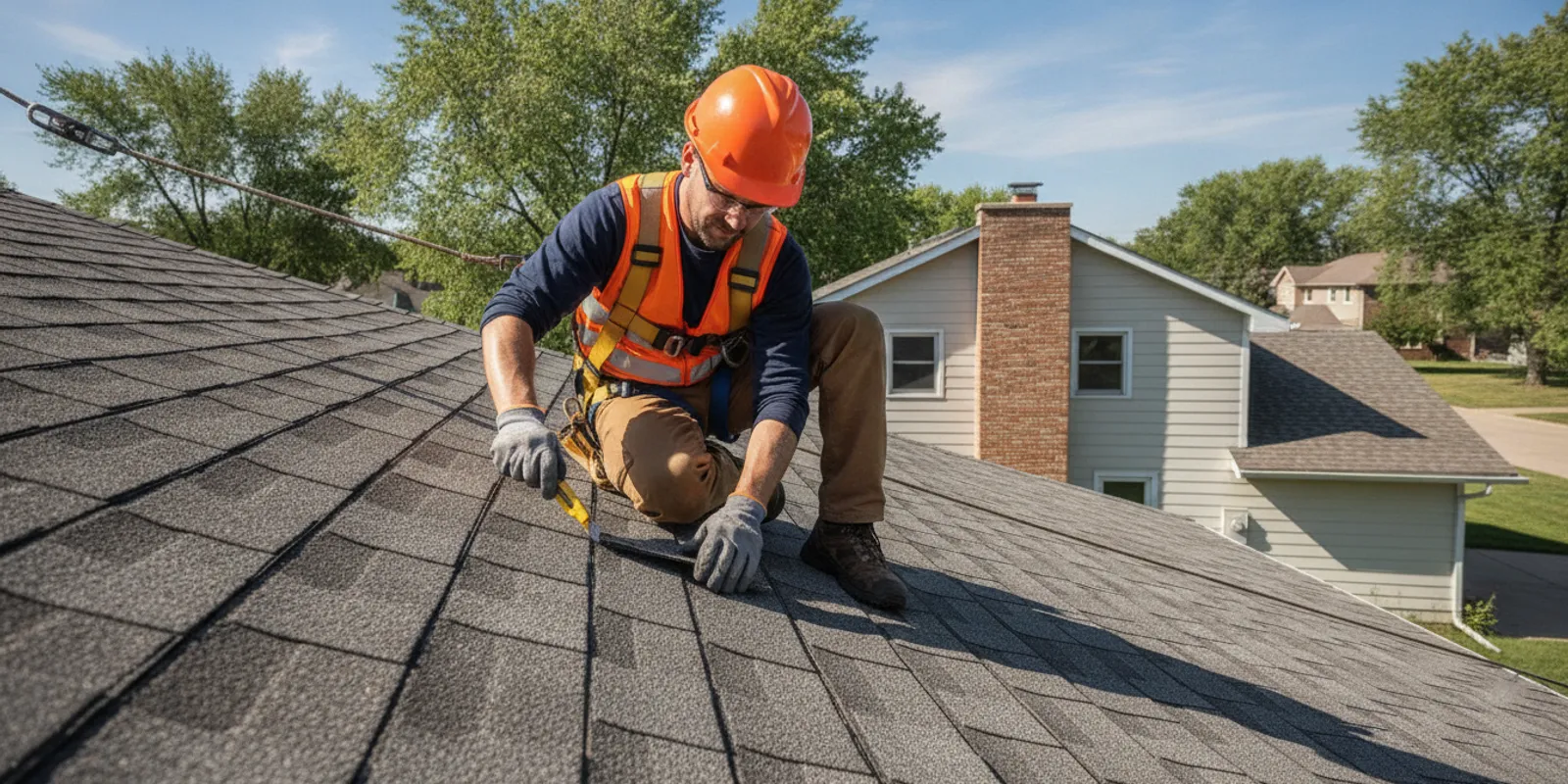
What does the roof replacement process include?
A typical replacement process has several decision points. First, a contractor evaluates the existing roof and listens to your concerns. Next, you discuss whether repair or replacement better fits the observed condition. If replacement is appropriate, the proposal should identify the roof areas, materials, related components, site protections, cleanup plan, and process for handling concealed conditions.
After you review the scope, the contractor coordinates materials and a work date. The crew prepares the property, removes roofing materials as described in the agreement, installs the new roof system, and checks the site when the work is finished. The exact sequence varies with the home, roof design, weather, and findings during removal. Asking what is known, what is assumed, and what could change helps prevent confusion later.
For a local overview of the inspection pathway, review Referred Restoration’s information about a roofing company in Rogers. The goal is not to approve the first recommendation automatically. It is to understand the roof’s condition and make an informed decision.
What happens during the initial roof inspection?
An inspection should look beyond the most obvious missing or damaged shingle. The contractor may examine roof planes, ridges, valleys, edges, flashing, penetrations, visible underlayment, and signs of water entry. Interior observations can also matter. Attic or ceiling staining may help identify where moisture has traveled, although a stain does not always show the exact point where water entered.
Before the visit, write down when you noticed a leak, whether it appears during rain or snow melt, and whether the problem followed a storm. Note missing shingles, exposed materials, granules in downspouts, stains, or drafts that you have observed from safe locations. Take ground-level photographs if conditions allow. Do not climb onto a roof to investigate it yourself.
Ask the inspector to separate confirmed observations from areas that require closer review. Useful questions include:
- Which roof areas show damage or widespread wear?
- What evidence supports repair rather than replacement, or replacement rather than repair?
- Could moisture have affected decking, insulation, ceilings, or nearby exterior components?
- Which conditions cannot be confirmed until existing materials are removed?
- What photographs or written notes will be included with the recommendation?
If the inspection suggests a limited issue, compare it with the company’s information about roof repair in Rogers. If a storm caused the concern, the storm damage restoration pathway may also be relevant.
How can you tell whether replacement is being considered?
A single leak does not automatically mean a new roof is needed. Replacement may be discussed when wear or damage affects a broad area, when recurring problems point to underlying conditions, or when several roof components need attention together. The recommendation should relate to what the contractor observed rather than relying only on the roof’s appearance from the driveway.
Ask for a practical explanation of the alternatives. If a repair is proposed, ask how the contractor will isolate the affected area and what limitations remain. If replacement is proposed, ask which conditions make a broader scope more appropriate. A clear comparison can include the size and location of damage, the condition of surrounding materials, the likelihood of related work, and how each option affects the rest of the roof system.
Be careful when a proposal uses broad language such as “roof work” without identifying the affected areas. Request photographs, measurements when relevant, and a written explanation of the planned approach. Documentation helps you compare proposals that cover the same work instead of comparing a narrow repair with a complete replacement as though they were equivalent.
What should a replacement proposal explain?
Read the written scope before approving work. It should identify the building or roof sections included and describe the major stages of installation. It should also explain what happens to existing materials and how the crew will protect landscaping, siding, windows, driveways, and nearby surfaces.
Ask whether the scope addresses underlayment, flashing, ventilation, drip-edge details, pipe penetrations, valleys, and roof edges. If damaged decking is discovered after removal, the agreement should explain how that change will be documented and approved. Ask for photographs and a clear description before additional work proceeds whenever circumstances allow.
The proposal should make the communication process clear. Confirm the expected start window, anticipated sequence, person to contact with questions, and plan if weather interrupts the work. Ask how cleanup will be performed and how the property will be checked for stray fasteners or debris. Important verbal explanations should be added to the written agreement or an approved change record.
For a local comparison point, review the page about roof replacement in Rogers. A service page does not replace a project-specific scope, but it can help you identify subjects to discuss with the contractor.
Which roof materials and details should you discuss?
Material selection should fit the home, roof design, appearance preferences, and installation requirements. Ask which products are proposed and what documentation applies to them. Referred Restoration’s company information identifies Malarkey roofing products among its materials, so ask which specific product is included in your proposal rather than assuming every project uses the same option.
The visible shingle is only one part of a roof system. Underlayment, flashing, ventilation, edge details, fasteners, and workmanship all affect how the components work together. Ask how the proposed materials are intended to be installed and whether product instructions will guide the work. If your roof has unusual slopes, dormers, skylights, or multiple additions, ask how those transitions will be handled.
Also consider nearby exterior components. Gutters may need attention if they are loose, damaged, or affected during removal. Siding and window trim can be vulnerable around roof edges and wall intersections. If those concerns arise, review gutter installation in Rogers or siding work in Rogers as separate discussions rather than assuming they are included in a roof proposal.
How should you prepare your home for installation?
Roof replacement can involve noise, vibration, foot traffic, deliveries, and activity around the home. Ask the contractor what access is needed and where materials or equipment will be placed. Move vehicles away from agreed work areas. Secure fragile items on walls or shelves, especially in rooms directly below the roof. Keep children and pets away from the active work zone.
Walk around the property before work begins and point out gates, garden beds, outdoor furniture, low branches, delicate surfaces, and areas where access is limited. Ask whether the crew needs a clear path to the roof and where workers will enter. If you work from home or have a sleeping infant, plan for daytime noise and ask whether the schedule can be explained in advance.
- Confirm the work date, arrival expectations, and a contact for questions.
- Clear the driveway or staging area agreed upon with the contractor.
- Move outdoor furniture, planters, decorations, and toys away from the work area.
- Protect or relocate fragile items inside rooms beneath the roof.
- Secure gates and tell the crew about pets or access restrictions.
- Ask how materials, waste, and magnetic fastener sweeps will be managed.
- Confirm how weather delays and schedule changes will be communicated.
Minnesota weather can change an outdoor construction schedule. Ask how an exposed roof will be protected if work pauses and how you will be notified. You can revisit the Rogers roofing service information when planning local questions.
What should you expect on installation day?
The crew typically establishes the work area, protects nearby surfaces, delivers or stages materials, and follows the agreed removal and installation sequence. Depending on the scope, existing materials may be removed in sections so the roof is not left open longer than necessary. New components are installed according to the proposal and requirements of the selected system.
You may not need to remain at home for every stage, but clarify this before the crew arrives. Ask how the team will access the property, whether gates should remain unlocked, and how questions will be handled if you are away. Keep a copy of the written scope available and record approved changes as they occur.
Concealed conditions are one reason a final scope can differ from an initial visual assessment. Examples may include damaged decking, deteriorated flashing, or an issue hidden beneath existing materials. Do not rely on a quick verbal request to expand the work. Ask what was found, request supporting photographs when possible, and make sure you understand the added work before it proceeds.
How should you review the finished roof?
When installation is complete, request a walkthrough or written completion summary. Review the roof from safe ground-level viewpoints. Ask the contractor to show or document areas that cannot be seen from the ground, including vents, valleys, ridge details, and transitions. The point is not to climb up for your own inspection; it is to receive a clear explanation of what was completed.
Check that agreed work areas were addressed and the site was cleaned. Look around driveways, walkways, gardens, and landscaping for leftover materials or debris. Ask whether gutters, siding, windows, or other nearby components were affected. If you notice a concern after the crew leaves, contact the project representative promptly and describe the location with photographs from a safe position.
Keep the proposal, approved changes, product information, invoices or payment records, completion notes, and care or warranty documents together. FEMA provides general homeowner guidance through its after-disaster recovery resources, useful context when organizing records and documenting storm-related property damage. Project documents remain specific to your roof and should be preserved for future questions.
How do repair and replacement options compare?
| Consideration | Repair discussion | Replacement discussion |
|---|---|---|
| Primary focus | A defined area or specific roofing issue | The roof system or a broad area of wear |
| Inspection questions | What caused the issue, and can the affected area be repaired? | What components are included, and what conditions may change the scope? |
| Material review | How will new material blend with or connect to existing roofing? | Which complete system and installation details are proposed? |
| Site preparation | How will the limited work area be protected? | How will deliveries, removal, staging, and full-site cleanup be managed? |
| Records to keep | Location, repair method, photographs, and follow-up notes | Written scope, material details, approved changes, and completion records |
| When to discuss | Damage appears limited and surrounding roof remains serviceable | Widespread wear or recurring issues require broader assessment |
This table is a discussion guide, not a diagnosis. The appropriate path depends on observed roof condition, extent of damage, and limitations of each option. An inspection can connect the recommendation to the actual roof rather than a generic rule.
What questions should you ask before approving the work?
Before moving forward, make sure you understand the work, schedule, and communication process. Consider asking:
- What did you observe that supports this recommendation?
- Could a repair address the issue, and what limitations would it have?
- Which roof sections and components are included?
- What exact materials are proposed?
- How will flashing, ventilation, roof edges, and penetrations be handled?
- What happens if damaged decking or another concealed condition is found?
- How will additional work be documented and approved?
- How will the crew protect the property and manage cleanup?
- What weather conditions could change the schedule?
- What documents will I receive at completion?
If comparing contractors, give each one the same questions and ask for scopes describing the same areas. Proposals are difficult to evaluate when one leaves out components another includes. Clear written answers are more useful than a quick verbal assurance.
Keep a simple project folder with inspection notes, photographs, proposal, signed agreement, approved changes, product details, and final walkthrough notes. Add the date of each communication and the name of the person who answered your question. This record makes it easier to follow the project from the first visit through completion.
For another practical step, review the Rogers roof replacement service page and write down any scope questions it raises; use your own proposal for project-specific answers.
When comparing material choices, ask for the full product names and the components paired with them. A product label alone does not explain how valleys, edges, penetrations, and ventilation will be addressed. Ask whether color choices are available for the proposed product and whether samples can be viewed in daylight beside the home’s siding and trim. Look at a sample from the street as well as close up; a small swatch can appear different across a broad roof plane. Confirm that any selection you make is recorded in the agreement.
Consider a hypothetical example: a homeowner notices one stain after wind-driven rain. The inspection finds a localized issue near a roof penetration, while surrounding shingles and edges appear serviceable. A focused repair discussion may be appropriate, with the contractor explaining how the transition will be sealed and what to monitor. In a different case, several roof areas show wear and moisture concerns recur in separate rooms. That pattern calls for a broader assessment and a comparison of repair limits with a replacement scope. These examples are not diagnoses; they show why observations and documentation matter.
Timing and access deserve a separate conversation in Minnesota. Ask whether deliveries can be staged without blocking a garage, whether a shared driveway needs to remain clear, and how the crew will avoid garden beds or exterior fixtures. If rain or high winds interrupt work, ask what temporary protection will be used and who will check that it remains secure. Agree on how updates will arrive, such as a call or message, so you are not left guessing whether the schedule has changed.
Frequently asked questions
Does every leak mean I need a new roof?
No. A leak may come from a limited area or a particular roof detail. An inspection can help determine whether a repair may address it or whether broader wear needs attention.
Can I inspect the roof myself?
Stay off the roof. You can note interior stains and take pictures from the ground, but a professional should assess elevated areas with appropriate safety equipment.
What should I do after storm damage?
Keep people away from unsafe areas, document visible damage from the ground, and note active leaks. Protect belongings below a leak if you can do so safely, then contact a qualified contractor to discuss an inspection and next steps.
What should I keep after replacement?
Save the signed scope, approved changes, product details, completion notes, and care or warranty documents provided. These records can help with future questions about the work and nearby exterior components.
Should gutters be discussed during a roof replacement?
Yes. Gutters and downspouts are connected to roof drainage and may be affected by access or removal work. Ask whether they were inspected, protected, adjusted, or excluded from the roof proposal.
Contact Referred Restoration online to discuss your roof inspection
Understanding the inspection, written scope, installation plan, property preparation, and final review can make roofing replacement services in Rogers easier to manage. Keep your questions and project records together so each decision is grounded in the work proposed for your home.