A roof inspection is most useful when it answers more than whether shingles look worn. Saint Michael homeowners need a clear view of the roof system, the property’s weather exposure, and the work a contractor is actually prepared to explain in writing. The right conversation starts before any recommendation is made.
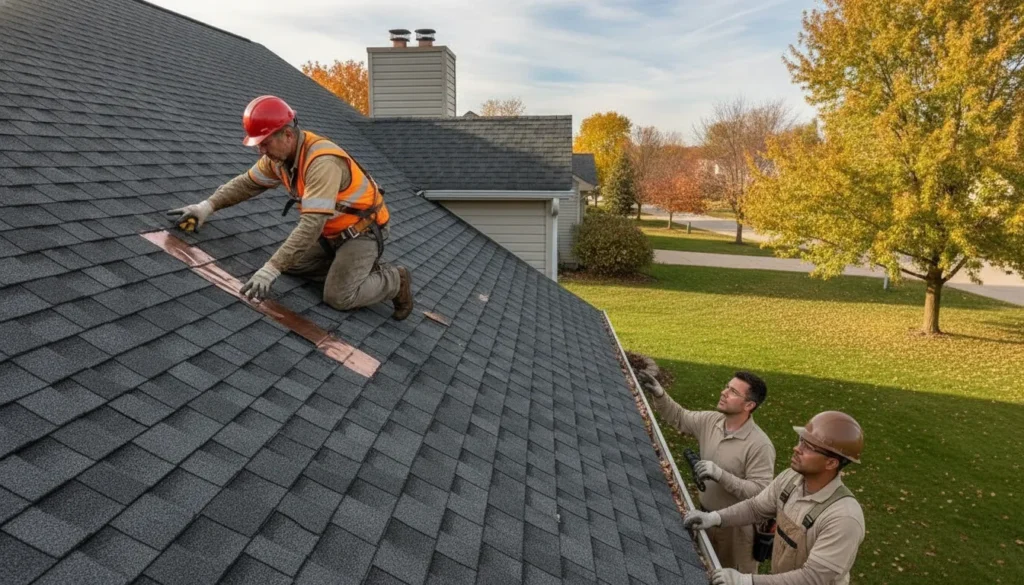
When evaluating roofing contractors saint michael mn, confirm they can serve your address, ask for a property-specific inspection, and compare written scopes that identify observed damage, recommended work, and areas that could not be accessed.
Because service availability can vary, confirm it directly before scheduling. Then ask each contractor to explain what they found, how roof planes, flashing, edges, ventilation, and drainage relate, and whether the evidence points toward a repair, replacement, or storm assessment.
Contact Referred Restoration online
The first useful test is simple: can the contractor explain the roof’s condition in specific, understandable terms? Here is what that explanation should cover first.
What should roofing contractors in Saint Michael explain first?
The first conversation should be about the home in front of them, not a standard recommendation. A useful contractor begins with a property-specific inspection and explains what was observed, where it was observed, and what remains uncertain. That may include the roof planes, shingles, flashing, penetrations, edges, gutters, downspouts, attic areas that are safely accessible, and interior signs such as water stains. Minnesota guidance also emphasizes checking for missing or damaged shingles and signs of leaks after a storm. See the overview of Minnesota residential roofing systems for more context on how the visible covering fits into the larger assembly.
Saint Michael homeowners should also ask how the inspection accounts for local weather exposure. Wind, snow, freeze-thaw cycles, heavy rain, and ice can affect different parts of a roof system in different ways. A contractor should connect those conditions to evidence on the property rather than use weather as a reason to assume damage. If a storm is part of the concern, photographs and a clear record of affected areas can help separate storm-related findings from older wear or unrelated maintenance issues.
Understand the roof as a system
Roofing is more than the shingles visible from the ground. Flashing at roof transitions, walls, chimneys, skylights, and other penetrations helps manage water, while edges, ventilation components, and drainage affect how the assembly performs. Improperly installed or sealed flashing connections can allow rain to penetrate, so the inspection should identify those locations when relevant. The contractor should also explain whether an observed issue appears limited to one component or may involve adjacent materials, decking, attic conditions, or interior finishes.
Separate repair evidence from replacement evidence
A responsible recommendation distinguishes a localized defect from widespread deterioration. A missing shingle, isolated flashing problem, or defined leak may support a repair discussion. Broad damage, extensive wear, recurring leaks, or concerns discovered across multiple roof areas may require a more detailed replacement evaluation. The conclusion should be tied to photographs, inspection notes, and the condition of the roof system, not urgency alone. Homeowners can review additional warning signs in this guide to Minnesota roof repair warning signs.
Finally, confirm local availability before scheduling the next step. A company may serve nearby communities without accepting every Saint Michael project, so ask directly whether the property is within its current service area. That simple confirmation prevents confusion and makes sure the inspection, written scope, and follow-up plan are connected to the right home and location.
How can you screen roofing contractors Saint Michael MN homeowners can trust?
Start by confirming that the contractor can actually evaluate your Saint Michael property. Service areas can change, and a listing or search result is not proof of current availability. Ask whether the company serves your address, whether it handles the type of roof you have, and who will perform the inspection. Also verify any license, insurance, or other credential directly with the contractor and the relevant issuing organization. A trustworthy company should answer these questions plainly.
Next, ask what the inspection found and how the representative reached that conclusion. Request photos or clear descriptions of affected areas, such as shingles, flashing, roof edges, penetrations, ventilation, or drainage. If the recommendation involves storm damage, ask which observations support that assessment. A careful inspection should distinguish visible damage from conditions that require additional evaluation. Be cautious of a recommendation that is based only on a quick visual impression or pressure to decide immediately.
Before agreeing to work, request a written scope. It should identify the work area, recommended repair or replacement pathway, materials, preparation, flashing or underlayment work when applicable, cleanup, and the expected next steps. It should also state what is excluded. For example, ask whether the scope includes only the roof covering or also addresses related areas such as vents, fascia, gutters, or water-management concerns. Clear exclusions help prevent misunderstandings when work begins.
| What to compare | Question to ask |
|---|---|
| Inspection findings | What was observed, and where? |
| Scope | Which roof areas and related details are included? |
| Exclusions | What is not included or still needs evaluation? |
| Follow-up | Who documents changes and answers questions? |
Use the same practical standard to evaluate communication. Does the contractor explain the findings in language you can understand? Are questions answered consistently? Do you know who to contact, what decisions are still open, and how changes to the scope will be documented? Good communication is especially important after wind, hail, snow, or freeze-thaw exposure, when several exterior conditions may appear connected.
Referred Restoration describes an inspection-first process built around a documented inspection, a custom solution, and professional installation. Homeowners interested in that process should still confirm Saint Michael availability before scheduling. The right contractor should be willing to explain the evidence, tailor the recommendation to the property, identify exclusions, and give you time to compare the written scope without pressure.
What should a Saint Michael roof inspection cover?
A useful inspection should examine the roof as a connected system, not treat one stain or missing shingle as a complete diagnosis. Before the appointment, make a short list of leaks, ceiling marks, drafts, recent storms, prior repairs, and any changes you have noticed from the ground. Gather photos taken safely from windows or the yard, but do not climb to get a closer view.
- Start with the roof surface. The inspector should look for missing, lifted, cracked, curled, or visibly worn shingles, exposed areas, granule loss, and other signs that may warrant closer review. These observations are clues, not a diagnosis by themselves. Roof age, slope, previous repairs, and overall pattern matter when deciding what to investigate next.
- Check flashing and roof penetrations. Areas around chimneys, skylights, vents, pipes, walls, and other penetrations can allow water to enter when their surrounding materials or seals have deteriorated. Ask the inspector to identify which locations were examined and whether any finding appears localized or connected to a broader roof-system concern.
- Review edges and drainage paths. Eaves, rakes, valleys, gutters, downspouts, and other roof edges should be considered together. Blocked or poorly functioning drainage can affect more than the roof itself. Ask whether water appears to be moving away from the home and whether nearby siding, fascia, or foundation areas show visible evidence of runoff.
- Trace visible leak evidence without assuming the source. Interior stains, damp insulation, peeling paint, or a musty area can help direct the inspection, but water may travel before it becomes visible. Share when the symptom appears, especially after rain, snow, wind, or a temperature change. The location of an interior mark may not match the roof entry point.
- Look for storm-related damage. The review should note visible evidence that may follow wind, hail, or falling debris, while separating storm observations from ordinary wear and earlier repairs. Ask which findings should receive prompt attention, which can be monitored, and what documentation would support the next assessment. Do not assume that every problem seen after a storm was caused by that storm.
- Ask about inaccessible areas and the written follow-up. Some roof sections may not be safely or practically accessible during the visit. A clear photo set or written summary should state what was inspected, what could not be inspected, the observed concerns, and the recommended next step. Ask whether the recommendation is repair, further assessment, replacement discussion, or monitoring, and what evidence supports it.
Never climb an icy, wet, steep, or otherwise unsafe roof to prepare for an inspection. A professional can explain safer ways to document concerns and determine whether an inspection can be completed safely. If a contractor cannot access a section, that limitation should be documented rather than guessed away.
When does a roof need repair instead of replacement?
A localized problem does not automatically mean the entire roof needs to be replaced. A small leak around flashing, a limited group of missing shingles, or damage confined to one area may be suitable for repair when the surrounding roof system remains in workable condition. The recommendation should account for the source of the problem, the condition of nearby materials, and whether the repair can address the water-entry path rather than only the visible symptom.
Leaks deserve prompt attention even when the interior mark looks minor. Water can travel away from its entry point through walls and other building materials, and an unchecked leak can contribute to rot or damage. In Minnesota, snow and ice dams can also push water into openings in the roof covering. The University of Minnesota Extension explains that backed-up ice-dam water can reach walls, ceilings, and insulation: learn how ice dams can cause interior damage.
When localized repair may be reasonable
Repair may be a sensible pathway when an inspection finds a defined issue such as damaged flashing. A small leak with a traceable source, or missing shingles in an otherwise consistent roof area. The inspection should also check penetrations, edges, drainage paths, and the materials surrounding the damaged spot. Replacing a visible shingle without addressing failed flashing or water movement may leave the underlying problem unresolved.
After wind or hail, take photographs from the ground and document when you noticed the issue. Do not climb onto an icy, wet, or otherwise unsafe roof. A Vermont state roof-maintenance checklist notes that walking on roofs can be dangerous and that close inspection should be handled by people familiar with safe roofing practices. Your photos can preserve useful context, while an on-site assessment can determine what requires attention.
When replacement deserves a closer review
A replacement discussion may be appropriate when damage is widespread, wear is severe, or the roof system no longer supports a durable repair. Multiple affected areas, recurring leaks, failing surrounding materials, or conditions that make isolated patches unreliable are reasons to ask for a fuller evaluation. These signs are not a diagnosis by themselves. Roofs differ by age, slope, ventilation, flashing, drainage, prior repairs, and exposure to Minnesota weather.
Ask the inspector to show the evidence behind the recommendation. A useful written assessment should distinguish confirmed damage from areas that need monitoring. Identify inaccessible locations, explain why repair or replacement is being considered, and describe the next step. If storm damage is suspected, keep photographs, dates, and inspection records together. A professional can document observed conditions, but no inspection can guarantee an insurance outcome.
The right choice is the one supported by the roof’s actual condition, not by a one-size-fits-all rule. Compare the findings, the proposed scope, and the explanation of how the work addresses the source of the problem before deciding.
Ask what happens after the immediate issue is addressed. A contractor may recommend monitoring a nearby area, checking an interior finish, or scheduling a follow-up after the next storm. Knowing that plan can prevent a small repair from becoming an unresolved question.
Good documentation also helps if a future contractor reviews the same roof. Keep the inspection date, photos, scope, and notes about prior work. Clear records make it easier to explain what changed and what remains part of the roof’s history.
How do roofing, gutters, and storm response fit together?
A roof does not work as an isolated surface. Water moves from the roof edge into gutters and downspouts, while flashing, siding, windows, soffits, fascia, ventilation, and the surrounding drainage pattern all influence how a home handles Minnesota weather. A useful inspection therefore looks beyond missing shingles or visible stains and asks how the exterior systems work together.
Start with the roof and its edges. A written scope should identify the affected work area, relevant flashing or underlayment details, cleanup, exclusions, and next steps. It should also note conditions that may need coordination with another exterior system. For example, a roof-edge concern may involve the gutter or fascia. While moisture around a window may require careful review of the roof, wall, flashing, and siding rather than a quick assumption about the source. You can review roofing inspections and services for a broader look at the inspection-first approach.
Gutters are part of that water-management discussion. They collect runoff, and downspouts should direct water away from the foundation. Blockages, leaks, sagging sections, or poor discharge can leave water against siding and foundation areas, even when the roof covering itself appears intact. A roof assessment should document visible drainage concerns and clarify whether they belong in the same scope or need separate work. See the guide to gutter inspections and services for the related service options.
Ventilation also deserves a question, especially when a homeowner has recurring moisture, winter condensation, or ice-dam concerns. Do not assume a single symptom proves a ventilation defect. Ask what was observed, which areas were accessible, and whether the recommended next step addresses the roof covering, attic conditions, insulation, drainage, or more than one system. Windows and siding should be considered in the same evidence-based way when water appears near an opening or along an exterior wall.
Storm response follows the same sequence: make the situation safe, document visible conditions, protect an opening when appropriate, and arrange an inspection before deciding on permanent work. Hail, wind, snow, and freeze-thaw conditions can affect several exterior components at once. A temporary measure may protect the home while the full scope is clarified, but it does not replace an assessment. For warning signs that should not be ignored, read about Minnesota roof repair warning signs. If inspection findings support a broader project, Minnesota roof replacement planning can help organize the questions to ask.
Referred Restoration is based in Rogers, and Saint Michael availability should be confirmed before scheduling. Whatever the next step, the strongest plan connects the roof findings to drainage, exterior surfaces, and storm-related conditions instead of treating each symptom as a separate guess.
Contact Referred Restoration online to discuss an inspection-first next step.
Frequently Asked Questions
How should I choose a roofing company for my Saint Michael home?
Start by confirming the company actually serves your area, then ask for an inspection and a written scope of work. The scope should explain the affected areas, proposed materials, flashing or underlayment details when relevant, cleanup, exclusions, and next steps. Verify licenses, insurance, and other credentials directly rather than relying only on a directory listing. A clear assessment should explain what was observed and distinguish urgent work from items that can be monitored.
How do I know whether my roof needs repair or replacement?
That decision should follow an inspection, not a sales deadline. A localized leak, flashing problem, or limited missing-shingle damage may support a repair when the rest of the roof system remains suitable. Widespread damage, severe wear, or a system that cannot support a durable repair may lead to a replacement discussion. Ask the inspector to show the evidence and explain the alternatives.
What should I ask during a roof inspection?
Ask what areas were inspected, which areas were inaccessible, and whether the findings involve the roof covering, flashing, penetrations, ventilation, gutters, or drainage. Request photos or notes that identify observed deficiencies and ask which issues need prompt attention. Do not climb an icy or unsafe roof yourself. A professional evaluation is appropriate when access presents a safety concern.
What should I do after hail, wind, snow, or ice-dam damage?
Document visible concerns from a safe location and arrange an inspection. Snow and ice can obscure the roof, while water from an ice dam may enter through the roof covering and damage walls, ceilings, or insulation. The inspection can help determine whether temporary protection, repair, additional assessment, or a replacement discussion is the appropriate next step. Keep documentation and do not assume an insurance claim will be approved.
Why should I compare written roofing scopes?
Written scopes make it easier to compare what each contractor actually proposes. Look for the work area, materials, flashing and underlayment details, cleanup, exclusions, and responsibilities for related gutters or drainage. If two scopes differ, ask why before choosing. The most useful comparison is based on documented conditions and complete next steps, not pressure or vague promises.
Ready to Discuss Your Roofing Options?
An inspection can help clarify whether your next step is a focused repair, a broader replacement discussion, or additional assessment. Referred Restoration can review your roofing concerns and help you understand the available path. Confirm service availability for your property, then contact Referred Restoration online to request an inspection. You can also call (763) 726-4245.