Minnesota weather asks a lot of a roof. Snow, hail, freeze-thaw cycles, and summer heat can make an aging system less dependable long before a problem is obvious from the ground. Planning early gives you time to evaluate the roof, compare materials, and schedule work around weather rather than reacting to an active leak.
Contact Referred Restoration online for a free inspection, or call (763) 726-4245.
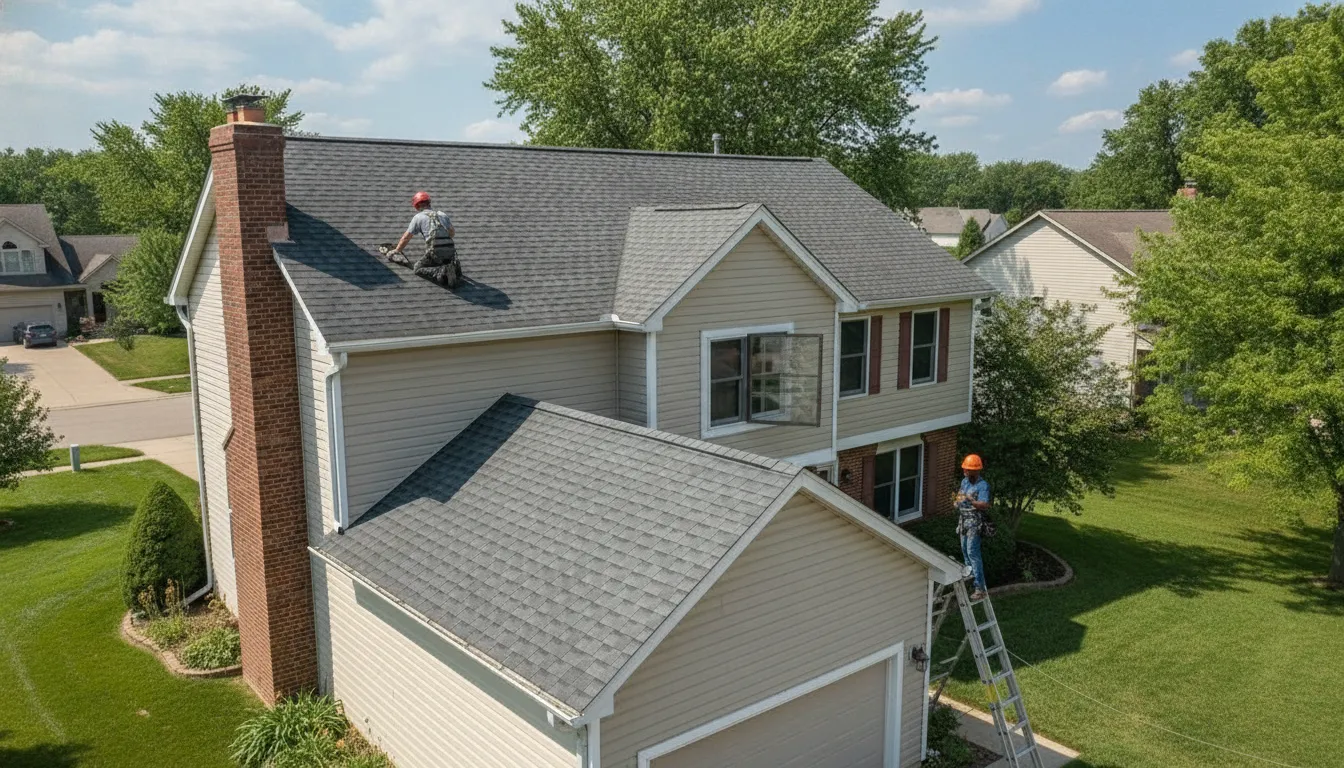
For homeowners in Rogers, Cottage Grove, St. Francis, Monticello, and nearby communities, the right plan starts with an honest assessment. From there, timing, material choice, installation details, and routine care all shape how well the roof serves your home.
When should you start planning for a new roof?
Answer: Referred Restoration recommends starting with a professional inspection when a roof is aging, showing visible wear, or has experienced severe weather. Widespread damage or an aging system may call for a new roof, but an inspection should determine whether repair, monitoring, or replacement is the right next step.
Start with two questions: How old is the roof, and what can you observe from the ground or attic? Planning early gives you time to arrange an inspection, compare materials, and choose a contractor without making a rushed decision. It also gives you room to address ventilation, flashing, drainage, and roof-deck concerns before installation begins.
Age is an important planning signal. Asphalt shingle roofs are commonly described as lasting about 20 to 30 years, while many metal roofing systems can last 40 years or more. Those ranges are not guarantees. Installation quality, ventilation, weather exposure, roof slope, product selection, and maintenance all affect performance. Treat age as a reason to evaluate the roof, not as proof that replacement is automatically required.
What signs should you look for?
Visible changes can help you decide when to request a professional assessment. Look for:
- Curling or lifting shingles: Distortion can signal aging or weather exposure.
- Missing or displaced shingles: Open areas can leave the roof assembly more vulnerable to water.
- Missing granules: Bare or thinning areas can indicate surface wear.
- Leaks or ceiling stains: Water entering the home deserves prompt attention.
- Damaged flashing: Problems around chimneys, vents, skylights, and roof transitions can create entry points.
- Sagging or uneven areas: Changes in the roof line should be evaluated rather than covered up.
These signs indicate that replacement should be evaluated, but one symptom alone does not establish the right solution. A roofing professional should examine the roof system, identify the source and extent of damage, and explain whether repair, monitoring, or a full replacement makes sense. After a major weather event, an inspection can also help document the roof’s condition before you make decisions.
Homeowners in Rogers and nearby communities can begin by reviewing Rogers roofing services and requesting an inspection-focused conversation. Ask what the inspection covers, which findings support the recommendation, and what work would be completed first. A clear explanation is more useful than pressure to sign immediately.
It is also worth doing contractor research before an urgent problem develops. When comparing companies, confirm licensing and insurance details, ask for a written scope, and look for a communication process that answers your questions. This guide on how to choose a qualified Minnesota roofer can help you organize those questions. The goal is a well-supported plan that protects your home and fits the roof’s actual condition.
How do you choose materials for a Minnesota new roof?
Answer: The best material for a Minnesota new roof depends on the home’s design, roof slope, weather exposure, desired service life, maintenance expectations, and appearance. Referred Restoration works with asphalt shingles and metal roofing, including premium Malarkey products, so homeowners can compare a suitable roofing system rather than choose by appearance alone.
Material selection should begin with how your home handles Minnesota weather, how long you want the roof to serve you, and how the finished exterior should look. Asphalt shingles and metal roofing can both be sound choices, but they create different maintenance expectations and visual results. A roofing professional can also evaluate the roof design, ventilation, flashing, and other details that affect how well either material performs.
| Consideration | Asphalt shingles | Metal roofing |
|---|---|---|
| Expected service life | Often described as a 20 to 30 year product, depending on the product and installation conditions. | Many options can last 40 years or more when properly installed and maintained. |
| Minnesota climate fit | A practical, familiar choice for homes exposed to snow, hail, freezing temperatures, and seasonal weather changes. Product quality and installation details matter. | A durable option for homeowners seeking a long-lasting roof system. The panel profile, protective finish, and fastening details should match the home and local conditions. |
| Appearance | Available in many colors and profiles, including premium Malarkey products used by Referred Restoration. | Offers clean lines and a distinct architectural appearance. It can complement modern, traditional, and agricultural-inspired homes. |
| Maintenance focus | Plan for periodic checks for damaged, displaced, or aging shingles, along with attention to penetrations and flashing. | Inspect panels, fasteners, seams, flashing, and areas where different materials meet. Coatings and finish condition also deserve attention over time. |
| Installation details | Requires a properly prepared roof deck, underlayment, flashing, and ventilation strategy. | Also requires careful detailing around penetrations, edges, valleys, and ventilation. The system must be installed for the specific panel design. |
Color and energy performance deserve a closer look when you are planning a roof replacement. The U.S. Department of Energy explains that white or specially designed cool-color roofs absorb less sunlight, stay cooler in the sun, and transmit less heat into a building. Its guidance also notes that cool roofing can reduce annual air-conditioning energy use in warm or hot climates. That figure is not a promise for a Minnesota home, where heating needs and seasonal conditions are different. But reflectance can still be one factor in a thoughtful material and color decision.
The Department of Energy recommends considering cool roofing when construction, an energy retrofit, or a roof replacement is planned. Read more about selecting energy-efficient roof shingles before choosing a color or shingle design. The best decision balances durability, roof slope, ventilation, appearance, and the way your home manages water and temperature throughout the year.
How long does a new roof replacement take?
Answer: Referred Restoration states that most roof replacements take about 1 to 3 days once the crew is ready and weather cooperates. The complete project timeline is longer because it includes inspection, material selection, scope confirmation, scheduling, property preparation, installation, cleanup, and a final review. Roof size, complexity, and weather can change the schedule.
A roof replacement has two different timelines: the planning period before work begins and the active installation period at your home. Separating them helps you set realistic expectations. Choosing materials, confirming the scope, reviewing ventilation and flashing details, and selecting an installation date all happen before the first shingle is removed.
Once the crew is ready and the weather cooperates, the installation itself is often much shorter. A typical replacement takes about 1 to 3 days, depending on the roof size and weather conditions. A complicated roof with multiple sections, difficult access, extensive deck work, or many penetrations may require additional planning. Rain, strong wind, snow, ice, and unsuitable temperatures can also delay the start or pause work for safety and installation quality.
- Inspection and scope review: Start with an inspection to understand the roof’s condition and identify details that may affect the work. Multiple roof sections, penetrations, ventilation, and areas that need closer evaluation should be documented. This is also the time to discuss material options and the overall project scope.
- Material and schedule confirmation: Confirm the selected roofing system, colors, accessory details, and installation plan. The contractor can then coordinate delivery and choose a suitable work window. Planning earlier can provide more flexibility during Minnesota’s busiest weather-friendly seasons.
- Weather-ready installation: Minnesota weather is a major scheduling factor. Rain, strong wind, snow, ice, and unsuitable temperatures can delay the start or pause work. A short period of bad weather does not necessarily indicate a problem, but it can move the completion date.
- Homeowner preparation: Before work begins, clear vehicles and movable items from the work area. Secure fragile items inside the home, and arrange for pets and children to stay away from the active site. Ask where materials will be placed and how the driveway, landscaping, and entry areas will be protected.
- Installation and final review: The crew completes the planned roofing work, protects the property, and cleans the site. A final walkthrough gives you an opportunity to review the finished roof, care instructions, and any documentation before the project is closed.
For Minnesota homeowners, the best time to begin is before a leak or storm concern becomes urgent. An inspection can clarify whether you need immediate work or simply a well-organized plan for a future new roof. Build flexibility into the schedule for weather, and judge the project by thorough preparation and workmanship rather than speed alone.
What happens during the roof replacement process?
Answer: A roof replacement typically moves from inspection and scope confirmation to property protection, tear-off. Roof-deck review, underlayment and flashing work, installation of the new covering, cleanup, and a final walkthrough. Referred Restoration’s process emphasizes a clear scope and professional installation so homeowners understand what is being done before work begins.
A well-managed roof replacement follows a clear sequence. The work should begin with an inspection, not an assumption that every visible issue requires a complete replacement. The contractor evaluates the roof’s condition, identifies areas that need attention, and discusses the scope with you. Confirm the roofing material, color, ventilation approach, flashing details, and access or landscaping concerns before installation begins.
Once the plan is confirmed, the crew prepares the property. Protection may be placed around landscaping, siding, windows, doors, and other areas near the work zone. The crew then removes the existing roofing materials in a controlled tear-off. This exposes the roof deck so its condition can be reviewed instead of covering a problem that needs to be addressed first.
During that review, the contractor checks the deck, edges, valleys, penetrations, and flashing locations. Water management is a connected system, not just the visible shingle surface. The University of Minnesota Extension explains that a home’s drainage plane includes flashings and roofing components. Its elements begin at the foundation and continue upward, directing water away from the structure. That is why details around walls, chimneys, vents, skylights, and roof transitions deserve careful attention during replacement.
After the deck and water-management details are ready, the crew installs the underlayment and the new roofing system according to the selected product requirements. Shingles or other roof coverings are installed in planned courses, with attention to edges, valleys, ridges, and penetrations. Ventilation components are addressed as part of the system rather than treated as an afterthought. The goal is a roof assembly that sheds water reliably and fits the home’s existing exterior details.
Weather can affect the active installation schedule, and the crew may adjust the sequence to keep exposed areas protected. The installation commonly takes 1 to 3 days, depending on roof size and weather. Homeowners can get a more detailed overview in this guide to what to expect during roof installation.
Cleanup is part of the job, not a separate favor. The crew removes tear-off debris, checks the work area, and looks for stray materials around the property. A final walkthrough gives you an opportunity to review the finished roof, ask questions about care, and confirm remaining documentation. For homeowners in Rogers and nearby communities, Referred Restoration provides Rogers roofing services with a local, consultative approach to the replacement process.
How should you care for a new roof after installation?
Answer: Protect a new roof by saving warranty and product records, checking it from the ground after severe weather, and keeping gutters and downspouts clear. Preserve attic airflow, trim risky branches, and report leaks or damage promptly. Referred Restoration can help evaluate concerns without encouraging unsafe roof access or do-it-yourself repairs.
Good follow-up care helps you protect the work and notice small issues before they become disruptive. Before the crew leaves, keep the final paperwork in a safe place. Save the material and workmanship warranty details, product information, permit records if provided, color and shingle details, and the contractor’s contact information. Ask what maintenance the roof system requires and where flashing, vents, and other penetrations were checked.
Make visual checks from the ground after major weather, but do not climb onto the roof. Look for loose or displaced material, visible debris, damaged flashing, or branches resting against the roof. If you see anything unusual, take a photo from a safe location and contact the installer. A new roof should not be treated as something to inspect by walking across it, especially when surfaces are wet, icy, or steep.
Keep water and airflow moving
Clean leaves and other debris from gutters and make sure downspouts discharge water away from the foundation. Roofing and drainage components work together as part of the home’s water-management system. The University of Minnesota Extension explains that drainage-plane elements extend from the foundation to the roof and should direct water away from the structure. Use these tips for choosing the right gutter system when evaluating gutter improvements or replacements.
Stay aware of attic ventilation, too. Do not cover or block vents during storage or insulation projects, and ask the contractor to explain how intake and exhaust ventilation function together. Watch for persistent condensation, damp insulation, musty odors, or unusual temperature changes in the attic. These observations do not automatically prove a roof defect, but they deserve timely evaluation.
Respond carefully to Minnesota weather
Trim back limbs that can scrape the roof, and arrange debris removal without dragging tools or equipment across the shingles. After snow, avoid using a shovel, rake, or other tool directly on the roof unless a qualified professional recommends a safe method. Do not chip at ice dams or attempt hazardous roof access. If winter buildup or storm debris concerns you, request an assessment instead.
Report stains, drips, damp attic areas, or suspected storm damage promptly. Do not assume a small leak will resolve on its own. These regular roof maintenance tips can help you recognize common warning signs, while a professional can trace the source and recommend the appropriate next step. Schedule a periodic professional inspection, particularly after severe weather, and keep a simple record of inspections and repairs. That documentation supports warranty questions and gives future technicians useful context.
Contact Referred Restoration online for a free inspection, or call (763) 726-4245 to discuss your new roof.
Frequently Asked Questions
Should a 20-year-old roof be replaced?
Not automatically. A roof around 20 years old deserves a professional evaluation, especially if it has visible wear, repeated repairs, or storm exposure. The condition of the shingles, underlayment, flashing, ventilation, and roof deck should guide the decision. An inspection can separate normal aging from problems that require replacement.
What are the signs you need a new roof?
Common warning signs include curling shingles, missing granules, leaks, damaged flashing, sagging areas, and significant age. These symptoms do not all mean replacement is immediately necessary, but they justify an inspection. A roofing professional can determine whether a targeted repair or a complete replacement is the more appropriate solution.
What materials are best for a new roof in Minnesota?
There is no single best material for every home. Asphalt shingles are a practical choice for many Minnesota homeowners, while metal roofing can offer a longer service life and a different appearance. Consider weather exposure, roof design, ventilation, maintenance expectations, and the look of the home before choosing. A qualified roofer can compare suitable options for your property.
How long does a new roof replacement take?
Active installation commonly takes 1 to 3 days, depending on roof size and weather conditions. Scheduling, material confirmation, inspections, and weather delays can extend the overall project timeline beyond the installation itself. Ask the contractor which parts of the schedule are confirmed and which depend on weather or conditions found after tear-off.
When should you schedule a roof inspection?
Schedule an inspection when you notice leaks, missing or curling shingles, storm damage, attic moisture, or unexplained ceiling stains. It is also sensible to arrange an evaluation before a major renovation or when the roof is approaching the end of its expected service life. Prompt assessment helps you plan calmly instead of waiting for a more disruptive problem.
Ready to Plan Your New Roof?
A professional inspection can help you understand your roof’s condition, clarify the next steps, and plan work around your home’s needs and Minnesota weather. Referred Restoration offers a practical, customer-first approach for homeowners who want clear guidance before making a roofing decision.
Contact Referred Restoration online to request a free roof inspection
You can also call (763) 726-4245 to talk with the team.