A small roof problem can stay out of sight until Minnesota weather gives it a chance to spread. A loose flashing detail, damaged shingle, or faint ceiling stain can become a larger water-intrusion issue through rain, snow, ice, and repeated freeze-thaw cycles. This guide focuses on Rogers, Cottage Grove, St. Francis, Monticello, and nearby Minnesota communities.
Contact Referred Restoration online
Timely roof repairs help protect your home by stopping water before it reaches insulation, decking, or structural framing. Start with signs that threaten water protection or structural integrity. Arrange a professional evaluation when damage is active, difficult to reach, or unclear, especially after wind, hail, heavy snow, or ice.
Not every concern requires the same response. The right next step depends on where the damage appears, whether water is entering now, and how severe the affected area is. A practical priority check helps homeowners act without guessing.
What Roof Repairs Should Minnesota Homeowners Address First?
Minnesota homeowners should address active leaks, sagging roof areas, storm damage, exposed roof materials, and failed flashing first. These conditions can allow water into the roof assembly or signal a structural concern. Document what is visible from the ground, protect belongings indoors, and arrange an inspection before attempting a risky roof repair.
When several roof problems appear at once, start with the issue that threatens structural integrity or allows water into the home. A missing shingle matters, but an active leak over a finished room or a visibly sagging roofline deserves faster attention. If the issue follows wind, hail, or heavy snow, document the visible condition from the ground before arranging a professional evaluation.
- Address active leaks and interior water damage. A ceiling stain or wall mark may be an early clue, even when the source is not directly above it. Move belongings away from the area and contain dripping water only when safe. Water can affect insulation and roof materials before exterior damage is obvious. Learn how to identify a roof leak from inside the home before investigating.
- Escalate sagging or uneven roof areas. A dip in the roofline, sagging deck, or new ceiling movement may indicate weakened decking or framing. Avoid climbing onto a steep or damaged roof. A professional should evaluate the structure and determine whether the area is safe.
- Inspect after wind, hail, or heavy snow. Look from the ground for displaced materials, exposed sections, damaged vents, or debris. Do not walk on a wet, icy, or visibly damaged roof. Storm-damage inspection guidance supports checking the roof after severe weather.
- Protect exposed openings. Missing or lifted shingles can expose the roof assembly to rain, snow, and wind. A qualified roofer can determine whether underlayment, flashing, or decking also needs attention. For a related overview of shingle damage, see roof shingles and leak repair.
Minnesota weather can turn a small opening into a more complicated problem. When the priority is unclear, an inspection can separate urgent repairs from items that can be monitored during planned maintenance. Referred Restoration’s Rogers roofing service explains the broader inspection and repair path for local homeowners.
Which Warning Signs Point to Needed Roof Repairs?
Warning signs include ceiling stains, damp attic materials, missing or curling shingles, loose flashing, exposed underlayment, unusual granule buildup, musty odors, and daylight through the roof. A roof does not need to drip visibly to need attention. Early evaluation can identify the entry point and limit damage to concealed materials.
Roof problems do not always announce themselves with an active drip. Some begin as small changes on the shingles or evidence that water has traveled beneath the surface. Look for patterns rather than relying on one symptom.
Look inside for evidence of water
Check ceilings, upper walls, attic insulation, and roof decking for stains or dampness. A musty odor can also signal persistent moisture. Water may travel along framing before it becomes visible, so the stain may not align with the exterior entry point. Do not cut into a ceiling or disturb insulation around an electrical fixture. If water is near wiring, keep clear and contact a qualified professional.
Check the roof surface and drainage points
From the ground, look for missing, cracked, curled, or lifted shingles. Pay attention to flashing around chimneys, skylights, vents, and roof-to-wall transitions. Granules in gutters can indicate shingle wear, while clogged or damaged gutters can keep water against roof edges. Referred Restoration also provides gutter inspection and repair services when drainage is part of the problem.
Stay on the ground when conditions are unsafe
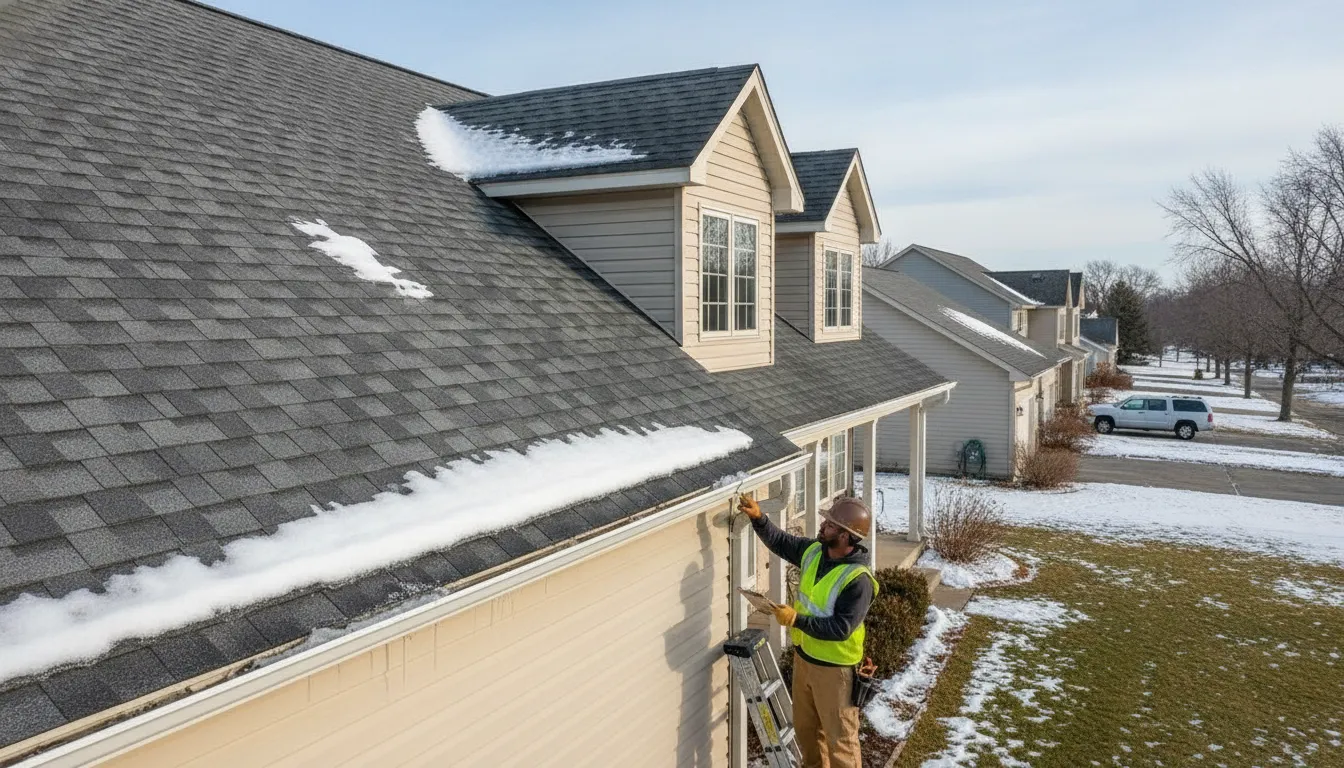
Roof inspections are not a reason to climb onto a steep, wet, icy, or damaged surface. Use binoculars for a distant view and photograph visible conditions from a safe location. A professional inspection can examine areas that are not safely accessible and distinguish ordinary wear from storm damage.
Why Delaying Roof Repairs Can Put Your Home at Risk
Delaying roof repairs can let water spread into insulation, decking, framing, and finished areas. The original opening may become harder to isolate after repeated wetting. Prompt evaluation does not mean assuming the worst. It means identifying the source, limiting further exposure when safe, and choosing a response based on evidence.
A roof problem rarely stays limited to the shingle, flashing, or seam where it first appears. When water gets past the roof covering, it can move through the assembly and reach insulation, decking, framing, and finished areas inside the home. The visible symptom may be a small stain while the underlying damage continues to develop.
Moisture can affect more than the roof surface
Wet insulation may no longer perform as intended. Water can also remain in decking or framing members. Chronic leaks may contribute to decay in structural components, weakening materials that help support the roof system. Pacific Northwest National Laboratory building-science guidance explains why water management matters in roof assemblies.
Persistent moisture deserves attention because mold can grow on many materials after water damage. Drying alone may not address the source if water is still entering through the roof. The National Park Service also explains the importance of maintaining roof components in its roofing preservation brief.
Why a small issue can become harder to manage
Leaves, branches, and other debris can trap moisture against roofing materials. A compromised area may also allow repeated wetting during later weather events. Document the condition and review applicable warranty information before work begins. Prompt action helps clarify whether the need is a focused repair or a broader roof evaluation.
- Early stage: A damaged shingle, flashing detail, or opening allows water to enter during rain or melting snow.
- Spreading moisture: Water reaches insulation or decking, and trapped debris can keep affected materials damp.
- Material deterioration: Ongoing exposure may contribute to mold growth or decay in roof components.
- Broader repair needs: The original defect and affected interior or structural materials may all require evaluation.
Referred Restoration offers free inspections for homeowners who want a clear assessment of roof damage and appropriate next steps.
How Do Minnesota Winters Affect Roof Damage?
Minnesota snow, ice, wind, and freeze-thaw cycles can stress shingles, flashing, drainage, and structural components. Ice dams can redirect meltwater beneath shingles, while heavy snow and brittle materials can expose weak areas. Post-storm checks and attention to recurring moisture help homeowners address problems before the next weather cycle.
Minnesota winter weather can turn a small roofing weakness into an active leak or structural concern. Seasonal awareness matters when planning roof repairs in Rogers, Cottage Grove, St. Francis, Monticello, and surrounding areas.
Ice dams and attic ventilation
Ice dams form when attic heat melts snow on the roof. Water runs toward colder eaves, refreezes, and creates a ridge that blocks normal drainage. Water can then work beneath shingles and into the roof assembly. The University of Minnesota Extension explains ice dams and prevention.
Ventilation is only one part of the solution. Air sealing, insulation, flashing, and drainage also affect how a roof handles winter moisture. If recurring ice buildup appears with ceiling stains or damp attic materials, arrange an inspection to identify the source.
Snow load and brittle shingles
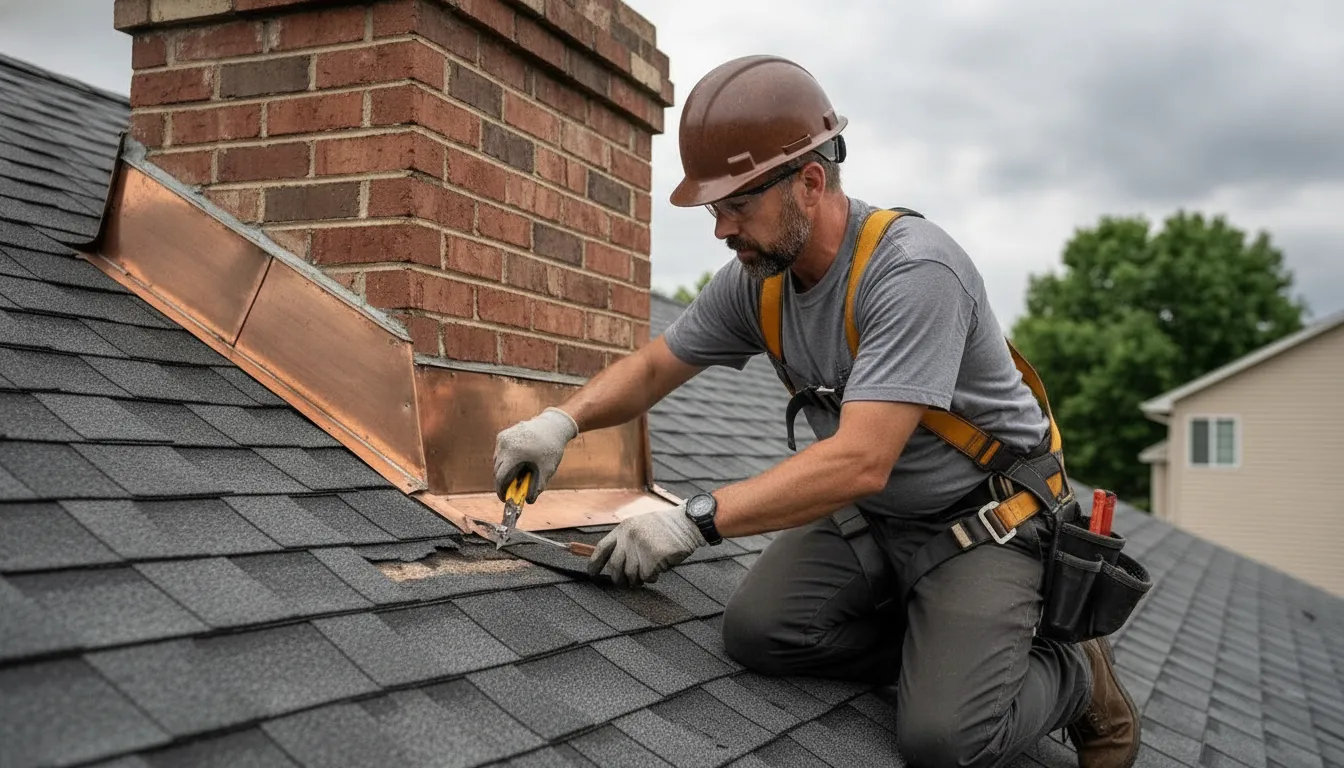
Heavy snow can stress roof framing, especially where water damage or weakened materials already exist. Cold conditions can also make some roofing materials less flexible during handling. Do not scrape, shovel, or walk on the roof without appropriate training and equipment. After a major storm, a ground-level check followed by a professional evaluation is safer.
What to check after a winter storm
Look for fallen branches, displaced shingles, damaged vents, new stains, and water near attic or ceiling areas. Check gutters from the ground for heavy granule accumulation or unusual debris. If the roofline sags or the leak is active, treat the issue as urgent and keep people away from the affected area.
Can Roof Repairs Be Enough, or Is Replacement Needed?
A focused repair may be enough when damage is localized and the surrounding shingles, underlayment, decking, flashing, and drainage paths remain sound. Replacement may be more appropriate when damage is widespread or the roof system has reached the end of its service life. An inspection should guide that decision.
The visible symptom alone cannot determine whether a roof needs a focused repair or a larger project. An inspection should consider the affected area, the surrounding materials, the roof’s age and condition, prior repairs, drainage, and the source of the damage.
When a focused repair may make sense
Localized roof repairs can be reasonable when damage is confined to a small area and the surrounding roof system remains sound. A contractor may address isolated storm damage, a small leak, or deteriorated flashing without disturbing the rest of the roof. Flashing seals roof intersections and penetrations while directing water away from the deck. National Park Service guidance discusses roof maintenance.
Why an inspection should guide the decision
A repair plan should explain what was found and why the proposed work fits the condition. Ask whether the underlayment and decking remain sound, whether the repair addresses the source of water, and whether nearby materials show related damage. A clear explanation helps homeowners compare the recommendation with the evidence.
Roof replacement is a separate decision from fixing one damaged area. Referred Restoration provides a Minnesota guide to asphalt shingle roof replacement for homeowners who need to understand that broader option.
| Condition | Focused repair may fit | Broader evaluation may be needed |
|---|---|---|
| Damage pattern | Localized leak, flashing issue, or isolated storm damage | Widespread leaks, multiple damaged areas, or recurring moisture |
| Surrounding system | Nearby shingles, decking, underlayment, and drainage remain sound | Adjacent materials show wear, deterioration, or related damage |
| Recommended next step | Document the affected area and confirm the repair addresses the source | Arrange a complete inspection to compare repair and replacement paths |
What Should You Ask Before Hiring a Roof Repair Contractor?
Ask a roof repair contractor to explain the inspection findings, affected materials, repair scope, drainage and ventilation conditions, documentation, protection plan, and cleanup process. Confirm who will communicate updates and how storm-related damage will be recorded. A clear, evidence-based scope helps you make a confident decision without pressure.
A good contractor should make the condition of your roof easier to understand. Before hiring anyone, use questions that reveal how the inspection, recommendation, and work plan connect.
Ask for a specific inspection and scope of work
Ask which areas were inspected, what caused the damage, and which materials are affected. Request photographs or other documentation when available. If wind or hail may be involved, ask whether the inspection will document storm-related damage with a written report. A qualified contractor should explain what is included and what remains uncertain.
Discuss materials, drainage, and ventilation
Ask which replacement materials will be used and how they will integrate with the existing roof. Have the contractor inspect flashing around penetrations and intersections. Ask how the repair will maintain drainage and whether damaged gutters, downspouts, or other water-management details contribute to the issue. Referred Restoration also serves homeowners seeking coordinated exterior restoration services, including those who need to plan roof work alongside window repair in Rogers.
Confirm protection, documentation, and communication
Before hiring anyone, verify licensing and both liability and workers’ compensation insurance. Clarify who your contact will be, how updates will be shared, what areas will be protected, and how the crew will handle debris, nails, and final cleanup. Referred Restoration follows a customer-first process from free inspection to recommended exterior restoration.
Request a roof repair inspection from Referred Restoration
Frequently Asked Questions
What are the common causes of roof leaks?
Common causes include damaged, curling, or missing shingles; failed flashing around chimneys, vents, and other penetrations; and worn valleys where water flow concentrates. Ice dams, storm debris, and deteriorated roof components can also allow water into the roof assembly.
Can a minor roof leak cause major damage?
Yes. Even a small leak can wet insulation, drywall, decking, or framing. A ceiling stain may be the first visible clue while the actual entry point is farther upslope. Prompt evaluation helps identify the source and affected materials.
What are the warning signs of a roof leak?
Look for ceiling or wall stains, drips, damp attic materials, musty odors, and daylight visible through the roof. Outside, check for missing, cracked, or curling shingles, loose flashing, exposed underlayment, and unusual granule buildup. Do not climb onto a wet or icy roof.
Can attic ventilation cause moisture that looks like a roof leak?
Yes. Warm, moist attic air can condense on colder roof surfaces, creating stains or damp insulation that resemble a leak. Proper insulation and ventilation help keep the roof deck cold and reduce ice-dam formation. An inspection can distinguish condensation from water entering through the roof.
Are roof repairs necessary if the leak seems minor?
Prompt evaluation is wise because leaks rarely improve on their own. A localized repair may be enough when the surrounding roof system remains sound, but delaying can let moisture spread into concealed materials. After hail, wind, or heavy snow, a visual inspection can identify damage before it becomes more extensive.
Ready to Protect Your Home With Timely Roof Repairs?
A free roof inspection can clarify which issues need attention now and which areas should be monitored. Referred Restoration helps Minnesota homeowners evaluate leaks, storm damage, and other roofing concerns with a consultative approach.
Call (763) 726-4245 or reach out online to request your free inspection.